Introduction to Blossom End Rot
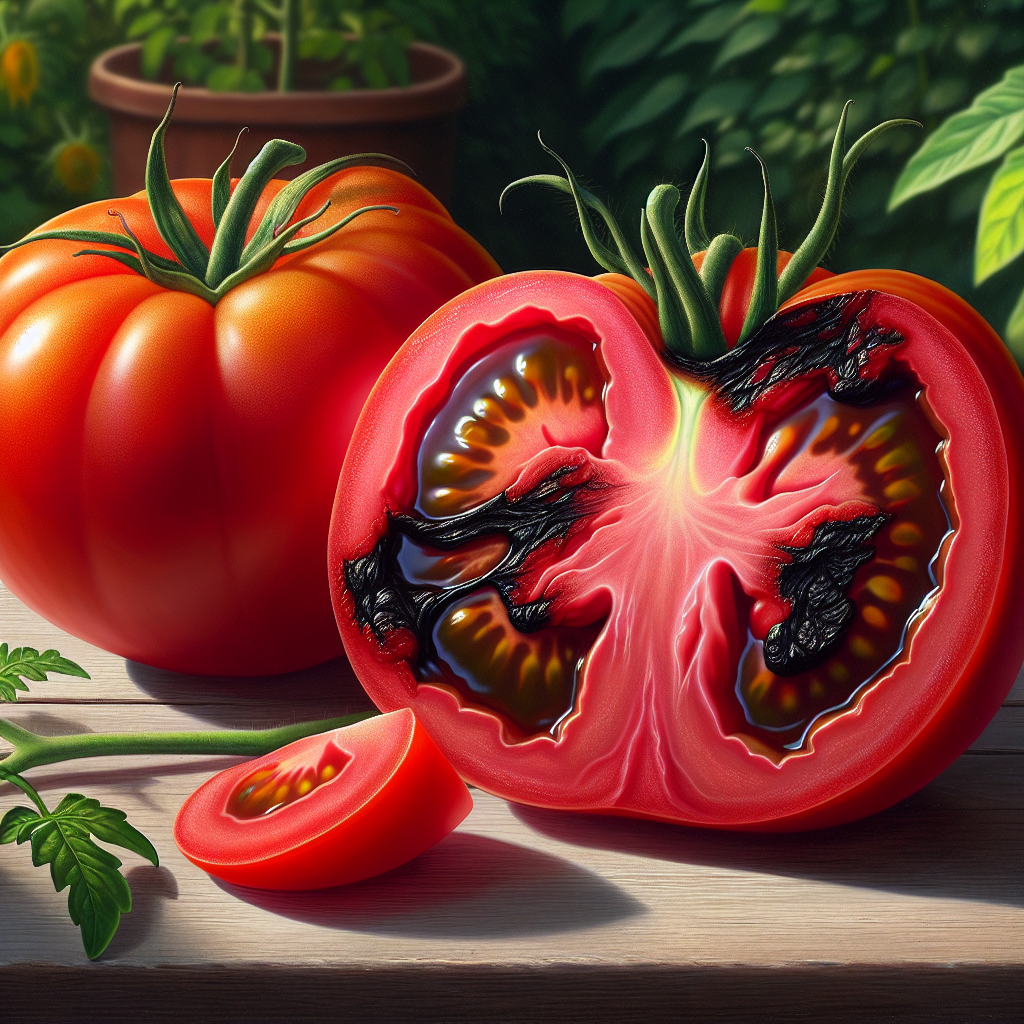
Blossom end rot (BER) is one of the most frustrating and widespread issues faced by home gardeners and commercial growers alike, particularly in warm-season fruiting crops. This non-infectious physiological disorder manifests as ugly, sunken black spots at the blossom end (opposite the stem) of developing fruits, rendering them unmarketable and unsuitable for consumption. Despite its name, BER isn't caused by a pathogen like fungi or bacteria but by a localized calcium (Ca) deficiency in the fruit tissue, even when soil calcium levels are adequate.
The condition arises when the plant's ability to transport calcium to rapidly expanding fruit cells is disrupted, often due to environmental stresses. First identified in tomatoes in the early 20th century, BER now affects a range of crops globally, costing growers millions annually in lost yield. Understanding its triggers is crucial for prevention, as affected fruits can't be cured once symptoms appear. Early detection and cultural adjustments are key to minimizing damage. For detailed cultivation tips on the most susceptible crop, see our guide on Tomato (crop).
This comprehensive guide covers symptoms, lifecycle, risk factors, organic treatments, prevention strategies, and affected crops, empowering you to protect your harvest effectively.
Identifying Symptoms & Damage
Spotting blossom end rot early is essential for limiting spread within your crop. The hallmark symptom is a water-soaked, tan or brown lesion at the blossom end of the fruit, which starts small—about the size of a dime—and expands rapidly. As it progresses, the affected area turns black, leathery, and sunken, often covering up to 50% of the fruit surface. Internally, the rot is dry and spongy, distinguishing it from soft, mushy rots caused by pathogens like Phytophthora (disease).
Affected fruits may continue to ripen around the lesion, but secondary infections from fungi or bacteria can invade the damaged tissue, leading to complete fruit decay. In severe cases, entire clusters show symptoms, drastically reducing yields. Differentiate BER from similar issues: unlike anthracnose fruit rot (disease), which affects the sides or top of fruits with concentric rings, BER is strictly at the blossom end. On peppers, lesions may appear as circular spots with a halo; on squash, elongated blotches form.
Inspect fruits weekly during peak development (4-6 weeks after pollination). Damage severity varies: mild cases affect 5-10% of fruits, while epidemics can destroy 30-50% of the crop. Economic impact is high—marketable yield drops, and labor increases for culling. In Roma Tomato (crop) varieties, symptoms often appear earlier due to their dense flesh.
Lifecycle and Progression of Blossom End Rot
Blossom end rot doesn't have a traditional pathogen lifecycle; it's a disorder tied to plant physiology and environmental conditions. It begins during fruit set when cells at the blossom end divide rapidly, demanding high calcium for cell wall strength. Calcium moves via the xylem with transpiration flow, so any interruption—like dry soil—starves these cells.
Progression unfolds in stages: 1) Early Stage (1-2 weeks post-pollination): Subtle water-soaking at the tip, barely visible. 2) Active Development (2-4 weeks): Lesion expands, tissue collapses as cells lyse due to weakened walls. 3) Maturation (4+ weeks): Dark, sunken rot forms; fruit may ripen but is inedible. Environmental stress peaks during hot, dry spells accelerate this.
Once initiated, BER can't be reversed because calcium doesn't redistribute retroactively in fruits. Multiple flushes can occur per season if conditions persist. In container-grown plants, symptoms appear faster due to limited root volume. Monitor Bell Pepper (crop) plants closely, as they show progression within 10 days under stress.
Environmental Triggers & Risk Factors
BER thrives under specific stressors that impair calcium uptake and transport. Primary trigger: Inconsistent moisture. Fluctuating soil moisture—alternating wet-dry cycles—reduces transpiration, halting calcium delivery. Overwatering followed by drought exacerbates this, common in sandy soils or during heatwaves.
High salinity from over-fertilization ties up calcium; excessive nitrogen or potassium promotes lush foliage at fruit's expense. Low soil calcium in acidic soils (pH <6.0) limits availability, though foliar sprays rarely help. Rapid growth from high temps (above 90°F/32°C) and low humidity strains supply. Root damage from root-knot nematodes (pest) or cultivation restricts uptake.
Risk factors include: cultivar susceptibility (e.g., large-fruited varieties), heavy pruning reducing leaf area, and container culture with poor drainage. In Hass Avocado (crop), similar symptoms link to drought stress. Check our blog on Why 80% of Small Farms Battle Weather Disasters - And How Hyper-Local AI Forecasts Can Save Your Harvest for weather management tips.
Organic Control & Treatment Plans
No cure exists for BER-affected fruits—remove them promptly to redirect plant energy. Focus on organic cultural controls: Mulch heavily (2-4 inches organic matter like straw) to stabilize soil moisture. Irrigate consistently—aim for 1-2 inches/week, deeply and infrequently; use drip systems for precision.
Amend soil with gypsum (calcium sulfate, 1-2 lbs/100 sq ft) for low-Ca soils; avoid lime if pH is optimal (6.2-6.8). Apply 4-6 weeks pre-planting. Balance fertility: Use organic sources like composted manure (low N) and bone meal for calcium. Foliar calcium (e.g., calcium acetate) offers minor aid but isn't reliable.
For active cases: Prune excessive foliage to improve air flow and transpiration. Test soil EC to avoid salt buildup. In Eggplant (crop), integrate fish emulsion for steady nutrients. Rotate crops and incorporate cover crops like clover (crop) to boost soil Ca. Monitor weekly; yields can recover mid-season with adjustments.
Preventing Blossom End Rot in the Future
Prevention beats treatment—build resilient systems pre-season. Soil test annually: Target 1000-2000 ppm exchangeable Ca, pH 6.5. Incorporate 5-10 tons/acre compost for buffering. Select resistant varieties: Choose BER-tolerant hybrids like 'Big Beef' tomato or 'Park's Whopper' pepper.
Optimize irrigation: Install soaker hoses/timers for even moisture; cover bare soil immediately after planting. Mulch religiously and avoid cultivation near roots. Fertilize wisely: Side-dress with low-N organics; split applications. Maintain even canopy—avoid heavy pruning. For small farms, consistent practices yield 20-30% higher marketable fruit.
Long-term: Use raised beds with Ca-rich mixes. In greenhouses, humidity control prevents dry spells. Track via logs; integrate with companion planting from our Fall Companion Planting Guide: Boost Yields and Soil Health for Small Farms and Gardens. Success rates soar with vigilance.
Crops Most Affected by Blossom End Rot
Tomatoes top the list, with 20-40% incidence in susceptible gardens—especially heirlooms and large beefsteak types. Peppers (bell and chili) follow closely, showing lesions on 10-30% of fruits. Squash family members like Zucchini (crop), pumpkin (crop), and cucumbers suffer elongated rots. Watermelon (crop) and cantaloupe (crop) exhibit blossom-end spots during dry spells.
Less common but notable: eggplant (crop) and beans. Avocados, particularly Fuerte Avocado (crop), show similar tip rot. Cool-season crops rarely affected. Susceptibility ties to high transpiration demand and fruit size. In commercial settings, tomatoes account for 70% of BER reports.