Introduction to celeriac
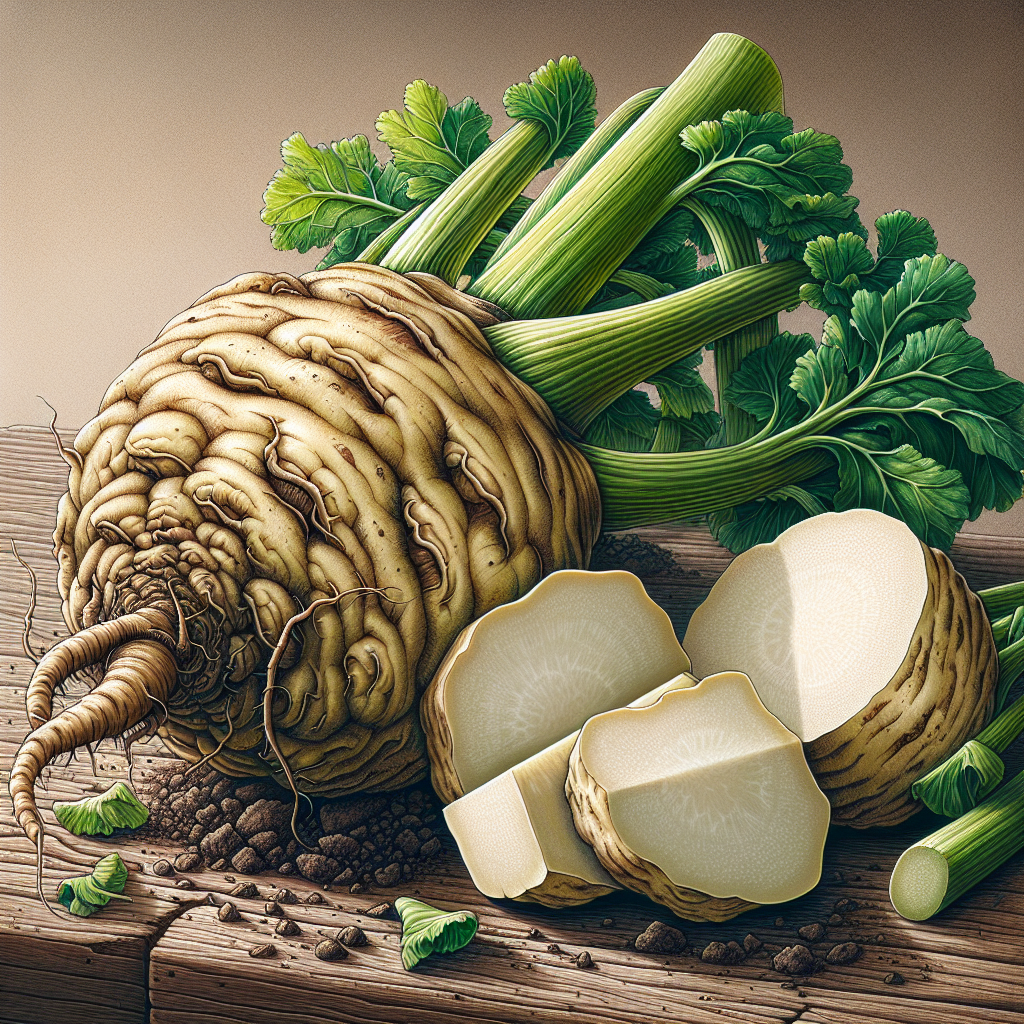
Celeriac (Apium graveolens var. rapaceum), commonly called celery root or knob celery, is a biennial root crop prized for its nutty flavor and versatility in culinary applications. While not a pest itself, celeriac plants are highly susceptible to a range of pests and diseases that can devastate crops, leading to stunted growth, root deformation, and total yield loss. This definitive diagnostic and management guide equips professional growers, small farm operators, and home gardeners with practical, evidence-based strategies to identify, manage, and prevent celeriac pest issues.
Understanding celeriac's biology is key: it thrives in cool, moist conditions with well-drained, fertile soils (pH 6.0-7.0). Grown for its swollen hypocotyl root, which can weigh 1-2 kg at maturity, celeriac requires 120-150 days to harvest. Pests like aphids, root-knot nematodes, and carrot rust fly (closely related impacts) target its fleshy roots and tender foliage, often exacerbated by poor rotation or excessive nitrogen. Early detection is critical, as infested roots become unmarketable. This guide draws from entomological research and agricultural extension data to deliver SEO-optimized, actionable advice for sustainable celeriac production. For small farms battling identification woes, check out Why Misidentifying Plants Costs Small Farms Thousands - And How AI Camera Diagnosis Fixes It Fast.
Identifying Symptoms & Damage
Accurate diagnosis begins with recognizing celeriac-specific symptoms. Foliage damage appears as yellowing, wilting leaves with stippling from sucking pests like aphids or whiteflies. Look for sticky honeydew residue, sooty mold, and curled petioles—hallmarks of aphid infestations, which transmit viruses like celery mosaic.
Root damage is the primary concern: inspect swollen hypocotyls for galls from root-knot nematodes, presenting as bead-like swellings that crack and invite secondary rots. Tunneling from celery fly maggots (Eurygaster spp.) creates brown, serpentine trails, reducing root size by 50-70%. Surface lesions, pitting, and forking indicate wireworms or flea beetles. Severe cases show plant stunting, bronzing, and premature bolting.
Differentiate from diseases: Septoria leaf spot causes angular brown spots with yellow halos, while Fusarium wilt leads to vascular browning and collapse. Use a 10x hand lens to spot mites or eggs. Scout weekly, focusing on lower leaves and soil line. Threshold: 5% infested plants warrants action. Document with photos for trend tracking—essential for IPM success in celeriac fields.
Lifecycle and Progression of celeriac
Celeriac pests follow predictable cycles tied to the crop's 5-6 month growth. Aphids overwinter as eggs on celery volunteers, hatching in spring (April-May) into wingless nymphs that colonize young shoots. Populations explode in 7-10 days, with 10-15 generations per season, peaking in midsummer.
Root-knot nematodes (Meloidogyne spp.) persist as cysts in soil, juveniles hatching at 18-25°C to invade roots within 24 hours, forming galls in 2-4 weeks. Mature females lay 500+ eggs, perpetuating infestation. Celery miners (Liriomyza spp.) lay eggs in leaf tissues; larvae mine for 5-7 days, pupating in soil for 2-week cycles.
Progression: Seedling stage (0-4 weeks) vulnerable to damping-off and cutworms; vegetative (4-12 weeks) sees foliar pests; root bulking (12+ weeks) attracts soil dwellers. Overwintering occurs as pupae or cysts, resuming in spring. Monitor with soil traps and degree-day models (base 10°C for aphids). Breaking the cycle via rotation disrupts progression, reducing damage by 80%.
Environmental Triggers & Risk Factors
Celeriac pests thrive in specific conditions: high humidity (>80%) and temperatures 15-25°C favor aphids and fungal vectors. Poor drainage leads to root rot, compounding nematode damage. Excessive nitrogen promotes succulent growth, attracting slugs and caterpillars.
Risk factors include monocropping, as celeriac shares pests with carrot, parsley, and parsnip. Acidic soils (pH<6.0) stress plants, increasing susceptibility to powdery mildew. Weedy fields harbor flea beetles; irrigation overhead boosts leaf wetness for leafminers.
Climate change extends pest ranges—warmer winters boost overwintering survival. Scout after rain or 20+°C days. Soil tests reveal nematode levels (>10 J2/g soil = high risk). Companion planting with onion repels flies; avoid planting near potato fields sharing wireworms.
Organic Control & Treatment Plans
Integrated organic management emphasizes prevention and biologicals. Cultural: Rotate with non-hosts like grains (3-year minimum). Use row covers until flowering. Mulch with straw to deter soil pests.
Biological: Release predatory wasps (Aphidius spp.) for aphids (1:50 ratio). Apply beneficial nematodes (Steinernema feltiae) for maggots (10^6/m²). Neem oil (0.5%) or insecticidal soap sprays weekly at dusk targets soft-bodied pests—3 applications reduce aphids 90%.
Mechanical: Hand-pick clusters; use yellow sticky traps (20/100m²). Till soil post-harvest to expose pupae. For nematodes, solarize soil (black plastic, 6 weeks summer) kills 70-90%.
Treatment Plan: Week 1: Scout/soap spray. Week 2: BT for caterpillars. Ongoing: Monitor thresholds. Spring Pest Patrol: Organic AI Strategies to Shield Your Crops from Common Invaders offers tech-enhanced tips. Yields recover 75% with timely intervention.
Preventing celeriac in the Future
Long-term prevention builds resilient systems. Select resistant varieties like 'Monarch' or 'Giant Prague'. Sanitize tools; rogue infected plants. Biofumigants (mustard cover crops) suppress nematodes.
Soil health: Incorporate compost (5t/ha) for microbial antagonism. Diverse rotations with clover and marigold break cycles. Monitor via soil sampling annually. Drip irrigation minimizes wetness.
IPM thresholds: Act at 10 aphids/leaf or 5% galling. Record data for predictive modeling. For small farms, Soil Health Mastery: 5 Proven Strategies for Small Farms to Build Fertile Ground Without Breaking the Bank integrates prevention seamlessly.
Crops Most Affected by celeriac
Celeriac pests primarily target Apiaceae: celery (worst hit, 50% losses), carrot, parsley, parsnip, fennel. Secondary: beet, lettuce from shared aphids/leafminers. Nematodes affect tomato, eggplant, potato. Regional hotspots: Europe (celery fly), US (nematodes in CA fields). Protect rotations accordingly.