Encyclopedia
Definitive guides for crops, pests, and agricultural diseases.

Clover
Clover is a versatile legume grown as forage, green manure, living mulch, pollinator habitat, and low-input groundcover. Its ability to fix atmospheric nitrogen through symbiosis with Rhizobium bacteria makes it one of the most valuable regenerative crops for pastures, orchards, and crop rotations.
View Guide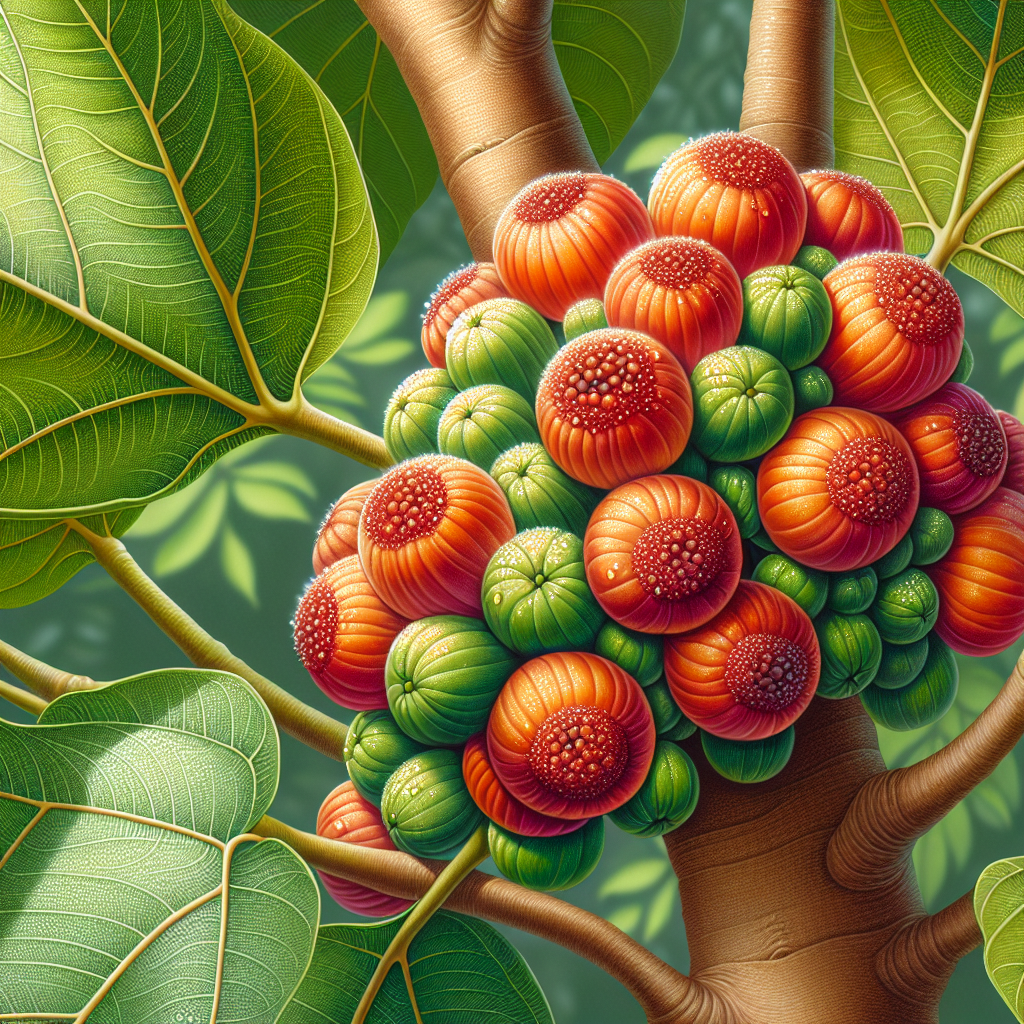
Cluster Fig (Ficus racemosa)
Cluster Fig (Ficus racemosa), also known as the Indian fig or gular, is a fast-growing tropical tree prized for its clustered, edible syconia and medicinal properties. Thriving in warm, humid climates, it offers substantial yields for agroforestry systems and home gardens. This guide provides expert cultivation techniques for optimal growth and harvest.
View Guide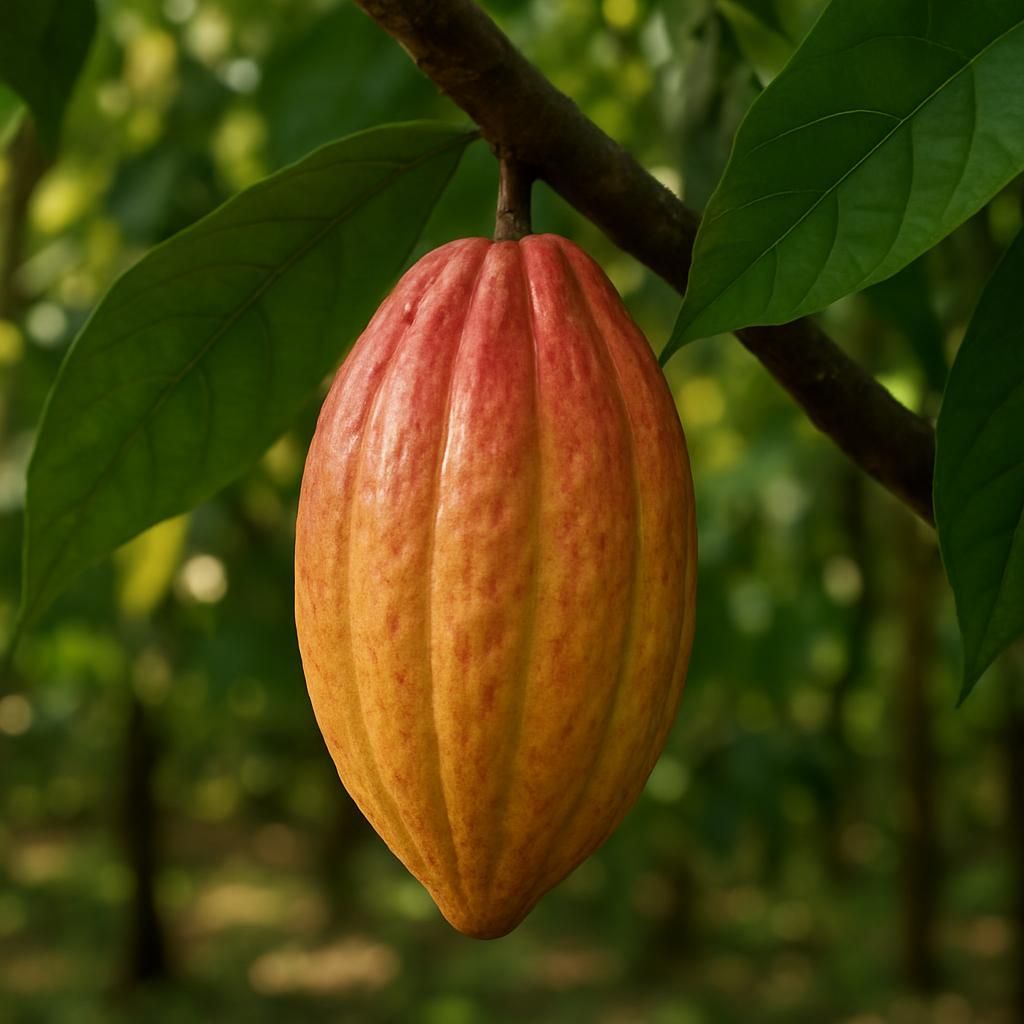
Cocoa (Criollo)
Criollo cocoa is the rarest and most prized variety of cacao, renowned for its delicate flavor, low bitterness, and aromatic complexity. This comprehensive guide covers every stage of cultivation, from ideal soil and climate conditions to harvesting, fermentation, and storage best practices.
View Guide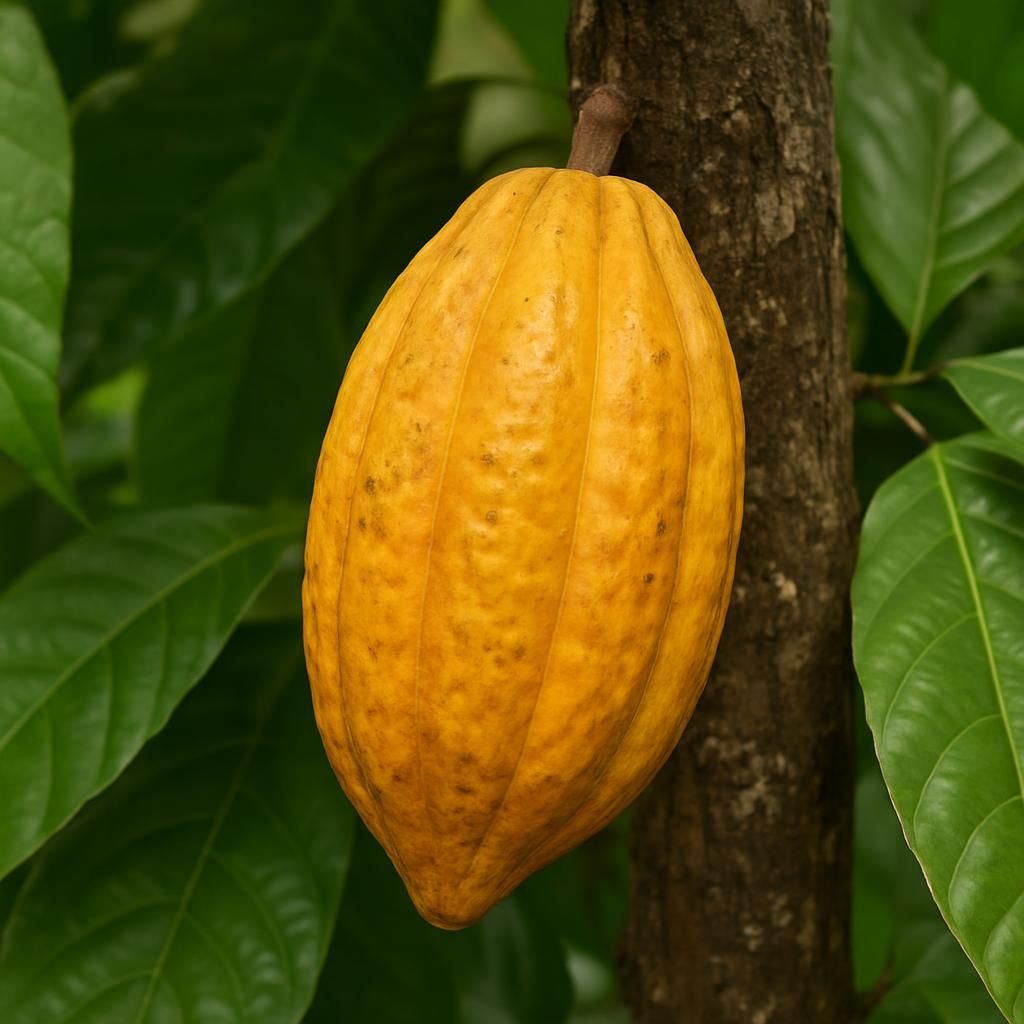
Cocoa (Forastero)
Forastero cocoa is the world's most widely cultivated cacao variety, prized for its robust growth, disease resistance, and reliable yields in tropical climates. This professional guide covers every stage from site selection through fermentation and storage for commercial and serious home growers.
View Guide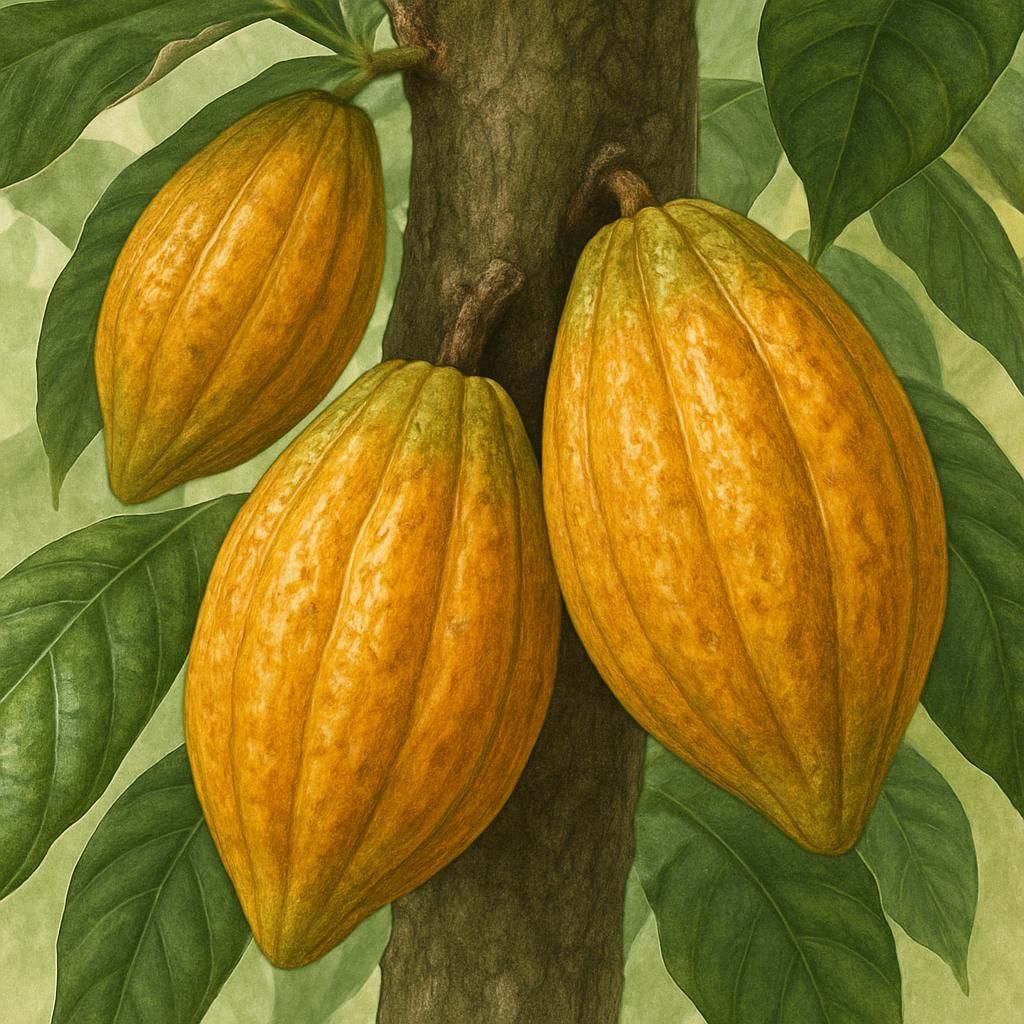
Cocoa (Nacional)
Cocoa (Nacional) is a premium fine-flavor variety of cacao native to Ecuador, prized for its complex floral and fruity notes. This guide provides professional-grade cultivation practices for soil, climate, planting, care, pest management, harvesting, and companion strategies to produce high-quality Nacional cacao.
View Guide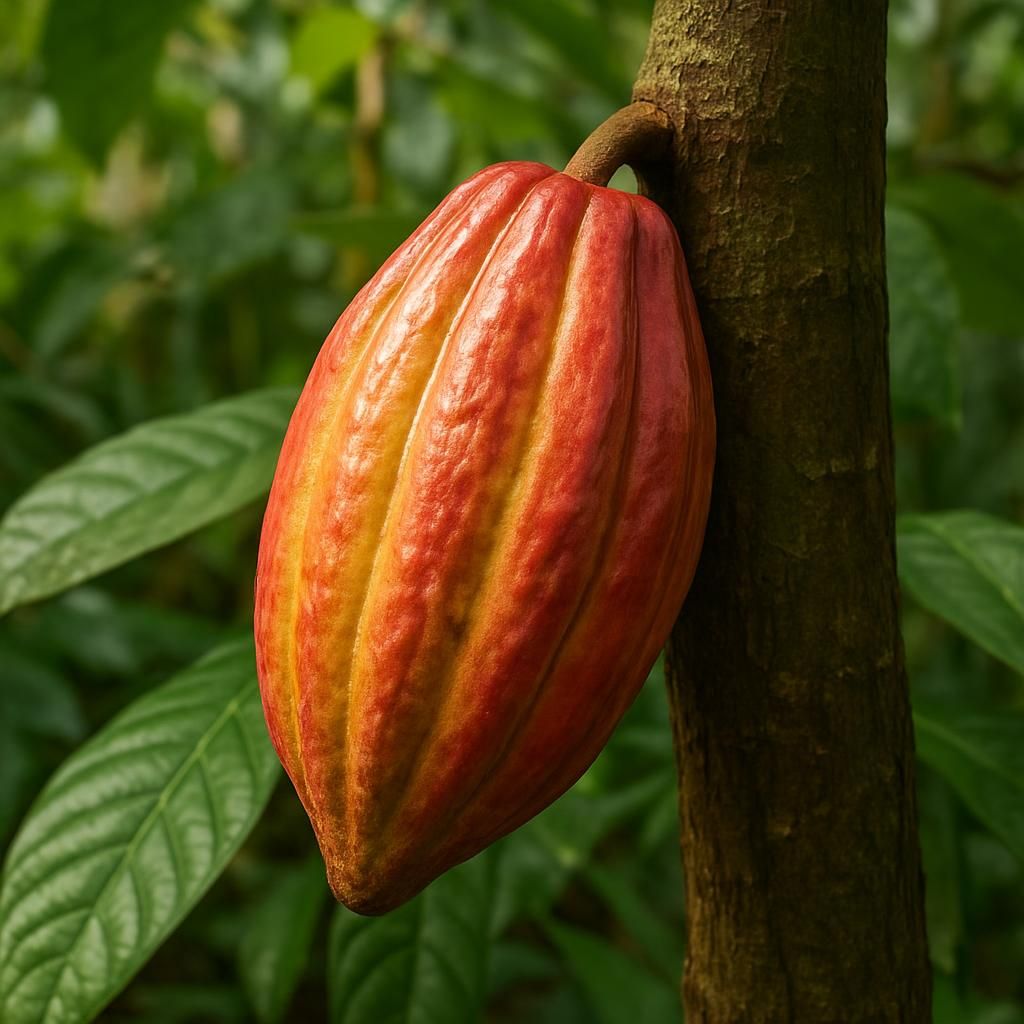
Cocoa (Trinitario)
Trinitario cocoa is a premium hybrid variety prized for its complex flavor profile that combines the aromatic notes of Criollo with the robust yield of Forastero. This guide delivers professional-grade, practical advice for growing Trinitario cocoa successfully from propagation through post-harvest processing.
View Guide
Cocodrie Rice
Cocodrie Rice is a short-grain rice variety widely grown in the southern United States. It is prized for its adaptability, high yields, and short growth cycle, making it a favorite among farmers looking for an efficient crop to grow.
View Guide
Coconut
Coconut is a long-lived tropical palm valued for water, fresh kernel, copra, oil, coir, timber, and nectar products, making it one of the world’s most multifunctional plantation crops. Successful cultivation depends on heat, sun, deep well-drained soil, steady moisture without waterlogging, balanced potassium-rich nutrition, and rigorous management of palm health from seed nut selection through harvest.
View Guide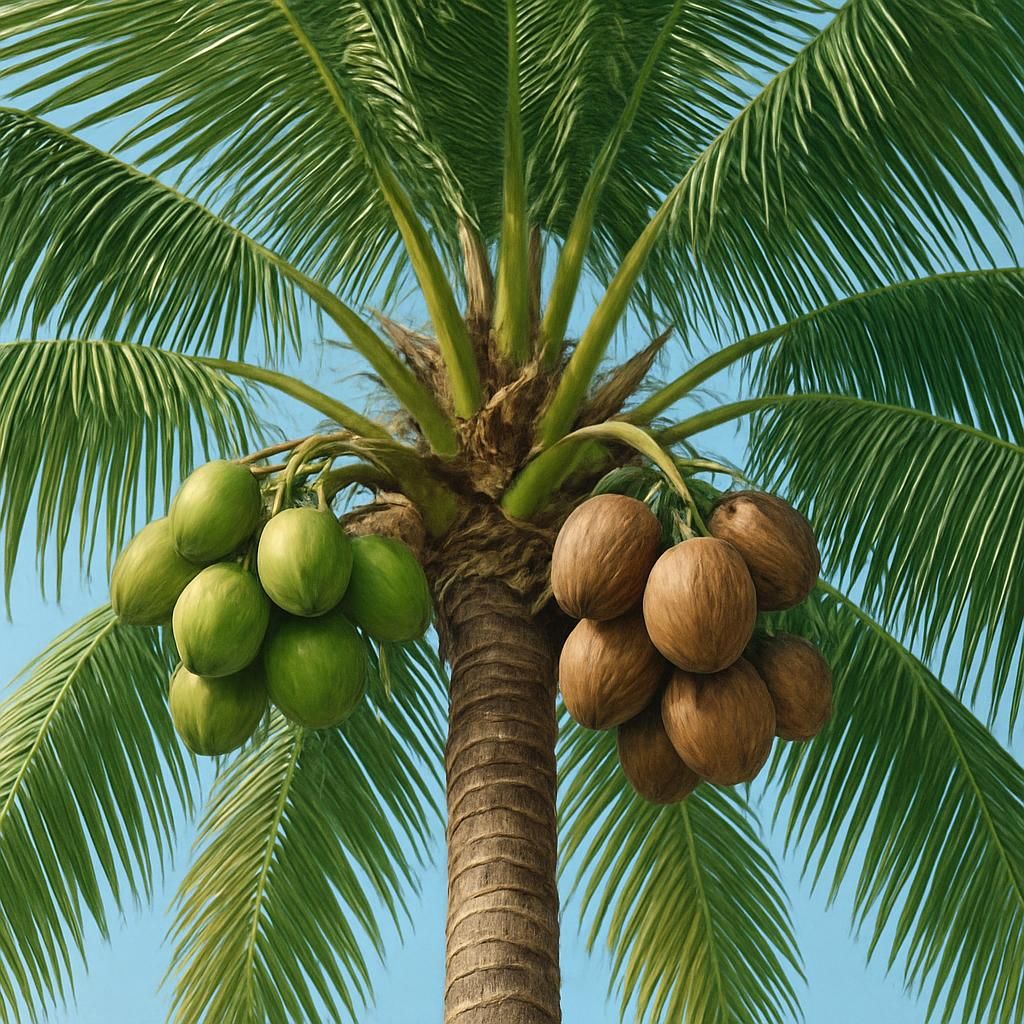
Coconut (Fiji Dwarf)
The Fiji Dwarf coconut is a compact, high-yielding variety prized for its early bearing, disease resistance, and suitability for both commercial plantations and home gardens in tropical regions.
View Guide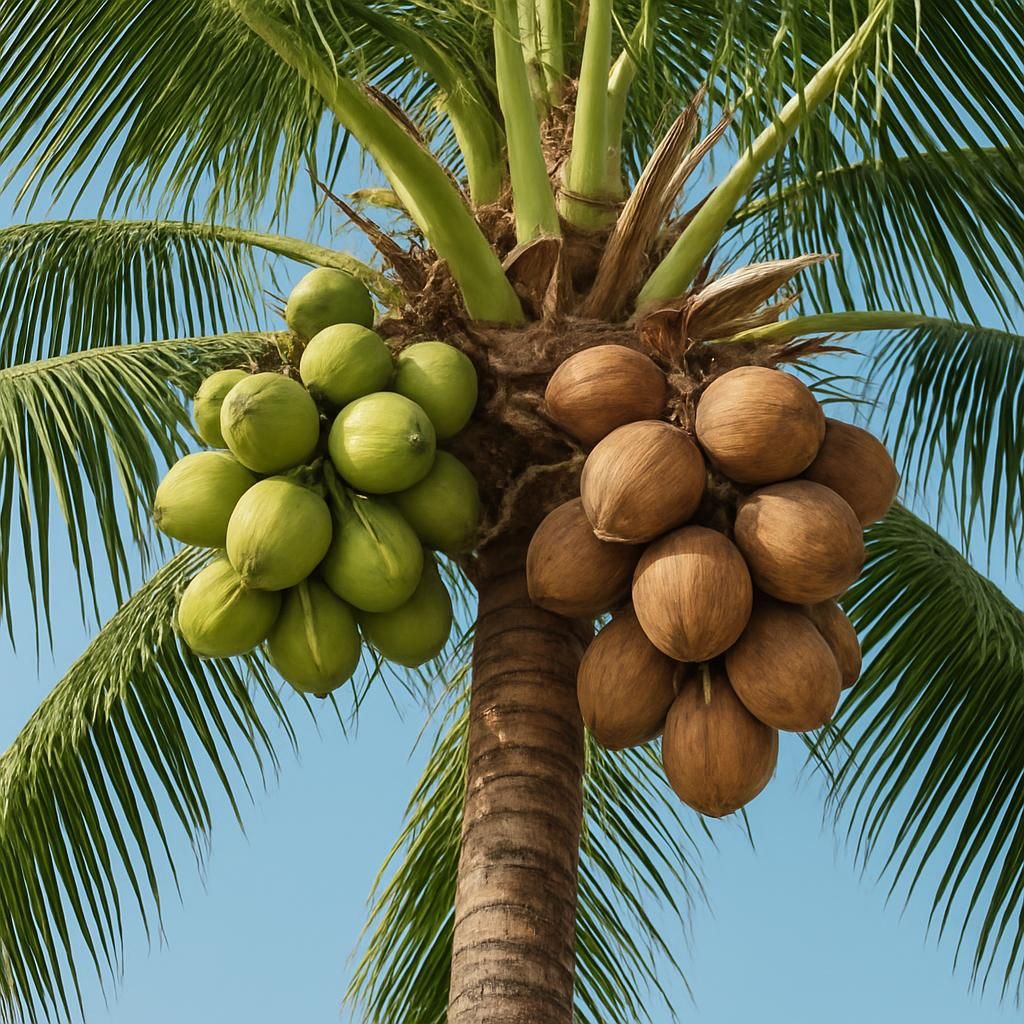
Coconut (Kapa)
Coconut (Kapa) is a versatile tropical palm providing food, fiber, oil, and timber. This definitive guide covers soil, climate, planting, care, pest management, and harvesting for professional growers.
View Guide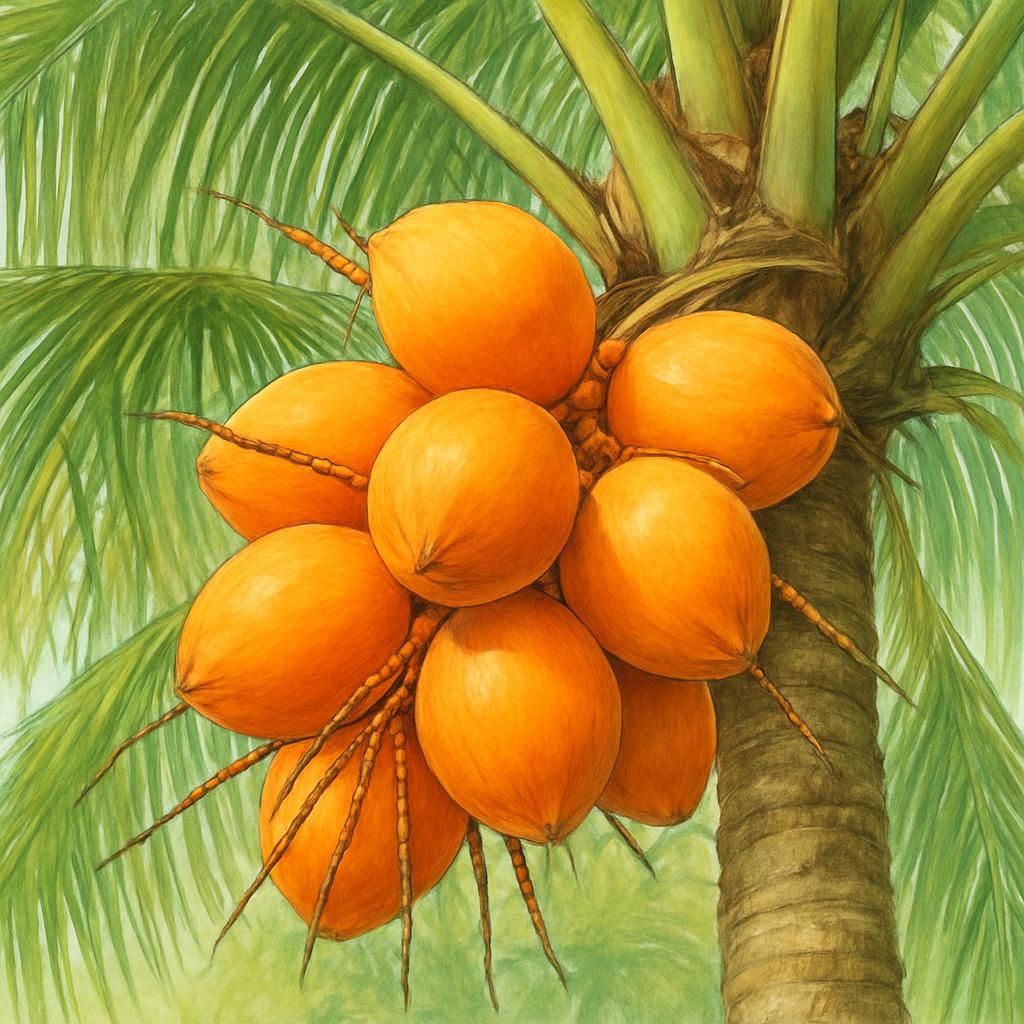
Coconut (King Coconut)
King Coconut is a premium tall variety of coconut palm prized for its sweet, orange-tinted water and tender kernel. This definitive growing guide covers every stage from botanical characteristics and site preparation through propagation, care schedules, pest management, harvest, and companion planting strategies.
View Guide
Coconut (King)
King coconut is a distinctive orange to golden coconut type grown primarily for its sweet, refreshing tender water rather than copra. It is best suited to humid tropical lowlands, where warmth, deep well-drained soils, and consistent moisture allow steady palm growth, high nut set, and premium beverage quality.
View Guide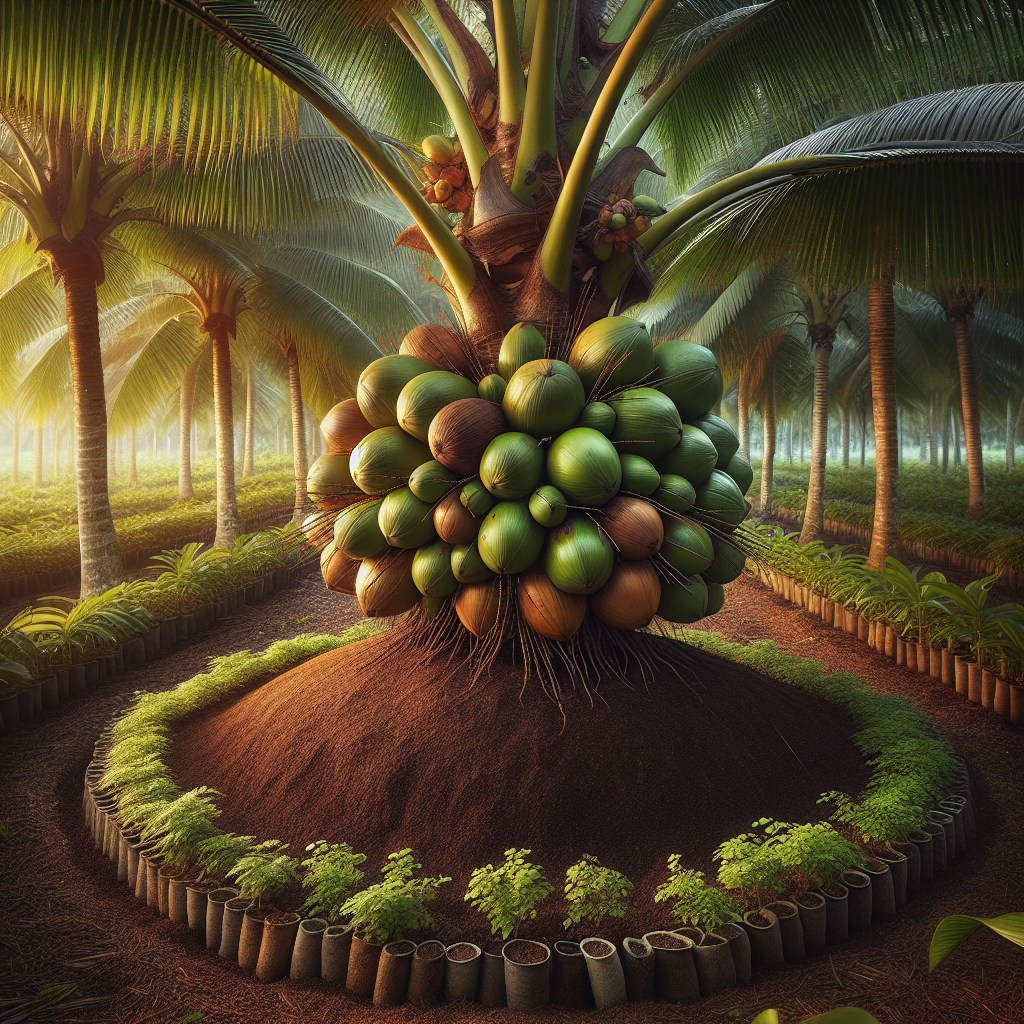
Coconut (Macapuno)
Coconut (Macapuno) is a rare and highly prized coconut type known for its unusually soft, jelly-like endosperm rather than the typical firm coconut meat. It is grown mainly in tropical regions and requires the same broad agronomic conditions as standard coconut palms, but successful production depends on careful propagation, cultivar selection, and orchard management because true-to-type reproduction is more complex than with ordinary coconuts.
View Guide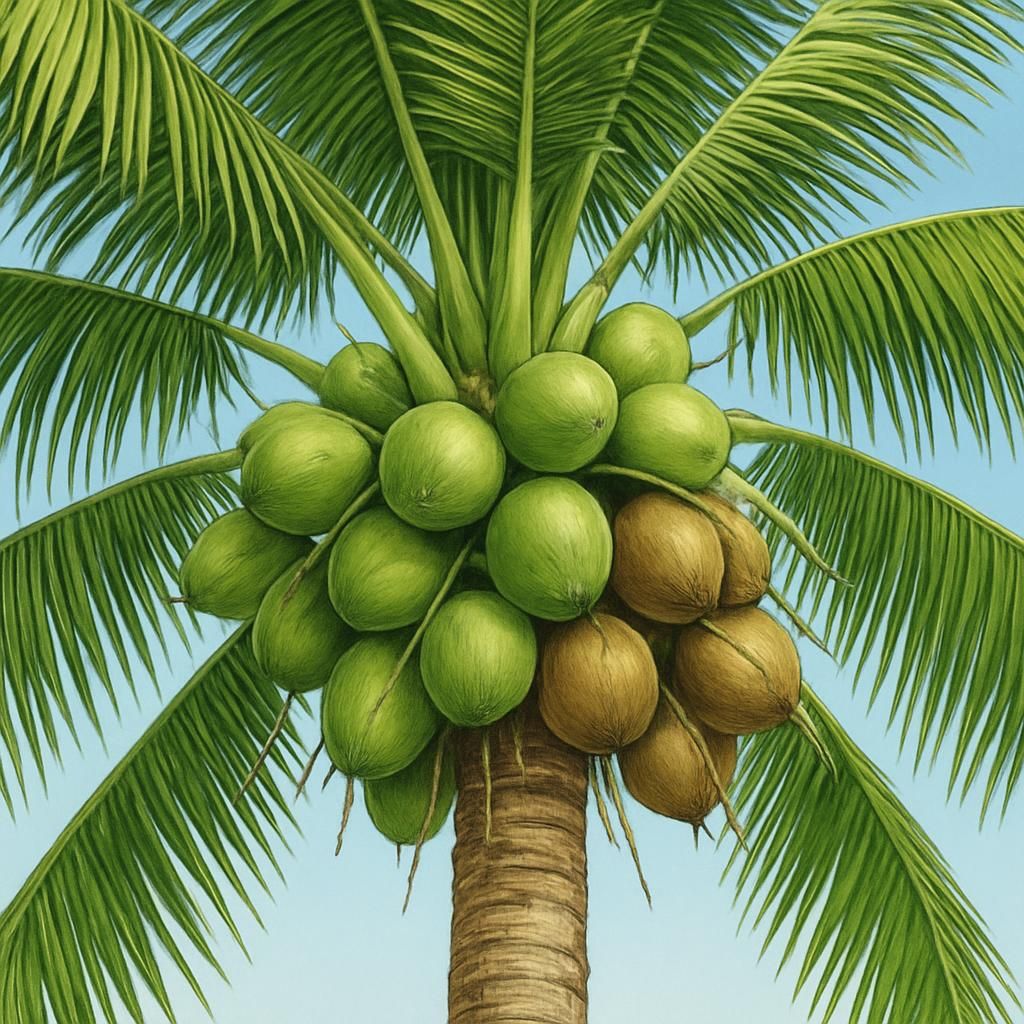
Coconut (Malayan Dwarf)
The Malayan Dwarf is a compact, high-yielding coconut cultivar prized for its early bearing, disease resistance, and suitability for both commercial plantations and home gardens in tropical climates.
View Guide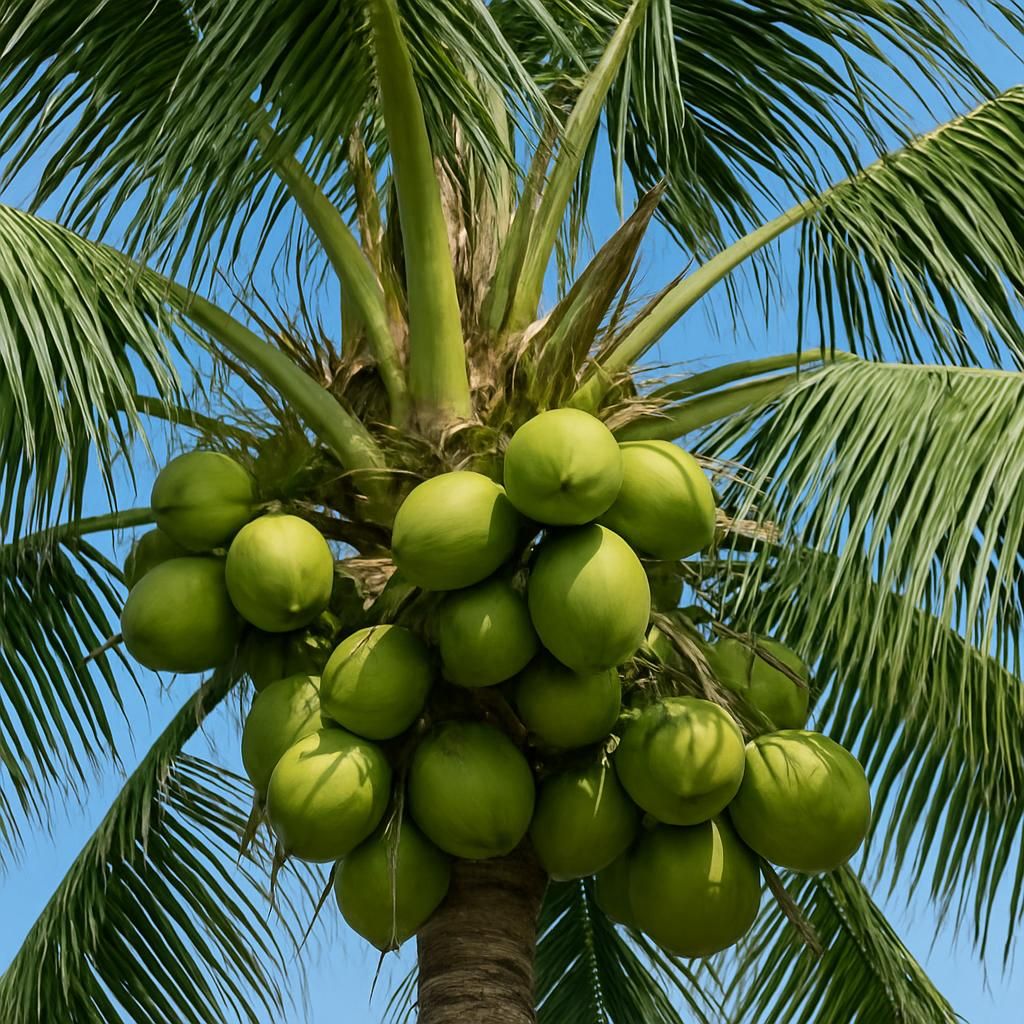
Coconut (Maypan Hybrid)
The Maypan Hybrid is a high-yielding, disease-resistant coconut palm developed from a cross between the Malayan Dwarf and Panama Tall varieties. It produces large nuts with high copra content and performs well in both commercial plantations and smallholder systems across tropical regions.
View Guide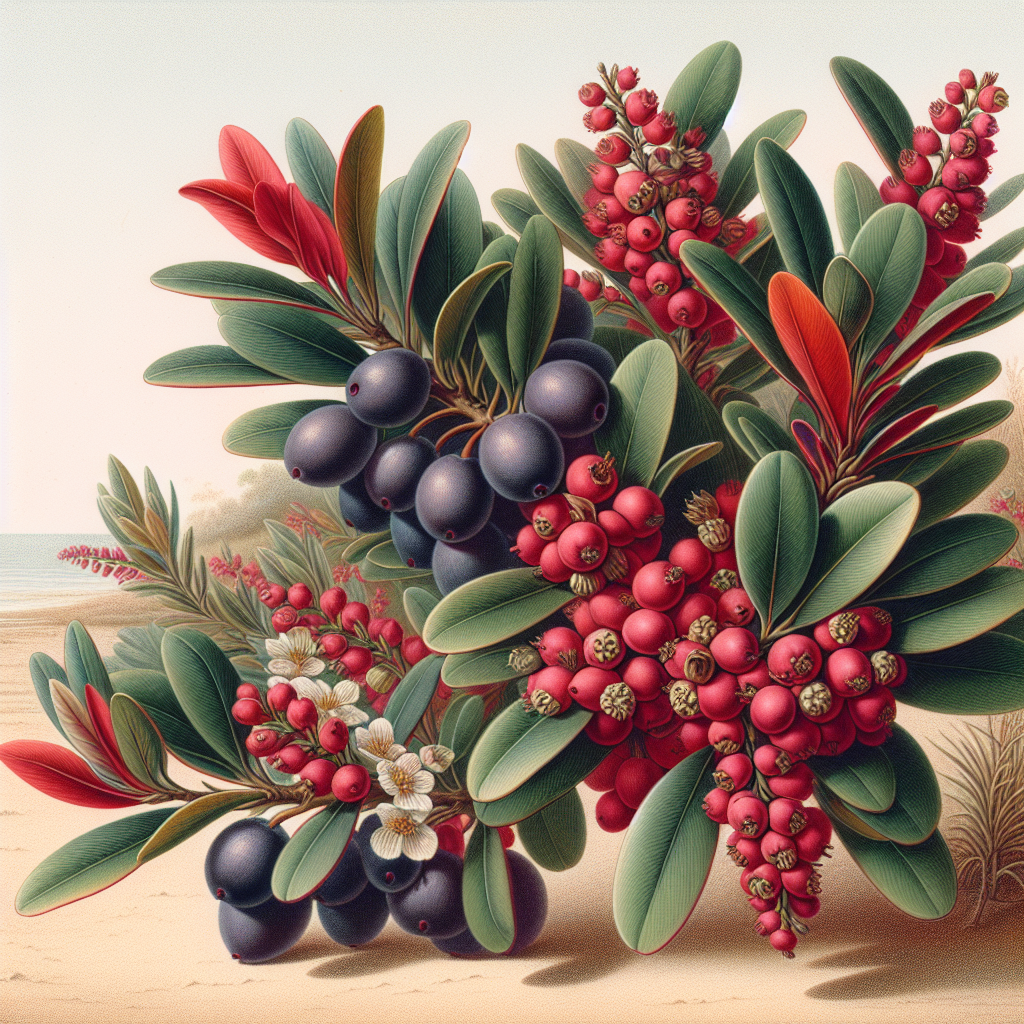
Cocoplum (Red Tip)
Cocoplum (Red Tip), a striking evergreen shrub prized for its ornamental red new growth and edible fruits, thrives in coastal landscapes and home gardens. This low-maintenance plant produces sweet, plum-like drupes that attract wildlife and provide culinary value. Ideal for hedges, topiaries, and erosion control, it offers year-round appeal in warm climates.
View Guide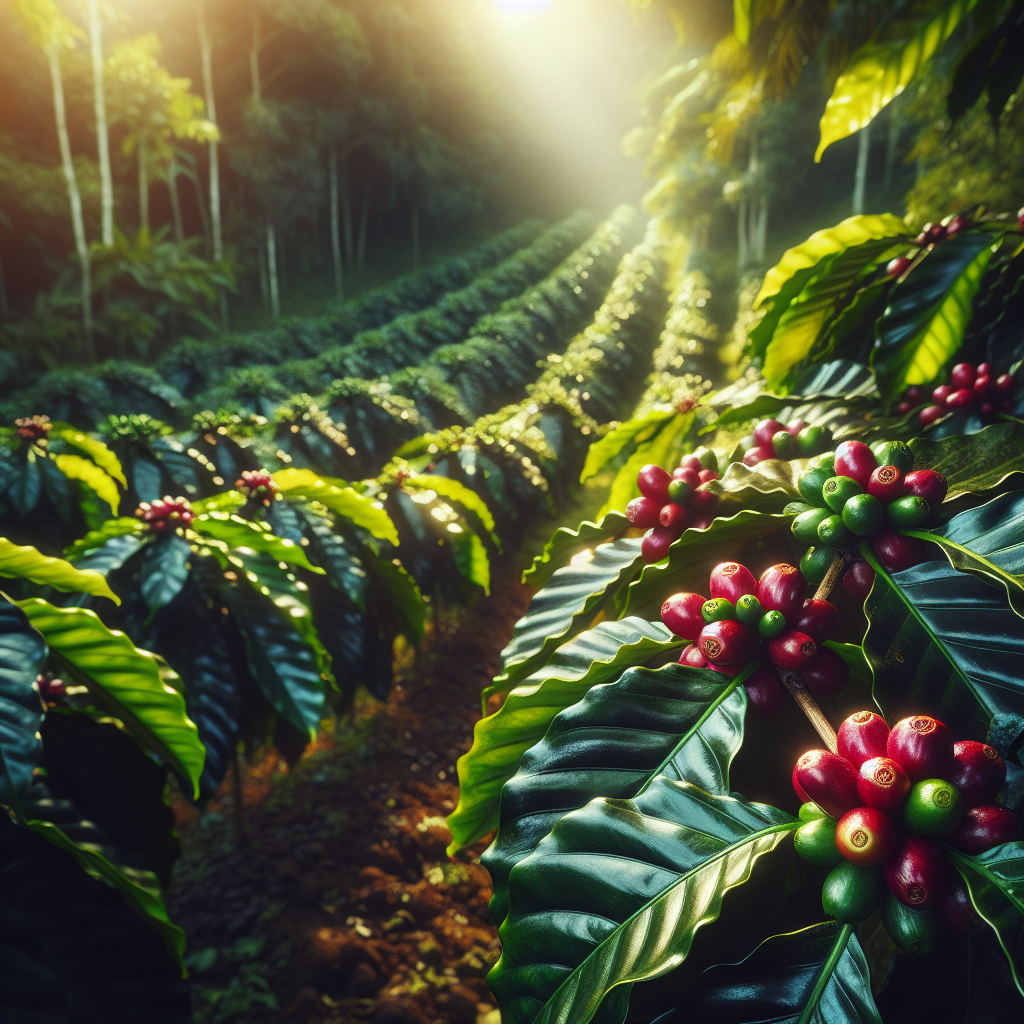
Coffee
Coffee is a perennial tropical shrub or small tree cultivated for its seeds, which are processed into one of the world’s most valuable beverages. Successful coffee production depends on matching species and cultivar to altitude, rainfall pattern, shade level, soil acidity, and rigorous pest and disease management.
View Guide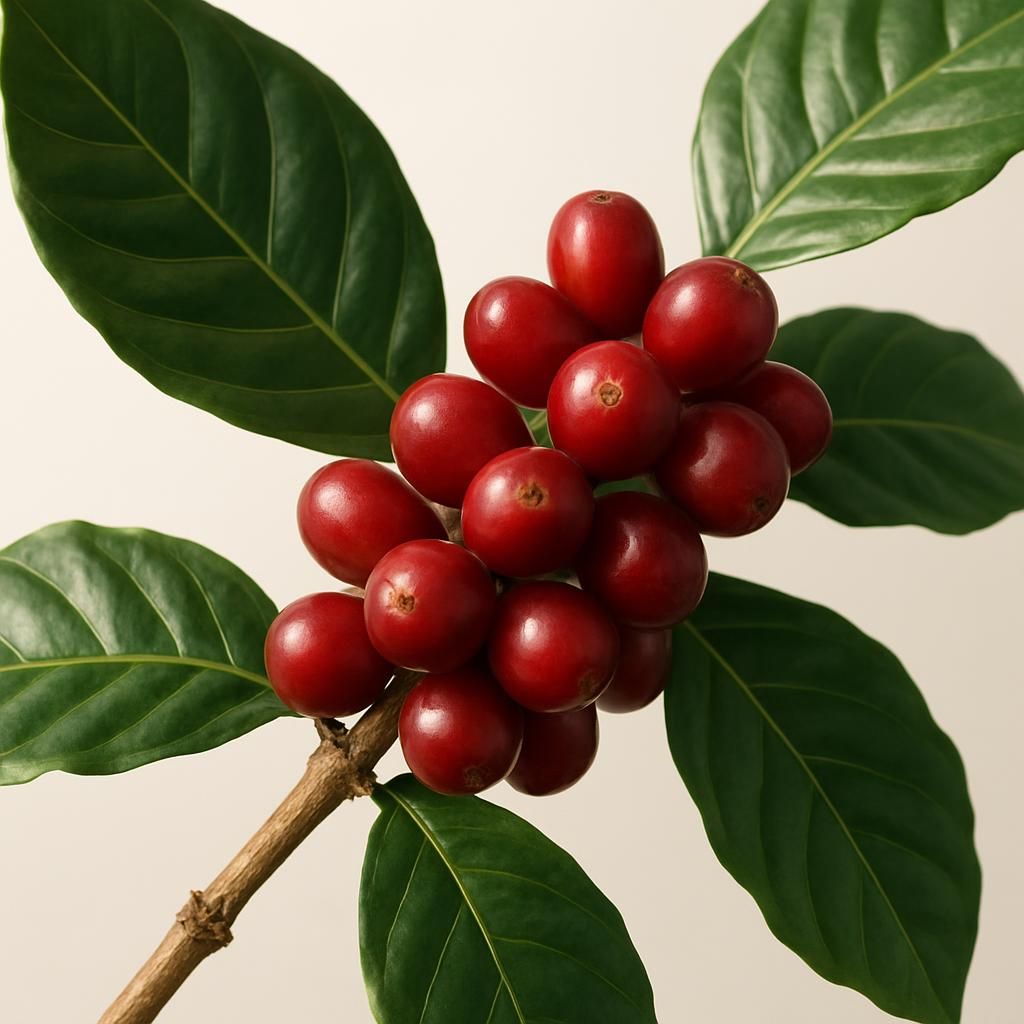
Coffee (Arabica - Bourbon)
Bourbon is a historic, high-quality Arabica cultivar prized for its complex cup profile, moderate yields, and adaptability to high-elevation tropical highlands. This definitive guide covers every stage of commercial and smallholder production, from soil preparation and propagation through harvest, processing, and storage.
View Guide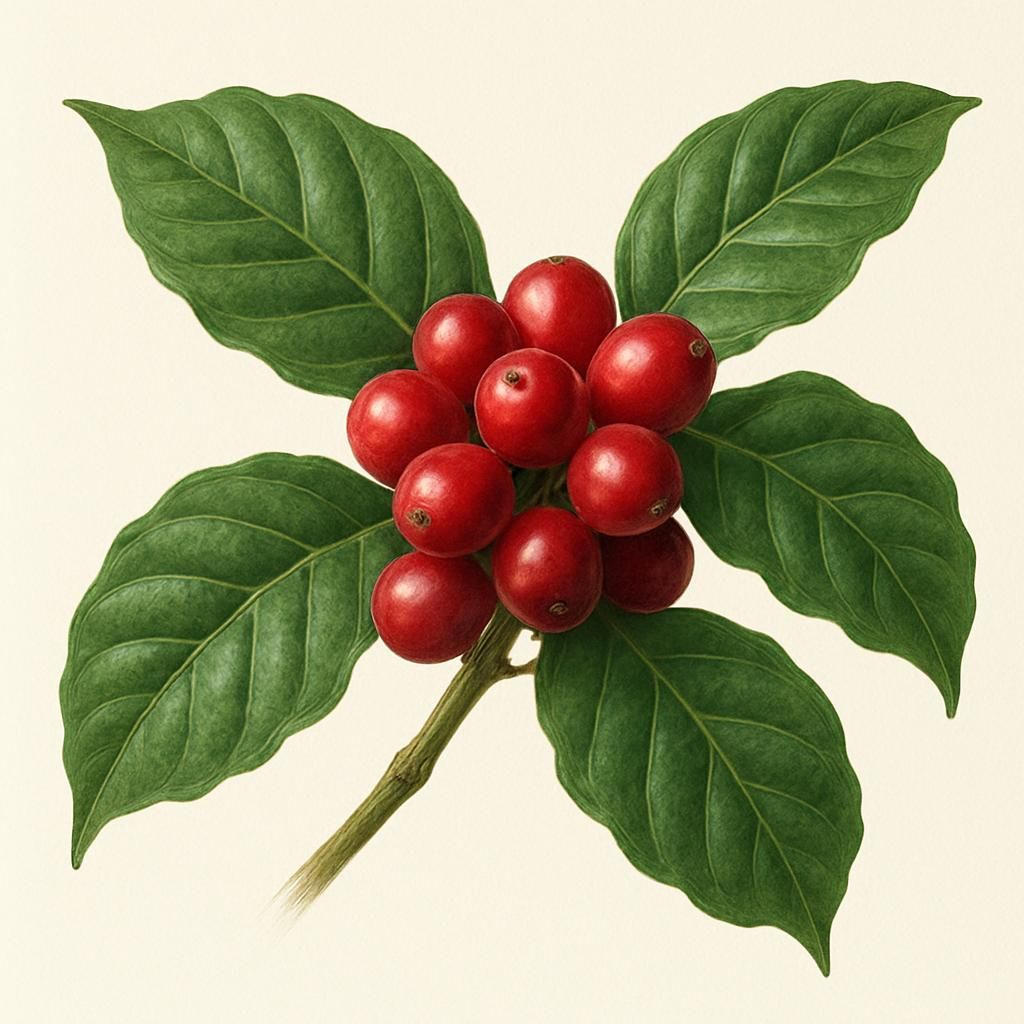
Coffee (Arabica - Caturra)
Caturra is a compact, high-yielding mutation of Bourbon Arabica prized for its bright acidity and adaptability to intensive cultivation. This guide delivers professional-grade agronomic protocols for soil, climate, propagation, nutrition, pest management, and post-harvest handling to maximize both yield and cup quality.
View Guide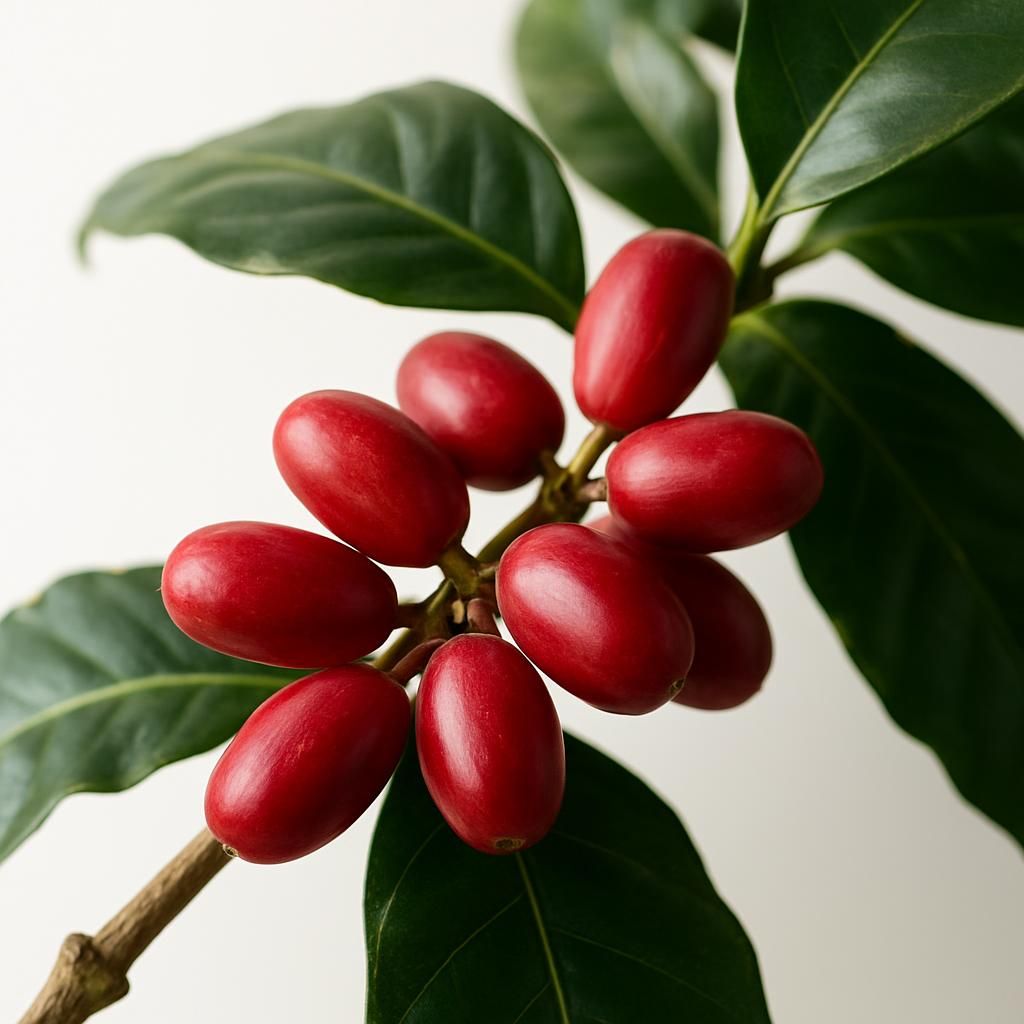
Coffee (Arabica - Geisha)
Geisha (also spelled Gesha) is a rare, high-value Arabica cultivar prized for its exceptional floral aroma, tea-like acidity, and complex flavor profile. It demands precise high-altitude growing conditions and intensive management to achieve the quality that commands premium prices.
View Guide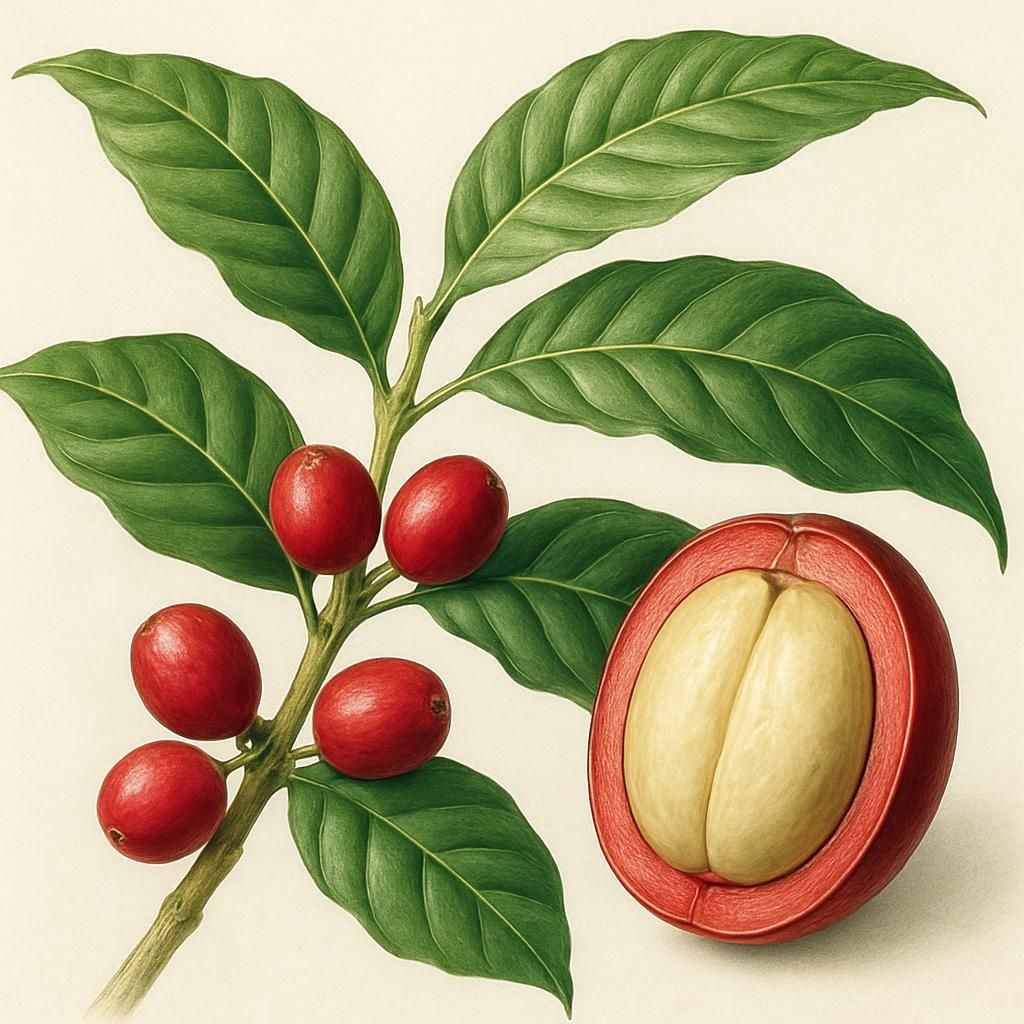
Coffee (Arabica - Maragogype)
Maragogype is a rare, large-beaned Arabica cultivar prized for its exceptional cup quality and dramatic leaf and bean size. This guide delivers professional agronomic protocols for successful cultivation from nursery to export-ready storage.
View Guide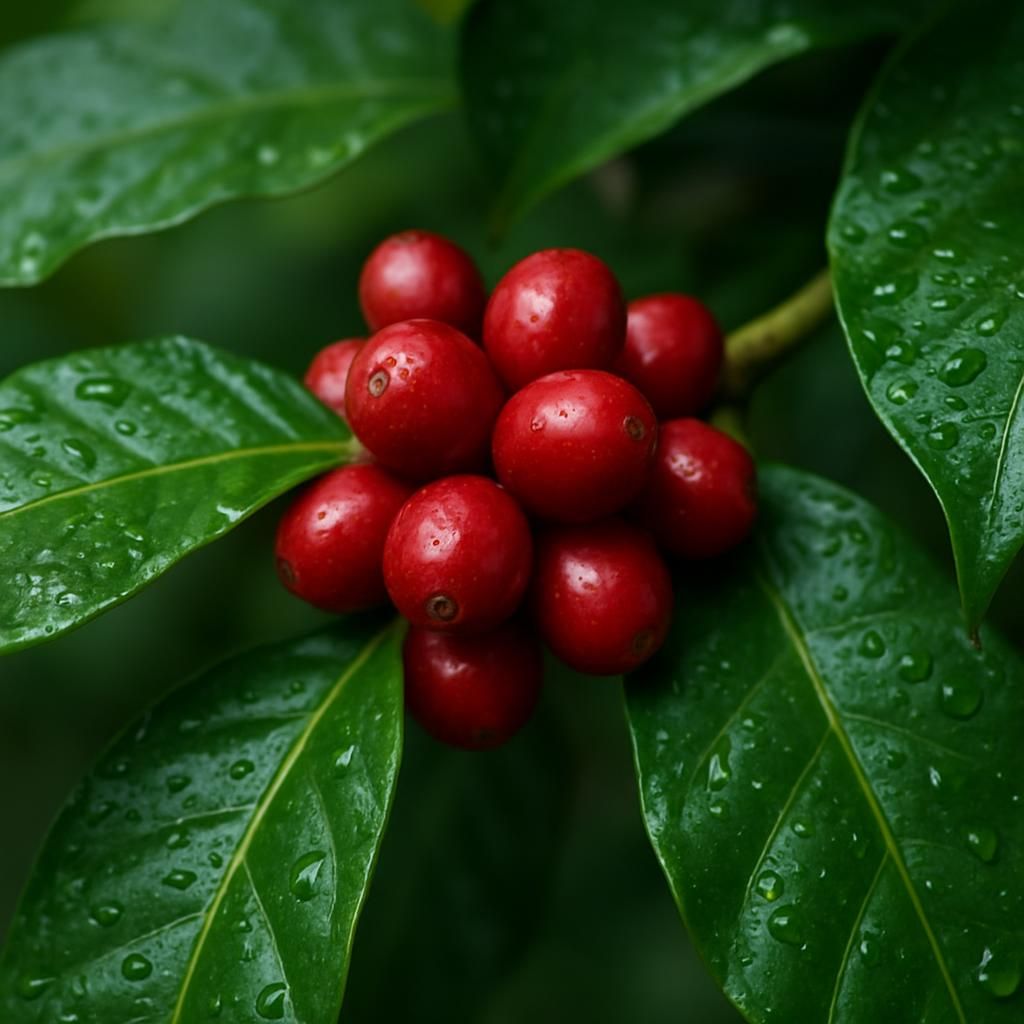
Coffee (Arabica - Mundo Novo)
Mundo Novo is a vigorous, high-yielding Arabica cultivar developed in Brazil, prized for its adaptability to diverse altitudes and its balanced cup profile with chocolate and caramel notes. It performs well in both smallholder and commercial systems when managed with precise soil, water, and shade practices.
View Guide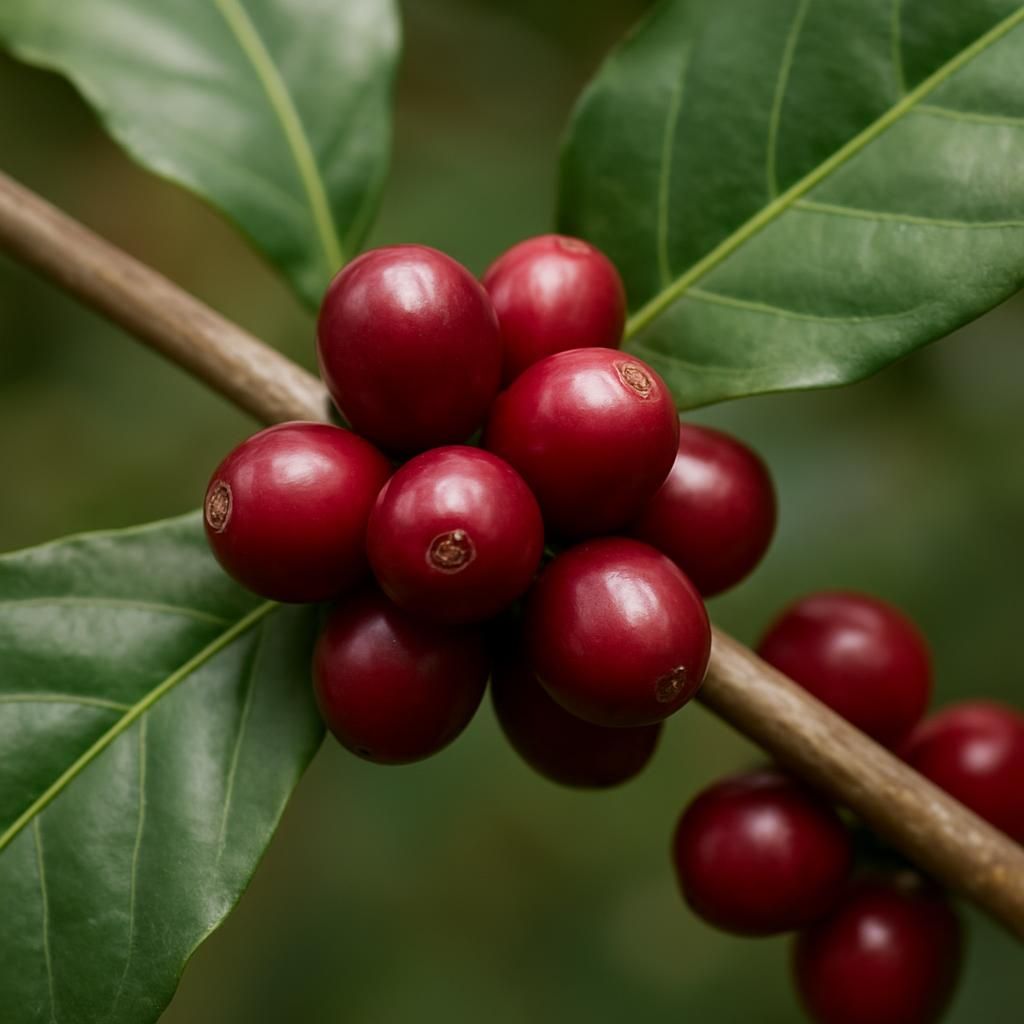
Coffee (Arabica - Pacamara)
Pacamara is a high-value Arabica cultivar prized for its large beans and exceptional cup quality. This comprehensive guide covers every stage of cultivation from propagation through post-harvest processing.
View Guide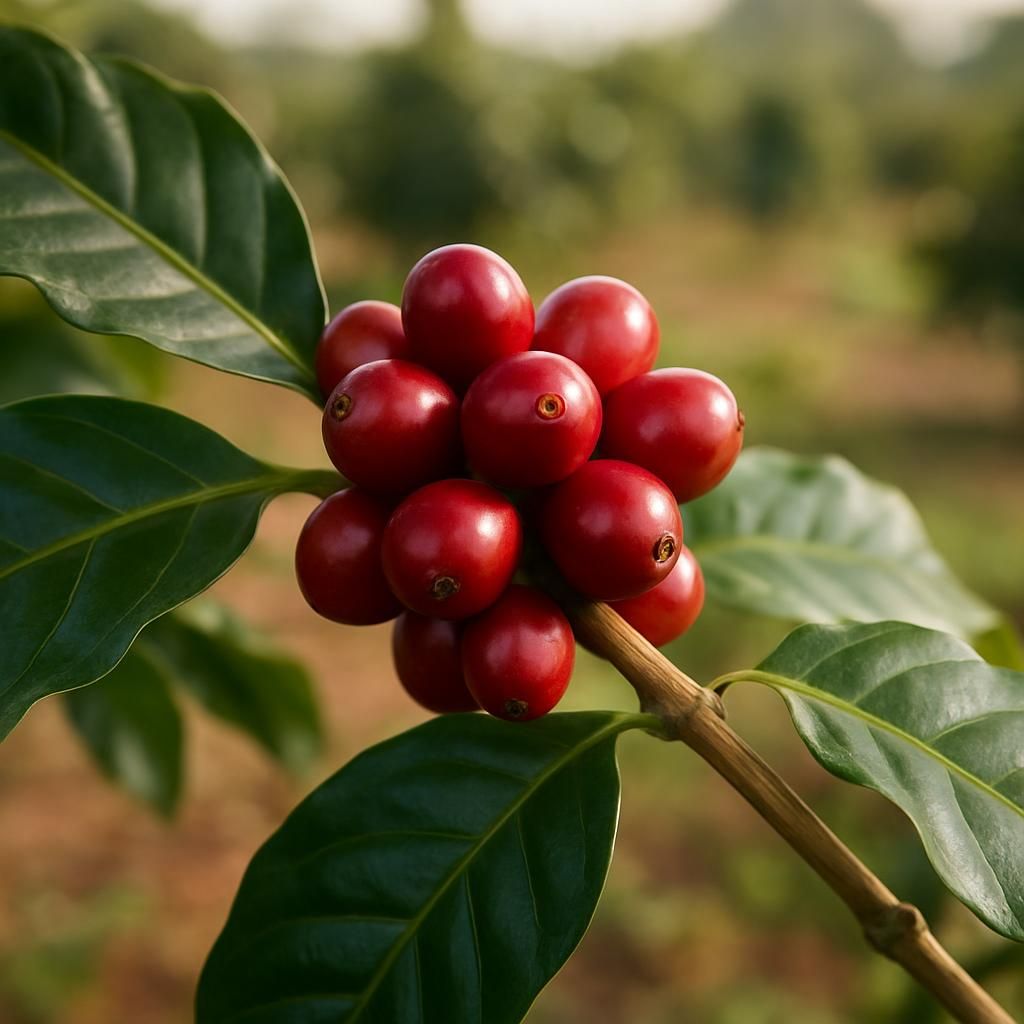
Coffee (Arabica - SL28)
SL28 is a high-yielding, drought-tolerant Arabica cultivar developed in Kenya that delivers bright acidity and complex berry notes prized by specialty buyers. It thrives at 1,200–2,000 m elevation in well-drained volcanic soils under moderate shade and requires disciplined pruning and integrated pest management. This guide covers every production stage from propagation to post-harvest curing for professional growers seeking consistent cup quality and farm profitability.
View Guide