Encyclopedia
Definitive guides for crops, pests, and agricultural diseases.
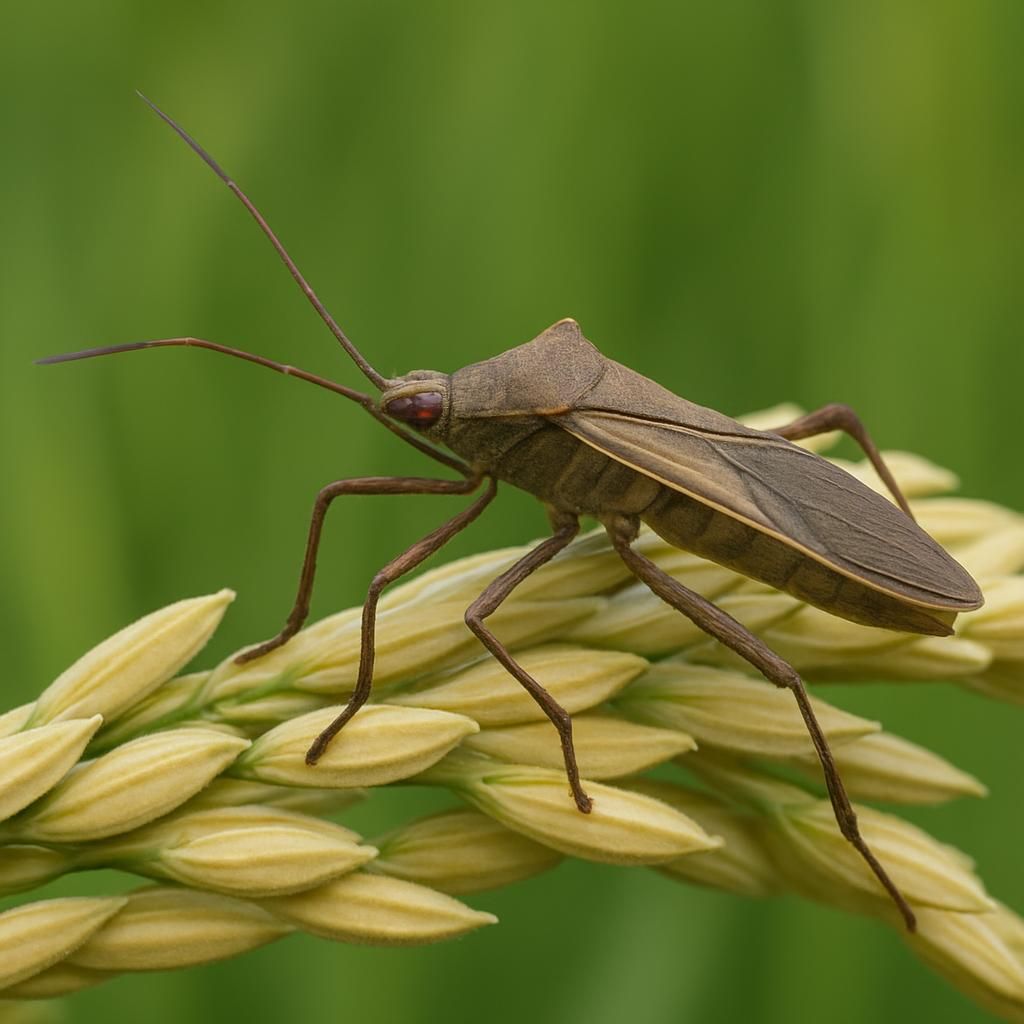
Rice Bugs
Rice bugs, primarily stink bugs like Nezara viridula and species in Leptocorisa, are piercing-sucking pests that devastate rice crops by feeding on grains, causing significant yield losses. These invasive insects thrive in tropical and subtropical regions, targeting developing panicles and reducing grain quality. Effective management combines cultural practices, biological controls, and vigilant monitoring for sustainable rice production.
View Profile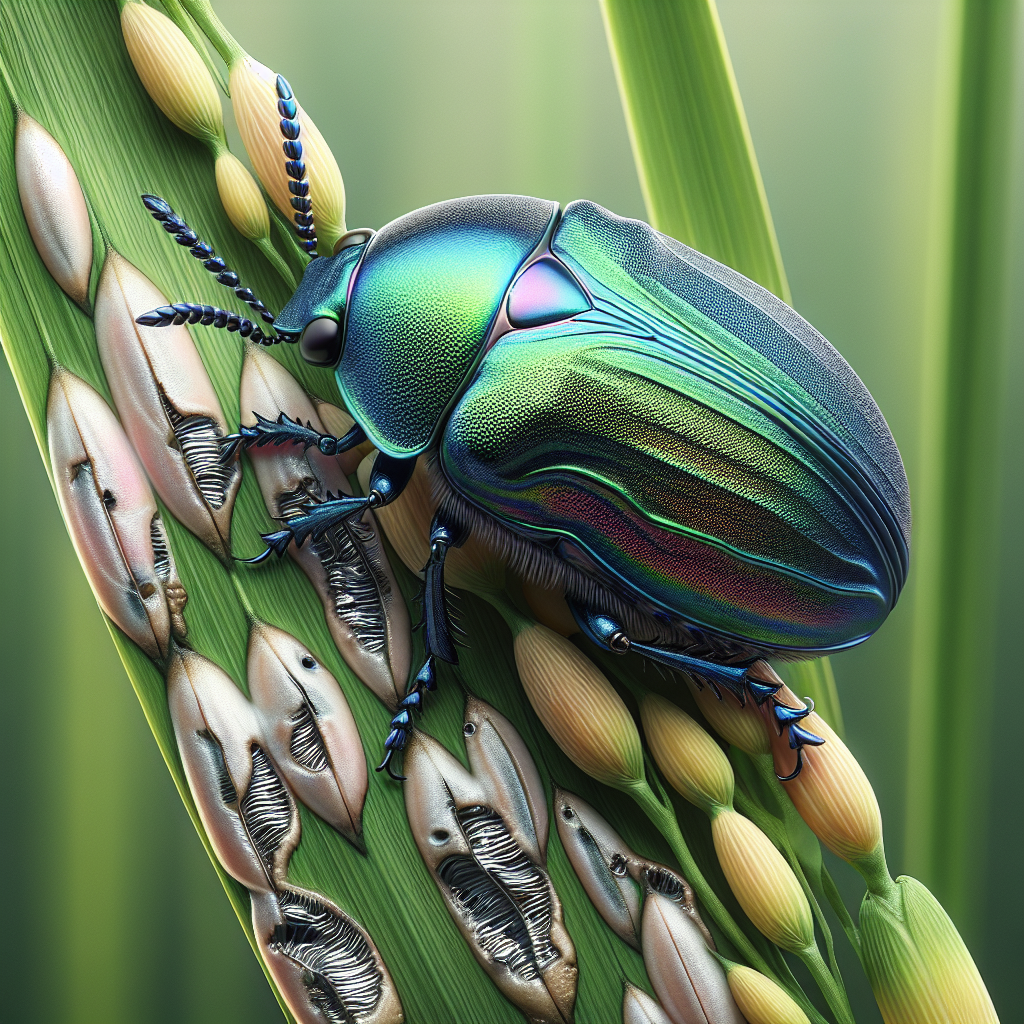
rice hispa
Rice hispa (Dicladispa armigera) is a destructive leaf-feeding beetle pest primarily targeting rice crops in tropical and subtropical regions. Its adults skeletonize leaves while larvae mine leaf tissues, causing significant yield losses up to 50% in severe infestations. Effective management combines cultural practices, biological controls, and timely interventions for sustainable rice production.
View Profile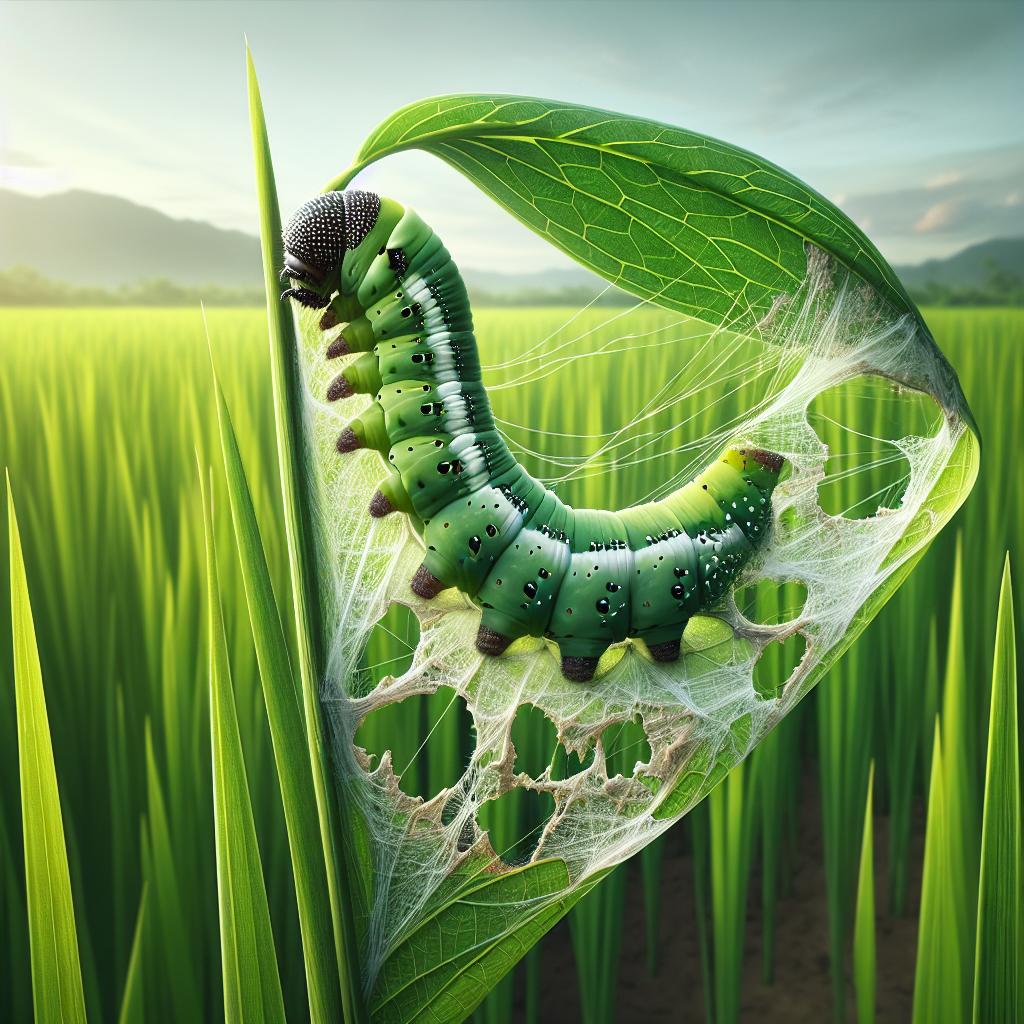
Rice Leaf Folders
Rice leaf folders are destructive caterpillar pests that fold and feed on rice leaves, causing significant yield losses in paddy fields worldwide. Early detection of their characteristic folded leaves and timely organic interventions are crucial for effective management. This guide provides comprehensive diagnostics, lifecycle insights, and sustainable control strategies for rice farmers.
View Profile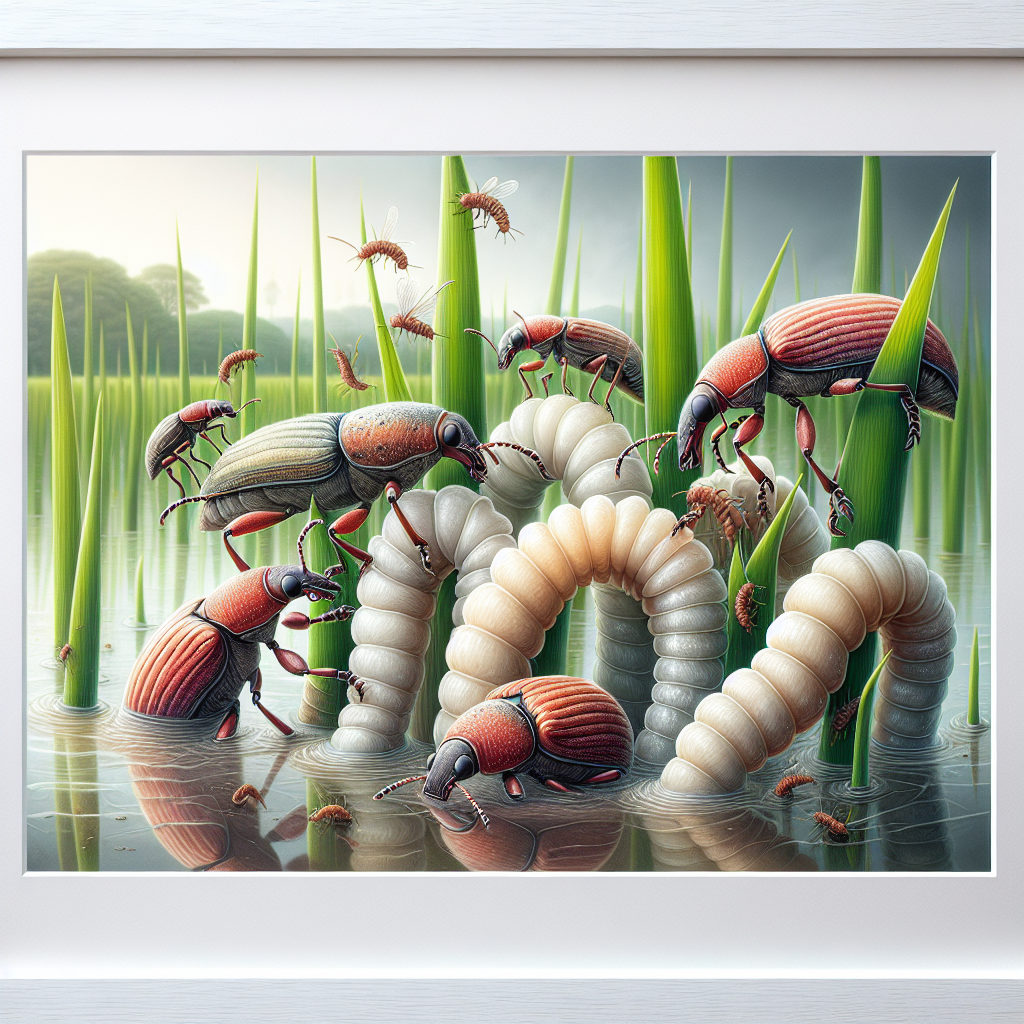
Rice Water Weevils
Rice water weevils are a major pest of rice crops, with larvae causing severe root damage that reduces plant vigor and yield. Adults feed on foliage, but the subterranean larvae are the primary concern, leading to up to 60% yield losses in flooded fields. Effective management combines cultural practices, biological controls, and precise timing for sustainable rice production.
View Profile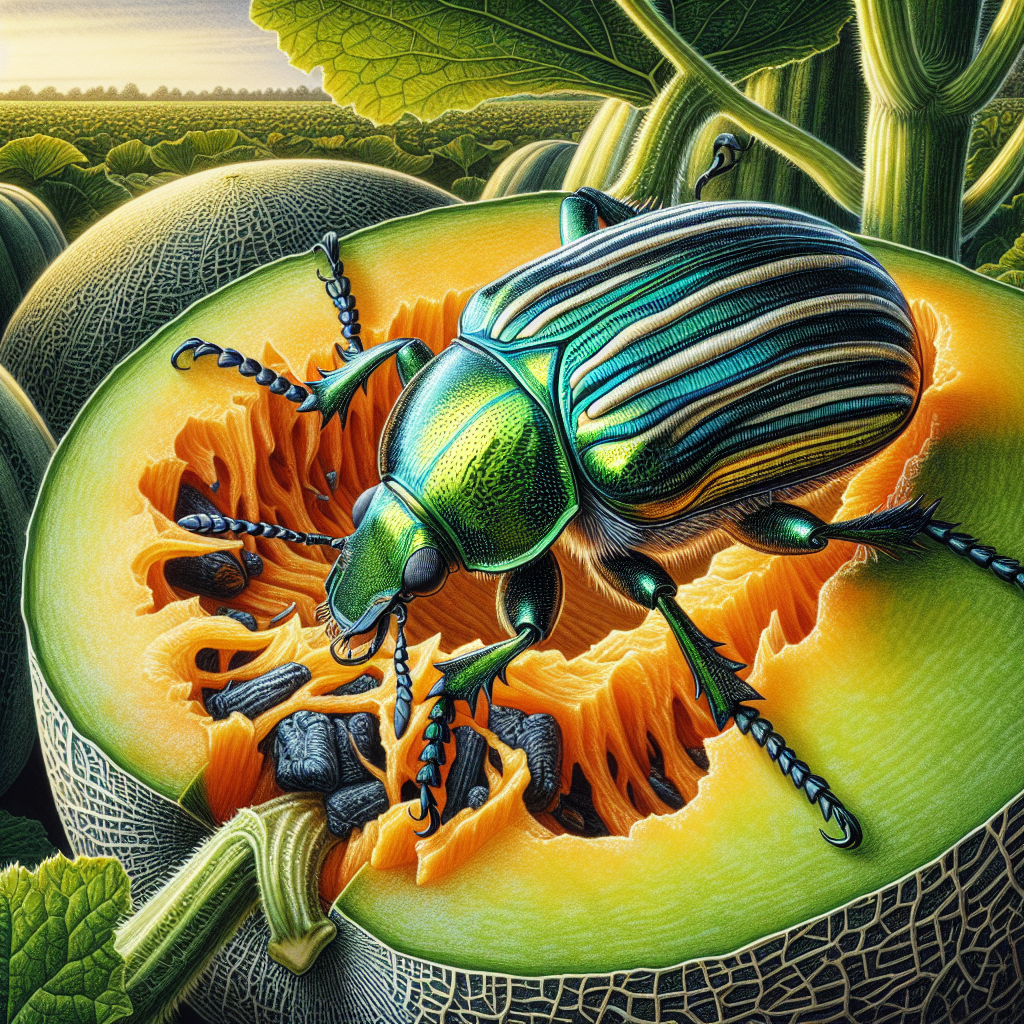
Rind-feeding Beetles
Rind-feeding beetles are notorious agricultural pests that target the outer rinds and skins of fruits and vegetables, causing scarring, rot entry points, and significant yield losses. These hard-shelled insects thrive in warm climates and can devastate crops like melons, squash, and citrus during peak fruiting stages. Effective management combines vigilant monitoring, organic barriers, and cultural practices to protect vulnerable produce.
View Profile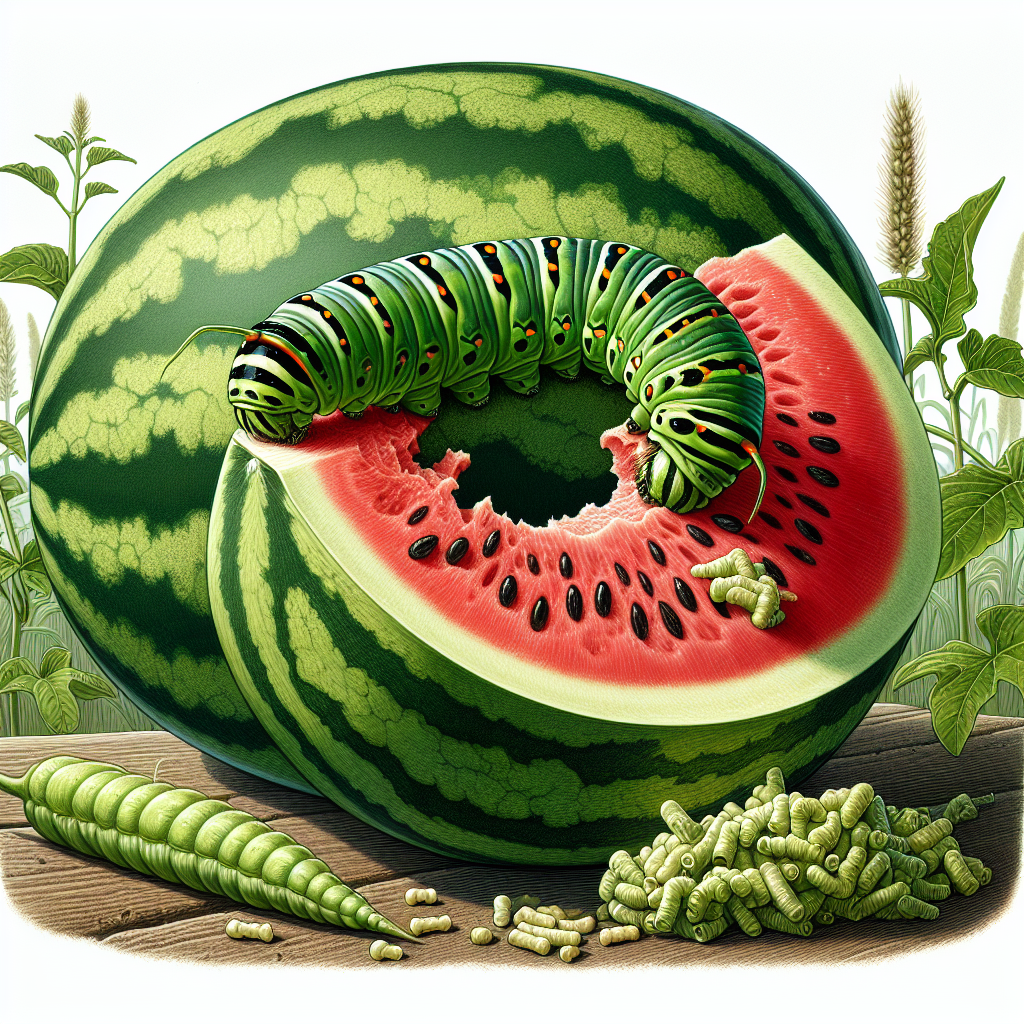
Rind-feeding caterpillars
Rind-feeding caterpillars are destructive larvae of moths that chew into fruit rinds, causing scarring, rot entry points, and significant yield losses in cucurbits, melons, and tree fruits. Early detection through frass and chew marks allows effective organic management using BT sprays, row covers, and beneficial insects. Proactive prevention with crop rotation and trap crops minimizes infestations in vulnerable orchards and fields.
View Profile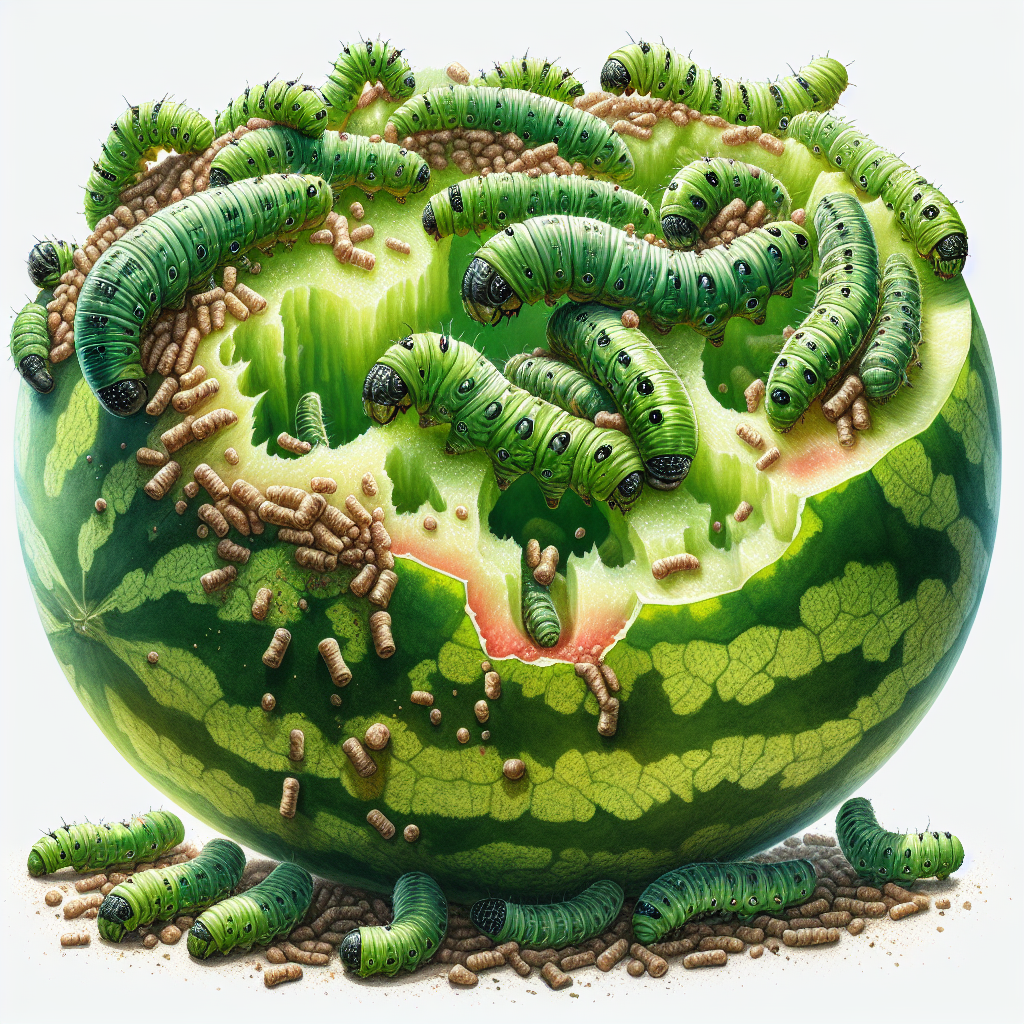
Rindworm Caterpillars
Rindworm caterpillars are voracious larvae that target fruit rinds and outer fruit layers of tropical and subtropical crops, causing significant cosmetic and structural damage. This guide provides comprehensive diagnostics, lifecycle insights, organic management strategies, and prevention tactics for farmers facing infestations. Effective control hinges on early detection and integrated organic practices to protect yields.
View Profile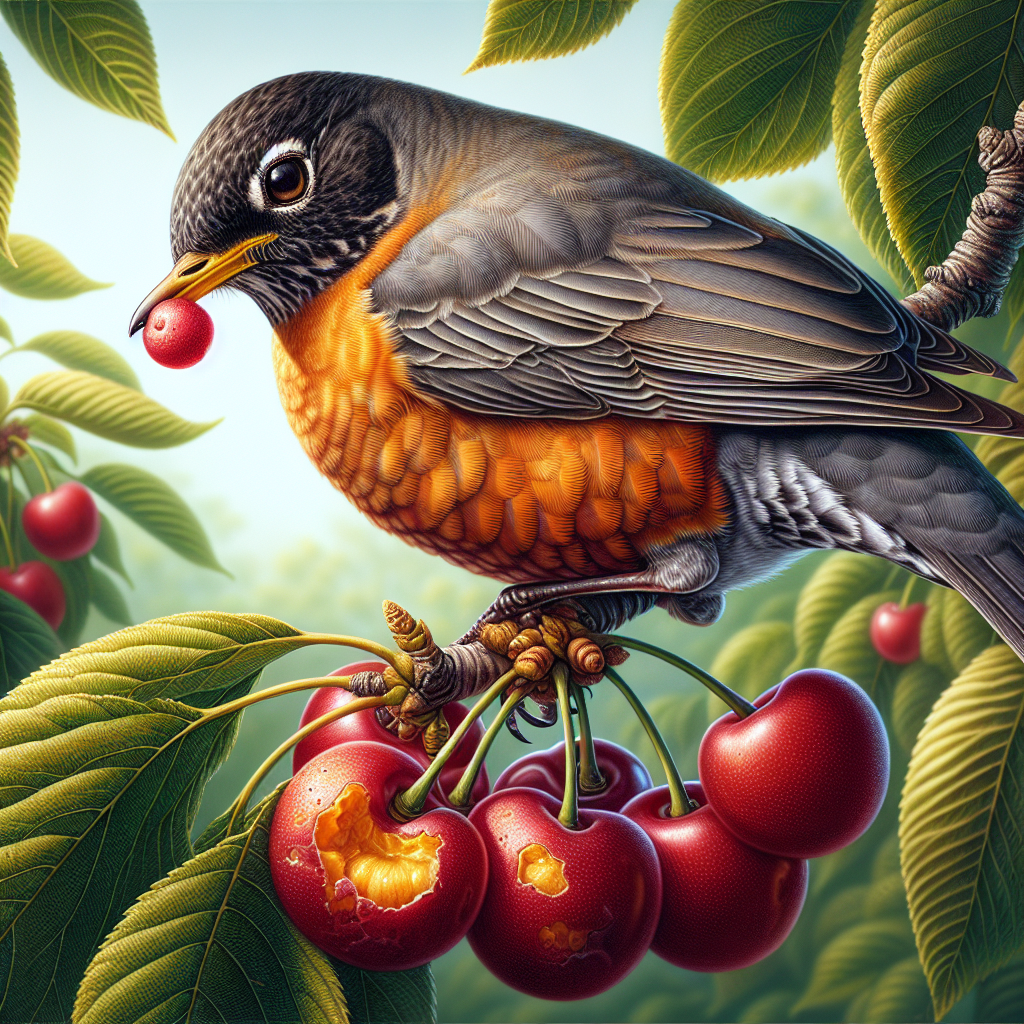
Robins
Robins are migratory songbirds that can become significant agricultural pests by devouring fruits, berries, and seeds in orchards and fields. While beneficial for consuming insects, their flocks cause substantial crop losses during fruiting seasons. Effective management combines deterrence, netting, and habitat modification for sustainable control.
View Profile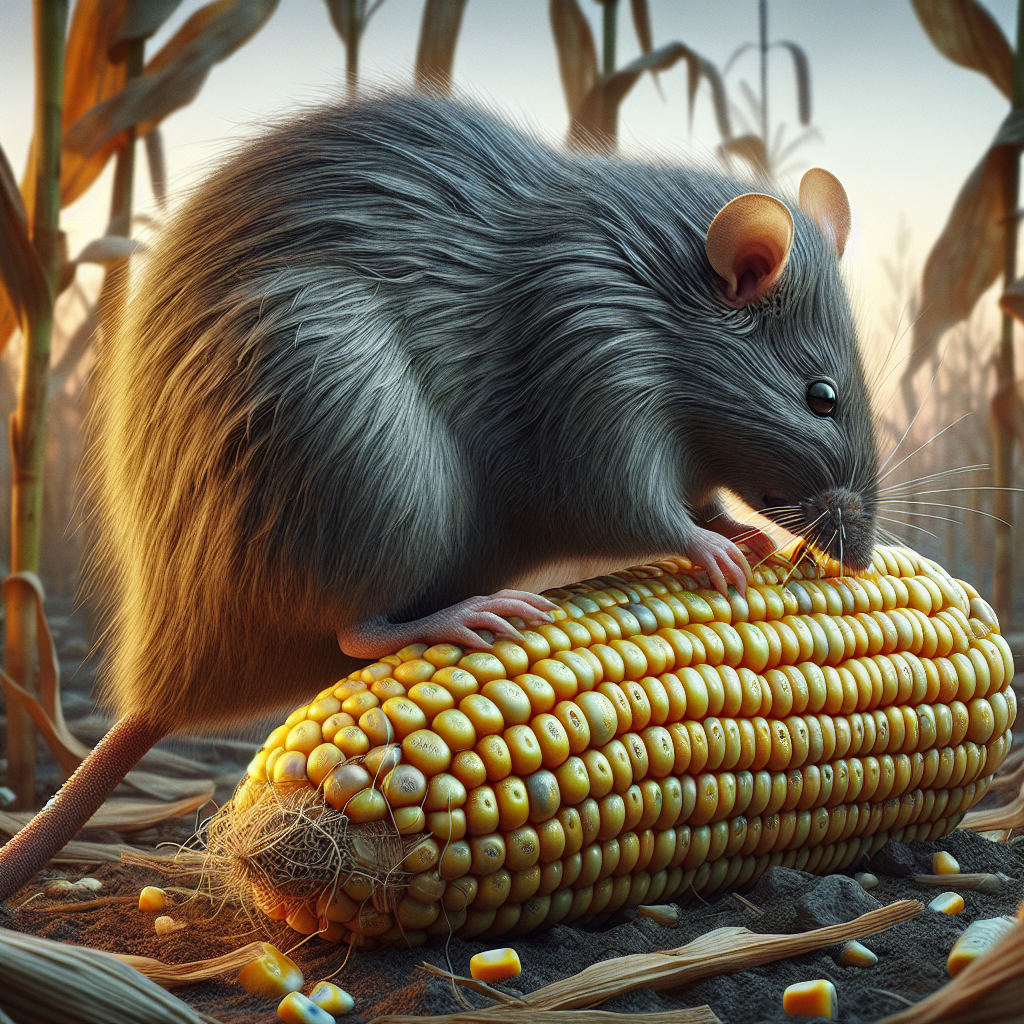
Rodents
Rodents such as rats, mice, voles, and squirrels are prolific agricultural pests that cause extensive damage by gnawing on crops, roots, and storage facilities, leading to billions in annual losses worldwide. These opportunistic feeders thrive in farm environments, multiplying rapidly and contaminating produce with urine, feces, and pathogens. Effective management combines sanitation, exclusion, organic traps, and natural predators for sustainable control.
View Profile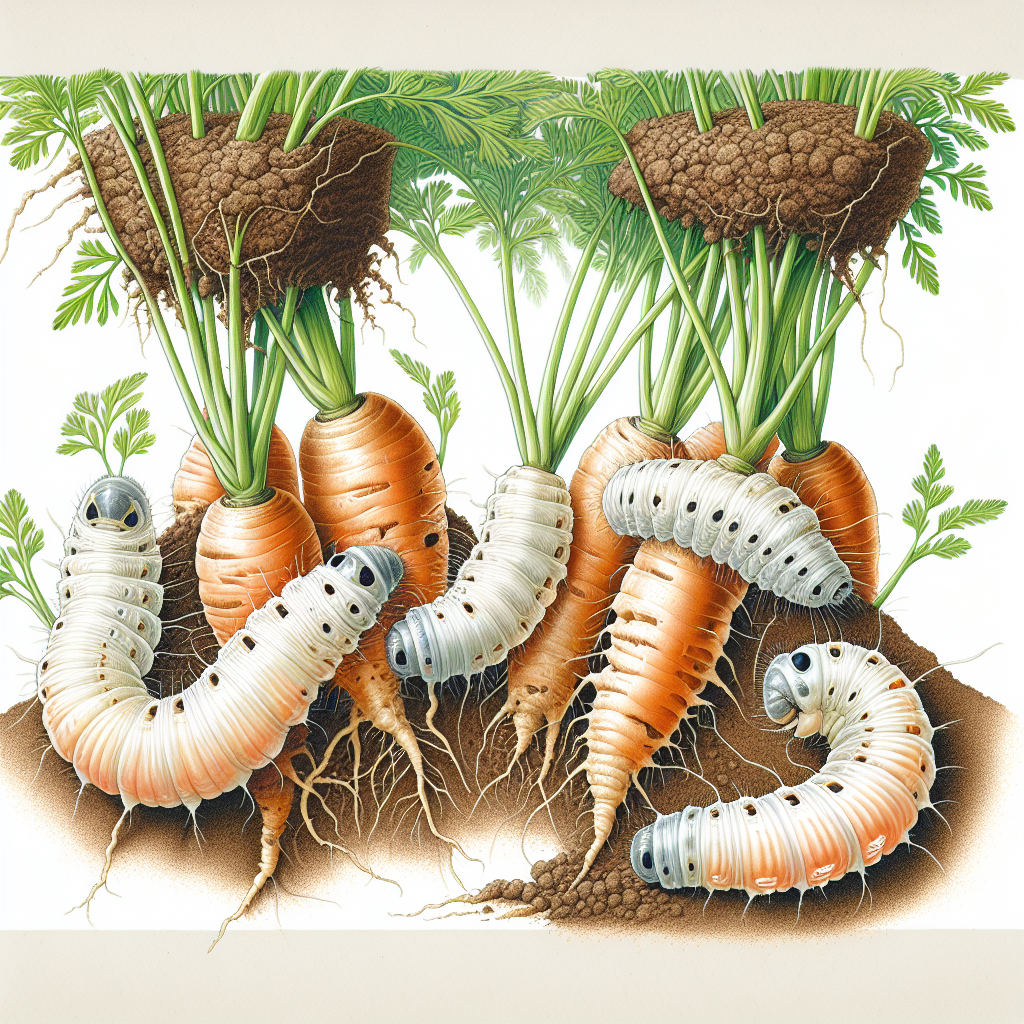
Root borers
Root borers are destructive soil-dwelling larvae of beetles and moths that tunnel into plant roots, causing wilting, stunted growth, and plant death in crops like potatoes, carrots, and sweet potatoes. This guide provides comprehensive diagnostics, lifecycle insights, organic management strategies, and prevention tips for farmers battling these hidden pests. Early detection and integrated organic controls can protect yields effectively.
View Profile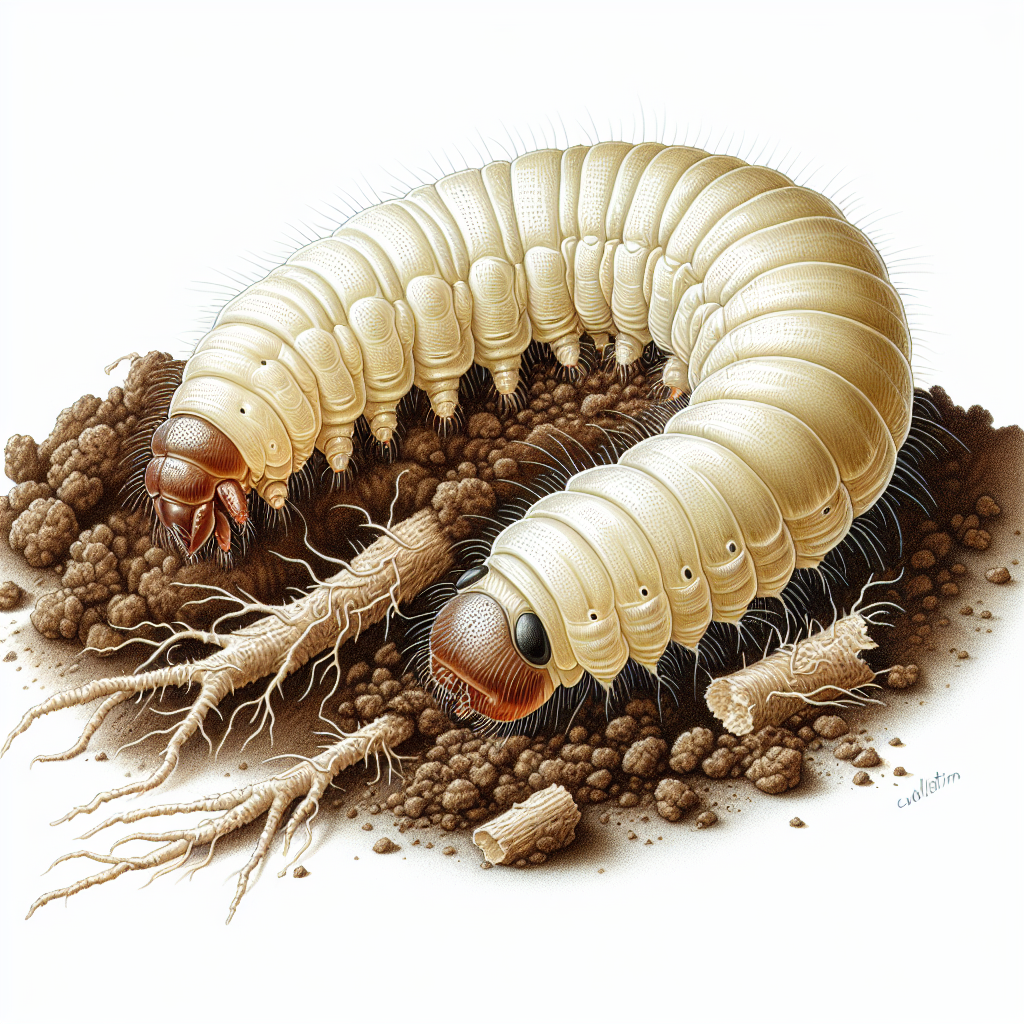
Root grubs
Root grubs are the C-shaped larvae of scarab beetles that feed on plant roots, causing severe damage to turf, pastures, and crops by severing roots and leading to wilting and death. Common species include white grubs like those from the genera Phyllophaga (June beetles) and Popillia (Japanese beetles). Effective management combines cultural practices, biological controls, and targeted treatments for sustainable control.
View Profile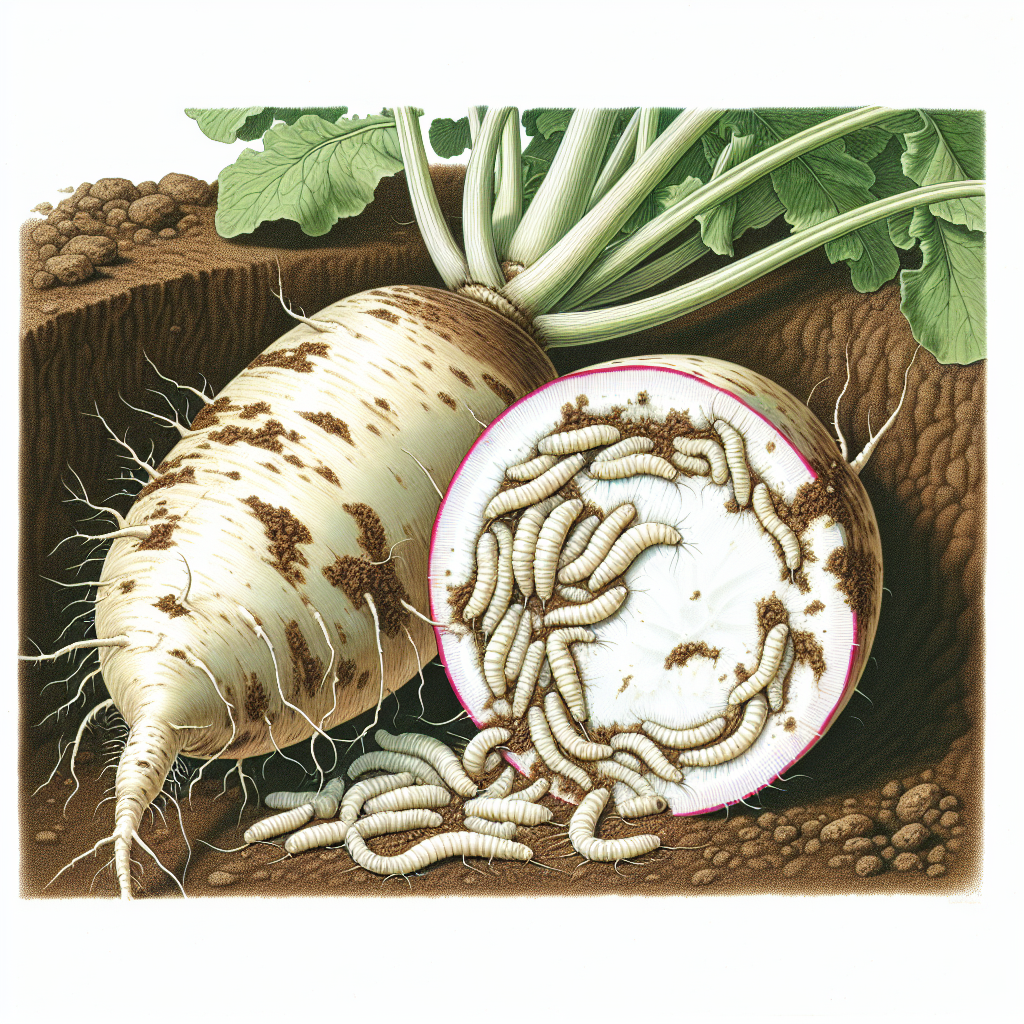
root maggots
Root maggots are the larval stage of several fly species that target the roots and stems of cruciferous and onion-family crops, causing severe damage to seedlings and young plants. These pests thrive in cool, moist conditions and can lead to stunted growth, wilting, and complete crop loss if unmanaged. Effective identification, cultural controls, and organic treatments are key to protecting vulnerable crops like radishes, cabbage, and onions.
View Profile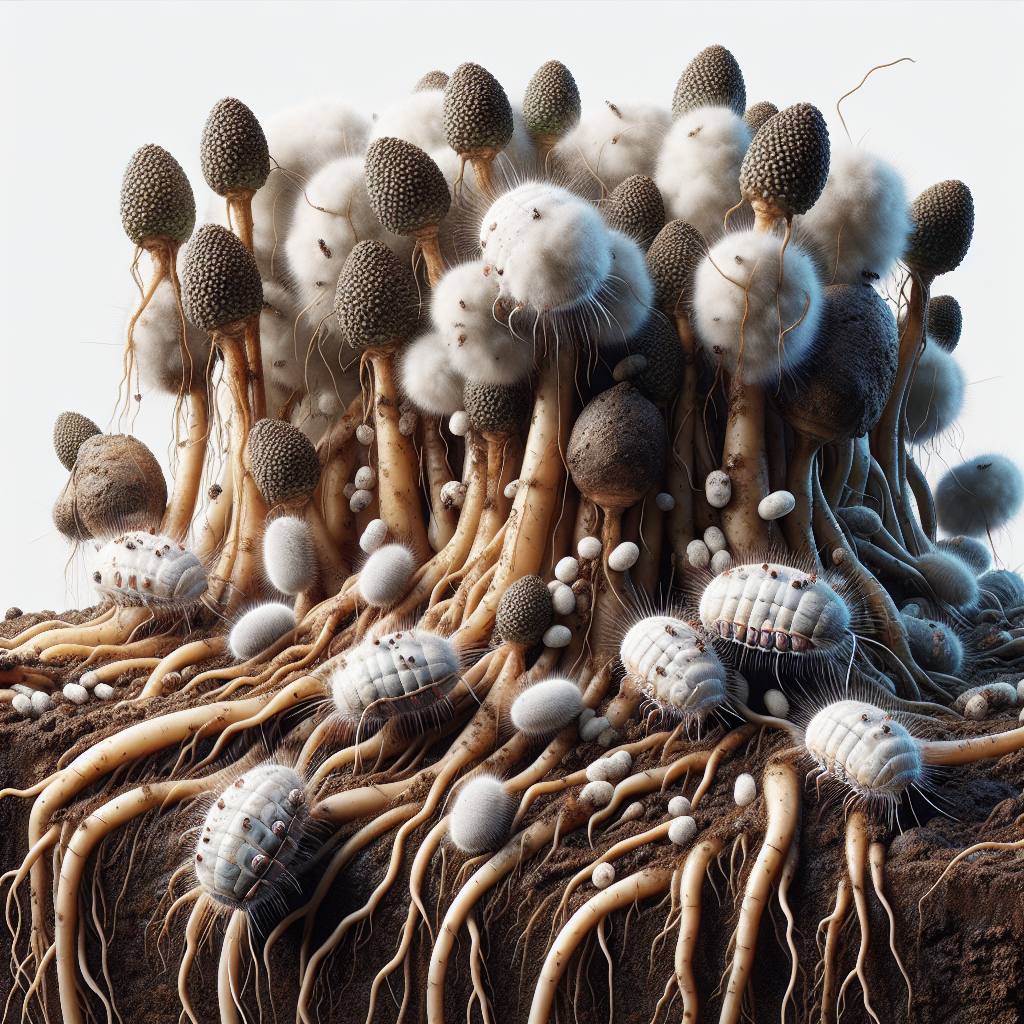
Root mealybugs
Root mealybugs are tiny, sap-sucking pests that infest plant roots, causing wilting, stunted growth, and potential plant death. They thrive in moist soils and are often missed until severe damage appears. This guide provides expert diagnosis, organic management, and prevention strategies for affected crops.
View Profile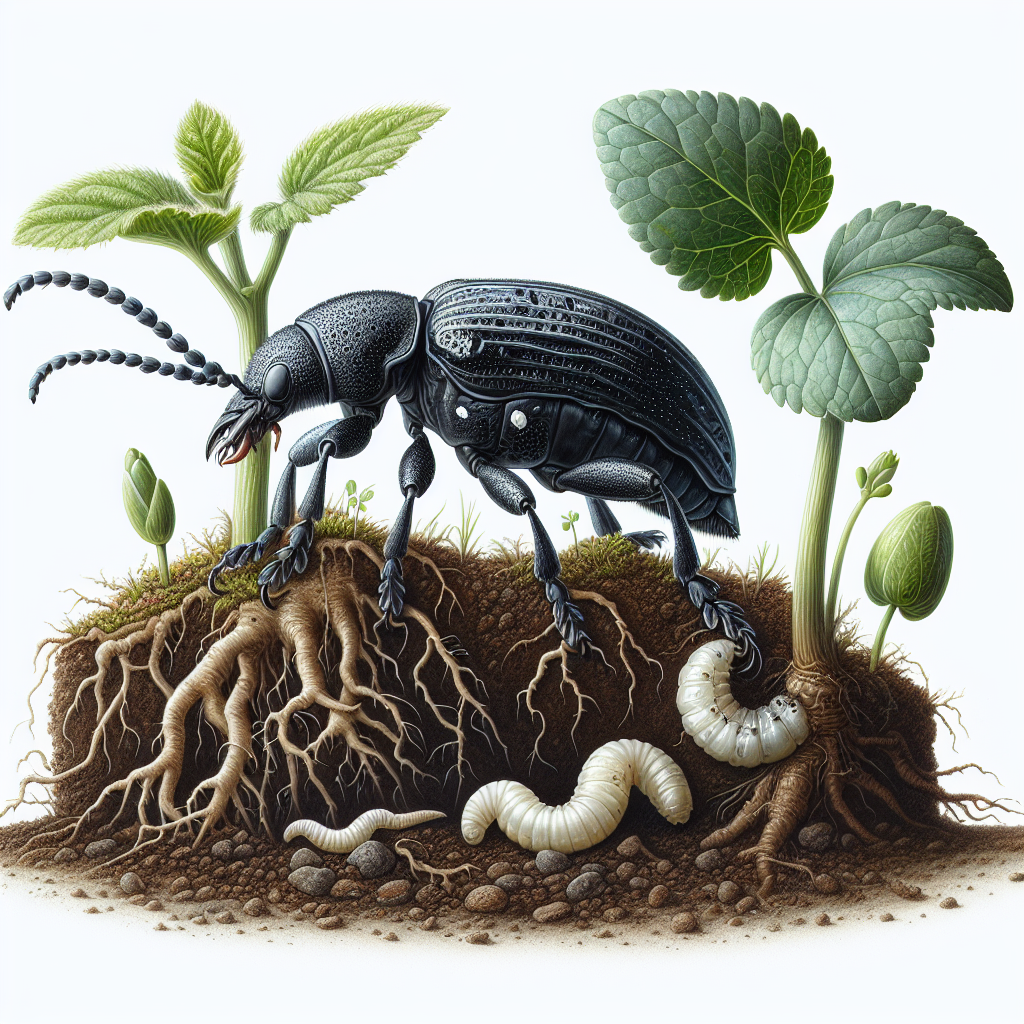
root weevils
Root weevils are nocturnal beetles that devastate plant roots, causing wilting and stunted growth in ornamentals, shrubs, and crops. Their larvae feed voraciously underground, while adults notch leaves. Effective management combines cultural practices, biological controls, and targeted organic treatments for lasting prevention.
View Profile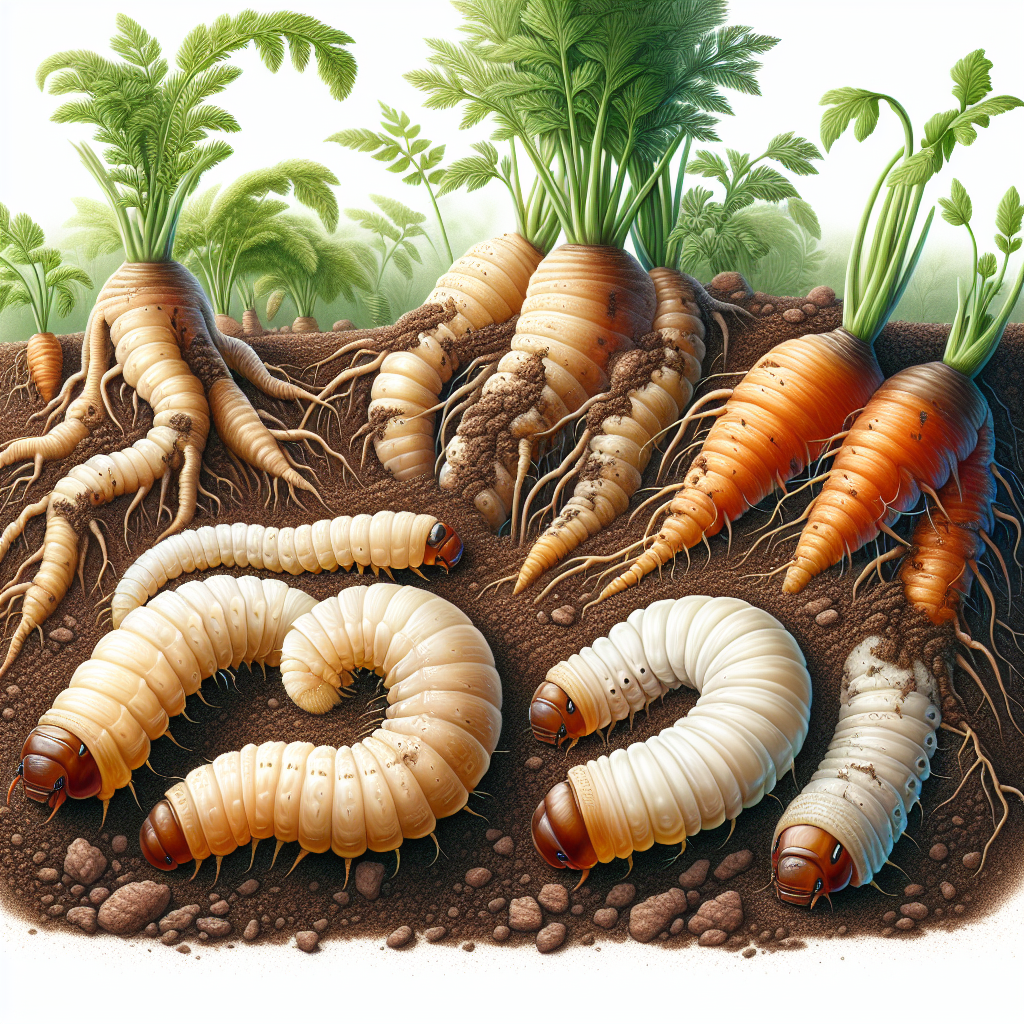
Root-feeding larvae
Root-feeding larvae are soil-dwelling insect grubs that target plant roots, causing stunted growth, wilting, and plant death in crops like potatoes, corn, and carrots. These pests, often from click beetles or rootworms, thrive in moist soils and can devastate seedlings and mature plants alike. Effective management combines cultural practices, biological controls, and monitoring for long-term prevention.
View Profile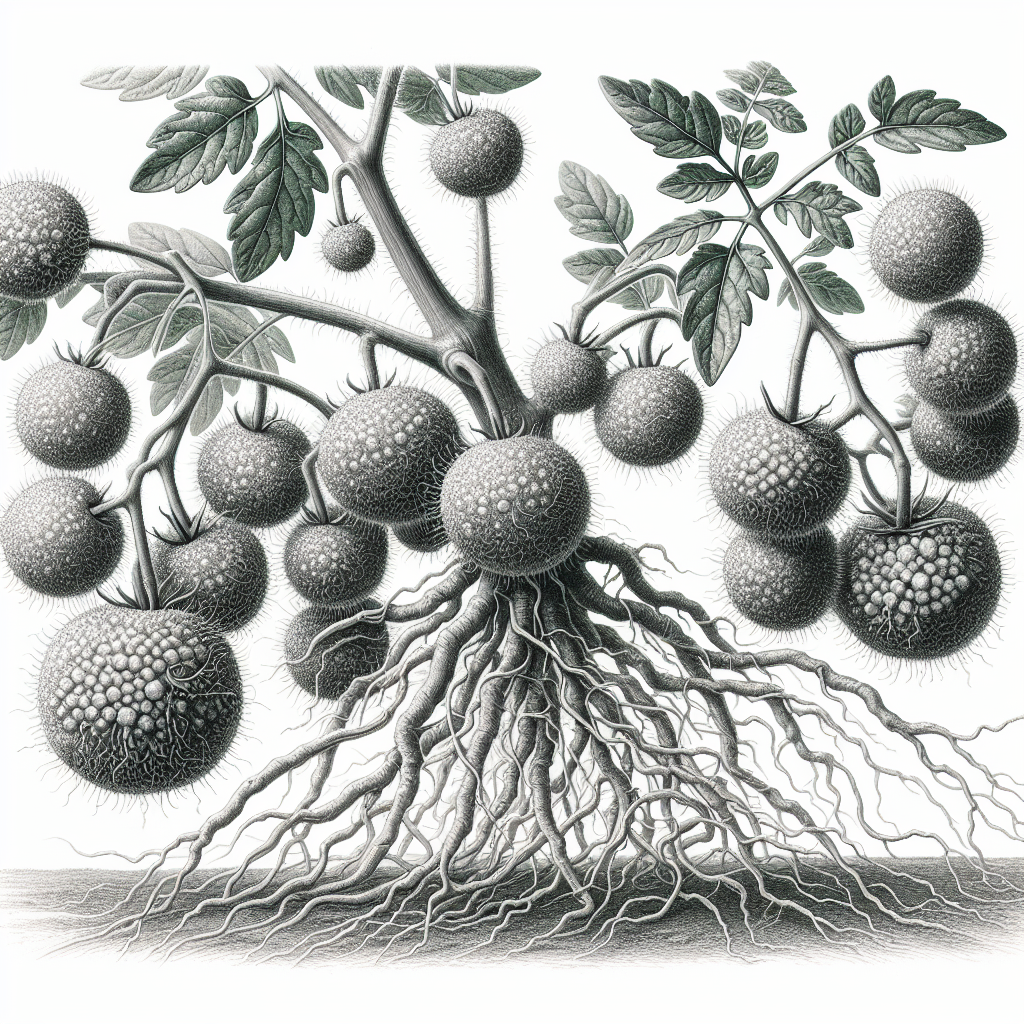
Root-knot nematode
Root-knot nematodes are microscopic, soil-dwelling worms that attack plant roots, causing galls and stunted growth in a wide range of crops. These pests disrupt water and nutrient uptake, leading to significant yield losses if unmanaged. Effective diagnosis, organic controls, and prevention strategies are essential for sustainable agriculture.
View Profile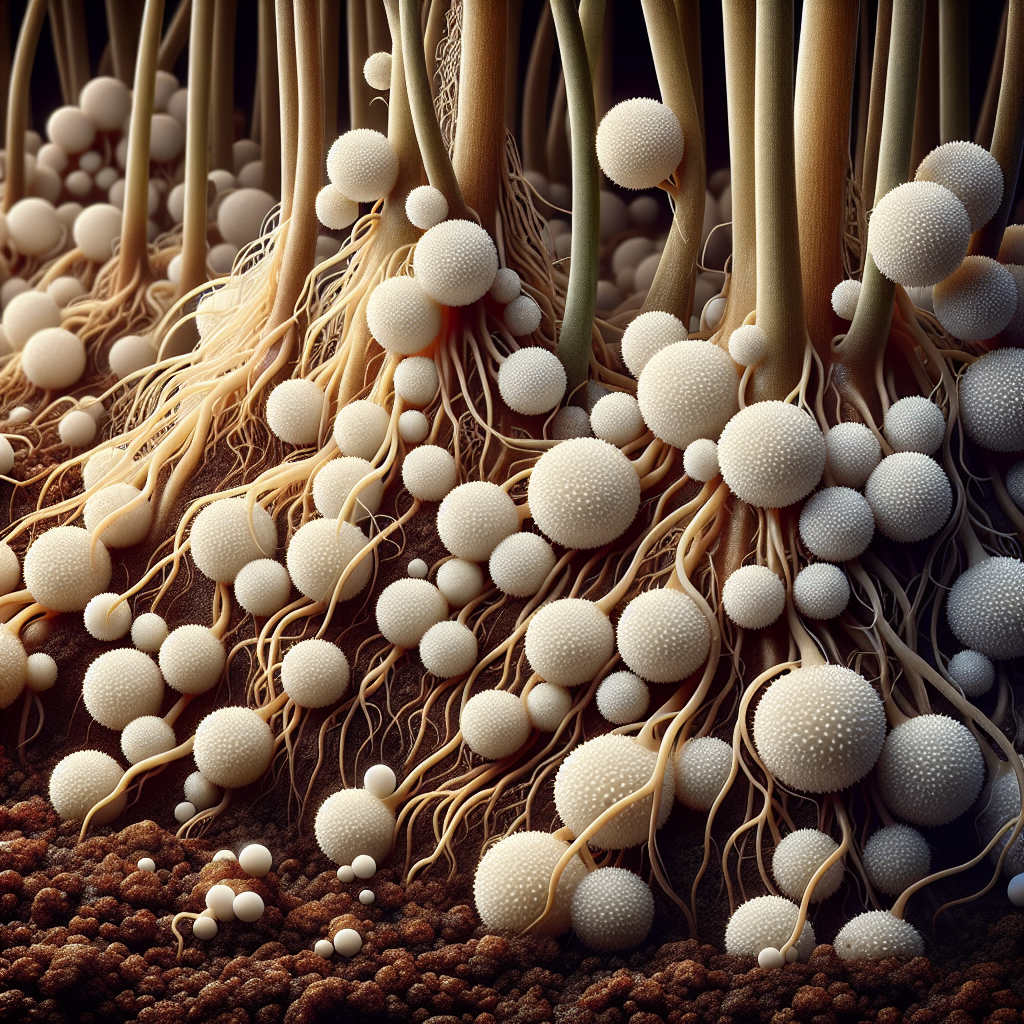
Root-knot nematodes
Root-knot nematodes (Meloidogyne spp.) are microscopic, soil-borne pests that attack plant roots, causing galls and stunted growth in a wide range of crops. They disrupt nutrient and water uptake, leading to significant yield losses in vegetables, fruits, and field crops. Effective management combines cultural practices, resistant varieties, and organic treatments for sustainable control.
View Profile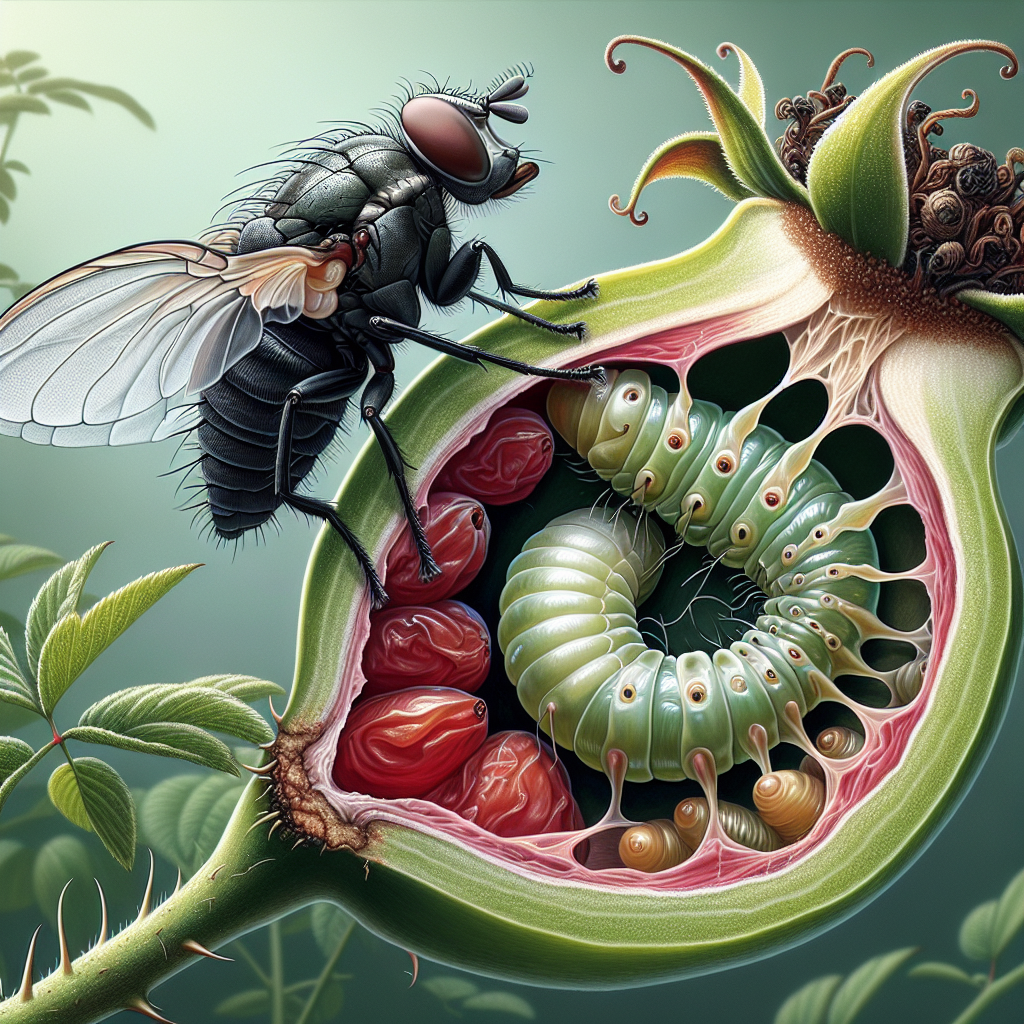
Rose Hip Maggot
Psila rosae, commonly known as the rose hip maggot, is a significant pest of rose hips and related crops, with larvae boring into developing fruits causing substantial damage. This guide provides comprehensive diagnostics, lifecycle insights, organic management strategies, and prevention tips for affected growers. Effective control hinges on understanding its biology and implementing timely interventions.
View Profile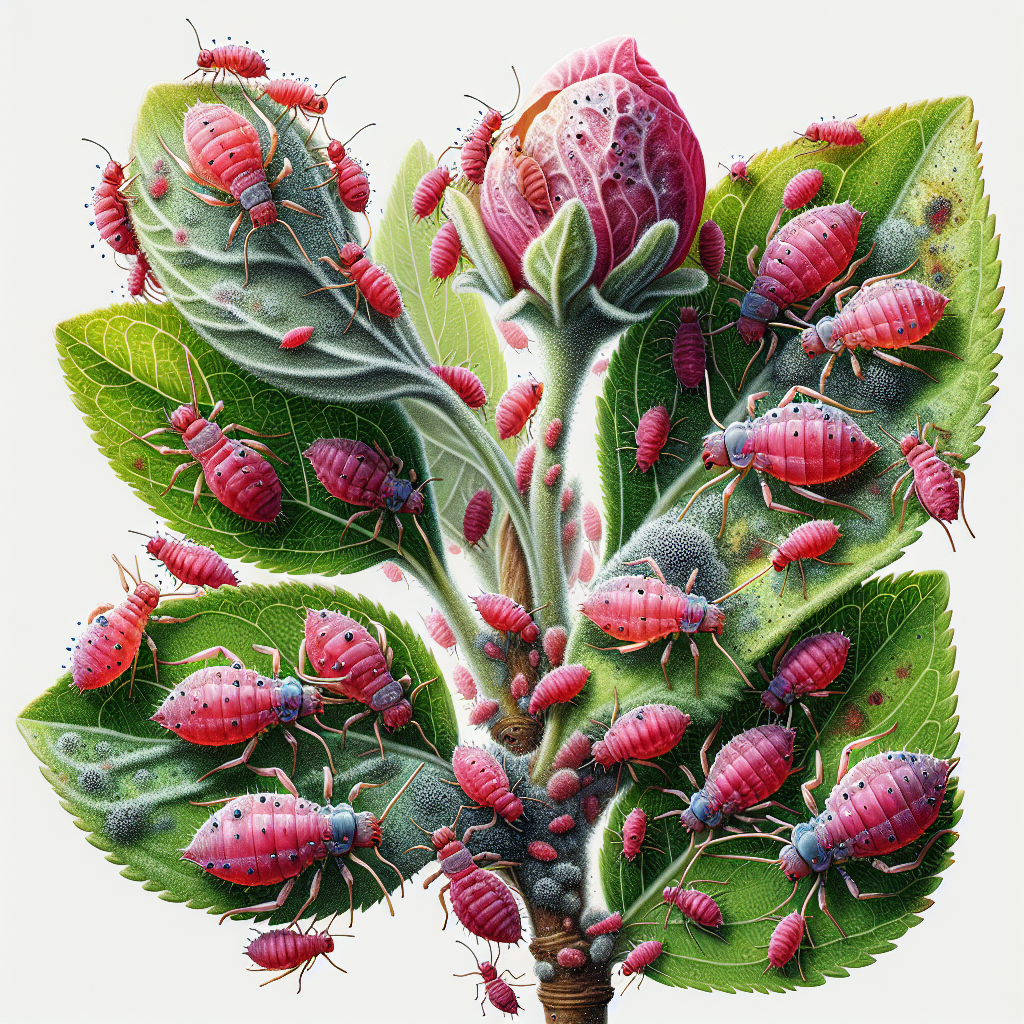
Rosy apple aphid
The rosy apple aphid (Dysaphis plantaginea) is a major pest of apple orchards, causing curled leaves, stunted growth, and sooty mold from honeydew excretion. It overwinters as eggs on apple trees and rapidly multiplies in spring, leading to significant yield losses if unmanaged. Effective organic controls include beneficial insects, horticultural oils, and cultural practices for long-term prevention.
View Profile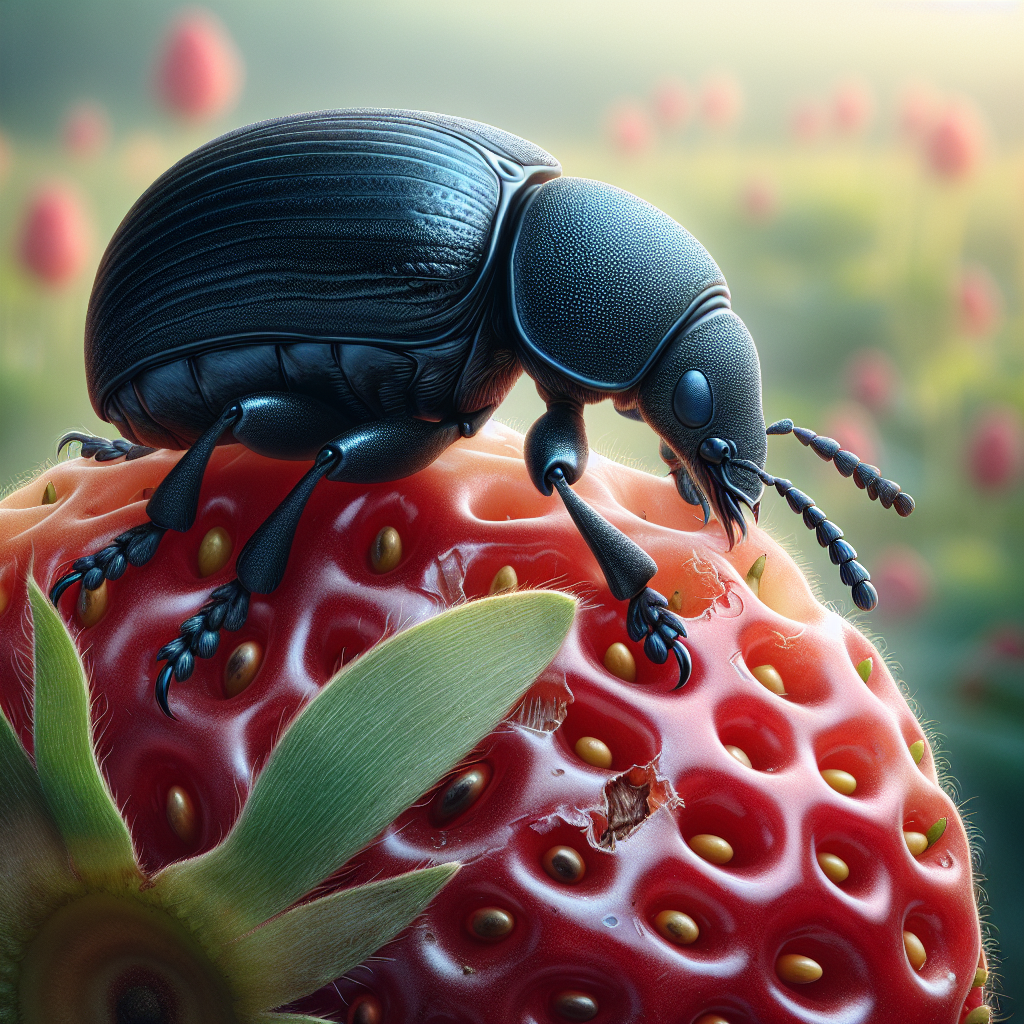
sap beetles
Sap beetles are small, scavenging pests that infest ripening fruits, vegetables, and fermenting plant materials, causing direct feeding damage and contamination. They thrive in warm, humid conditions and can rapidly multiply in overripe crops. Effective management combines sanitation, traps, and organic controls to protect yields.
View Profile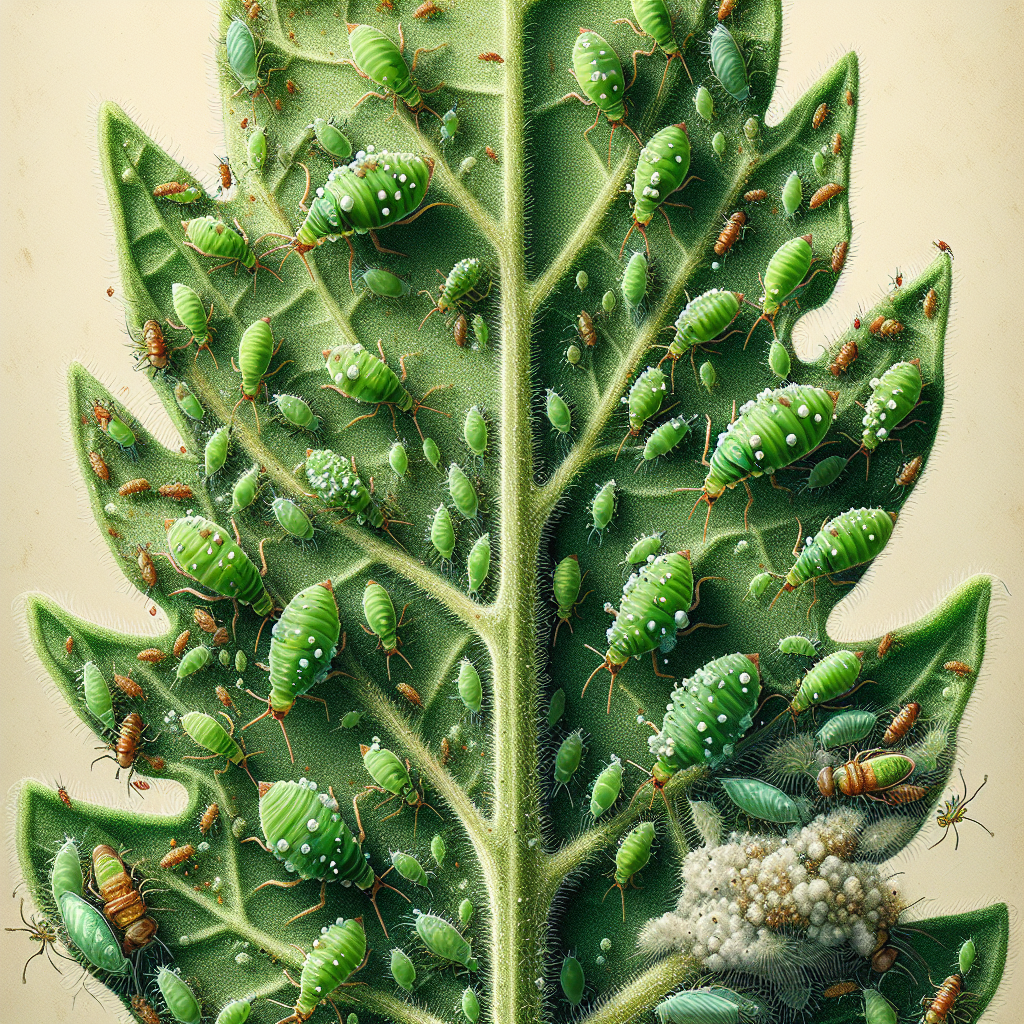
Sap feeders
Sap feeders are a diverse group of piercing-sucking pests including aphids, whiteflies, leafhoppers, and scales that extract plant sap, weakening crops and transmitting diseases. They cause curled leaves, stunted growth, sticky honeydew, and sooty mold, leading to significant yield losses in orchards, vegetables, and field crops. Effective management combines monitoring, organic controls like beneficial insects, and cultural practices for sustainable prevention.
View Profile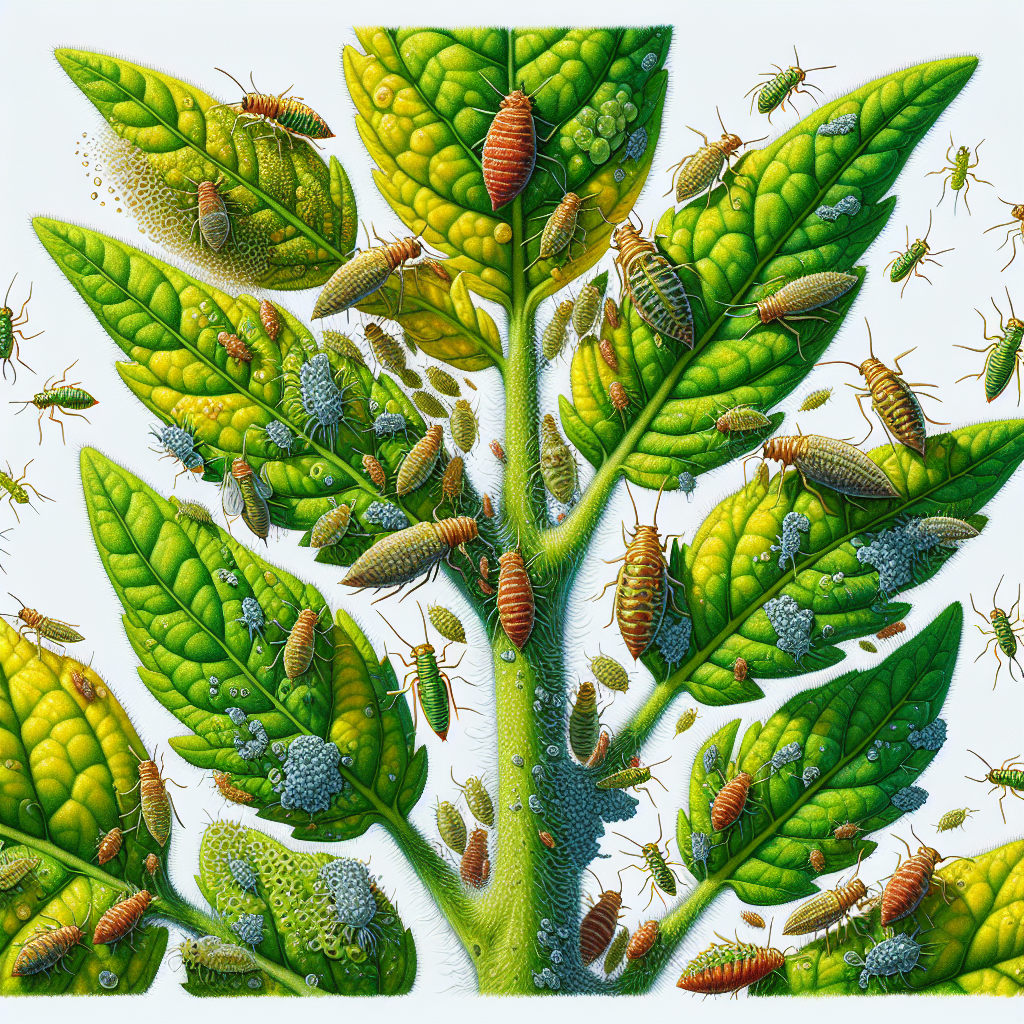
Sap-sucking insects
Sap-sucking insects, including aphids, whiteflies, scales, and leafhoppers, pierce plant tissues to extract nutrient-rich sap, causing stunted growth, leaf curl, and sooty mold. These pests transmit viral diseases and weaken crops across orchards, vegetables, and grains. Effective management combines monitoring, organic controls, and cultural practices for sustainable agriculture.
View Profile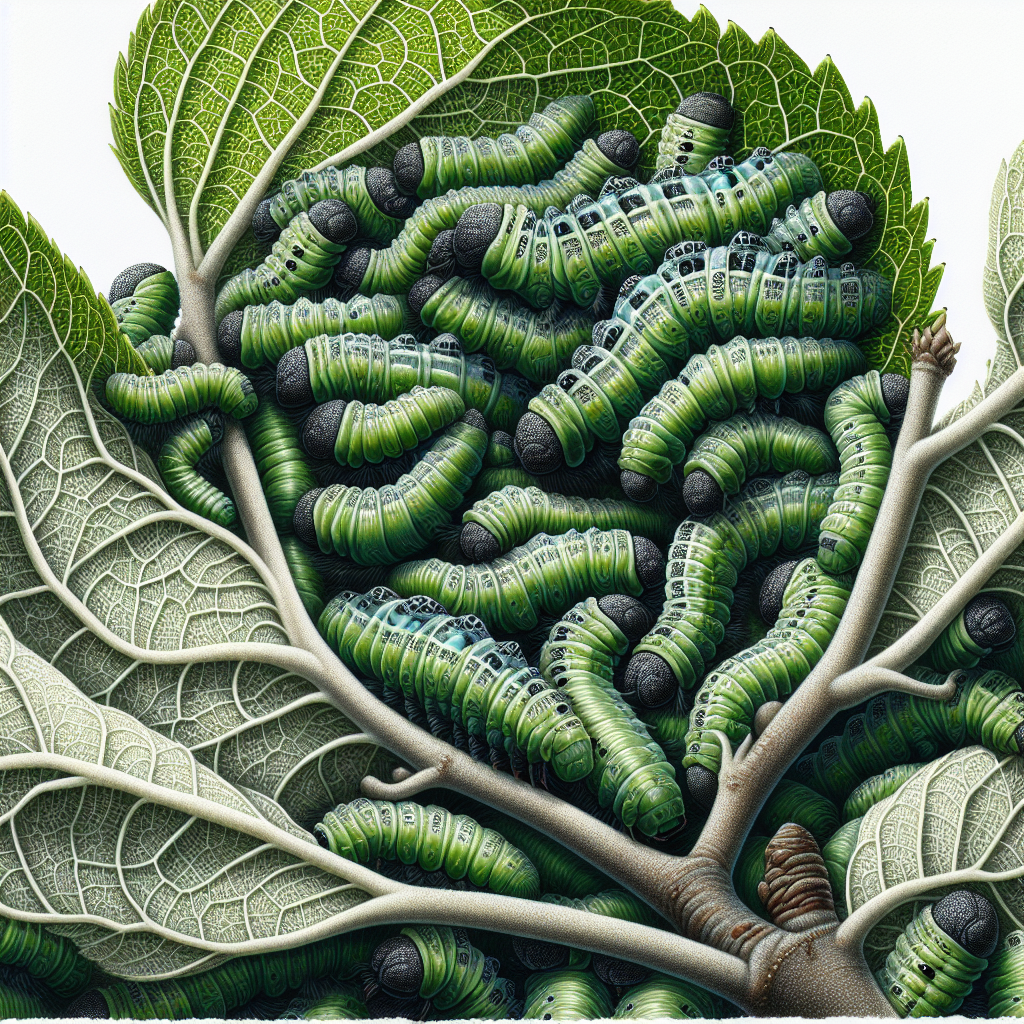
sawflies
Sawflies are hymenopteran insects resembling wasps but lacking a constricted waist, notorious for larval defoliation of trees, shrubs, ornamentals, and field crops. Their slug-like larvae feed gregariously, causing rapid skeletonization of foliage. Effective management combines monitoring, biological controls, and targeted organic treatments.
View Profile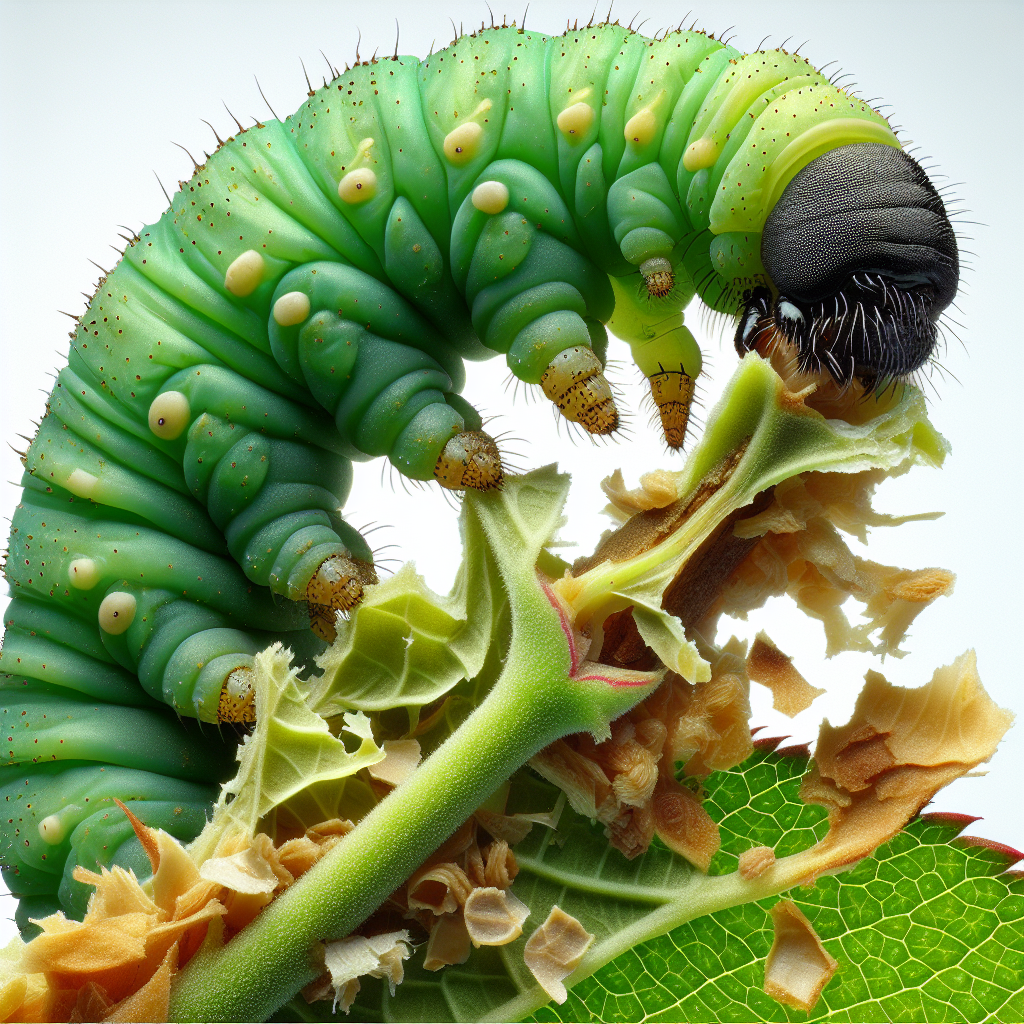
sawfly
Sawflies are wasp-like pests whose larvae resemble caterpillars and cause significant defoliation on roses, fruits, and ornamentals. This guide provides expert diagnosis, lifecycle insights, organic controls, and prevention strategies for effective management. Protect your crops with proven agricultural techniques tailored for farmers and gardeners.
View Profile