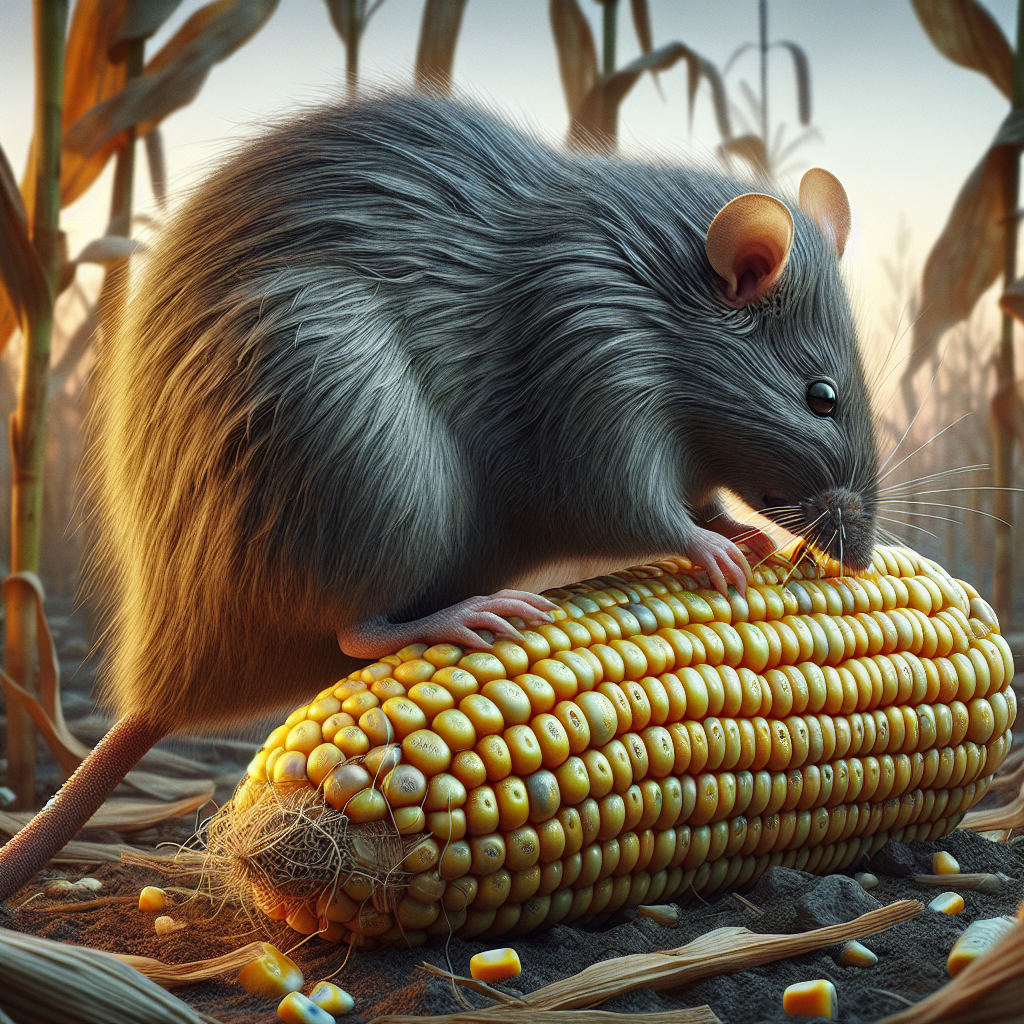
Introduction to Rodents
Rodents represent one of the most pervasive and costly pest challenges in global agriculture, inflicting damage estimated at over $20 billion annually across crops, stored grains, and infrastructure. Common culprits include the Norway rat (Rattus norvegicus), house mouse (Mus musculus), roof rat (Rattus rattus), voles (Microtus spp.), and ground squirrels (Spermophilus spp.). These mammals are highly adaptable, nocturnal foragers with exceptional reproductive rates—females can produce 5-12 litters per year, each with 6-10 pups—allowing populations to explode under favorable conditions.
In farming contexts, rodents target everything from seedlings to mature fruits, burrowing into roots, chewing through irrigation lines, and contaminating harvests with droppings that harbor diseases like hantavirus, leptospirosis, and salmonella. Unlike insect pests, rodents cause both direct feeding damage and indirect issues like structural weakening and secondary infections from open wounds on plants. Small farms are particularly vulnerable due to limited resources for perimeter defense, making proactive integrated pest management (IPM) essential. This guide provides diagnostic tools, lifecycle insights, organic strategies, and prevention tactics tailored for agricultural settings, helping growers minimize losses without synthetic rodenticides that risk non-target wildlife and residues. For real-world applications, see our Spring Pest Patrol: Organic AI Strategies to Shield Your Crops from Common Invaders.
Identifying Symptoms & Damage
Accurate identification of rodent activity is crucial for timely intervention, as damage mimics other pests like cutworms or rabbits. Key symptoms include:
- Gnaw Marks: Fresh, clean-cut teeth marks 1/4-1/2 inch wide on stems, roots, fruits, and wooden structures. Rat marks are rougher and larger than mouse marks.
- Droppings: Rod-shaped pellets; mice produce small (1/8-1/4 inch), pointed black droppings; rats leave larger (1/2 inch), blunt-ended capsules. Voles drop greenish, rice-sized pellets near burrows.
- Burrows and Runways: Tunnels 1-2 inches wide (mice) or 4-6 inches (rats) with smooth, packed-earth runways. Vole runways are surface-level, grass-covered paths.
- Crop-Specific Damage: Uprooted seedlings, girdled stems at soil level, hollowed fruits (e.g., chewed corn ears or tomato cores), and stripped bark on trees like apple or mango.
- Nesting Signs: Shredded plant material, paper, or fabric in hidden spots; greasy rub marks on beams from rodent fur.
- Secondary Indicators: Urine stains (UV-fluorescent under blacklight), hair, and tracks with five-toed prints (front) and four-toed (hind).
Inspect at dawn/dusk using trail cameras or flour-dusted floors to capture footprints. Differentiate from squirrels by burrow depth—rodents dig shallow, persistent tunnels vs. squirrels' arboreal habits. Early detection prevents 80% of potential losses.
Lifecycle and Progression of Rodents
Understanding rodent biology informs control timing. Most species follow a similar progression:
- Egg/Pup Stage (0-3 weeks): Blind, hairless pups born in grass-lined nests. High mortality here from predators.
- Juvenile (3-8 weeks): Rapid growth; eyes open at 2 weeks, weaning at 3-4. Dispersal begins, increasing infestation risk.
- Adult (8+ weeks): Sexual maturity; females breed every 3-4 weeks year-round in warm climates. Lifespan 1-3 years, but populations turn over quickly.
Norway rats mature in 2-3 months, producing 40-50 offspring yearly; mice in 6-10 weeks with 50+ pups. Voles peak in spring/fall with boom-bust cycles tied to food availability. Progression accelerates in farms with spilled grains or wheat fields, leading to exponential growth: one pair can yield 15,000 descendants in a year. Monitor for juveniles in spring to target breeding peaks. For more on voles, check the wiki.
Environmental Triggers & Risk Factors
Rodents exploit farm vulnerabilities:
- Food Availability: Spilled seeds, accessible silos, or dense crops like rice or soybeans.
- Shelter: Weeds, debris piles, dense vegetation, or poorly stored hay.
- Water Sources: Leaky irrigation, puddles near potato fields.
- Climatic Factors: Mild winters boost survival; post-harvest stubble fields harbor overwintering populations.
- Farm Practices: Monocultures, no-till fields with cover crops, proximity to urban areas or squirrels-infested orchards.
High-risk zones include field edges, storage barns, and organic farms avoiding chemicals (rodents develop resistance quickly). Droughts drive rodents to crops; floods create burrow refugees. Assess risks via perimeter scouting and bait station monitoring.
Organic Control & Treatment Plans
Prioritize IPM: prevention first, then mechanical/cultural, biological, minimal lethal options.
- Sanitation: Remove food/debris; elevate storage 18+ inches off ground; harvest promptly.
- Exclusion: Hardware cloth (1/4-inch mesh) fences buried 12 inches; seal cracks >1/4 inch with steel wool/mortar.
- Traps: Snap traps baited with peanut butter/oats (place along runways); live traps for relocation. Multi-catch box traps for mice.
- Biological Controls: Encourage owls/barn owls with nest boxes (one pair eats 3,000 rodents/year); barn cats; termites-resistant plants like garlic borders.
- Repellents: Castor oil/pepper sprays on plants; ultrasonic devices (limited efficacy); predator urine.
- Population Reduction: If severe, CO2 chamber euthanasia or trained dogs. Avoid glue boards (inhumane).
Treatment Timeline:
- Week 1: Scout/trap intensively.
- Week 2-4: Install barriers, boost predators.
- Ongoing: Monitor with non-toxic bait blocks.
Integrate with aphids management for holistic defense. Expect 70-90% reduction in 4-6 weeks.
Preventing Rodents in the Future
Long-term success demands vigilance:
- Habitat Modification: Mow field margins; rotate crops; use raised beds.
- Monitoring: Monthly inspections; track indices (droppings/traps).
- Cultural Practices: Tillage disrupts burrows; companion planting with onion deters.
- Tech Integration: Motion cameras, AI monitoring for early alerts.
- Community Efforts: Coordinate with neighbors to break migration corridors.
Annual planning prevents reinfestation; combine with root-knot nematodes strategies for soil health.
Crops Most Affected by Rodents
Rodents devastate high-value and staple crops:
- Grains: Corn, wheat, rice—eaten in fields/stores.
- Roots/Tubers: Potato, sweet potato, carrot—girdled underground.
- Fruits/Nuts: Apple, mango, almond—barked or fruit-chewed.
- Legumes: Soybeans, peas—seedlings destroyed.
- Vegetables: Tomato, cabbage—fruits/bolts consumed.
Voles target orchards; rats infest sugarcane. Protect vulnerable strawberry patches with mesh.