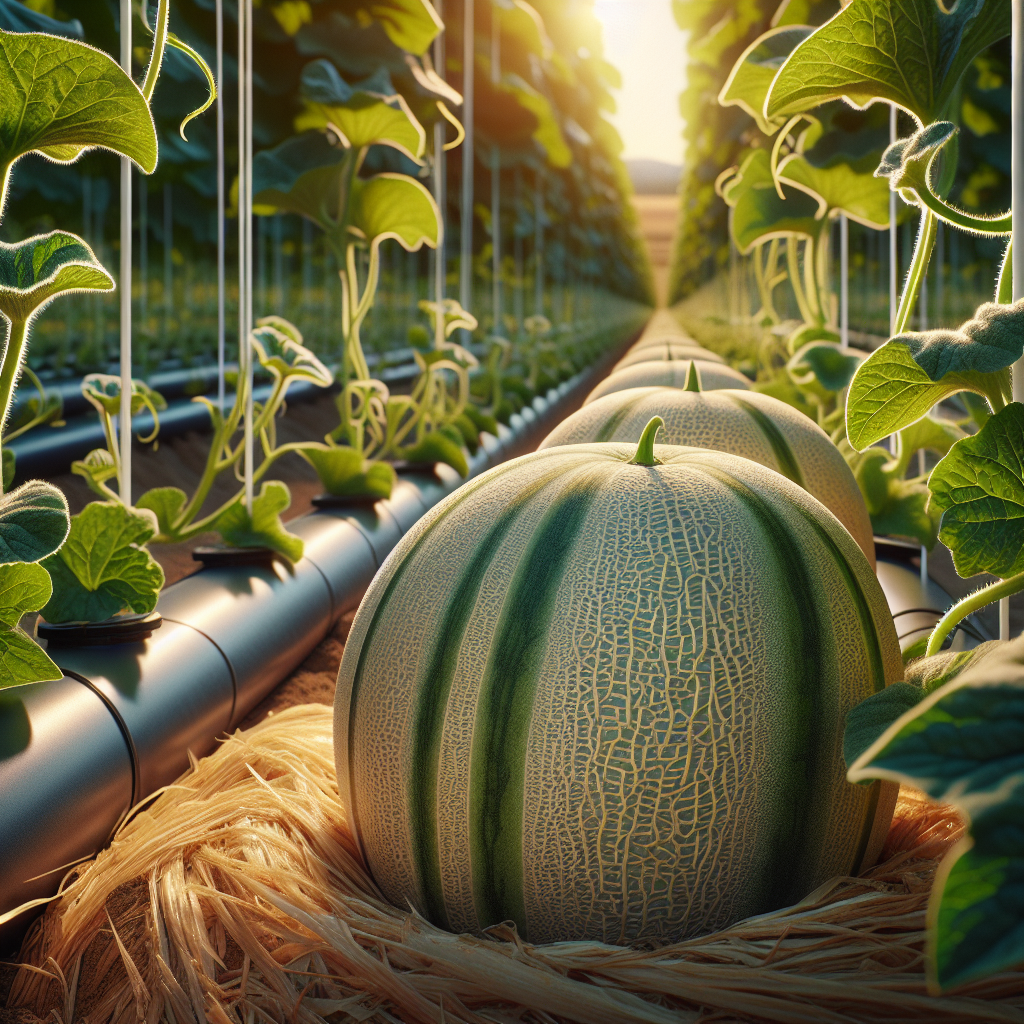
Introduction to Tam Dew Honeydew
A refined honeydew-type melon, this cultivar belongs to the sweet dessert melon group known for smooth-skinned fruits, dense flesh, and relatively good keeping quality compared with many netted muskmelons. Tam Dew is typically grown for fresh market and home-garden production where growers want a dependable honeydew with attractive fruit shape, mild floral sweetness, and a clean, crisp yet melting texture when properly matured.
Honeydews differ from aromatic muskmelons because they are classified within the inodorus group, meaning "non-scented" melons. In practice, this means fruit aroma is often more subtle at maturity, and harvest judgment depends less on fragrance and more on rind color, blossom-end softness, days from pollination, and sugar development. Growers familiar with Honeydew will recognize many of the same cultural principles, but Tam Dew responds especially well to stable heat, even fertility, and careful late-season water management.
This variety is best suited to growers who can provide full sun, warm soil, and a long uninterrupted growing window. It rewards good management with medium to large fruits that finish with strong internal quality, but, like most melons, it punishes inconsistency: cold starts stunt vines, waterlogging causes root stress, and excess nitrogen after fruit set produces vigorous vegetation at the expense of sweetness.
Botanical Profile of Tam Dew Honeydew
This crop is a member of the Cucurbitaceae family, alongside cucumbers, squash, pumpkins, and watermelons. Botanically, it is a melon rather than a true dew-bearing fruit despite the common name. The plant is a frost-sensitive annual vine with tendrils, broad lobed leaves, and separate male and female flowers on the same plant. Pollination is primarily insect-mediated, especially by honeybees and native bees.
Tam Dew belongs to Cucumis melo var. inodorus, the winter melon or honeydew/casaba group. Key traits of this group include:
- Smooth or lightly waxy rind rather than netting.
- A tendency not to "slip" cleanly from the vine the way many cantaloupes do.
- Firmer flesh and better postharvest keeping ability.
- Maturity that depends heavily on heat accumulation and full vine ripening.
Typical field habit is sprawling, with vines commonly extending 1.8-3 m or more depending on fertility and spacing. Leaves are moderately large and help shade fruit, which reduces sunscald in hot production areas. Fruits are usually round to slightly oval, with pale outer skin that may transition from greenish to cream-yellow as it matures. Interior flesh is generally pale green to green-white, with a central seed cavity containing flat cream-colored seeds.
Like many dessert melons, sweetness is measured indirectly through soluble solids, commonly expressed as °Brix. Professionally grown honeydews are often considered good at 10-12° Brix and excellent above that, but cultural conditions, harvest timing, and cultivar genetics all influence final sugar concentration. Tam Dew tends to perform best when vines remain healthy through the final ripening period, because late-season leaf loss sharply reduces sugar accumulation.
Soil, pH, and Climate Requirements for Tam Dew Honeydew
This melon needs a loose, well-aerated, fast-draining soil with high biological activity and moderate water-holding capacity. The ideal texture is sandy loam or loam, though a well-structured silt loam can also work if drainage is excellent. Heavy clay is the most problematic soil type because roots are shallow to moderately deep, oxygen-sensitive, and highly vulnerable to fungal pathogens under saturated conditions.
Optimal soil pH is 6.2-6.8, though acceptable production can occur roughly between 6.0 and 7.2. Below pH 5.8, calcium and magnesium imbalances become more likely, and nutrient uptake becomes less efficient. Above pH 7.3, iron, manganese, and zinc may become less available, especially in calcareous soils, leading to interveinal chlorosis on younger leaves.
Before planting, the soil should be worked deeply enough to break compaction and amended with mature compost rather than fresh manure. Fresh manure can drive excessive vegetative growth and increase the risk of food safety issues. A target of 3-5% organic matter is helpful for moisture balance, but overly rich soil can be counterproductive if it pushes lush vines and delayed fruit maturity.
For climate, this is unmistakably a heat-loving crop. Ideal daytime temperatures are 26-32°C, with nighttime temperatures of 18-22°C. Germination is fastest in warm soils, with ideal soil temperatures between 24-32°C. Below 18°C soil temperature, emergence is slow and uneven; below about 15°C, seedlings often languish and become susceptible to damping-off and early stress.
Tam Dew Honeydew requires a long frost-free period, usually 80-100 or more days from transplanting or direct seeding depending on local conditions. Fruit quality declines in cool, cloudy regions where heat accumulation is insufficient. In humid climates, disease pressure rises substantially, so wide spacing and disciplined irrigation become more important.
Moisture management is not just about keeping plants alive; it directly determines fruit quality. The ideal root-zone condition is consistently moist but never saturated. As a practical benchmark, soil should feel cool and slightly damp 5-10 cm below the surface, not sticky, anaerobic, or waterlogged. If a squeezed handful of soil forms a muddy ribbon, it is too wet. If leaves are dull and slightly folded by mid-morning, the soil is likely too dry. Repeated cycles of severe drying followed by heavy irrigation can lead to fruit cracking, poor sizing, and erratic sugar development.
For broader soil conditioning principles, see soil health strategies.
Step-by-Step Planting & Propagation
Propagation is almost always by seed. Saving seed is possible only if plants are isolated from other melons, because Cucumis melo types cross readily with one another, though not with cucumbers or watermelons.
Plan the season carefully. Sow only after frost danger has passed and soil is thoroughly warm. In cool regions, use black plastic mulch, low tunnels, or biodegradable warming films to accelerate establishment.
Prepare raised beds or broad mounds. Beds 15-25 cm high improve drainage and warm faster in spring. Incorporate finished compost and a balanced pre-plant fertilizer based on soil test results. Avoid high ammoniacal nitrogen at planting.
Choose direct seeding or transplanting. Direct seeding is often preferred where seasons are long because melon roots resent disturbance. In shorter-season areas, start seeds in individual biodegradable or air-pruning cells 2-3 weeks before planting out. Do not hold transplants too long; root-bound cucurbits often stall after transplanting.
Seed depth and spacing. Sow seed 1.5-2.5 cm deep. For hill culture, place 3-4 seeds per hill, thinning later to the strongest 1-2 plants. Typical spacing is 90-120 cm between plants and 180-240 cm between rows, depending on vine vigor, irrigation system, and whether fruit are grown on the ground or lightly trellised.
Thin aggressively. Once seedlings have 1-2 true leaves, remove weaker plants rather than allowing overcrowding. Dense canopies hold humidity and encourage foliar disease.
Use mulch early. Plastic mulch conserves heat and suppresses weeds. Organic mulch can be added later, once soil is warm, but thick mulch applied too early can slow soil warming.
Protect pollinators and flowers. Early row covers are useful for insect exclusion and heat retention, but they must be removed or vented at flowering unless pollination is otherwise managed.
For transplanting, harden seedlings for 4-7 days before field set. Transplant on a warm afternoon or early evening to reduce shock, and irrigate immediately to settle soil around roots without drowning the bed.
Care & Maintenance regimes for Tam Dew Honeydew
Successful production depends on synchronizing vine growth, flowering, fruit set, and ripening rather than simply maximizing leaf mass. The management goal is steady early vigor followed by controlled reproductive development.
Irrigation: During establishment, provide frequent light-to-moderate watering until roots expand into surrounding soil. After establishment, shift to deeper, less frequent irrigation. As a field guideline, many growers aim to wet the top 20-30 cm of soil thoroughly, then allow the top few centimeters to dry slightly before irrigating again. Drip irrigation is strongly preferred because it keeps foliage dry and reduces disease.
Water demand rises sharply from flowering through early fruit enlargement. Moisture stress at this stage can cause flower abortion, misshapen fruit, and reduced fruit size. However, once fruit approach full size and begin ripening, irrigation should be moderated, not abruptly stopped. Slightly reducing water in the final 7-14 days before harvest often improves sugar concentration and texture, but severe stress can collapse vines and halt ripening. Overwatering near harvest dilutes flavor and can increase the incidence of soft, bland flesh.
Signs of overwatering in Tam Dew Honeydew include yellowing lower leaves despite wet soil, slowed growth, edema-like blistering, fruit sitting in persistently wet ground, and a sour or swampy odor in the root zone. Signs of underwatering include midday wilt that persists into evening, reduced new leaf size, poor fruit fill, hard rind with underdeveloped flesh, and bitter or flat flavor.
Fertilization: Nitrogen should be moderate, especially after the first fruits set. A common pattern is to supply a balanced base fertility pre-plant, then side-dress or fertigate lightly when vines begin to run and again at early fruit set. Phosphorus supports root establishment and flowering, while potassium is especially important for sugar movement, water regulation, rind integrity, and final fruit quality. Excess nitrogen late in the cycle often causes rampant vine growth, delayed maturity, softer fruit, and lower sweetness.
A useful professional approach is to target visibly healthy but not excessively dark, luxuriant foliage. Leaves should be medium green, active, and expanding steadily. Very dark, overly soft foliage with long internodes often signals too much nitrogen.
Weed control: Keep the crop weed-free for the first 4-6 weeks, when young vines are most vulnerable to competition. Shallow cultivation is safest because melon roots spread broadly near the soil surface. Once vines run, mechanical cultivation becomes difficult, so mulch and stale seedbed practices are valuable.
Pollination: Each female flower must receive adequate pollen for well-shaped fruit. Poor pollination can produce undersized, uneven, or aborted fruit. Avoid spraying insecticidal products during bloom, especially during daylight. In protected culture or low-bee environments, hand pollination may be necessary.
Fruit load management: On highly vigorous plants, allowing too many fruits to mature at once can reduce average size and sweetness. Some growers remove misshapen early fruit and maintain a moderate fruit load so the plant can finish its crop properly. This is especially useful in short-season climates.
Canopy and fruit care: Place straw, biodegradable pads, or dry mulch under maturing fruits in humid areas to reduce direct soil contact and lower rot pressure. Rotate fruit only carefully and minimally, because tearing the stem or abrading the rind invites infection.
Pests, Diseases & Organic Management
As with most cucurbits, prevention is far more effective than rescue treatment. Build a system around rotation, airflow, sanitation, and irrigation discipline.
Common insect pests include aphids, cucumber beetles, spider mites, squash bugs in some regions, and whiteflies under hot protected conditions. aphids weaken plants and spread viruses. cucumber beetles are especially dangerous because they feed on seedlings and can vector bacterial wilt in susceptible cucurbits. spider mites flare in hot, dusty, dry conditions and often begin on stressed plants.
Organic management tactics include:
- Floating row covers during the seedling stage, removed at flowering.
- Weed suppression around field edges to reduce alternate hosts.
- Strong morning water sprays for localized aphid suppression on small plantings.
- Insecticidal soap or neem-based products used carefully and only when needed.
- Conservation of beneficial insects by avoiding broad-spectrum sprays.
Major diseases include powdery mildew, downy mildew, anthracnose, gummy stem blight, Fusarium wilt, root rots, and several mosaic viruses. In humid climates, foliar disease can strip vines prematurely, dramatically reducing sugar accumulation.
powdery mildew appears as white floury growth on leaves, often beginning on older foliage. downy mildew usually causes angular yellow lesions and gray-purple growth on leaf undersides under humid conditions. Fusarium and other vascular/root diseases cause vine collapse, one-sided wilting, or chronic stunting, especially in poorly rotated fields.
Organic and low-input disease management should include:
- A 3-4 year rotation away from melons and other cucurbits.
- Drip irrigation instead of overhead watering.
- Early-morning irrigation if overhead watering is unavoidable.
- Wide spacing and weed control to improve airflow.
- Removal of badly infected plant debris after harvest.
- Avoiding field work when foliage is wet.
- Use of sulfur or potassium bicarbonate products for powdery mildew where permitted and appropriate.
- Biologicals such as Bacillus-based fungicides as preventives rather than cures.
Virus symptoms often include mottling, distorted leaves, stunting, and malformed fruit. Because there is no cure, rogue severely affected plants early and control vector insects promptly. Sanitation matters: wash tools, remove volunteer cucurbits, and eliminate nearby weedy reservoirs.
Companion support plants can improve field ecology. Bordering patches with flowering herbs such as Thai Basil may help attract pollinators and beneficial insects, though they are not a substitute for sound crop rotation and scouting.
Harvesting, Curing & Optimal Storage
Harvest timing is where many honeydew growers lose quality. Unlike cantaloupes, honeydews often do not detach easily at maturity, so waiting for "full slip" is not reliable. Instead, use a combination of indicators.
A mature Tam Dew Honeydew generally shows a rind color shift from stronger green toward a creamier or yellow-green tone. The fruit surface may develop a faint waxy bloom. The blossom end should yield very slightly to gentle thumb pressure, but it should not feel soft or watery. Tendrils nearest the fruit are not always dependable indicators on honeydews, but progressive vine maturity can support the decision.
Another practical cue is fruit age from pollination under warm conditions. Many honeydews reach harvest maturity roughly 35-45 days after fruit set, though local heat and vine health influence this significantly. Commercial growers often sample fruit for soluble solids before beginning a large harvest.
Harvest in the cool part of the morning with a short stem attached, using clean shears or knives. Do not yank fruit from the vine. Avoid bruising, because apparently minor rind damage often becomes storage decay.
There is no true curing process like winter squash, but a brief conditioning period in shade after harvest helps remove field heat before packing. Never leave harvested melons in direct sun. Ideal postharvest handling includes prompt cooling to around 10-15°C for short-term holding, depending on intended market timing. Temperatures that are too low can cause chilling injury, especially with prolonged storage.
For best storage, maintain approximately 85-90% relative humidity with good air circulation. Under proper conditions, honeydews generally store longer than many muskmelons, but quality is still highest when fruit are consumed relatively soon after reaching full maturity. If stored too long, flesh becomes mealy, flavor flattens, and internal breakdown may begin even when the rind appears acceptable.
Cut fruit should be refrigerated immediately and used quickly. Whole fruit stored at room temperature after peak maturity will continue softening but will not meaningfully improve in sweetness once removed from the plant.
Companion Planting for Tam Dew Honeydew
The best companions are those that support pollination, beneficial insect activity, and efficient use of space without creating excessive shade or root competition. Low, aromatic, insect-attracting species are generally better companions than tall, aggressive feeders.
Good choices include Radish, Onion, Thyme, and Thai Basil. Radishes can act as a quick early crop between rows before vines spread. Onions occupy a relatively narrow vertical profile and do not heavily shade melon vines. Thyme and Thai basil attract pollinators and beneficial insects while keeping the field edge diversified.
Avoid pairing this melon closely with crops that create dense shade, demand heavy irrigation late into the melon ripening window, or sprawl aggressively into the same root and canopy zone. Large squash and pumpkins can compete intensely for space and airflow. Tall sweet corn windbreaks may be useful at a distance in exposed sites, but if placed too close they can reduce sun exposure and suppress air movement around melon foliage.
A practical companion strategy is to keep the melon bed itself simple and uncrowded, while placing supportive herbs and alliums at borders, row ends, or adjacent strips. That layout preserves the dry, open canopy conditions honeydews need while still capturing the ecological benefits of companion planting.