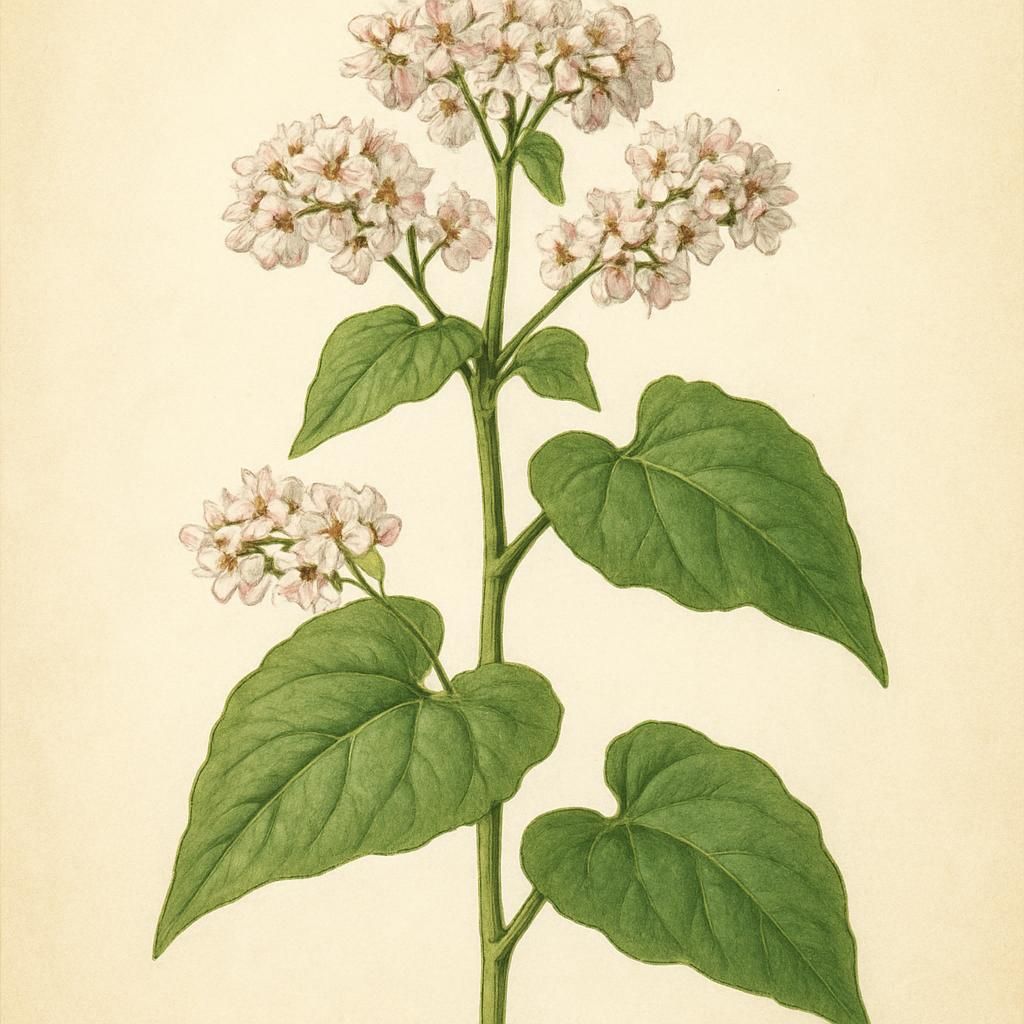
Introduction to Tartary Buckwheat
Tartary Buckwheat is a lesser-known relative of the common buckwheat, primarily cultivated in mountainous areas with challenging growing conditions. This crop is celebrated for its nutritional benefits, including high levels of protein, fiber, and rutin, a powerful antioxidant beneficial for cardiovascular health. Tartary Buckwheat adapts well to various climates and can be an excellent crop choice for farmers seeking to diversify their planting options.
Botanical Profile of Tartary Buckwheat
Tartary Buckwheat (Fagopyrum tataricum) belongs to the Polygonaceae family. Unlike its close relative, Common Buckwheat, Tartary Buckwheat is more robust and adaptable to high altitudes and poor soil conditions. The plant typically grows to a height of 60-120 cm with heart-shaped leaves and produces small, fragrant white flowers.
Soil, pH, and Climate Requirements for Tartary Buckwheat
Tartary Buckwheat is particularly well-suited to grow in poor soils where many other crops fail. It thrives in drained, sandy loam with a slightly acidic to neutral pH.
| Factor | Ideal Range |
|---|---|
| Soil Type | Sandy Loam |
| Soil pH | 5.0 to 7.0 |
| Temperature | 10°C to 25°C |
| Rainfall | 25-50 cm annual |
| Elevation | Up to 2500 meters |
Step-by-Step Planting & Propagation
- Site Selection: Choose a location with ample sunlight and well-drained soil.
- Soil Preparation: Till the soil to a fine tilth; amend if necessary with organic matter to improve drainage and fertility.
- Sowing Seeds: Sow seeds directly in rows spaced about 15-20 cm apart. Cover seeds lightly with soil.
- Germination: Germination typically occurs within 4-7 days under optimal conditions.
- Thinning: Once plants reach a few centimeters in height, thin them to stand 10 cm apart to reduce competition.
Care & Maintenance Regimes for Tartary Buckwheat
Caring for Tartary Buckwheat involves ensuring adequate water, occasional fertilization, and minimal pest management.
| Care Process | Frequency/Amount |
|---|---|
| Watering | Weekly, moderate |
| Fertilization | Once after 4 weeks (organic preferred) |
| Pruning | Not required |
Tartary Buckwheat is relatively drought-tolerant but benefits from regular watering during dry spells. Organic fertilizers like compost or well-aged manure should be applied after four weeks from planting.
Pests, Diseases & Organic Management
Tartary Buckwheat is quite resistant to many diseases, but it might face challenges from pests such as Spider Mites and Aphids. Organic pest management includes:
- Companion Planting: Use plants like Marigold to repel pests.
- Neem Oil: An effective organic insecticide to control mites and aphids.
- Regular Monitoring: Engage in frequent inspections to catch pest infestations early.
Harvesting, Curing & Optimal Storage
Harvest Tartary Buckwheat when the lower leaves dry and seeds mature, usually 10-12 weeks after planting.
- Harvesting: Cut plants when seeds are hard and dry.
- Curing: Dry the plants in a warm, ventilated area for 1-2 weeks.
- Threshing: Use a flail or threshing machine to separate seeds from the husk.
- Storage: Store cleaned seeds in a cool, dark place in airtight containers.
Companion Planting for Tartary Buckwheat
Tartary Buckwheat can be effectively paired with crops such as Clover and Sunflower to enhance soil fertility and repel pests.
- Clover: Enhances nitrogen fixation in the soil.
- Sunflower: Attracts beneficial pollinators and repels problematic insects.
For comprehensive and effective organic planning strategies, consider reading Summer Companion Planting: 10 Organic Pairings to Boost Small Farm Resilience.