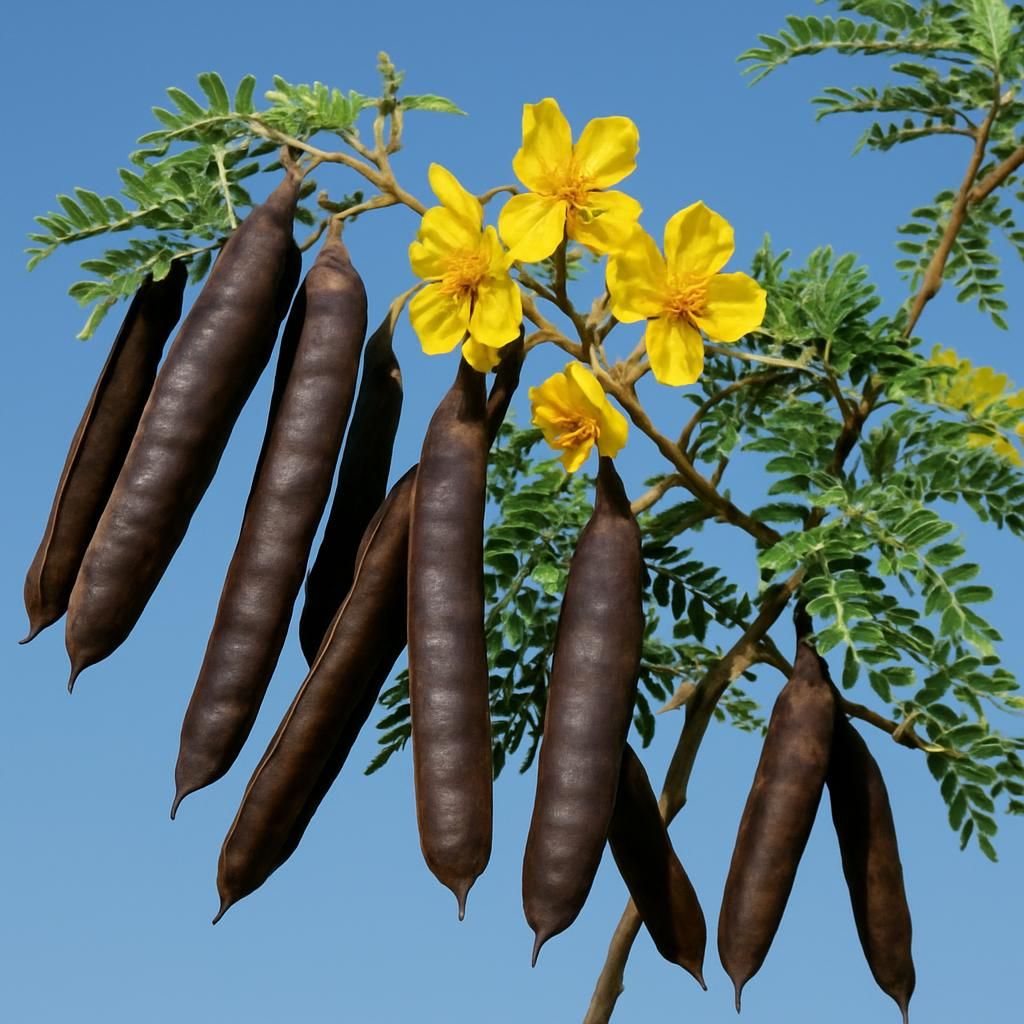
Introduction to Tara Gum
Tara gum is a natural hydrocolloid obtained from the endosperm of seeds produced by the evergreen legume tree Caesalpinia spinosa. Valued for its exceptional thickening, stabilizing, and gelling properties, tara gum is widely used in food processing, pharmaceuticals, textiles, and oil drilling. The tree itself is drought-tolerant, nitrogen-fixing, and well-adapted to marginal highland soils, making it an attractive perennial crop for farmers seeking both ecological and economic returns.
Commercial interest in tara gum has grown steadily due to its superior performance compared with guar and locust bean gums in certain applications. The tree reaches full seed production within 4–6 years and can remain productive for 30–40 years with proper management. This guide delivers professional-grade cultivation advice for establishing and maintaining tara plantations optimized for seed yield and gum quality.
Botanical Profile of Tara Gum
Caesalpinia spinosa is a medium-sized, multi-stemmed evergreen tree that typically grows 4–8 meters tall with a spreading canopy. It produces bipinnate leaves with small, oval leaflets and bears bright yellow flowers in terminal racemes. The fruit is a flat, dehiscent pod containing 4–8 hard, oval seeds rich in galactomannan. The tree is highly adapted to the cool, semi-arid conditions of the Peruvian and Bolivian Andes and exhibits strong drought and frost tolerance once established.
The endosperm of mature seeds contains approximately 70–75% galactomannan, the source of tara gum. Seed size and galactomannan content vary with cultivar, soil fertility, and water availability. The tree fixes atmospheric nitrogen through root nodules, improving soil structure and fertility for intercropped species.
Soil, pH, and Climate Requirements for Tara Gum
Tara trees perform best on well-drained, sandy-loam to loam soils with moderate fertility. They tolerate poor, rocky, or calcareous substrates but respond strongly to organic matter incorporation. The following table summarizes optimal growing conditions.
| Parameter | Ideal Range | Notes |
|---|---|---|
| Soil Type | Sandy loam to loam | Excellent drainage essential |
| Soil pH | 6.0–8.0 | Tolerates slight alkalinity |
| Temperature | 15–28 °C daytime; 5–12 °C night | Frost tolerant to –5 °C once mature |
| Annual Rainfall | 300–800 mm | Supplemental irrigation improves yields |
| Altitude | 1500–3200 m | Andean native range |
| Sunlight | Full sun (6+ hours) | Partial shade reduces flowering |
Step-by-Step Planting & Propagation
Tara is primarily propagated from seed, though vegetative cuttings from elite trees are possible. Fresh pods are harvested when fully mature and dark brown. Seeds are extracted, scarified by soaking in hot water (80 °C) for 12–24 hours, then sown in well-drained nursery beds or polybags. Germination occurs in 7–21 days at 20–25 °C.
Seedlings are transplanted to the field at 4–6 months when they reach 30–50 cm height. Recommended spacing is 4 m × 4 m for pure stands or 5 m × 5 m when intercropped. Planting holes should be 40 × 40 × 40 cm and amended with well-rotted compost and a starter dose of phosphorus. Inoculation with compatible rhizobia improves early growth and nitrogen fixation.
Care & Maintenance regimes for Tara Gum
Young trees require regular weeding and supplemental irrigation during the first two dry seasons. Mature plantations need minimal intervention beyond annual pruning and soil health maintenance. The following table outlines recommended water, fertilizer, and pruning schedules.
| Growth Stage | Irrigation Frequency | Fertilizer Application | Pruning Schedule |
|---|---|---|---|
| Year 1–2 | 20–30 L/tree every 10–14 days | 50 g NPK 15-15-15 + 2 kg compost per tree at planting and 6 months | Formative pruning at 6 and 18 months |
| Year 3–5 | 40–60 L/tree every 3–4 weeks in dry season | 100–150 g NPK 12-12-17 + 3 kg compost annually in early spring | Light structural pruning after harvest |
| Mature (Year 6+) | 60–80 L/tree every 4–6 weeks | 200 g NPK 10-20-20 + 5 kg compost every second year | Annual canopy thinning and deadwood removal |
Mulching with organic residues conserves moisture and suppresses weeds. Inter-row cover crops such as Clover further enhance soil nitrogen and reduce erosion.
Pests, Diseases & Organic Management
Tara trees are relatively pest-resistant but can be affected by Aphids, Mealybugs, and occasional Scale insects. Regular monitoring and releases of beneficial insects such as lady beetles provide effective biological control. Fungal issues including Root rot and Powdery mildew may occur in poorly drained soils; improving drainage and avoiding overhead irrigation are the primary preventive measures.
Organic management emphasizes cultural practices: maintaining tree vigor through balanced nutrition, removing infected plant material, and using neem-based sprays when pest thresholds are exceeded. Soil solarization and compost tea applications help suppress soil-borne pathogens.
Harvesting, Curing & Optimal Storage
Pods are harvested when fully mature and dark brown, typically 8–10 months after flowering. Hand harvesting or mechanical shaking onto tarps minimizes seed damage. After collection, pods are sun-dried for 3–5 days until moisture content drops below 12%. Seeds are then mechanically separated, cleaned, and stored in cool, dry conditions (below 15 °C and 60% RH) in breathable sacks or sealed containers with desiccants.
Proper post-harvest handling preserves galactomannan quality and prevents mold development. Seeds stored correctly retain viability and gum functionality for up to three years.
Companion Planting for Tara Gum
Tara integrates well with other highland crops. Compatible companions include Thyme, Rosemary, and low-growing legumes that improve soil cover without competing for light. Interplanting with Garlic or Onion can deter certain insect pests. Avoid planting with shallow-rooted, high-water-demand crops that may compete during dry periods. Strategic companion planting enhances biodiversity, reduces pest pressure, and improves overall system resilience.
Stop Treating Tomato Blight Like a Spray Problem: Here Is What Works Better