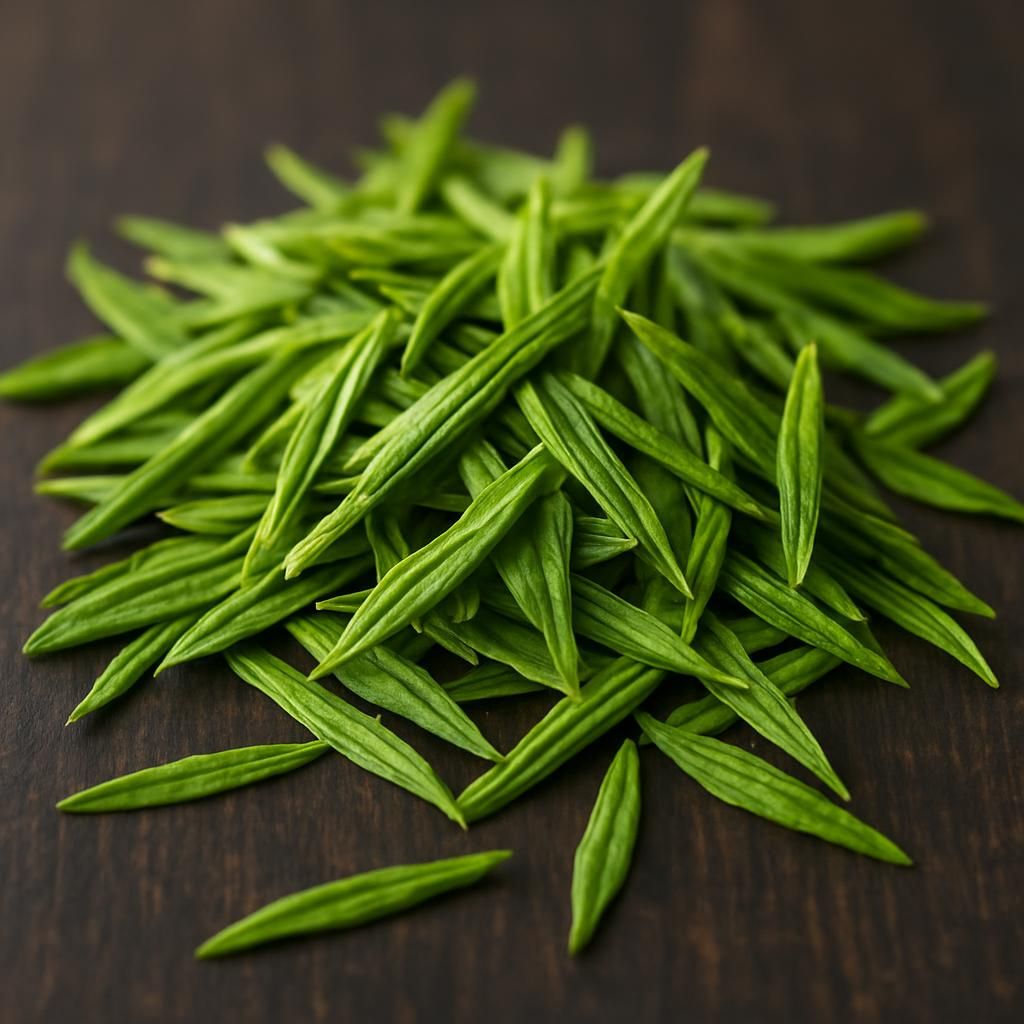
Introduction to Tea (Green - Dragonwell)
Dragonwell, known in Chinese as Longjing, is one of the most celebrated green teas in the world. Originating from the West Lake region of Hangzhou, China, this flat-leaf cultivar is distinguished by its vibrant jade color, chestnut-like aroma, and smooth, slightly sweet taste. The cultivar belongs to the broader Tea (crop) species and is specifically valued for its early-spring harvest quality.
Growing Dragonwell tea requires patience and precision, as the plant demands specific microclimates, acidic soils, and careful leaf handling. While traditionally grown in China, small-scale commercial and home growers in USDA zones 7-9 are successfully cultivating this variety for specialty markets.
This comprehensive guide provides professional-grade agricultural advice for establishing, maintaining, and harvesting Dragonwell tea plants with optimal quality and yield.
Botanical Profile of Tea (Green - Dragonwell)
Camellia sinensis var. sinensis is an evergreen shrub in the Theaceae family. Dragonwell plants typically reach 1-2 meters in height when pruned for plucking but can grow taller if left unpruned. The leaves are dark green, glossy, and lanceolate with serrated margins. Young flush leaves are particularly tender and rich in polyphenols, caffeine, and L-theanine.
The plant produces small, white, fragrant flowers in autumn, though commercial production focuses exclusively on vegetative leaf harvest. Dragonwell is a slow-growing perennial with a productive lifespan exceeding 30 years when properly maintained. The cultivar is known for its relatively compact growth habit compared to Assam-type teas.
Soil, pH, and Climate Requirements for Tea (Green - Dragonwell)
Dragonwell tea thrives in well-drained, acidic soils rich in organic matter. The plant is sensitive to both waterlogging and drought, requiring consistent moisture without saturation. Elevation between 200-800 meters provides ideal temperature moderation and mist conditions.
| Parameter | Ideal Range | Notes |
|---|---|---|
| Soil pH | 4.5 - 5.5 | Strongly acidic; lime application avoided |
| Soil Type | Loamy, well-drained | High organic content essential |
| Temperature | 15-25°C (59-77°F) | Frost protection needed below -5°C |
| Annual Rainfall | 1200-1800 mm | Even distribution preferred |
| Relative Humidity | 70-90% | Morning mist beneficial |
| Elevation | 200-800 m | Higher elevations slow growth but improve quality |
| Sunlight | Partial shade to full sun | 4-6 hours direct sun optimal |
| Spacing | 1.2 m × 1.5 m | 1,800-2,200 plants per hectare |
Step-by-Step Planting & Propagation
Dragonwell tea is primarily propagated from semi-hardwood cuttings taken in late summer. Select healthy mother plants and take 10-15 cm cuttings with 3-4 leaves. Root cuttings in a well-draining mix of peat and perlite under high humidity for 8-12 weeks.
Site preparation begins 3-6 months before planting. Clear competing vegetation and incorporate aged compost or well-rotted manure to improve soil structure. Dig planting holes 40 cm deep and 40 cm wide. Amend with pine bark or leaf mold to maintain acidity.
Plant rooted cuttings or nursery stock in early spring after the last frost. Water thoroughly after planting and apply a 5-8 cm layer of organic mulch. Maintain consistent moisture during the first two growing seasons while roots establish.
Care & Maintenance regimes for Tea (Green - Dragonwell)
Proper care focuses on maintaining soil acidity, consistent moisture, and controlled vegetative growth. Mulching with pine needles or oak leaves helps preserve acidity and suppress weeds.
| Season | Watering Schedule | Fertilizer Application | Pruning Schedule |
|---|---|---|---|
| Spring | 25-40 mm/week; increase during flush | Apply 10-10-10 NPK at 200 kg/ha early spring | Light tipping after first harvest |
| Summer | 30-50 mm/week during dry periods | Side-dress with compost tea monthly | Remove dead wood; shape canopy |
| Autumn | Reduce to 20 mm/week | Apply potassium-rich fertilizer | Medium prune to 30-40 cm height |
| Winter | Minimal; protect from frost | No fertilizer; mulch heavily | Remove damaged branches only |
Monitor leaf color regularly; yellowing indicates potential magnesium or nitrogen deficiency. Adjust irrigation based on rainfall and evapotranspiration rates.
Pests, Diseases & Organic Management
Dragonwell tea faces several common threats including Tea Mosquito Bug, Aphids, and Spider Mites. Fungal issues such as Anthracnose and Root rot can occur in poorly drained soils.
Implement integrated pest management starting with cultural practices. Maintain plant spacing for airflow, remove fallen leaves, and avoid overhead irrigation. Introduce beneficial insects such as ladybugs and lacewings for aphid control.
For organic intervention, apply neem oil or insecticidal soap during early pest detection. Copper-based fungicides may be used preventatively during wet seasons. Regular scouting every 7-10 days during active growth periods is essential.
Harvesting, Curing & Optimal Storage
Dragonwell quality depends on precise harvesting timing. The first spring flush (late March to early April) produces the highest-grade leaves. Harvest only the bud and two youngest leaves when they reach optimal tenderness.
Pluck in the early morning when leaves are turgid. Process immediately after harvest. Pan-fry fresh leaves in a wok at 200-250°C for 2-3 minutes while constantly tossing to prevent scorching. Follow with rolling and final drying at 80-100°C.
Store finished tea in airtight, opaque containers at 15-20°C with low humidity. Properly stored Dragonwell maintains peak quality for 12-18 months. Avoid exposure to light, moisture, and strong odors.
Companion Planting for Tea (Green - Dragonwell)
Strategic companion planting improves biodiversity and pest resistance. Clover and Hairy vetch serve as living mulches that fix nitrogen and suppress weeds while maintaining soil acidity.
Plant Marigold and Nasturtium along tea rows to repel nematodes and attract beneficial insects. Thyme and Rosemary provide aromatic barriers against certain insect pests.
Avoid planting heavy feeders such as Corn or Tomato nearby, as they compete for nutrients and may alter soil chemistry unfavorably. Maintain a diverse understory of beneficial herbs to support overall farm resilience.
Stop Treating Tomato Blight Like a Spray Problem: Here Is What Works Better