Encyclopedia
Definitive guides for crops, pests, and agricultural diseases.
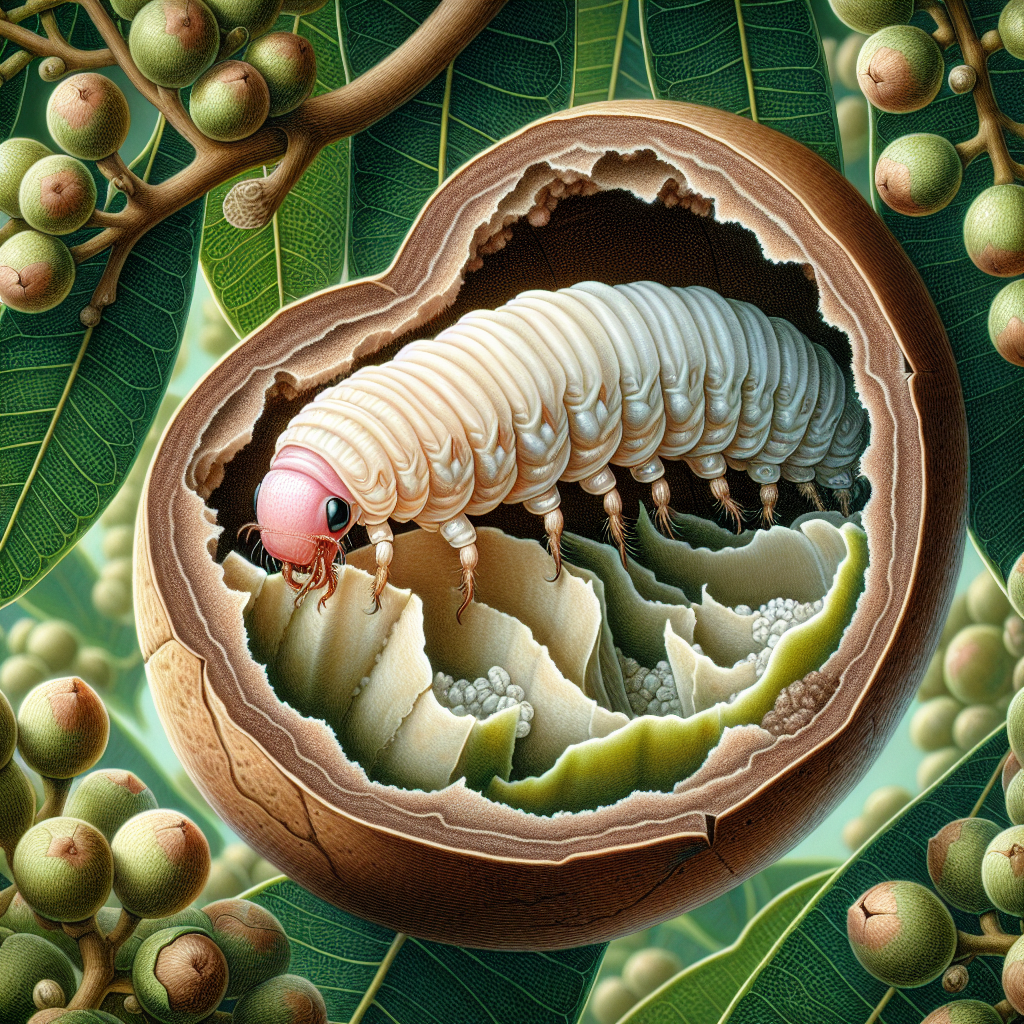
Macadamia nut borer
The Macadamia nut borer, primarily caused by the false codling moth (Cryptophlebia leucotreta), is a destructive pest that tunnels into developing macadamia nuts, causing significant yield losses and nut quality degradation. This guide provides comprehensive diagnostics, lifecycle insights, organic management strategies, and prevention tactics for growers. Effective control hinges on early detection, cultural practices, and integrated pest management to protect high-value macadamia orchards.
View Profile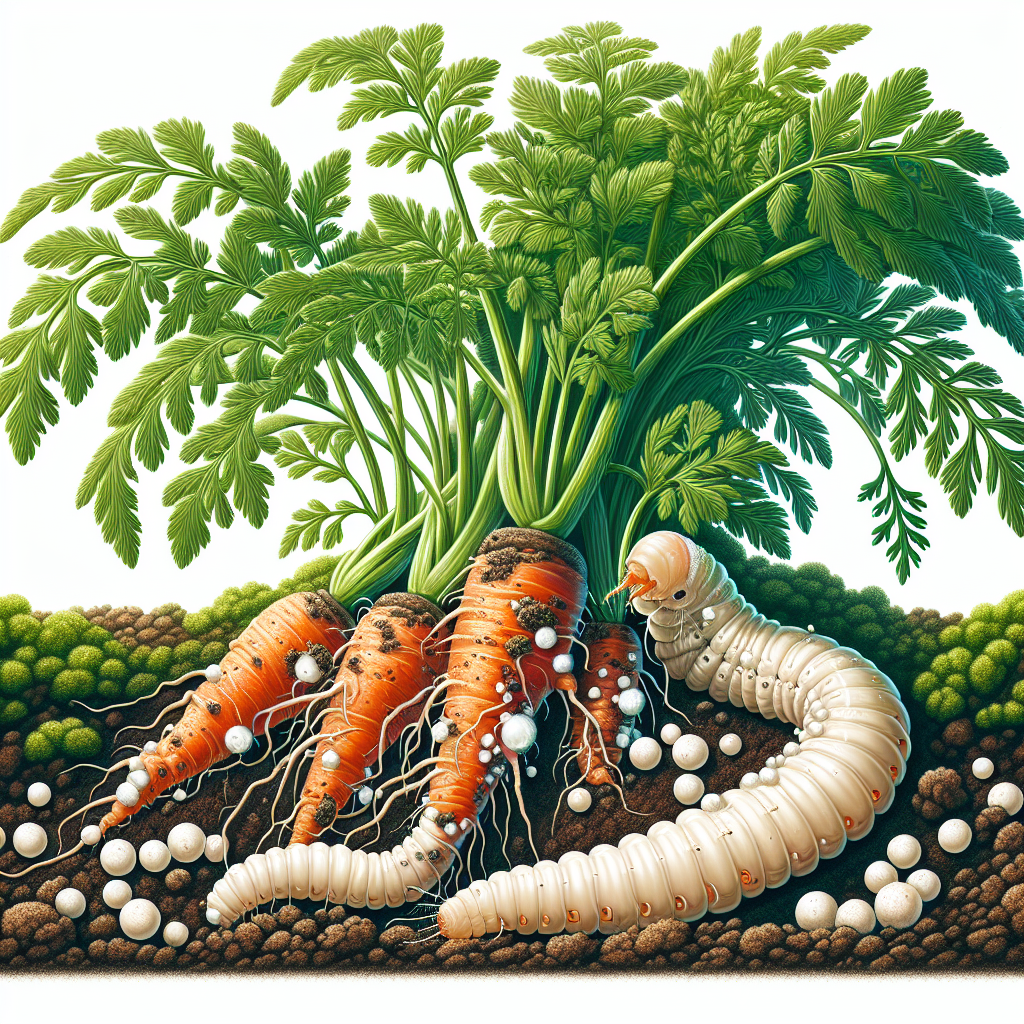
Maggots
Maggots are the larval stage of flies that infest crops, causing severe damage to roots, seeds, and fruits in moist agricultural environments. This guide provides definitive diagnostics, lifecycle insights, organic management strategies, and prevention tactics for farmers battling maggot infestations. Protect your yields with proven, professional agricultural techniques tailored for small to large-scale operations.
View Profile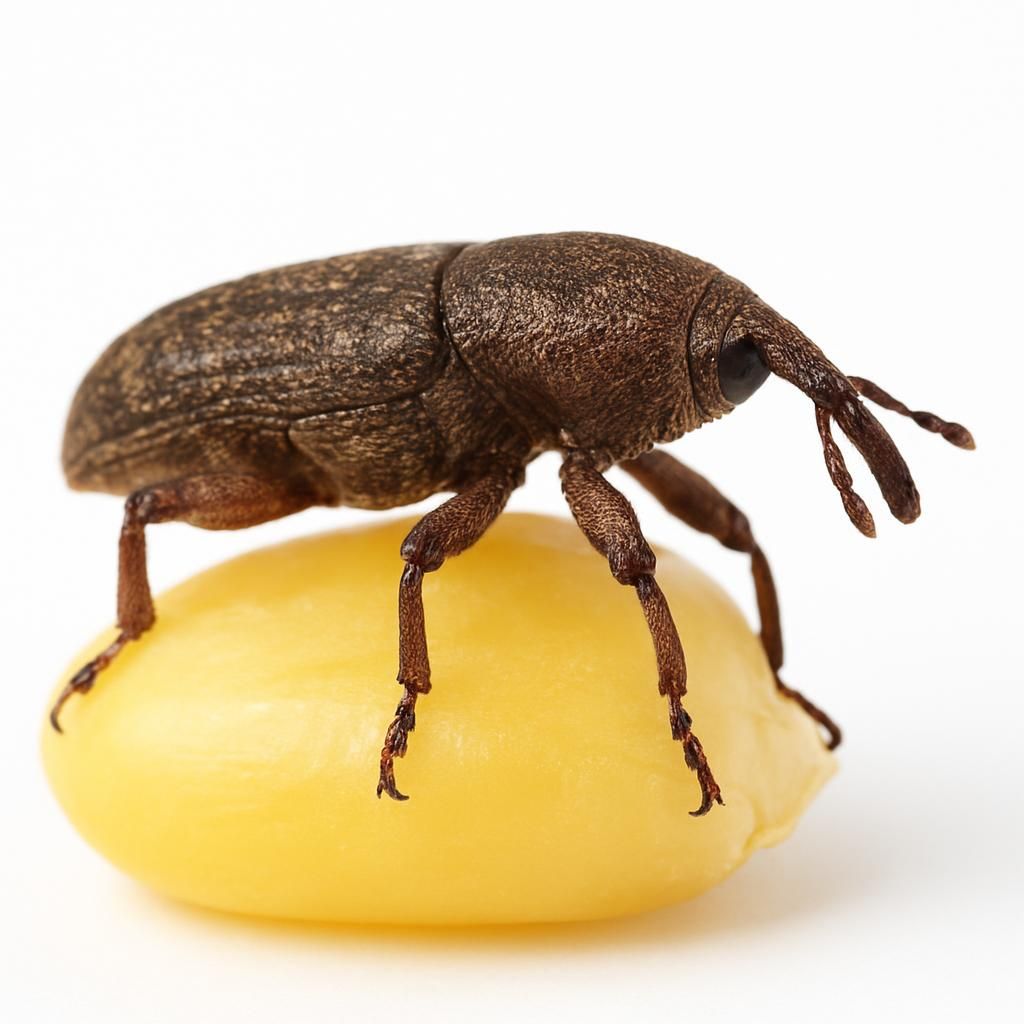
Maize weevil
The maize weevil is a primary stored-grain pest that infests maize and other cereals both in the field and in storage. Adults and larvae feed internally on kernels, causing weight loss, quality decline, and secondary fungal contamination.
View Profile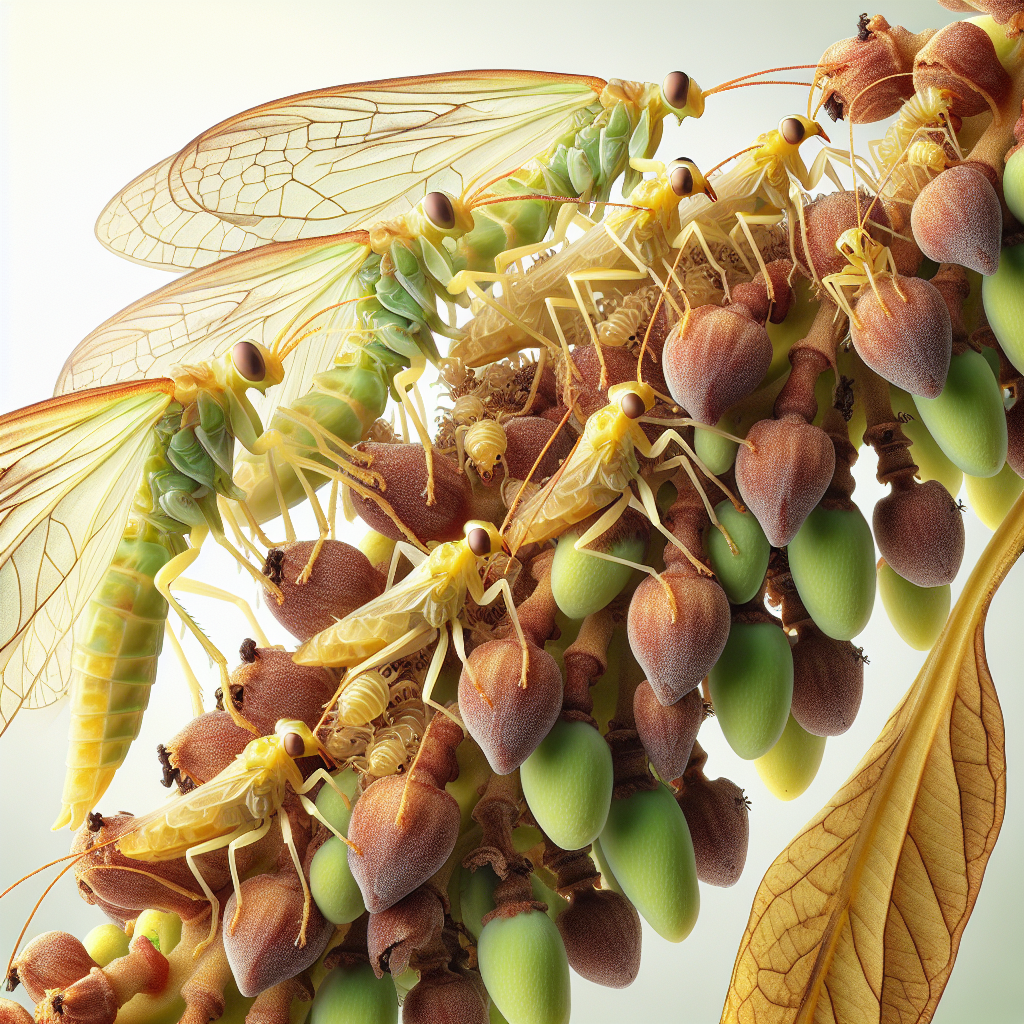
Mango hoppers
Mango hoppers are small sap-sucking insects that primarily attack mango panicles, causing flower drop and reduced fruit set. Belonging to the Cicadellidae family, these pests thrive in tropical climates and can lead to 30-80% yield losses if unmanaged. Effective organic control focuses on timing sprays, natural predators, and cultural practices.
View Profile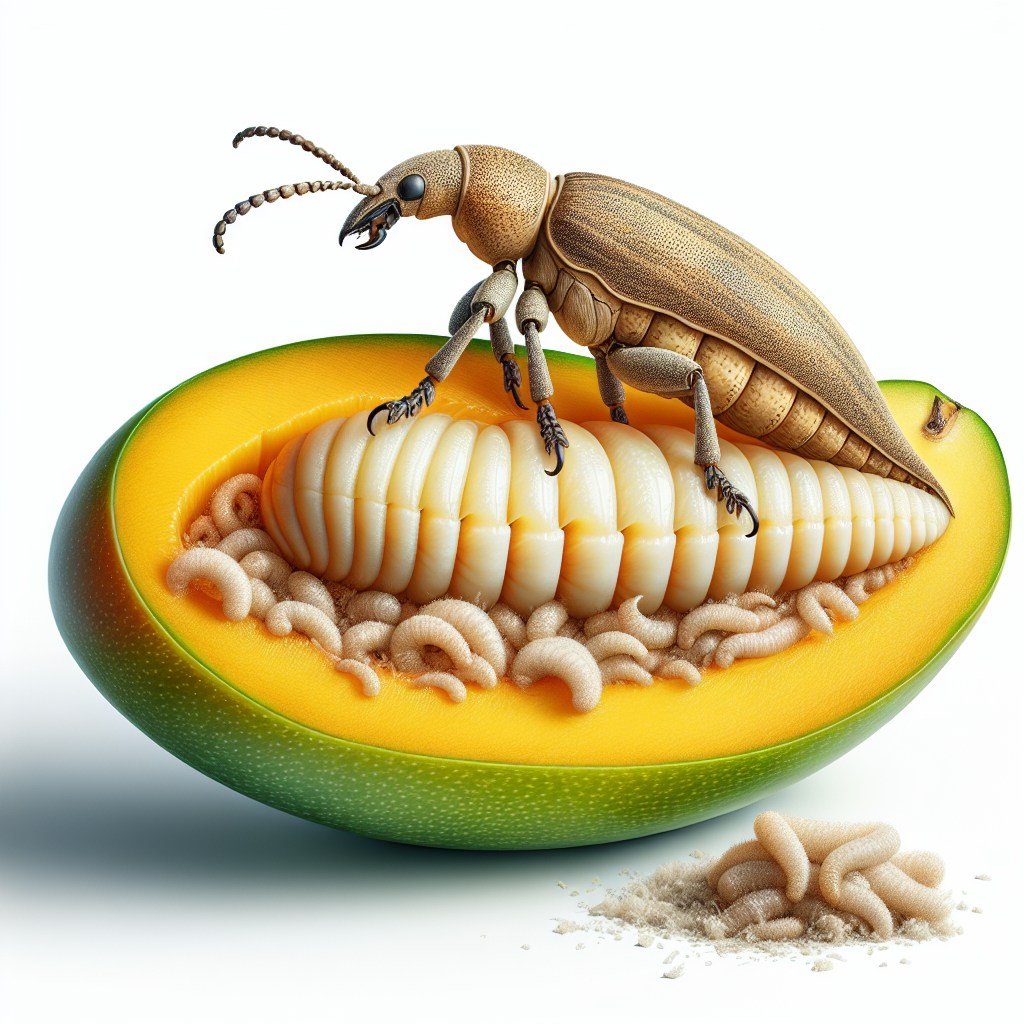
Mango seed weevil
The mango seed weevil (Sternochetus mangiferae) is a destructive pest that infests mango fruits, boring into seeds and causing significant post-harvest losses. Primarily affecting mango crops in tropical regions, it renders seeds unviable and fruits unsellable. Effective management combines cultural practices, biological controls, and vigilant monitoring for sustainable control.
View Profile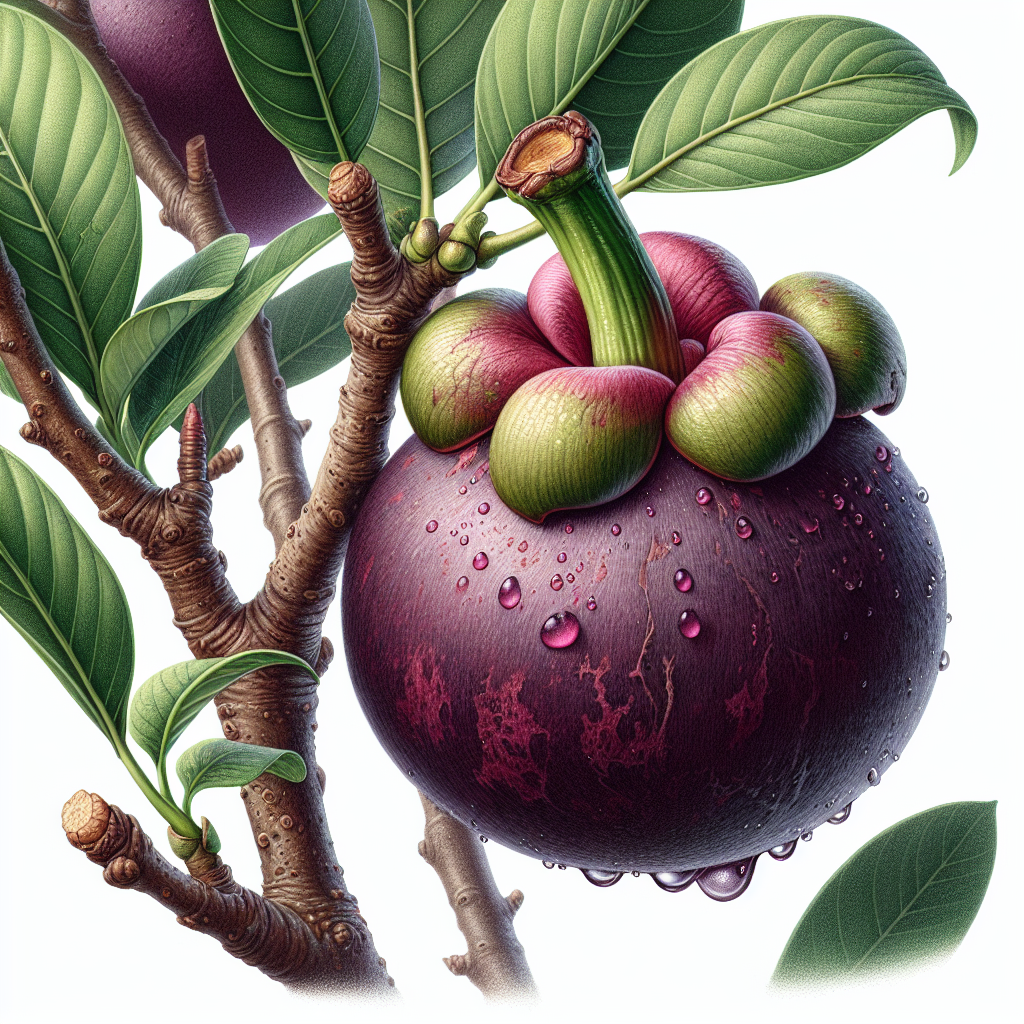
Mangosteen
Garcinia mangostana, commonly known as mangosteen, is a tropical evergreen tree prized for its delicious fruit but highly susceptible to various pests, diseases, and environmental stressors that can devastate yields. This guide provides definitive diagnostics for symptoms like fruit cracking, anthracnose lesions, and yellow leaf mottling, alongside organic management strategies to protect mangosteen orchards. Learn lifecycle insights, risk factors, and prevention tactics tailored for small-scale tropical farmers.
View Profile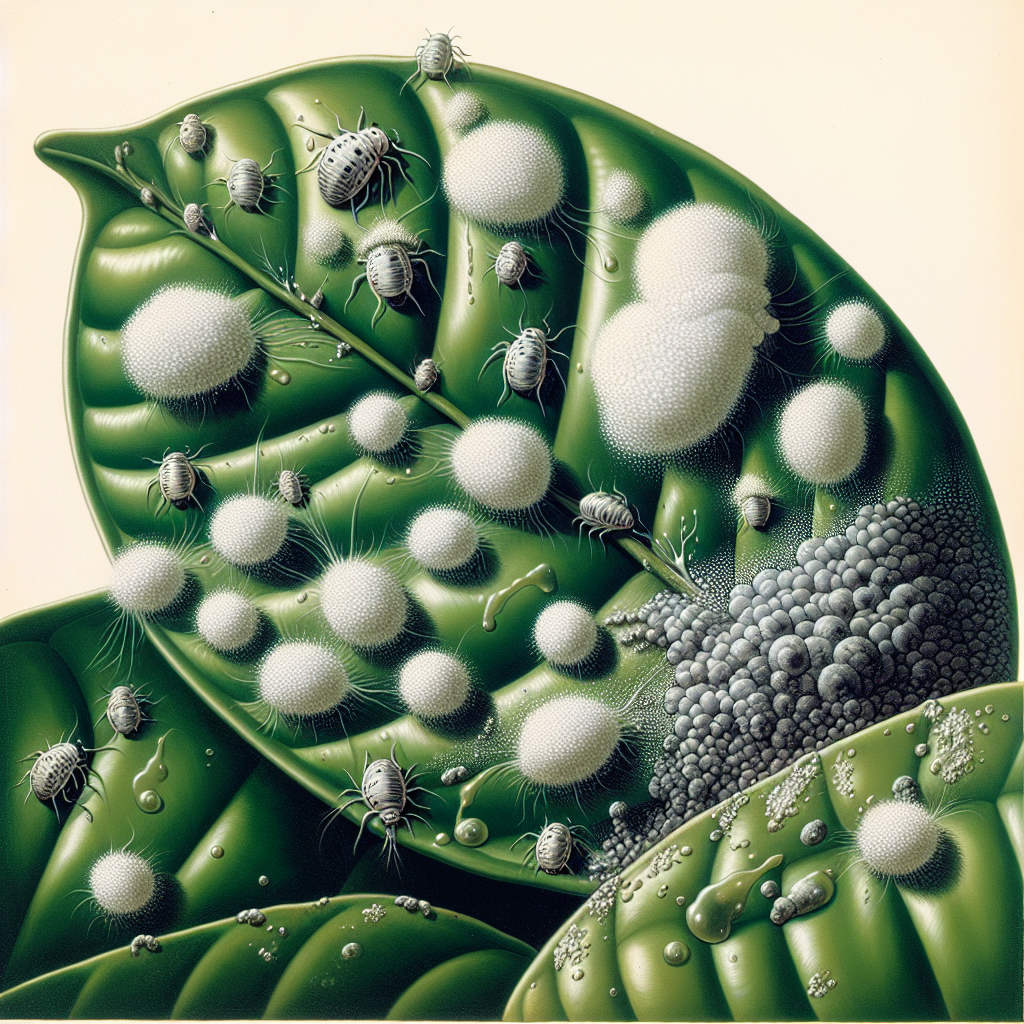
mealybug
Mealybugs are small, sap-sucking pests covered in a white, waxy coating that infest a wide range of crops, causing stunted growth, leaf yellowing, and sooty mold. They reproduce rapidly in warm, humid conditions, making early detection and organic management essential for effective control. This guide provides professional diagnostic, treatment, and prevention strategies for farmers and growers.
View Profile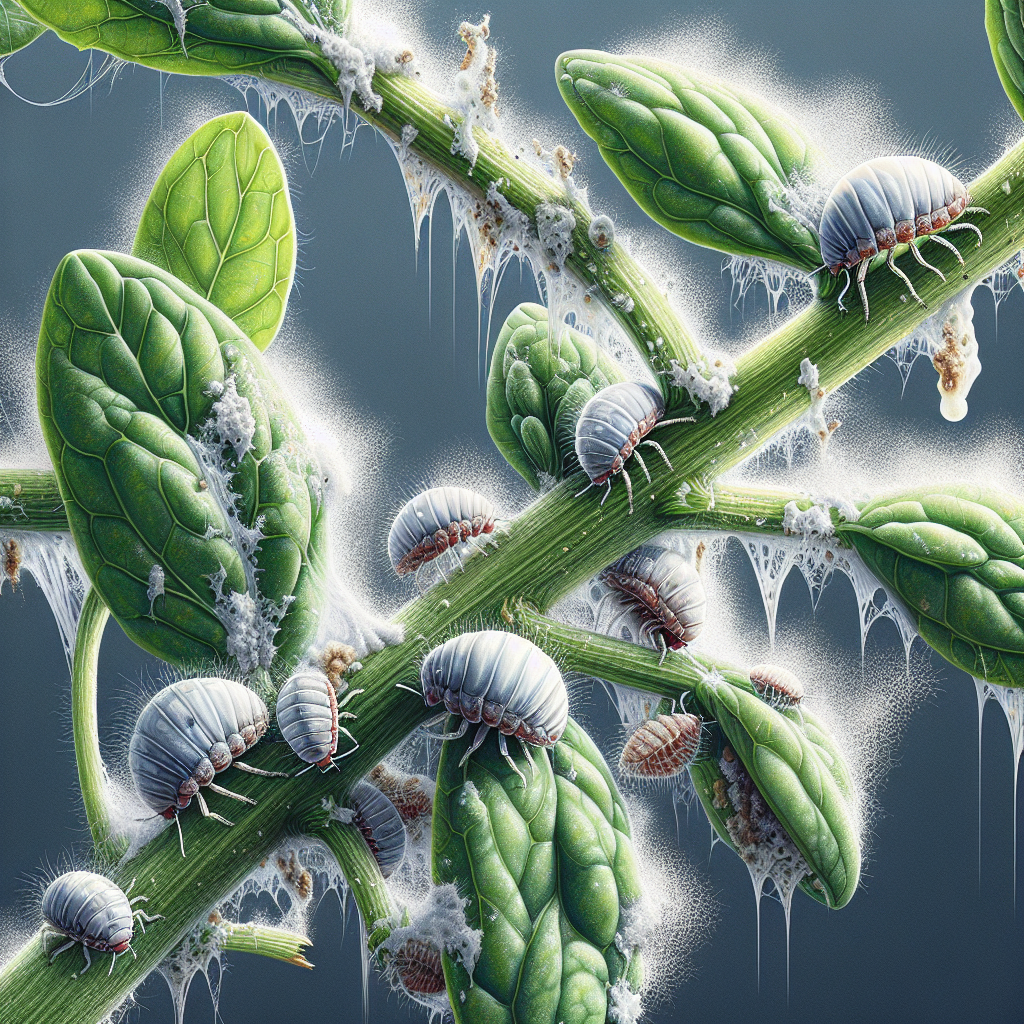
Mealybugs
Mealybugs are small, sap-sucking pests that coat plants in white, waxy fluff, weakening crops and promoting sooty mold. This guide provides expert diagnostics, lifecycle insights, organic controls, and prevention for affected farms. Protect high-value crops like citrus, avocados, and ornamentals with proven agricultural strategies.
View Profile
Mexican bean beetle
The Mexican bean beetle is a notorious pest that defoliates bean crops by skeletonizing leaves, primarily targeting legumes like snap beans and lima beans. Native to Mexico but widespread in the US, its orange larvae and adults cause significant yield losses if unmanaged. Effective organic controls include handpicking, neem oil, and beneficial insects like ladybugs.
View Profile
mice
Mice are prolific rodent pests that devastate agricultural crops by gnawing seeds, roots, and fruits, causing billions in global losses annually. This guide provides farmers with diagnostic signs, lifecycle insights, organic management strategies, and prevention tactics tailored for small-scale and commercial operations. Effective control combines sanitation, exclusion, and natural predators to safeguard yields without chemicals.
View Profile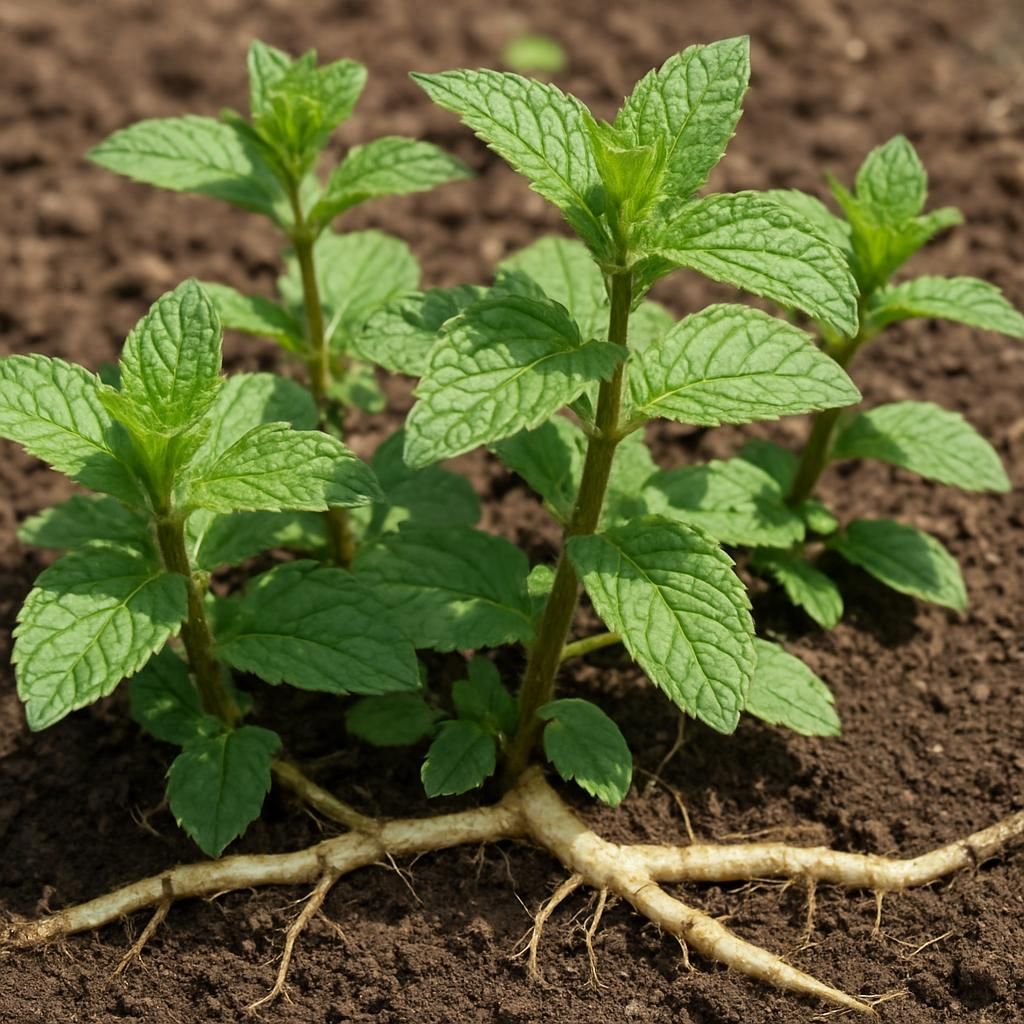
Mint
Mint is a vigorous perennial herb that spreads aggressively through underground rhizomes, often becoming an invasive weed in home gardens and commercial plantings. Its rapid vegetative growth and allelopathic properties allow it to outcompete desirable crops and ornamentals. Effective long-term management relies on physical barriers, targeted cultural practices, and consistent monitoring.
View Profile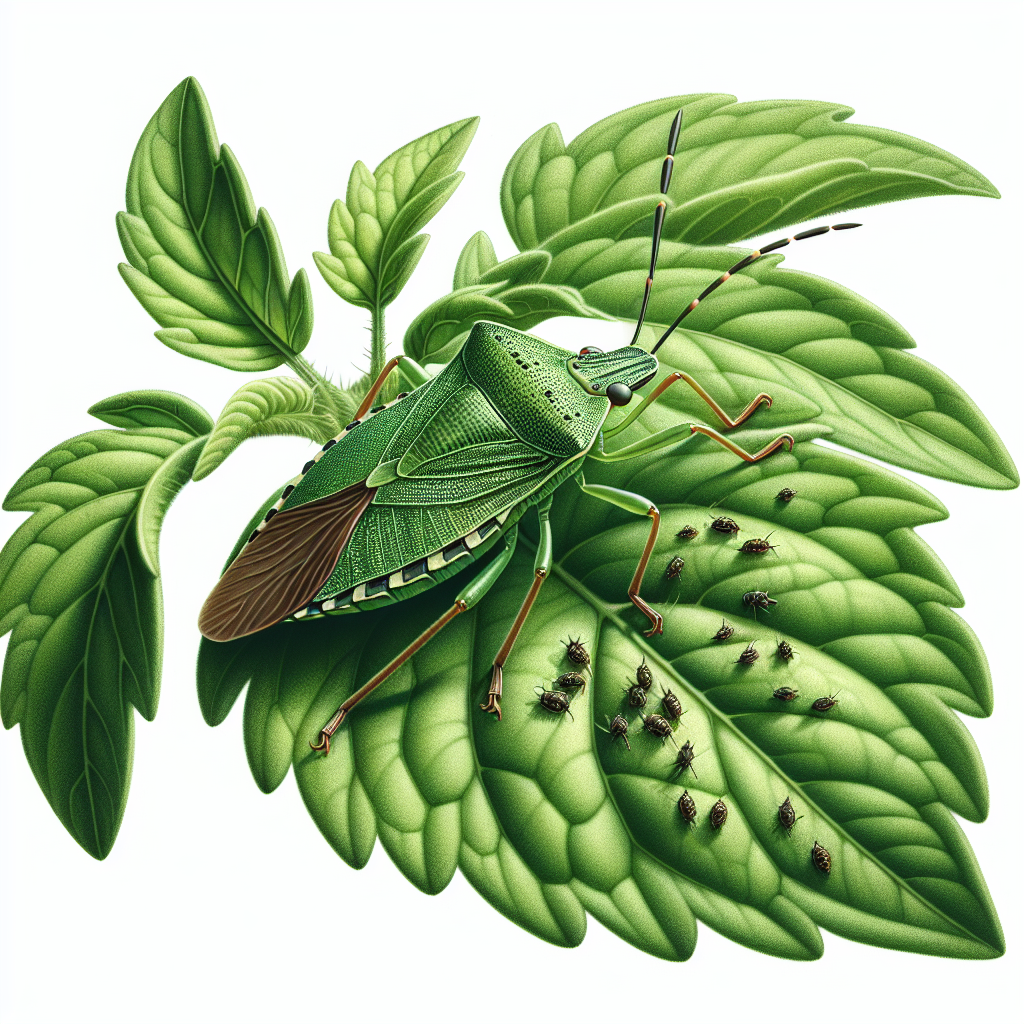
mirids
Mirids, also known as plant bugs or capsids, are small, piercing-sucking pests that damage a wide range of crops by feeding on tender shoots, buds, and fruits, causing distorted growth and reduced yields. Effective management relies on early detection, cultural practices, and organic controls to minimize economic losses in agriculture. This guide provides diagnostic symptoms, lifecycle details, and proven organic strategies for sustainable control.
View Profile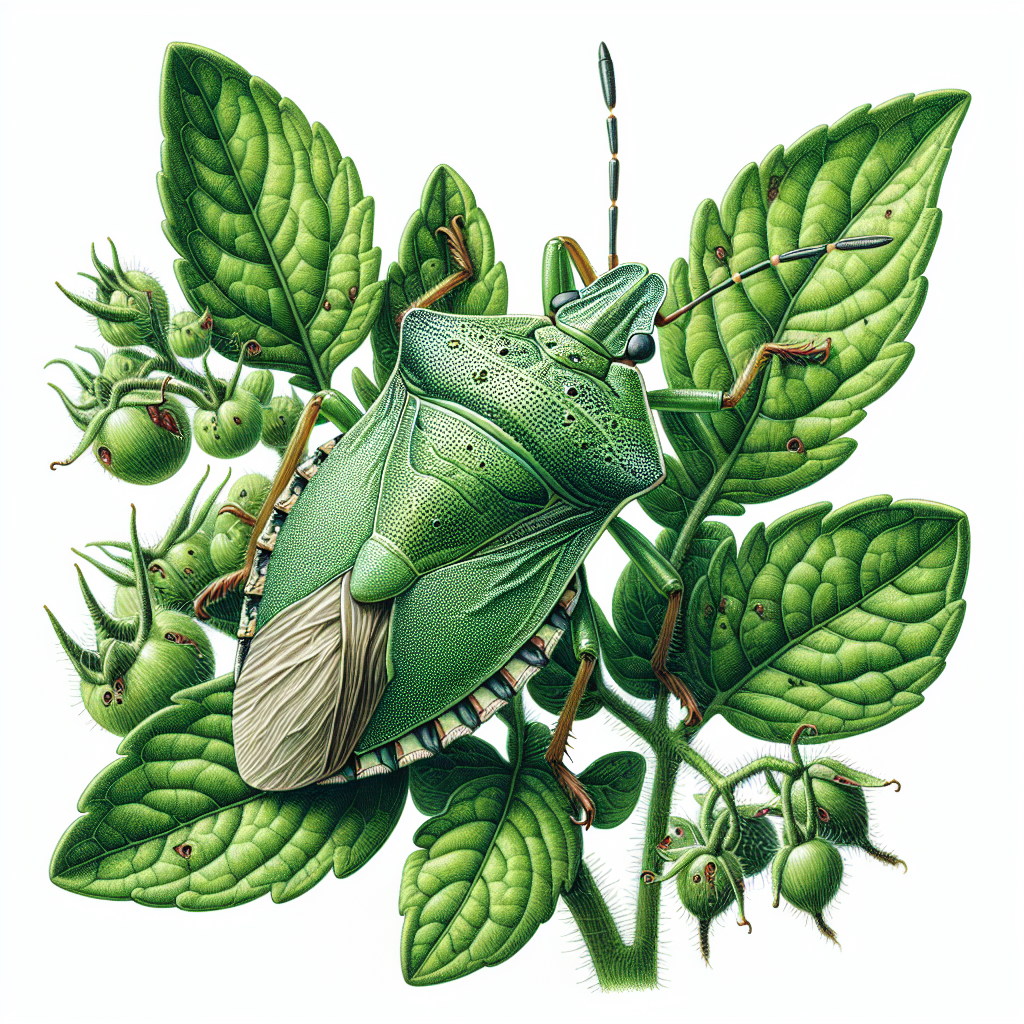
Mirids/Capsids
Mirids, also known as capsids, are small, highly destructive plant bugs that pierce plant tissues to feed on sap, causing significant damage to fruits, shoots, and buds in a wide range of crops. These pests inject toxic saliva that leads to necrotic spots, deformed growth, and reduced yields, making early detection and integrated management essential. This guide provides comprehensive diagnostics, organic control strategies, and prevention tactics for effective management.
View Profile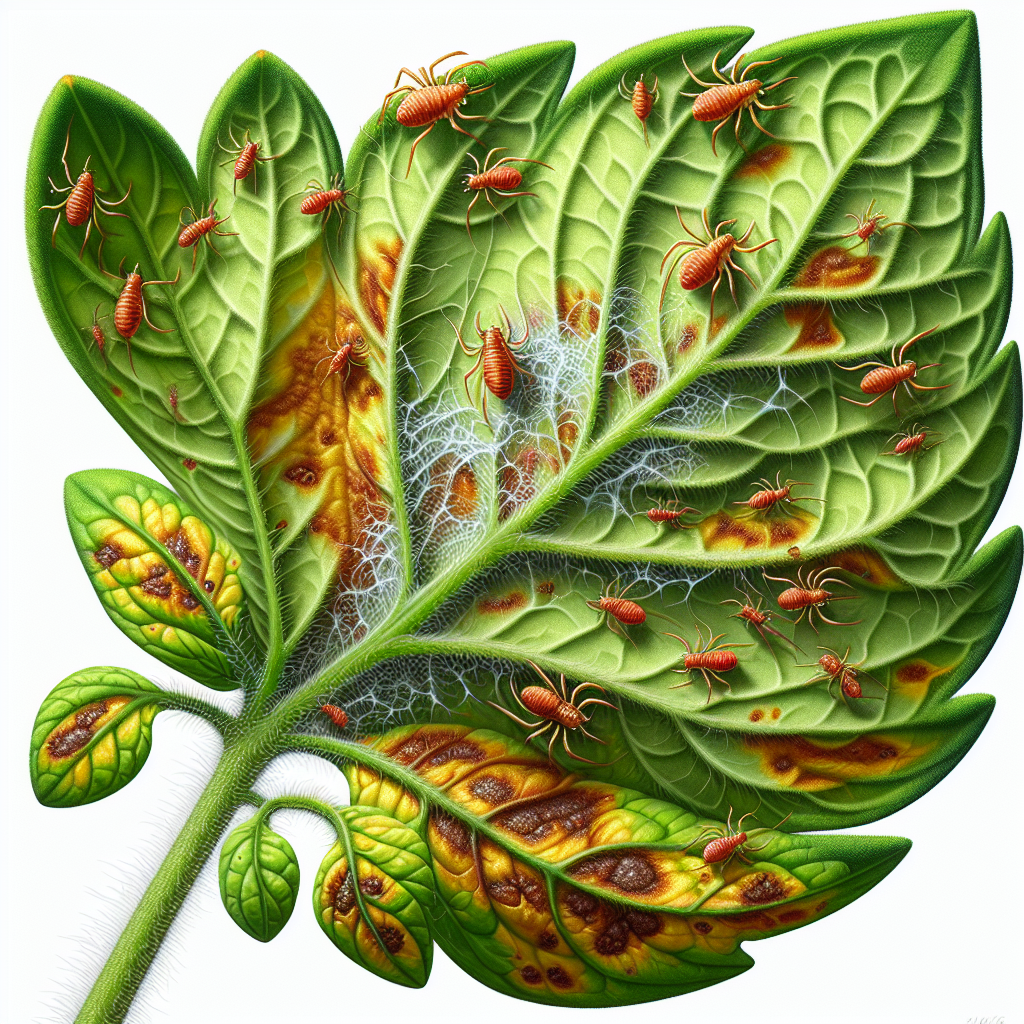
Mites
Mites are microscopic arachnids that infest a wide range of crops, causing stippling, webbing, and leaf drop through sap-feeding. This guide provides professional diagnostics, organic management strategies, and prevention tactics tailored for small farms and gardens. Early detection and integrated pest management are key to minimizing yield losses from these pervasive pests.
View Profile
moles
Moles are subterranean mammals that tunnel through soil in search of earthworms and insects, causing significant damage to agricultural fields, lawns, and gardens by uprooting crops and disrupting root systems. While not direct feeders on plants, their extensive burrow networks lead to heaved soil, exposed roots, and reduced crop yields. Effective management combines organic repellents, habitat modification, and trapping for long-term control.
View Profile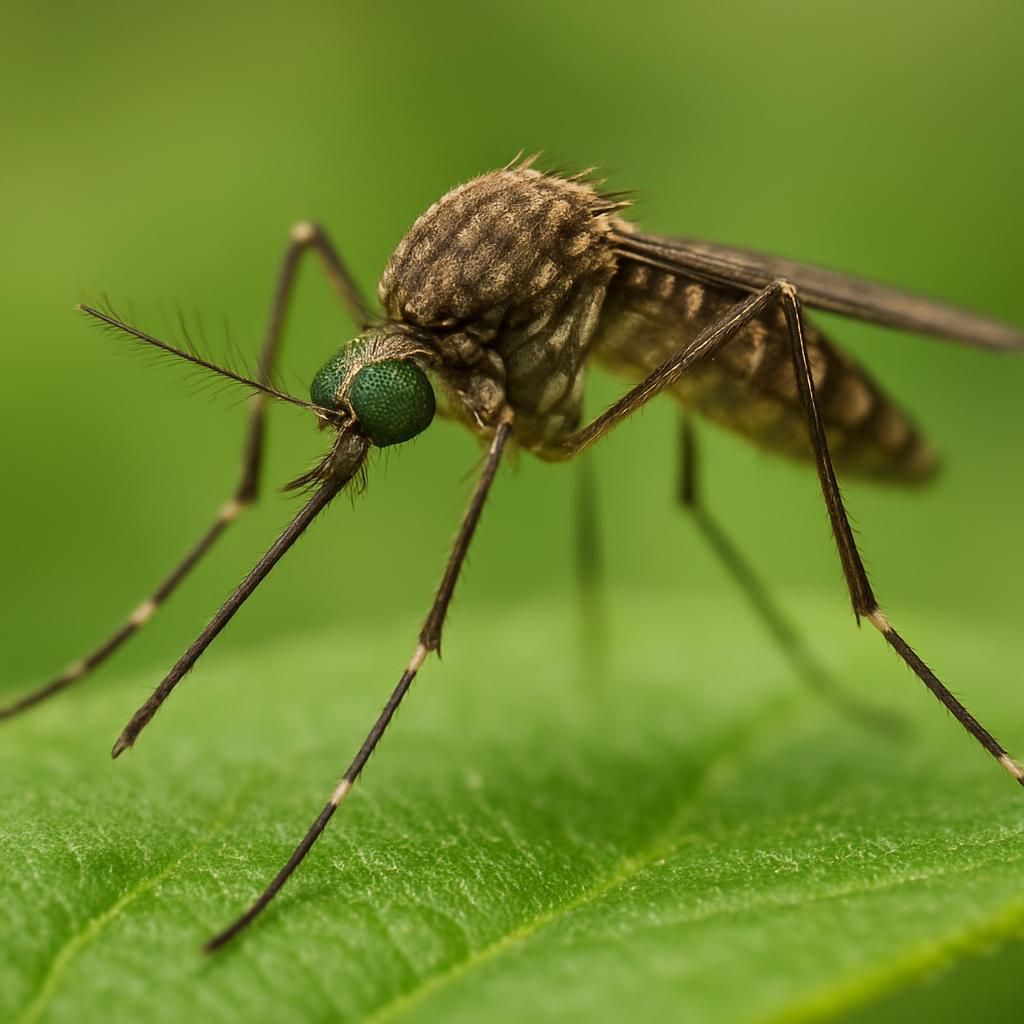
Mosquitos
Mosquitos are blood-feeding dipteran insects whose larvae develop in standing water and whose adults transmit pathogens affecting both humans and livestock. In agricultural settings they reduce worker productivity, stress animals, and occasionally vector plant viruses. Effective management relies on eliminating breeding sites, biological controls, and targeted adult suppression.
View Profile
Mucuna
Mucuna pruriens, commonly known as velvet bean, is a fast-growing tropical legume notorious as an invasive weed pest in agricultural systems, smothering crops with its vigorous vines and dense foliage. This guide provides definitive diagnostic symptoms, lifecycle details, organic management strategies, and prevention tactics for farmers battling mucuna infestations. Effective control hinges on early detection and integrated organic practices to protect yields without synthetic chemicals.
View Profile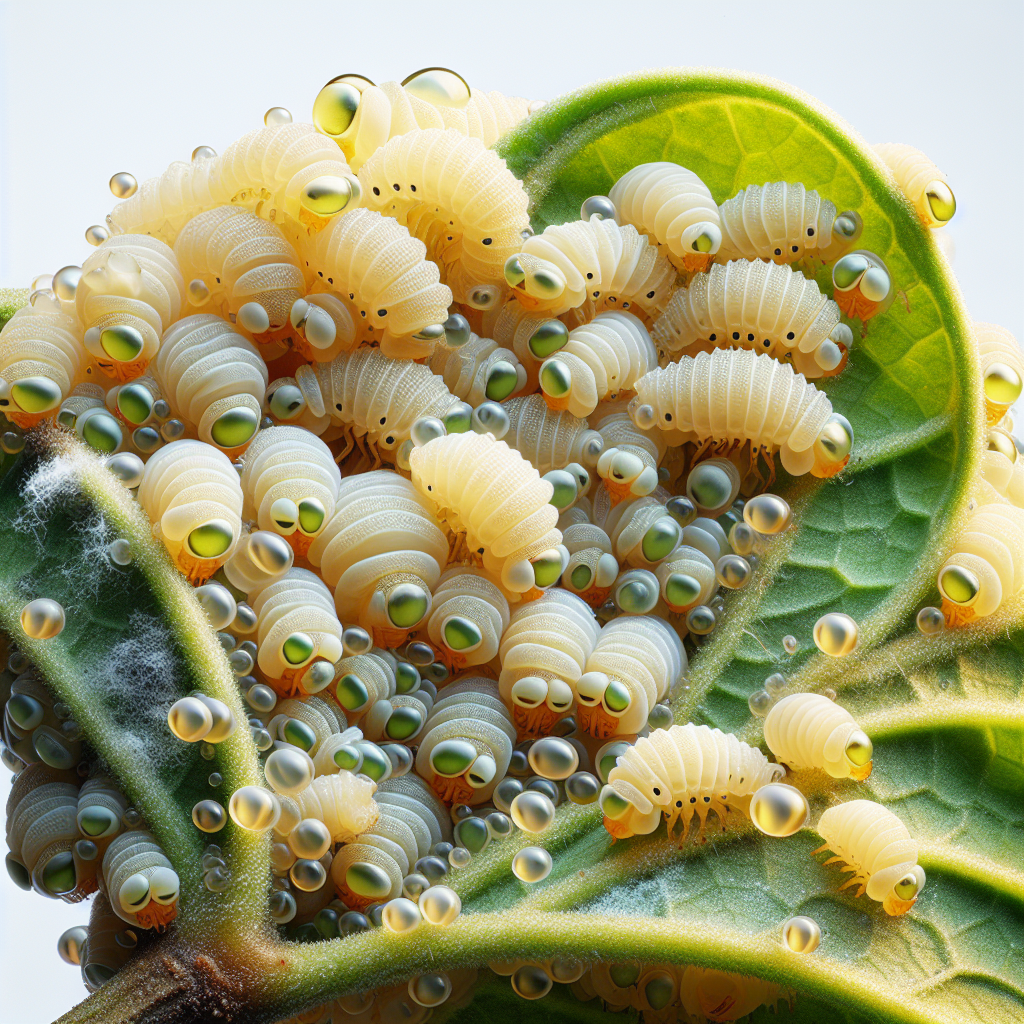
Murraya Psyllid
The Murraya psyllid (Trioza erytreae) is a highly destructive sap-sucking insect targeting Murraya paniculata (orange jasmine) and related citrus crops, causing severe leaf curling, premature drop, and dieback. Native to Africa but invasive in many regions, it transmits the devastating greening disease (huanglongbing). This guide provides definitive diagnostics, organic management strategies, and prevention tactics for growers.
View Profile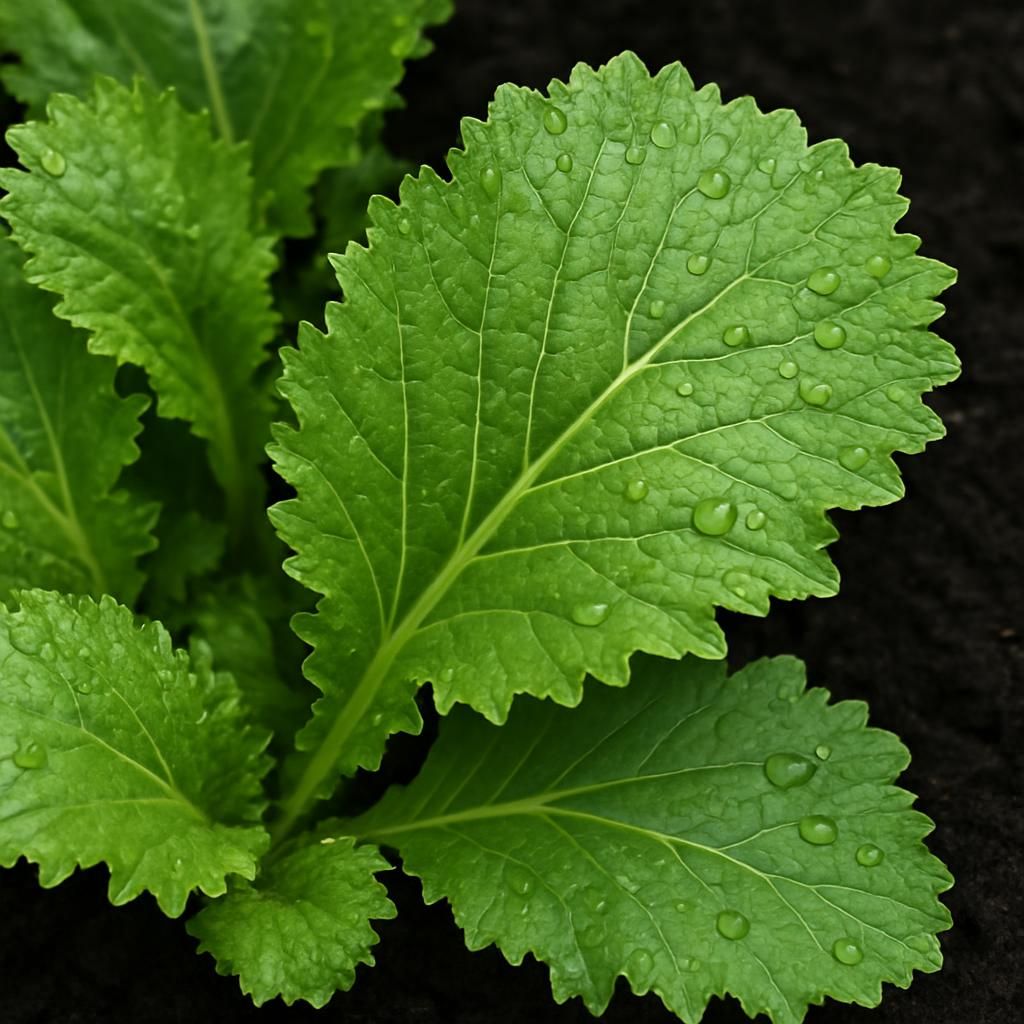
Mustard Greens
Mustard greens are a fast-growing leafy brassica valued for their pungent flavor and nutritional density, but they are also a favored host for numerous pests and diseases that can rapidly reduce yields. This guide provides professional-grade diagnostics and management strategies for mustard greens cultivation. Emphasis is placed on integrated pest management, lifecycle monitoring, and sustainable organic practices.
View Profile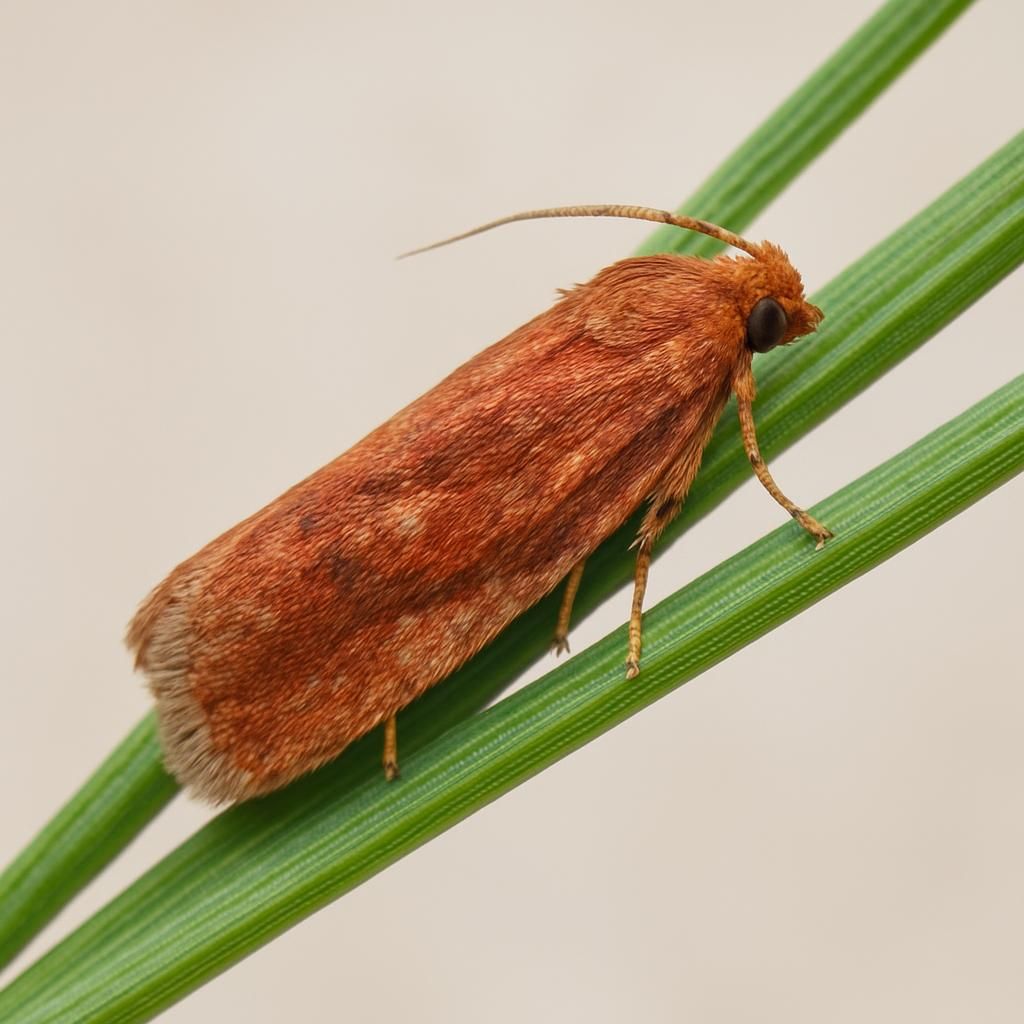
Nantucket pine tip moth
The Nantucket pine tip moth is a key lepidopteran pest of young pine plantations across the eastern and southern United States, where its larvae bore into and kill terminal and lateral shoots, causing stunted growth and deformed crowns. Effective management combines precise timing of insecticide applications with cultural practices such as site selection and monitoring. This guide delivers science-based diagnostics, lifecycle details, and integrated control strategies for commercial and ornamental pine growers.
View Profile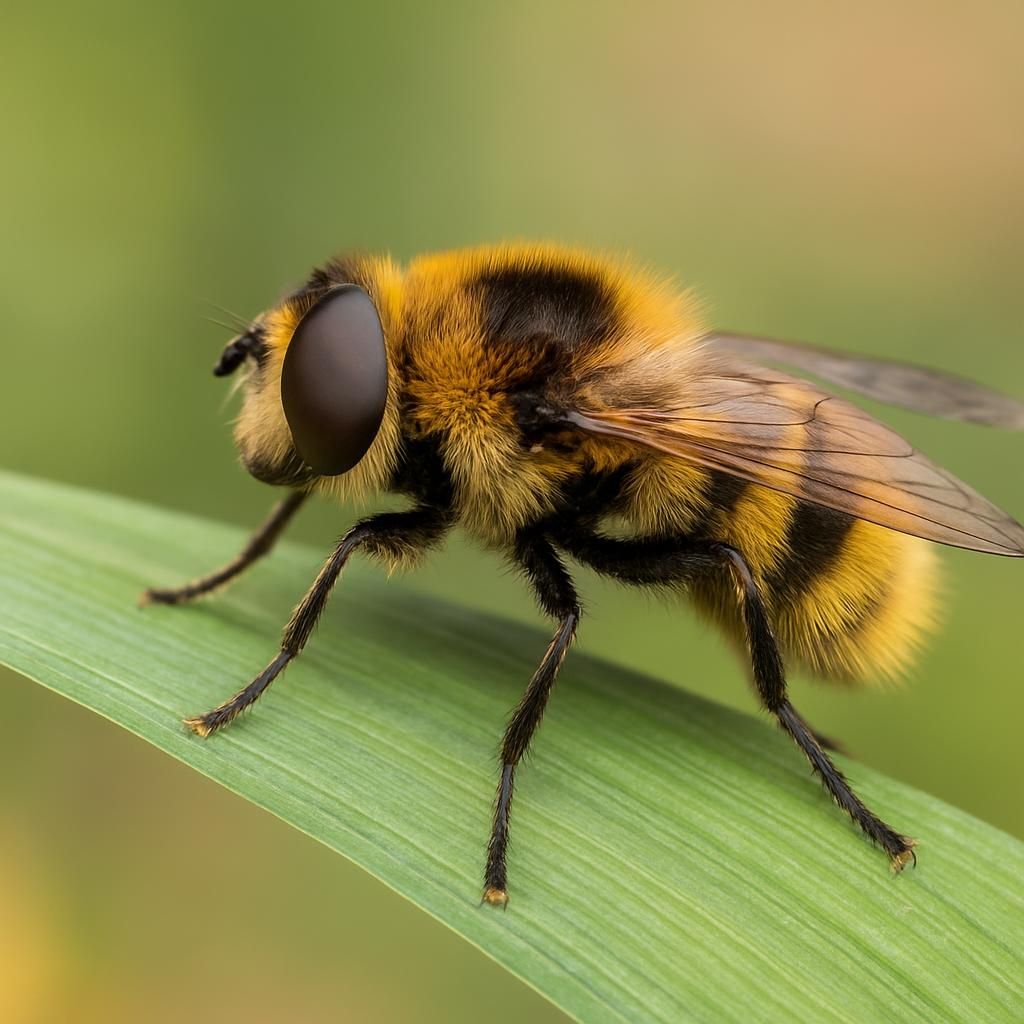
Narcissus bulb fly
The Narcissus bulb fly is a serious pest of daffodils, narcissus, and other bulbous ornamentals whose larvae tunnel inside bulbs, causing rot and plant death. Adults resemble small bumblebees and lay eggs near bulb bases in spring and summer. Effective management combines cultural sanitation, biological controls, and targeted organic treatments.
View Profile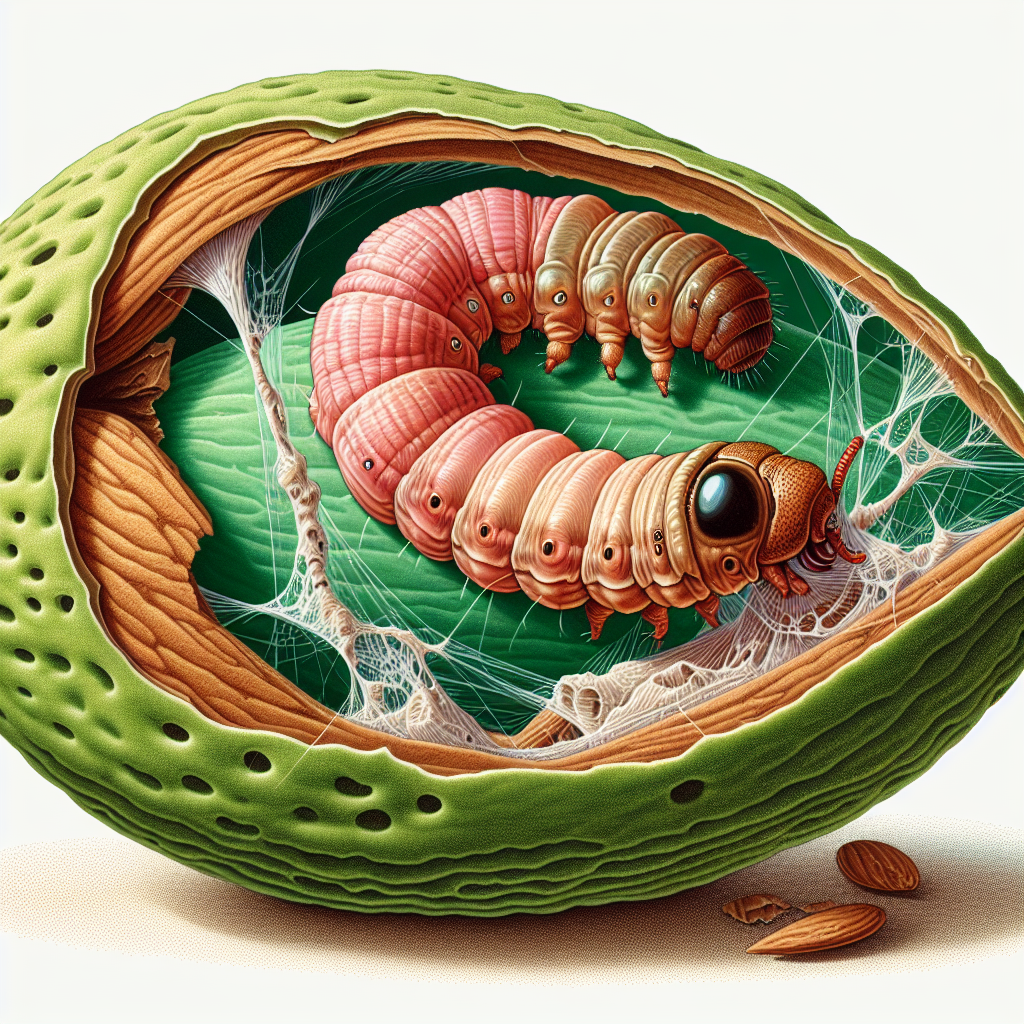
Navel orangeworm
The navel orangeworm is a destructive pest primarily targeting almonds, walnuts, and pistachios in California orchards, where its larvae bore into nuts causing significant yield losses and quality degradation. Effective management relies on understanding its lifecycle, sanitation practices, and targeted organic controls like mating disruption and biological agents. This guide provides diagnostic symptoms, lifecycle details, and proven organic strategies for prevention and control.
View Profile
Neem
Neem (Azadirachta indica) is a fast-growing tropical evergreen tree native to India, widely cultivated for its insect-repellent properties and used extensively in organic pest management. While not a pest itself, mismanaged neem plantations can lead to issues like excessive shading or allelopathic effects on nearby crops. This guide provides diagnostic insights and management strategies for neem in agricultural settings, focusing on cultivation challenges and integration with crop systems.
View Profile
Nematodes
Nematodes are microscopic, worm-like pests that attack plant roots, causing stunted growth, yellowing foliage, and yield losses in crops worldwide. This guide provides definitive diagnostics, lifecycle insights, organic management strategies, and prevention tactics for farmers facing nematode infestations. Effective control combines cultural practices, resistant varieties, and biological agents for sustainable agriculture.
View Profile