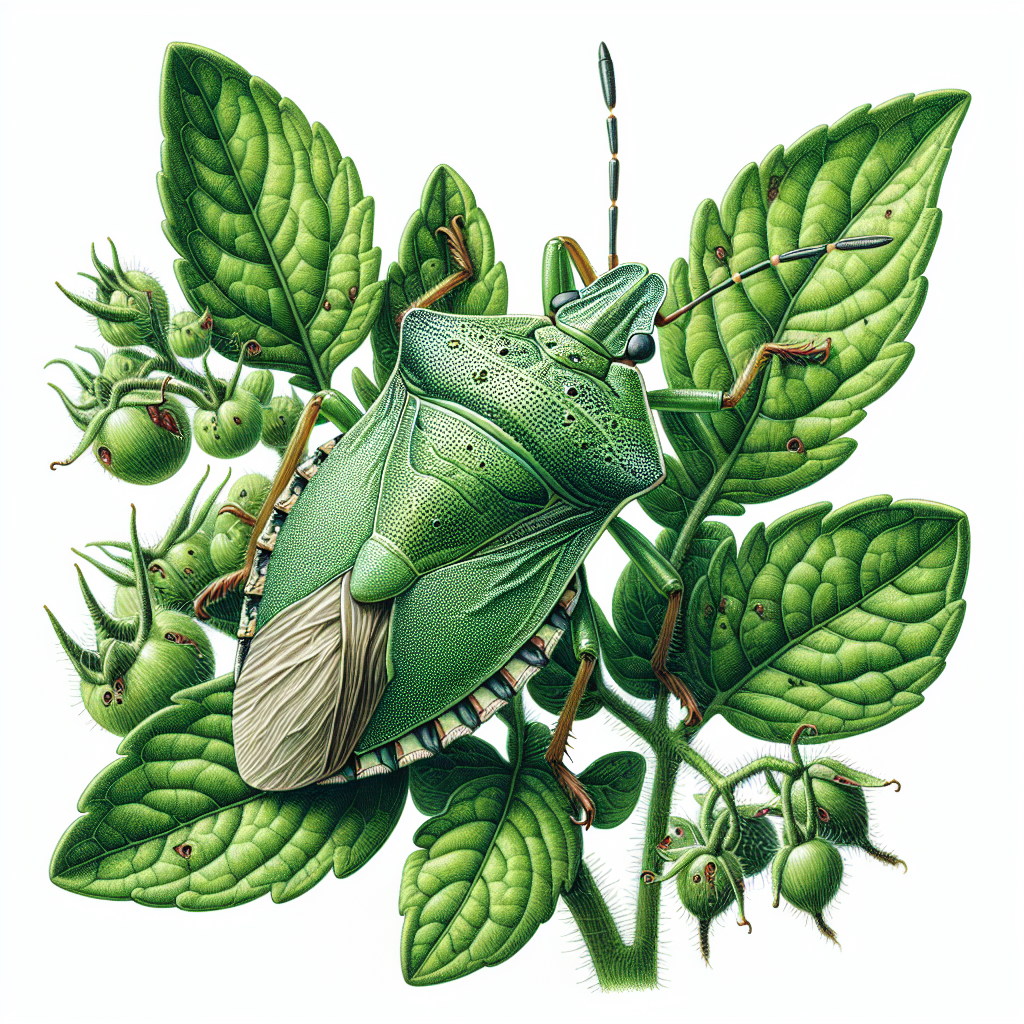
Introduction to Mirids/Capsids
Mirids or capsids (family Miridae) represent one of the most challenging pest groups in global agriculture, notorious for their elusive nature and devastating impact on high-value crops. These true bugs, often measuring just 3-6 mm in length, use piercing-sucking mouthparts to extract plant sap while injecting enzymatic saliva that disrupts cellular function. Species like the lygus bugs, European tarnished plant bug (Lygus rugulipennis), and common green capsid (Lygocoris pabulinus) are prime culprits, targeting tender growth and causing millions in losses annually.
Unlike larger pests, mirids evade detection through cryptic coloration—greens, browns, and grays that blend seamlessly with foliage—and rapid, erratic flight. Their economic toll stems from both direct feeding damage and indirect transmission of plant viruses, compounded by resistance to many synthetic insecticides. In cotton, they devastate bolls; in strawberry, they scar fruits; and in tree fruits like apple, they blind buds, slashing yields by up to 50%. This guide equips farmers with diagnostic precision, lifecycle insights, and organic protocols to reclaim productivity. Proactive scouting and IPM form the cornerstone, as these pests thrive in warm, humid conditions and explode in unmanaged fields.
Understanding mirid biology is key: females lay 50-200 eggs in plant tissues, hatching in 7-10 days under optimal temperatures (20-30°C). Multiple generations per season amplify pressure, demanding vigilant monitoring. For small farms, early intervention prevents escalation, preserving organic certification and market value. Spring Pest Patrol: Organic AI Strategies to Shield Your Crops from Common Invaders offers tech-enhanced scouting tips to stay ahead.
Identifying Symptoms & Damage
Mirid damage manifests subtly at first, mimicking nutritional deficiencies or powdery mildew, but close inspection reveals hallmarks. Primary signs include necrotic stippling—tiny, angular brown-black spots (0.5-2 mm) on leaves, stems, and fruits from salivary toxins. These 'shot-hole' lesions coalesce, leading to tattered foliage and wilted tips. On fruits, expect sunken, corky scars with translucent halos; in tomato, this yields 'cat-facing' deformities reducing marketability by 30-70%.
Buds and blossoms suffer 'blasting': flowers abort, shoots crinkle into 'blind' terminals. In Hass Avocado, feeding on flower panicles causes 20-40% drop in set fruit. Differentiate from thrips by lesion shape—mirids produce irregular, saliva-induced necrosis versus thrips' silvering. Use a 10x hand lens: active bugs leave clear droplets of exudate, and frass is absent unlike caterpillars.
Severity escalates with nymph density: 5-10 per leaf triggers economic thresholds. Yellowing veins and cupping mimic aphids, but shake-test reveals mirids' leaping escape. On legumes like soybeans, pods shrivel with 'milk-spot' damage, halving seed weight. Photograph suspect areas at dawn when bugs congregate; lab confirmation via sticky traps (10-20 mirids/trap/week signals action). Early ID prevents misdiagnosis, saving spray costs and preserving beneficials.
Lifecycle and Progression of Mirids/Capsids
Mirids complete 4-6 generations yearly, syncing with host phenology. Overwinter as eggs in bark fissures or diapausing adults; spring hatch (March-May, >10°C) yields first nymphs (instars 1-5, 5-14 days each). Nymphs resemble adults minus wings, gregariously feeding on new flush. Adults emerge in 2-3 weeks, dispersing via flight to colonize crops.
Peak activity aligns with bloom and fruit set: eggs inserted singly into petioles/stems (1-2/week/female), hatching in 7-10 days. Development accelerates above 25°C, shortening cycles to 14 days. Summer populations surge 10-fold, crashing with frost. Monitor with yellow pan traps or beat sheets: nymph:adult ratio >2:1 indicates rising infestation.
Polyphagous habits fuel persistence—alternate hosts like weeds sustain reservoirs. In mango, flush cycles trigger outbreaks; control timing targets egg-lay peaks. Parasitoids (e.g., Telenomus spp.) attack 20-50% eggs, per degree-days (base 10°C, 300-400 DD/generation). Lifecycle knowledge enables precise IPM windows.
Environmental Triggers & Risk Factors
Warm (20-32°C), humid (>60% RH) conditions propel mirid booms, with rainfall enhancing dispersal. Drought-stressed crops exude more sap, attracting hordes; irrigation mismanagement spikes vulnerability. Weedy margins—mustards, legumes—harbor reservoirs, migrating 100m+ into fields.
Monocultures amplify risk: reduced biodiversity starves predators like spiders, Orius bugs. Late planting overlaps peak migration; nitrogen excess tenderizes tissues. Proximity to cotton or strawberry fields creates hotspots. Climate shifts extend seasons, boosting generations by 1-2 in tropics. Assess via weather data: >25°C streaks + humidity >70% forecast outbreaks. Mitigate with cover crops, refuges.
Organic Control & Treatment Plans
IPM prioritizes cultural, biological, physical tactics before botanicals. Scouting/Monitoring: Weekly beat sheets (20 taps/plant, 5 sites); thresholds: 1-2 nymphs/leaf early season, 5+ mid-season. Cultural: Destroy weeds, mulch to deter soil pupation; interplant marigold (repels), nasturtium (trap). Reflective mulches disorient flyers (30-50% reduction).
Biological: Conserve Orius spp. (80% predation), Geocoris; release 1,000/ha. Neem oil (azadirachtin 0.03%, weekly sprays) deters feeding (70% control); pyrethrum + soaps for knockdown. Bacillus thuringiensis irrelevant (non-lepidopteran). Physical: Edge vacuuming, kaolin clay barriers (20-40% repellence). Rotate modes; avoid broad-spectrum to protect allies.
Treatment Protocol:
- Scout baseline.
- <Threshold: Monitor.
- Apply neem dusk (bugs active), 3x 7-day interval.
- Reassess; integrate predators. Yields rebound 25-40% with timely action.
Preventing Mirids/Capsids in the Future
Prevention hinges on habitat manipulation. Plant diverse rotations: brassicas disrupt cycles. Border clover, yarrow for predators (2x Orius density). Timing: early cultivars evade peaks. Sanitation: shred residues, till lightly to expose pupae.
Microclimate tweaks: windbreaks curb influx; overhead irrigation washes nymphs. Resistant varieties (e.g., pubescent cotton) cut damage 50%. Annual trap crops (alfalfa borders) intercept 60% migrants. Track via apps for DD models. Long-term: predatory mite banks, floral strips sustain biocontrol. Zero-tolerance edges yield farm-wide suppression.
Crops Most Affected by Mirids/Capsids
Mirids plague 100+ species, prioritizing soft fruits/veggies. Top targets: cotton (boll shedding), strawberry (fruit scarring), tomato (cat-facing), apple (bud drop). Tree nuts like almond, macadamia lose 20-30% yield. Legumes (soybeans, peas) suffer pod abortion; Hass Avocado panicle blight. Crucifers, hops, cacao also hit. Polyphagy demands landscape-level IPM.