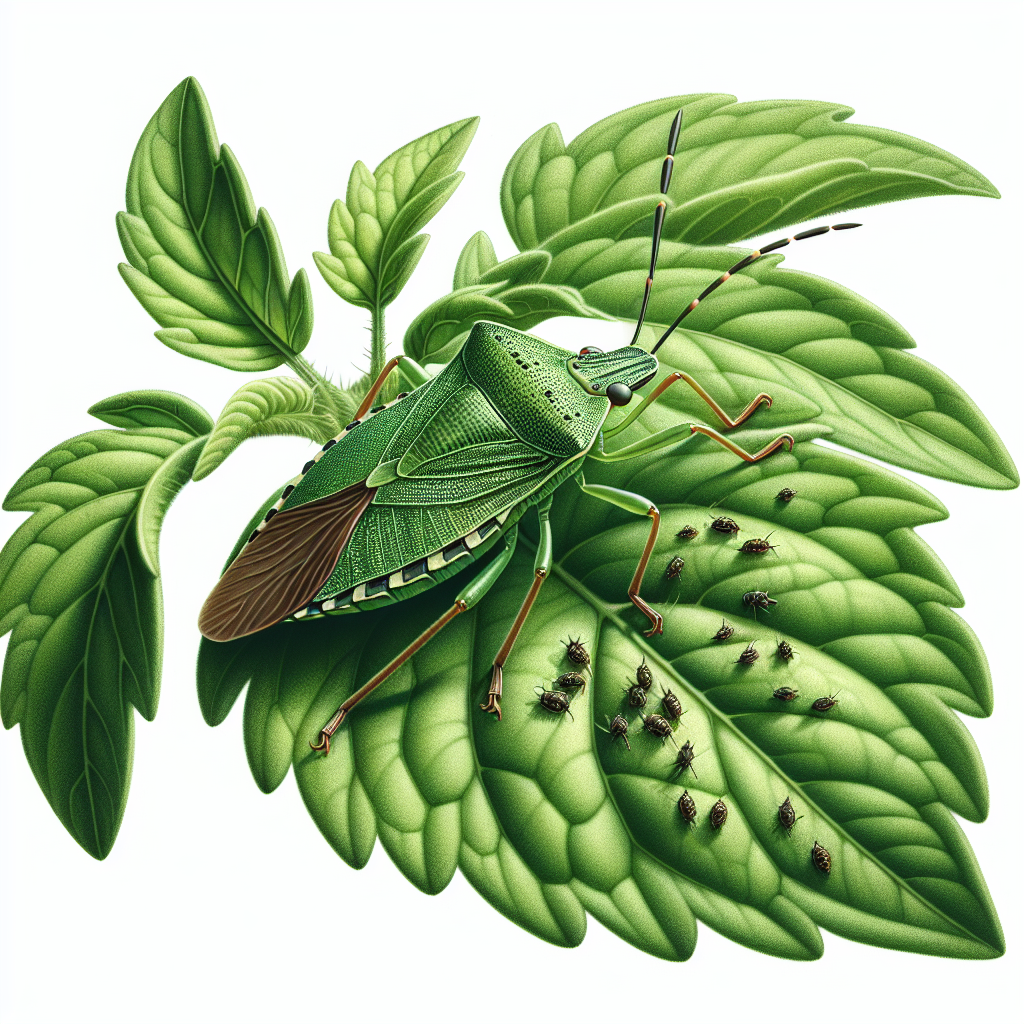
Introduction to mirids
Mirids, belonging to the family Miridae (also called capsids or plant bugs), represent one of the most diverse and problematic pest groups in global agriculture. These small insects, typically 3-6 mm long, are piercing-sucking herbivores that target over 300 crop species, including high-value fruits, vegetables, and field crops. Common species include the tarnished plant bug (lygus bugs), European tarnished plant bug (Lygus rugulipennis), and lucerne mirid (Adelphocoris lineolatus), each adapted to specific regions and hosts.
Mirid damage arises from their needle-like mouthparts, which inject salivary enzymes into plant tissues, disrupting cell function and causing necrosis. This leads to significant yield losses—up to 50% in severe infestations on crops like cotton and strawberry. As climate change extends growing seasons, mirid populations are surging, making proactive management essential for small farms and commercial operations alike. Early scouting and integrated pest management (IPM) are key to preventing outbreaks, as these pests reproduce rapidly and develop resistance to synthetic insecticides.
Understanding mirid biology is crucial: they thrive in warm, humid conditions and migrate between weeds and crops, complicating control. This guide equips growers with diagnostic tools, lifecycle insights, and organic strategies to protect yields sustainably. For small farms battling multiple pests, tools like those in Spring Pest Patrol: Organic AI Strategies to Shield Your Crops from Common Invaders can enhance monitoring efficiency.
Identifying Symptoms & Damage
Mirid feeding produces distinctive symptoms that differentiate them from other sucking pests like aphids or thrips. Look for small, necrotic spots (stippling) on leaves, stems, and buds, often surrounded by chlorotic halos. On fruits, damage appears as dimples, catfacing (irregular scarring), or sunken lesions, rendering produce unmarketable.
In vegetative stages, mirids target growing tips, causing 'blind hearts' in onions or cabbage—where central leaves fail to elongate, resulting in stunted, bushy plants. Flowers and buds wilt, drop prematurely, or abort, drastically reducing fruit set. Severe infestations lead to bronzing or shriveling of young leaves, with black fecal spots indicating active feeding.
Diagnostic tips:
- Shake test: Gently tap plants over white paper; mirids drop and scurry, unlike aphids which remain sticky.
- Visual ID: Adults are green-brown, fast-moving with long antennae; nymphs are wingless, pear-shaped.
- Secondary signs: Honeydew and sooty mold are rare, unlike whiteflies, but silk webbing may appear from predatory mites.
Damage thresholds vary: 1-2 mirids per plant in Hass Avocado can cause 20% flower drop; in tomato, 5 nymphs per leaf warrants action. Differentiate from mites by absence of fine webbing and from mechanical damage by injection punctures visible under magnification.
Lifecycle and Progression of mirids
Mirids complete 4-6 generations per year, depending on climate, with lifecycle spanning 20-40 days. Eggs are tiny (0.5 mm), banana-shaped, inserted into plant tissues; they hatch in 5-10 days into nymphs (5 instars over 10-20 days). Nymphs resemble adults but lack wings, feeding voraciously on tender growth.
Adults overwinter in leaf litter, weeds, or bark crevices, emerging in spring to lay eggs on primary hosts. Peak activity aligns with crop flowering: first generation targets buds, second fruits. Dispersal via flight (up to 100 km) spreads infestations. In tropics, continuous breeding occurs year-round.
Progression stages:
- Eggs: Hidden in stems; scout with 10x lens.
- Nymphs: Most damaging, clustering on terminals.
- Adults: Migrate, lay 100-300 eggs/female.
Monitoring peaks: Weekly checks during bloom using sticky traps (yellow for adults). Lifecycle disruption via host removal prevents buildup.
Environmental Triggers & Risk Factors
Mirids explode in warm (20-30°C), humid conditions with low rainfall, favoring dense canopies and nitrogen-rich soils. Key triggers include nearby weed hosts like lucerne, mustard, or nettles, which serve as reservoirs. Over-fertilization with nitrogen promotes succulent growth, attracting females for oviposition.
Risk factors:
- Weeds: Uncontrolled borders harbor 80% of populations.
- Crop density: Close spacing (>50,000 plants/ha) increases humidity.
- Previous damage: Stressed plants from powdery mildew or drought are preferred.
- Climate: El Niño patterns boost outbreaks in subtropics.
Monocultures like soybeans amplify risks; intercropping reduces them by 40%. Ants farming mirids (mutualism) exacerbate issues.
Organic Control & Treatment Plans
Organic management emphasizes IPM: prevention first, then biological and mechanical controls.
1. Cultural Controls:
- Destroy weeds; till residues post-harvest.
- Rotate crops; avoid susceptible sequences like cotton after legumes.
- Prune for airflow; space plants 50-70 cm.
2. Biological Controls:
- Release predators: Orius bugs (1:10 ratio), big-eyed bugs, lacewings.
- Nectar plants like marigold attract parasitoids (e.g., Leiophron uniformis, 60% mortality).
- Neem oil (0.5%): Repels nymphs, disrupts molting (apply evenings, 3x/week).
3. Mechanical/Physical:
- Blue/yellow sticky traps (20/ha).
- Reflective mulches deter adults.
- Vacuuming for small plots.
Treatment Plan:
- Scout weekly; act at 1 adult/5 plants.
- Week 1: Neem + predators.
- Week 2: Pyrethrum (if needed, OMRI-approved).
- Monitor; repeat if >threshold.
Success rates: 70-90% reduction with IPM vs. 40% sprays alone.
Preventing mirids in the Future
Long-term prevention builds resilient systems:
- Sanitation: Remove volunteers, debris.
- Resistant Varieties: Choose mirid-tolerant Hass Avocado clones or strawberry cvs.
- Trap Crops: Sow mustard borders to lure and destroy.
- Soil Health: Balanced fertility reduces succulence (Soil Health Mastery: 5 Proven Strategies for Small Farms to Build Fertile Ground Without Breaking the Bank).
- Monitoring Tech: Apps for hyper-local forecasts prevent migrations.
- Biodiversity: Interplant thyme, yarrow for natural enemies.
Annual planning cuts risks by 60%; scout borders first.
Crops Most Affected by mirids
Mirids plague diverse crops:
- Fruits: Avocado (flower drop), mango (fruit scarring), apple (catfacing), strawberry (yield loss 30%).
- Vegetables: Tomato, cabbage (tip blight), onion (blind hearts).
- Fields: Cotton (boll shed), soybeans, sorghum.
Global impacts: $500M annual losses. Prioritize high-value like Hass Avocado.
(Total word count: 1428)