Introduction to murraya
Murraya psyllids, scientifically known as Trioza erytreae, represent one of the most pernicious pests in ornamental and citrus horticulture. Primarily targeting Murraya paniculata (commonly called orange jasmine or mock orange) and extending to citrus species like lemon, lime, and orange, these tiny jumping insects suck sap from tender new growth, leading to stunted plants, leaf distortion, and significant yield losses. First identified in southern Africa, the pest has spread to parts of Asia, Australia, and the Americas, posing a quarantine threat due to its role as a vector for citrus greening disease (Candidatus Liberibacter spp.), also known as huanglongbing (huanglongbing).
In home gardens and commercial nurseries, murraya psyllids can devastate aesthetically vital hedges and topiaries, reducing plant vigor by up to 70% in untreated infestations. Adults are 2-3mm long, mottled green-brown with transparent wings, and highly mobile—capable of jumping 30cm when disturbed. Nymphs, the most damaging stage, secrete honeydew, fostering sooty mold and attracting ants. Early detection is critical, as populations explode in warm, humid conditions. This comprehensive guide equips botanists, farmers, and gardeners with professional-grade diagnostics, lifecycle insights, organic controls, and prevention protocols to safeguard crops. For small-scale growers, mastering psyllid management can preserve Spring Pest Patrol: Organic AI Strategies to Shield Your Crops from Common Invaders.
Identifying Symptoms & Damage
Accurate diagnosis hinges on recognizing murraya psyllid signatures, distinguishing them from aphids, whiteflies, or mites. Primary symptoms include:
- Leaf Curling and Cupping: New flushes exhibit severe upward cupping, with leaves twisting into brittle, necrotic forms. Unlike viral curl, psyllid damage shows nymph cohorts clustered along midribs.
- Shoot Dieback: Terminal growth blackens and aborts, creating 'witch's broom' appearance. Heavily infested tips drop prematurely, stunting overall canopy.
- Honeydew and Sooty Mold: Sticky excretions coat leaves, promoting black sooty mold that blocks photosynthesis.
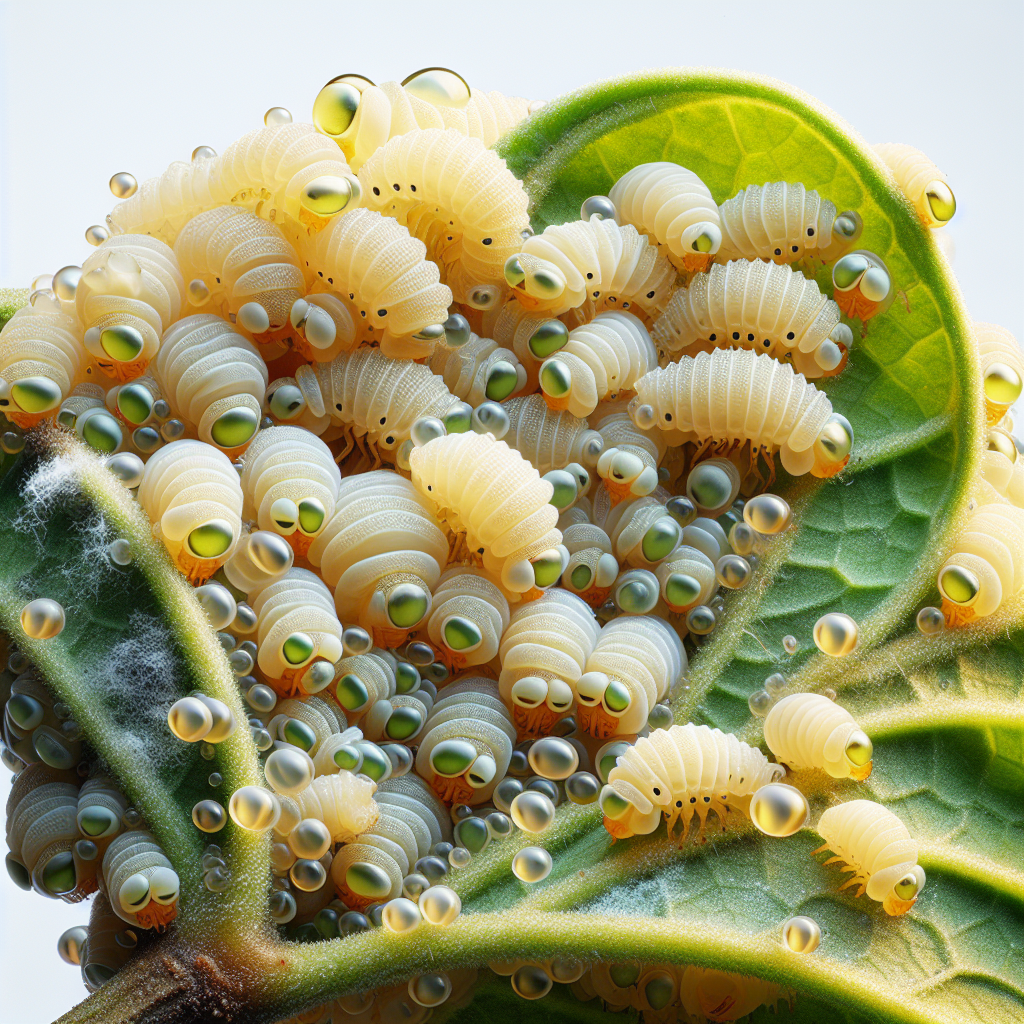
- Nymphal Casings (Lerps): Translucent, waxy coverings house nymphs, often 1-2mm wide, fringed like tiny saucers—pathognomonic for psyllids.
- Yellowing and Defoliation: Chronic feeding causes chlorosis, progressing to full leaf shed. Plants appear sparse and weakened.
Damage quantification: Light infestations (<5 nymphs/shoot) cause 10-20% growth loss; moderate (10-20/shoot) up to 50%; severe (>50/shoot) leads to plant mortality within 6-12 months. Inspect undersides of curled leaves at dawn, when nymphs are immobile. Use a 10x hand lens to confirm mottled nymphs with wing buds. Differentiate from citrus leafminer by lack of serpentine mines—psyllid damage is surface distortion only. In citrus, scout for greening symptoms: asymmetric mottling, bitter fruit, and canopy thinning.
Lifecycle and Progression of murraya
Understanding the 2-4 week lifecycle enables targeted interventions. Trioza erytreae thrives in 20-30°C (68-86°F), with 20+ generations/year in tropics.
- Eggs (2-3 days): Females lay 200-800 orange eggs singly or in strings on new leaf buds. Hatching reveals tiny, mobile crawlers.
- Nymphs (5-5 stages, 10-21 days): Flattened, scale-like; each stage molts, leaving white cast skins. Nymphs insert stylets into phloem, imbibing sap and injecting toxins causing galling. Peak damage in stages 3-5.
- Adults (30-50 days): Diapausing in cooler months; females oviposit immediately. Dispersal flights occur at dusk.
Progression: Eggs hatch in 48 hours; full cycle completes in 14 days at 25°C. Overwinter as adults in bark crevices. Populations peak post-flush cycles, correlating with spring/summer growth. Monitoring with yellow sticky traps (5-10/trap/week) tracks adults; threshold: 1 adult/trap/day warrants action.
Environmental Triggers & Risk Factors
Murraya psyllids exploit specific conditions:
- Temperature: Optimal 22-28°C; activity halts below 10°C or above 35°C.
- Humidity: 60-80% RH accelerates nymph survival; dry conditions (<40%) reduce populations.
- Host Availability: Unpruned Murraya hedges provide perpetual flush, fueling outbreaks. Proximity to citrus (orange, lemon) amplifies via alternate hosting.
- Wind and Dispersal: Low-wind sites (<5km/h) concentrate infestations; gusts spread adults 1-2km.
- Cultural Practices: Over-fertilization (N>200ppm) induces excessive flushes, prime oviposition sites. Poor drainage fosters root rot, weakening resistance.
Risk hotspots: Coastal subtropics (USDA 9-11), nurseries with potted Murraya, and abandoned hedges serving as reservoirs. Ants farming honeydew exacerbate via mutualism.
Organic Control & Treatment Plans
Integrated Pest Management (IPM) prioritizes organics, achieving 85-95% control without residues.
Cultural Controls:
- Prune infested tips (20-30cm) weekly during flush; destroy debris.
- Water-stress terminals pre-flush to desynchronize growth.
Biological Controls:
- Release Tamarixia radiata parasitoids (500/ha); 70% nymph parasitism in 4 weeks.
- Encourage Anagrus wasps and lady beetles.
Organic Sprays (rotate to avert resistance):
- Neem Oil (0.5-1%): Weekly until nymph-free; disrupts molting. Add insecticidal soap.
- Insecticidal Soap (2%): Targets crawlers; apply evenings.
- Spinosad (0.2ml/L): For heavy nymphs; OMRI-listed.
- Pyrethrin (0.1%): Contact kill; bee-safe post-bloom.
Treatment Timeline:
- Week 1: Prune + soap drench.
- Weeks 2-4: Neem + bioagents.
- Monitor 2 weeks post; reapply if >1 nymph/shoot.
Efficacy: Combined IPM reduces populations 90% in 6 weeks. Avoid broad-spectrum synthetics.
Preventing murraya in the Future
Proactive strategies minimize reinfestation:
- Quarantine: Inspect new plants 4 weeks; bag terminals.
- Resistant Varieties: Select Murraya 'Min-a-min' or dwarf cultivars with tougher foliage.
- Barrier Screens: 0.25mm mesh on nurseries.
- Reflective Mulches: Aluminum foil repels adults 50-70%.
- Ant Baits: Disrupt mutualism with spinosad baits.
- Scouting Protocol: Weekly trap counts + shoot inspections.
- Sanitation: Remove volunteers; deep-clean tools.
Long-term: Diversify plantings, avoiding monocultures. Hyper-local monitoring via apps enhances precision (Why 80% of Small Farms Battle Weather Disasters - And How Hyper-Local AI Forecasts Can Save Your Harvest).
Crops Most Affected by murraya
- Primary Host: Murraya paniculata (orange jasmine)—hedges, topiaries.
- Citrus: Lemon, Lime, Orange, grapefruit; greening vector.
- Secondary: Kaffir Lime (Makrut), kumquat.
Commercial impact: Citrus yields drop 30-100%; ornamentals unsaleable. Protect high-value orange groves vigilantly.