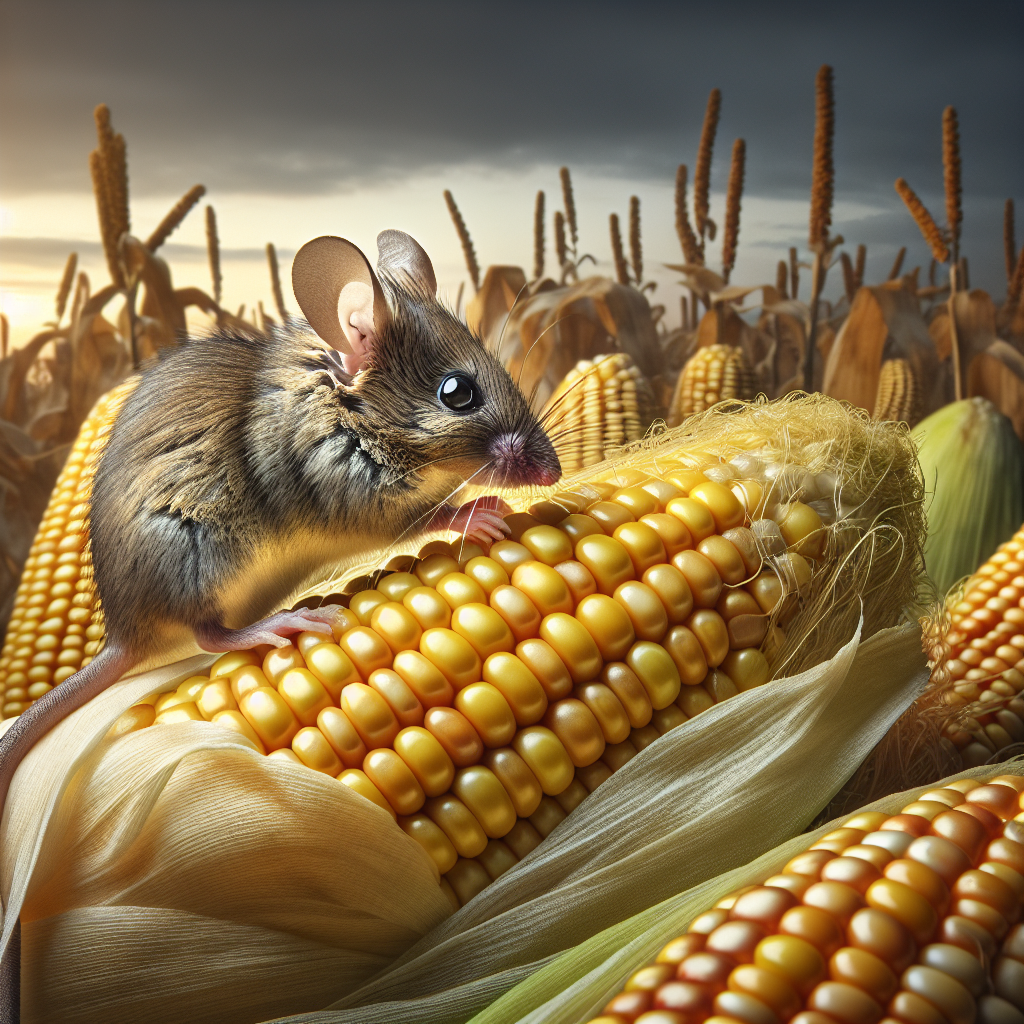
Introduction to mice
Mice, primarily the house mouse (Mus musculus) and occasionally field mice like voles, represent one of the most persistent vertebrate pests in agriculture worldwide. These small rodents, no larger than 3-4 inches in body length with tails nearly as long, can consume or destroy up to 10 times their body weight in food and crops over their short lifespan. In farming contexts, mice infestations lead to direct feeding damage, contamination of harvests with feces and urine, and secondary issues like the spread of rodents attracting predators or pathogens.
Globally, mice cause significant economic losses, estimated at over $20 billion yearly in stored grains alone, with staple crops bearing the brunt. Unlike insect pests such as aphids or cutworms, mice are highly intelligent, nocturnal, and adaptable, thriving in fields, barns, greenhouses, and storage facilities. Their rapid reproduction—females produce 5-10 litters per year, each with 5-6 pups—means small populations explode into infestations within weeks if unchecked. This definitive guide equips agricultural professionals, smallholders, and gardeners with professional-grade diagnostics, organic controls, and prevention strategies to protect yields effectively. Early detection and integrated management are key to minimizing damage in vulnerable crops like wheat, corn, and rice.
Identifying Symptoms & Damage
Spotting mice damage requires vigilance, as these pests work under cover of night. Key diagnostic signs include:
- Droppings: Small, dark, rice-sized pellets (3-6mm), often found in clusters along runways, near burrows, or in stored produce. Fresh droppings are soft and shiny; older ones harden and turn gray.
- Gnaw Marks: Fresh, clean-cut tooth marks 1/8 inch wide on roots, stems, seeds, or wooden structures. Unlike rats, mouse bites are smaller and more precise.
- Burrows and Runways: Tiny 1-2 inch diameter holes in soil, along fences, or under crop rows, with smooth, dust-free paths 1-2 inches wide leading to them.
- Crop Damage: Missing seeds from germinating beds, chewed bulbs like onion or garlic, hollowed fruits in tomato or strawberry patches, and shredded foliage. In grains, expect 10-30% yield loss from seed predation.
- Urine Stains and Odor: Ammonia-like smell in infested areas; UV blacklight reveals fluorescent urine trails.
- Nests: Shredded paper, fabric, or plant material in hidden spots like under hay bales or in dense crop stands.
Differentiate from other pests: Slugs leave slime trails without gnaws; voles create surface runways and clip stems at ground level. Use tracking dust (non-toxic talc) or flour sprinkled along suspected paths to reveal footprints. Monitor bait stations for activity spikes post-harvest. Early ID prevents escalation, as one mouse pair can spawn 50+ offspring in months. Check out Spring Pest Patrol: Organic AI Strategies to Shield Your Crops from Common Invaders for tech-assisted monitoring tips.
Lifecycle and Progression of mice
Understanding the house mouse lifecycle is crucial for timing interventions. Mice reach sexual maturity in 6-10 weeks, with gestation of 19-21 days. A female produces 4-13 litters annually (peak 5-10), averaging 5-6 pink, hairless pups per litter. Pups open eyes at 10-14 days, wean at 3 weeks, and breed soon after.
Stages:
- Egg/Pup (0-3 days): Blind, helpless in nests.
- Juvenile (3-6 weeks): Rapid growth, exploratory foraging begins.
- Adult (6+ weeks): Peak reproduction; lifespan 9-12 months in wild, up to 2 years in captivity.
Progression in crops: Spring sees population booms from overwintered breeders. Summer peaks with juveniles invading fields. Fall drives storage raids; winter nesting in barns. One female consumes 3g food/day but destroys far more via contamination. Generations overlap, with 3-5 active cohorts yearly. Disrupt breeding via exclusion during juvenile dispersal (late summer). Traps target adults; sanitation hits nests.
Environmental Triggers & Risk Factors
Mice thrive where food, water, and shelter converge. Key triggers:
- Food Availability: Spilled grains, accessible silos, or weedy fields with clover or seed heads.
- Shelter: Tall grass, debris piles, dense mulches, or poorly sealed structures.
- Climatic Factors: Mild winters boost survival; droughts concentrate mice near irrigated potato or corn fields.
- Farm Practices: No-till fields harbor burrows; delayed harvest leaves feast buffets.
- Proximity: Near urban areas or raccoons/squirrels habitats spill over pests.
Risk peaks in humid, temperate zones; outbreaks follow bumper crops. Poor sanitation amplifies: 80% of infestations trace to unclean storage. Assess via perimeter scouting; mitigate by clearing brush 30ft from fields.
Organic Control & Treatment Plans
Organic management follows IPM: monitor, exclude, trap, repel, and leverage predators. Avoid rodenticides to protect non-targets like owls.
1. Sanitation (Foundation): Remove food/debris. Elevate stacks 18in off ground; clean spills daily. Rotate crops; till post-harvest to destroy nests. 2. Exclusion: Steel wool/mortar seals 1/4in+ gaps. Hardware cloth (1/4in mesh) fences fields; clear 2ft zone around buildings. 3. Trapping: Snap traps baited with peanut butter/oats along runways (20-50ft spacing). Multi-catch boxes for high density. Check/re-bait daily; dispose in sealed bags. 4. Repellents: Castor oil/pepper sprays on perimeters; ultrasonic devices (mixed efficacy). Plant garlic, onion, or mint borders. 5. Biological Controls: Encourage barn owls (nest boxes), cats, or termites-hunting snakes. Release barn owls: 1 pair eats 3,000 mice/year. 6. Treatment Timeline: Week 1: Sanitize/exclude. Week 2-4: Intensive trapping. Ongoing: Monitor monthly.
Expect 70-90% reduction in 4 weeks. Combine with Rodents IPM for comprehensive control.
Preventing mice in the Future
Long-term prevention builds resilient systems:
- Habitat Modification: Mow field edges; use gravel borders. Cover compost with mesh.
- Cultural Practices: Harvest promptly; store in metal bins. Use elevated pallets.
- Monitoring Tools: Glue boards, cameras, or chew blocks. Threshold: 5 droppings/100sqft.
- Predator Enhancement: Install 1 owl box/10 acres; maintain hedgerows for raptors.
- Crop Selection: Resistant varieties or interplant thai-basil repellents.
- Perimeter Defense: Electric fencing (low volt); 3ft buried mesh.
Annual audits prevent re-infestation. Integrate with overall pest management targeting rats.
Crops Most Affected by mice
Mice target high-energy foods:
- Grains: Wheat, corn, rice—seedlings devoured, up to 25% loss.
- Roots/Tubers: Potato, sweet potato, carrot—burrowed and eaten.
- Legumes: Soybeans, peas—pods stripped.
- Fruits/Nuts: Apple, strawberry, almond—fruits gnawed.
- Vegetables: Tomato, cabbage—bases girdled.
Stored grains suffer most: 10-40% contamination. Prioritize protection in these.