Introduction to mucuna
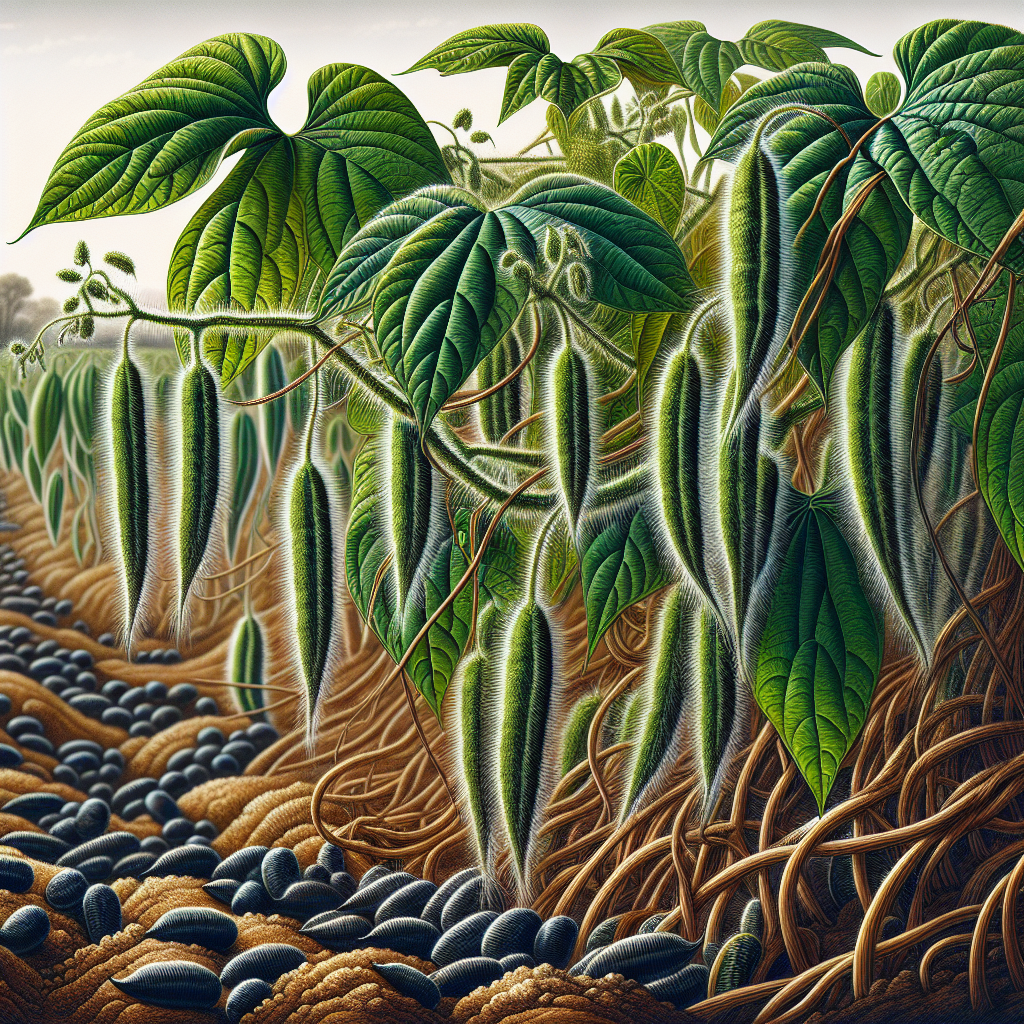
Mucuna pruriens, widely recognized as velvet bean, cowhage, or simply mucuna, poses a significant threat as an invasive pest in tropical and subtropical agriculture. Native to tropical regions of Africa and Asia, this leguminous climber has become a notorious weed due to its aggressive growth, prolific seed production, and ability to form impenetrable mats that smother crops and reduce yields by up to 90% in severe infestations. Farmers in regions like Southeast Asia, Africa, and parts of Latin America often encounter mucuna invading fields of soybeans, corn, and cassava, where it competes fiercely for light, water, and nutrients.
What makes mucuna particularly challenging is its dual nature: while it fixes nitrogen and serves as a green manure or cover crop when managed properly, uncontrolled spread turns it into a destructive pest. Its stinging hairs on pods cause skin irritation, complicating manual removal, and its deep root system makes it resilient to drought and poor soils. This comprehensive guide equips agricultural professionals with diagnostic tools, lifecycle insights, and organic management plans to combat mucuna effectively. Early intervention is key, as mature vines can produce over 100 kg of seeds per hectare, ensuring long-term persistence in the soil seedbank. For small farms struggling with weed pressure, mastering mucuna control can mean the difference between crop failure and profitable harvests, as highlighted in this insightful blog on pest management failures.
Understanding mucuna's biology is essential for sustainable farming. It thrives in warm, humid conditions with temperatures between 20-35°C (68-95°F) and annual rainfall exceeding 1,000 mm. In agroecosystems, it often escapes from intentional plantings as a forage crop or erosion control measure, rapidly colonizing disturbed lands. Yield losses from mucuna infestation can exceed 50% in staple crops like rice and banana, underscoring the need for vigilant monitoring and proactive strategies.
Identifying Symptoms & Damage
Diagnosing mucuna infestation requires keen observation of early symptoms, as this weed establishes quickly and escalates damage exponentially. Initial signs include the appearance of fast-climbing vines with trifoliate leaves that emerge from soil or nearby vegetation. These leaves are dark green, hairy, and alternate along square stems, often reaching 1-3 meters in height within weeks. Look for tendrils at leaf tips that enable rapid attachment to crop supports or neighboring plants.
Damage manifests as crop smothering: mucuna vines form dense canopies that block sunlight, leading to etiolation (stretching) and reduced photosynthesis in affected crops. In tomato fields, you'll notice yellowing leaves, stunted growth, and dropped fruits beneath mucuna mats. Roots of infested crops show nutrient deficiencies, with yellowing lower leaves indicating nitrogen competition despite mucuna's own fixation ability. Severe cases reveal complete crop burial under 1-2 meter thick biomass layers.
Pod production signals advanced infestation—long, pendulous pods covered in irritating trichomes (stinging hairs) that cause dermatitis upon contact. Seeds are black, hard-coated, and scatter readily, persisting in soil for years. Secondary damage includes harboring pests like aphids or whiteflies, which migrate to crops. Soil compaction under mucuna mats hinders tillage, and its allelopathic chemicals suppress nearby seed germination. Quantify damage by scouting: count mucuna plants per square meter; over 5 plants/m² warrants immediate action. Use a 10x hand lens to confirm stinging hairs, distinguishing mucuna from similar climbers like kudzu.
Lifecycle and Progression of mucuna
Mucuna pruriens exhibits a typical annual to short-lived perennial lifecycle, completing generations rapidly in tropics. Seeds germinate year-round with adequate moisture, sprouting within 7-14 days at 25-30°C soil temperature. Seedlings develop true leaves in 10 days, then explode into vegetative growth, climbing 10-20 cm daily under ideal conditions. Flowering occurs 60-90 days post-germination, producing purple-violet racemes with 2-6 flowers each.
Pods mature 120-180 days after planting, containing 4-5 seeds that explode open via tension, flinging seeds up to 10 meters. A single plant yields 50-300 pods, equating to thousands of viable seeds. Underground, taproots penetrate 1-2 meters, with lateral roots accessing nutrients efficiently. In cooler climates, it behaves as an annual; in perennials zones, regrows from rootstock post-dry season.
Lifecycle progression ties to seasons: wet season favors vegetative dominance, dry periods trigger pod set and seed dormancy. Soil seedbanks remain viable 5-10 years, with scarification (via digestion or abrasion) breaking hard coats for germination. Monitor progression: Week 1-2: cotyledons; Month 1: climbing vines; Month 2-3: flowers; Month 4+: pods. Interrupt at vegetative stage for easiest control.
Environmental Triggers & Risk Factors
Mucuna thrives under specific triggers that farmers must mitigate. High humidity (>70%) and temperatures 25-32°C accelerate germination and growth. Disturbed soils from tillage or flooding introduce seeds from seedbanks. Poor crop competition—sparse plantings or weak seedlings—allows establishment. Risk factors include prior velvet bean cultivation, nearby wild stands, and runoff from infested areas.
Acid soils (pH 4.5-6.5) and infertile lands favor mucuna over crops, as it tolerates aluminum toxicity. Monocultures like young mango orchards or sugarcane fields heighten vulnerability. Overgrazing or fire exposes soil, triggering mass germination. Climate change exacerbates risks with prolonged wet seasons. Assess farm risk via soil tests and historical data; rotate with competitive cover crops to disrupt triggers.
Organic Control & Treatment Plans
Organic management emphasizes integrated strategies: prevention, mechanical, cultural, and biological controls. Immediate Action: Hand-pull seedlings before vining (<30 cm), wearing gloves against hairs. Mow or slash vines repeatedly to exhaust roots, timing before pod set. Mulch heavily (10-15 cm organic matter) to suppress regrowth.
Cultural Controls: Plant dense, competitive crops like cowpeas or sorghum as smother crops. Solarization—cover infested soil with clear plastic 4-6 weeks in sun—kills seeds. Flame weeding targets vines effectively.
Biological Options: Introduce natural enemies like flea beetles (Heteronychus spp.) or root-knot nematodes predators, though specificity varies. Neem oil sprays deter feeding; apply weekly.
Treatment Plan: Phase 1 (Detection): Scout weekly, remove <10% cover. Phase 2 (Vegetative): Mow/slashing biweekly. Phase 3 (Flowering): Cover crop interseeding + mulching. Phase 4 (Pods): Bag and burn plants. Monitor 2 years post-treatment. Combine with soybean aphid management if secondary pests appear. Success rates exceed 85% with consistent application.
Preventing mucuna in the Future
Prevention focuses on breaking the lifecycle. Clean equipment to avoid seed transport. Use certified, weed-free seeds. Rotate crops annually, incorporating mucuna-suppressive plants like marigold. Maintain field borders with barriers like vetiver grass. Promote biodiversity via intercropping corn with legumes.
Soil solarization pre-planting reduces seedbanks 90%. Hot water treatment (60°C, 5 min) for tools/seed. Educate workers on identification. Long-term: Build soil health with compost to favor crops over weeds. Annual scouting prevents re-infestation.
Crops Most Affected by mucuna
Mucuna devastates tropical staples: Rice (yield loss 40-70%), corn (smothering young plants), cassava (root competition), soybeans (nitrogen steal), banana (vine overgrowth), mango young orchards, sugarcane (canopy blockage), coffee, cacao, and vegetables like tomato, eggplant. Legume fields ironically suffer most due to similar niches.