Encyclopedia
Definitive guides for crops, pests, and agricultural diseases.

Aphanomyces
Aphanomyces is a devastating oomycete pathogen causing root rot in legumes and vegetables, thriving in cool, wet soils and leading to severe yield losses. This guide provides definitive diagnostics, symptoms identification, lifecycle details, organic management strategies, and prevention tactics for affected crops. Farmers can implement these professional-grade practices to protect their fields effectively.
View Profile
Armillaria
Armillaria root rot, caused by Armillaria species, is a destructive fungal pathogen affecting woody plants and trees worldwide, leading to root decay, tree decline, and death. Recognizable by honey-colored mushrooms at tree bases and white mycelial fans under bark, it spreads via rhizomorphs in soil. Effective management relies on prevention, cultural practices, and organic treatments, as chemical controls are limited.
View Profile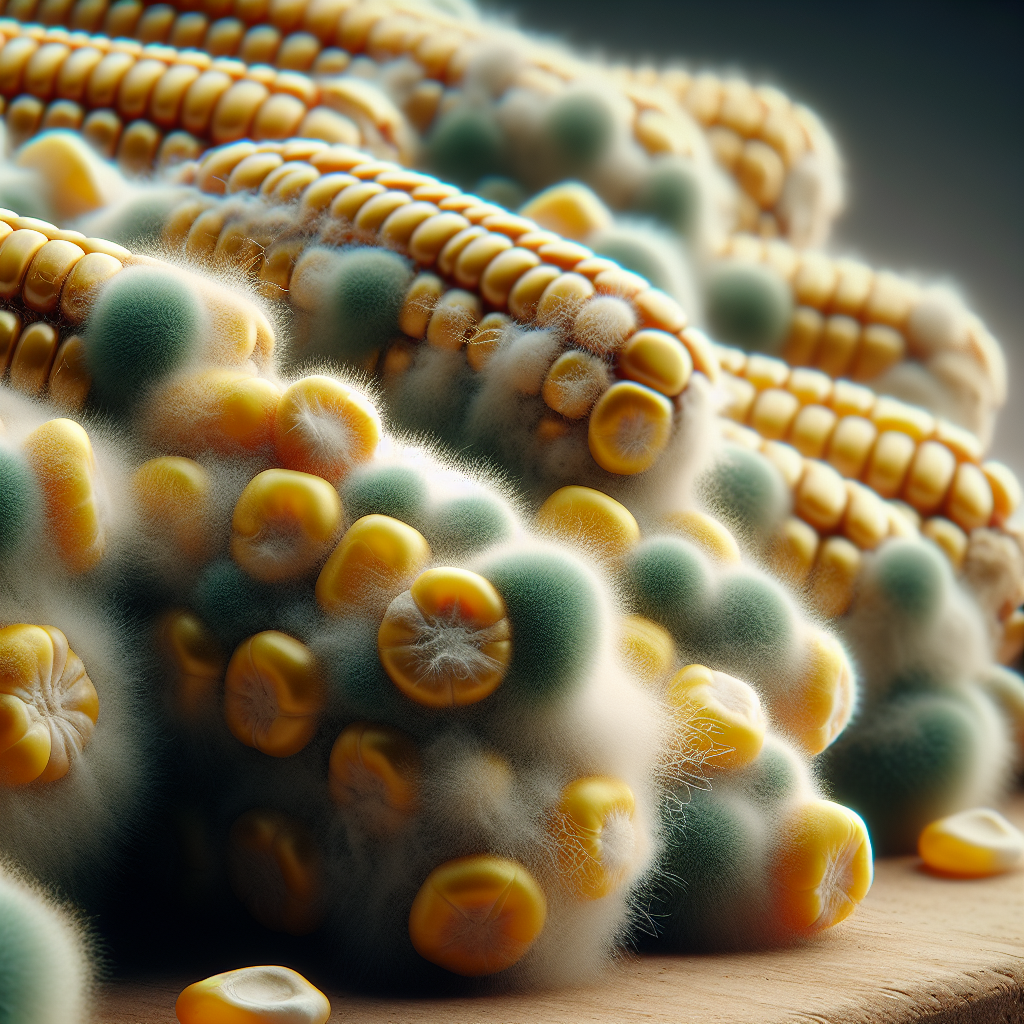
Aspergillus
Aspergillus is a ubiquitous fungal genus causing post-harvest rots, seed decay, and storage molds in crops like grains, nuts, and fruits. It thrives in warm, humid conditions, producing mycotoxins that render produce unsafe for consumption. Effective management relies on cultural practices, proper storage, and organic biocontrols to minimize losses.
View Profile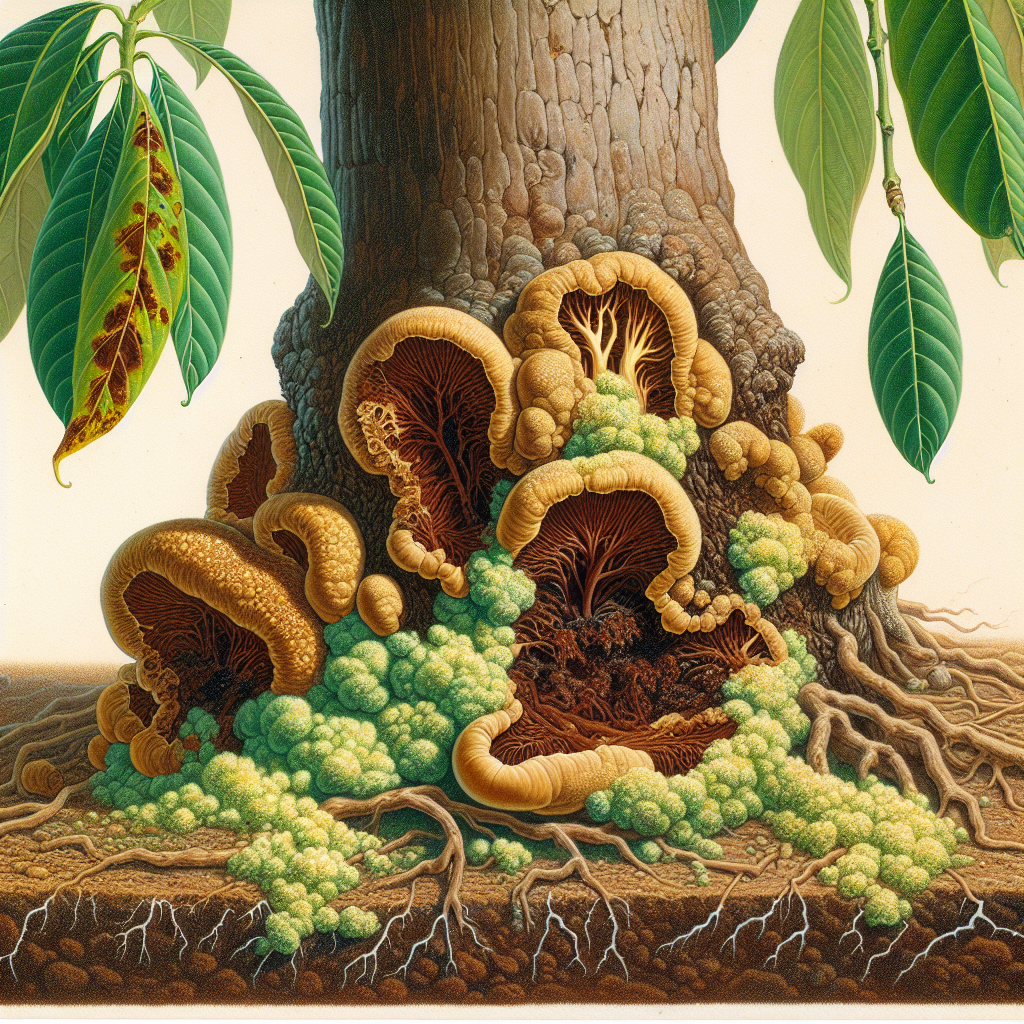
Aspergillus Crown Rot
Aspergillus Crown Rot is a destructive fungal disease caused by Aspergillus species that targets the crown and basal tissues of plants, leading to rapid wilting and plant death. It thrives in warm, humid conditions with poor drainage, making it a major threat to tropical and subtropical crops. Effective management relies on cultural practices, organic biocontrols, and vigilant prevention to protect yields.
View Profile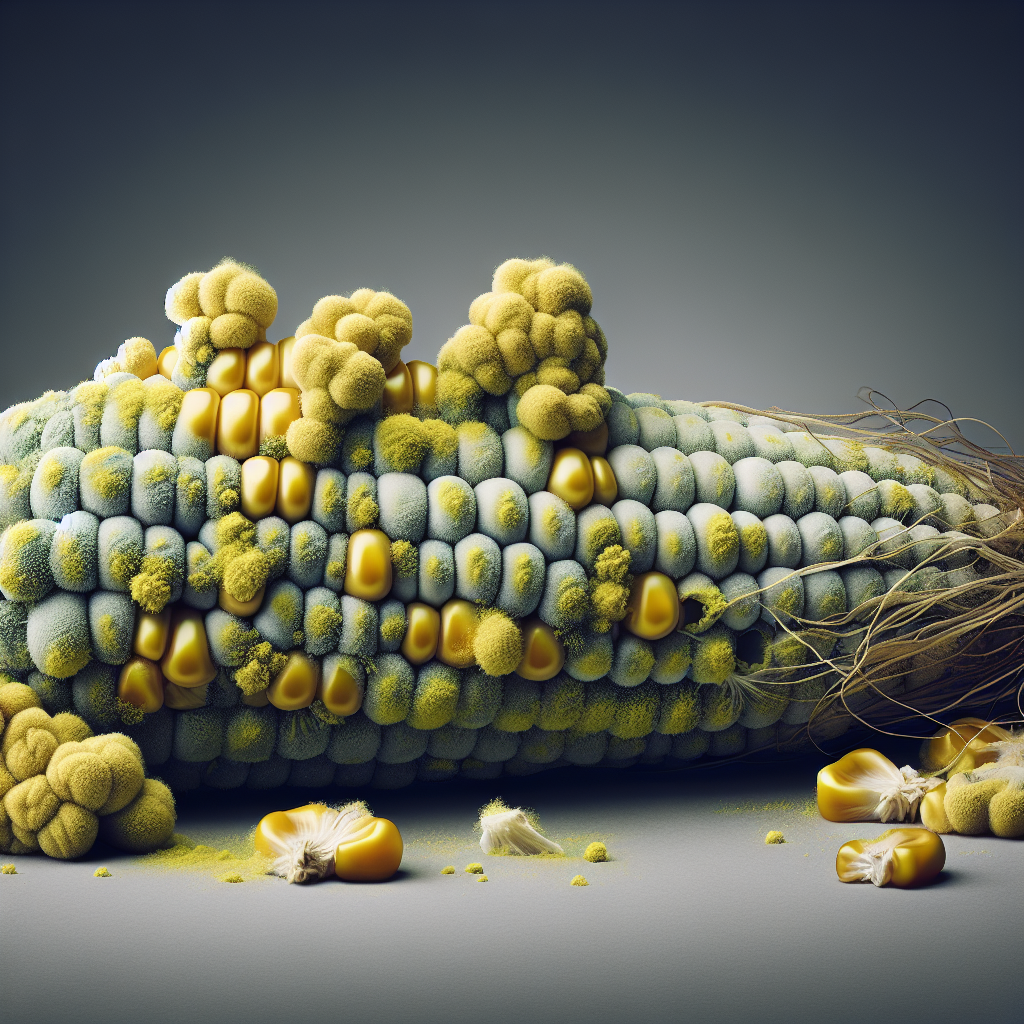
Aspergillus flavus
Aspergillus flavus is a ubiquitous fungal pathogen infamous for producing aflatoxins, highly toxic carcinogens that contaminate crops like corn, peanuts, and tree nuts, posing severe risks to food safety and agricultural economies. This guide provides professional diagnostics, organic management strategies, and prevention tactics tailored for farmers battling pre- and post-harvest infections. Early detection of its characteristic yellow-green spores and musty odors can prevent devastating yield losses and health hazards.
View Profile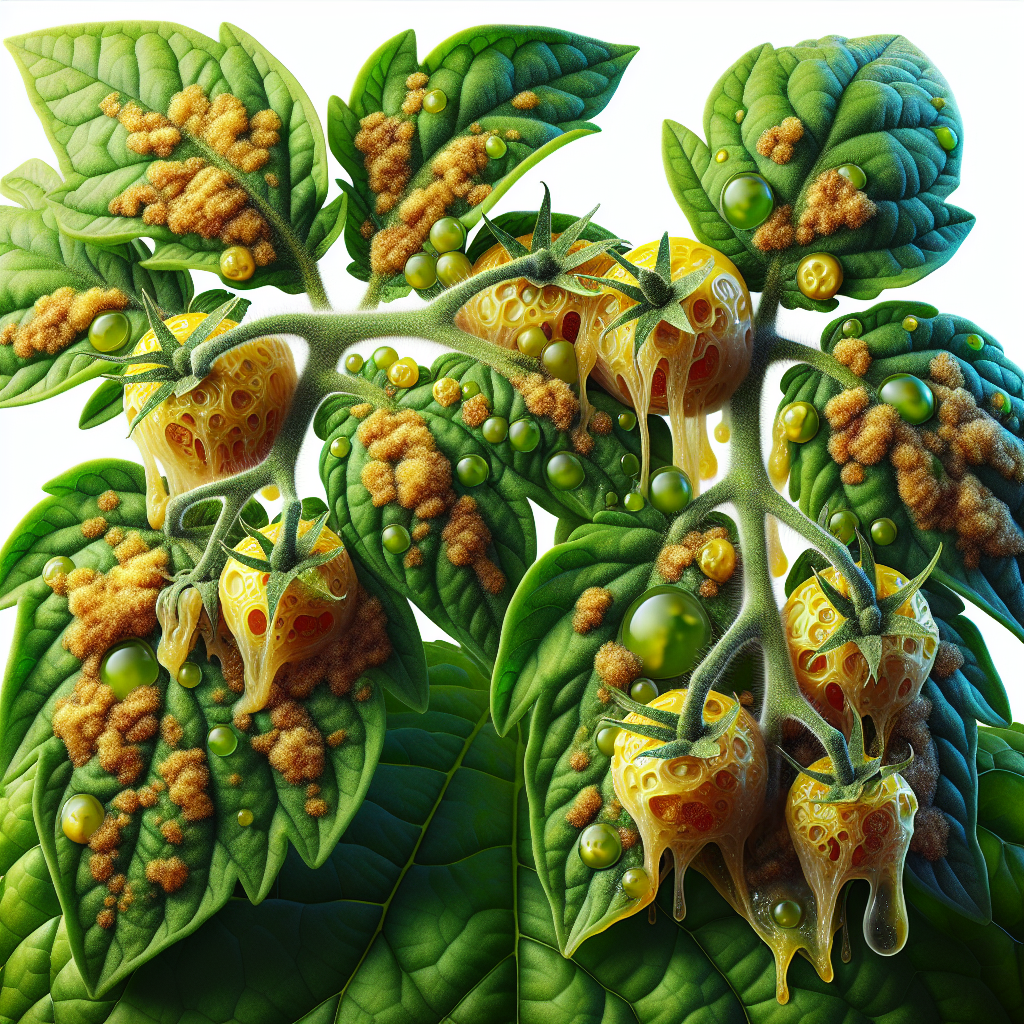
Bacillus
Bacillus refers to a group of soil-dwelling bacteria, notably Bacillus thuringiensis (Bt), widely used as a biological control agent against insect pests in organic agriculture. While not a plant disease itself, pathogenic strains like Bacillus cereus can cause bacterial blights and rots in crops under certain conditions. This guide covers identification, management, and prevention of Bacillus-related issues in farming.
View Profile
Beauveria bassiana
Beauveria bassiana is an entomopathogenic fungus widely used as a biological insecticide to control insect pests in agriculture, infecting and killing a broad range of arthropods. While harmless to plants, mammals, and beneficial insects when applied correctly, it can sometimes appear as a white fungal growth on dead insects in crops. This guide covers its identification, lifecycle, beneficial applications, and management strategies for optimal use in organic farming.
View Profile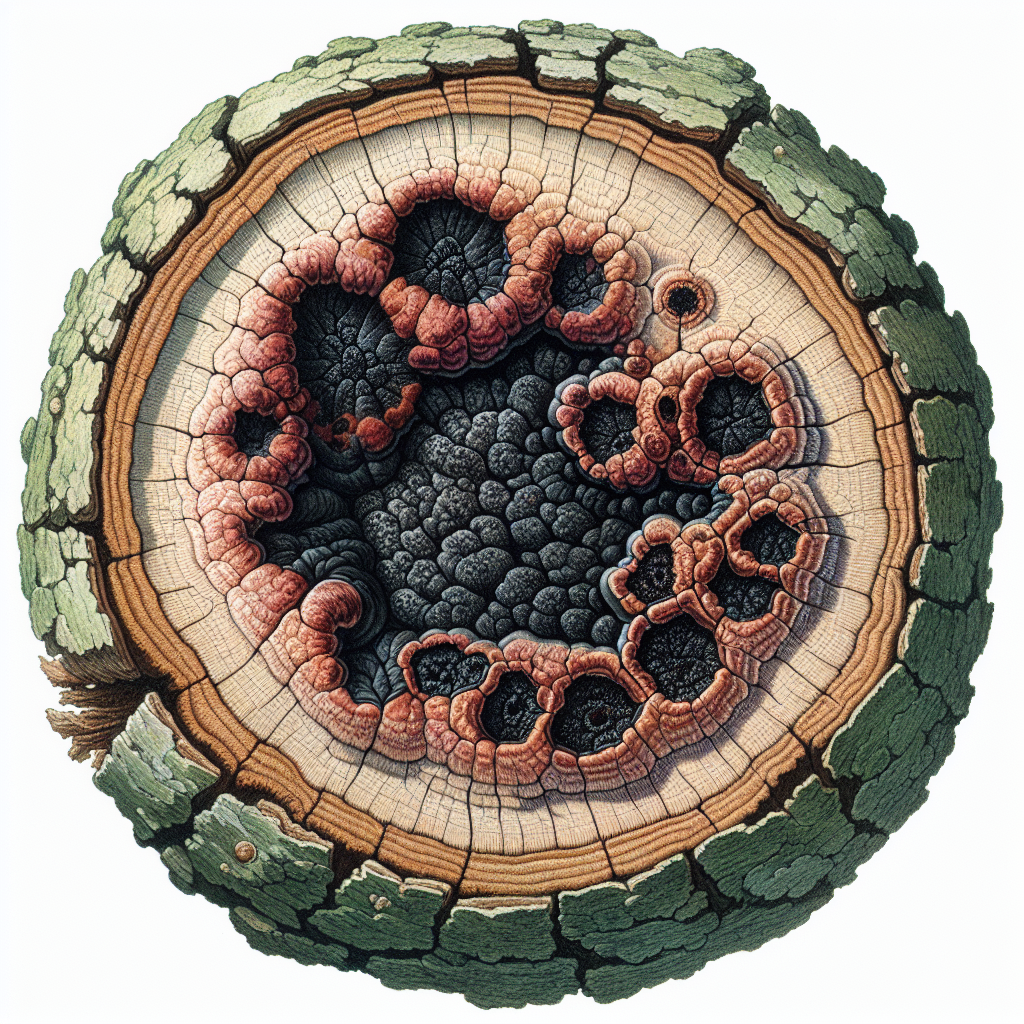
Botryosphaeria
Botryosphaeria is a widespread fungal disease complex causing cankers, dieback, and fruit rot in numerous crops, thriving in stressed plants under hot, drought conditions. Accurate diagnosis relies on identifying sunken lesions, black pycnidia, and vascular discoloration. Effective management emphasizes cultural practices, organic fungicides, and resistant varieties to minimize losses.
View Profile
Botrytis blossom blight
Botrytis blossom blight, caused by the fungus Botrytis cinerea, is a destructive disease that primarily targets flowering structures in various crops, leading to rapid decay and significant yield losses. It thrives in cool, humid conditions and spreads via spores, making early detection and management critical for protecting blossoms and developing fruits. This guide provides comprehensive diagnostic symptoms, lifecycle details, organic control strategies, and prevention tactics for effective management.
View Profile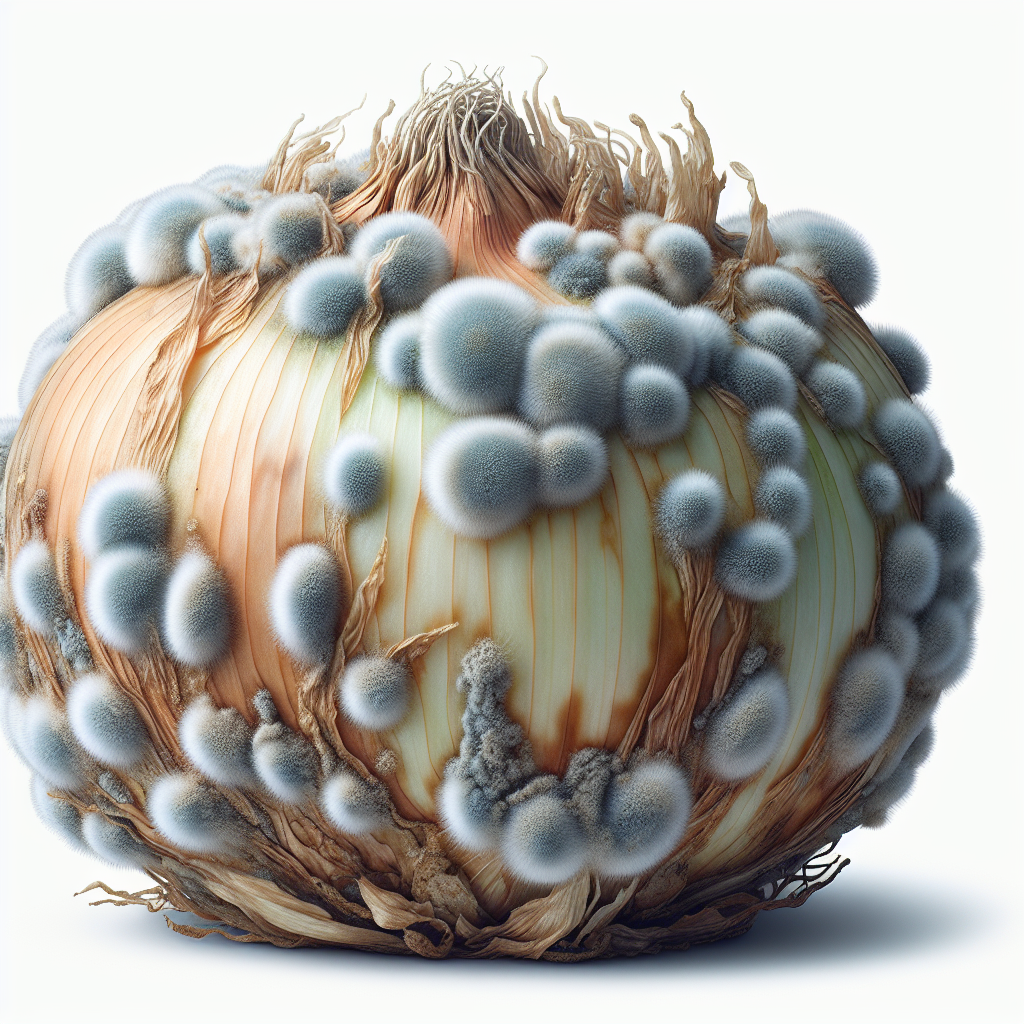
Botrytis neck rot
Botrytis neck rot is a destructive fungal disease primarily affecting onions and garlic, caused by Botrytis allii, leading to gray mold formation at the neck and bulb rot during storage. It thrives in cool, humid conditions and spreads via spores, causing significant post-harvest losses. Effective management relies on cultural practices, sanitation, and organic fungicides to prevent infection and maintain crop quality.
View Profile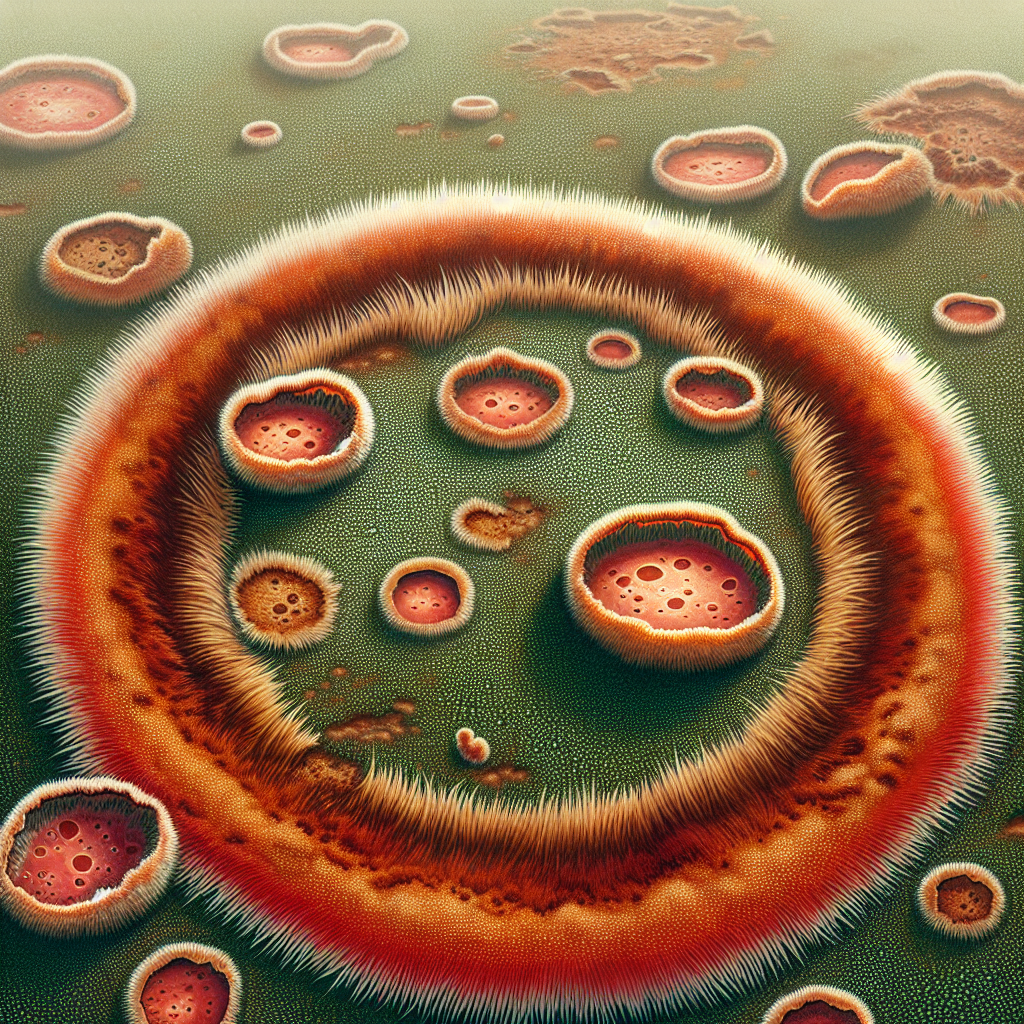
Brown patch
Brown patch is a widespread fungal disease caused by Rhizoctonia solani, primarily affecting turfgrasses but also certain crops like rice and potatoes under high-moisture conditions. It manifests as circular patches of brown, wilted foliage, thriving in warm, humid environments with excessive nitrogen. Effective management relies on cultural practices, organic treatments, and prevention to minimize damage and promote recovery.
View Profile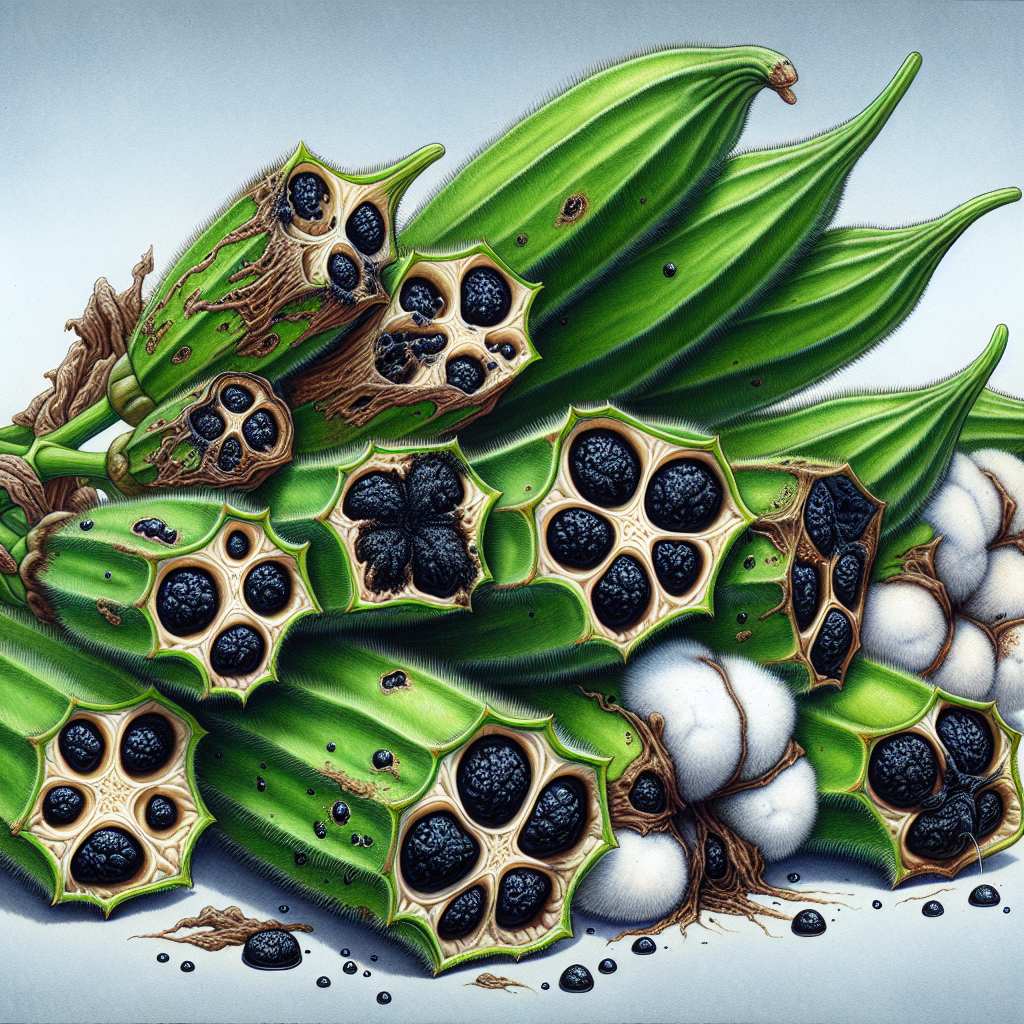
Capsule rots
Capsule rots are devastating fungal and bacterial diseases that cause the seed capsules of crops like cotton, okra, and peppers to decay, turn black, and drop prematurely, leading to severe yield losses. Triggered by high humidity and poor air circulation, they spread rapidly in dense plantings. Effective management relies on cultural practices, resistant varieties, and organic fungicides for prevention and control.
View Profile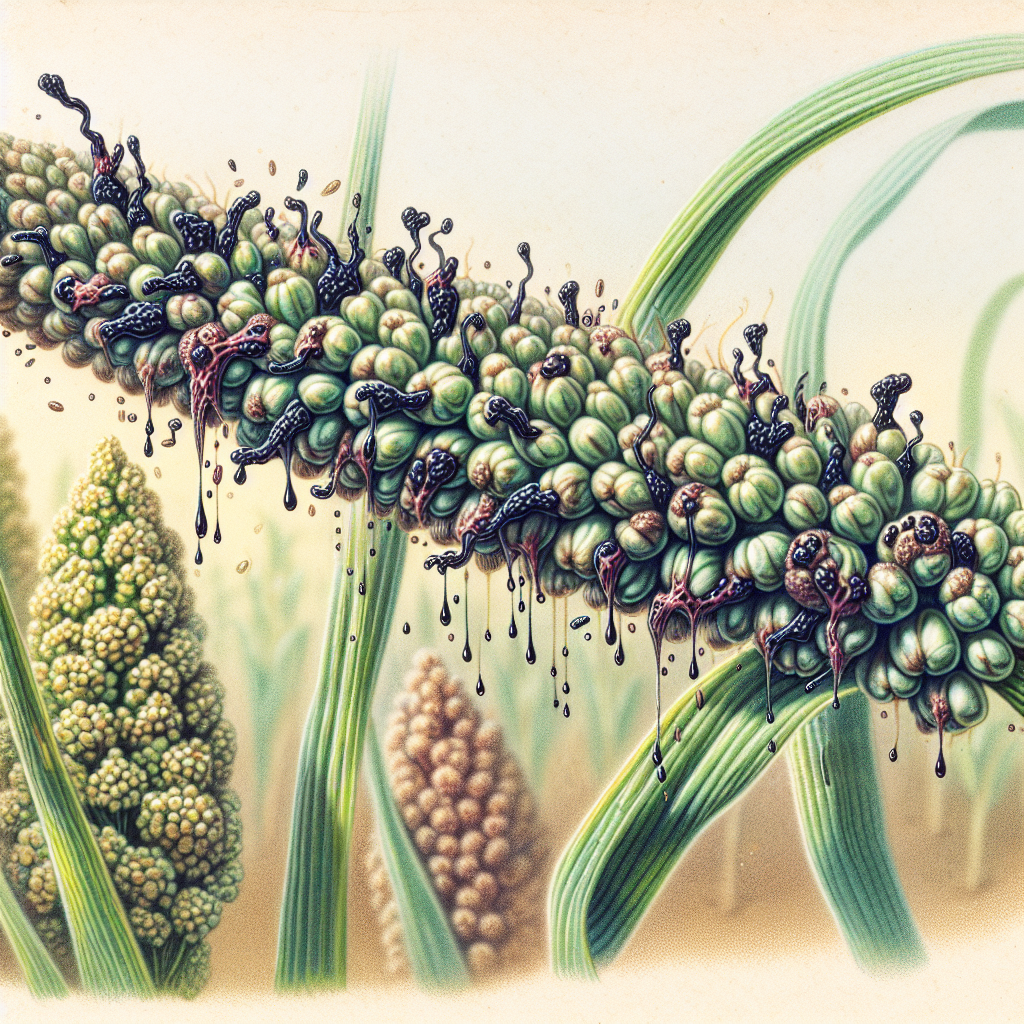
Chirke
Chirke is a devastating fungal disease primarily affecting sorghum and pearl millet, causing the transformation of grain heads into toxic black sclerotia that render harvests unusable. Known regionally in India as 'Chirke,' it leads to significant yield losses and health risks from ergot alkaloids. This guide provides comprehensive diagnostics, organic management, and prevention strategies for affected crops.
View Profile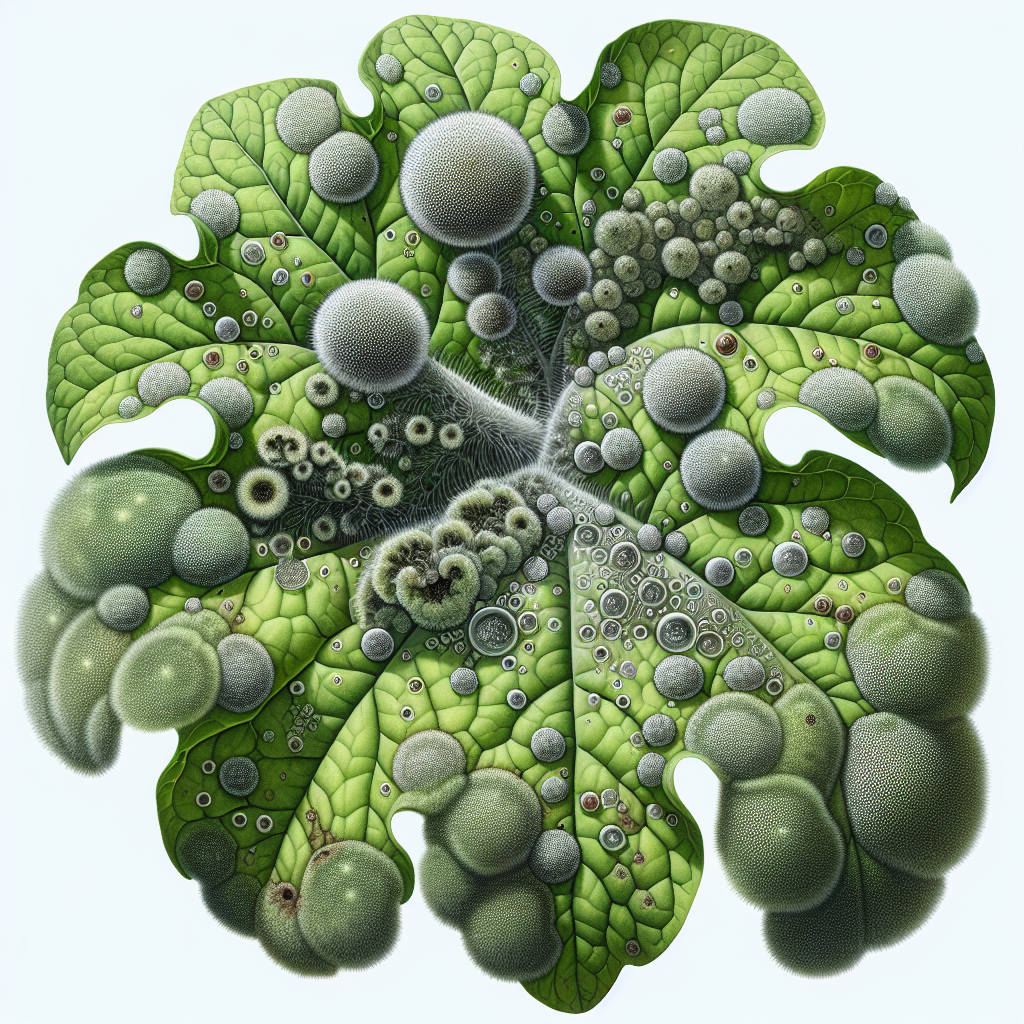
Cladosporium
Cladosporium is a ubiquitous fungal genus causing leaf spots, blights, and fruit rots in a wide range of crops, thriving in warm, humid conditions. It produces olive-green to black spores that spread via wind and rain, leading to significant yield losses if unmanaged. Effective organic management relies on cultural practices, resistant varieties, and biological controls to minimize damage.
View Profile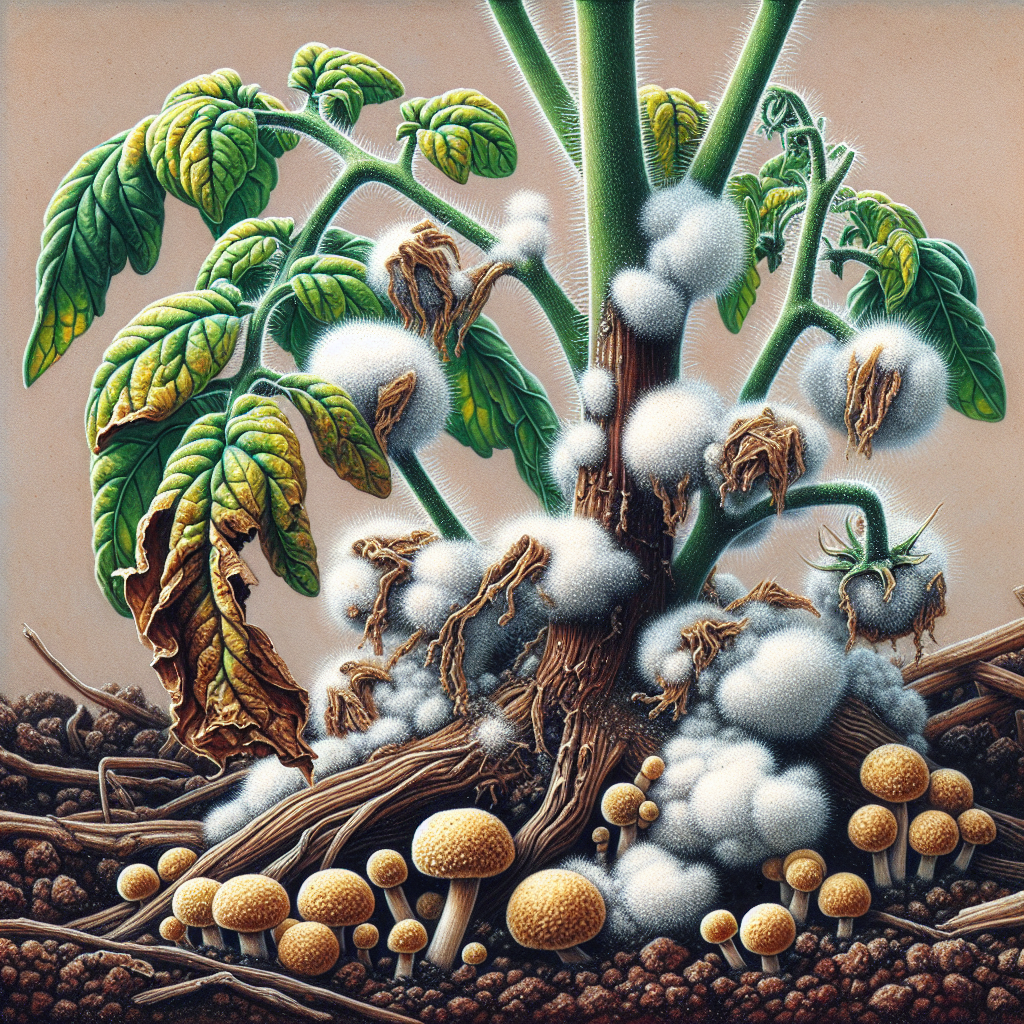
Clump rot
Clump rot is a destructive soilborne fungal disease caused by Sclerotium rolfsii, leading to wilting, yellowing, and basal stem rot in crops with characteristic white mycelial clumps and mustard seed-like sclerotia. It thrives in warm, humid conditions, severely impacting yields in vegetables, legumes, and ornamentals. Effective management relies on cultural practices, sanitation, and organic biocontrols to prevent soil contamination.
View Profile
Cobweb mold
Cobweb mold is a fast-spreading fungal contamination that forms dense, spiderweb-like mycelium on mushroom substrates, rapidly destroying crops in high-humidity environments. Primarily affecting cultivated mushrooms, it thrives under poor ventilation and excessive moisture, leading to total yield losses if untreated. Early detection and organic management are crucial for control in commercial and home grows.
View Profile
Colletotrichum spp.
Colletotrichum spp. is a ubiquitous fungal pathogen causing anthracnose diseases in numerous crops, manifesting as sunken lesions on fruits, leaves, and stems. Highly dependent on warm, humid conditions, it spreads via rain splash and contaminated tools, leading to significant yield losses if unmanaged. Effective organic management combines cultural practices, resistant varieties, and biofungicides for sustainable control.
View Profile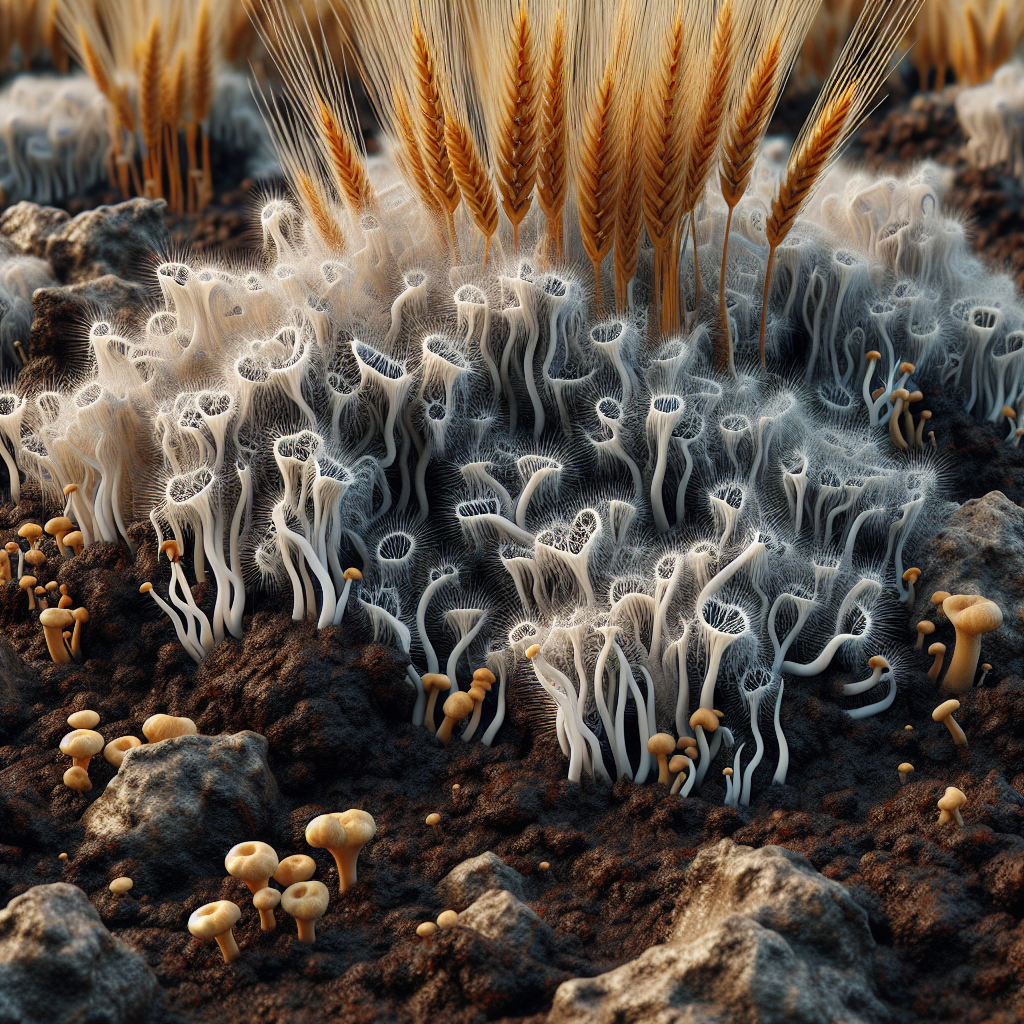
Competing wild fungi
Competing wild fungi refer to aggressive native fungal species that outcompete cultivated crops for nutrients, space, and resources in soil and on plant surfaces. These opportunistic fungi thrive in disturbed agricultural environments, reducing crop yields by suppressing root growth, decomposing organic matter prematurely, and altering soil microbiomes. Effective management relies on cultural practices, biological enhancements, and environmental optimization to restore balance to the crop-fungus ecosystem.
View Profile
Dollar spot
Dollar spot is a widespread turfgrass disease caused by Clarireedia jacksonii, characterized by small, silver-dollar-sized lesions on grass blades that can devastate lawns, golf courses, and sports fields. It thrives in humid, low-nitrogen environments during cool weather, leading to rapid spread if unmanaged. Effective control combines cultural practices, organic treatments, and preventive strategies to maintain healthy turf.
View Profile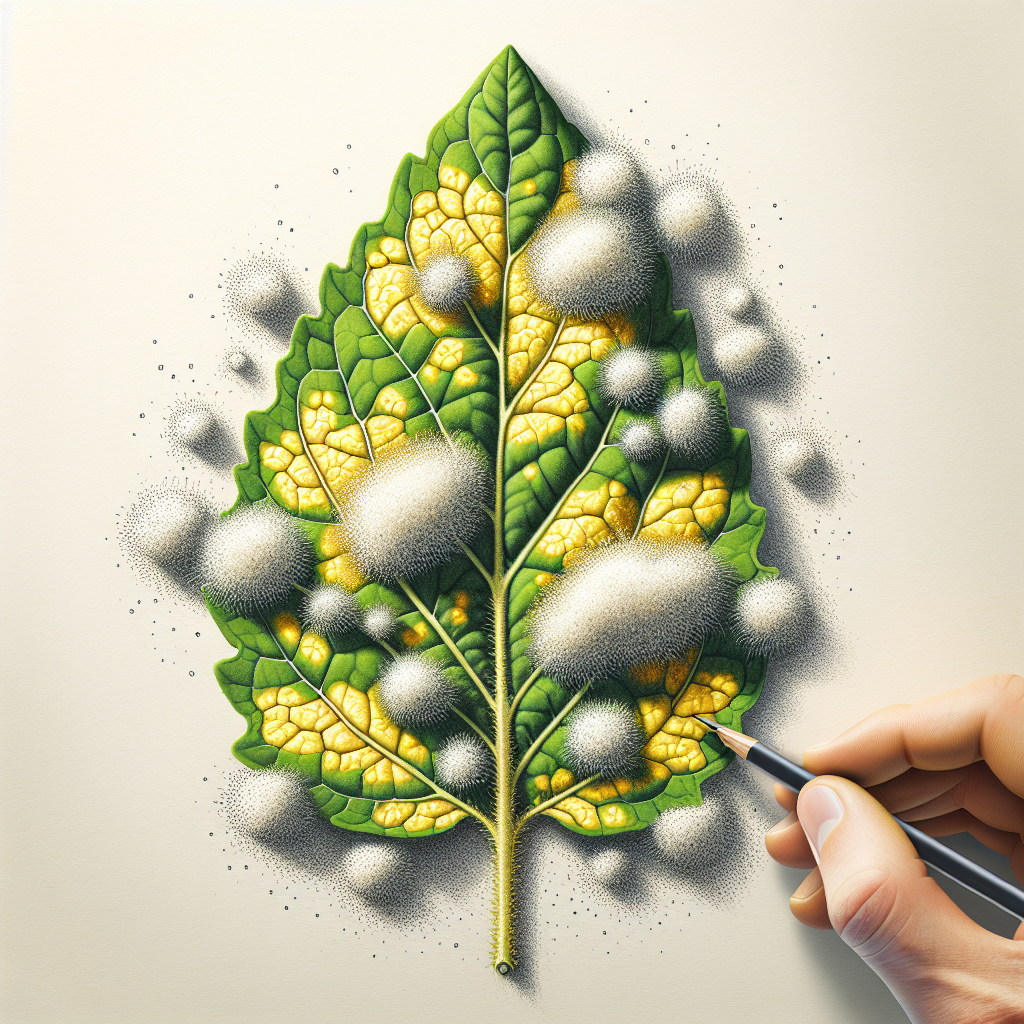
downy mildew
Downy mildew is a devastating fungal-like disease caused by oomycetes that thrives in cool, moist conditions, producing characteristic grayish-white fungal growth on the undersides of leaves. It affects a wide range of crops, leading to leaf yellowing, defoliation, and significant yield losses if unmanaged. Early detection and cultural practices are key to effective control.
View Profile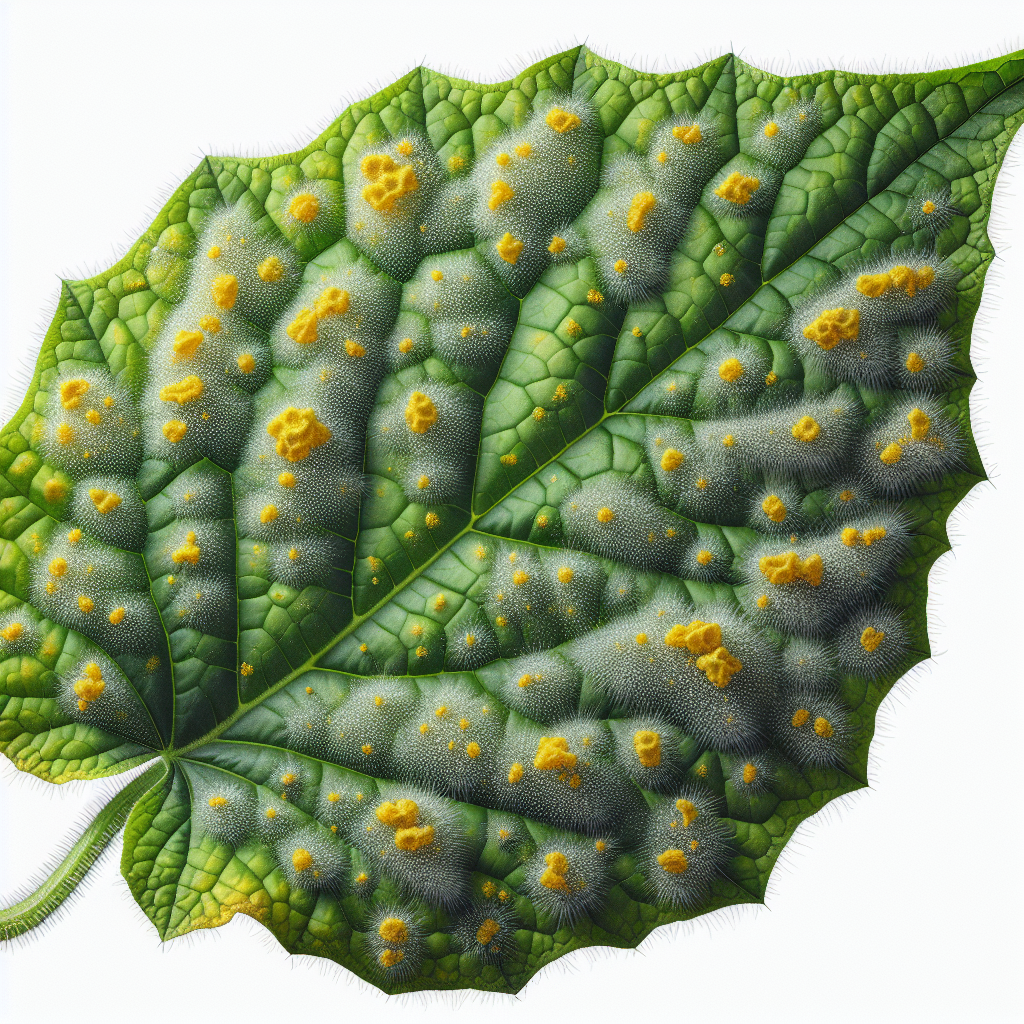
Downy mildew (Pseudoperonospora cubensis)
Downy mildew caused by Pseudoperonospora cubensis is a devastating oomycete pathogen primarily affecting cucurbits like cucumbers, melons, and squash, leading to rapid foliar destruction and significant yield losses. This guide provides comprehensive diagnostics, lifecycle insights, organic management strategies, and prevention tactics for farmers and gardeners. Early detection and cultural practices are key to minimizing damage in humid environments.
View Profile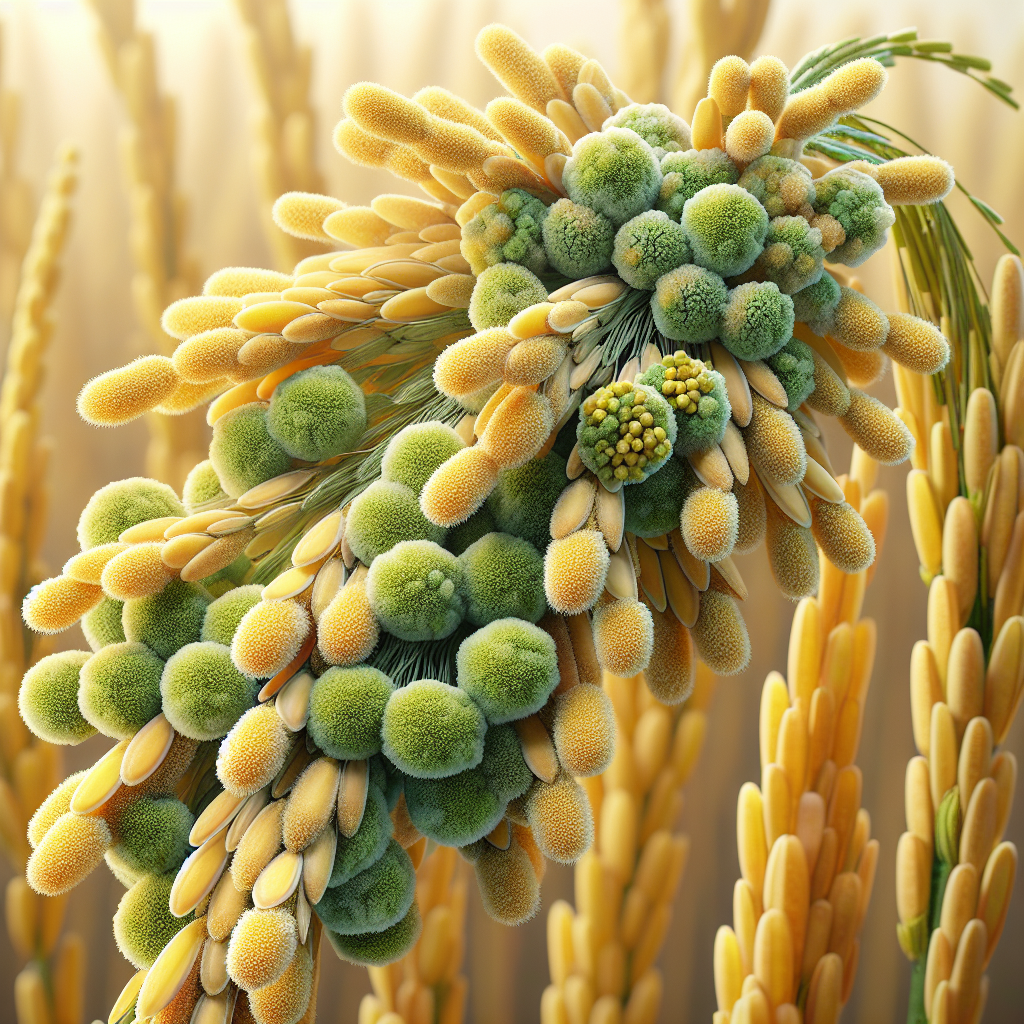
False Smut
False smut is a devastating fungal disease primarily affecting rice crops, caused by Ustilaginoidea virens, leading to significant yield losses through the formation of velvety green spore balls on panicles. It mimics true smut but is distinct, thriving in warm, humid conditions and spreading via airborne spores. Effective management relies on cultural practices, resistant varieties, and timely fungicide applications to minimize economic impact on rice farmers.
View Profile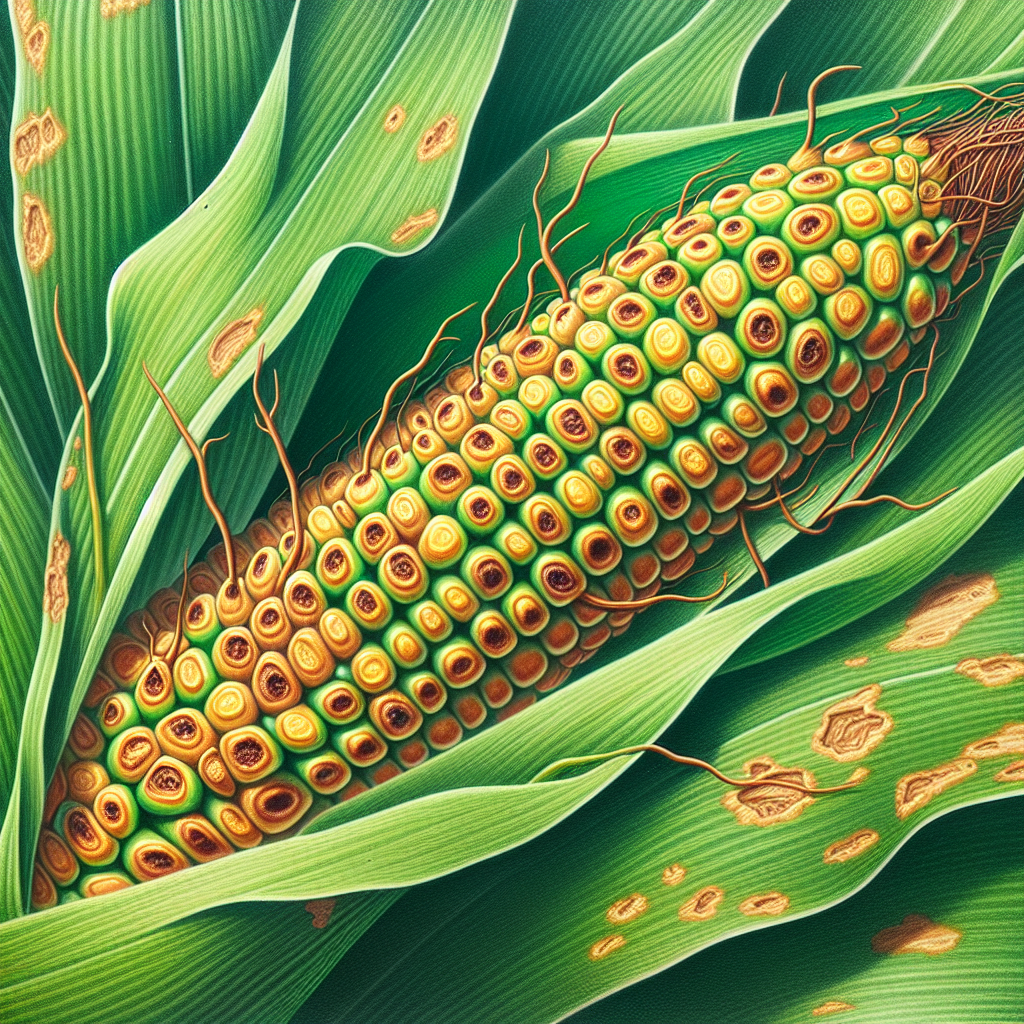
Foorkey
Foorkey is a devastating fungal disease affecting key staple crops, characterized by fork-like lesions and rapid tissue necrosis. It spreads via spores in humid conditions, leading to significant yield losses if unmanaged. Early detection and organic management are crucial for minimizing damage.
View Profile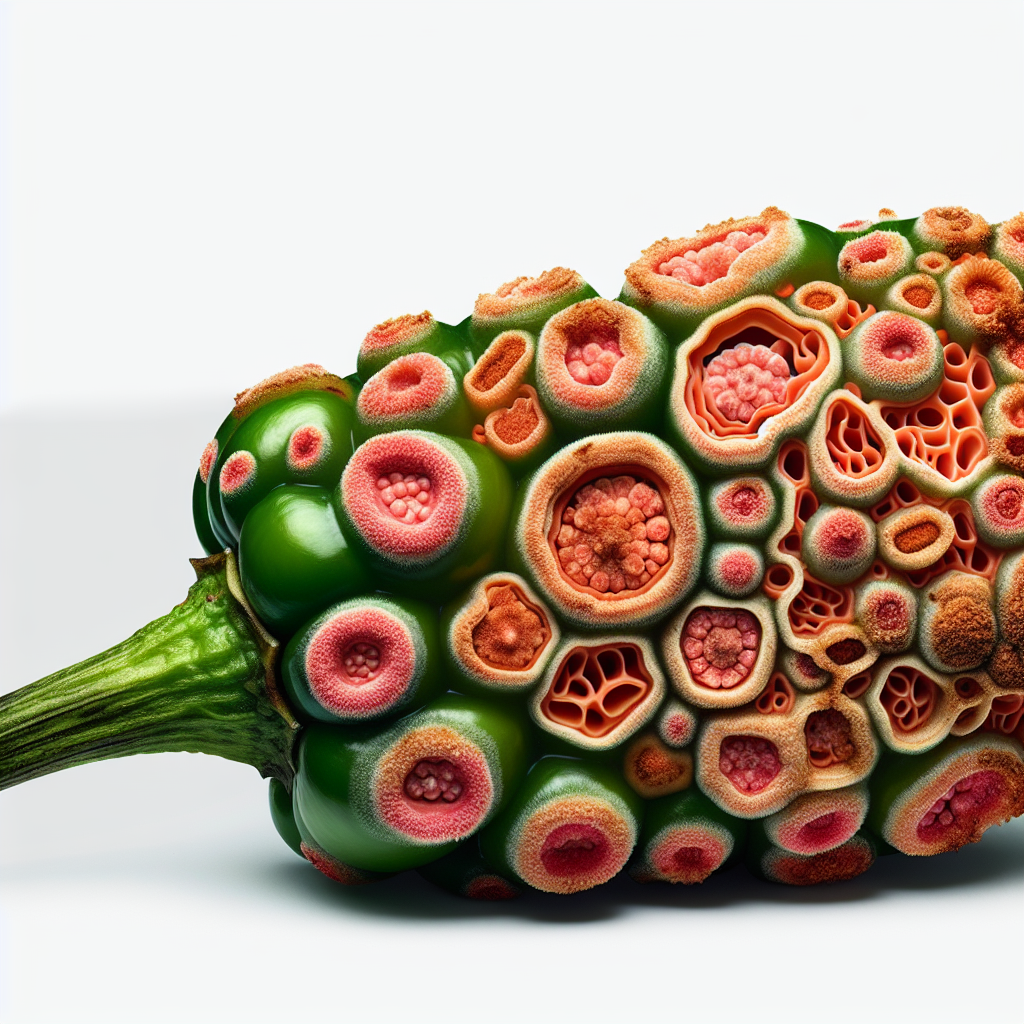
Fungal capsule rot
Fungal capsule rot is a destructive disease primarily affecting fruit capsules of crops like chili peppers, causing soft rot, premature drop, and significant yield losses. Caused by Colletotrichum species, it thrives in warm, humid conditions and spreads via rain splash and infected debris. Effective management relies on cultural practices, resistant varieties, and organic fungicides for sustainable control.
View Profile