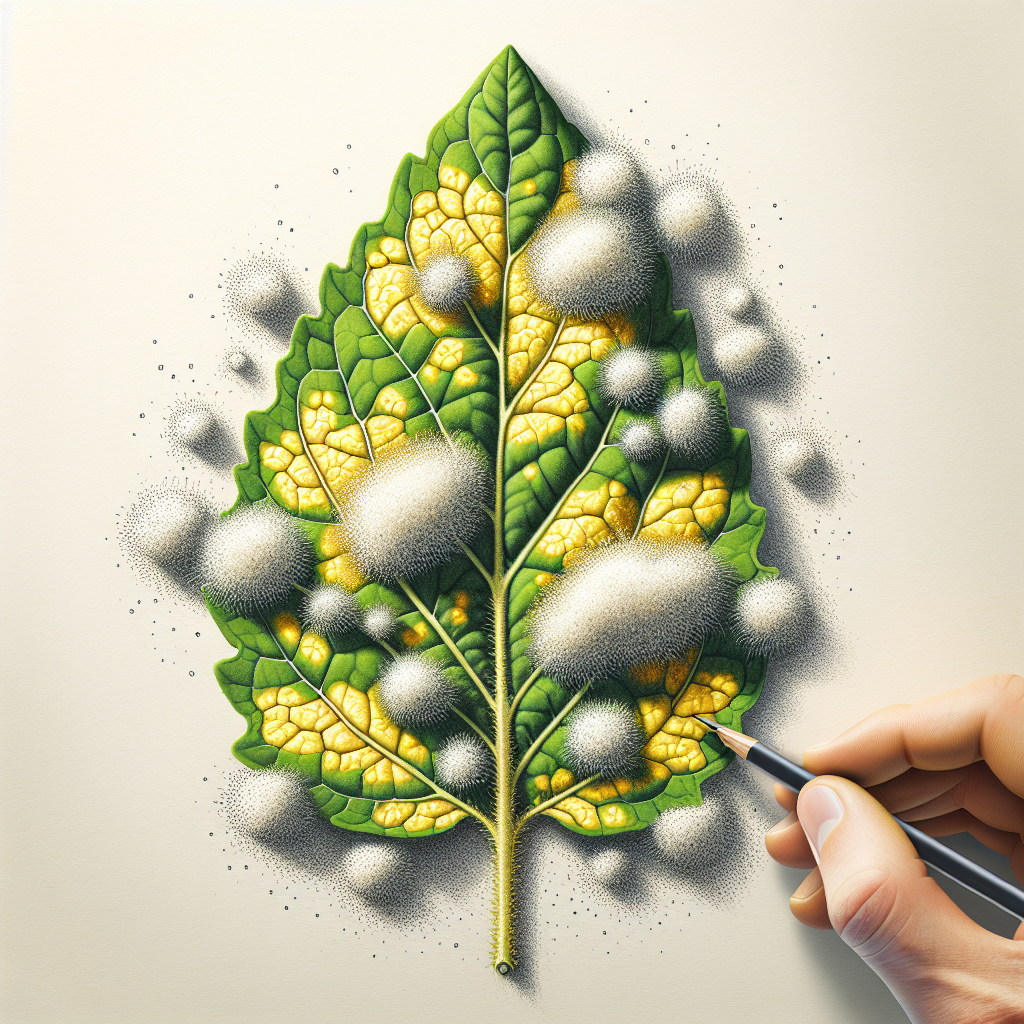
Introduction to downy mildew
Downy mildew represents one of the most pervasive and destructive diseases in modern agriculture, particularly in humid and temperate growing regions. Unlike powdery mildew, which produces white powdery spores on leaf surfaces, downy mildew is caused by obligate or semi-obligate oomycetes (water molds) from genera such as Peronospora, Plasmopara, and Pseudoperonospora. These pathogens infect over 1,000 plant species, including high-value crops like grapes, lettuce, and cucurbits, leading to billions in annual global losses.
The disease manifests as chlorotic (yellow) lesions on upper leaf surfaces with corresponding grayish-white, fuzzy sporulation underneath, often in cool, wet weather. Spores are splashed by rain or carried by wind, making it highly contagious in dense plantings or greenhouses. This guide provides professional-grade diagnostic criteria, lifecycle insights, organic management strategies, and prevention tactics tailored for small to medium-scale farmers. Understanding downy mildew's biology is crucial for implementing integrated pest management (IPM) that minimizes chemical use while protecting yields. For instance, in tomato production, uncontrolled outbreaks can reduce fruit quality by 50-70%, underscoring the need for vigilant monitoring.
Identifying Symptoms & Damage
Accurate diagnosis begins with recognizing downy mildew's hallmark symptoms, which vary slightly by host but follow a consistent pattern. On upper leaf surfaces, angular yellow spots (chlorosis) appear, often bounded by veins, creating a mosaic-like effect. As infection progresses, these spots turn brown, necrotic, and may coalesce, leading to leaf blight and premature defoliation.
The diagnostic giveaway is the underside of leaves: dense, purplish-gray to white fungal growth (sporangia) in humid conditions, resembling downy fuzz. This sporulation is ephemeral, disappearing in dry weather, which complicates identification. Stems may show dark lesions, and fruits or flowers can develop rot, with systemic infections causing stunting or distorted growth.
Damage escalates rapidly: in cucumber, vines collapse, halting fruit set; in basil, entire plants yellow and die within weeks. Yield losses range from 20-100%, with secondary issues like sunscald on exposed fruits. Differentiate from Septoria leaf spot (smaller, circular spots without downy growth) or phytophthora (darker, water-soaked lesions). Use a hand lens to confirm sporangia, and submit samples to local extension services for pathogen ID. Early symptoms mimic nutrient deficiencies, so scout weekly during high-risk periods.
Lifecycle and Progression of downy mildew
Downy mildew's lifecycle is polycyclic, with multiple infection cycles per season fueled by abundant spore production. Primary inoculum overwinters as oospores in crop debris, soil, or infected perennials. In spring, cool, moist conditions (10-20°C, >90% humidity) trigger germination, releasing zoospores that swim in free water to infect young tissues.
Infection occurs via stomata, with incubation periods of 3-7 days. Sporangia form at night on lesion undersides, dispersing by wind or rain to new hosts. Optimal conditions sustain 10-20 cycles per season, amplifying epidemics. Unlike true fungi, oomycetes require water for sporulation and infection, explaining wet-weather peaks.
Progression: Initial lesions expand, sporulate, and cause tissue death. Severe cases lead to canopy collapse, reducing photosynthesis by 80%. In grapes, 'oil spot' symptoms precede shoot blight. Lifecycle completion involves sexual recombination in oospores, fostering fungicide resistance. Cultural disruption of debris breaks the cycle.
Environmental Triggers & Risk Factors
Downy mildew epidemics hinge on specific microclimates: temperatures of 15-22°C with leaf wetness >6 hours daily are ideal. High humidity (>85%), poor air circulation, and overhead irrigation exacerbate spread. Nighttime temps below 15°C prolong spore viability.
Risk factors include susceptible varieties, dense planting (>30cm spacing in cucurbits), and infected volunteers or weeds. Acidic soils (pH<6) and excessive nitrogen promote lush growth vulnerable to infection. In greenhouses, condensation fosters outbreaks. Regions like the Pacific Northwest or Mediterranean vineyards face annual threats. Powdery mildew often co-occurs, compounding damage. Monitor with weather stations; thresholds like 48 hours leaf wetness trigger alerts.
Organic Control & Treatment Plans
Organic management emphasizes prevention but includes curative options. Cultural Controls: Remove debris post-harvest; rotate crops 2-3 years. Space plants for airflow; use drip irrigation. Apply mulches to suppress splash dispersal.
Biologicals: Bacillus subtilis or Trichoderma spp. colonize leaves, outcompeting pathogens. Apply weekly preventatively.
Organic Fungicides: Copper-based (e.g., Bordeaux mix) at 1-2kg/ha, OMRI-listed. Read our blog on Spring Pest Patrol for timing tips. Potassium phosphite boosts resistance; apply as foliar spray (2-4L/ha). Serenade (QST 713) disrupts spore germination.
Treatment Protocol:
- Scout and rogue infected plants.
- Prune for ventilation; destroy clippings.
- Apply phosphite + copper at 7-day intervals during risk periods.
- Integrate with resistant varieties like 'Defiant' phytophthora-tolerant tomatoes.
Efficacy: 70-90% control with IPM. Avoid late-season sprays near harvest.
Preventing downy mildew in the Future
Long-term prevention builds resilient systems. Select resistant cultivars: 'Jewel' lettuce, 'Iron Duke' onion. Time planting to avoid peak spore periods (e.g., post-rain delays). Enhance soil health with compost for induced systemic resistance.
Forecast models predict outbreaks; use apps tracking leaf wetness. Cover crops like clover improve drainage. Quarantine new plants; sanitize tools. In greenhouses, vent aggressively; use fans. Annual debris tillage reduces oospore banks by 90%. Monitor for downy mildew (Peronospora farinosa) in spinach. IPM audits ensure sustainability.
Crops Most Affected by downy mildew
Downy mildew strikes diverse crops, with economic impacts varying by host specificity. Brassicas: Broccoli, cabbage suffer leaf blight. Cucurbits: Cucumber, squash vine collapse. Leafy Greens: Lettuce (angular spots), spinach. Nightshades: Tomato, potato late-blight mimics. Onions: Severe in humid areas. Grapes: Plasmopara viticola causes millions in losses. Hops, basil, and soybeans also vulnerable. In Roma tomato, fruit yield drops 60%. Regional pathogens adapt; e.g., Pseudoperonospora cubensis ravages cucurbits globally.