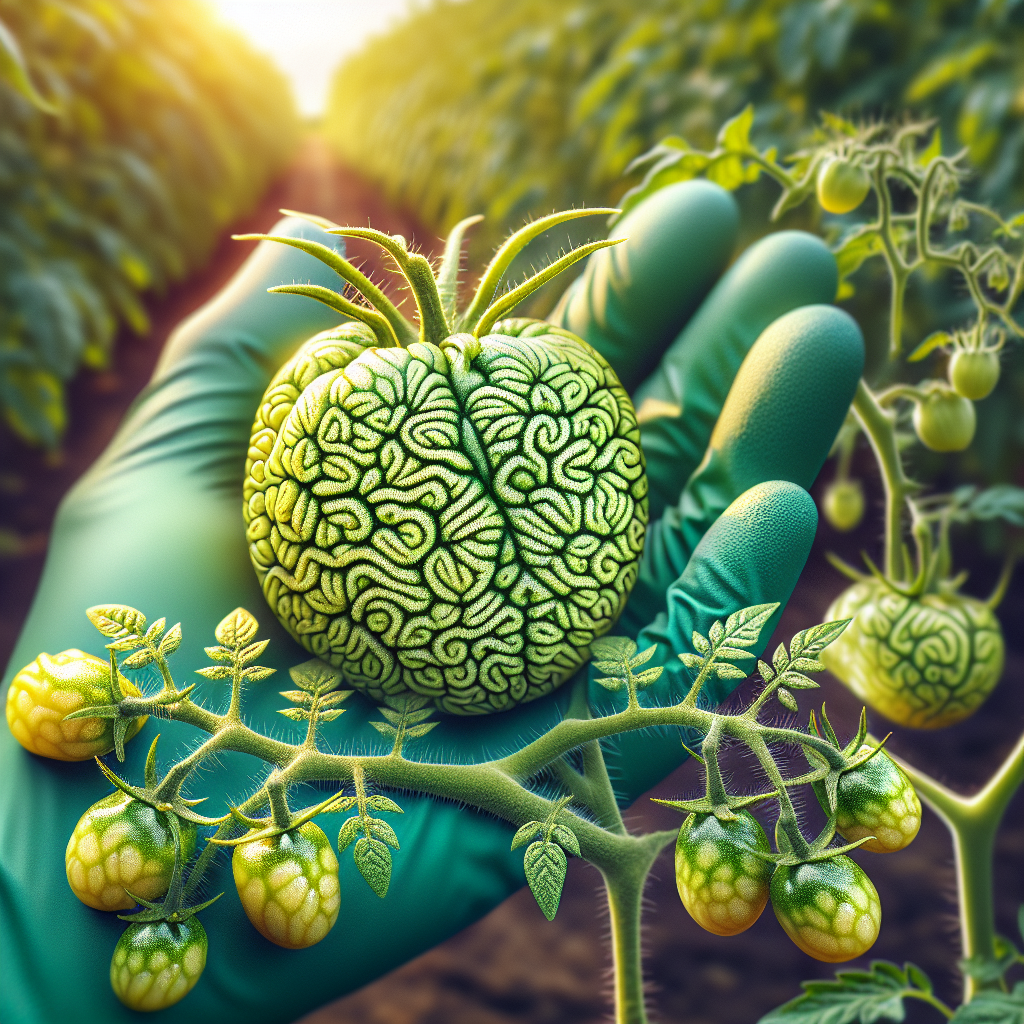
Introduction to Viral complexes
Viral complexes represent a formidable challenge in modern agriculture, where multiple viruses infect a single plant simultaneously or sequentially, creating synergistic effects that exacerbate symptoms and economic losses. Unlike single-virus infections, viral complexes involve interactions between viruses such as mosaic viruses, tobacco mosaic virus, and zucchini yellow mosaic virus, leading to severe wilt complexes or mosaic patterns that mimic nutrient deficiencies. These pathogens spread rapidly via insect vectors like aphids and whiteflies, mechanical injury, or contaminated tools, making early detection critical for growers.
In commercial fields and home gardens alike, viral complexes can reduce yields by 50-90%, depending on the crop and environmental conditions. For instance, in tomato crops, combinations of cucumber mosaic virus and potato virus Y create crippling leaf distortions. This guide provides professional-grade diagnostic criteria, lifecycle insights, and organic management strategies to safeguard your harvest. Understanding transmission dynamics is key, as viruses persist in weed reservoirs and crop debris, perpetuating cycles of infection.
Identifying Symptoms & Damage
Diagnosing viral complexes requires keen observation, as symptoms overlap with abiotic stresses or fungal issues like powdery mildew. Primary indicators include mosaic patterns—irregular green and yellow mottling on leaves—accompanied by leaf curling, puckering, and brittle texture. Plants exhibit stunting, with shortened internodes and reduced leaf size, often progressing to necrosis or leaf spots.
Fruit symptoms are equally telling: deformed, necrotic, or variegated produce with poor market quality. In severe cases, systemic necrosis leads to plant death. Differentiate from Fusarium wilt by testing for insect vectors; viral complexes often show vein clearing and enations (leaf blisters). Use ELISA kits or PCR for confirmation, but field scouts note asymmetry—symptoms worse on one side due to uneven vector feeding.
Damage quantification reveals yield drops: 30-70% in vegetables, up to 100% in young plants. Economic impact hits hardest in high-value crops like bell pepper, where malformed fruits render harvests unsellable. Early scouting in field edges, where vectors congregate, prevents spread. For more on AI-assisted plant identification, check this insightful post: Why Misidentifying Plants Costs Small Farms Thousands - And How AI Camera Diagnosis Fixes It Fast.
Lifecycle and Progression of Viral complexes
Viral complexes lack independent lifecycles, relying on host plants and vectors for survival and spread. Infection begins with vector transmission—whiteflies inject viruses during feeding, or mechanical wounds from pruning introduce them. Latency periods vary: 2-10 days for symptoms, but viruses replicate systemically via phloem, reaching meristems for persistence.
Progression unfolds in phases: initial chlorosis (week 1), mosaic and distortion (weeks 2-4), stunting and yield loss (month 1+). Synergism amplifies this; e.g., potyvirus + cucumovirus doubles viral titers, hastening decline. Overwintering occurs in perennial weeds, volunteer crops, or seeds, with aphids acquiring viruses non-persistently during brief probes.
In tropics, year-round cycles devastate; temperate zones see spring epidemics from aphid migrations. Vectors like thrips exacerbate via tospoviruses in complexes. Understanding this informs timing: scout post-vector influx. Viruses mutate rapidly, evading resistance, so integrated strategies are essential.
Environmental Triggers & Risk Factors
Warm temperatures (25-35°C) and high humidity accelerate viral complexes, optimizing vector reproduction. Drought stress weakens plants, enhancing susceptibility; excessive nitrogen promotes lush growth attractive to aphids. Poor air circulation in dense plantings fosters vector buildup.
Risk factors include mixed cropping—planting cucumber near squash bridges viruses—and volunteer plants harboring various viral diseases. Contaminated seeds or grafts spread systemically. Regions with year-round vectors, like subtropical zones, face chronic pressure. Soilborne nematodes may assist transmission in some complexes.
Mitigate by spacing crops 1-2m apart and removing weeds. Monitor weather: aphid flights spike post-rain. High-risk fields near rivers or unmanaged borders demand vigilance.
Organic Control & Treatment Plans
No curative treatments exist for viral infections, so focus on vector suppression and host removal. Deploy reflective mulches to deter whiteflies by 50-70%; silver plastic disrupts landing. Introduce beneficials: ladybugs and lacewings prey on aphids.
Neem oil (2-5ml/L) or insecticidal soaps target soft-bodied vectors weekly. For severe outbreaks, remove and destroy infected plants promptly—bag and burn to prevent mechanical spread. Companion planting with marigold repels vectors; interplant thai basil for natural deterrence.
Foliar sprays of milk (1:9 dilution) or potassium silicate boost plant resilience against symptoms. Rotate crops avoiding solanaceous families for 2-3 years. Sanitation: disinfect tools with 10% bleach. Biologicals like Beauveria bassiana target aphids organically. Integrated plans reduce incidence by 80%.
Preventing Viral complexes in the Future
Prevention hinges on certified virus-free seeds and resistant varieties—choose hybrids tolerant to mosaic complexes. Rogue volunteers and weeds aggressively. Use row covers until flowering to block vectors; remove during bloom for pollinators.
Vector monitoring with yellow sticky traps (10/acre) guides sprays. Quarantine new plants 4 weeks. Crop rotation disrupts reservoirs; avoid potato-tomato sequences. Windbreaks reduce aphid drift. Soil solarization kills soilborne vectors. Long-term: breed resistant lines and scout weekly. These steps slash risks by 90%.
Crops Most Affected by Viral complexes
Viral complexes ravage solanaceous and cucurbit crops. Tomato, potato, eggplant, and bell pepper suffer tomato spotted wilt and potyvirus mixes, with 60% losses. Cucurbits like cucumber, squash, zucchini, watermelon, and cantaloupe face zucchini yellow mosaic and cucumber mosaic synergies, distorting fruits.
Legumes (soybeans, peas) endure bean golden mosaic. Banana and cassava in tropics battle multiple potyviruses. Grains like corn see maize dwarf mosaic complexes with aphids. High-value strawberry and grapes report outbreaks. Prioritize protection in these.