Introduction to Mosaic complexes
Mosaic complexes represent a significant threat to global agriculture, encompassing a range of viral diseases that manifest as distinctive mottled or mosaic patterns on plant foliage. These complexes are not caused by a single pathogen but by multiple viruses working individually or in synergy, leading to devastating effects on crop health and productivity. Commonly associated with mosaic-viruses, these diseases are prevalent in warm, humid environments where insect vectors thrive.
As a professional botanist and agricultural expert, I've observed mosaic complexes reduce yields by up to 80% in susceptible crops. Symptoms include chlorotic patches, leaf distortion, and plant stunting, often mimicking nutrient deficiencies. Early diagnosis is crucial, as these viruses are incurable once established—management focuses on prevention and vector suppression. This guide provides definitive diagnostic criteria, lifecycle insights, organic treatments, and prevention strategies to safeguard your fields.
Understanding mosaic complexes is essential for farmers growing solanaceous, cucurbit, and legume crops. With climate change expanding vector ranges, proactive measures like certified seed use and aphids monitoring are non-negotiable. Stay ahead by integrating cultural practices with biological controls for sustainable production.
Identifying Symptoms & Damage
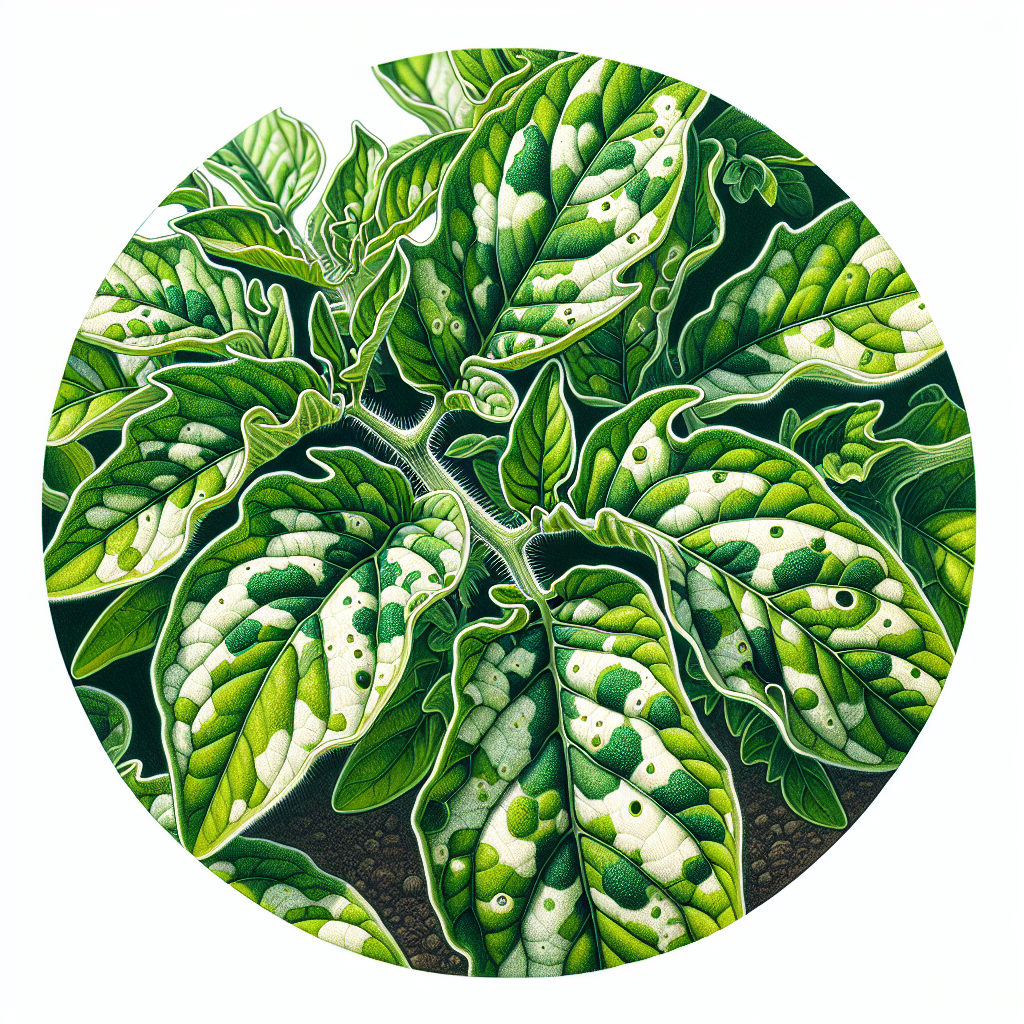
Diagnosing mosaic complexes requires keen observation of foliar symptoms. The hallmark is a mosaic pattern: irregular light green, yellow, or white patches interspersed with dark green areas on young leaves. Leaves may curl, pucker, or become brittle, reducing photosynthetic efficiency.
Primary Symptoms:
- Mottling: Blended chlorosis creating a 'mosaic' appearance.
- Leaf distortion: Crinkling, blistering, or shoestringing.
- Stunting: Reduced internode length, smaller fruits.
- Necrosis: In severe cases, dead tissue along veins.
Damage Assessment: Yields drop due to impaired photosynthesis; fruits are malformed, undersized, or unmarketable. In tomato crops, expect 30-70% losses; in beans, pod deformation. Differentiate from powdery-mildew by absence of white powder and viral confirmation via ELISA testing.
Secondary signs include vector presence—clusters of whiteflies or aphids on undersides. Systemic infection spreads from inoculated leaves to meristems, making rogueing essential. Use a 10x hand lens to spot viral inclusions in epidermal cells. Document progression with photos for IPM decisions.
Lifecycle and Progression of Mosaic complexes
Mosaic complexes lack a true lifecycle like fungi; viruses are obligate parasites requiring host cells for replication. Transmission occurs via mechanical means (tools, hands), seeds (up to 10% in some crops), or persistently/non-persistently by vectors.
Progression Stages:
- Inoculation: Aphids probe infected plants, acquiring virus particles.
- Incubation: 2-10 days; symptoms appear on newest growth.
- Systemic Spread: Virus moves via phloem to all tissues.
- Vector Multiplication: Aphids/whiteflies colonize, spreading to new hosts.
Overwintering happens in perennial weeds, volunteer crops, or seed. In spring, emerging vectors reactivate epidemics. Hot, dry conditions favor aphid flights, accelerating spread. In cucumber, symptoms progress from mild mottling to plant death within weeks.
Environmental Triggers & Risk Factors
Mosaic complexes thrive in temperatures of 20-30°C with high vector populations. Risk factors include:
- Dense Plantings: High humidity fosters vectors.
- Weed Hosts: Nightshade, pigweed harbor viruses.
- Nitrogen Excess: Succulent growth attracts aphids.
- Poor Sanitation: Infected debris.
Monocultures amplify spread; intercropping with marigold repels vectors. Drought stress weakens plants, increasing susceptibility. In tropical regions, year-round presence leads to chronic infections.
Organic Control & Treatment Plans
No curative treatments exist; focus on integrated organic management. Read our comprehensive guide on Spring Pest Patrol: Organic AI Strategies to Shield Your Crops from Common Invaders for advanced tactics.
Immediate Actions:
- Rogue infected plants promptly.
- Apply insecticidal soap or neem oil weekly against vectors.
Biological Controls:
- Release ladybugs, lacewings for aphid predation.
- Plant trap crops like nasturtium.
Cultural Practices:
- Reflective mulches deter alates.
- Overhead irrigation washes off vectors (avoid wetting foliage).
- Companion planting with garlic/onions.
Resistant Varieties: Select hybrids like 'Big Beef' tomato. Rotate with non-hosts like wheat. Monitor with yellow sticky traps; threshold: 1 aphid/leaf.
Organic Sprays:
| Treatment | Application | Frequency |
|---|---|---|
| Neem Oil | 2% solution | 7-10 days |
| Pyrethrin | Evening spray | As needed |
| Kaolin Clay | Foliar dust | Weekly |
Combine with row covers for seedlings. Success rates: 60-90% yield protection.
Preventing Mosaic complexes in the Future
Prevention is the cornerstone: Use virus-free certified seeds, inspect transplants. Eradicate weeds within 100m. Implement 2-year rotations excluding hosts. Barrier crops like sorghum buffer fields.
Long-Term Strategies:
- Vector-free periods via fallow.
- Thermotherapy for propagation.
- Cross-protection with mild strains.
Farm hygiene: Disinfect tools with 10% bleach. Scout weekly; act at first symptoms. Build soil health to boost vigor—healthy plants tolerate low infections. Integrate cover crops like clover for biodiversity.
Crops Most Affected by Mosaic complexes
Mosaic complexes strike a wide array, especially:
- Solanaceae: Tomato, potato, peppers.
- Cucurbits: Cucumber, squash.
- Legumes: Beans, soybeans.
- Others: cassava, lettuce.
Tomato suffers Tomato Mosaic Virus; beans, Bean Common Mosaic. Tropical crops like cassava face African Cassava Mosaic. Regional hotspots: Asia (rice), Africa (cassava). Prioritize monitoring in these.