Encyclopedia
Definitive guides for crops, pests, and agricultural diseases.

Fusarium Wilt of Banana (Panama Disease)
Fusarium oxysporum f. sp. cubense (Foc) is a devastating soilborne fungal pathogen causing Fusarium wilt, also known as Panama disease or Tropical Race 4 (TR4), primarily in banana crops. It spreads through infected soil, water, and plant material, leading to vascular blockage and plant death. This guide provides comprehensive diagnostics, symptoms, lifecycle, risk factors, organic management, and prevention strategies for farmers worldwide.
View Profile
fusarium yellows
Fusarium yellows is a devastating vascular disease caused by Fusarium fungi, leading to yellowing foliage, stunted growth, and plant death in susceptible crops. It primarily affects cabbage family crops through soilborne spores that persist for years, making prevention critical. Effective management relies on resistant varieties, sanitation, and cultural practices.
View Profile
Fusarium-type wilt
Fusarium-type wilt is a devastating soilborne fungal disease caused by Fusarium oxysporum species, leading to vascular blockage and rapid plant wilting. It affects a broad range of crops, particularly in warm, humid conditions, with symptoms mimicking nutrient deficiencies but progressing to permanent collapse. Effective management relies on resistant varieties, sanitation, and cultural practices rather than curative treatments.
View Profile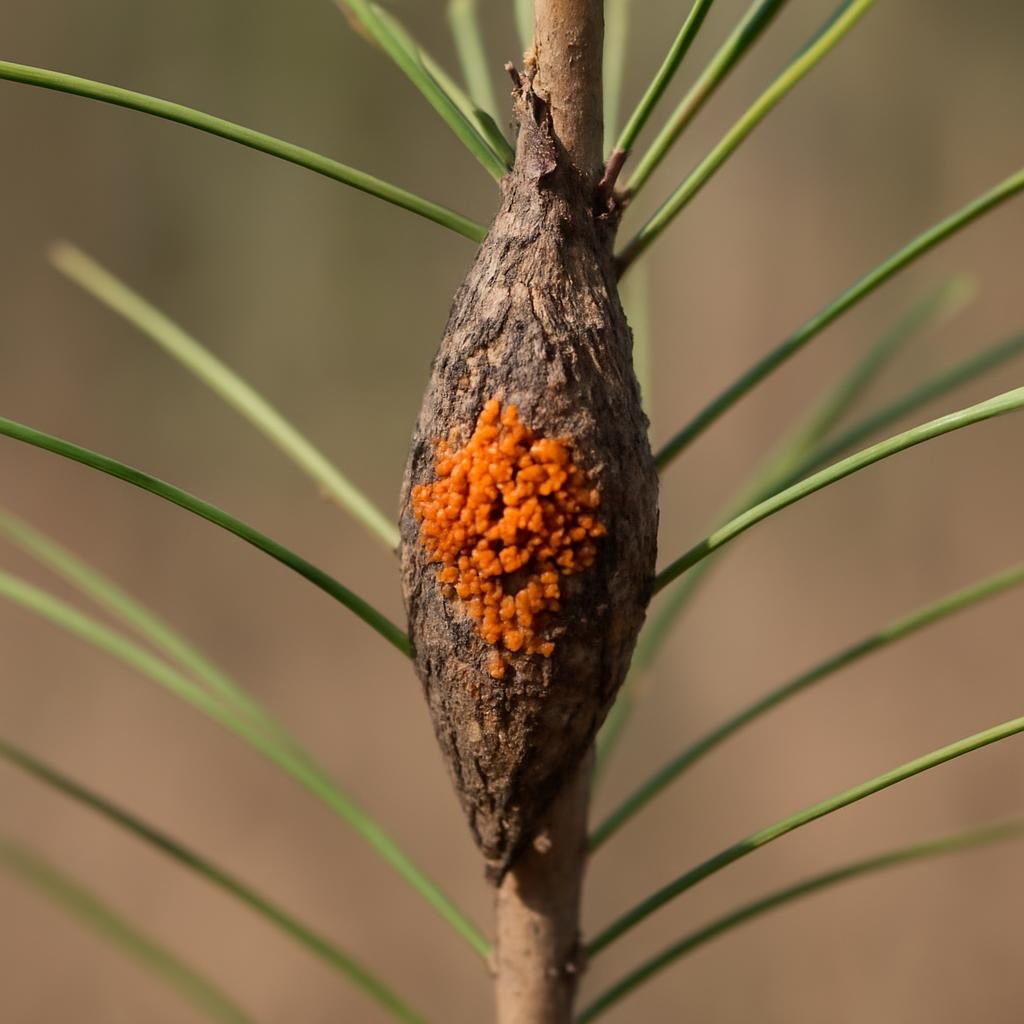
fusiform rust
Fusiform rust is a devastating fungal disease primarily affecting southern yellow pines, causing spindle-shaped galls on stems and branches that weaken trees and reduce timber value. The pathogen alternates between pine hosts and oak species, completing a complex heteroecious lifecycle that makes management challenging in southeastern forests. Early detection, resistant planting stock, and integrated cultural practices are essential for minimizing economic losses in commercial forestry.
View Profile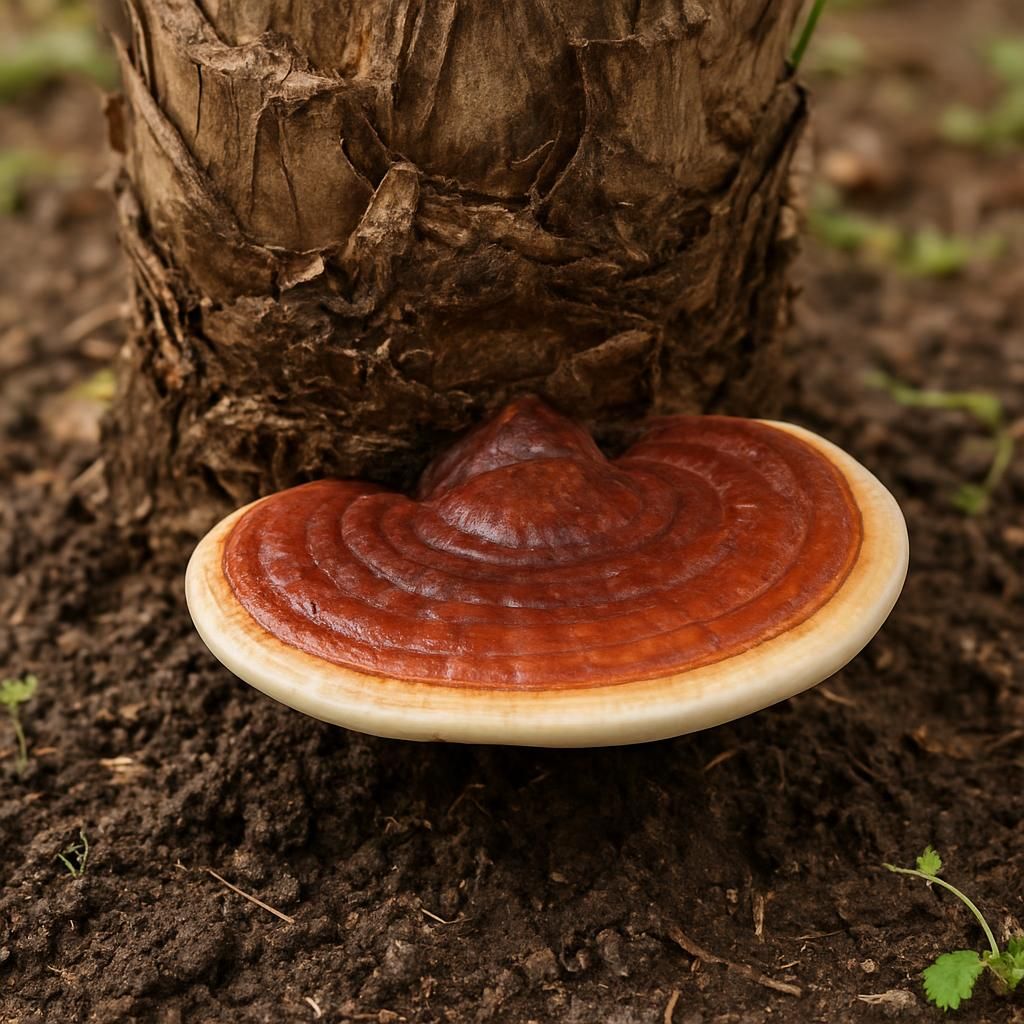
Ganoderma
Ganoderma is a lethal basidiomycete fungus causing basal stem rot and butt rot in palms, woody perennials, and certain fruit trees. The pathogen spreads primarily through root-to-root contact and infected soil, producing characteristic shelf-like fruiting bodies at the base of infected plants.
View Profile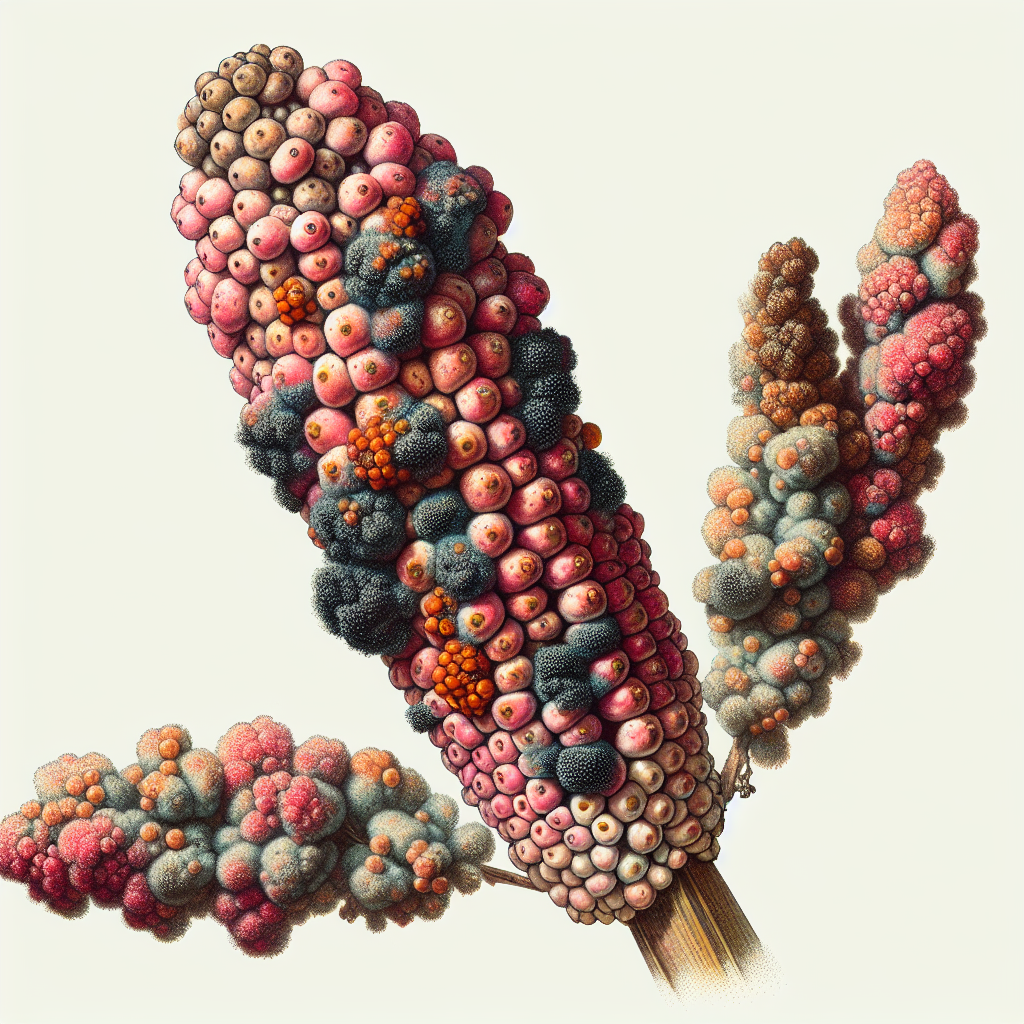
grain mold
Grain mold is a complex fungal disease affecting cereal crops like sorghum, maize, and rice during post-flowering stages, leading to discolored, moldy grains and severe yield losses. Caused by multiple toxigenic fungi, it thrives in warm, humid conditions and compromises grain quality for food and feed. Effective management relies on timely harvesting, resistant varieties, and organic biocontrol strategies.
View Profile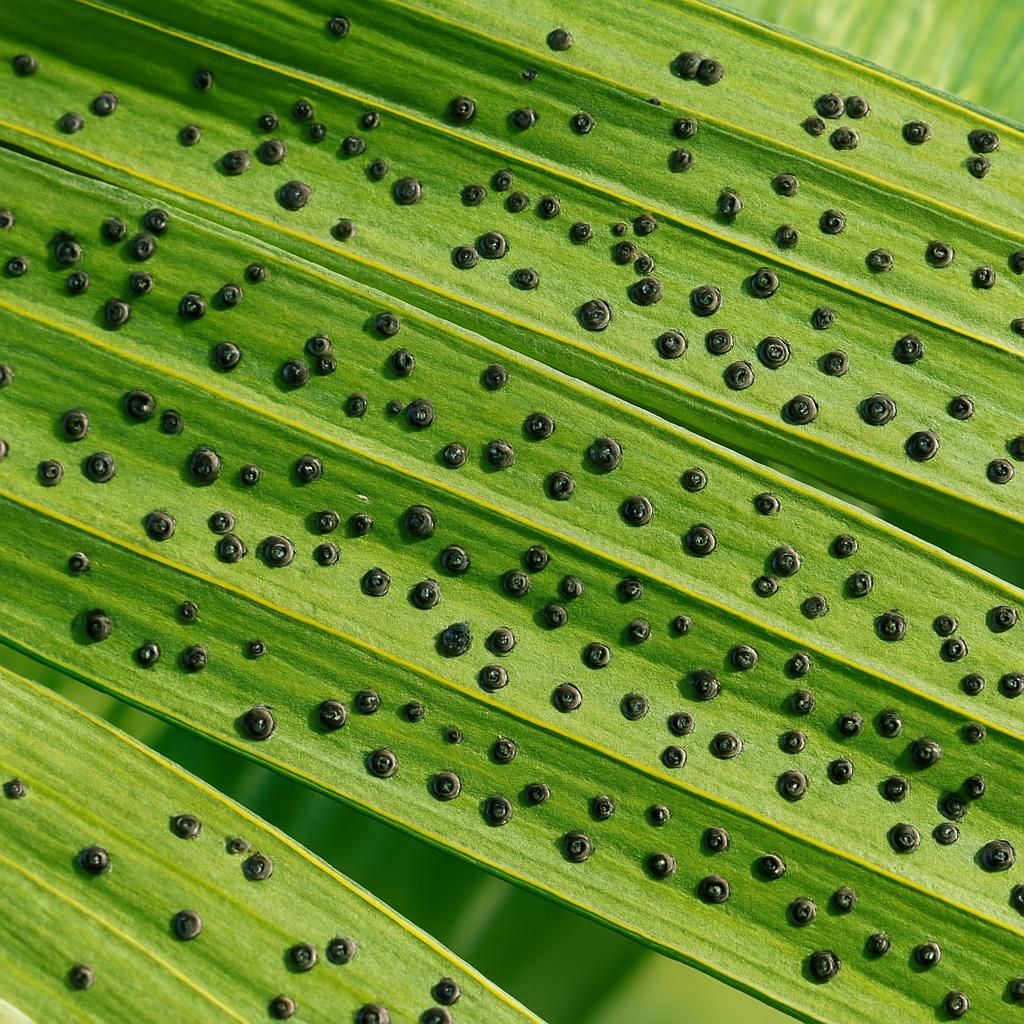
Graphiola leaf spot
Graphiola leaf spot is a fungal disease that primarily affects palms, producing distinctive black, raised fruiting bodies on leaf surfaces that can reduce photosynthesis and aesthetic value. The pathogen thrives in warm, humid environments and spreads via wind and splashing water. Effective management combines cultural practices, sanitation, and targeted fungicide applications.
View Profile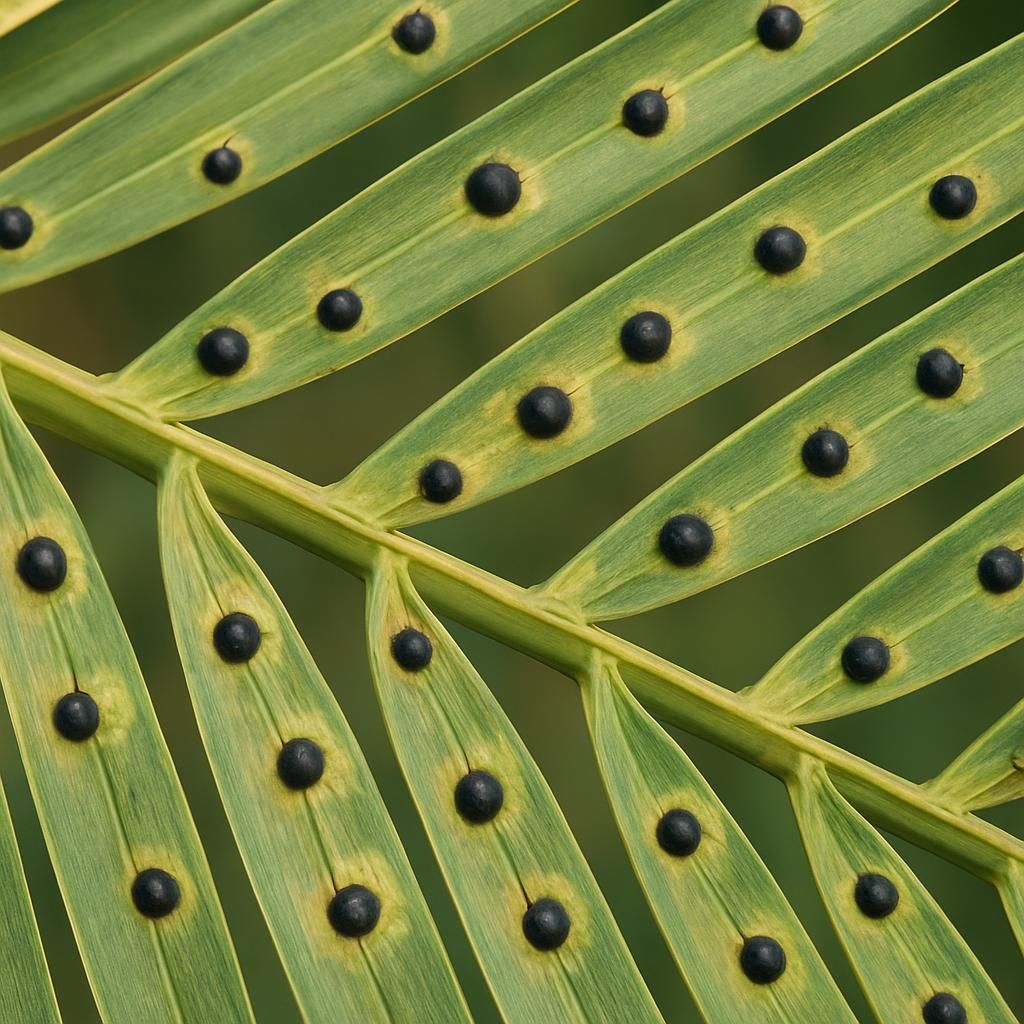
Graphiola phoenicis
Graphiola phoenicis is a fungal pathogen that causes Graphiola leaf spot, primarily affecting date palms and other palm species. The disease produces characteristic black, raised fruiting bodies on fronds, leading to reduced photosynthesis and aesthetic decline. Effective management relies on cultural practices, sanitation, and targeted fungicide applications.
View Profile
grassy shoot disease
Grassy shoot disease is a devastating phytoplasma infection primarily affecting sugarcane, causing excessive grassy shoot proliferation, stunting, and severe yield losses. Transmitted by vectors like leafhoppers, it transforms productive stalks into thin, grass-like shoots unfit for harvest. Effective management relies on rogueing infected plants, vector control, and certified disease-free planting material.
View Profile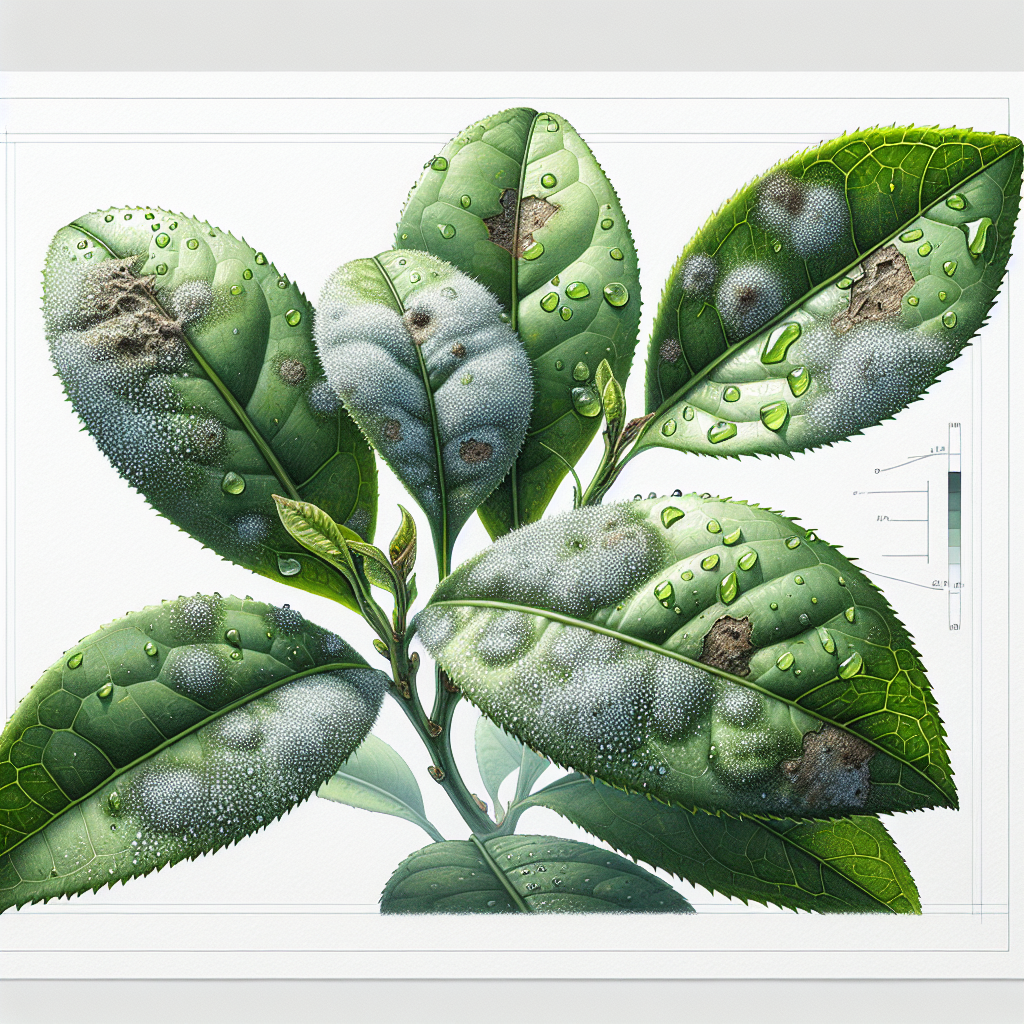
gray blight
Gray blight is a destructive fungal disease caused by Pestalotiopsis species, primarily affecting tea, avocado, and other tropical crops by causing leaf blights, twig dieback, and fruit rot. It thrives in humid, warm conditions, leading to significant defoliation and yield losses if unmanaged. Effective organic control focuses on cultural practices, pruning, and biofungicides to suppress spread.
View Profile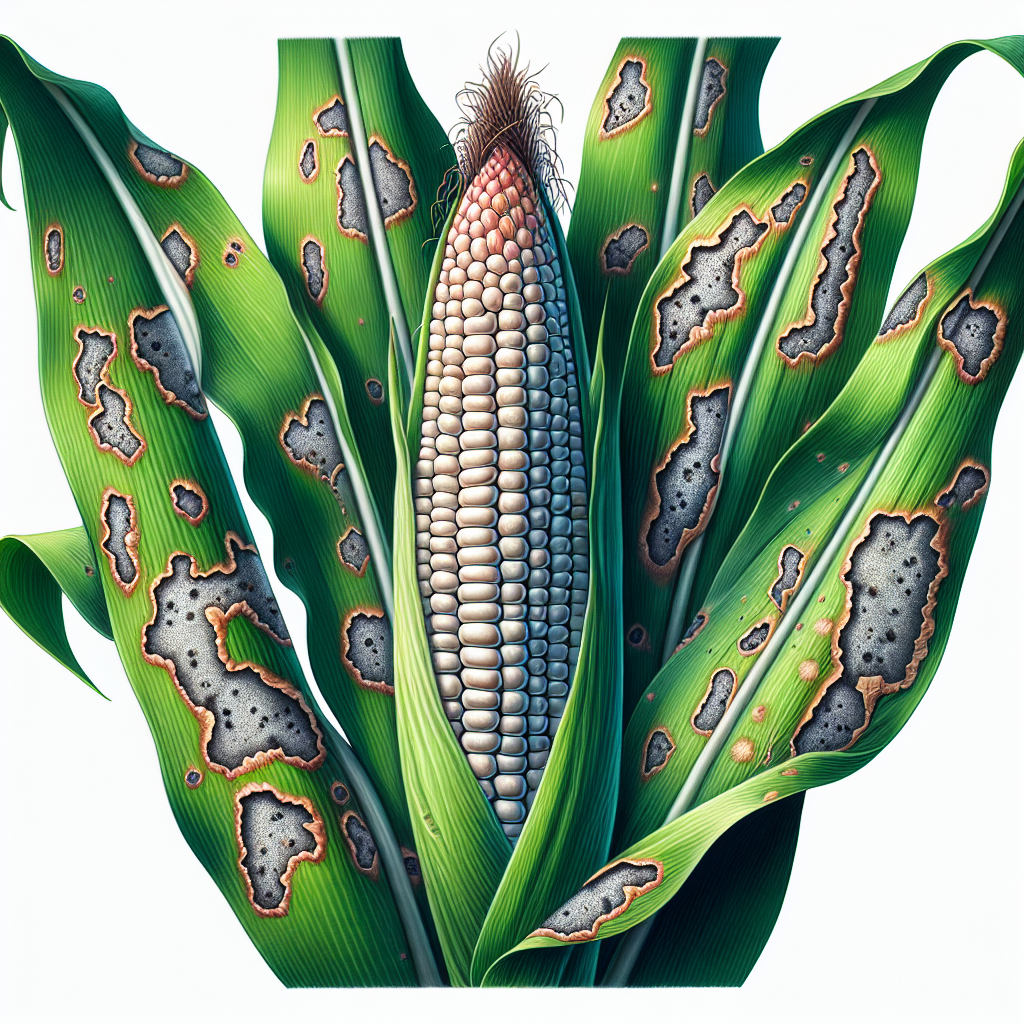
Gray leaf spot
Gray leaf spot is a destructive fungal disease primarily affecting turfgrasses, corn, rice, and wheat, characterized by elongated grayish lesions on leaves that reduce photosynthesis and yield. Caused by Pyricularia grisea, it thrives in warm, humid conditions and spreads via spores. Effective management combines cultural practices, resistant varieties, and targeted organic fungicides for sustainable control.
View Profile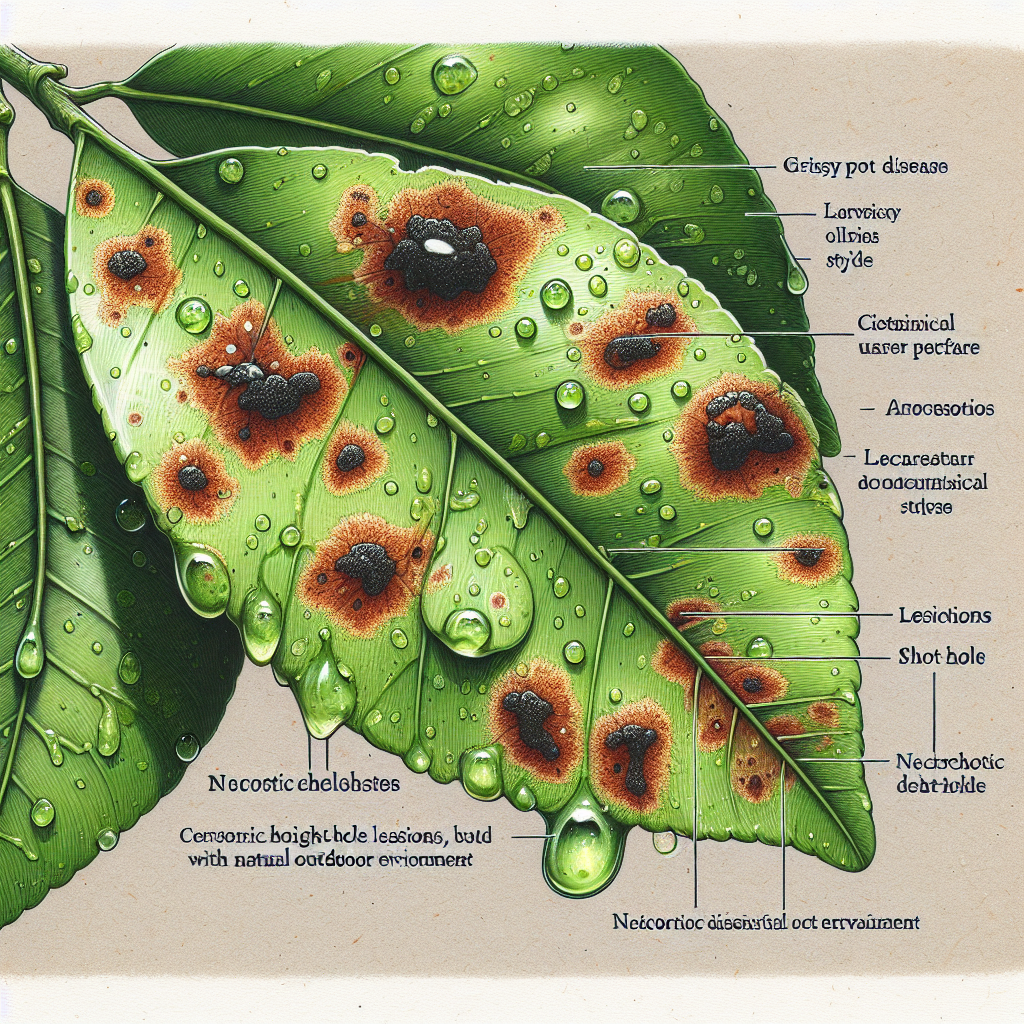
greasy spot
Greasy spot is a destructive foliar fungal disease primarily affecting citrus trees, caused by Pestalotiopsis species, leading to characteristic oily spots on leaves and significant defoliation. It thrives in warm, humid tropical and subtropical environments, causing yield losses up to 45% in severe cases. Effective management relies on cultural practices, organic fungicides, and resistant varieties for long-term control.
View Profile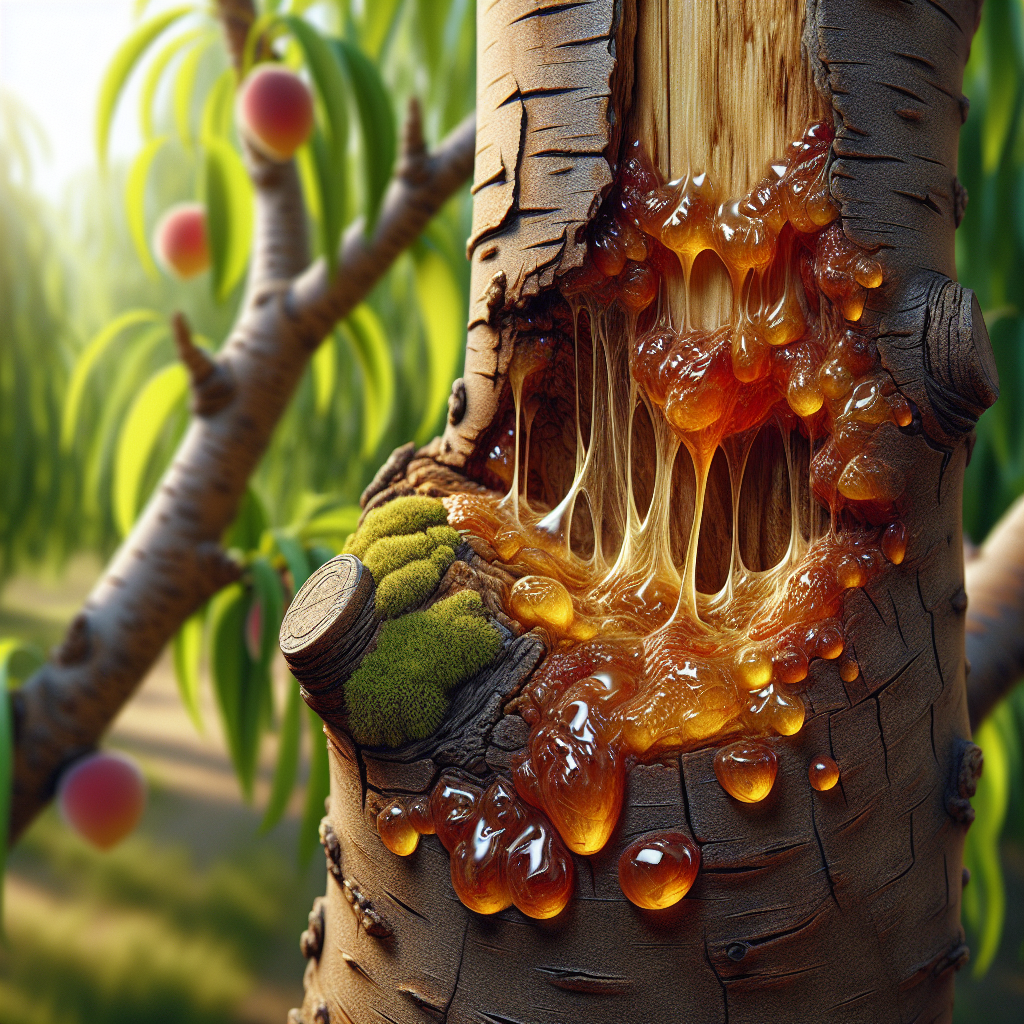
Gummosis
Gummosis is a destructive disease primarily affecting stone fruit trees and citrus, characterized by the oozing of amber-colored gum from bark cracks, leading to tree decline and death if unmanaged. Commonly caused by Phytophthora species, it thrives in wet soils and wounds the tree's vascular system. Early detection and cultural practices are key to effective management in orchards.
View Profile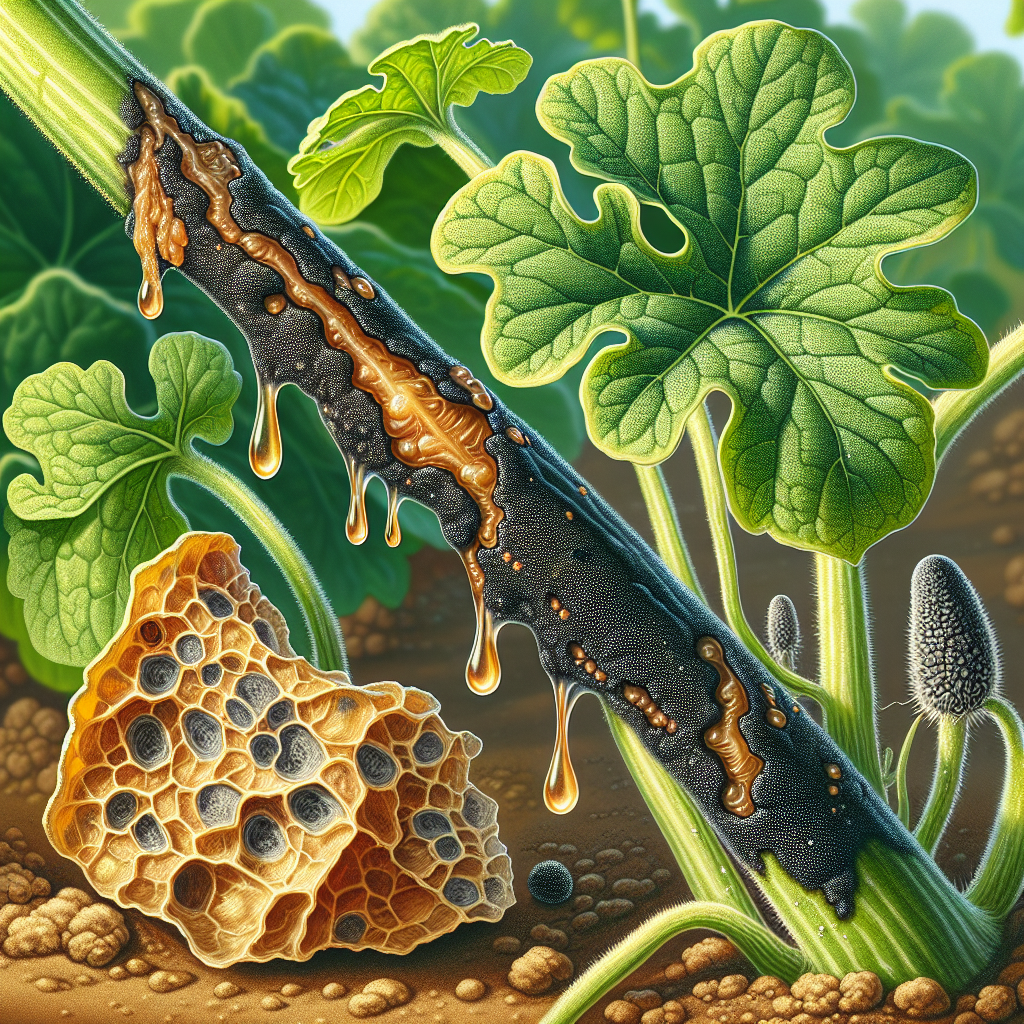
gummy stem blight
Gummy stem blight is a destructive fungal disease primarily affecting cucurbit crops like watermelon, cantaloupe, and cucumber, causing stem cankers, leaf spots, and fruit rot. Caused by Didymella bryoniae, it thrives in warm, humid conditions and can lead to significant yield losses if unmanaged. Effective control relies on cultural practices, resistant varieties, and targeted organic fungicides.
View Profile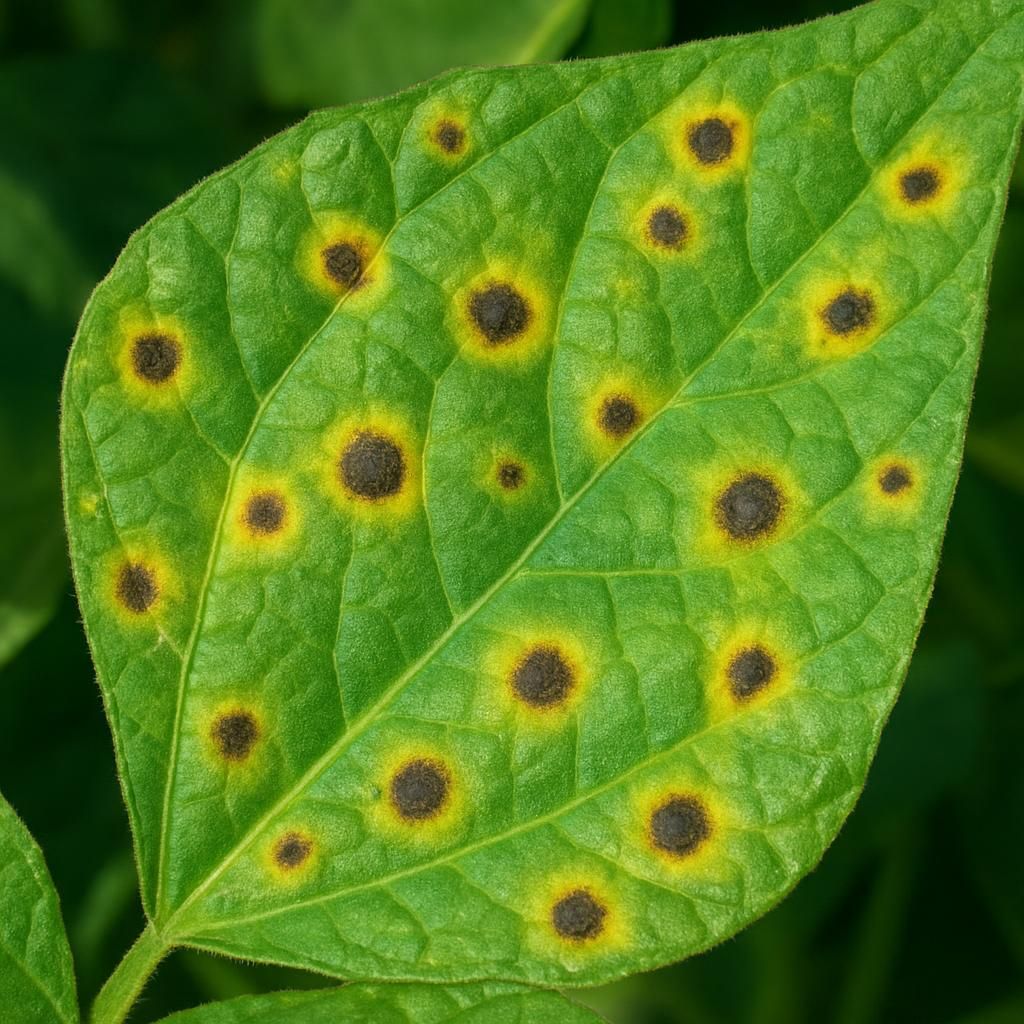
Halo blight
Halo blight is a devastating bacterial disease primarily affecting beans and legumes, characterized by water-soaked leaf spots surrounded by yellow halos. Caused by Pseudomonas syringae pv. phaseolicola, it spreads rapidly in cool, wet conditions, leading to significant yield losses if not managed properly. This guide provides comprehensive diagnostic, organic control, and prevention strategies for farmers.
View Profile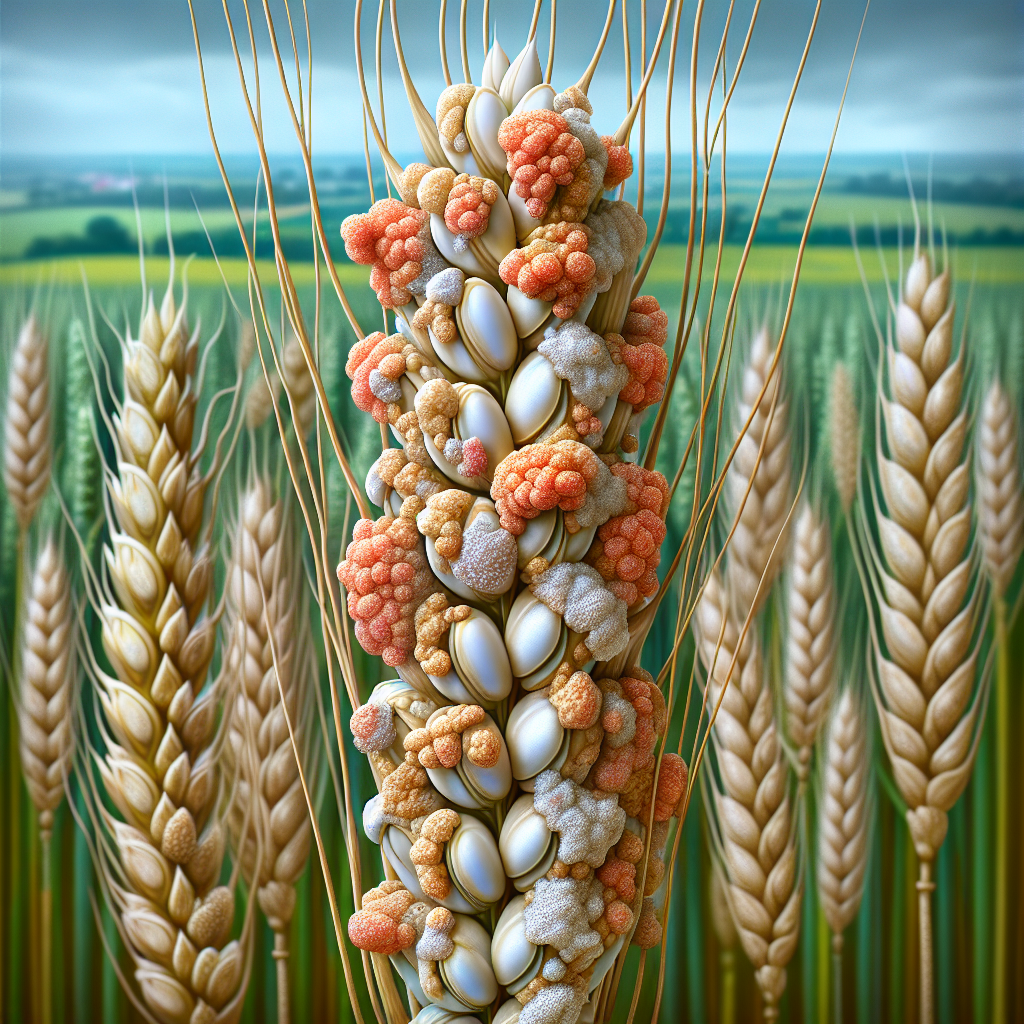
Head diseases
Head diseases are devastating fungal and bacterial infections that primarily target the reproductive heads or panicles of cereal crops like wheat, rice, and sorghum, leading to shriveled grains, mycotoxin contamination, and massive yield losses. These diseases thrive in warm, humid conditions and spread via spores and infected seed. Effective management relies on resistant varieties, cultural practices, and timely fungicide applications.
View Profile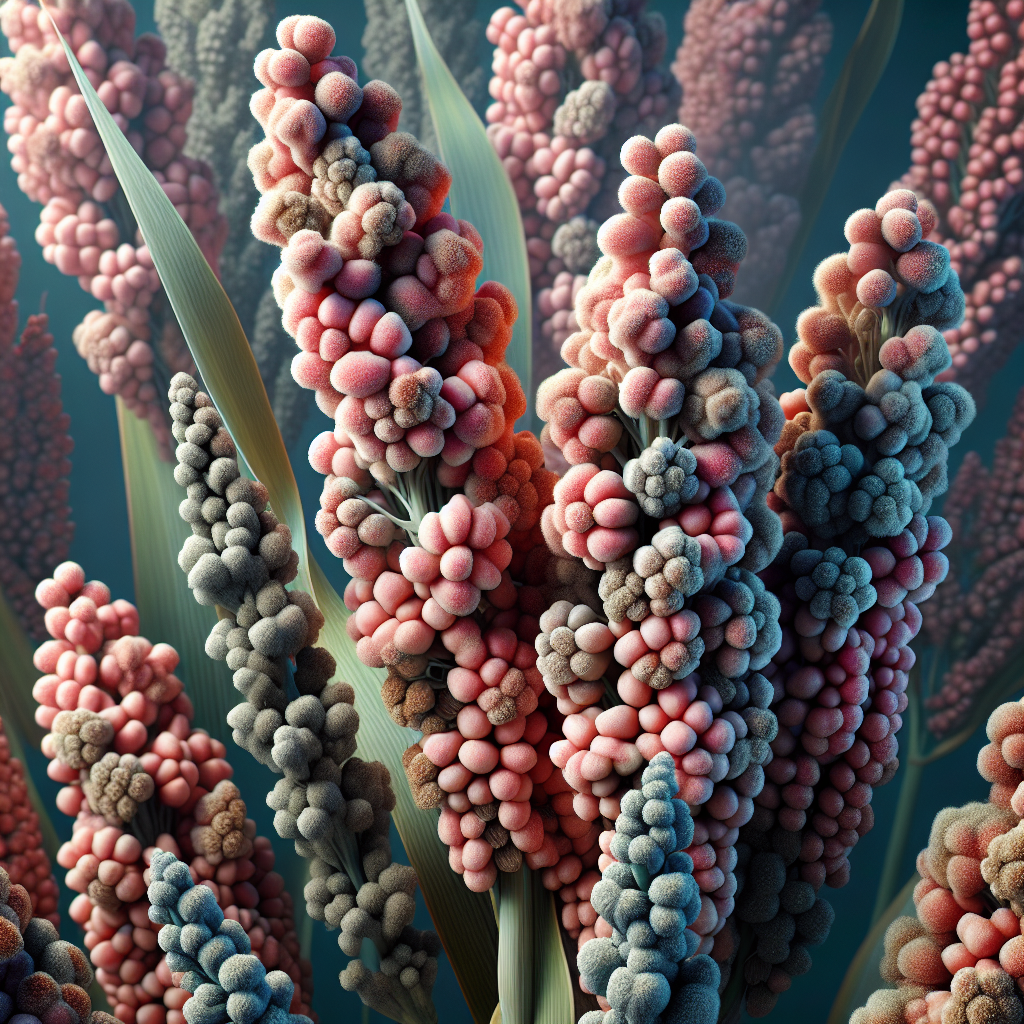
head molds
Head molds are fungal diseases that infect the heads or panicles of cereal crops during flowering and grain fill, causing discoloration, mold growth, and significant yield losses. Primarily triggered by high humidity and warm temperatures, they reduce grain quality and market value. Effective management relies on timely harvesting, resistant varieties, and cultural practices.
View Profile
head rots
Head rots are devastating fungal diseases primarily affecting the flowering heads of brassica crops like broccoli, cabbage, and cauliflower, causing wilting, browning, and rapid decay. Triggered by high humidity and poor airflow, they lead to significant yield losses in cool, wet conditions. Effective management relies on cultural practices, resistant varieties, and organic fungicides for prevention and control.
View Profile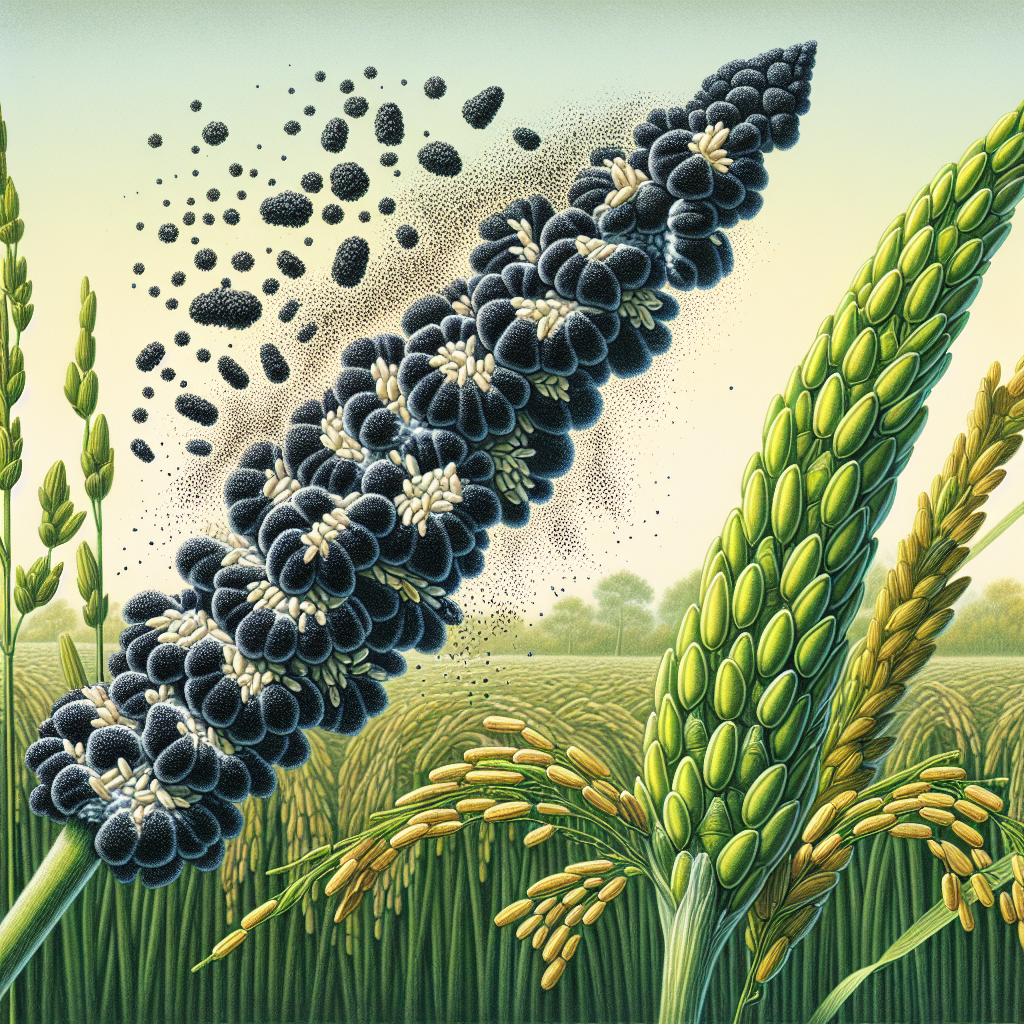
Head smut
Head smut is a destructive fungal disease primarily affecting rice and corn crops, transforming mature panicles or ears into masses of black teliospores. Caused by soilborne basidiomycete fungi in the genus Tilletia, it leads to significant yield losses in tropical and subtropical regions. Effective management relies on resistant varieties, sanitation, and cultural practices.
View Profile
Heart Rot
Heart rot is a destructive fungal disease caused by Phytophthora species that targets the internal tissues of fruit crops, leading to rapid decay of the central pulp. Commonly affecting pineapples, citrus, and stone fruits, it results in significant yield losses through soft, watery rot and off-flavors. Early detection and cultural management are key to minimizing damage in susceptible crops.
View Profile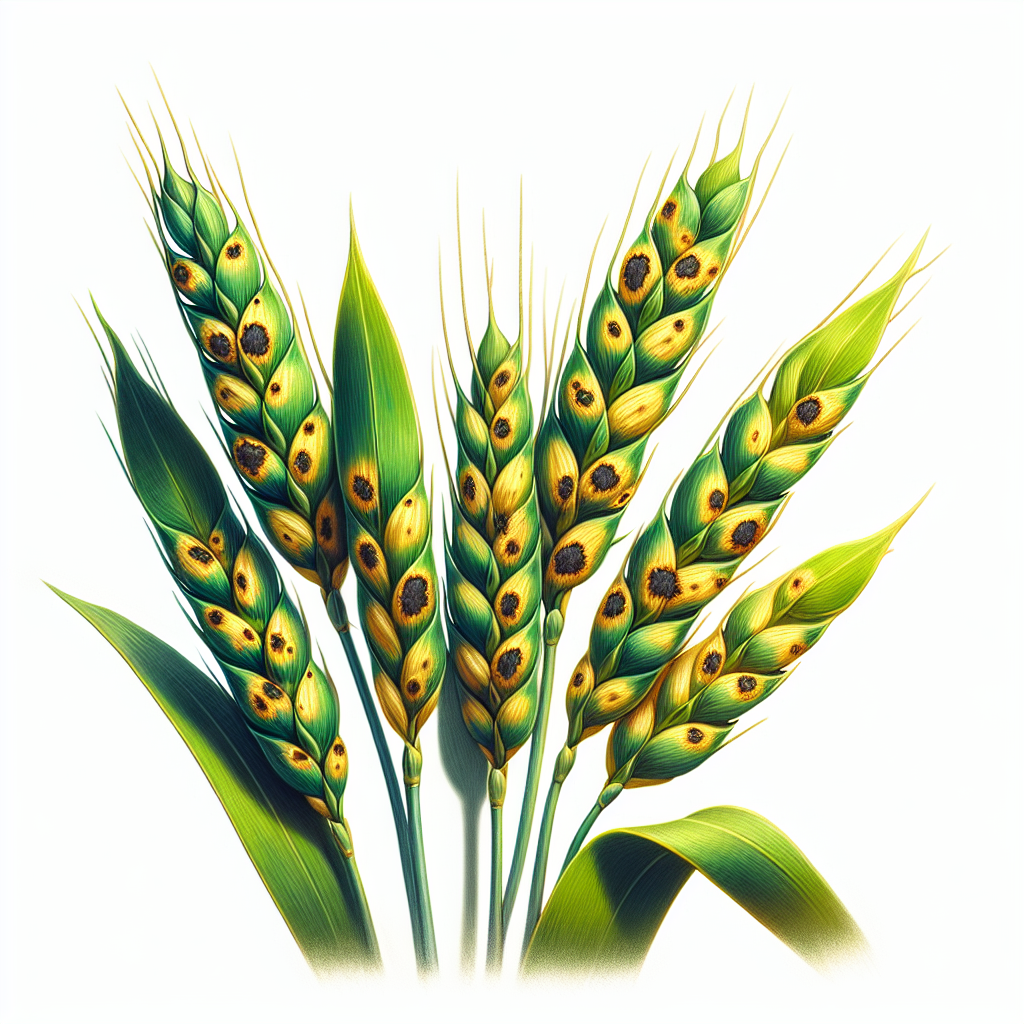
Helminthosporium-type diseases
Helminthosporium-type diseases, caused by fungi like Bipolaris and Exserohilum, produce characteristic leaf spots, blights, and seedling rots on cereals and grasses, leading to significant yield losses worldwide. These pathogens thrive in warm, humid conditions and spread via spores, making early detection and cultural management essential for effective control. Organic strategies focus on resistant varieties, sanitation, and balanced nutrition to minimize outbreaks.
View Profile
huanglongbing
Huanglongbing (HLB), also known as citrus greening, is a devastating bacterial disease transmitted by the Asian citrus psyllid that affects citrus trees worldwide, causing mottled leaves, bitter fruit, and eventual tree death. No cure exists, making early detection and vector control critical for management. This guide provides professional diagnostic, organic treatment, and prevention strategies for farmers.
View Profile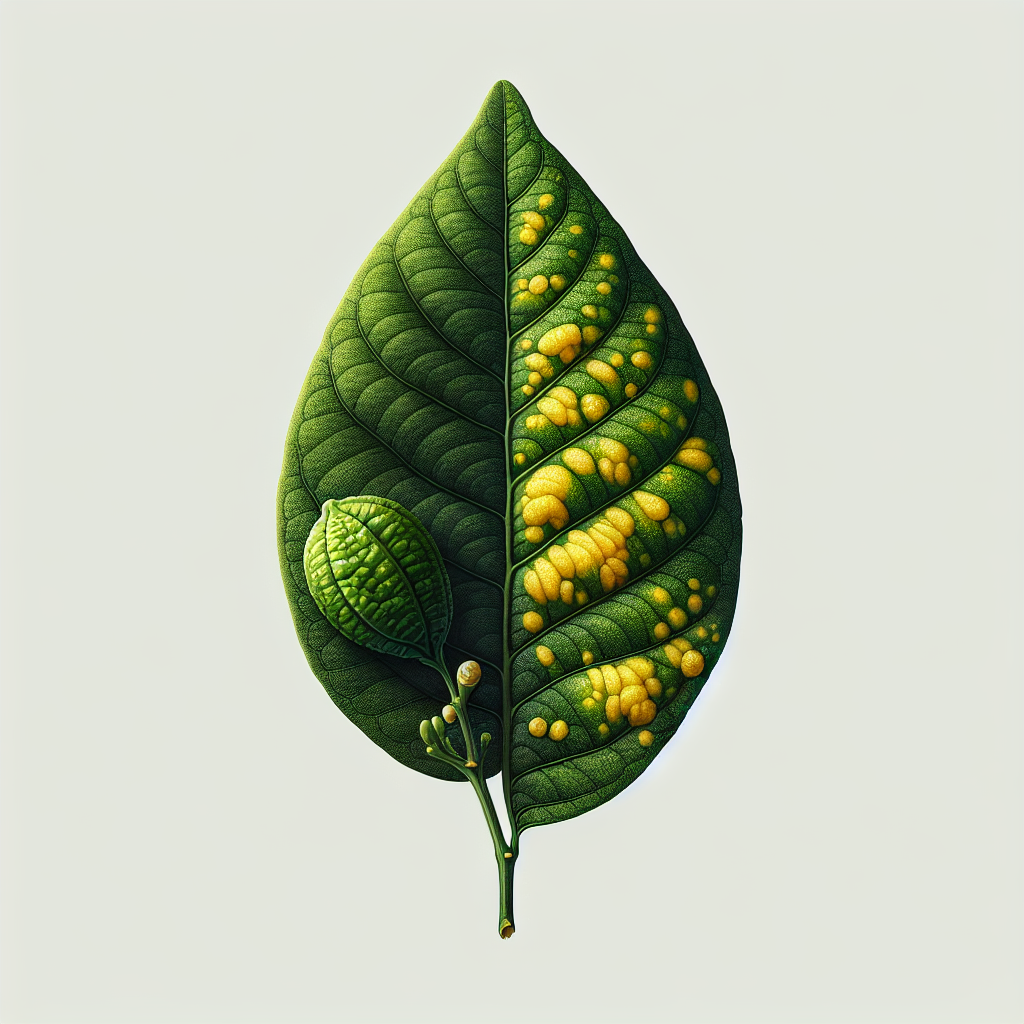
Huanglongbing (citrus greening)
Huanglongbing (HLB), also known as citrus greening, is a devastating bacterial disease transmitted by the Asian citrus psyllid, causing mottled leaves, bitter fruit, and eventual tree death. First identified in China in 1919, it has spread globally, severely impacting citrus production in major regions like Florida, Brazil, and Asia. No cure exists, making early detection, vector control, and prevention critical for management.
View Profile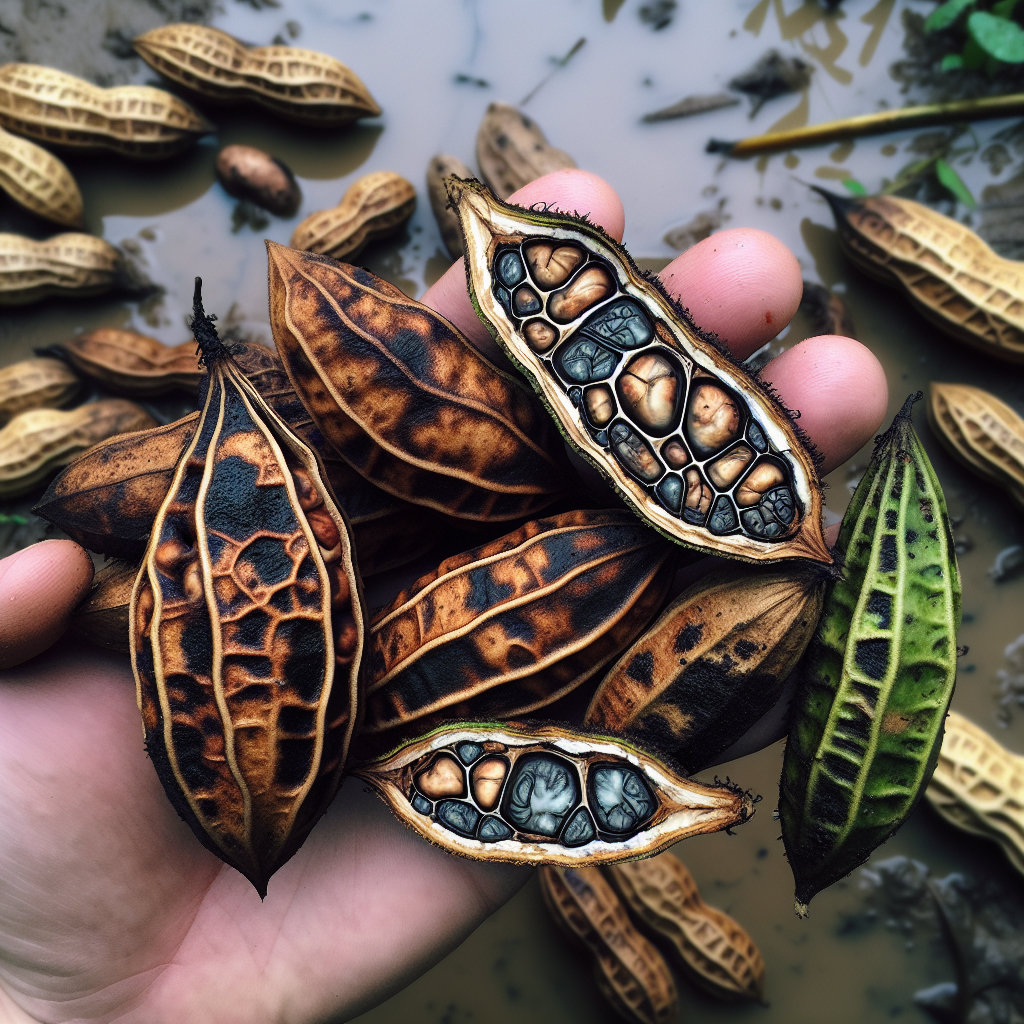
Hull rot
Hull rot is a destructive fungal disease primarily affecting peanut crops, causing dark lesions and decay on hulls that lead to significant yield losses and poor seed quality. Caused mainly by Monilochaetes infuscans and exacerbated by wet conditions, it spreads rapidly in humid environments. Effective management relies on cultural practices, resistant varieties, and timely organic interventions to minimize damage.
View Profile