Introduction to Mumijo (Shilajit)
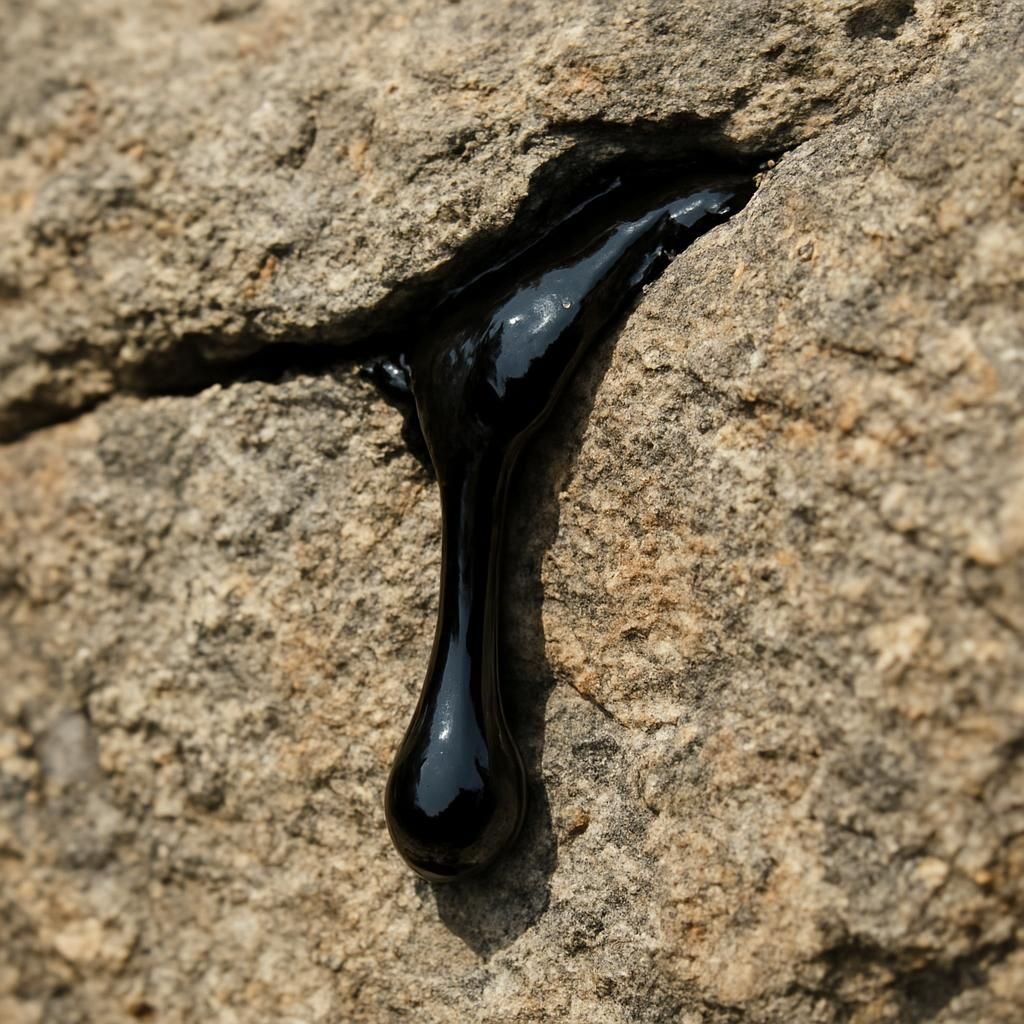
Mumijo (Shilajit) is a dark, tar-like substance that slowly oozes from cracks in high-mountain rocks during warm summer months. Formed over centuries from compressed plant residues and microbial activity, it contains fulvic acid, humic substances, and over 84 trace minerals. In agriculture, purified Shilajit serves as a potent organic biostimulant that enhances root development, nutrient uptake, and plant resilience. Commercial interest has grown because of its ability to improve soil biology and crop performance without synthetic inputs. Growers seeking sustainable alternatives to chemical fertilizers are increasingly exploring Shilajit-based soil amendments.
Botanical Profile of Mumijo (Shilajit)
Shilajit is not a true plant but a mineral-rich biomass resulting from the slow humification of ancient vegetation trapped between rock layers. The raw exudate is collected from altitudes between 1,000 and 5,000 meters in regions such as the Himalayas, Altai, and Caucasus mountains. After collection, it undergoes purification to remove heavy metals, sand, and organic debris. The final product is a viscous, dark-brown to black resin containing 60–80% fulvic and humic acids. These compounds act as natural chelators, improving micronutrient availability to crops. Shilajit also harbors beneficial microbes and enzymes that stimulate soil microbial activity when applied correctly.
Soil, pH, and Climate Requirements for Mumijo (Shilajit)
Successful Shilajit formation and application depend on specific environmental parameters. The substance naturally forms in cool, high-altitude environments with seasonal freeze-thaw cycles that fracture rock and release the resin. For agricultural use, Shilajit performs best when incorporated into well-drained, mineral-rich soils with neutral to slightly alkaline pH.
| Parameter | Ideal Range | Notes |
|---|---|---|
| Soil pH | 6.5 – 8.0 | Slightly alkaline conditions optimize fulvic acid activity |
| Temperature | 5 – 25 °C | Cool nights and moderate days mimic native habitat |
| Altitude | 1,500 – 4,000 m | Higher elevations produce higher fulvic content |
| Annual Rainfall | 300 – 800 mm | Well-distributed moisture supports microbial activity |
| Soil Type | Sandy loam to rocky loam | Excellent drainage prevents waterlogging |
| Organic Matter | 3 – 8 % | Supports humic substance retention |
Step-by-Step Planting & Propagation
Shilajit is not propagated like conventional crops; instead, growers focus on site selection and controlled application of purified resin. Begin by selecting south-facing slopes with fractured rock outcrops between 1,500 and 4,000 meters. Collect raw exudate during peak summer (June–August) when resin flows most freely. Purify collected material by dissolving in clean mountain water, filtering through fine cloth, and sun-drying to a thick paste. For field application, dilute purified Shilajit at 1:50 ratio with water and apply as a soil drench at planting or during vegetative growth. Reapplication every 4–6 weeks during the growing season maintains microbial stimulation. Store excess purified resin in airtight glass containers away from direct sunlight.
Care & Maintenance regimes for Mumijo (Shilajit)
Maintaining optimal conditions ensures consistent resin quality and soil health benefits. Monitor soil moisture closely; Shilajit activity declines in waterlogged or extremely dry soils. Apply organic mulch to moderate temperature swings and retain moisture. Avoid heavy tillage that disrupts microbial colonies stimulated by fulvic acids.
| Activity | Schedule | Details |
|---|---|---|
| Watering | Every 7–10 days during growth | Maintain 60–70% field capacity; avoid saturation |
| Fertilizer | At planting + every 4 weeks | Apply diluted Shilajit solution (1:50) or combine with compost tea |
| Pruning | As needed for companion species | Remove competing vegetation around rock fissures to maintain airflow |
Pests, Diseases & Organic Management
Because Shilajit is a mineral exudate rather than a living plant, it faces few direct pests. However, the surrounding rock and soil environment can harbor Aphids, Spider mites, and soil-borne pathogens that affect nearby crops. Use neem oil sprays and beneficial predatory insects for integrated pest management. Maintain good drainage to prevent Pythium and Phytophthora outbreaks in adjacent plantings. Regularly inspect application sites for signs of fungal overgrowth and adjust moisture levels accordingly.
Harvesting, Curing & Optimal Storage
Harvest raw Mumijo during the warmest months when resin viscosity is lowest. Use stainless steel tools to scrape fresh exudate from rock fissures, collecting only clean, dark material free of debris. Immediately transfer to food-grade containers and transport to a shaded processing area. Purify by repeated water dissolution, filtration, and solar drying until the resin reaches a glossy, stretchy consistency. Cure purified Shilajit for 30–45 days in a cool, dark environment to stabilize fulvic acid content. Store finished product in amber glass jars at 10–15 °C with relative humidity below 40%. Properly cured and stored Shilajit retains potency for up to three years.
Companion Planting for Mumijo (Shilajit)
Shilajit enhances soil biology and pairs well with nutrient-demanding crops that benefit from improved micronutrient availability. Recommended companions include Tomato, Garlic, and Ginger because their root systems respond strongly to fulvic acid chelation. Avoid planting heavy feeders such as Corn directly over application zones until soil testing confirms balanced nutrient levels. Interplant with Clover or Thyme to maintain ground cover and support beneficial microbial populations stimulated by Shilajit applications.