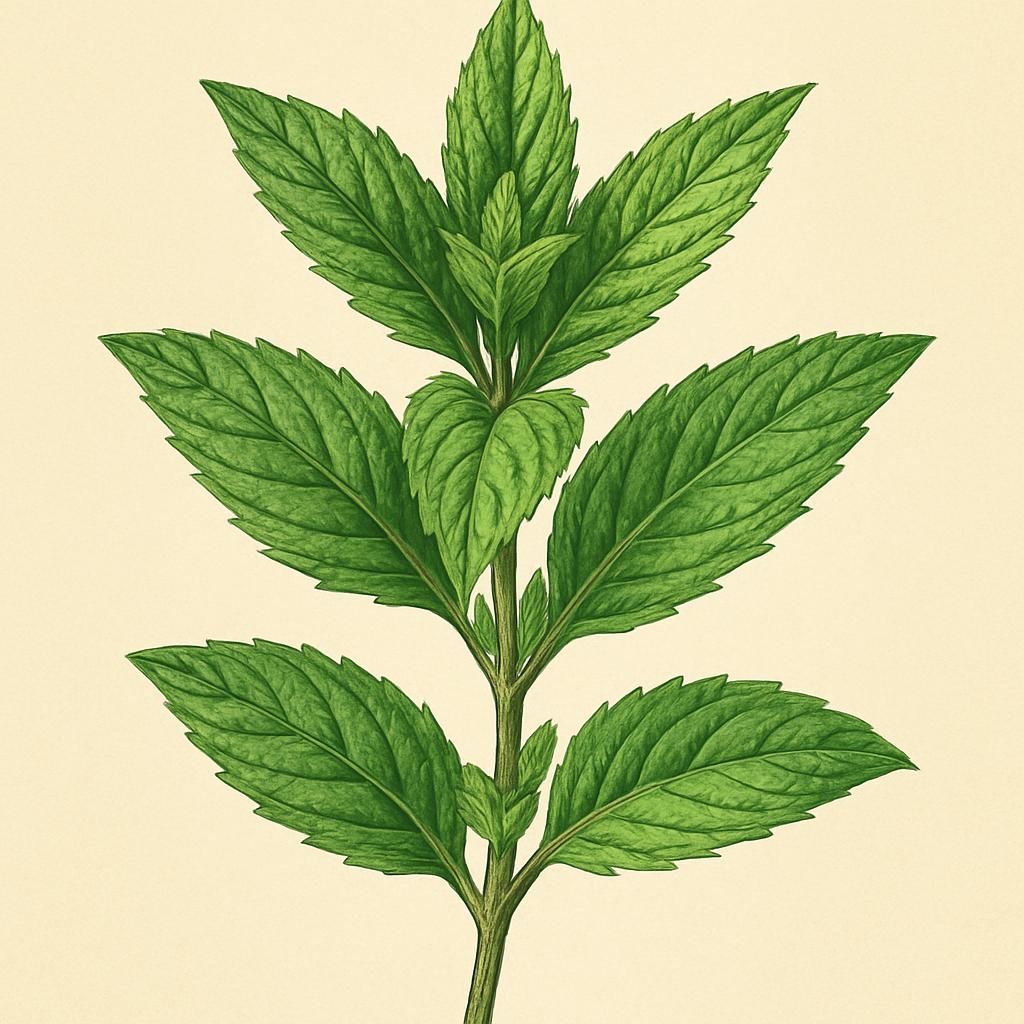
Introduction to Moroccan Mint
Moroccan Mint, a variant of spearmint, is celebrated for its distinctive spear-shaped leaves and invigorating aroma. Popularly used in teas, culinary dishes, and as a garnish, it is a versatile herb cultivated worldwide for its fresh flavor and aromatic properties.
Botanical Profile of Moroccan Mint
- Family: Lamiaceae
- Genus: Mentha
- Species: Mentha spicata
- Cultivar: 'Moroccan'
Moroccan Mint is characterized by its bright green leaves and small lilac flowers. It is a perennial herbaceous plant that spreads via underground rhizomes, making it both resilient and potentially invasive.
Soil, pH, and Climate Requirements for Moroccan Mint
The optimal growth of Moroccan Mint necessitates specific soil and climate parameters.
| Factor | Optimal Conditions |
|---|---|
| Soil Type | Well-drained, loamy |
| Soil pH | 6.0 - 7.0 |
| Climate | Temperate |
| Temperature | 18°C - 21°C (65°F - 70°F) |
| Sunlight | Full sun to partial shade |
Moroccan Mint flourishes in soils that retain moisture yet provide good drainage. It is remarkably adaptive to different light conditions, though full sun tends to produce the most robust and flavorful leaves.
Step-by-Step Planting & Propagation
- Propagation: Start with seeds or cuttings from a healthy mint plant.
- Site Selection: Choose a location with adequate sunlight and space for spreading. Consider using containers to prevent spreading if space is limited.
- Soil Preparation: Amend the soil with compost to enhance drainage and fertility.
- Planting: Sow seeds approximately 1/4 inch deep or plant cuttings in prepared soil with sufficient spacing to encourage growth.
- Watering: Maintain moisture in the soil, especially during dry spells, ensuring not to overwater as mint prefers slightly moist, not waterlogged, conditions.
Care & Maintenance Regimes for Moroccan Mint
Ensuring a consistent care routine will foster vigorous growth in Moroccan Mint.
| Task | Schedule |
|---|---|
| Watering | Keep soil consistently moist, water when top inch is dry |
| Fertilizing | Apply balanced liquid fertilizer once a month during growing season |
| Pruning | Pinch back regularly to promote bushiness, prune flowers to extend leaf production |
Regular maintenance involves controlling the spread through containment or selective trimming. Mulching can help retain moisture and suppress weeds.
Pests, Diseases & Organic Management
Moroccan Mint faces common garden pests such as Spider Mites and aphids. Organic management strategies include:
- Insecticidal soap: Effective against soft-bodied insects like aphids without harming mint.
- Beneficial insects: Introducing ladybugs can reduce aphid populations.
- Neem oil: Acts against spider mites and aphids, ensuring a pest-free environment.
Preventive measures include maintaining healthy plants through good air circulation and proper watering techniques to reduce stress and pest attraction.
Harvesting, Curing & Optimal Storage
Harvest Moroccan Mint by cutting stems before it blooms when leaves contain the most oils. Regular harvesting encourages growth.
- Curing: Dry stems by hanging in a well-ventilated area.
- Storage: Once dried, store leaves in airtight containers away from light. Fresh mint can be refrigerated or frozen to retain flavor.
Companion Planting for Moroccan Mint
Moroccan Mint can thrive alongside various crops, promoting mutual benefits and enhancing pest resistance. Ideal companion plants include:
- Tomatoes and Cabbage, benefiting from mint's insect-repellent properties.
- Peas, which improve nitrogen levels, enhancing mint growth.
Companion planting not only aids in pest management but also supports biodiversity in the garden ecosystem.
For more in-depth strategies and organic methods for mint cultivation, explore Crop Diseases Under the Microscope: 9 Organic Fixes for Small Farm Resilience.