Introduction to Mundu (Garcinia dulcis)
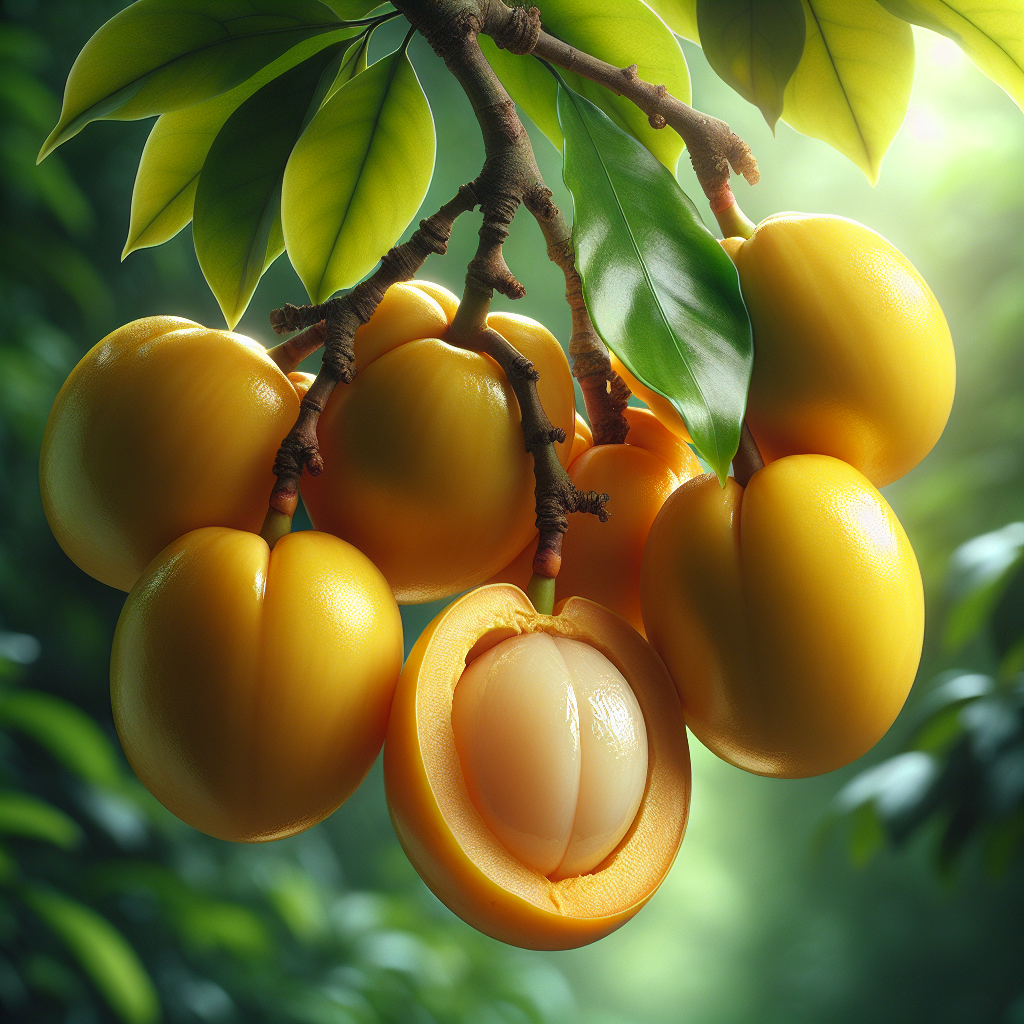
Mundu (Garcinia dulcis), also known as monkey fruit or golden gamboge, is an underutilized tropical crop gaining popularity among small-scale farmers and home gardeners in humid regions. This evergreen tree produces clusters of small, round fruits with bright yellow skin and sweet, juicy flesh that tastes like a blend of mango and honeydew. The fruits are rich in vitamin C, antioxidants, and essential oils, making them ideal for fresh consumption, juices, jams, and even traditional medicines.
Native to Malaysia, Indonesia, Thailand, and the Philippines, Mundu has been cultivated for centuries in home gardens and small orchards. Its resilience to tropical pests and diseases, combined with low maintenance needs, makes it an excellent choice for diversified farming systems. Mature trees can yield 50-100 kg of fruit annually, with peak production starting 5-7 years after planting. For farmers seeking heat-tolerant crops similar to mango, Mundu offers reliable income from niche markets. Read more about effective heat management in Why Summer Heatwaves Are Silently Killing Small Farm Yields - And 7 Organic Strategies to Fight Back.
This comprehensive guide covers everything from propagation to harvest, ensuring high yields and fruit quality. Whether you're establishing a backyard grove or scaling for commercial production, Mundu delivers consistent returns in the right conditions.
Botanical Profile of Mundu (Garcinia dulcis)
Garcinia dulcis belongs to the Clusiaceae family, closely related to mangosteen (Garcinia mangostana). It grows as a slow-to-moderate evergreen tree reaching 10-20 meters tall in natural settings, though pruning keeps orchard specimens at 6-8 meters for easier harvesting. The trunk is straight, with smooth, brownish bark that exudes yellow latex when cut—a characteristic of the genus.
Leaves are opposite, glossy, dark green, lanceolate, measuring 10-20 cm long and 4-7 cm wide. New flushes emerge reddish-bronze, turning deep green. Flowers are small (1-1.5 cm), borne in axillary clusters of 3-10, with four yellowish-white petals and numerous stamens. Mundu is dioecious or polygamous, requiring both male and female trees for pollination, though hermaphroditic varieties exist.
Fruits develop 2-3 months post-flowering, ripening in clusters. Each fruit is 2.5-4 cm in diameter, globose, with thin, tough, golden-yellow rind. The flesh is white, translucent, sweet-aromatic (Brix 15-20°), surrounding 4-8 large, bitter seeds. Seeds are recalcitrant, losing viability quickly if dried. The tree's dense canopy provides excellent shade, making it suitable for intercropping with crops like banana or coconut.
Root system is shallow but wide-spreading, with many lateral roots near the surface, sensitive to compaction. Growth rate is 0.5-1 m/year initially, slowing after canopy closure. Mundu flowers year-round in equatorial climates but peaks during dry seasons, aligning fruiting with market demand.
Soil, pH, and Climate Requirements for Mundu (Garcinia dulcis)
Mundu thrives in fertile, well-drained loamy soils with high organic matter (3-5%). Avoid heavy clays or waterlogged sites, as roots are prone to phytophthora rot. Ideal soil depth is 1-1.5 m with good aeration. Incorporate 10-20 tons/ha compost or green manure pre-planting to enhance microbial activity and nutrient retention.
pH range is 5.5-7.0, with optimal at 6.0-6.5. Test soil annually; amend acidic soils with dolomite lime (1-2 tons/ha) and alkaline ones with sulfur or peat. Mundu tolerates aluminum toxicity common in tropical ultisols better than many fruits.
Climatically, Mundu demands tropical lowlands (0-800 m elevation) with average temperatures 24-32°C. It withstands brief dips to 15°C but suffers above 38°C without irrigation. Annual rainfall of 1500-2500 mm is ideal, evenly distributed; supplement with drip irrigation during dry spells (<3 months). High humidity (70-90%) promotes flowering, but 2-3 month dry periods enhance fruit quality. Windbreaks are essential in exposed sites, as young trees snap easily. Full sun (6-8 hours/day) is required; partial shade reduces yields by 30-50%.
For coastal areas, salt tolerance is moderate—avoid saline irrigation. Mulch with 10-15 cm organic material to conserve moisture and suppress weeds.
Step-by-Step Planting & Propagation
Propagation
Seeds are primary, sown fresh within 1-2 weeks of extraction. Clean pulp, sow 1-2 cm deep in 50% sand:50% compost beds. Germination occurs in 20-40 days at 25-30°C; shade cloth (50%) prevents damping-off. Success rate: 80-90%. Cull males at 1-2 years based on flower morphology.
Vegetative methods outperform seeds for uniformity: air-layering (marcotting) yields 95% rooting in 2-3 months using 5000 ppm IBA. Rooted cuttings transplant directly. Grafting (veneer or cleft) onto seedling rootstocks at 1-2 years ensures dwarfing and precocity.
Site Preparation
Clear land 2-3 months ahead, plow to 30 cm, harrow, and form raised beds (1x1 m, 30-50 cm high) in slopes >5%. Dig 50x50x50 cm pits, fill with topsoil + 5 kg compost + 200 g TSP + 100 g MOP.
Planting
Plant at 6x6 m (277 trees/ha) or 8x8 m (156 trees/ha) during rainy season onset. Place grafts 10 cm below groundline to encourage basal shoots. Stake immediately; water deeply (20-30 L/tree). Intercrop first 3 years with legumes or short-term crops.
Establish windbreaks with gliricidia or bamboo. Apply 10 cm mulch ring around trunks.
Care & Maintenance regimes for Mundu (Garcinia dulcis)
Irrigation
Young trees need 20-40 L/week; mature ones 50-80 L/week during dry periods. Drip systems (4 L/hour/emitter) optimize water use. Avoid overhead sprinkling to prevent fungal issues.
Fertilization
Year 1: 100 g NPK 15-15-15/tree split 4x/year + 50 g urea post-planting. Year 2-3: 500 g/tree/year, increasing N for growth. Mature: 1-2 kg/tree/year (40% N, 30% P, 30% K) + 500 g micronutrient mix (Zn, B, Mn). Foliar sprays (2% urea + 1% KNO3) boost fruit set. Organic option: 20-30 kg compost/tree + rock phosphate.
Pruning
Train to single trunk, remove basal suckers. Annual heading cuts post-harvest open canopy for light penetration. Thin crowded branches; maintain 3-4 m height for ladders.
Weed Control
Mulch + manual weeding first 3 years. Cover crops like clover suppress competition.
Pests, Diseases & Organic Management
Common pests include mealybugs, scale insects, and fruit flies. Monitor weekly; release Cryptolaemus montrouzieri for mealybugs, neem oil (2%) for scales. Learn proven strategies in Why 90% of Small Farms Fail at Pest Management - And 8 Organic Fixes That Actually Work.
Diseases: Anthracnose causes fruit rot—apply copper oxychloride pre-monsoon. Phytophthora root rot managed by drainage + Trichoderma drenches. Avoid wounding trunks. Fruit cracking from irregular rain—mulch conserves moisture.
Integrated management: yellow sticky traps for flies, sanitation, resistant rootstocks.
Harvesting, Curing & Optimal Storage
Harvest at full yellow color, 140-160 days post-flowering. Clip clusters with secateurs; yield peaks July-October. Handle gently to avoid latex staining.
Cure at 25-28°C, 85-90% RH for 3-5 days to improve sweetness. Store ripe fruits at 13-15°C (90% RH) for 3-4 weeks; seeds not viable long-term.
Market fresh (graded >30g/fruit) or process into juice/pulp (frozen at -18°C, 6-12 months).
Companion Planting for Mundu (Garcinia dulcis)
Pair with nitrogen-fixers like pigeon pea for soil enrichment. Shade-tolerant understory: ginger, turmeric, or Thai basil. Repel pests with marigold borders. Avoid legumes prone to shared pathogens. Discover more in Why Companion Planting Feels Like Guesswork for Small Farms - And How AI Makes It Foolproof.