Encyclopedia
Definitive guides for crops, pests, and agricultural diseases.
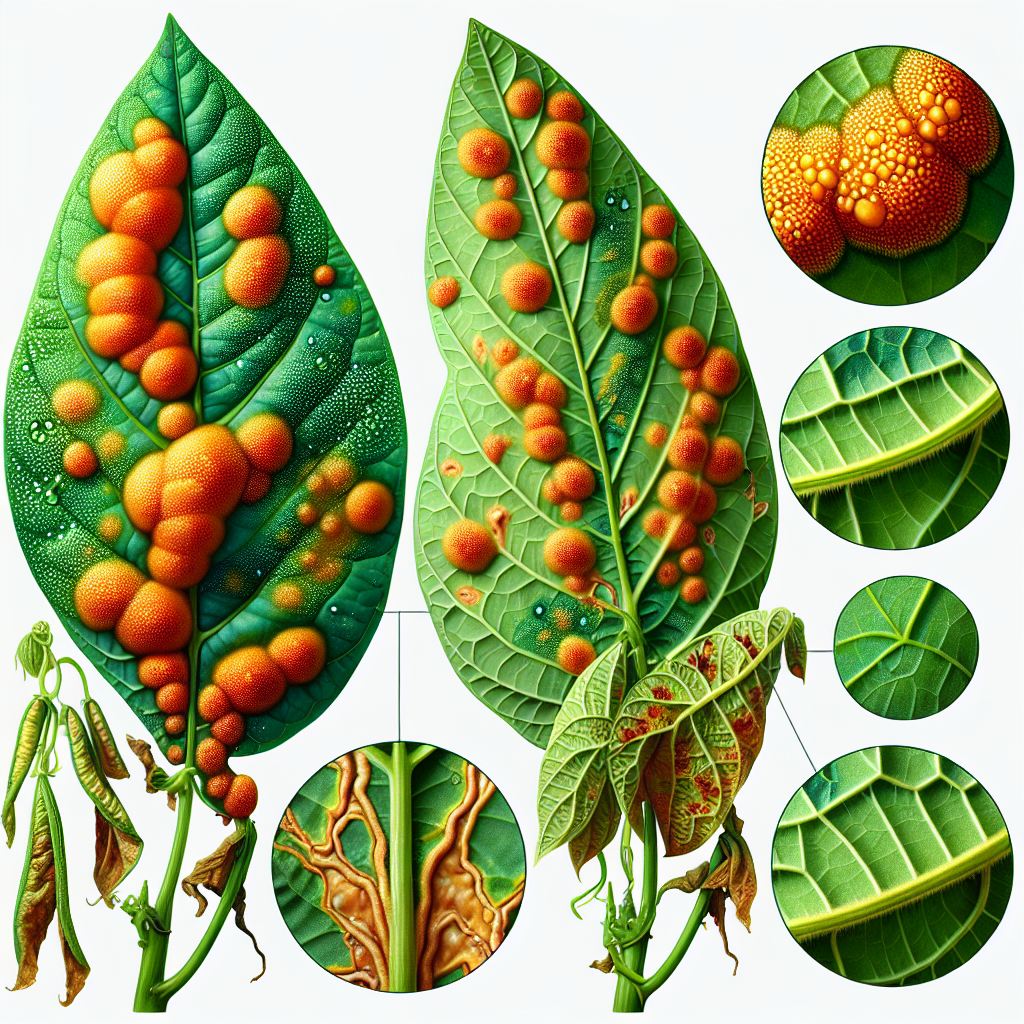
Bean rust
Bean rust is a destructive fungal disease caused by Uromyces appendiculatus that produces distinctive reddish-brown pustules on bean leaves, stems, and pods, leading to severe defoliation and yield losses up to 90% in susceptible varieties. It thrives in warm, humid conditions and can devastate both commercial fields and home gardens. Effective management relies on resistant varieties, cultural practices, and timely organic fungicide applications.
View Profile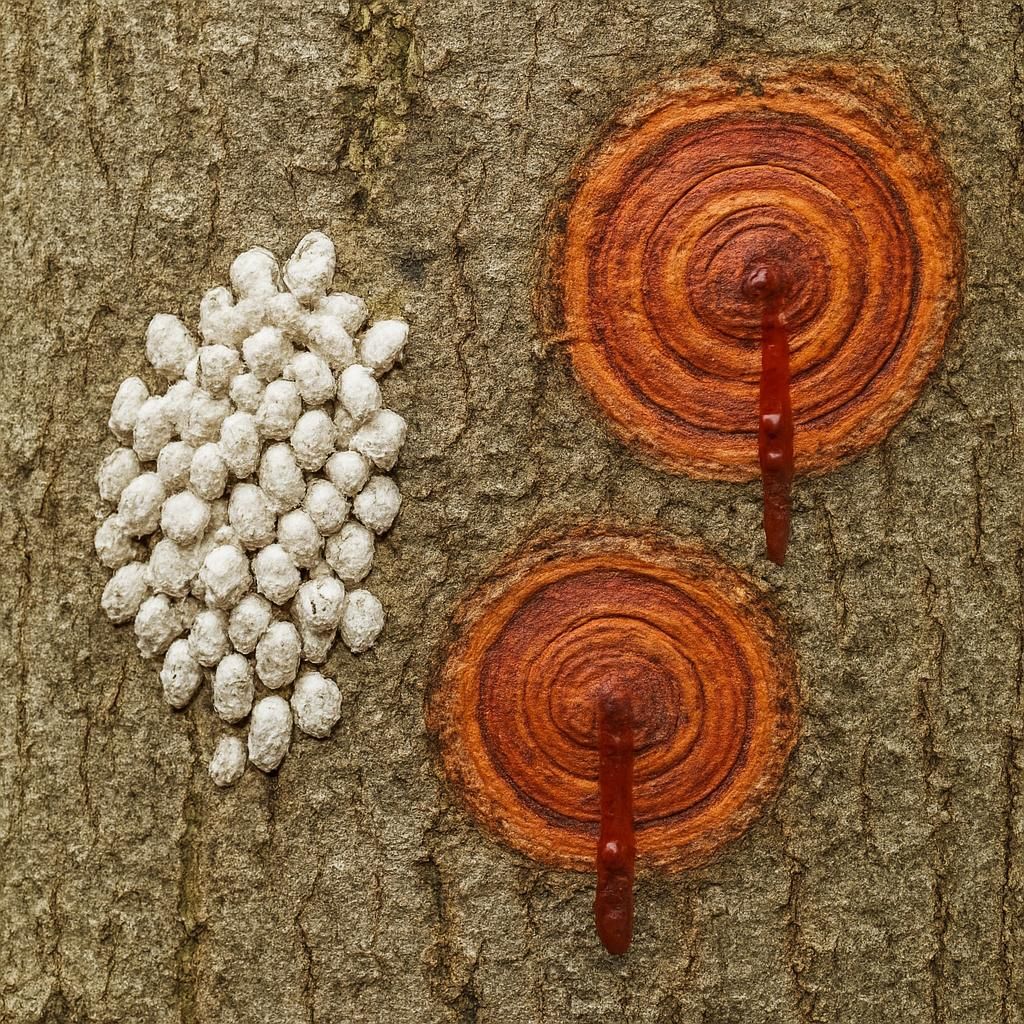
Beech bark disease
Beech bark disease is a lethal complex affecting American beech (Fagus grandifolia) caused by the scale insect Cryptococcus fagisuga and the fungal pathogens Neonectria faginata and Neonectria ditissima. The scale feeds on bark, creating entry points for fungal invasion that results in cankers, girdling, and eventual tree death. This guide covers identification, lifecycle, risk factors, and integrated management strategies for foresters and land managers.
View Profile
Beet necrotic yellow vein virus (BNYVV)
Beet necrotic yellow vein virus (BNYVV) is a soil-borne pathogen causing rhizomania in sugar beets, leading to severe root stunting, yield losses up to 80%, and distinctive yellow veining on leaves. Transmitted primarily by the obligate root parasite Polymyxa betae, it persists in soil for decades, making management challenging. This guide provides diagnostic, organic control, and prevention strategies for affected crops like sugar beets and table beets.
View Profile
Bitter rot
Bitter rot is a destructive fungal disease affecting fruits of stone fruits and apples, caused by Colletotrichum species, leading to sunken lesions and bitter-tasting rotted tissue. It thrives in warm, wet conditions, causing significant post-harvest losses if not managed properly. Effective control relies on cultural practices, sanitation, and targeted organic fungicides.
View Profile
black knot
Black knot is a destructive fungal disease primarily affecting plum and cherry trees, characterized by black, swollen galls on branches and twigs. Caused by the fungus Apiosporina morbosa, it spreads via windborne spores and thrives in cool, wet conditions. Effective management involves early pruning of infected parts and cultural practices to reduce humidity around susceptible crops.
View Profile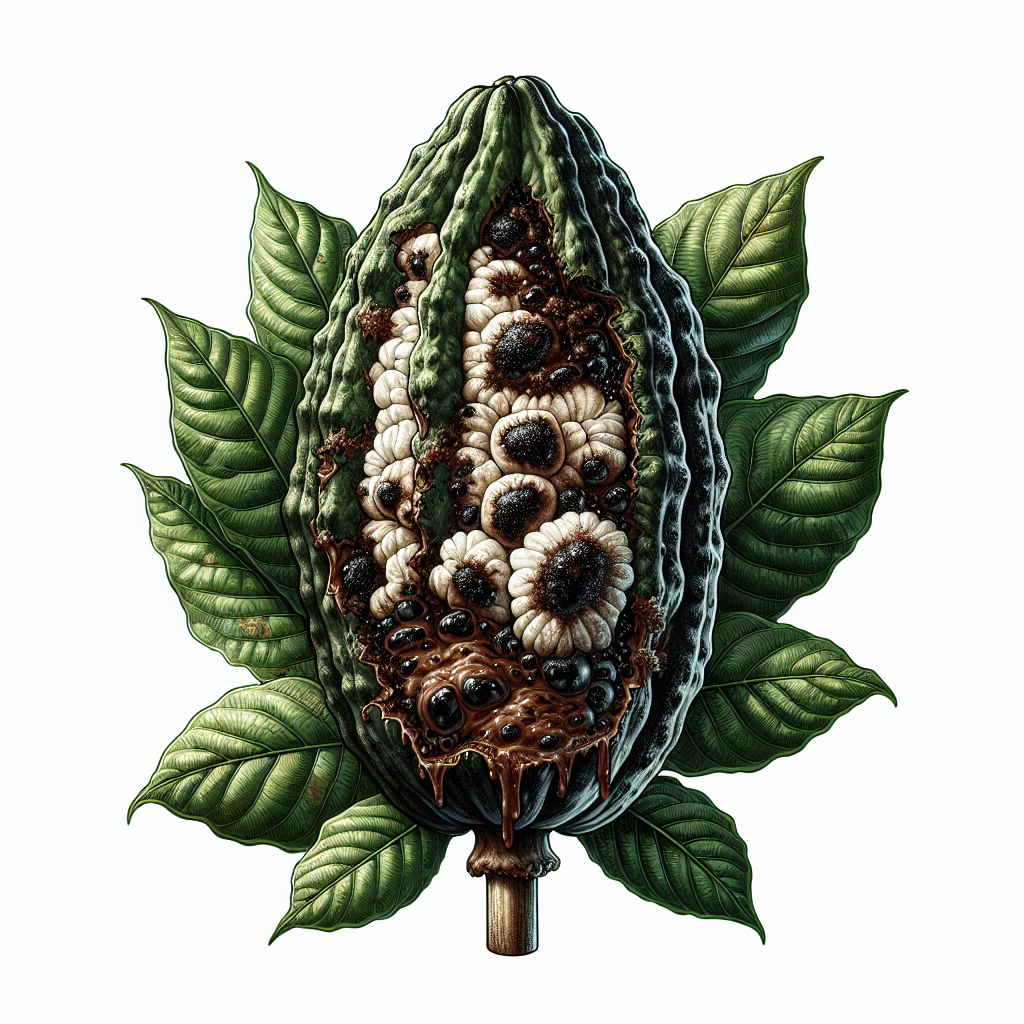
black pod
Black pod is a devastating fungal disease primarily affecting cacao crops, caused by Phytophthora species, leading to pod rot and massive yield losses. Early identification of dark lesions and proper management through sanitation and organic fungicides can mitigate its spread. This guide provides comprehensive diagnostics, organic treatments, and prevention strategies for farmers.
View Profile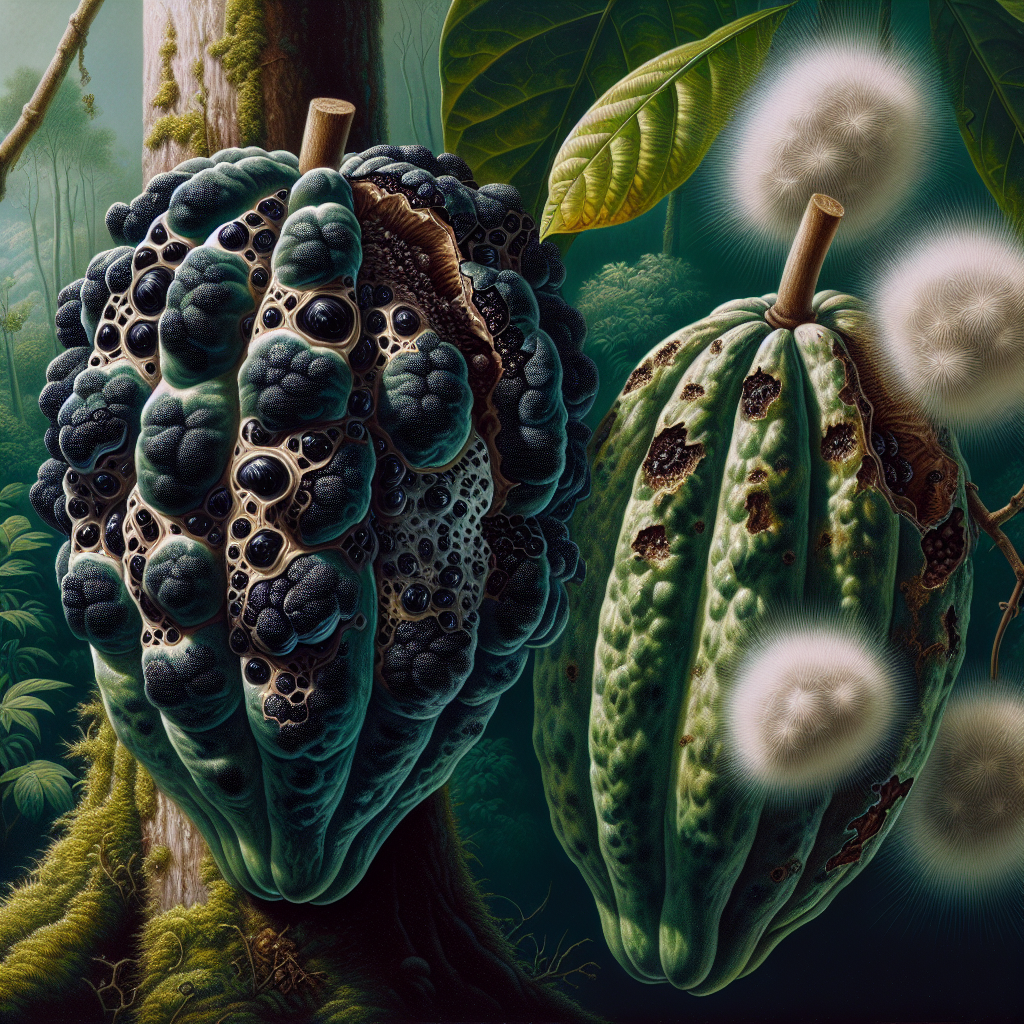
Black pod disease
Black pod disease is a devastating fungal infection primarily affecting cacao trees, caused by Phytophthora species, leading to black lesions on pods and significant yield losses. Early identification of dark spots progressing to pod rot is crucial for management. Organic control relies on cultural practices, resistant varieties, and biocontrol agents to minimize spread in humid tropical environments.
View Profile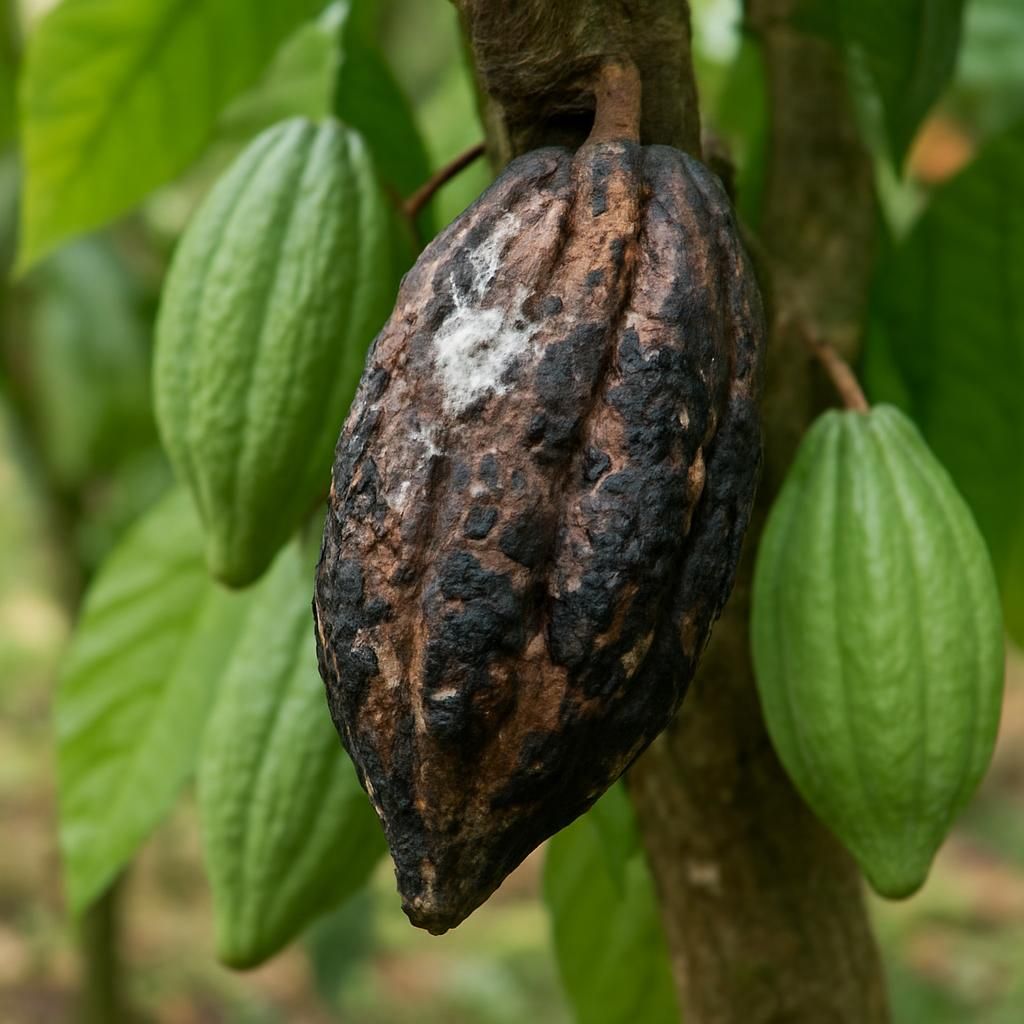
Black pod rot
Black pod rot is a destructive fungal disease primarily affecting cacao but also impacting several tropical crops. Caused by Phytophthora species, it leads to pod decay, yield loss, and tree decline in humid environments. Effective management combines cultural practices, resistant varieties, and targeted treatments.
View Profile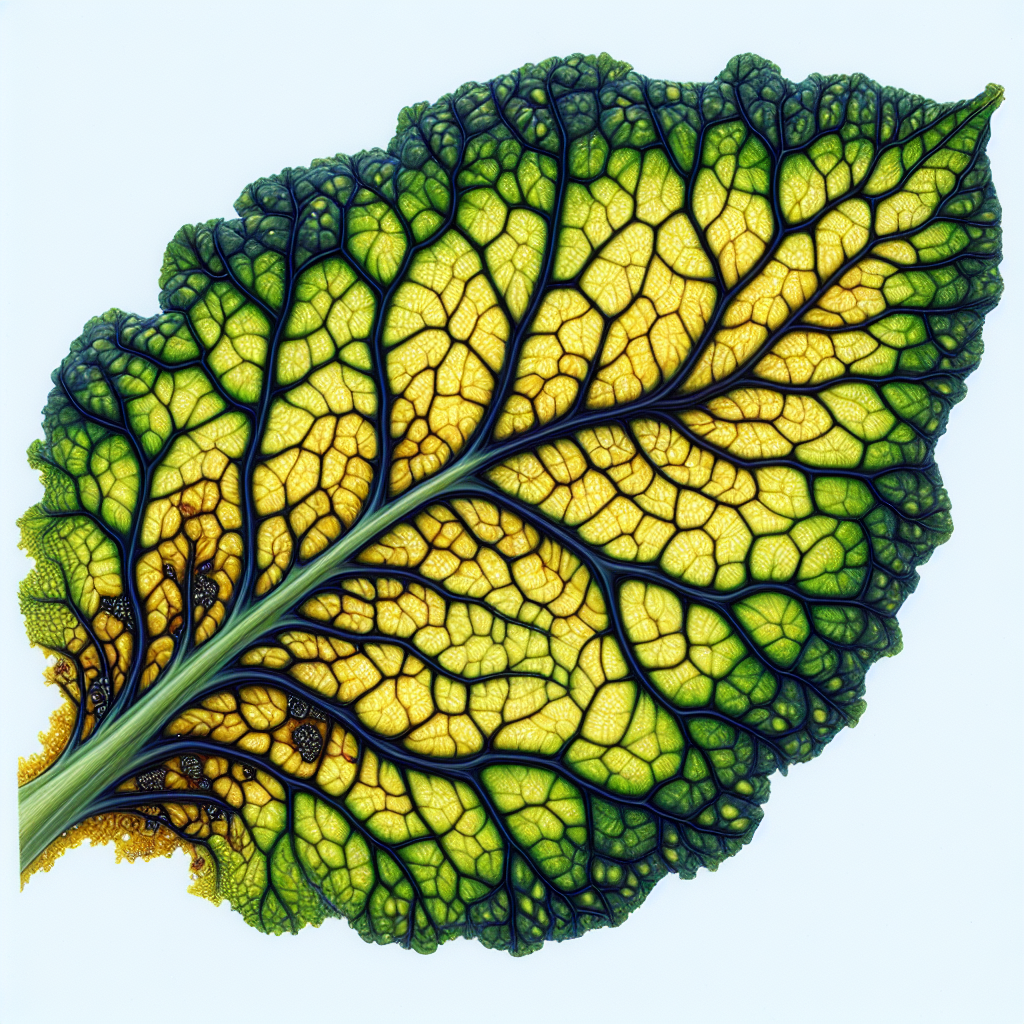
Black rot
Black rot is a devastating bacterial disease primarily affecting cruciferous crops like cabbage, broccoli, and cauliflower, caused by Xanthomonas campestris pv. campestris. It spreads rapidly through contaminated seeds, tools, and splashing water, leading to V-shaped yellow lesions on leaves and blackened vascular tissues. Effective management relies on sanitation, resistant varieties, and crop rotation to prevent widespread crop loss.
View Profile
Black scurf
Black scurf is a common fungal disease caused by Rhizoctonia solani, primarily affecting potato tubers with characteristic black, crusty sclerotia that reduce marketability and promote storage rot. While it rarely kills plants, it causes significant cosmetic damage and yield losses through stem canker and reduced tuber quality. Effective management relies on cultural practices, resistant varieties, and sanitation to minimize its impact on potato crops.
View Profile
black Sigatoka
Black Sigatoka is a devastating fungal leaf spot disease primarily affecting banana plants, caused by Mycosphaerella fijiensis. It leads to reduced photosynthesis, premature leaf drop, and significant yield losses in commercial and small-scale banana plantations. Effective management relies on early detection, cultural practices, and organic fungicides.
View Profile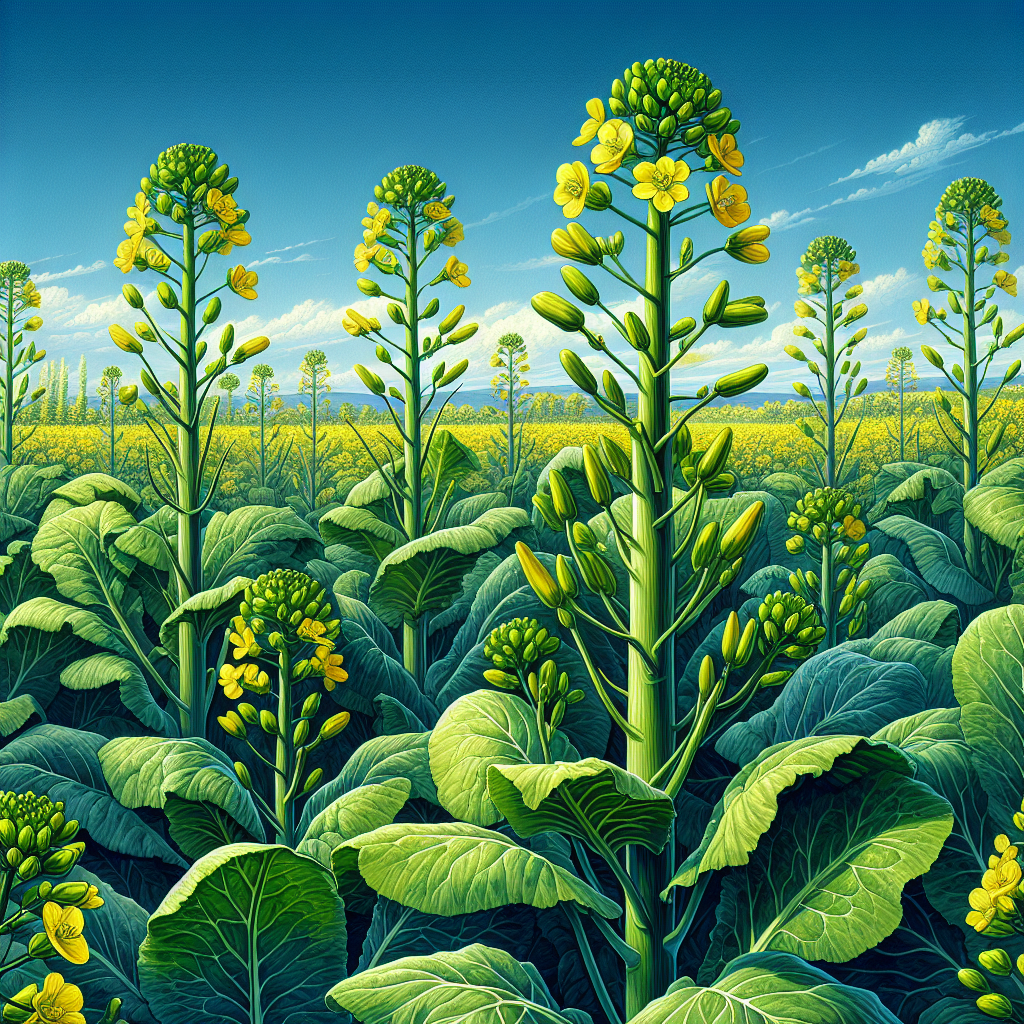
Blackleg
Blackleg, scientifically Brassica napus, is a cool-season oilseed crop renowned for its high-yield potential and resilience in temperate climates. This comprehensive guide covers everything from soil preparation to harvest, empowering farmers to maximize yields while managing common challenges like fungal diseases. Ideal for crop rotation and biodiesel production, blackleg offers versatile agricultural and industrial applications.
View Profile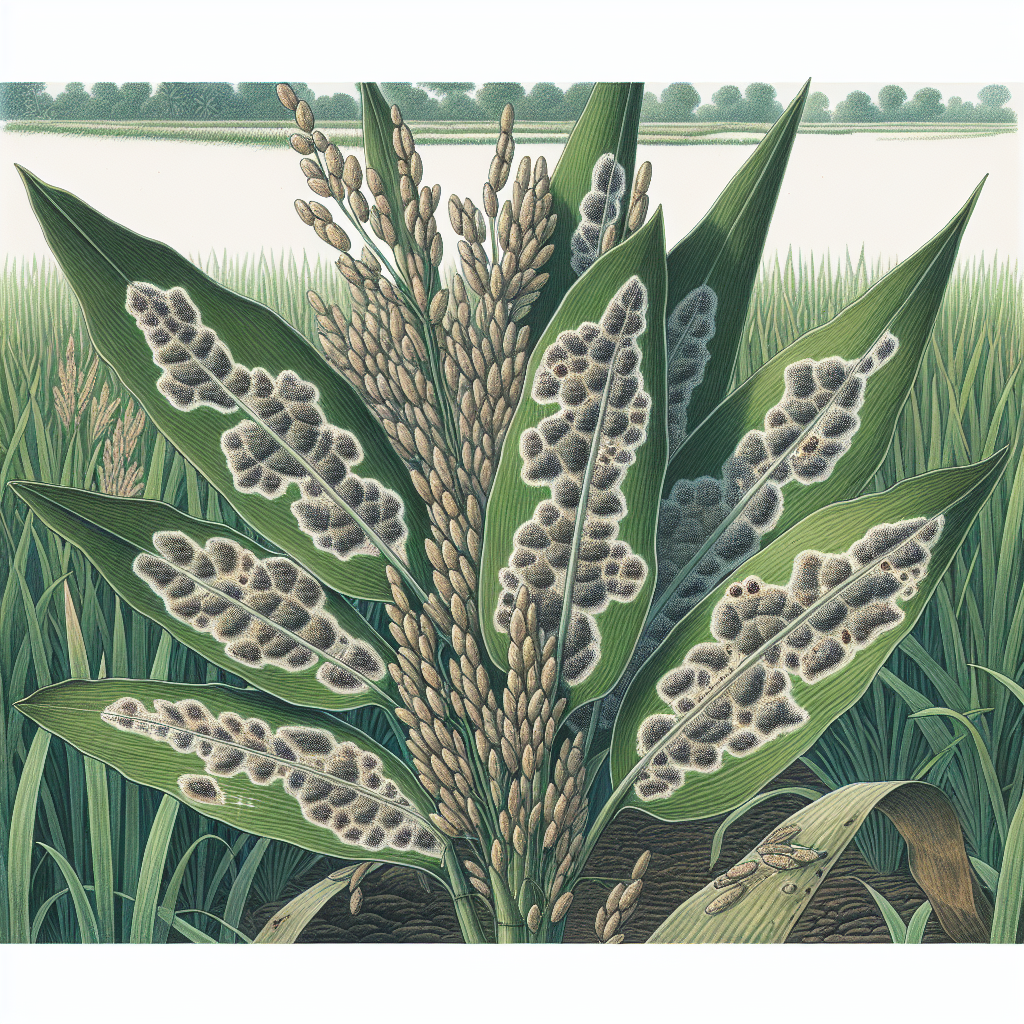
blast
Rice blast is a devastating fungal disease caused by Pyricularia oryzae, affecting rice and other grasses, leading to significant yield losses worldwide. It manifests as characteristic diamond-shaped lesions on leaves, nodes, and panicles, thriving in warm, humid conditions. Effective management combines resistant varieties, cultural practices, and targeted organic fungicides for sustainable control.
View Profile
Blight
Blight is a resilient root crop prized for its nutrient-dense tubers and exceptional disease resistance, making it ideal for organic farming. Thriving in cool, moist climates similar to potatoes, it offers high yields with minimal inputs. This guide provides expert techniques for maximum productivity.
View Profile
blister blight
Blister blight is a devastating fungal disease primarily affecting tea plants, caused by Exobasidium vexans, leading to characteristic blister-like lesions on leaves that reduce photosynthesis and yield. Early detection through silvery-white blisters progressing to brown necrotic spots is crucial for management. Organic control relies on cultural practices, copper-based fungicides, and resistant cultivars, with prevention focusing on humidity reduction and sanitation.
View Profile
Blossom Blight
Blossom blight is a devastating fungal disease caused by Monilinia species that primarily attacks the blossoms of stone fruits and other flowering crops, leading to rapid flower death and significant yield losses. It thrives in cool, wet spring conditions and can spread quickly through spores, often resulting in brown, shriveled blossoms and potential twig blight. Effective management relies on cultural practices, organic fungicides, and resistant varieties to protect vulnerable crops.
View Profile
Blossom brown rot
Blossom brown rot is a destructive fungal disease primarily affecting stone fruit trees during flowering, caused by Monilinia species, leading to rapid blighting of blossoms and potential crop loss. It thrives in cool, wet conditions and can spread to shoots, twigs, and developing fruit. Effective management relies on cultural practices, sanitation, and targeted organic fungicides for prevention and control.
View Profile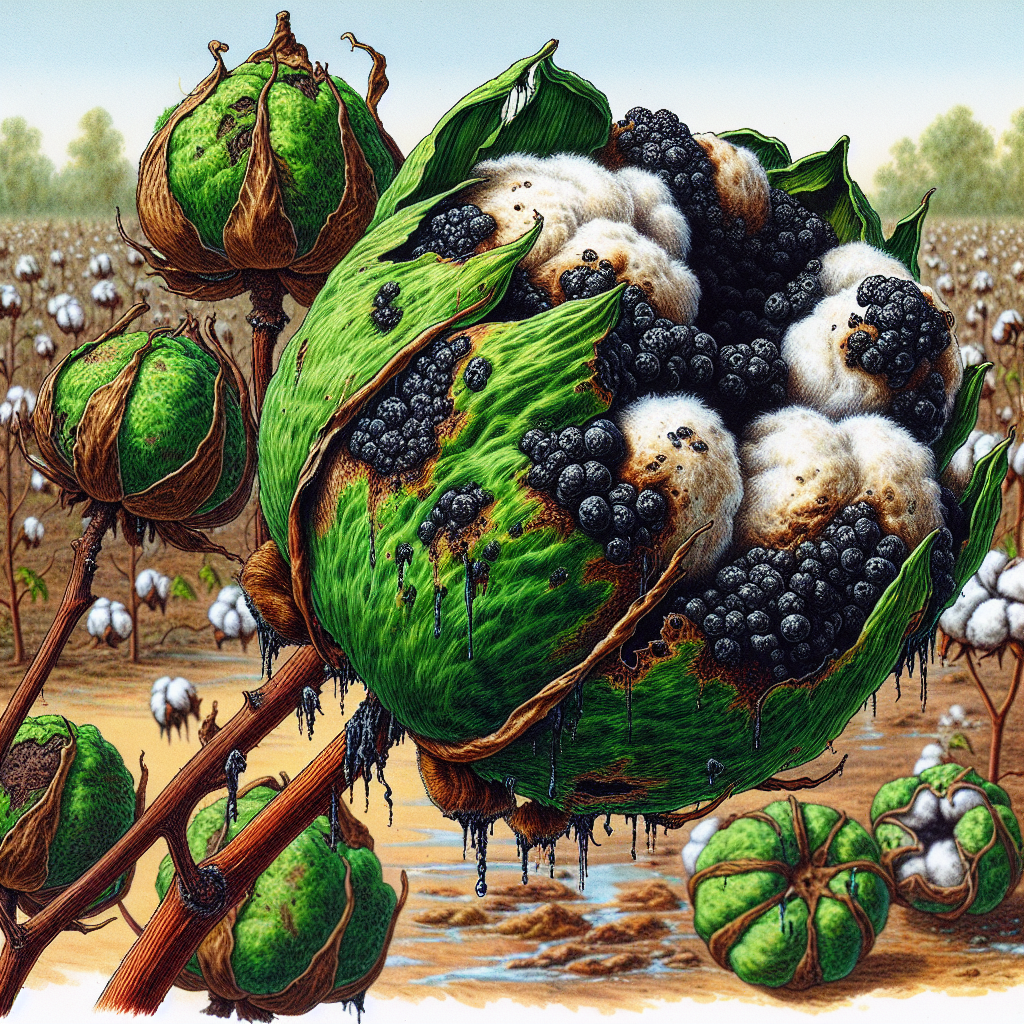
Boll rot
Boll rot is a devastating fungal disease primarily affecting cotton crops, causing the decay of developing bolls and leading to significant yield losses. Caused by pathogens like Phytophthora and Diplodia, it thrives in warm, wet conditions, turning healthy bolls into soft, rotted masses filled with fungal growth. Effective management relies on cultural practices, resistant varieties, and timely fungicide applications to protect fiber quality and harvest volumes.
View Profile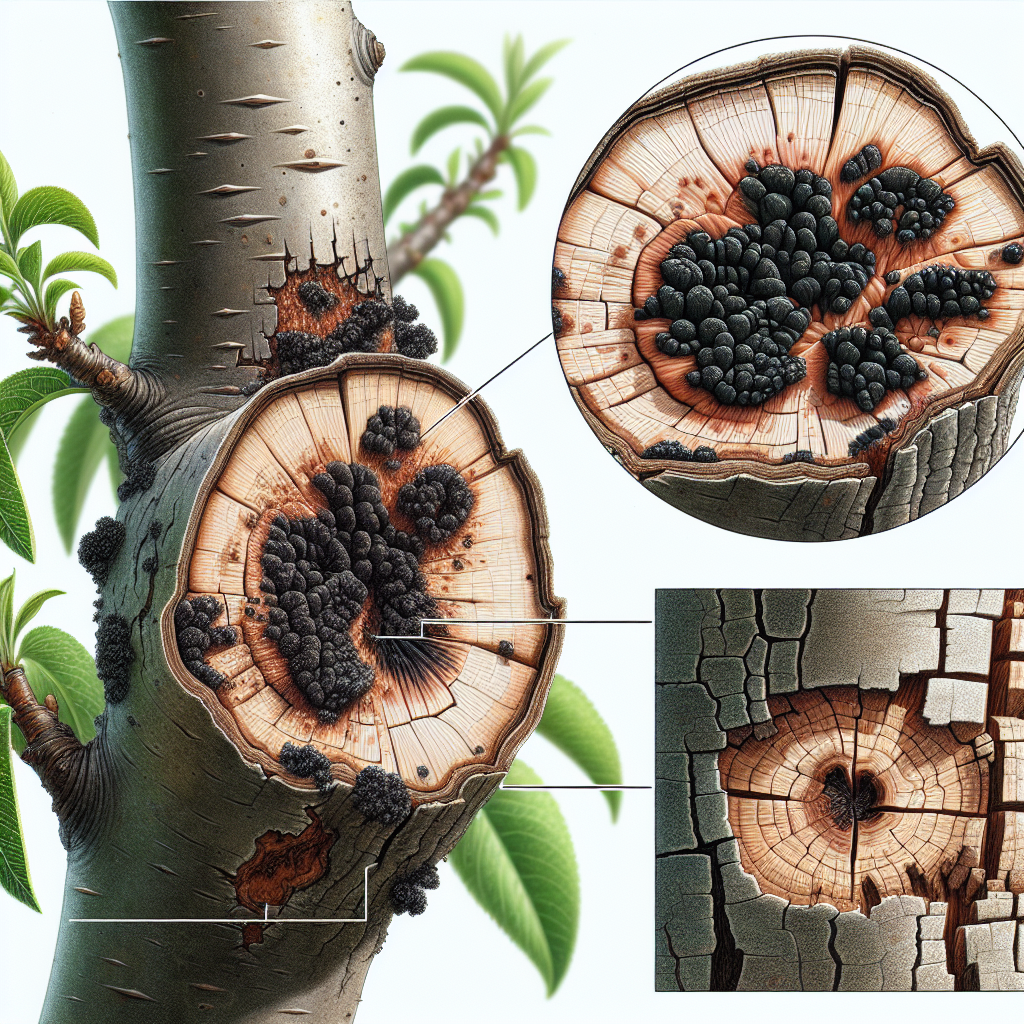
Botryosphaeria cankers
Botryosphaeria cankers are devastating fungal diseases caused by Botryosphaeria species that infect woody plants, leading to branch dieback, cankers, and plant decline. They thrive under stress conditions like drought and wounding, making early diagnosis and cultural management essential for control. This guide provides comprehensive strategies for identification, organic treatment, and prevention to protect high-value crops.
View Profile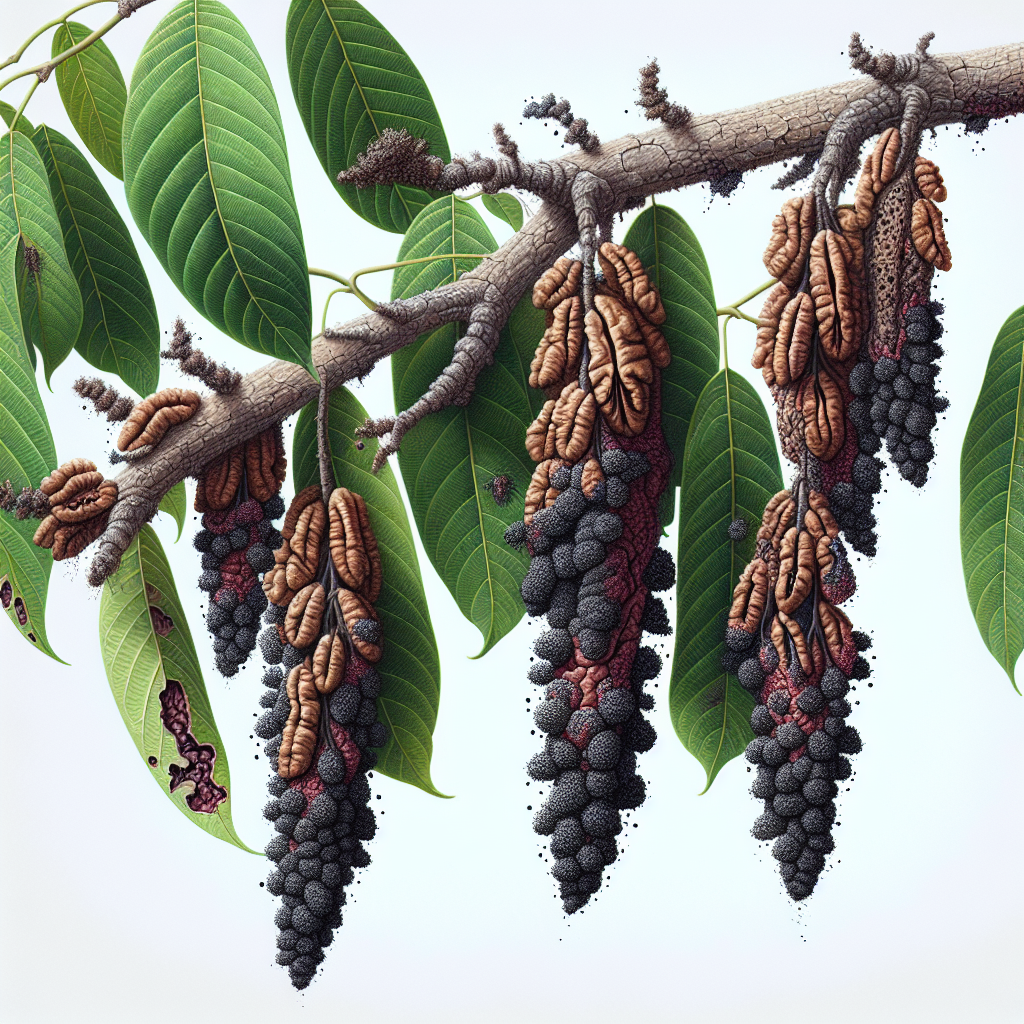
Botryosphaeria panicle and shoot blight
Botryosphaeria panicle and shoot blight is a destructive fungal disease affecting panicles, shoots, and branches of various fruit and nut trees, leading to significant yield losses. Caused by Botryosphaeria species, it thrives in stressed plants under warm, wet conditions. This guide provides comprehensive diagnostics, organic management strategies, and prevention tips for affected crops.
View Profile
Botrytis
Botrytis cinerea, commonly known as Botrytis or gray mold, is a ubiquitous fungal pathogen causing significant losses in fruits, vegetables, and ornamentals worldwide. It thrives in cool, humid conditions, producing characteristic gray fuzzy spores that rapidly spread through crops. Effective management combines cultural practices, organic treatments, and vigilant prevention to minimize its devastating impact on yields.
View Profile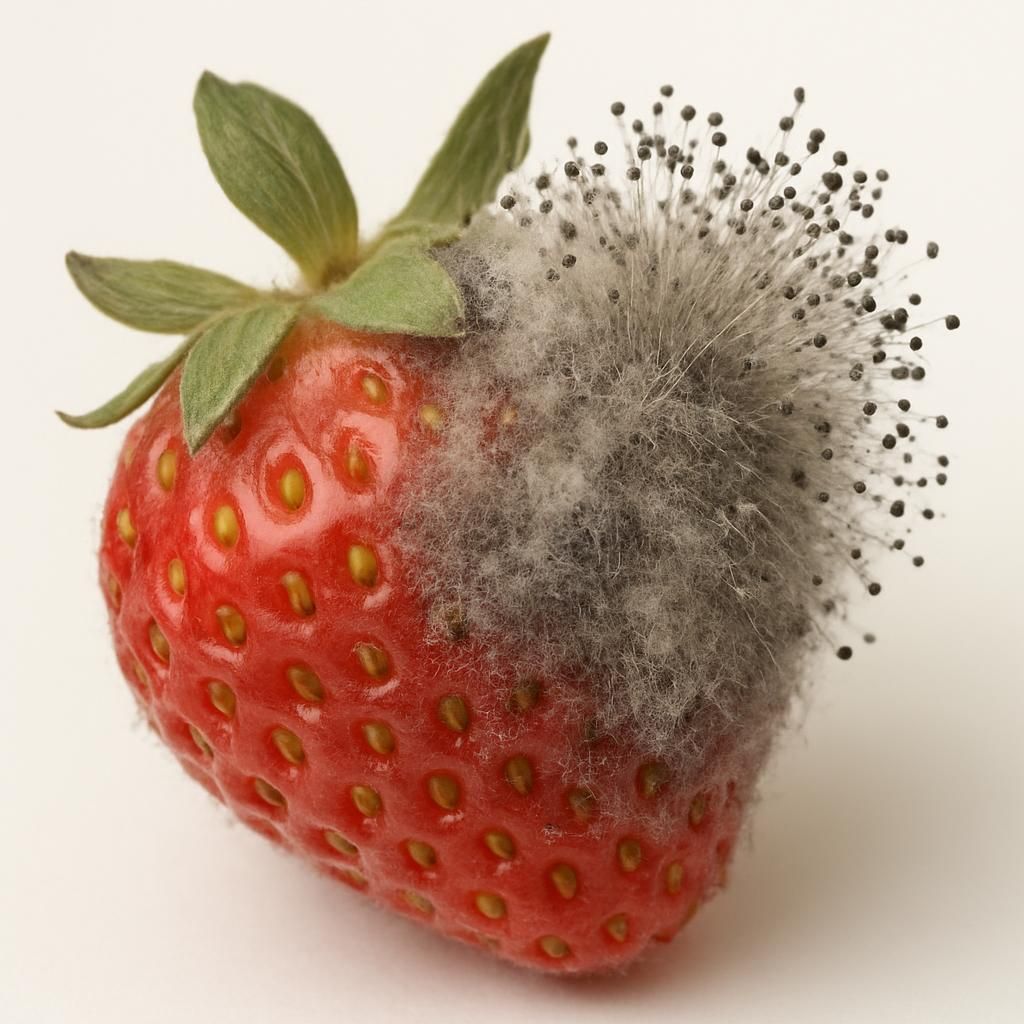
Botrytis blight
Botrytis blight, caused by the fungus Botrytis cinerea, is a widespread disease affecting numerous crops by producing gray fuzzy mold on infected tissues, leading to rapid decay and significant yield losses. Known as gray mold in many contexts, it thrives in cool, humid conditions and spreads via spores, making early detection and cultural management essential for control. This guide provides comprehensive diagnostic symptoms, lifecycle details, organic treatments, and prevention strategies for farmers.
View Profile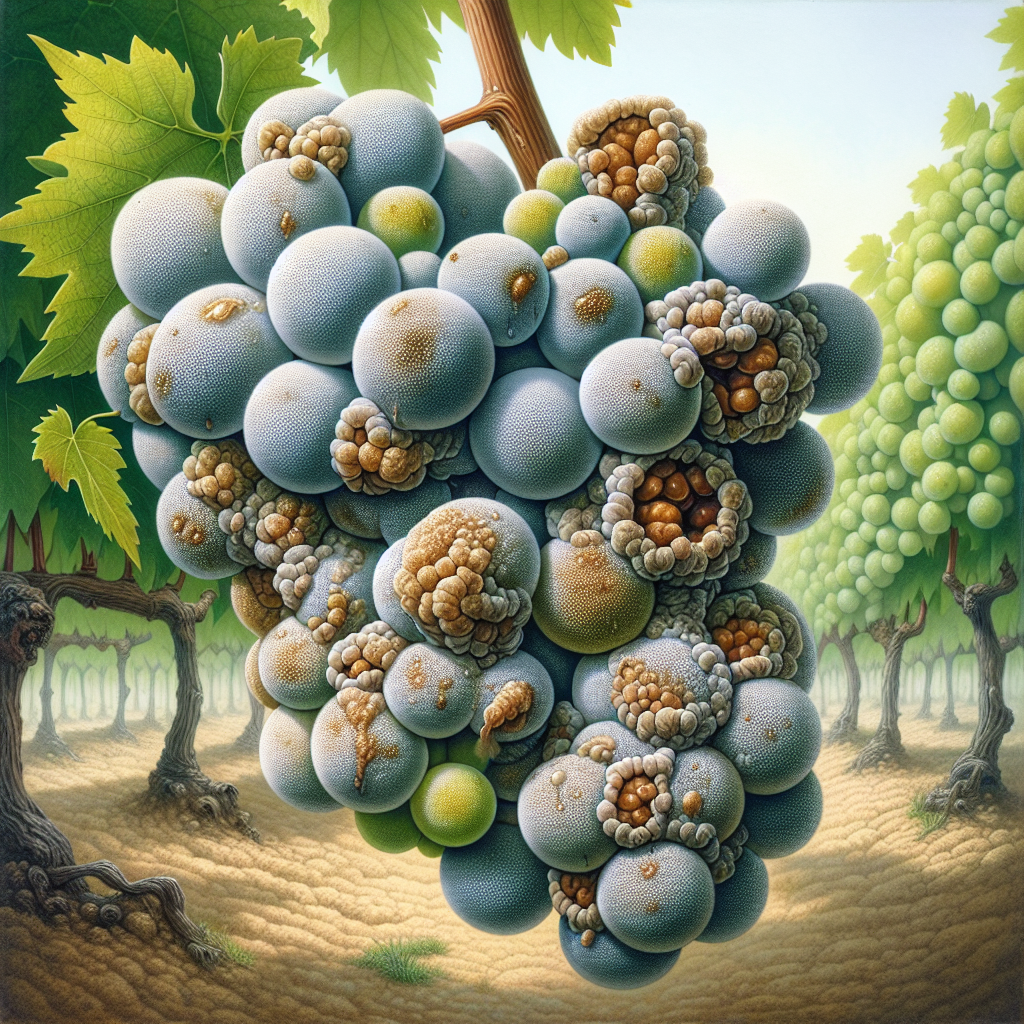
Botrytis bunch rot
Botrytis bunch rot, caused by the fungus Botrytis cinerea, is a devastating disease primarily affecting grapevines, leading to gray mold on bunches and significant yield losses. It thrives in cool, humid conditions, spreading rapidly during wet weather near harvest. Effective management combines cultural practices, organic treatments, and vigilant monitoring for prevention.
View Profile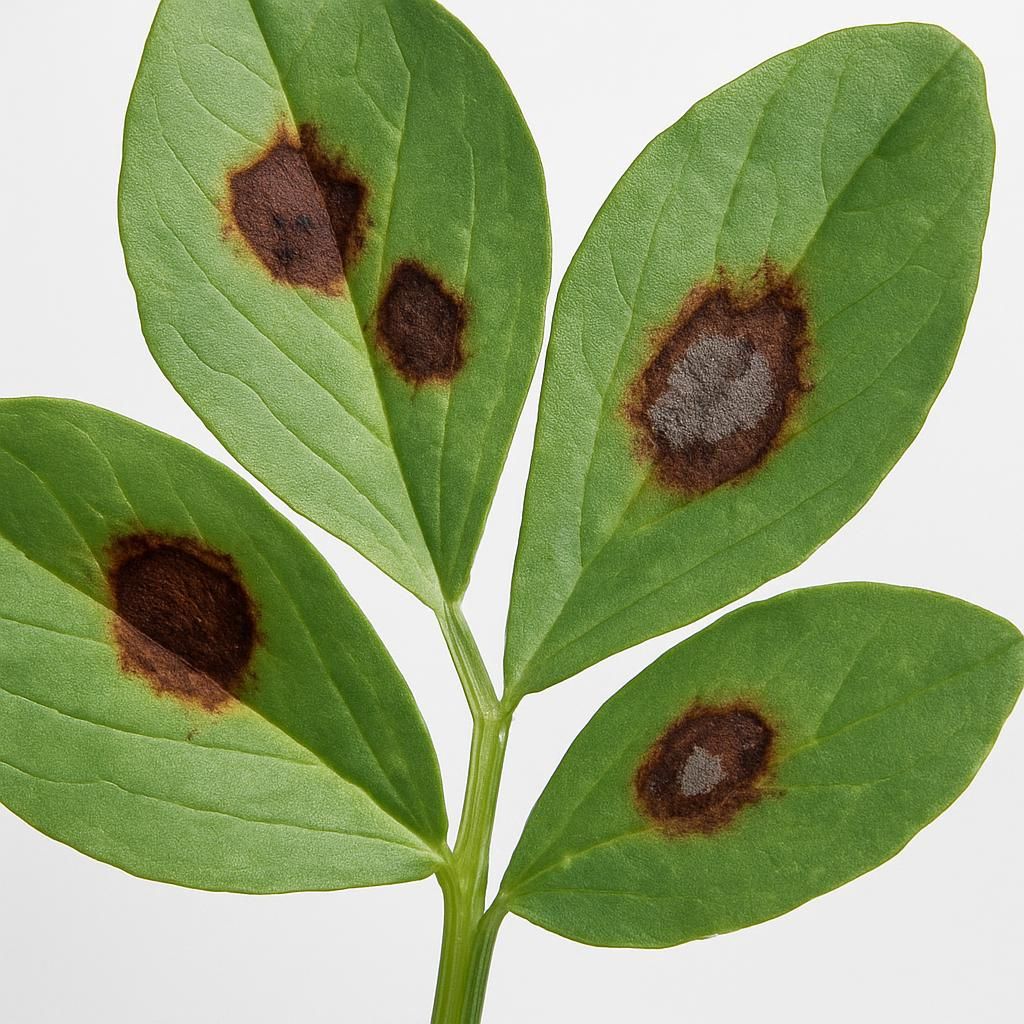
Botrytis fabae
Botrytis fabae is a fungal pathogen causing chocolate spot disease primarily on faba beans and other legumes, leading to leaf lesions, stem cankers, and pod rot that can significantly reduce yields. Effective management relies on cultural practices, resistant varieties, and timely fungicide applications when environmental conditions favor disease development. This guide provides professional diagnostic criteria, lifecycle details, and integrated control strategies for sustainable production.
View Profile