Encyclopedia
Definitive guides for crops, pests, and agricultural diseases.
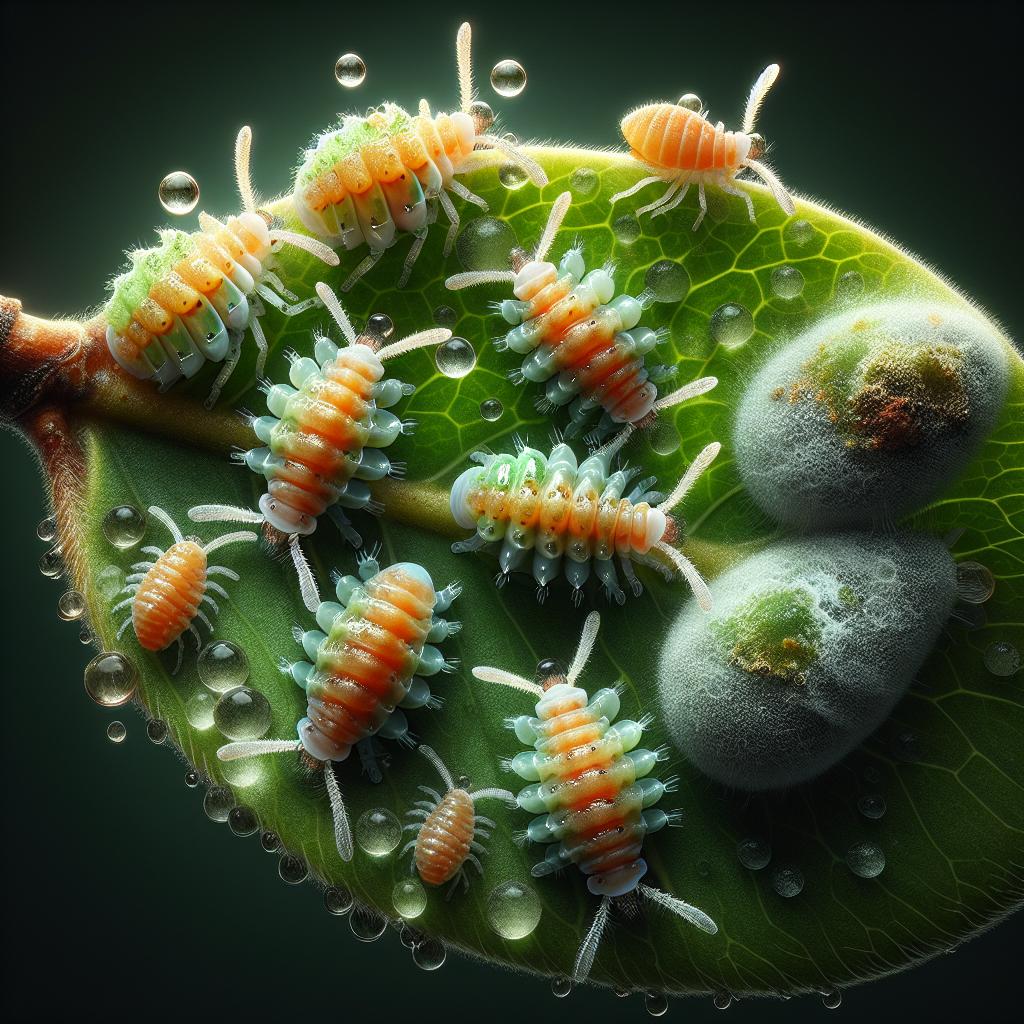
pear psylla
Pear psylla (Cacopsylla pyricola) is a pervasive sap-feeding pest that severely impacts pear orchards by causing honeydew excretion, sooty mold, and premature leaf drop. Effective management requires vigilant monitoring, organic treatments like insecticidal soaps, and cultural practices to disrupt its multivoltine lifecycle. This guide provides comprehensive diagnostics, organic controls, and prevention strategies for sustainable pear production.
View Profile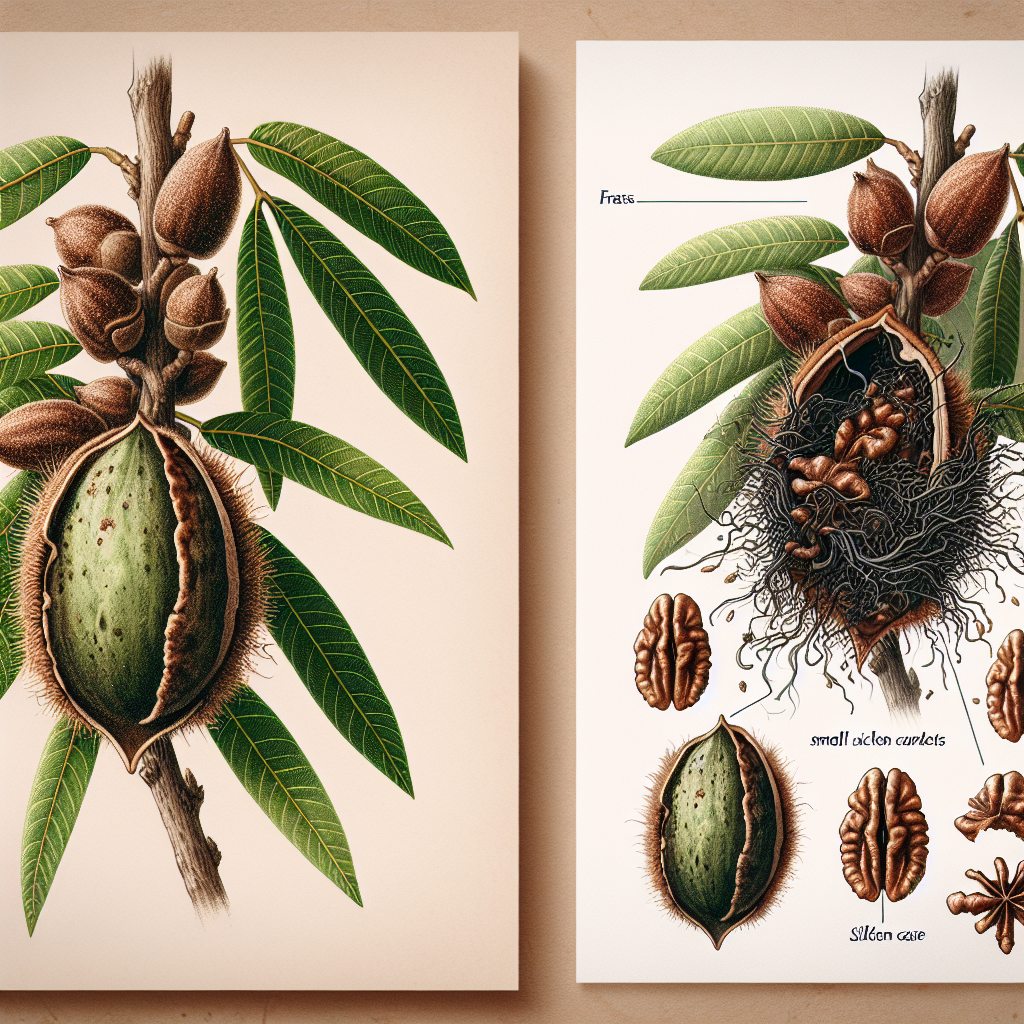
pecan nut casebearer
The pecan nut casebearer is a destructive moth pest targeting developing pecan nuts, causing significant crop losses in orchards across the southern U.S. Larvae bore into nuts, feeding on the kernel and leading to premature nut drop. Effective management relies on monitoring, timely organic sprays, and cultural practices to disrupt its lifecycle.
View Profile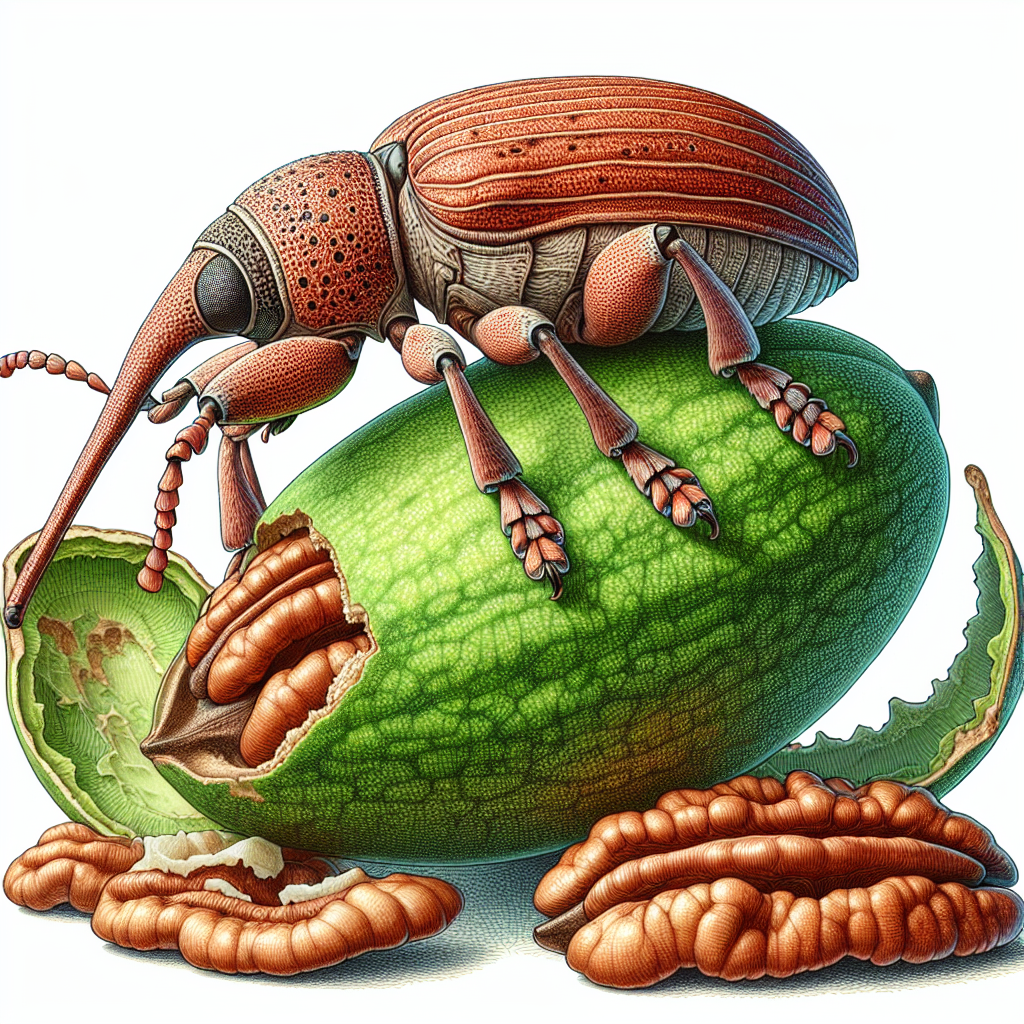
Pecan Weevil
The pecan weevil (Curculio caryae) is a major pest of pecan orchards, causing significant nut damage through larval feeding inside developing kernels. Adult weevils emerge in late summer, lay eggs in nuts, and larvae feed and drop to the soil for pupation. Effective management combines monitoring, sanitation, and targeted organic controls to protect yields.
View Profile
Pepper maggots
Pepper maggots are the destructive larvae of the pepper maggot fly (Zonosemata vittigera), a pest that infests peppers and related crops by boring into fruits and stems. They cause significant yield losses through internal feeding damage, leading to fruit drop and rot. Effective management combines early detection, organic controls, and cultural practices for long-term prevention.
View Profile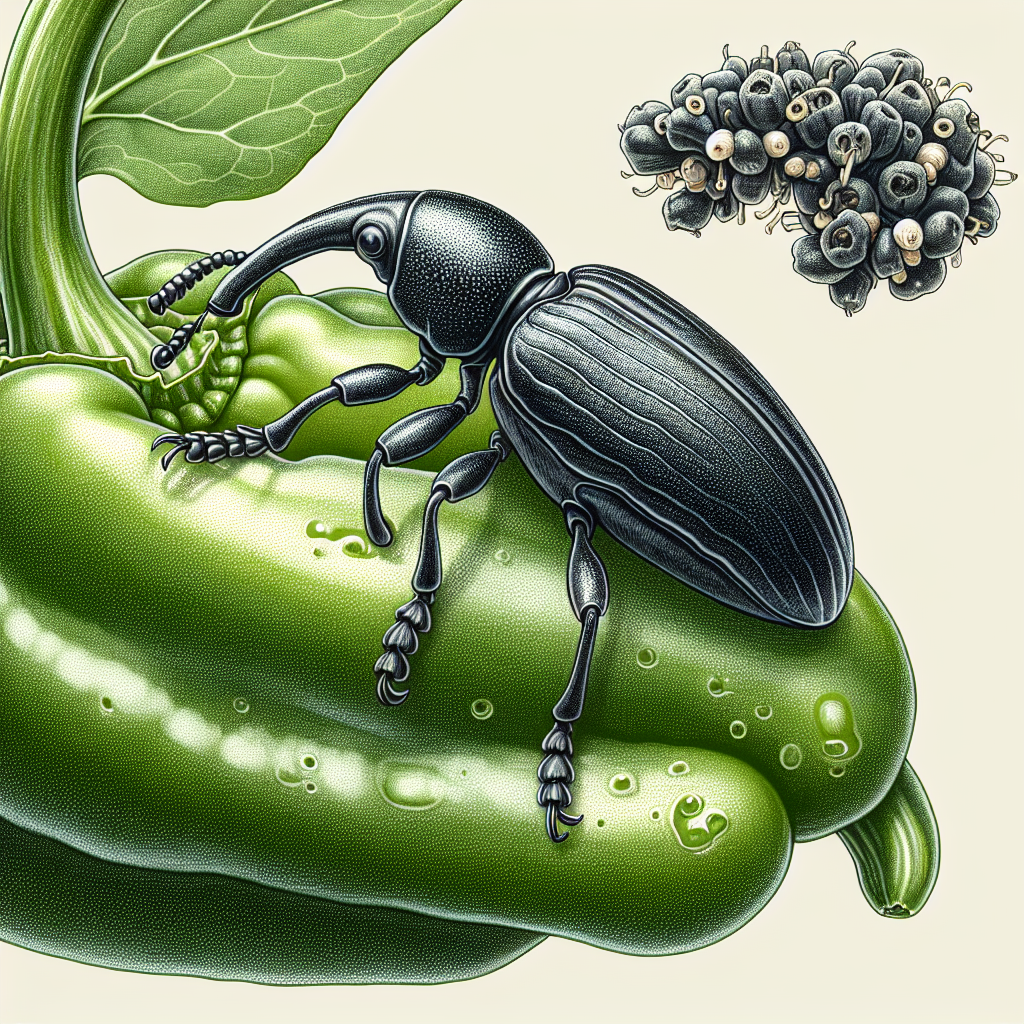
Pepper weevil
The pepper weevil is a devastating pest targeting peppers and related crops, causing significant yield losses through larval feeding inside fruits and stems. Native to Mexico and Central America, it has spread to the southern U.S., where it infests bell peppers, jalapeños, and other Capsicum species. Effective management combines cultural practices, organic controls, and vigilant monitoring to protect harvests.
View Profile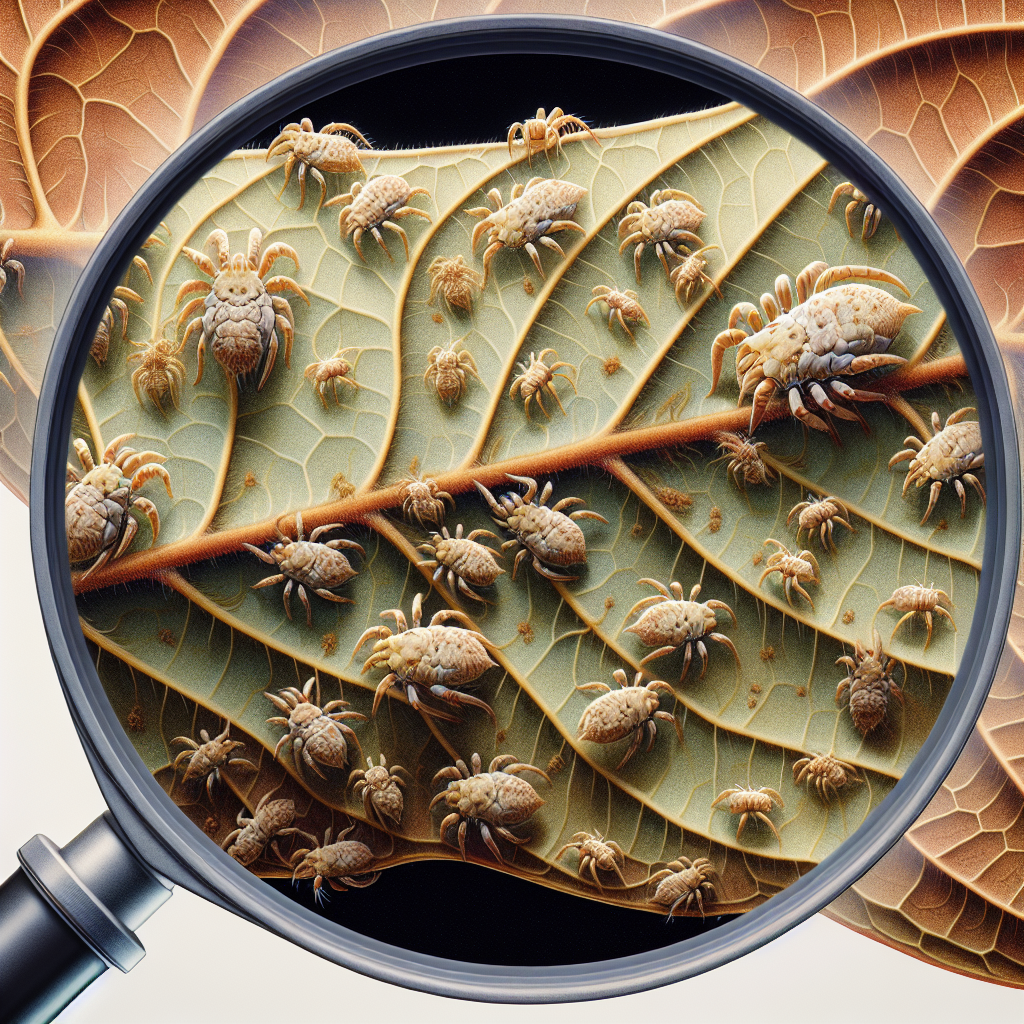
Persea mite
The Persea mite (Oligonychus perseae) is a microscopic pest that targets avocado leaves, causing bronzing and defoliation that severely impacts tree health and fruit yield. Native to Central America, it has become a major threat in California avocado groves since the 1990s. Effective management relies on early detection, organic treatments like sulfur, and cultural practices to minimize outbreaks.
View Profile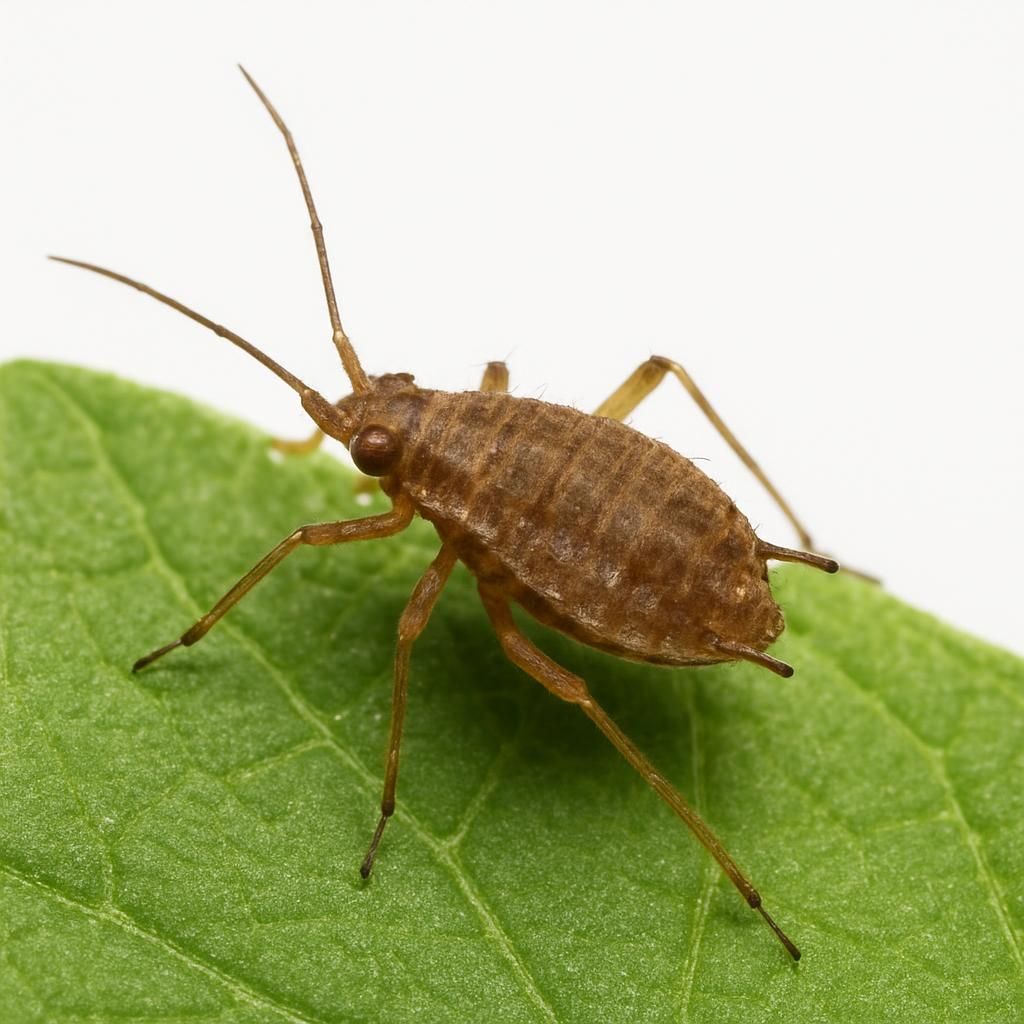
pest
A broad-spectrum agricultural pest affecting multiple crops through direct feeding, sap extraction, and disease transmission. Early identification and integrated management are essential to minimize yield loss and maintain plant health.
View Profile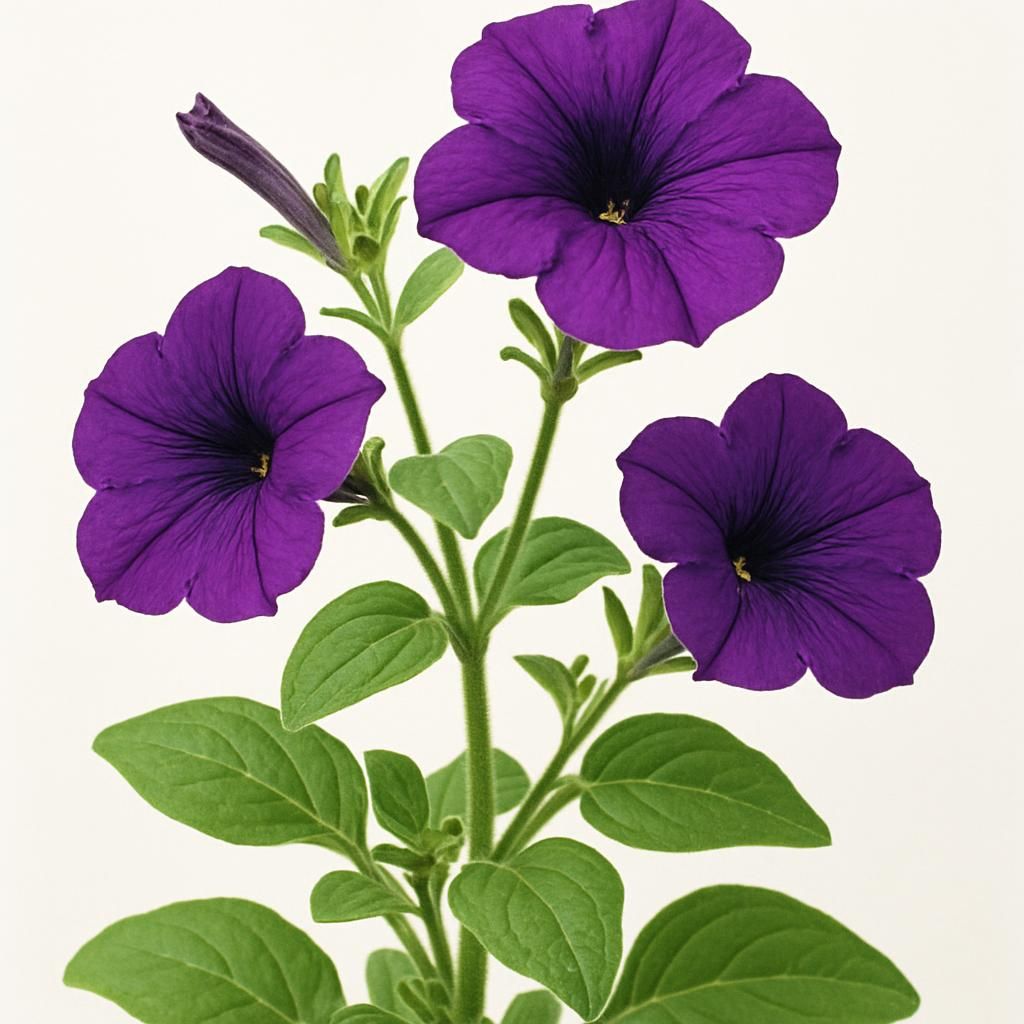
Petunias
Petunias are not a traditional agricultural pest but rather a popular ornamental crop; this guide treats them as a model system for diagnosing and managing common garden and greenhouse issues affecting flowering annuals. The content covers symptom identification, lifecycle stages, environmental triggers, organic treatment tables, prevention strategies, and the crops most frequently impacted when similar pests or diseases spread from petunia plantings.
View Profile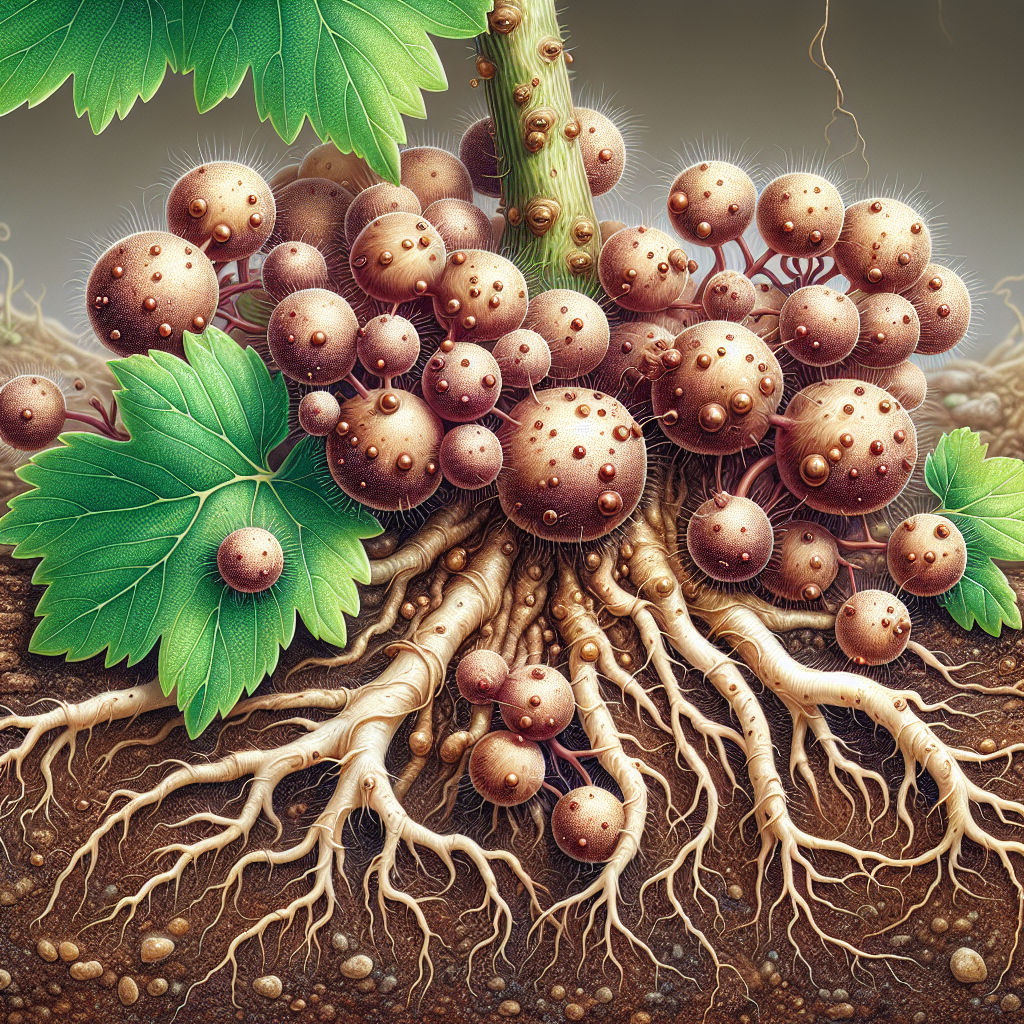
Phylloxera
Phylloxera is a microscopic sap-sucking insect that devastates grapevines by feeding on roots, causing galls and disrupting nutrient uptake. Native to North America, it nearly destroyed European viticulture in the 19th century but can be managed through resistant rootstocks and vigilant monitoring. This guide provides diagnostic symptoms, lifecycle details, organic controls, and prevention strategies for growers.
View Profile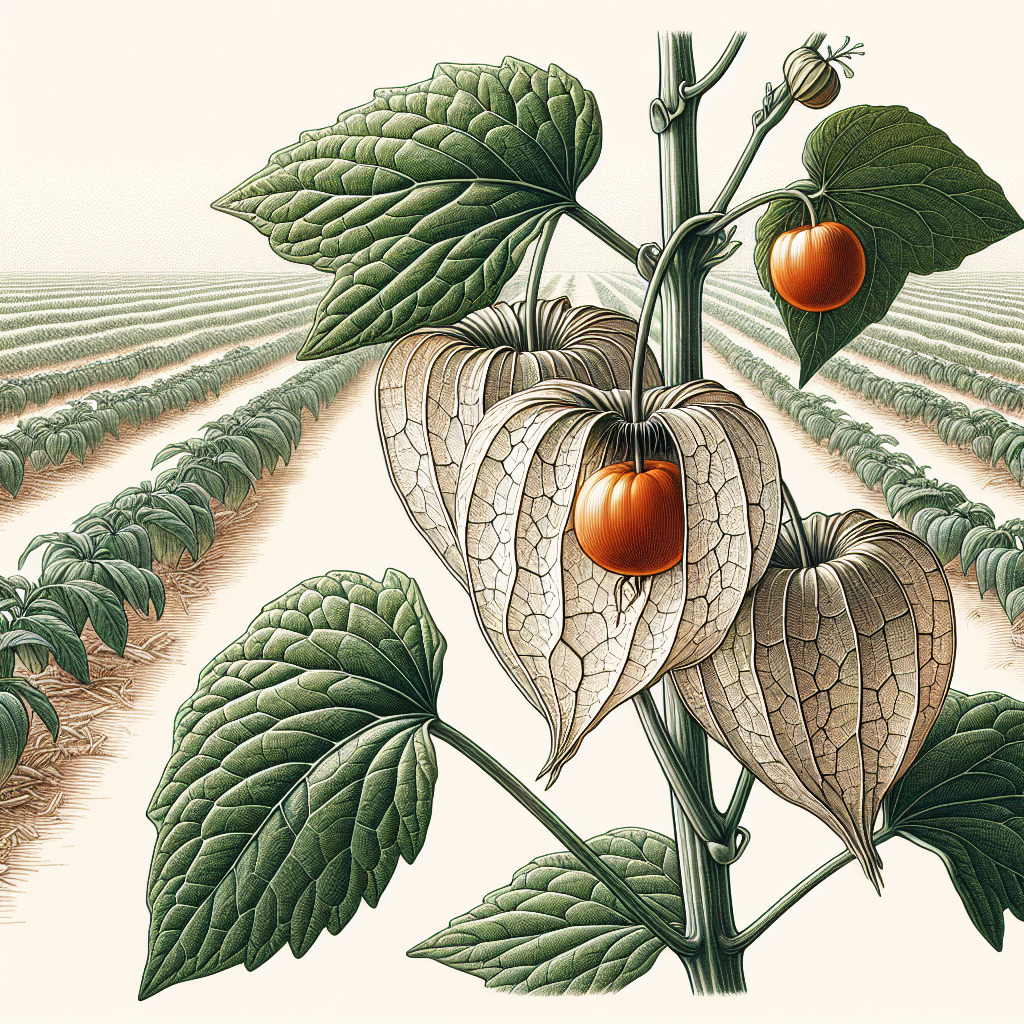
Physalis Weed
Physalis, commonly known as groundcherry or cape gooseberry, is a highly invasive annual or short-lived perennial weed that aggressively competes with crops for resources in warm-season agriculture. Its sprawling growth, persistent seed production, and allelopathic effects make it a formidable pest in vegetable and grain fields. This guide provides definitive diagnostic, lifecycle, and organic management strategies to control physalis infestations effectively.
View Profile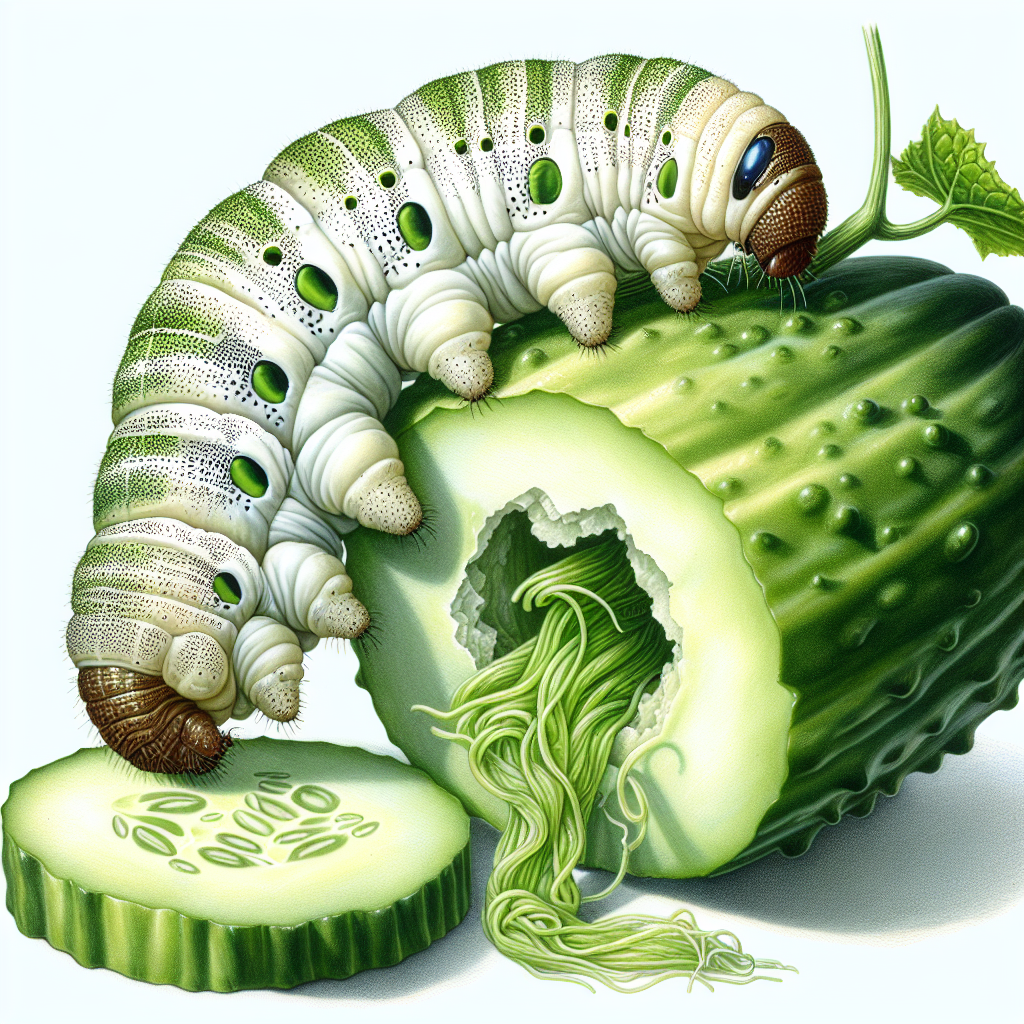
pickleworms
Pickleworms are the destructive larvae of the pickleworm moth, notorious for boring into fruits and buds of cucurbit crops like cucumbers, squash, and melons. This guide provides comprehensive diagnostics, lifecycle insights, organic management strategies, and prevention tactics to safeguard your harvest. Learn to identify early damage and implement effective controls for healthier yields.
View Profile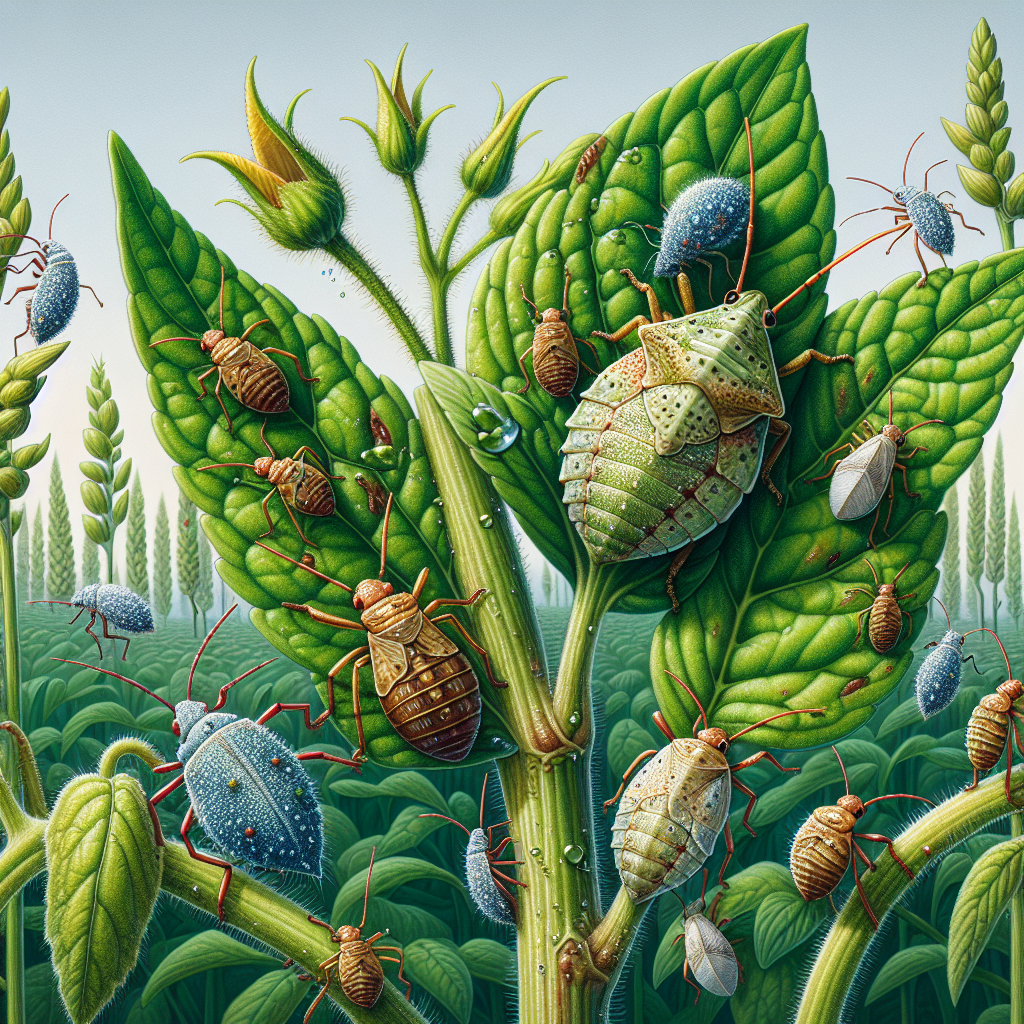
piercing-sucking bugs
Piercing-sucking bugs are a diverse group of insects that damage crops by penetrating plant tissues with specialized mouthparts to extract sap, leading to wilting, stunted growth, and disease transmission. Common examples include aphids, whiteflies, leafhoppers, stink bugs, and plant bugs. Effective management combines cultural practices, biological controls, and organic treatments for sustainable agriculture.
View Profile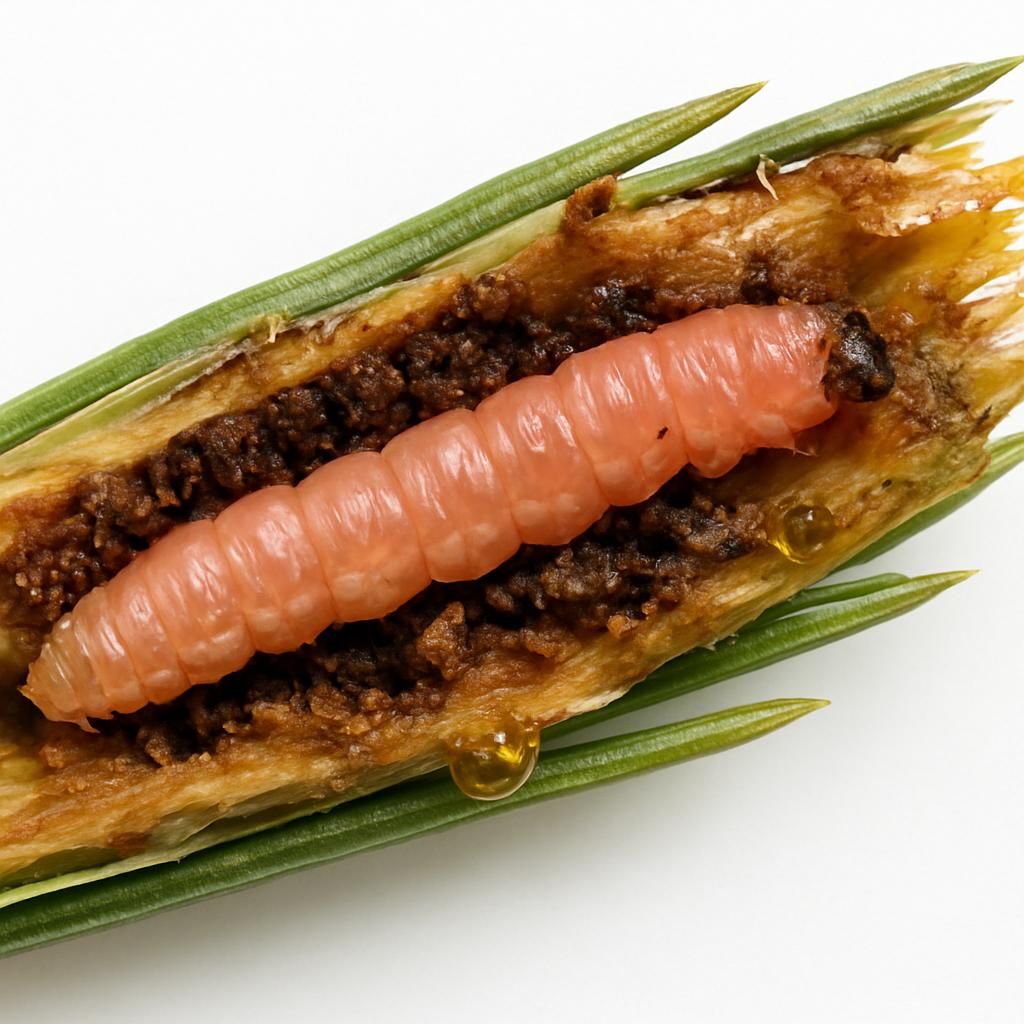
pine tip moth
Pine tip moths are key lepidopteran pests of young pine plantations that damage terminal and lateral shoots, causing stunted growth and deformed leaders. Early detection through symptom scouting and timely targeted interventions are essential for protecting timber value and tree form. Integrated management combines cultural, biological, and selective chemical options.
View Profile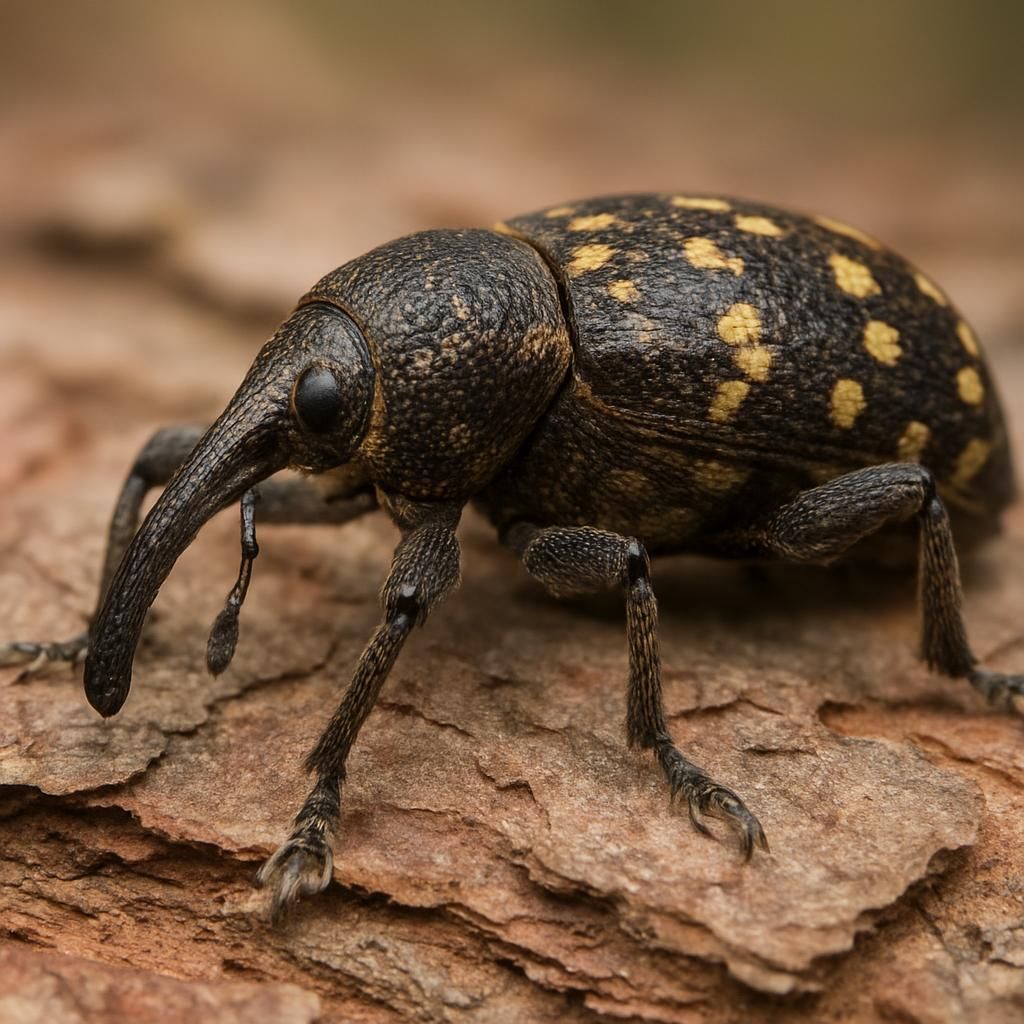
Pine weevils
Pine weevils are destructive bark beetles that primarily attack coniferous seedlings and young trees, causing significant economic losses in forestry and Christmas tree plantations. Their larvae feed on roots and the inner bark, leading to girdling, wilting, and plant death. Effective management requires integrated strategies combining cultural, biological, and targeted chemical controls.
View Profile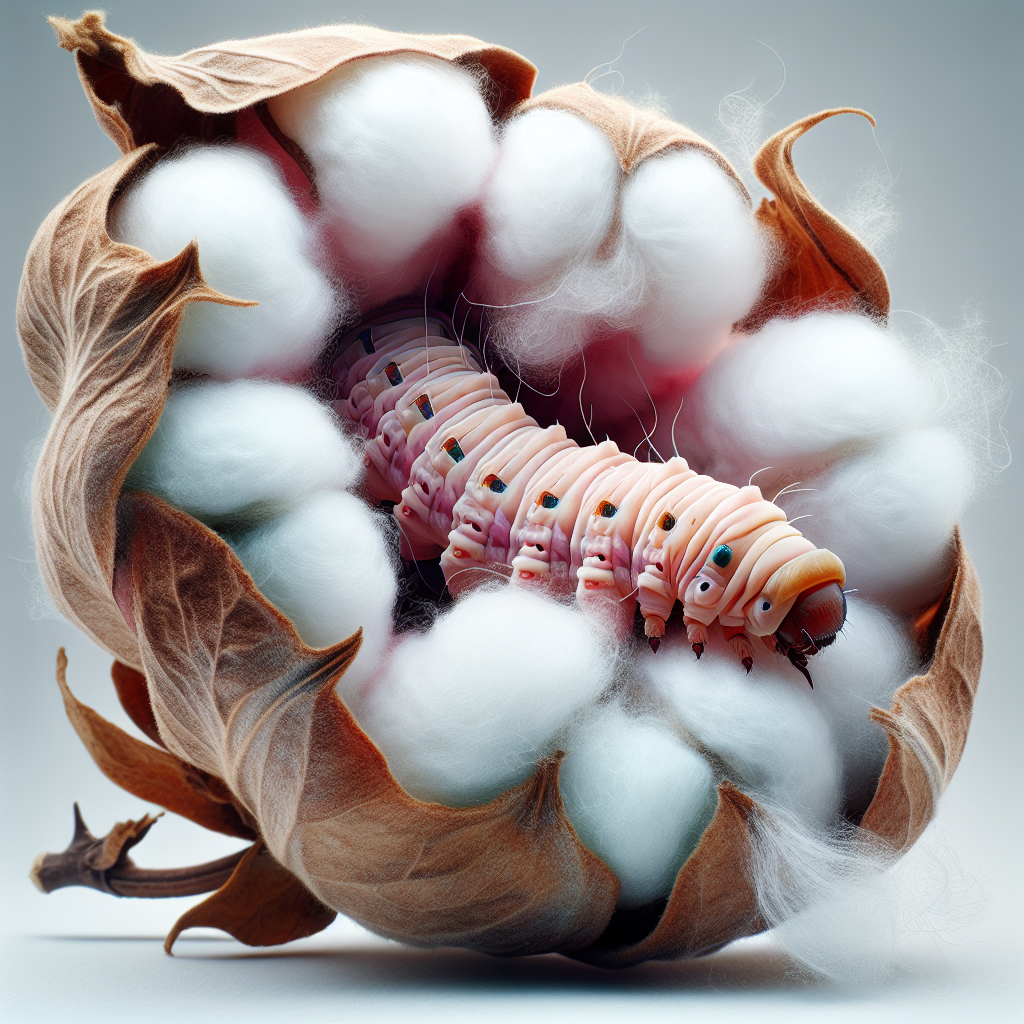
Pink bollworm
The pink bollworm is a devastating lepidopteran pest primarily targeting cotton crops, boring into bolls and causing significant yield losses worldwide. Effective identification of its symptoms, lifecycle understanding, and integrated management strategies are crucial for cotton growers to minimize damage. This guide provides comprehensive diagnostic, organic control, and prevention advice tailored for agricultural professionals.
View Profile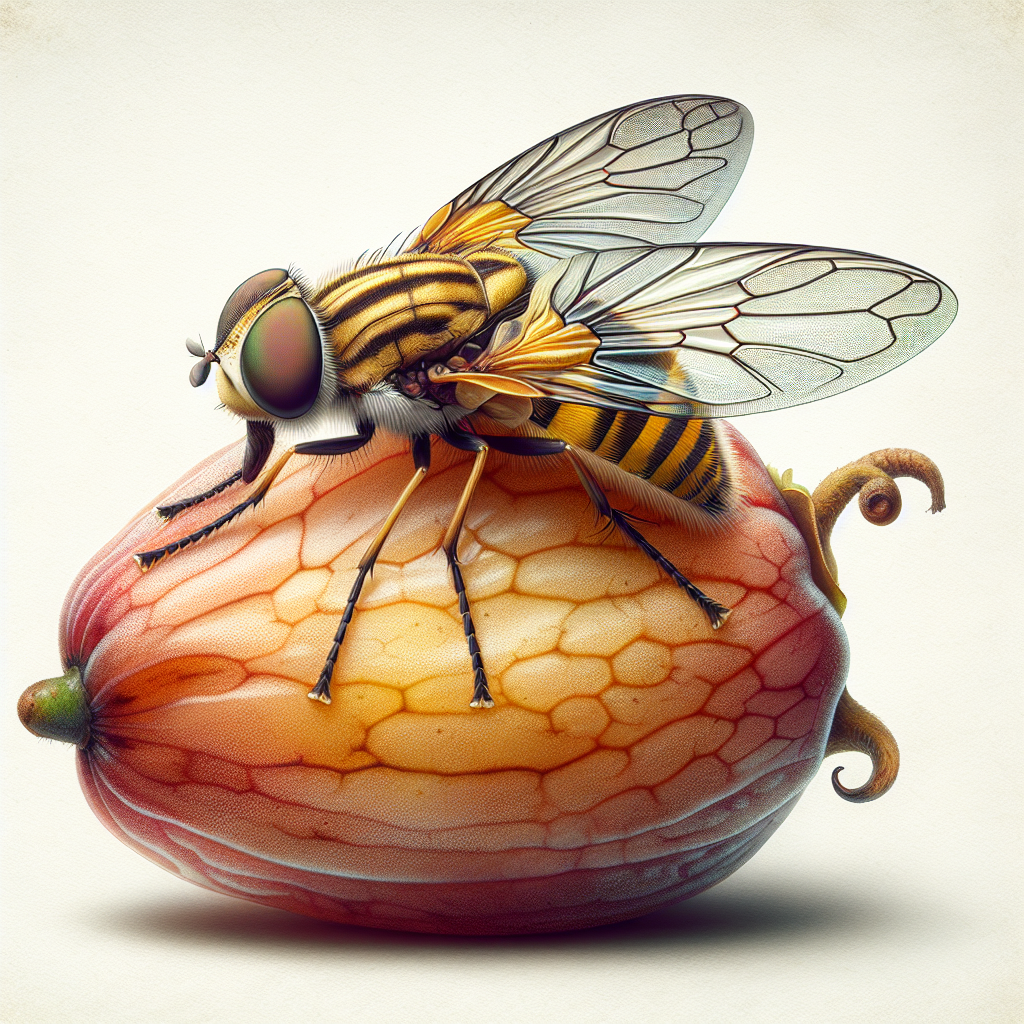
Pitanga Fruit Fly
The pitanga fruit fly (Anastrepha pitanga) is a tropical pest notorious for infesting pitanga fruits and related crops like guava and mango, causing premature fruit drop and larval damage. Effective management relies on early detection, sanitation, and organic traps to prevent economic losses in small farms. This guide provides diagnostic symptoms, lifecycle details, and proven organic strategies for control.
View Profile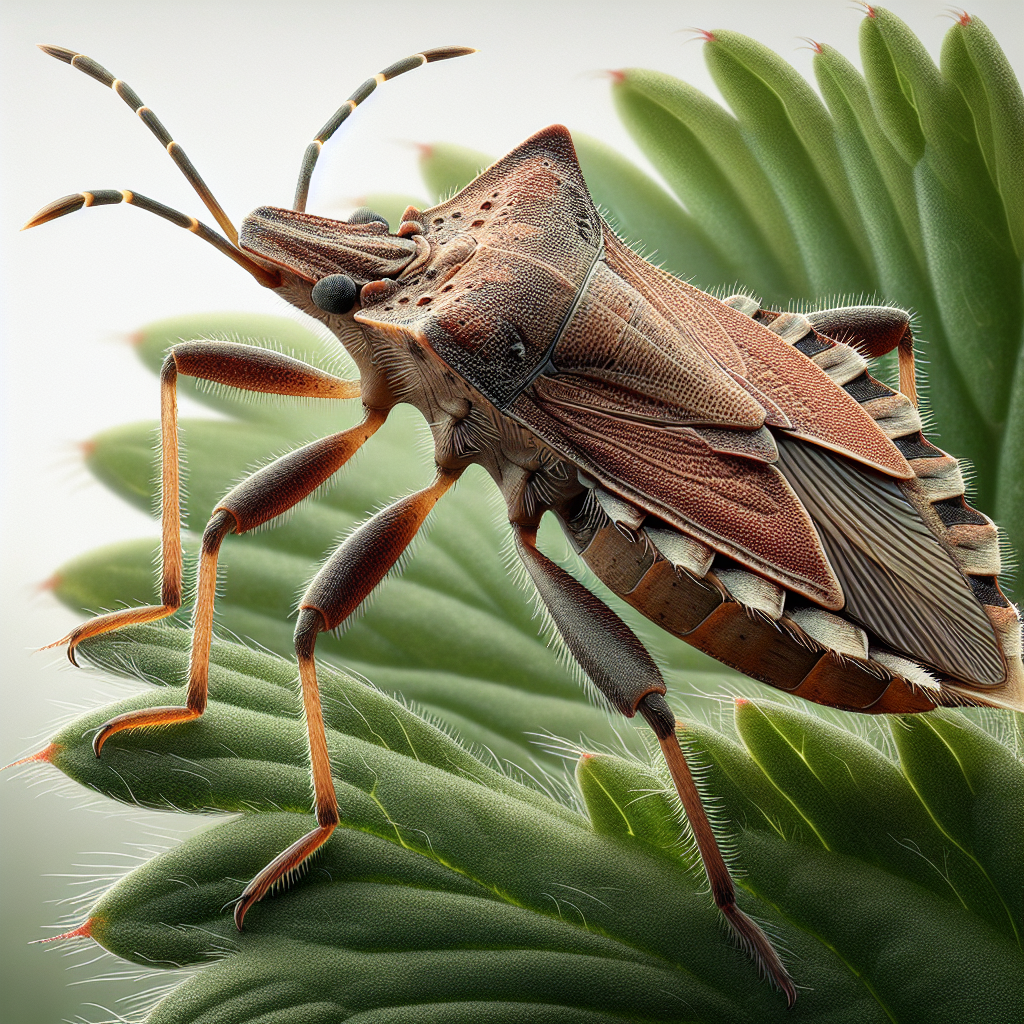
Plant bugs
Plant bugs, also known as mirids or lygus bugs, are piercing-sucking pests that damage a wide range of crops by injecting toxins and feeding on plant sap, causing distorted growth, leaf yellowing, and reduced yields. These small insects thrive in warm conditions and can rapidly multiply, making early detection and integrated management essential for agricultural success. Effective organic controls include beneficial insects, traps, and cultural practices to minimize infestations.
View Profile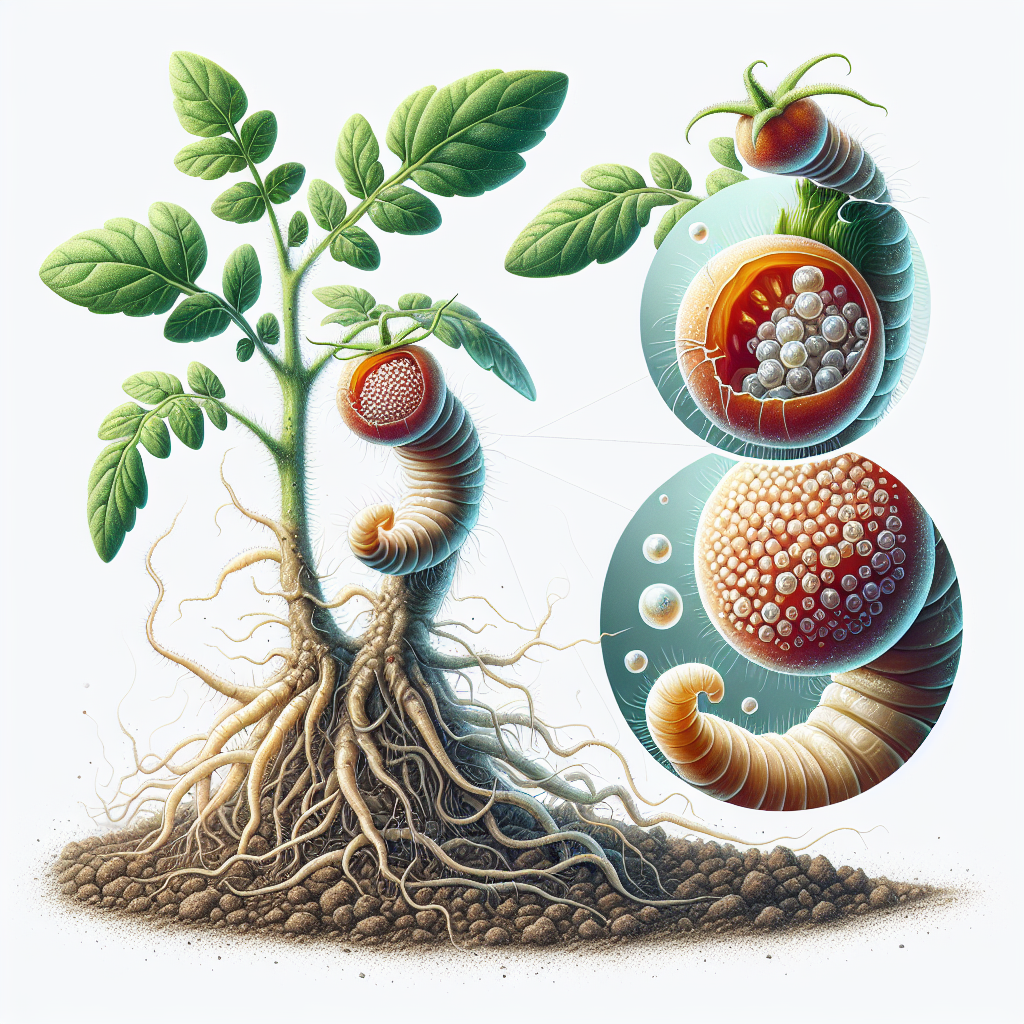
Plant-parasitic nematodes
Plant-parasitic nematodes are microscopic roundworms that attack plant roots, causing stunted growth, yield losses, and susceptibility to other diseases. This guide provides definitive diagnostics, lifecycle insights, organic management strategies, and prevention tactics for farmers and gardeners. Effective control relies on integrated cultural, biological, and resistant variety approaches.
View Profile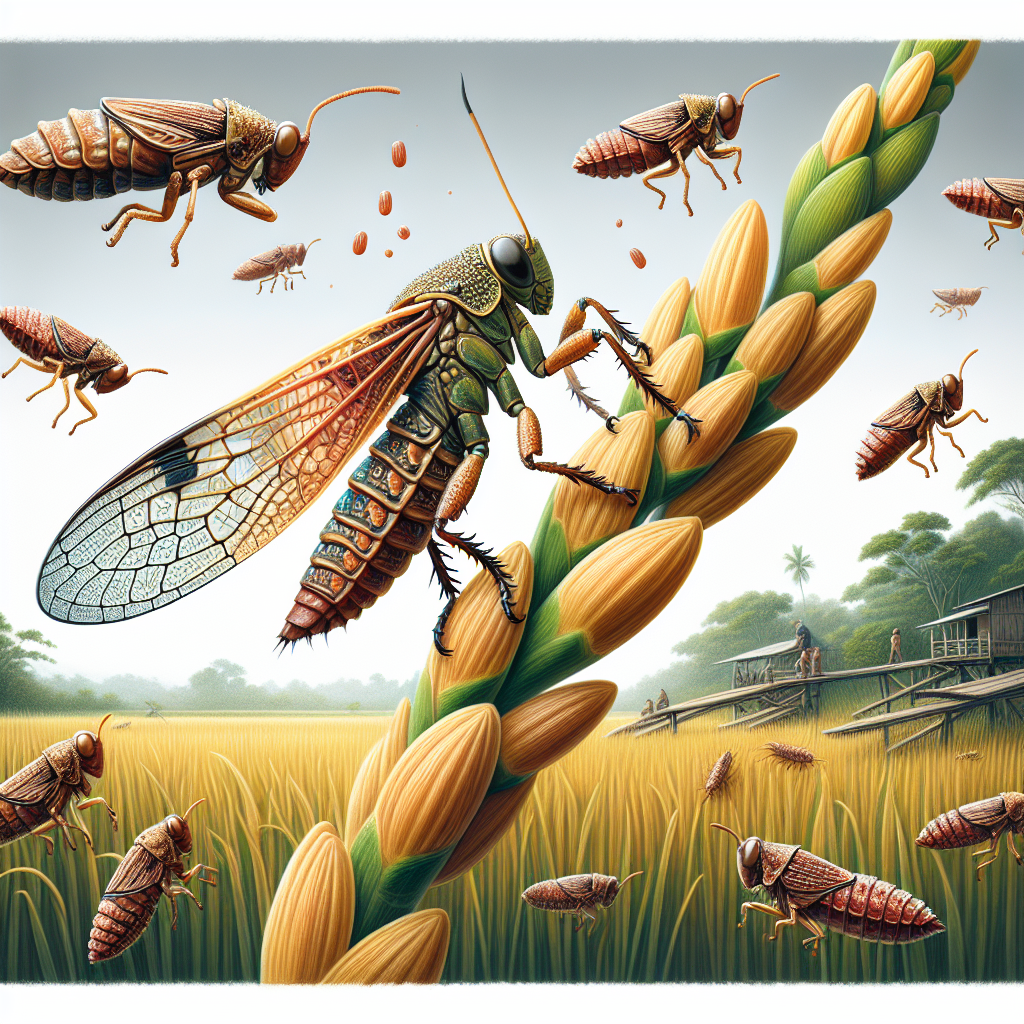
Planthoppers
Planthoppers are small, sap-sucking insects that damage crops by direct feeding and transmitting viral diseases, leading to stunted growth and yield losses. Common in rice, sugarcane, and other grasses, they thrive in warm, humid conditions. Effective management combines cultural practices, biological controls, and vigilant monitoring for sustainable agriculture.
View Profile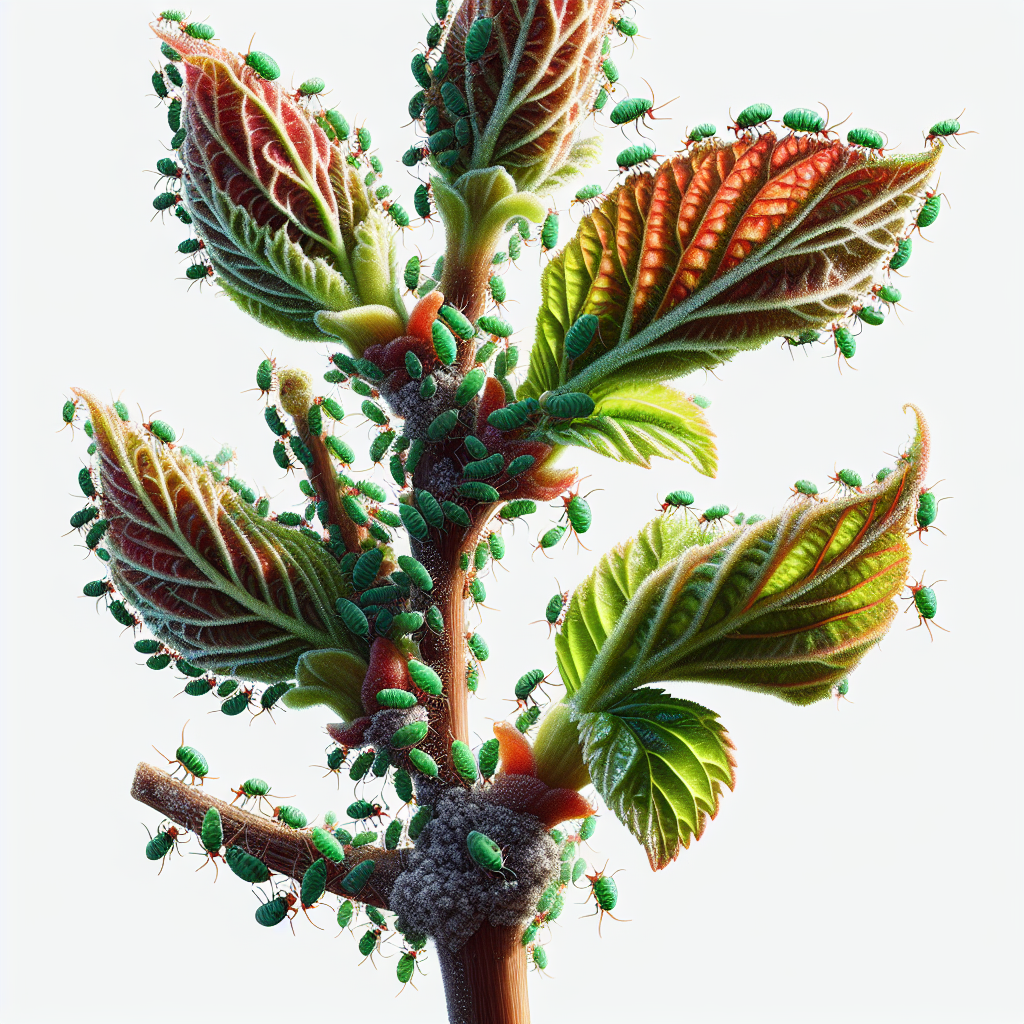
plum aphids
Plum aphids are small sap-sucking insects that target plum trees and related stone fruits, causing curled leaves, stunted growth, and sooty mold. These pests thrive in cool spring weather and can rapidly multiply, leading to significant yield losses if unmanaged. Effective organic controls include beneficial insects, horticultural oils, and cultural practices for long-term prevention.
View Profile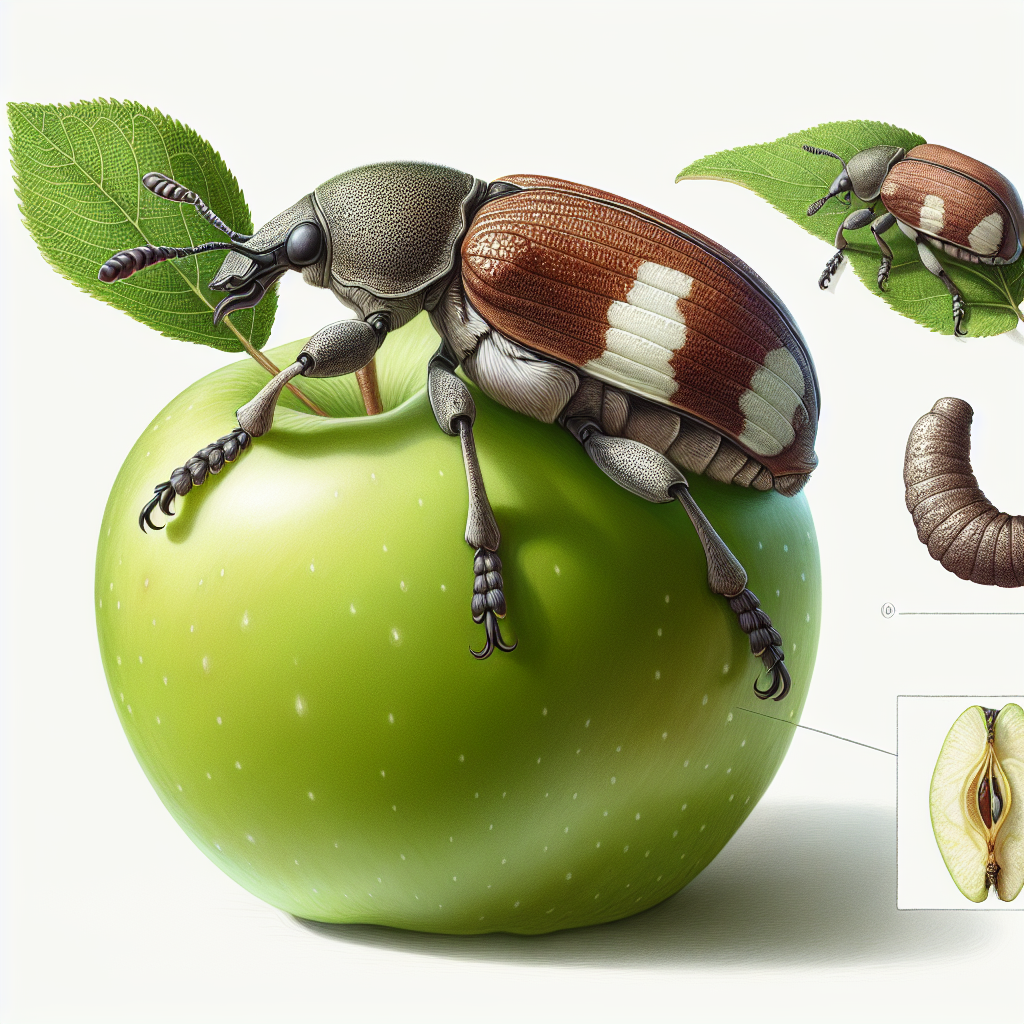
plum curculio
The plum curculio is a notorious snout beetle that infests stone fruits and apples across North America, causing severe damage through feeding punctures and egg-laying scars. Effective management requires understanding its lifecycle, early detection of crescent-shaped injuries, and integrated organic strategies like kaolin clay and border sprays. This guide provides diagnostic tools, organic treatments, and prevention tactics to protect your orchard yields.
View Profile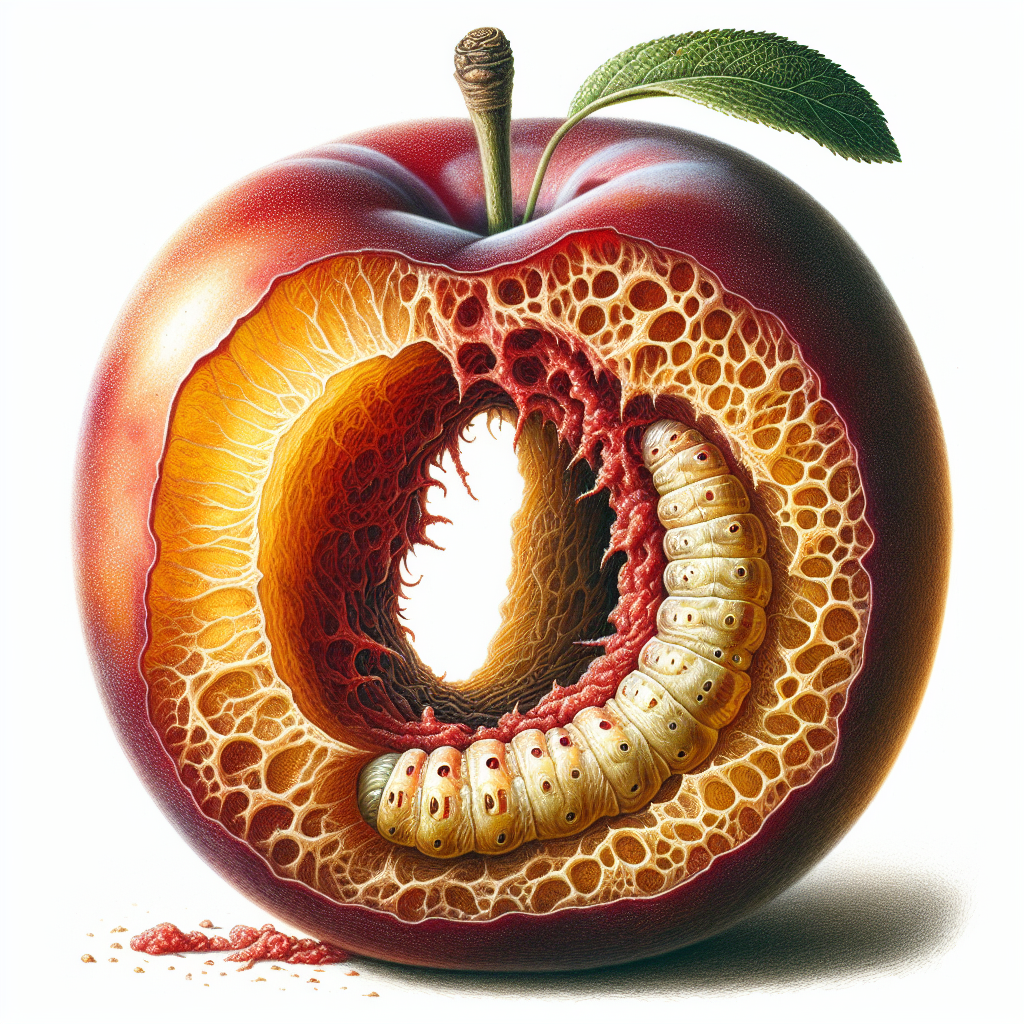
plum moth
The plum moth (Cydia funebrana) is a destructive pest targeting stone fruit trees, particularly plums, where its larvae bore into fruits causing extensive damage and rendering them unmarketable. This guide provides comprehensive diagnostics, lifecycle insights, organic management strategies, and prevention tactics for growers. Effective control hinges on early detection and integrated organic practices to protect yields.
View Profile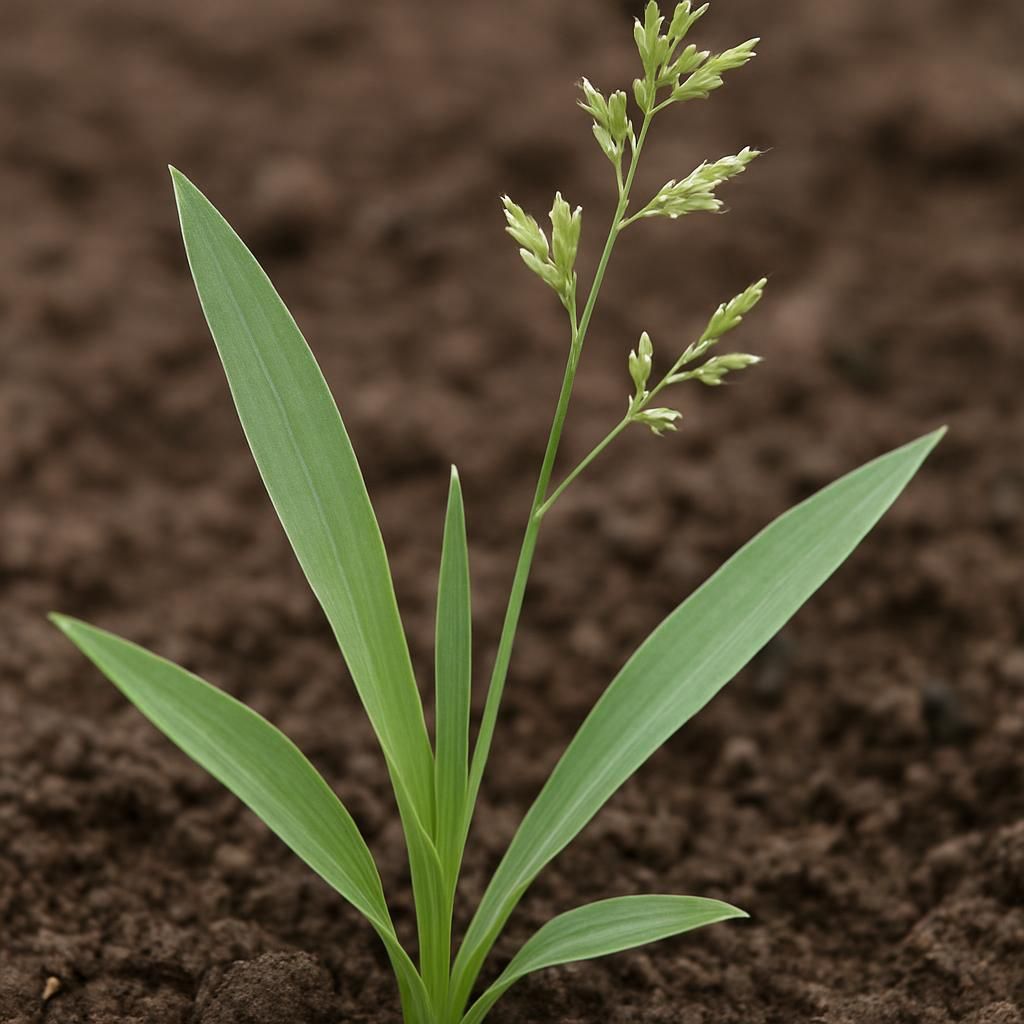
Poa annua
Poa annua, commonly known as annual bluegrass, is a cool-season annual grass weed that aggressively invades turf, pastures, and agricultural fields. It competes directly with crops for water, nutrients, and light, reducing yields and quality in affected areas. Effective management combines cultural, mechanical, and targeted chemical controls with long-term prevention strategies.
View Profile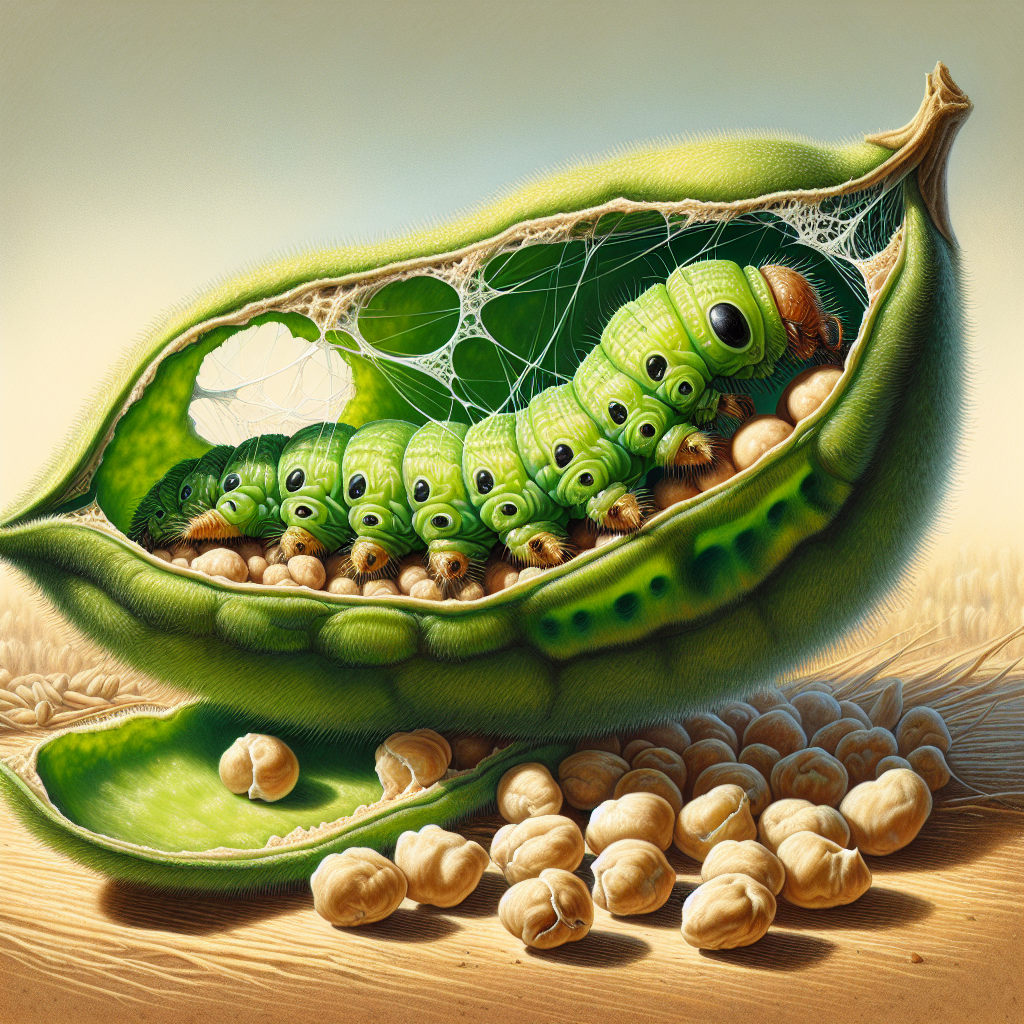
Pod borers
Pod borers are destructive caterpillar pests targeting legume pods, causing significant yield losses in crops like chickpeas, pigeon peas, and mung beans. These larvae bore into pods, feeding on seeds and leaving behind frass and webbing. Effective management combines cultural practices, biological controls, and timely monitoring for sustainable agriculture.
View Profile