Encyclopedia
Definitive guides for crops, pests, and agricultural diseases.
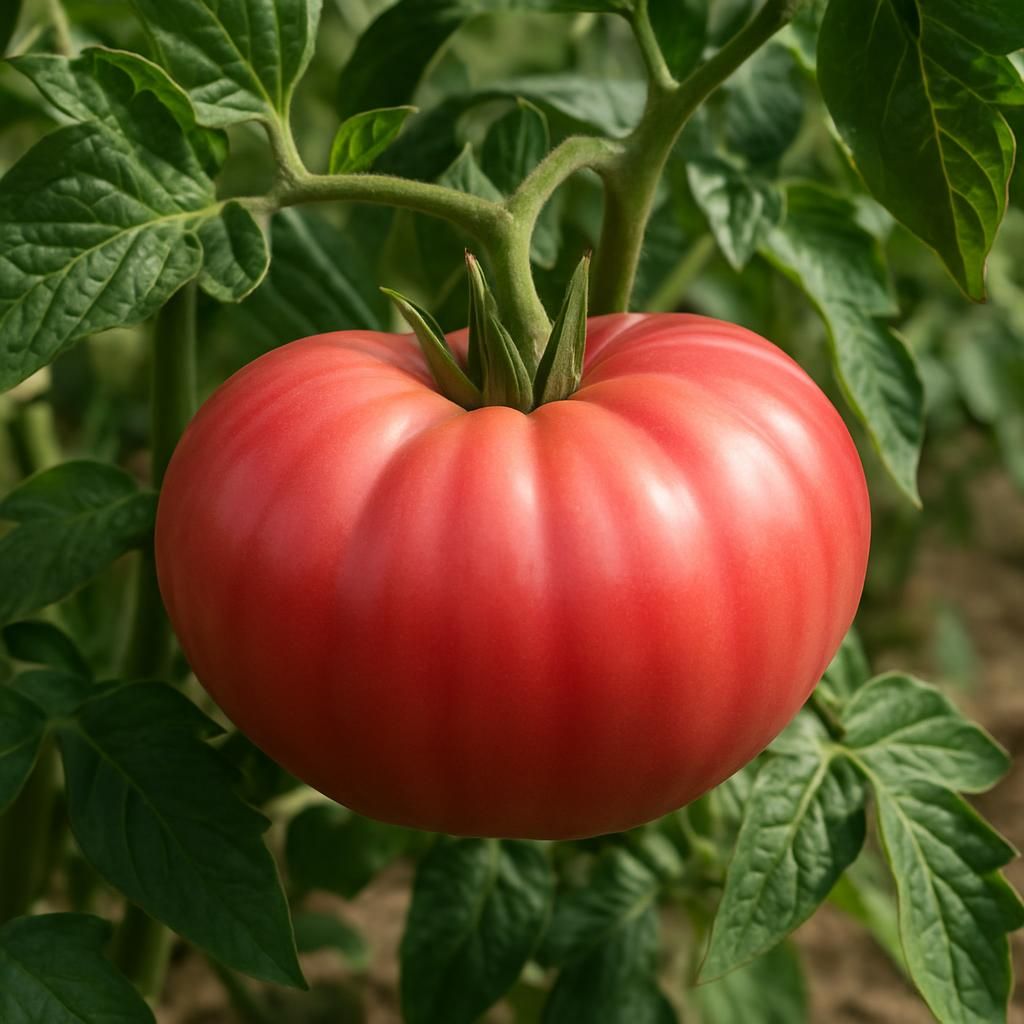
Brandywine Pink Tomato
Brandywine Pink is a legendary heirloom beefsteak tomato prized for its rich, complex flavor and distinctive pink skin. This indeterminate variety demands attentive care but rewards growers with exceptionally large, meaty fruits. Its vigorous vines and old-fashioned taste make it a favorite among home gardeners and small-scale producers.
View Guide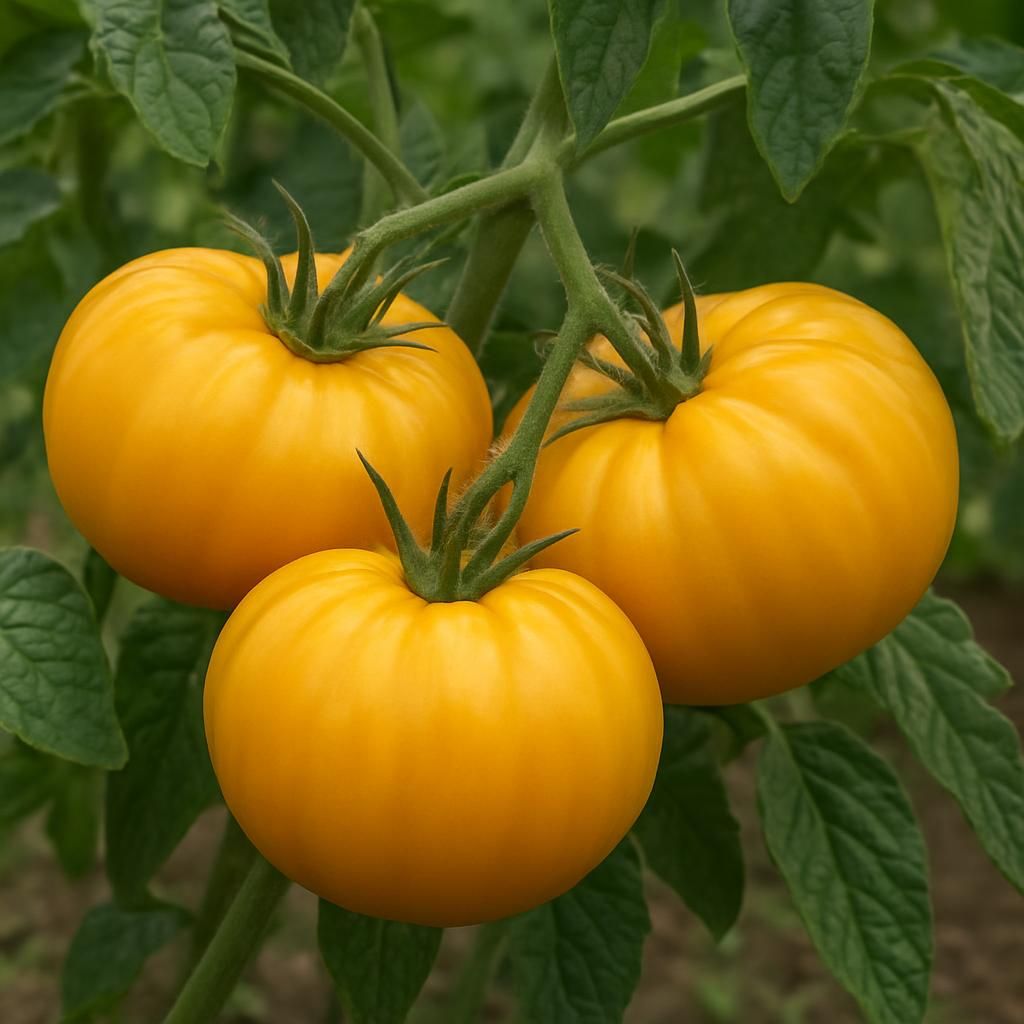
Brandywine Yellow Tomato
Brandywine Yellow is a classic Amish heirloom beefsteak tomato prized for its rich, complex flavor and large, golden-yellow fruits. This indeterminate variety offers exceptional taste and productivity when grown with proper support, soil management, and organic practices.
View Guide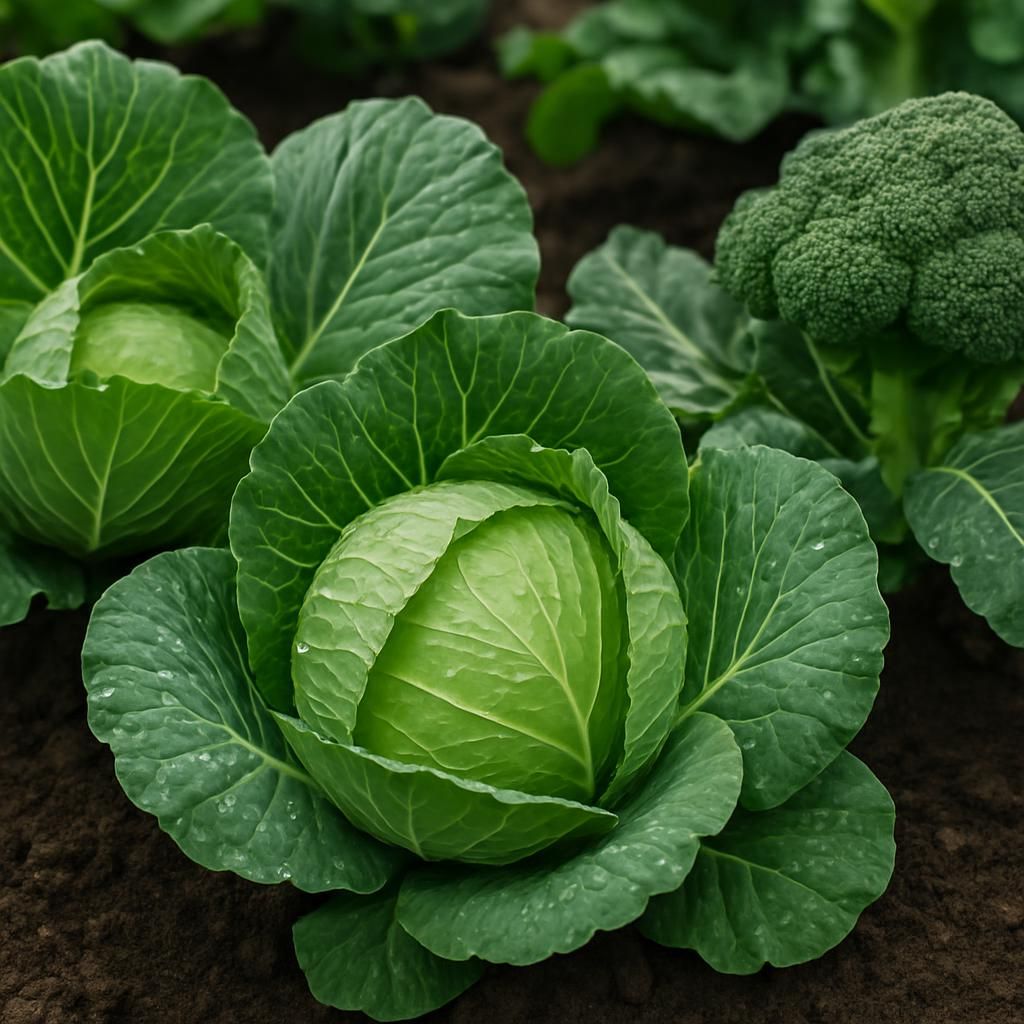
Brassicas
Brassicas encompass a diverse family of cool-season vegetables including cabbage, broccoli, cauliflower, kale, and Brussels sprouts. These nutrient-dense crops thrive in well-drained soils with consistent moisture and moderate temperatures, offering high yields when managed with proper rotation and pest control.
View Guide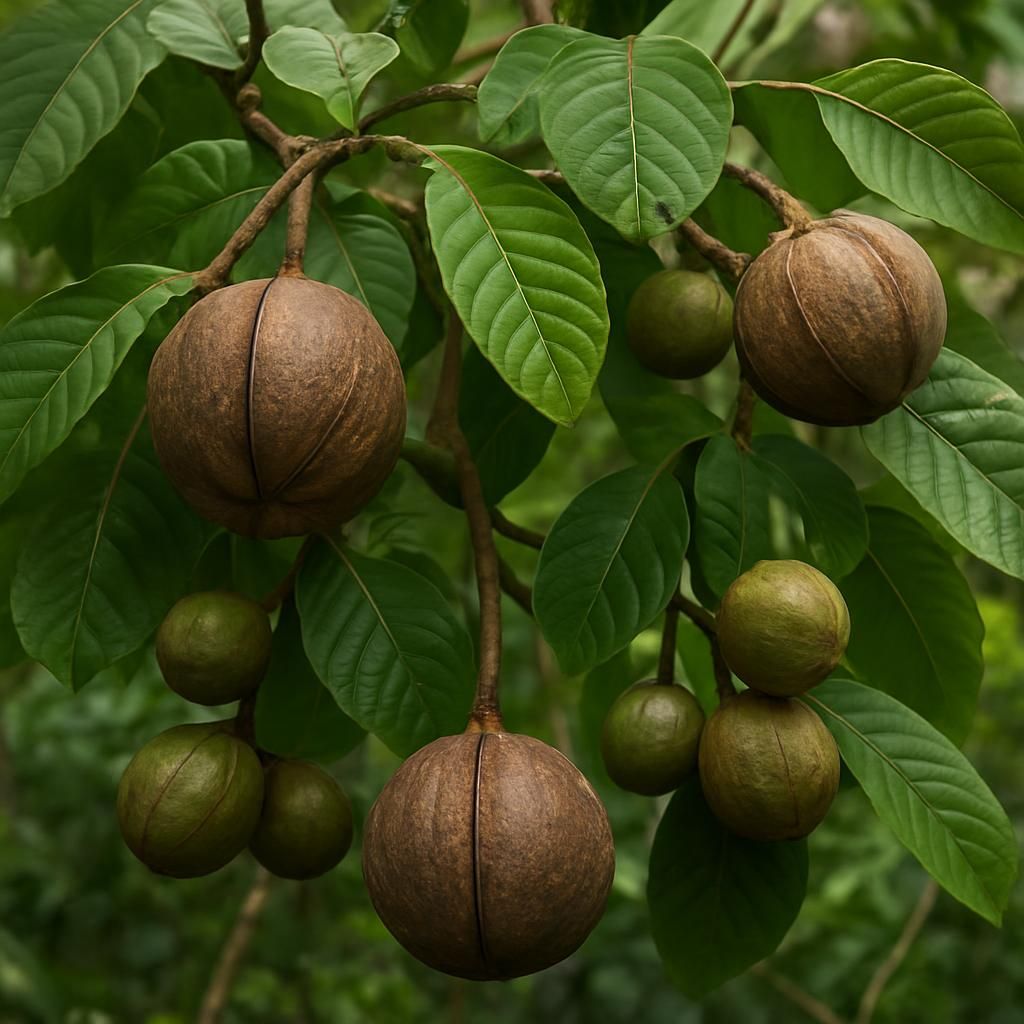
Brazil Nut (Bertholletia excelsa)
Brazil nut is a towering Amazonian canopy tree that produces one of the world's most economically valuable nuts; successful commercial cultivation requires specific rainforest-like conditions, long-term soil management, and dependence on specific pollinators.
View Guide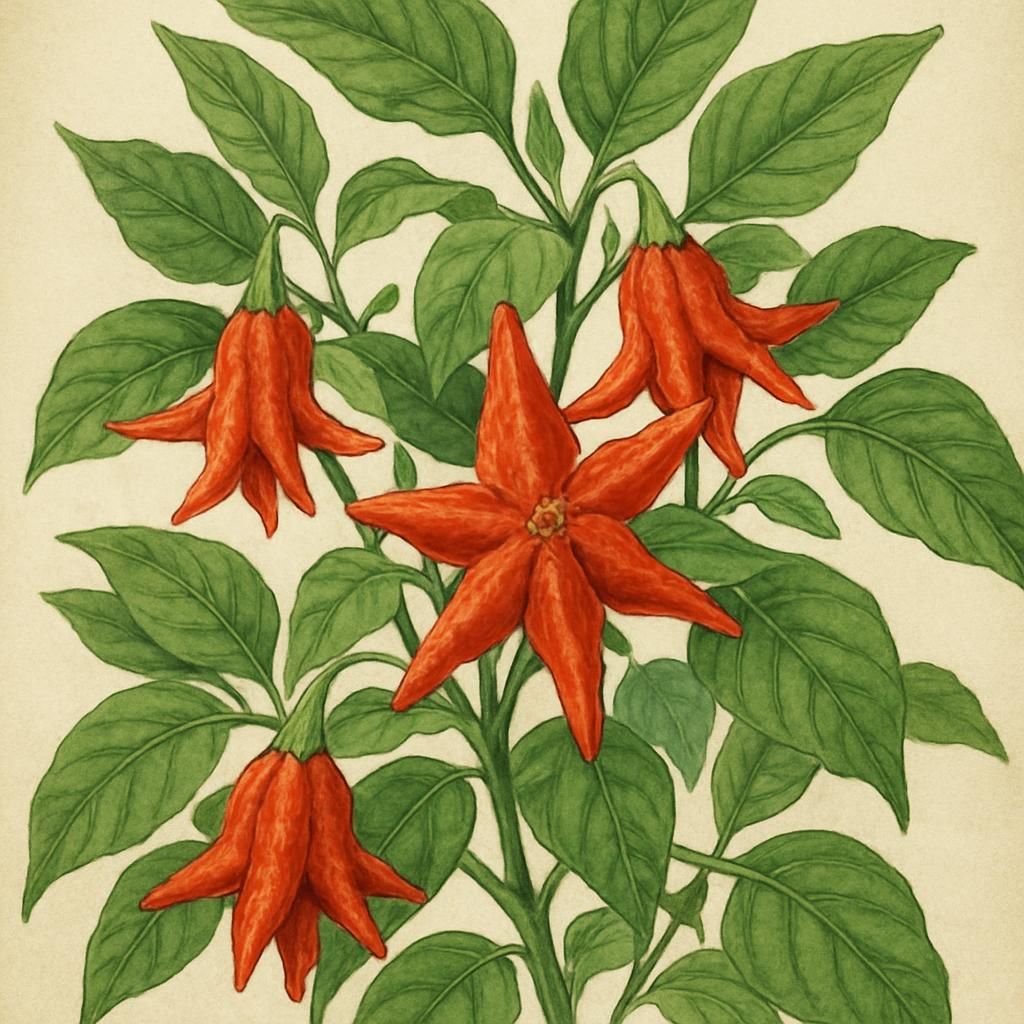
Brazilian Starfish Pepper
The Brazilian Starfish Pepper, known for its unique starfish shape and spicy flavor, is a popular choice for pepper enthusiasts. This guide covers everything from soil requirements to pest management techniques.
View Guide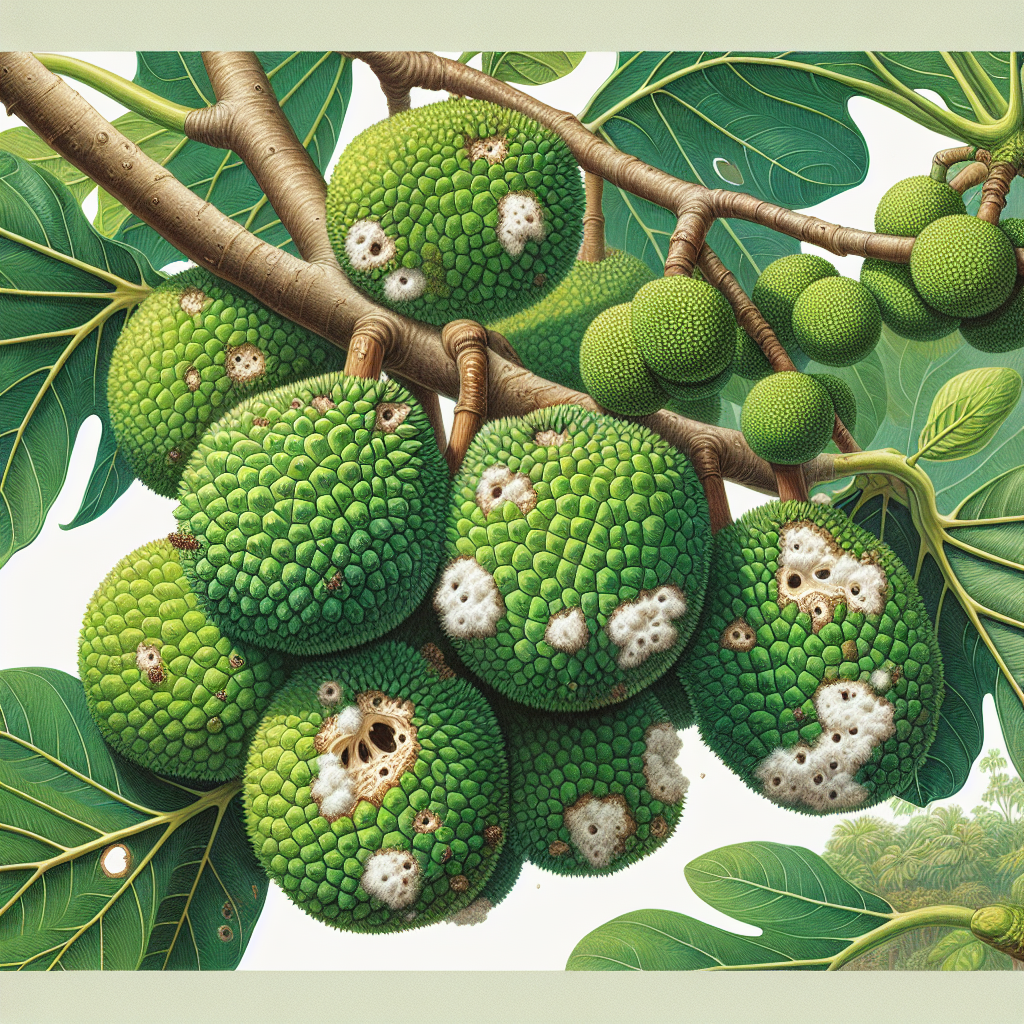
Breadfruit
Breadfruit (Artocarpus altilis) is a tropical tree crop prized for its starchy fruit, but it faces significant threats from pests and diseases that can devastate yields. This guide provides definitive diagnostic tools, lifecycle insights, organic management strategies, and prevention tactics for small-scale farmers. Learn to identify symptoms early and implement sustainable controls to protect your breadfruit orchards.
View Guide
Breadfruit (Ma'afala)
Breadfruit (Ma'afala) is a prolific tropical tree crop renowned for its large, starchy fruits that serve as a staple food source in Pacific Island agriculture. This Samoan cultivar thrives in humid, frost-free environments, producing high yields of versatile fruits ideal for roasting, boiling, or fermenting. With proper care, a single Ma'afala tree can yield over 200 fruits annually, making it an excellent choice for sustainable farming.
View Guide
Breadfruit (Ulu Fiti)
Breadfruit (Ulu Fiti), a nutrient-dense staple crop revered in Pacific Island agriculture, produces large, starchy fruits ideal for baking, boiling, and frying. This fast-growing evergreen tree thrives in tropical climates, yielding up to 1 ton of fruit per mature tree annually after 3-5 years. Renowned for its versatility and sustainability, Ulu Fiti offers superior flavor and texture compared to common breadfruit varieties.
View Guide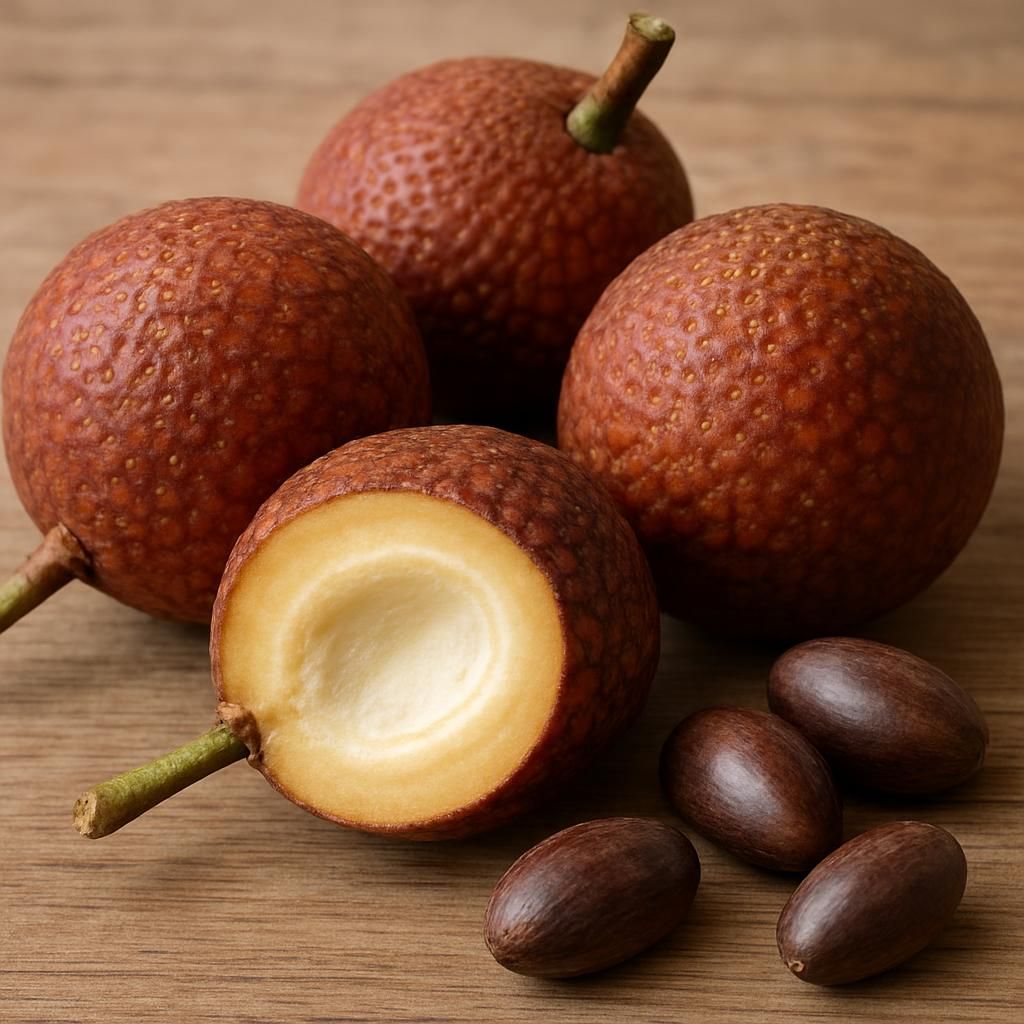
Breadnut (Maya Nut)
Breadnut, also known as Maya Nut, is a fast-growing, drought-tolerant tropical tree valued for its nutritious seeds and versatile wood. It thrives in agroforestry systems and offers reliable yields with minimal inputs once established. This guide covers every stage from propagation to harvest with professional-grade practices.
View Guide
Brewster
Brewster is a highly destructive soil-dwelling beetle pest notorious for targeting root systems of tropical and subtropical crops, causing severe wilting and yield losses up to 70%. Native to Southeast Asia, it has spread globally through infested planting material. Effective management relies on integrated organic strategies including crop rotation, beneficial nematodes, and soil solarization.
View Guide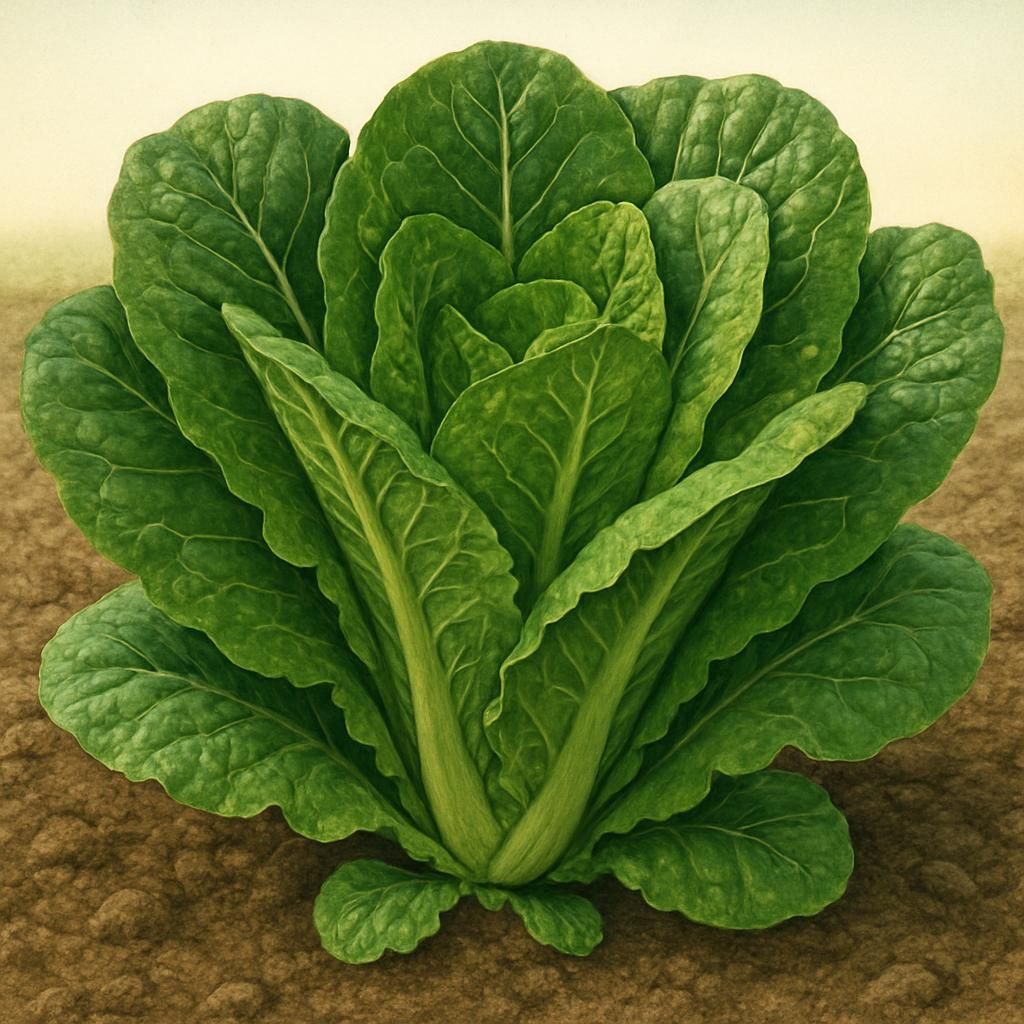
Broadleaf Batavian
Broadleaf Batavian is a robust, heat-tolerant romaine-type lettuce prized for its crisp texture, broad leaves, and reliable performance in both home gardens and commercial production. It offers excellent bolt resistance and superior flavor compared to standard romaine varieties, making it a top choice for extended-season harvests.
View Guide
Broccoli
Broccoli is a cool-season brassica prized for its dense green flower heads, tender side shoots, and high nutritional value. It performs best in fertile, moisture-retentive soil and mild temperatures, where steady growth produces tight, high-quality heads with excellent flavor and shelf life.
View Guide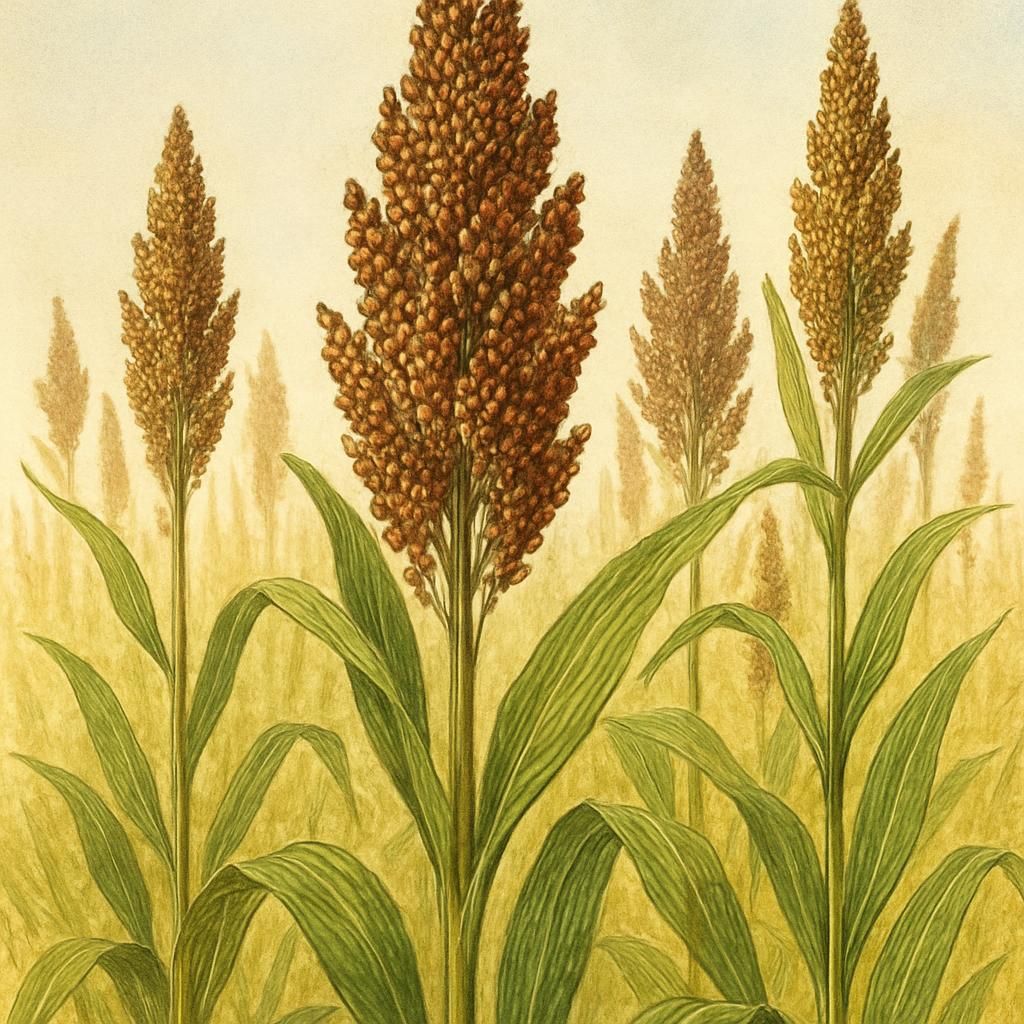
Broomcorn Sorghum
Broomcorn sorghum is a versatile crop primarily grown for its stiff, straw-like fibers used in broom making. Adapted to warm, dry climates, it offers good resilience to drought conditions and provides an alternative income source for farmers.
View Guide
Brown Flax
Brown flax is a cool-season annual grown for both oil-rich seeds and bast fiber, with brown-seeded types especially valued in food, feed, and industrial oil markets. It performs best in fertile, well-drained soils under mild temperatures, where even stands, careful moisture management, and timely harvest are essential for top seed quality and yield.
View Guide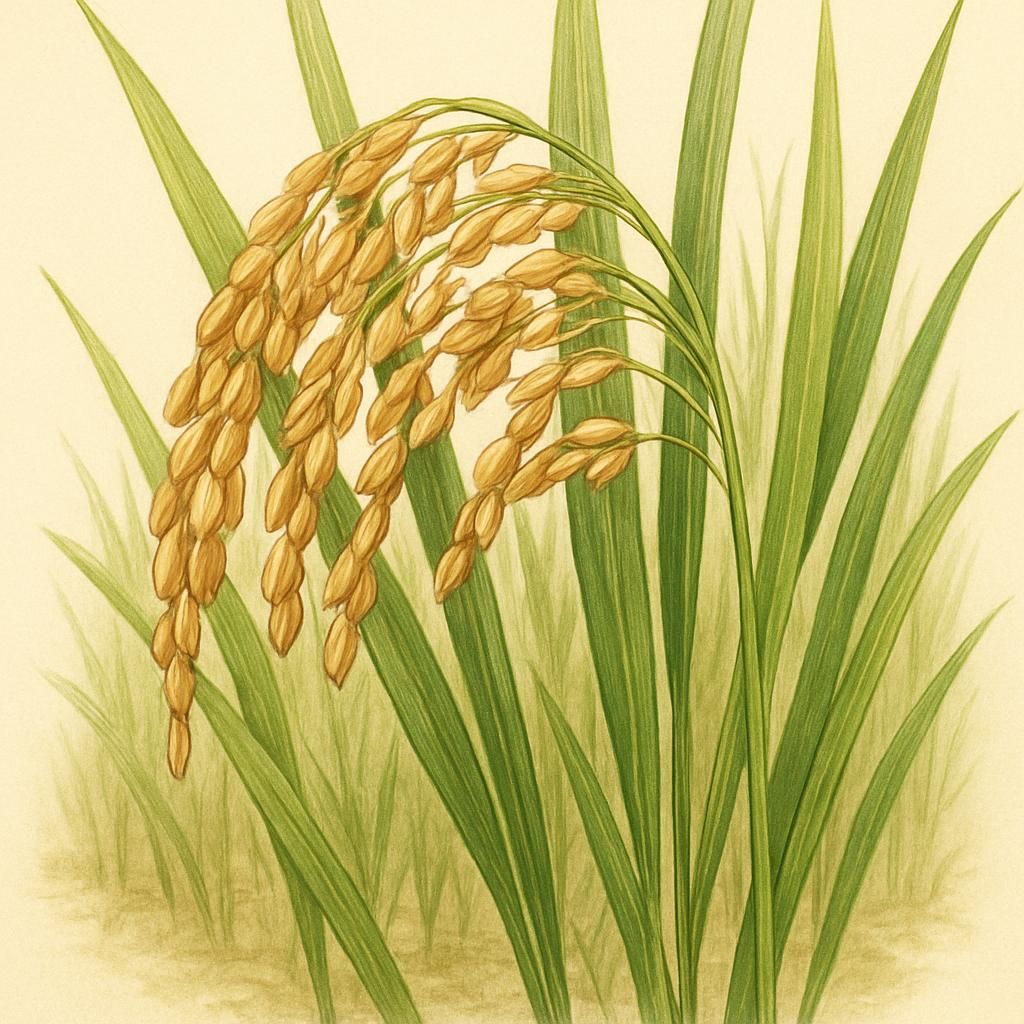
Brown Rice (Haenuki)
Brown Rice (Haenuki) is a high-quality Japanese rice variant known for its nutty flavor and chewy texture. It is highly regarded for its nutritional benefits and is often cultivated in regions with ideal conditions for rice growth.
View Guide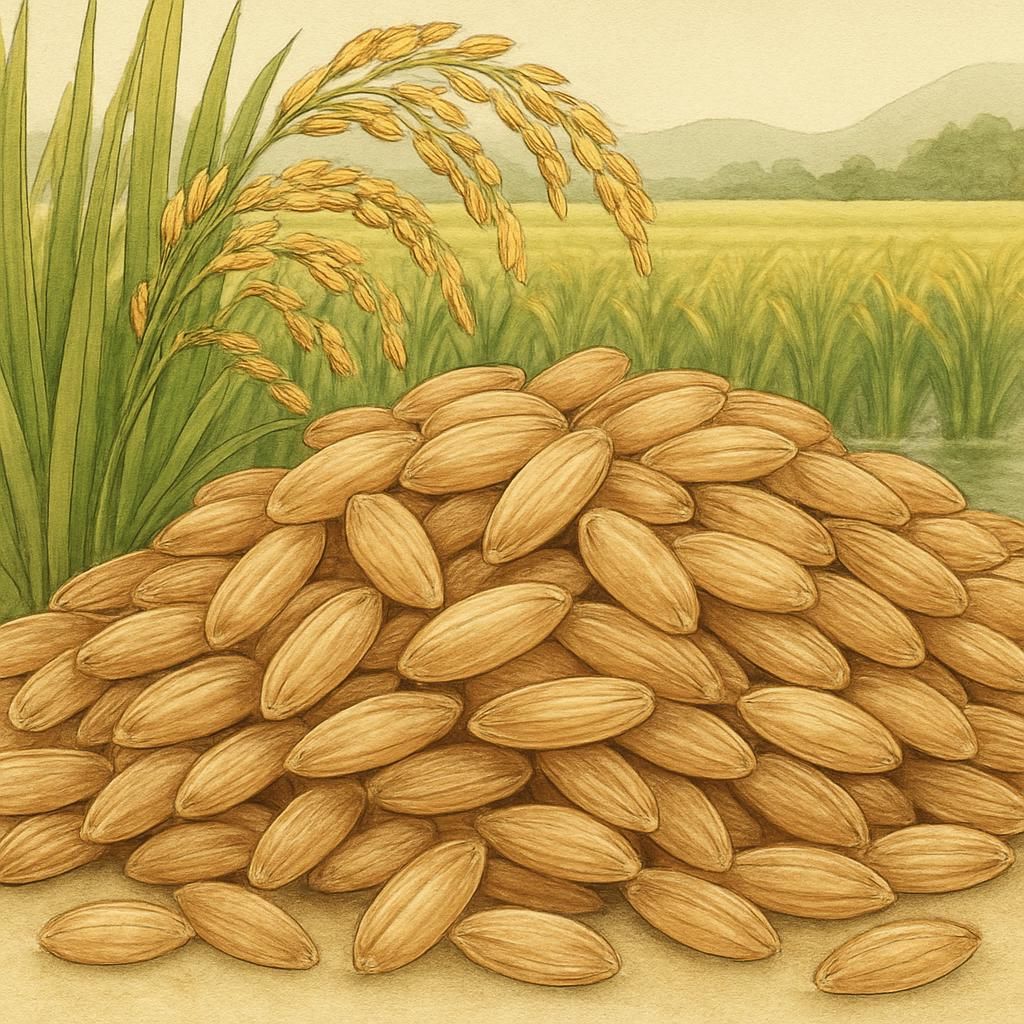
Brown Rice (Koshihikari)
Brown Rice (Koshihikari) is a popular Japanese rice variety known for its short, sticky grains and sweet flavor, grown primarily in East Asia. Ideal for agricultural environments that provide warm temperatures and rich, loamy soils.
View Guide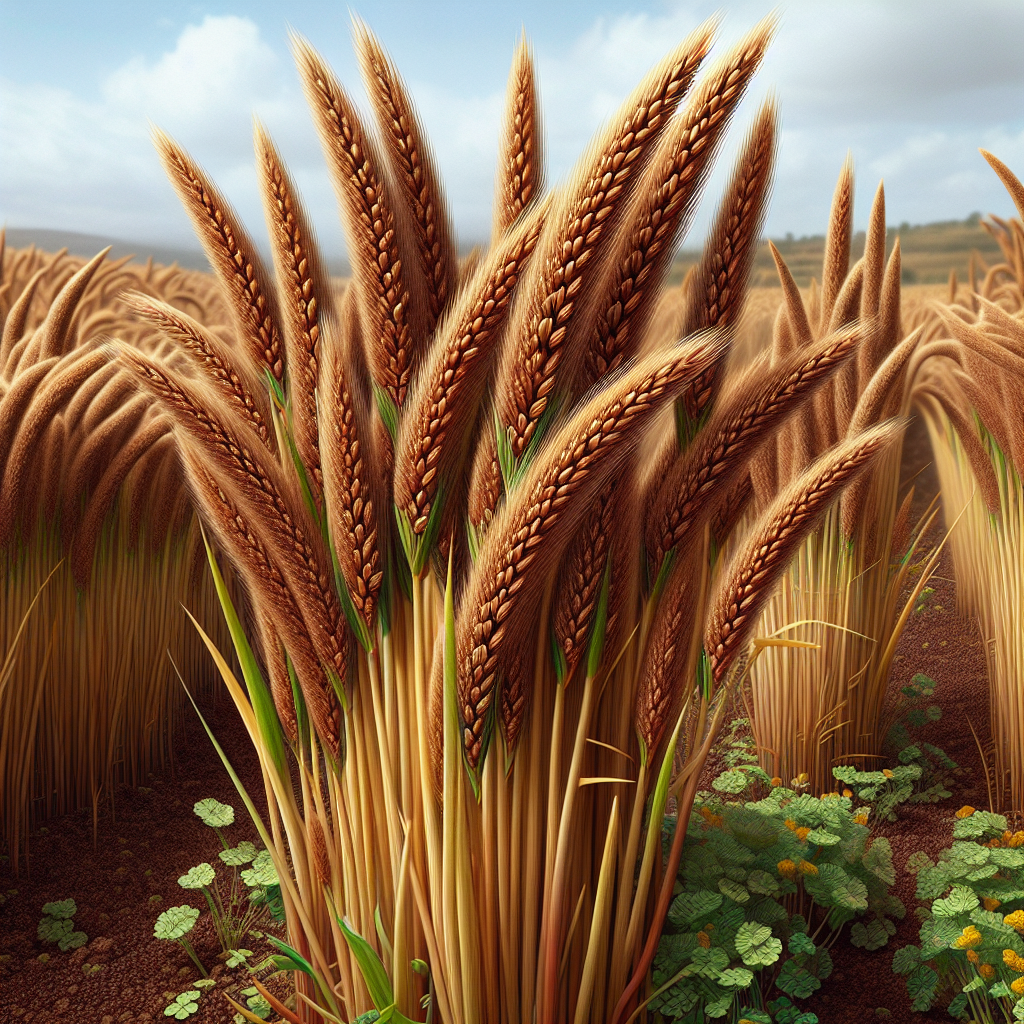
Brown Teff
Brown Teff is a robust, fine-stemmed grain variety prized for its nutty flavor, gluten-free grains, and exceptional drought tolerance. Native to Ethiopia, this ancient crop thrives in marginal soils and delivers high yields in short growing cycles of 80-120 days. Ideal for sustainable farming, it improves soil health while providing nutritious seeds for porridge, injera, and baking.
View Guide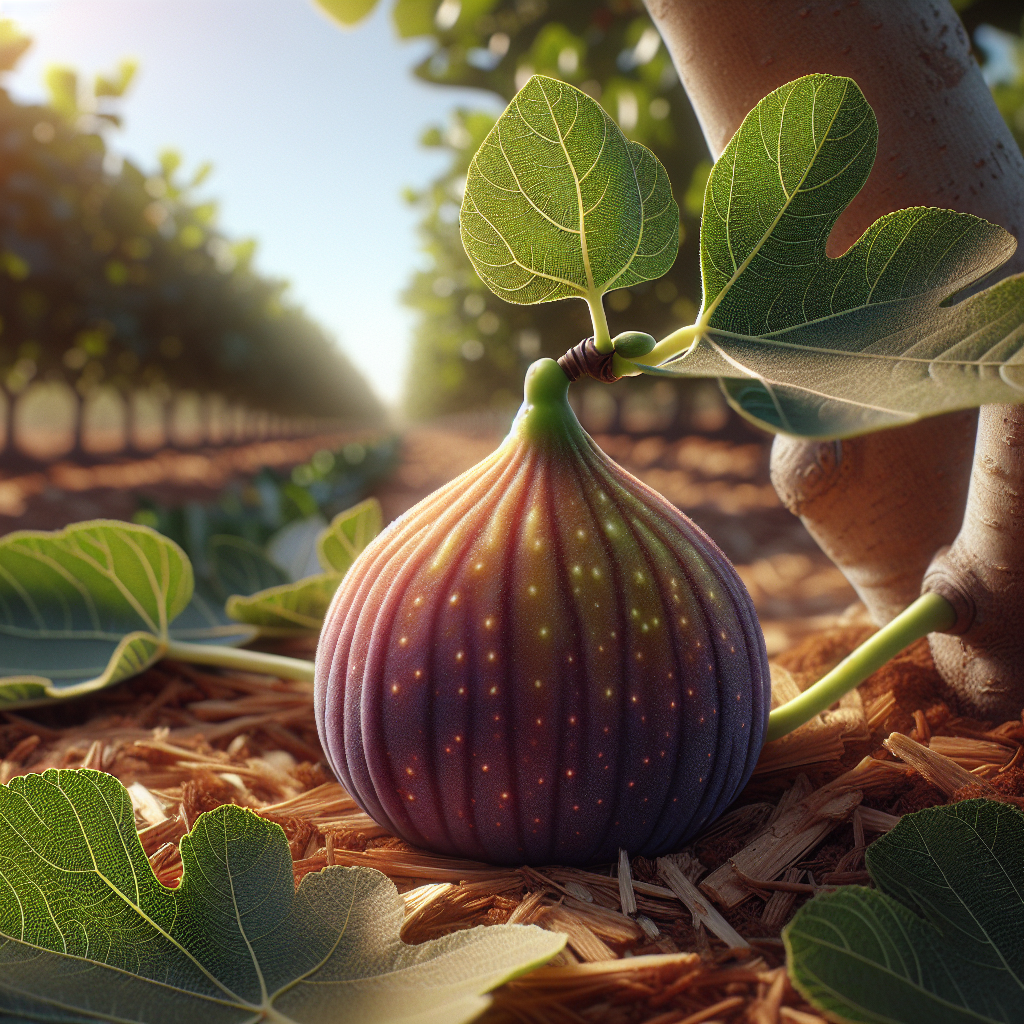
Brown Turkey Fig
Brown Turkey Fig is one of the most widely grown common figs, valued for its adaptability, reliable productivity, and sweet amber-to-strawberry flesh. It is especially favored by home growers and small orchards because it is partially self-fruitful, tolerant of a range of soils, and more cold-hardy than many other fig cultivars.
View Guide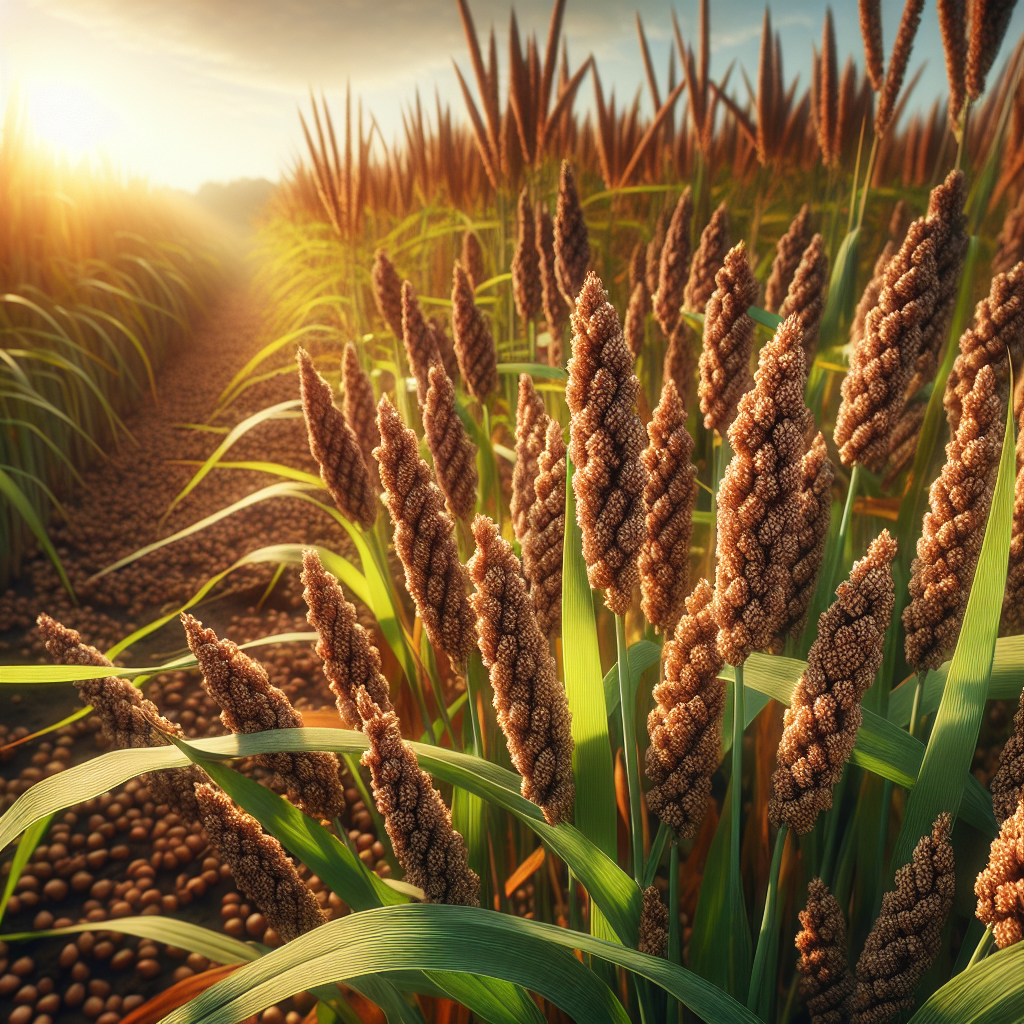
Browntop Millet
Browntop millet is a fast-growing, warm-season small grain valued for drought tolerance, short maturity, and strong performance on low-fertility soils. It is used for grain, forage, cover cropping, erosion control, and wildlife habitat, making it one of the most versatile minor millets for small farms and marginal land.
View Guide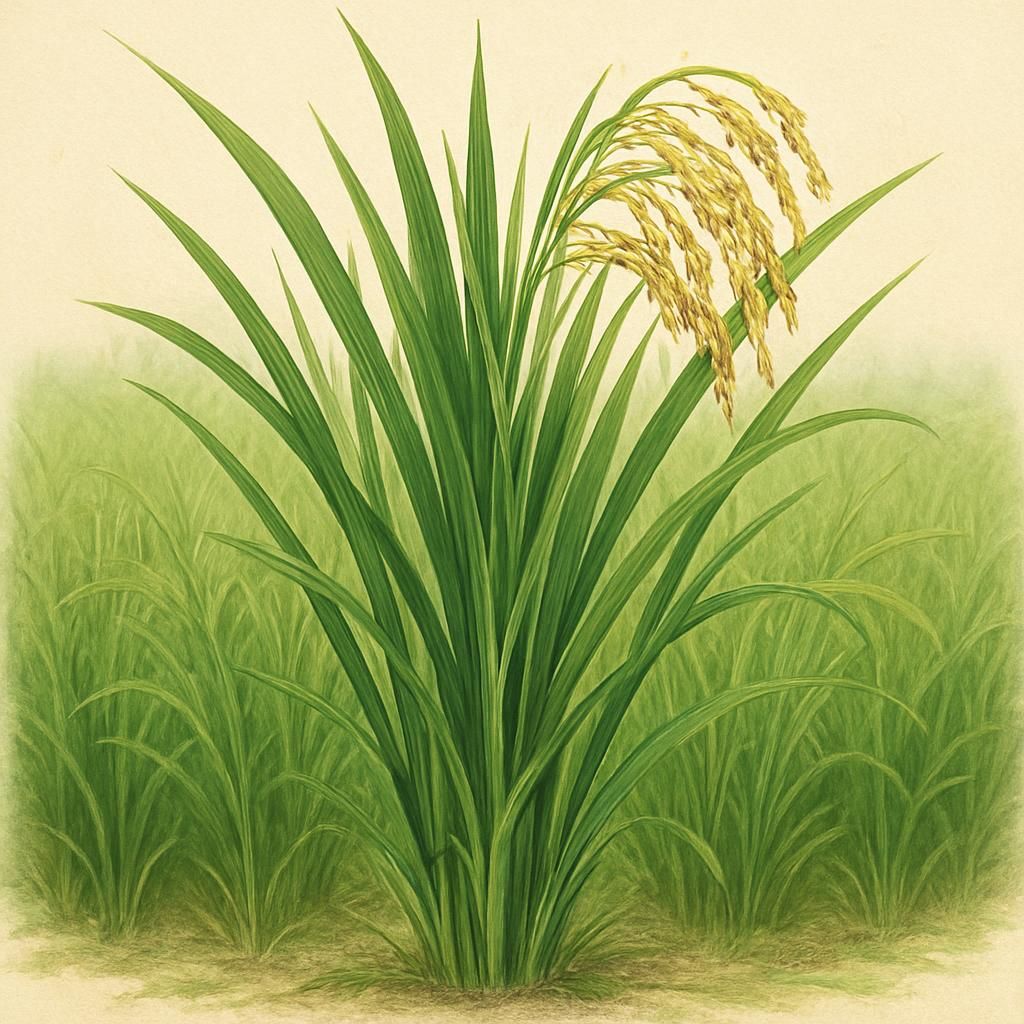
BRRI Dhan 28
BRRI Dhan 28 is a high-yield, short-duration rice variety developed by the Bangladesh Rice Research Institute. It is highly resistant to adverse weather, making it an ideal choice for farmers in various agro-climatic zones.
View Guide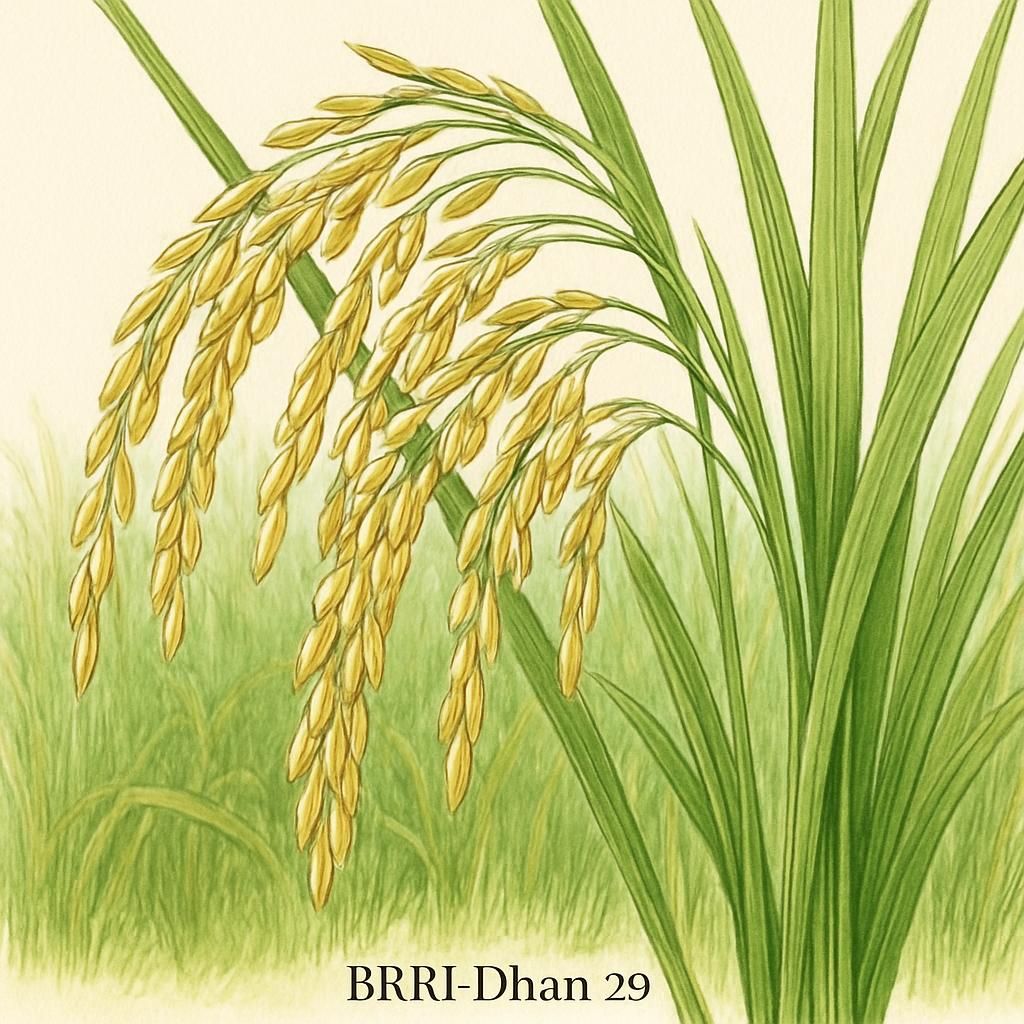
BRRI Dhan 29
BRRI Dhan 29 is a high-yielding rice variety developed by the Bangladesh Rice Research Institute. Known for its adaptability and resilience to local climatic conditions, it is a staple in Bangladeshi agriculture.
View Guide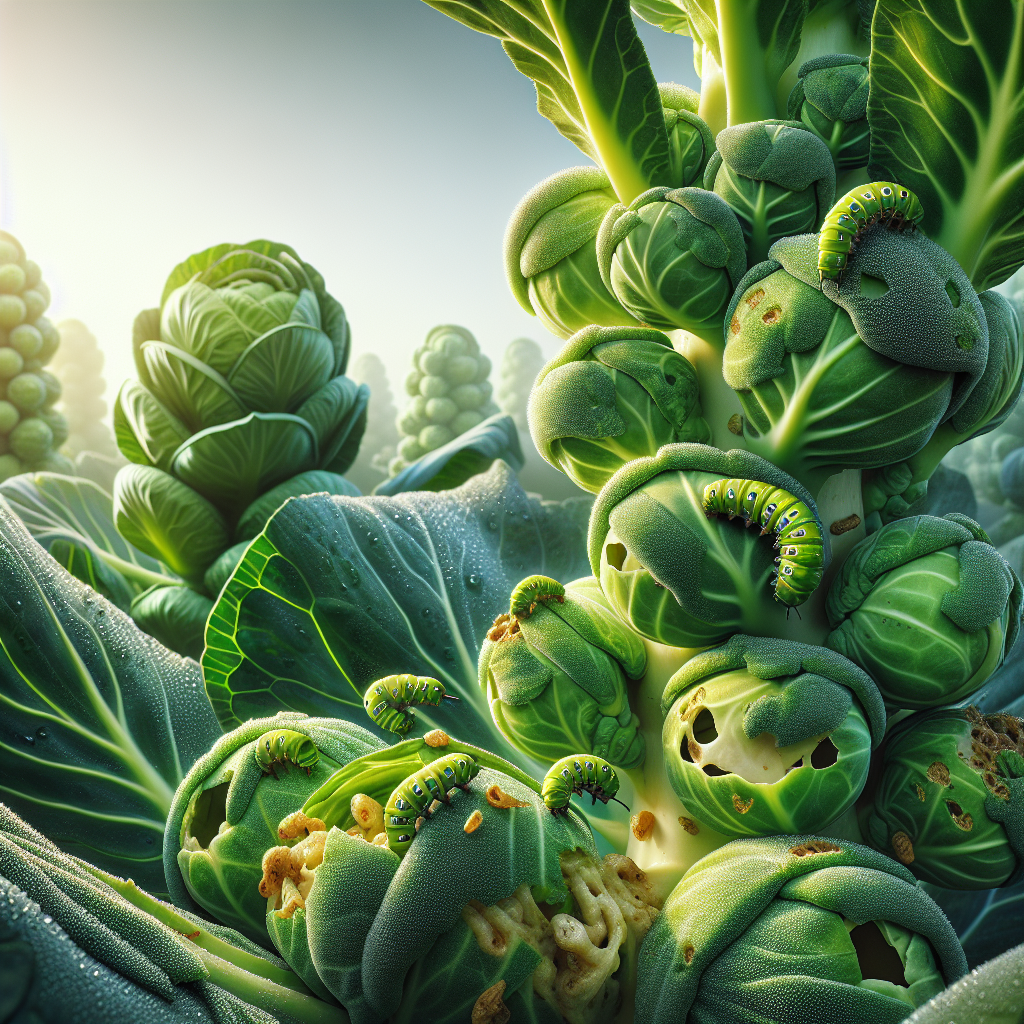
Brussels sprouts
Brussels sprouts, while a nutritious cool-season crop, can become problematic in gardens when they self-seed aggressively or harbor pests like cabbage worms and aphids, leading to unwanted spread and reduced yields in nearby brassicas. This guide provides definitive diagnostic tools for identifying infestation symptoms and comprehensive organic management strategies to control outbreaks effectively. Learn lifecycle insights, environmental triggers, and prevention tactics to safeguard your crops from Brussels sprouts-related issues.
View Guide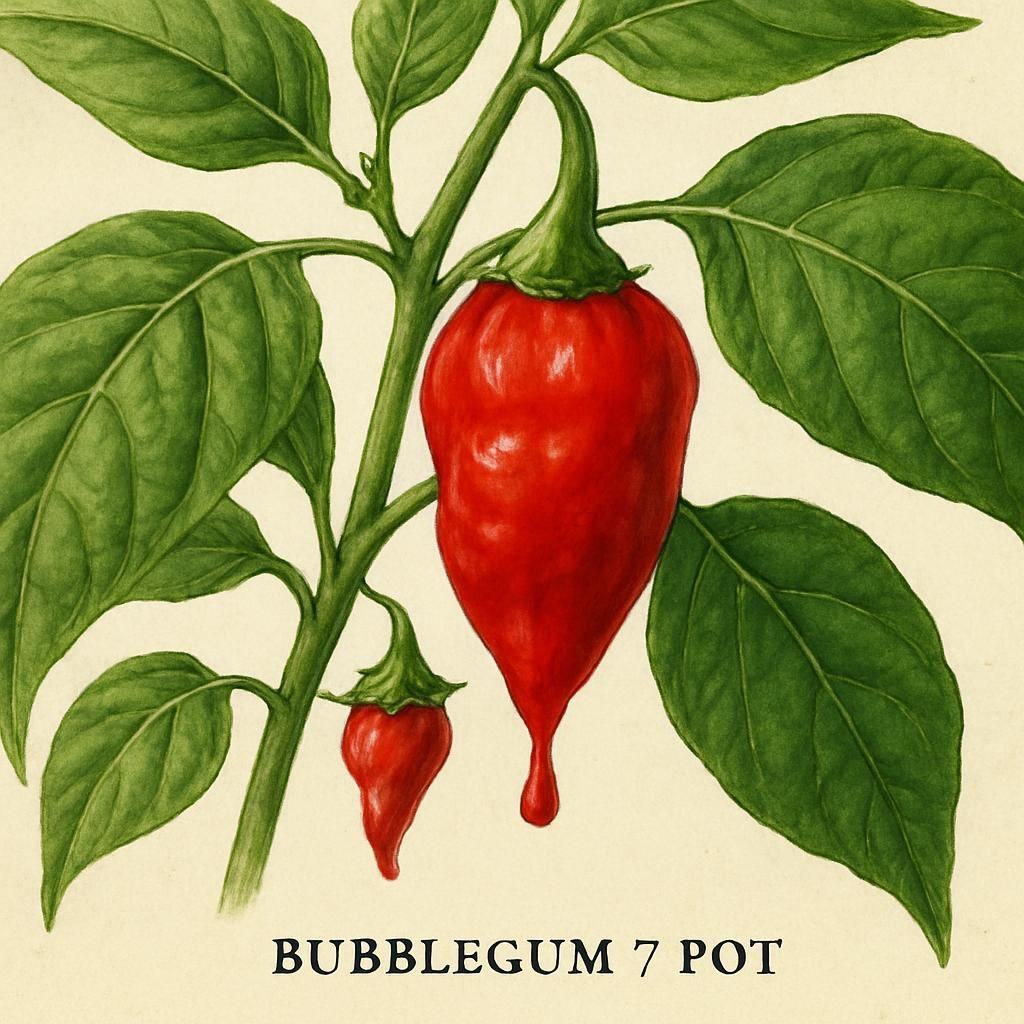
Bubblegum 7 Pot
Bubblegum 7 Pot is an exceptionally hot chili pepper variety known for its unique flavor profile combining fruity notes with intense heat, originating from Trinidad. It is popular among pepper aficionados and home gardeners for its striking appearance and culinary versatility.
View Guide
Buckwheat
Buckwheat is a fast-growing broadleaf pseudocereal valued for grain, pollinator support, weed suppression, and soil improvement. Although often grouped with cereals, it is botanically distinct from grasses and performs best in cool to mild conditions, modest fertility, and well-drained soils.
View Guide