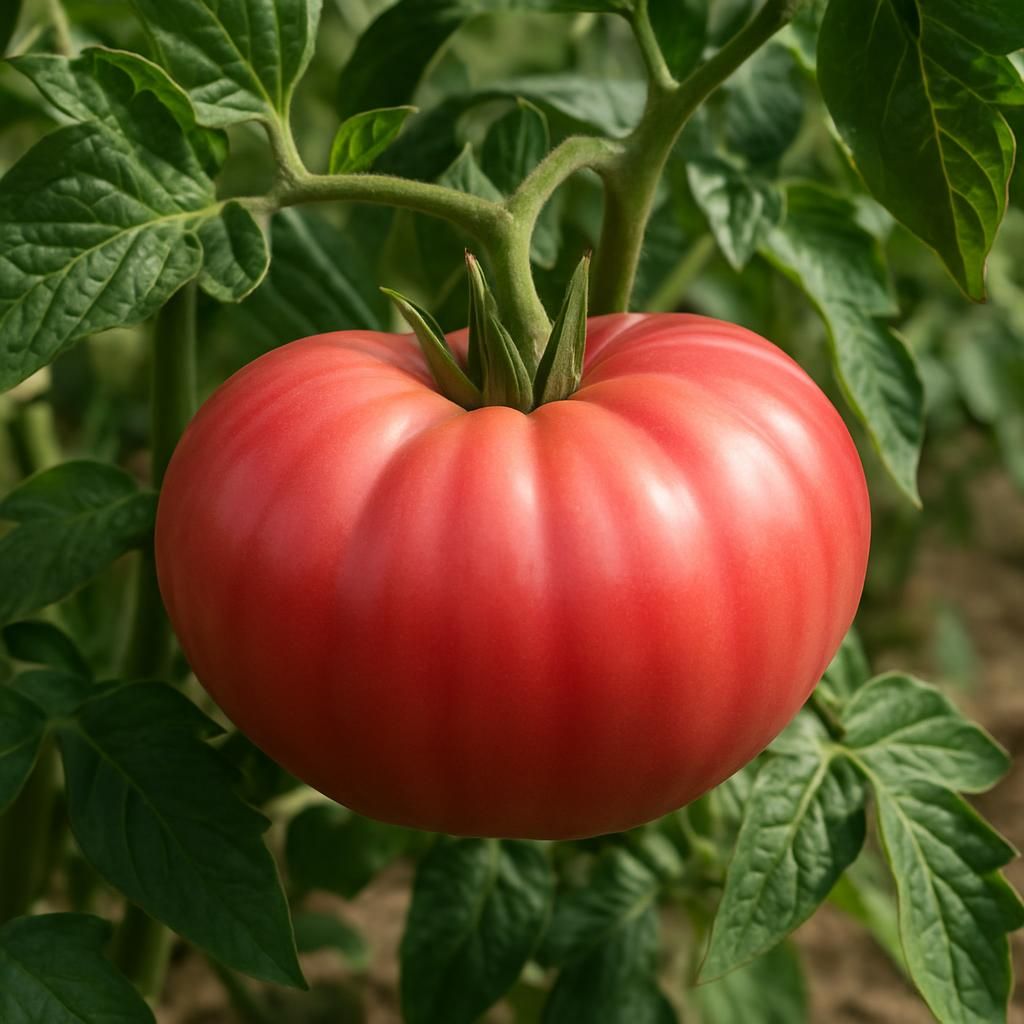
Introduction to Brandywine Pink Tomato
Brandywine Pink Tomato stands among the most celebrated heirloom varieties, tracing its origins to the Amish communities of the Brandywine Valley in Pennsylvania during the late 19th century. Renowned for its deep, sweet-tart flavor and dense, juicy flesh, this cultivar produces fruits that frequently exceed one pound in weight. Its thin pink skin and potato-leaf foliage distinguish it visually from more common red tomatoes. Despite its reputation for challenging growth habits, dedicated cultivators consistently rank Brandywine Pink among the finest tasting tomatoes available. The variety thrives when given proper support, consistent moisture, and nutrient management tailored to its vigorous growth pattern.
Botanical Profile of Brandywine Pink Tomato
Brandywine Pink belongs to the species Tomato within the Solanaceae family. It is classified as an indeterminate, heirloom beefsteak type that continues vegetative growth and fruit production throughout the growing season until frost terminates the vines. The plants exhibit distinctive potato-leaf foliage that is broader and less serrated than typical tomato leaves, providing a lush, tropical appearance. Mature vines often reach 6–9 feet in height and require robust staking or caging systems. Flowers are self-pollinating, typically yellow, and appear in clusters along the stems. Fruits develop a smooth, thin pink skin enclosing a meaty interior with few seeds and minimal gel, contributing to their signature rich flavor profile.
Soil, pH, and Climate Requirements for Brandywine Pink Tomato
Successful cultivation of Brandywine Pink Tomato begins with optimizing the growing medium and environmental conditions. The plants perform best in well-drained, fertile loam enriched with organic matter. Soil should retain moisture without becoming waterlogged, as excessive wetness promotes root diseases. Brandywine Pink prefers full sun exposure of at least 8 hours daily and benefits from warm daytime temperatures paired with moderate nighttime cooling.
| Parameter | Ideal Range | Notes |
|---|---|---|
| Soil Type | Loamy, well-drained | Incorporate compost or aged manure |
| Soil pH | 6.2–6.8 | Test annually; adjust with lime if needed |
| Temperature (Day) | 70–85°F (21–29°C) | Protect from temperatures above 90°F |
| Temperature (Night) | 55–70°F (13–21°C) | Avoid prolonged exposure below 50°F |
| Sunlight | Full sun (8+ hours) | South-facing orientation preferred |
| Spacing | 24–36 inches between plants | Rows spaced 48–60 inches apart |
| Frost Tolerance | None | Transplant only after last frost date |
Step-by-Step Planting & Propagation
Start Brandywine Pink Tomato seeds indoors 6–8 weeks before the expected last frost date in your region. Use sterile seed-starting mix and maintain soil temperatures between 75–85°F for optimal germination, which typically occurs within 7–14 days. Once seedlings develop their first true leaves, transplant them into larger containers to prevent root binding. Harden off plants for 7–10 days by gradually exposing them to outdoor conditions. Select a planting site with full sun and rich, amended soil. Dig holes 24–36 inches apart and bury seedlings up to the first set of true leaves to encourage strong root development. Install stakes or cages at planting time to support the vigorous vines. Water thoroughly after transplanting and apply a layer of organic mulch to conserve moisture and suppress weeds.
Care & Maintenance regimes for Brandywine Pink Tomato
Consistent care throughout the season ensures healthy plants and abundant harvests. Brandywine Pink requires regular pruning to manage its indeterminate growth habit and improve air circulation. Side shoots (suckers) should be removed when small to direct energy toward fruit production. Mulching helps maintain even soil moisture and reduces disease incidence. Monitor plants weekly for nutrient deficiencies and adjust fertilization accordingly.
| Task | Frequency | Details |
|---|---|---|
| Watering | 1–2 inches per week | Deep, infrequent watering; avoid wetting foliage |
| Fertilizer | Every 3–4 weeks | Balanced organic fertilizer (5-5-5 or similar); side-dress with compost mid-season |
| Pruning | Weekly | Remove suckers below first flower cluster; prune lower leaves touching soil |
| Mulching | At planting & as needed | 2–3 inches of straw or shredded leaves |
| Staking/Caging | At planting | Use 6–8 ft stakes or heavy-duty cages |
Pests, Diseases & Organic Management
Brandywine Pink Tomato is susceptible to several common tomato pests and diseases that can reduce yield if left unchecked. Aphids often colonize new growth and can be managed with insecticidal soap or neem oil. Spider mites may appear during hot, dry periods and respond well to strong water sprays and predatory mites. Fungal issues such as Early blight and Septoria leaf spot are mitigated through crop rotation, proper spacing, and removal of infected foliage. Blossom end rot can be prevented by maintaining consistent soil moisture and adequate calcium levels. Regular scouting and immediate removal of affected plant parts form the foundation of an effective organic management program.
Harvesting, Curing & Optimal Storage
Harvest Brandywine Pink fruits when they reach full size and show a uniform pink blush with slight softening at the blossom end. Pick tomatoes by gently twisting the stem or using clean pruners to avoid damaging the plant. For optimal flavor, allow fruits to ripen fully on the vine when possible. If early frost threatens, pick mature green tomatoes and ripen them indoors in a paper bag or on a windowsill. Store ripe tomatoes at room temperature away from direct sunlight for up to one week. For longer storage, process into sauces, salsas, or freeze in slices. Avoid refrigeration, which can diminish flavor and texture.
Companion Planting for Brandywine Pink Tomato
Strategic companion planting enhances the health and productivity of Brandywine Pink Tomato. Basil planted nearby repels pests and may improve flavor. Marigolds deter nematodes and attract beneficial insects. Nasturtium serves as a trap crop for aphids while adding edible flowers to the garden. Avoid planting tomatoes near Corn or members of the Brassica family, which can compete for nutrients or harbor shared pests. Incorporating aromatic herbs such as Thyme and Rosemary further supports biodiversity and natural pest control within the tomato patch.