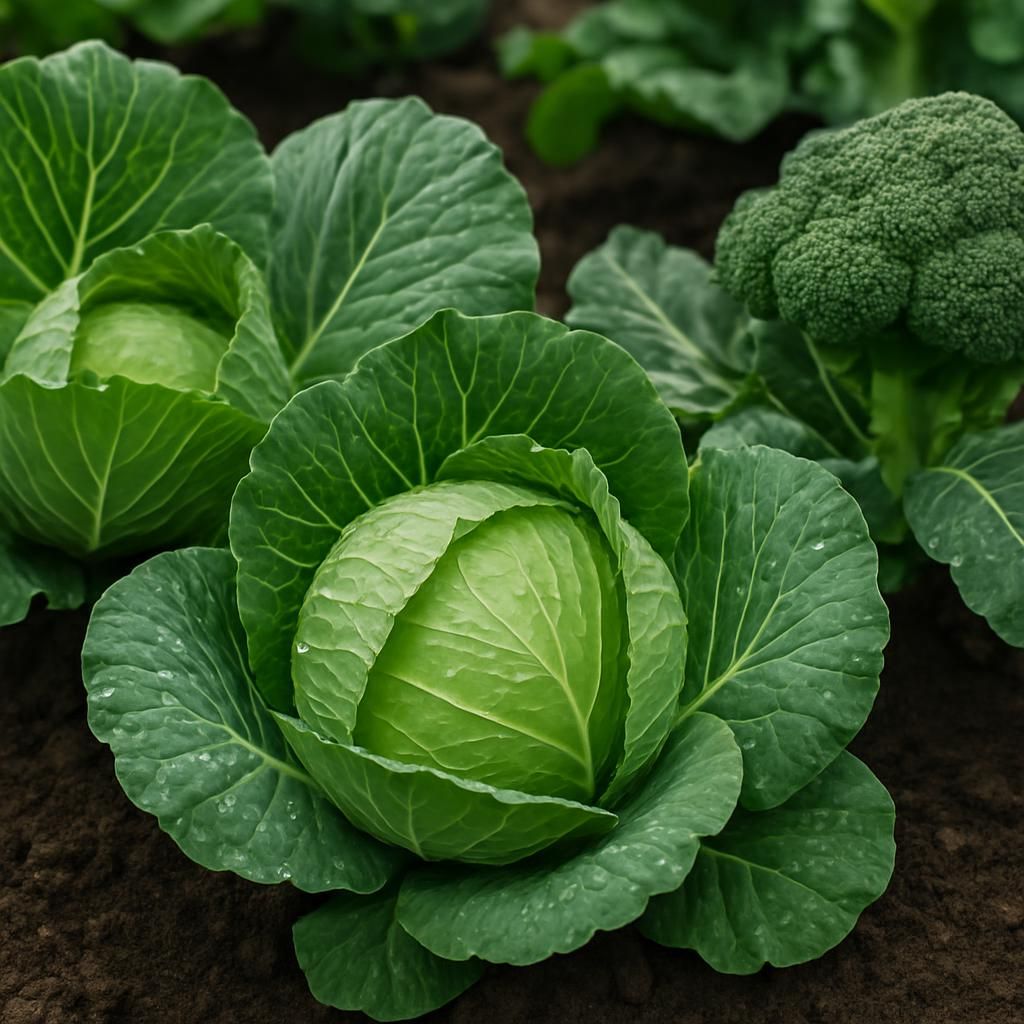
Introduction to Brassicas
Brassicas, members of the Brassicaceae family, represent one of the most economically important groups of cool-season vegetables worldwide. This group includes widely cultivated species such as Cabbage, Broccoli, Cauliflower, Kale, Brussels sprouts, and collards. These crops are prized for their high nutritional value, versatility in culinary applications, and resilience in temperate growing regions. Commercial and home growers alike value brassicas for their relatively short production cycles and ability to produce substantial biomass in limited space when soil fertility and irrigation are optimized.
Successful brassica production hinges on understanding their specific environmental preferences and susceptibility to certain pests and diseases. With global demand for fresh and processed brassica products rising, growers must adopt integrated management practices that emphasize soil health, crop rotation, and organic pest suppression. This guide provides a definitive, professional-grade resource for achieving consistent, high-quality brassica harvests across diverse climates.
Botanical Profile of Brassicas
Brassicas belong to the genus Brassica within the Brassicaceae family. Most cultivated brassicas are derived from Brassica oleracea, which has been selectively bred into numerous morphotypes including heading cabbages, broccoli with enlarged inflorescences, and kale with non-heading leafy growth. Other important species include Brassica rapa (turnips and Napa cabbage) and Brassica napus (rutabaga and oilseed rape). These plants are biennials or annuals characterized by alternate leaves, four-petaled cruciform flowers, and silique seed pods. Their glucosinolate compounds contribute to distinctive flavors and provide natural defense against herbivores.
Brassicas exhibit extensive morphological diversity. Heading types develop compact rosettes of overlapping leaves, while sprouting types such as broccoli and cauliflower produce modified inflorescences. Root brassicas like turnips and rutabagas form enlarged hypocotyls used for storage. Understanding these botanical distinctions helps growers select appropriate cultivars and tailor cultural practices for maximum productivity.
Soil, pH, and Climate Requirements for Brassicas
Brassicas perform best in fertile, well-drained soils with consistent moisture availability. They prefer cool temperatures between 15–20 °C and are sensitive to heat stress, which can induce bolting or reduce head quality. Soil pH should be maintained slightly acidic to neutral to optimize nutrient uptake and minimize clubroot incidence. Adequate organic matter improves soil structure, water retention, and microbial activity essential for healthy root development.
| Parameter | Ideal Range/Value | Notes |
|---|---|---|
| Soil pH | 6.0–7.0 | Avoid below 5.8 to reduce clubroot risk |
| Soil Type | Loamy, well-drained | High organic matter content preferred |
| Temperature (Day) | 15–20 °C | Growth slows above 24 °C |
| Temperature (Night) | 10–15 °C | Cool nights enhance head formation |
| Spacing (Heading types) | 45–60 cm between plants | Rows 60–75 cm apart |
| Spacing (Leafy types) | 30–45 cm between plants | Rows 45–60 cm apart |
| Frost Tolerance | Light frost beneficial | Hard frosts may damage young transplants |
Step-by-Step Planting & Propagation
Brassicas can be established from seed or transplants. For direct seeding, sow in prepared beds at a depth of 0.5–1 cm when soil temperatures reach 10 °C. Thin seedlings to the desired spacing once true leaves appear. Transplant production involves starting seeds indoors 4–6 weeks before the last expected frost, hardening off seedlings for 7–10 days, and planting out when they reach 4–6 true leaves. Use disease-free seed and consider seed treatments for damping-off prevention.
Site preparation includes incorporating well-rotted compost or aged manure at 5–8 kg per square meter. Raised beds improve drainage in heavy soils. Transplant on overcast days or late afternoon to reduce transplant shock. Water immediately after planting to settle soil around roots. Mulch with organic materials to suppress weeds and maintain consistent moisture.
Care & Maintenance regimes for Brassicas
Consistent irrigation and balanced nutrition are critical during vegetative growth and head formation. Side-dress with nitrogen-rich organic fertilizers 3–4 weeks after transplanting. Monitor for nutrient deficiencies, particularly boron and magnesium, which can cause physiological disorders. Implement regular scouting for pests and diseases to enable timely intervention.
| Growth Stage | Water Schedule | Fertilizer Application | Pruning/Maintenance |
|---|---|---|---|
| Seedling/Transplant | 2–3 cm/week, keep evenly moist | Starter solution at transplant | Remove damaged leaves |
| Vegetative | 2.5–4 cm/week | Side-dress N at 3–4 weeks | Weed control, mulch renewal |
| Head Formation | Consistent 3–4 cm/week | Light K boost if deficiency symptoms | Remove lower leaves for airflow |
| Pre-Harvest | Reduce slightly 7–10 days prior | No additional fertilizer | Inspect heads for maturity |
Pests, Diseases & Organic Management
Common brassica pests include cabbage worms, aphids, and flea beetles. Cabbage worms and diamondback moth larvae can rapidly defoliate plants; monitor with pheromone traps and apply Bacillus thuringiensis (Bt) sprays at first sign of feeding. Aphids are best managed with insecticidal soaps and encouraging natural predators such as lady beetles. Flea beetles are deterred by floating row covers and reflective mulches.
Diseases such as clubroot, downy mildew, and alternaria leaf spot pose significant threats. Clubroot is managed through long crop rotations (minimum 7 years) and maintaining soil pH above 7.0 with lime applications. Downy mildew and alternaria are suppressed with copper-based fungicides and ensuring adequate plant spacing for airflow. Remove and destroy infected plant debris to reduce overwintering inoculum.
Harvesting, Curing & Optimal Storage
Harvest brassicas at peak maturity when heads are firm and before flowering begins. Cut cabbage and cauliflower heads with a sharp knife, leaving several wrapper leaves for protection. Broccoli should be harvested when buds are tight and before yellowing occurs. Brussels sprouts are picked from the bottom up as they reach 2–3 cm diameter.
Cure harvested heads in a shaded, well-ventilated area for 1–2 days to reduce field heat. Store cabbage and cauliflower at 0–2 °C with 95–100% relative humidity for up to 3 months. Broccoli and Brussels sprouts store best at 0 °C for 1–2 weeks. Avoid storing near ethylene-producing fruits to prevent premature yellowing.
Companion Planting for Brassicas
Strategic companion planting enhances brassica resilience by improving pest suppression and nutrient cycling. Aromatic herbs such as Thyme and rosemary repel cabbage moths and aphids. Legumes like Clover fix nitrogen and improve soil structure when used as living mulches. Marigolds and Nasturtium deter nematodes and attract beneficial insects.
Avoid planting brassicas near strawberries or tomatoes, which can share common pests and diseases. Cabbage benefits from proximity to dill, which attracts parasitic wasps. Rotate brassicas with non-host crops such as Onion or Garlic to break pest and disease cycles. These pairings contribute to a balanced, resilient cropping system.