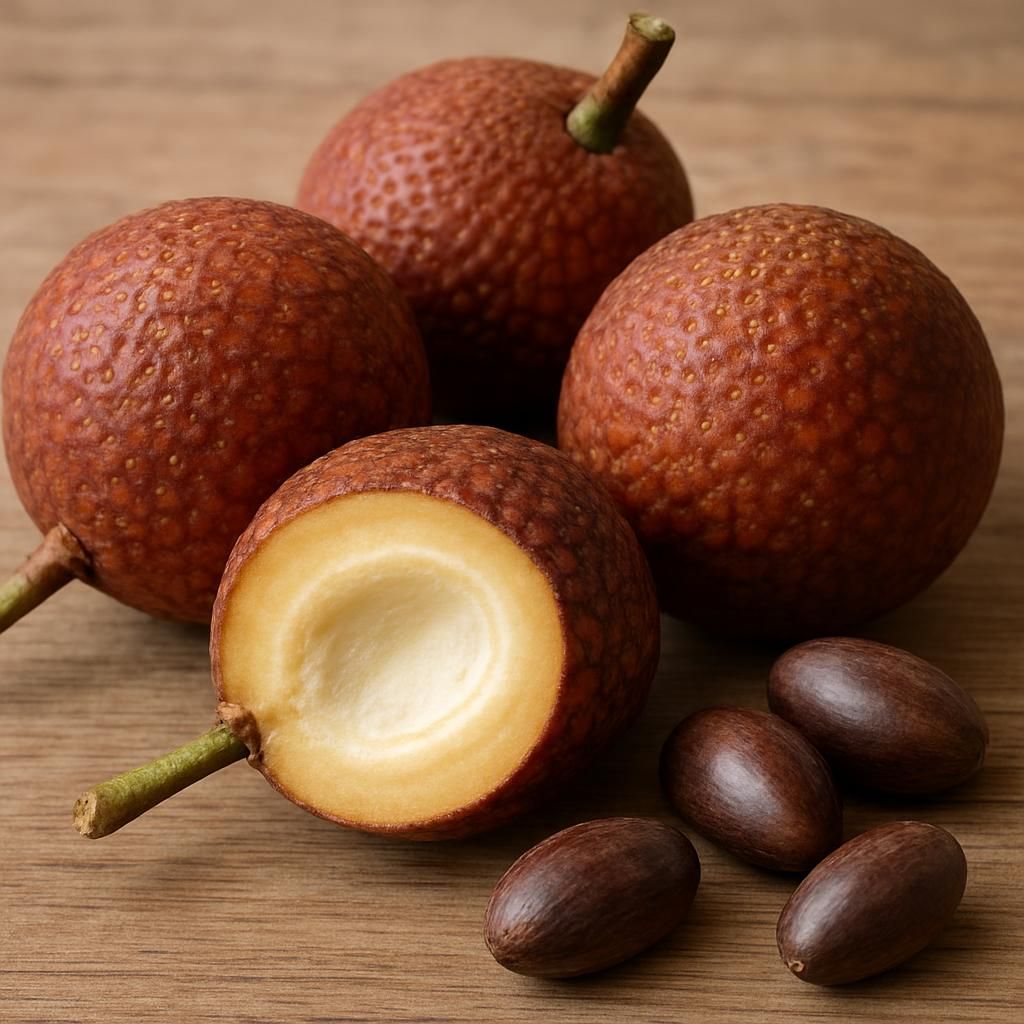
Introduction to Breadnut (Maya Nut)
Breadnut (Brosimum alicastrum), commonly called Maya Nut, is a multipurpose tropical tree native to Mesoamerica that has sustained indigenous communities for millennia. The tree produces abundant, chestnut-sized seeds that can be roasted, ground into flour, or boiled as a staple carbohydrate. Beyond food security, Breadnut provides high-quality timber, livestock fodder, and ecosystem services such as soil stabilization and carbon sequestration.
Modern growers are rediscovering Breadnut for its resilience in changing climates and its ability to produce reliable harvests with low external inputs. The species grows rapidly, reaching 20–40 meters at maturity, and can begin bearing within 4–6 years when managed correctly. Its deep root system confers exceptional drought tolerance once established, making it suitable for marginal lands and rain-fed systems.
Botanical Profile of Breadnut (Maya Nut)
Breadnut belongs to the Moraceae family and is closely related to fig. The tree features a straight trunk with smooth gray bark and a dense, spreading canopy of glossy, elliptical leaves. Small, inconspicuous flowers appear year-round in many regions, with peak pollination occurring during the dry season. Female trees produce rounded, green fruits 2–3 cm in diameter that ripen to yellow-orange and contain 1–3 large seeds.
The seeds are rich in complex carbohydrates, protein, and essential minerals including calcium, iron, and magnesium. Leaves are palatable to livestock and serve as a valuable dry-season fodder. The wood is dense, termite-resistant, and valued for furniture and construction. Because Breadnut is dioecious, growers should plant a ratio of approximately one male tree for every 8–10 females to ensure adequate pollination.
Soil, pH, and Climate Requirements for Breadnut (Maya Nut)
Breadnut performs best on well-drained loamy soils but tolerates a wide range of textures provided drainage is adequate. The species prefers slightly acidic to neutral conditions and moderate fertility; excessive nitrogen can promote vegetative growth at the expense of fruiting.
| Parameter | Ideal Range | Notes |
|---|---|---|
| Soil Type | Loam to sandy loam | Good drainage essential; avoid waterlogging |
| Soil pH | 5.5–7.0 | Tolerates 5.0–7.5; lime if below 5.0 |
| Temperature | 20–32 °C | Sensitive to frost below 10 °C |
| Annual Rainfall | 1200–2500 mm | Tolerates 800–3000 mm with good distribution |
| Altitude | 0–1200 m | Best growth below 800 m |
| Light | Full sun to partial shade | Young trees benefit from 30–50 % shade |
Step-by-Step Planting & Propagation
Breadnut is most reliably propagated from fresh seeds. Collect ripe fruits directly from the tree or ground and remove the fleshy pulp immediately. Seeds remain viable for only 2–4 weeks, so sow within days of collection.
- Soak cleaned seeds in clean water for 24 hours to soften the hard seed coat.
- Prepare nursery beds or polybags with a 1:1:1 mix of forest soil, well-rotted compost, and coarse sand.
- Sow seeds 2–3 cm deep, cover lightly, and maintain consistent moisture without waterlogging.
- Germination occurs in 10–25 days at 25–30 °C. Provide 50 % shade for the first 4–6 weeks.
- Transplant seedlings to the field when they reach 40–60 cm, ideally at the start of the rainy season.
- Space trees 8–10 m apart in a square or triangular pattern; interplant one male tree per 8–10 females.
Grafting is possible but rarely practiced; air-layering of selected female trees offers another clonal option for superior genotypes.
Care & Maintenance regimes for Breadnut (Maya Nut)
Young Breadnut trees require regular weeding and protection from livestock during the first two years. Mulching with 10–15 cm of organic material suppresses weeds, conserves moisture, and builds soil organic matter. Once canopy closure occurs, maintenance drops significantly.
| Growth Stage | Watering Schedule | Fertilizer Schedule | Pruning Schedule |
|---|---|---|---|
| Year 1–2 | 20–30 L per tree weekly in dry season | 200 g NPK 10-10-10 at 3 and 9 months | Formative pruning at 6 and 18 months |
| Year 3–5 | Supplemental only during prolonged drought | 500 g NPK 12-12-17 + 2 kg compost annually | Remove lower branches to 2 m; tip prune |
| Mature (>5 yr) | Rain-fed; irrigate only if >30 days without rain | 1–2 kg compost + 300 g potassium sulfate yearly | Annual sanitation pruning after harvest |
Pests, Diseases & Organic Management
Breadnut is relatively pest-resistant, but young foliage can attract aphids and leafhoppers. Monitor weekly and release lady beetles or apply neem oil at the first sign of infestation. Scale insects occasionally colonize branches; prune affected limbs and apply horticultural oil during the dormant season.
Fungal leaf spots caused by Cercospora species may appear during prolonged wet periods. Improve airflow through pruning and avoid overhead irrigation. Root rot from Phytophthora is rare but can occur in poorly drained soils; plant on mounds or raised beds in high-rainfall areas. Termites may attack stressed trees; maintain tree vigor and apply crushed neem leaves around the base as a repellent.
Harvesting, Curing & Optimal Storage
Fruits ripen asynchronously and drop naturally when mature. Collect fallen fruits daily to prevent seed predation by rodents. Remove the pulp by soaking in water for 24–48 hours, then wash and sun-dry the seeds for 3–5 days until moisture content reaches 12 % or lower.
Store dried seeds in breathable sacks or sealed containers with silica gel in a cool, dry location. Properly cured seeds remain viable for 6–12 months. For culinary use, roast seeds at 150 °C for 20–30 minutes to develop a nutty flavor and improve digestibility. Ground roasted seeds can substitute up to 30 % of wheat flour in baked goods.
Companion Planting for Breadnut (Maya Nut)
Breadnut integrates well into multi-strata agroforestry systems. Compatible understory crops include Cassava, Cacao, and Pineapple. Nitrogen-fixing species such as Gliricidia and Pigeon pea improve soil fertility and provide additional fodder or fuelwood. Tall legumes like Sesame can be grown between rows during the first three years before canopy closure reduces light levels.
Avoid planting heavy feeders such as Corn directly beneath mature Breadnut trees, as competition for nutrients and light may reduce yields. Instead, use the deep shade for shade-tolerant crops like Turmeric or Ginger.