Encyclopedia
Definitive guides for crops, pests, and agricultural diseases.
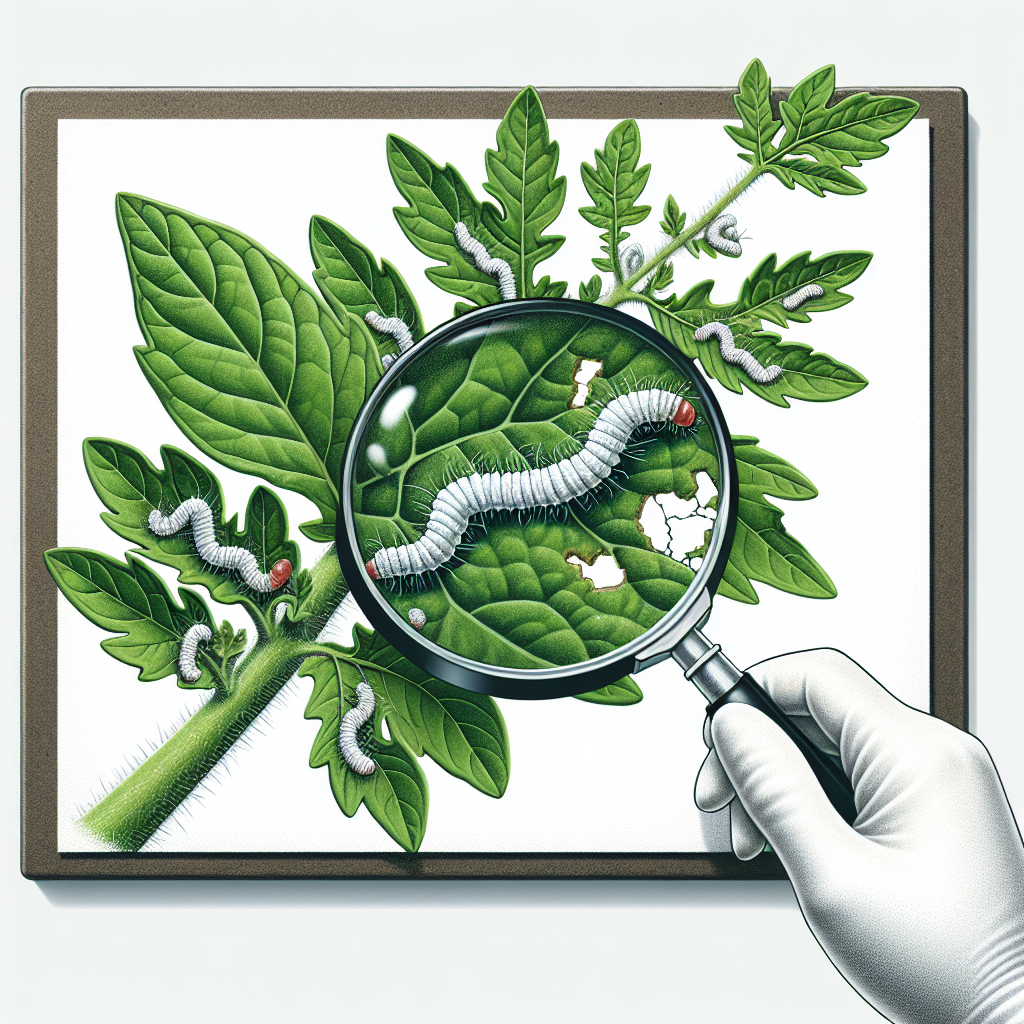
Leaf miners
Leaf miners are the larval stage of small flies that burrow serpentine tunnels inside plant leaves, causing aesthetic damage and reduced photosynthesis. Common in vegetables, ornamentals, and citrus, they affect over 200 plant species worldwide. Effective management combines cultural practices, biological controls, and targeted organic treatments for sustainable control.
View Profile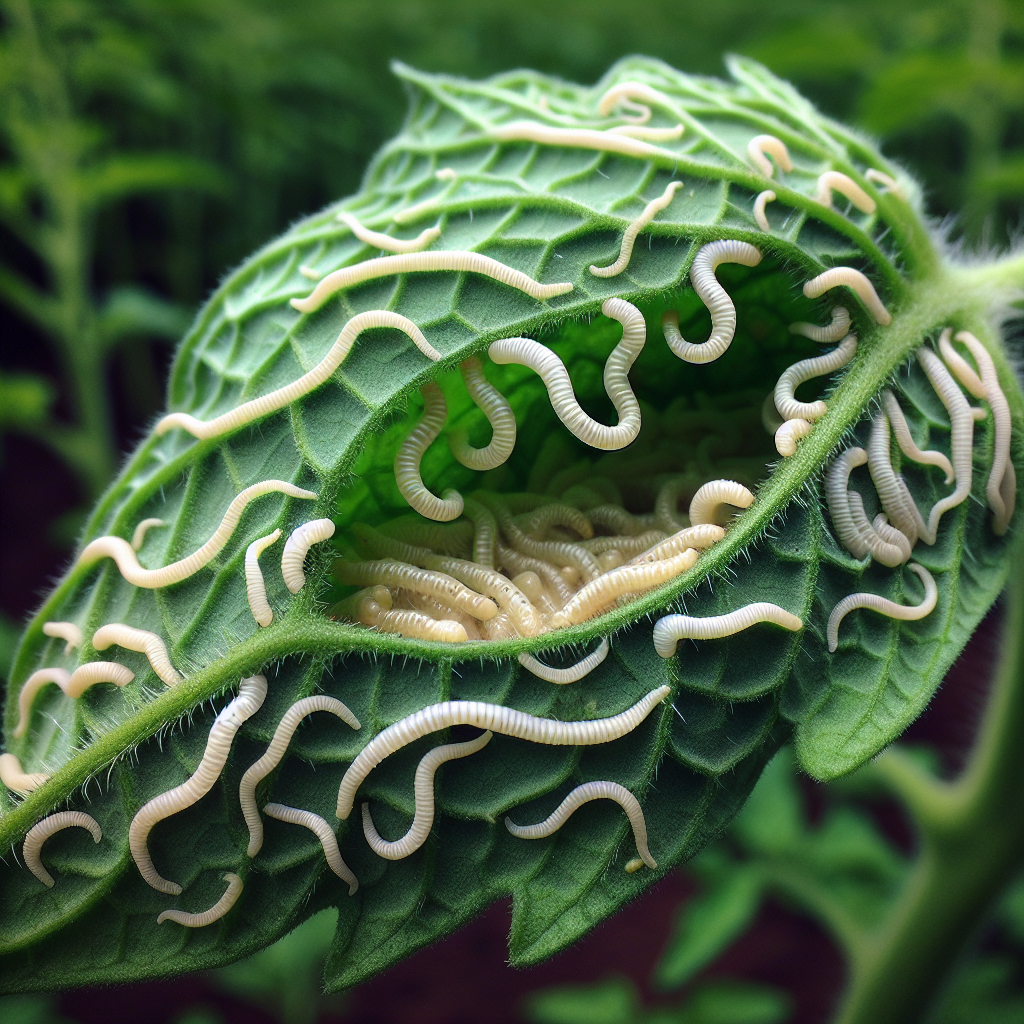
Leaf miners (Liriomyza spp.)
Leaf miners (Liriomyza spp.) are small flies whose larvae tunnel through leaf tissues, causing serpentine mines that reduce photosynthesis and crop yields. This guide provides comprehensive diagnostics, lifecycle insights, organic management strategies, and prevention tactics for affected crops like tomatoes and beans. Effective control combines cultural practices, biological agents, and monitoring to minimize damage sustainably.
View Profile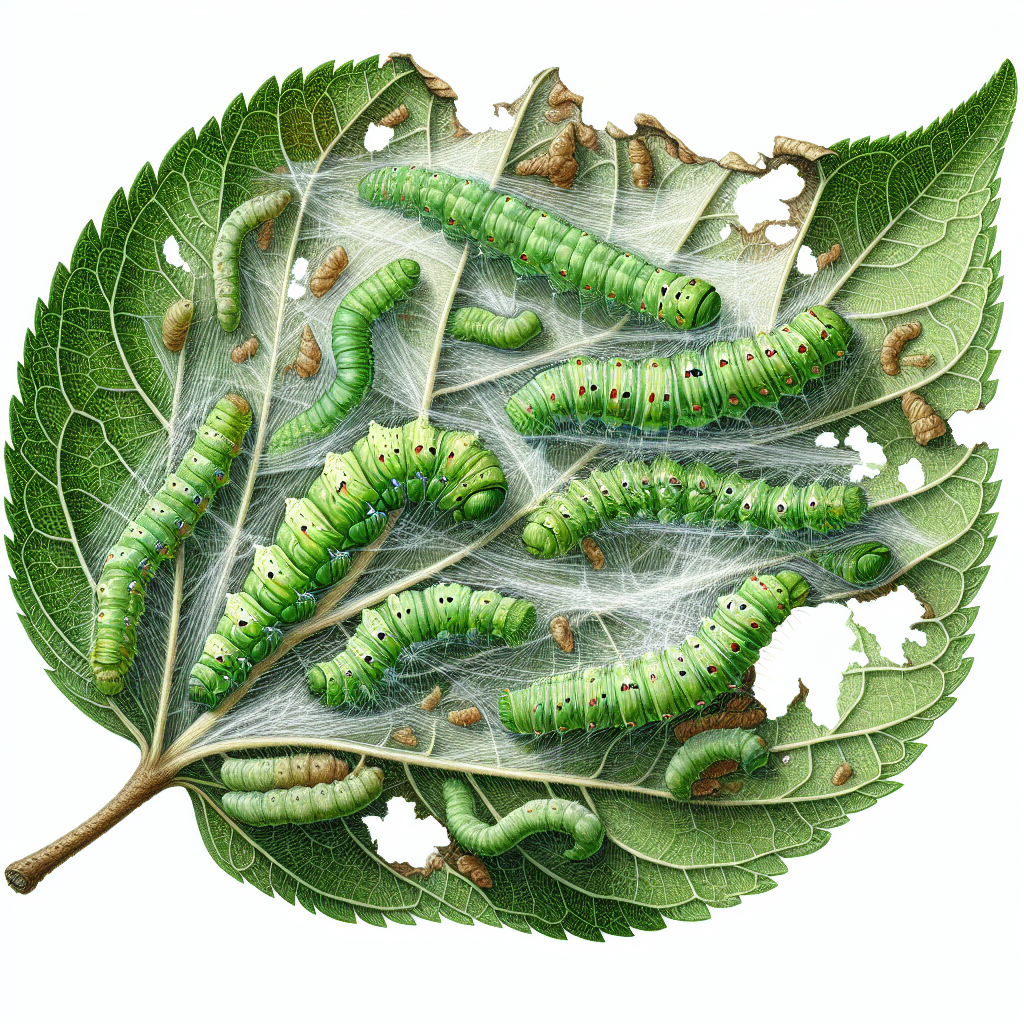
leaf rollers
Leaf rollers are destructive moth larvae that bind leaves together with silk, feeding within and causing significant damage to fruits, vegetables, and ornamentals. This guide provides comprehensive diagnostics, lifecycle insights, organic management strategies, and prevention tips for farmers and gardeners. Effective control combines monitoring, biological agents, and cultural practices to protect yields without synthetic chemicals.
View Profile
Leaf-cutting ants
Leaf-cutting ants are highly organized social insects native to the Americas that farm fungus using freshly cut plant material, causing significant defoliation in tropical and subtropical agriculture. Colonies can contain millions of ants and span vast underground networks, making them challenging pests for farmers growing citrus, vegetables, and ornamentals. Effective management combines organic baits, biological controls, and cultural practices to disrupt their fungus gardens without harming beneficial insects.
View Profile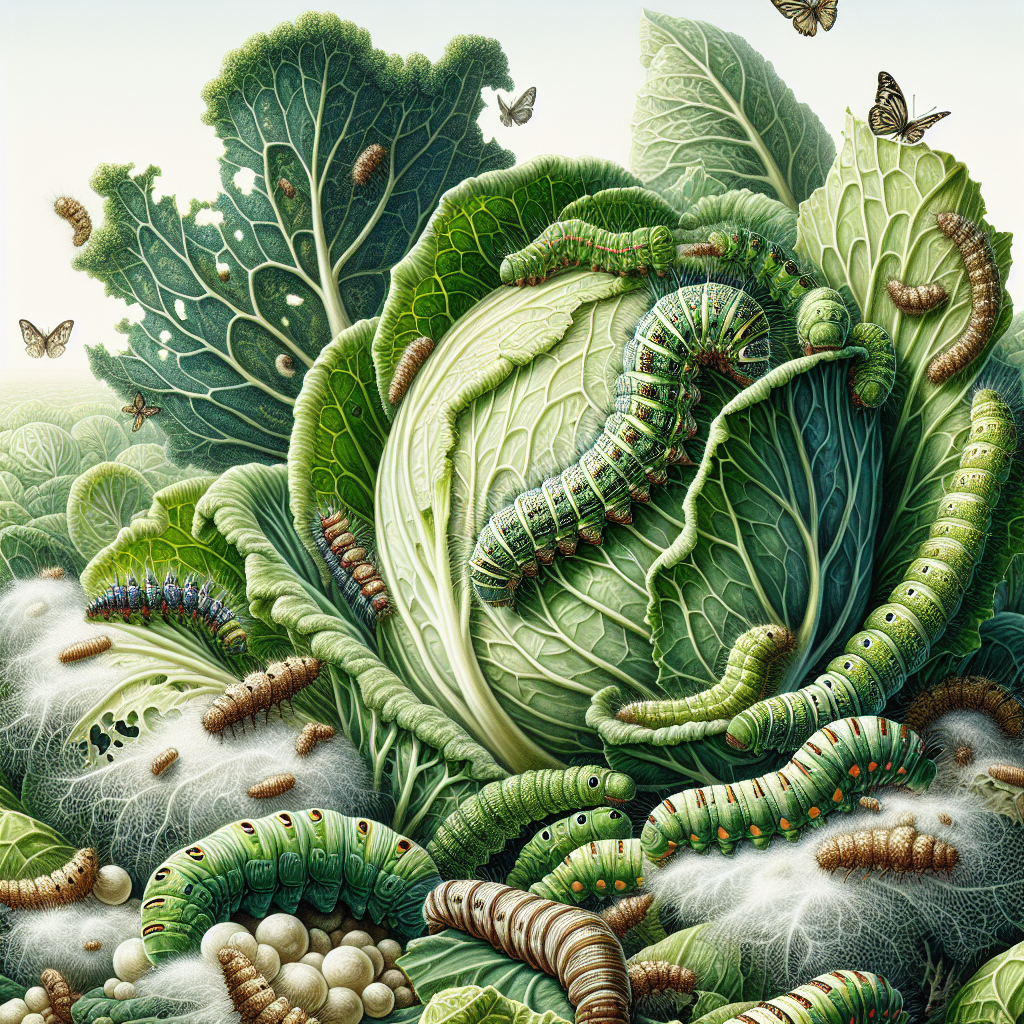
Leaf-eating caterpillars
Leaf-eating caterpillars are the larval stage of numerous moth and butterfly species that voraciously consume foliage, causing significant defoliation in crops worldwide. These pests are identifiable by their chewing damage, frass, and distinctive larval morphologies. Effective management combines cultural practices, biological controls, and organic treatments to minimize crop losses.
View Profile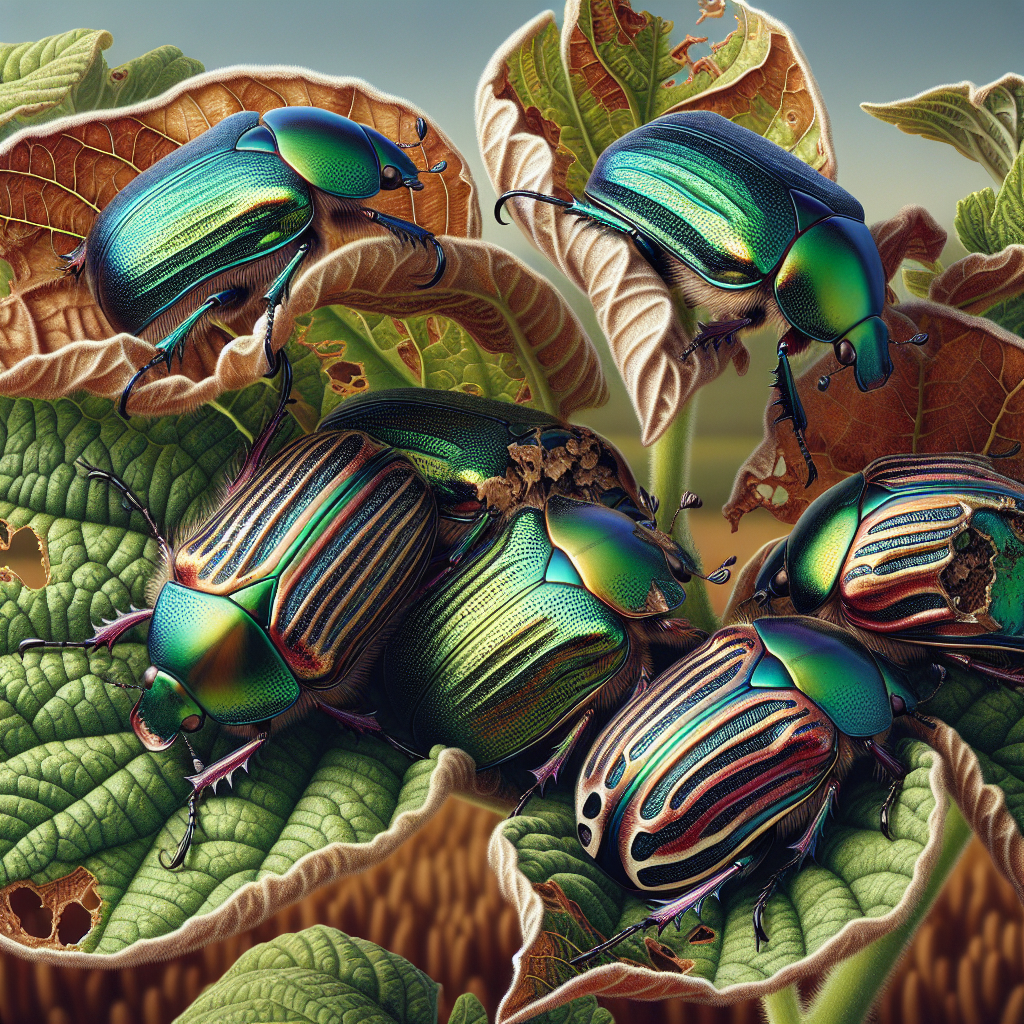
leaf-feeding beetles
Leaf-feeding beetles are a diverse group of chewing insects that skeletonize foliage, causing significant defoliation in crops worldwide. These pests, primarily from the Chrysomelidae family, target a wide range of plants, leading to reduced photosynthesis and yield losses. Effective management combines cultural practices, organic controls, and vigilant monitoring for sustainable agriculture.
View Profile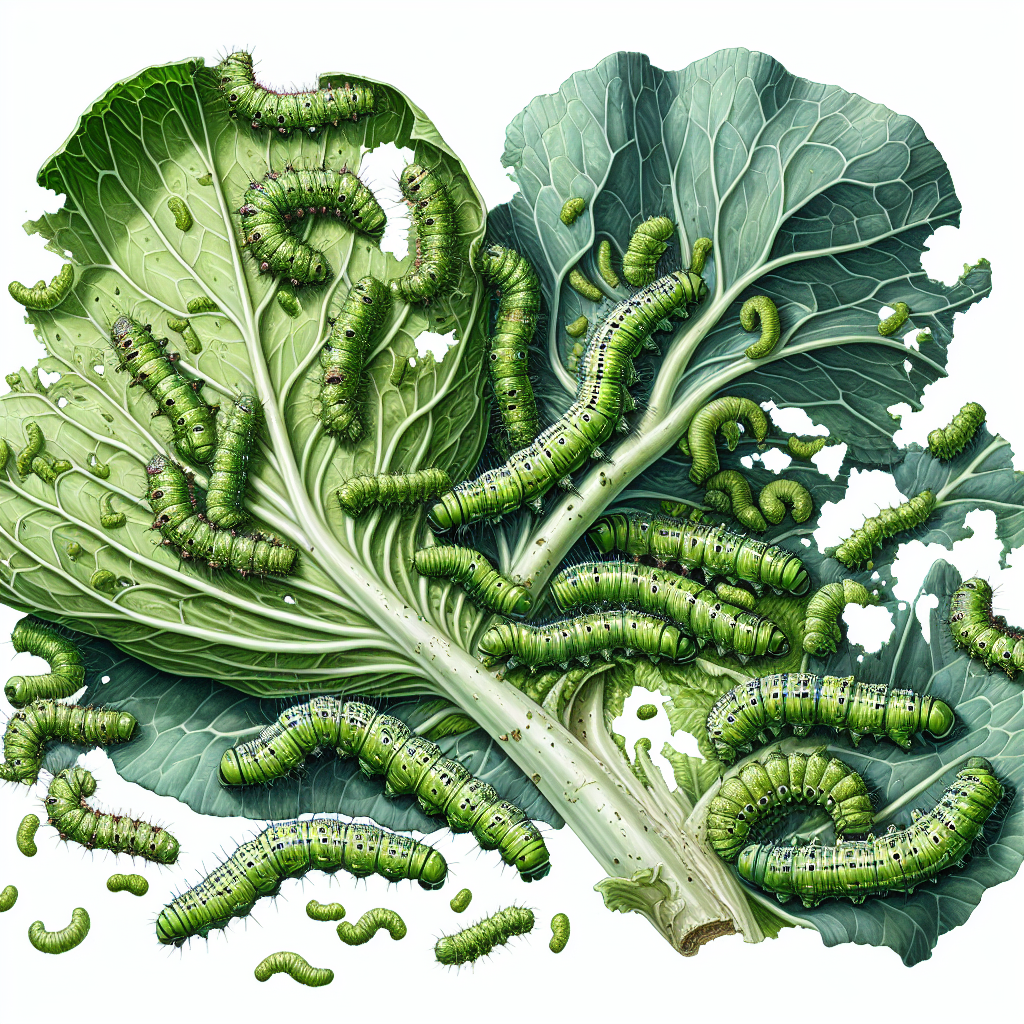
leaf-feeding caterpillars
Leaf-feeding caterpillars are the larval stages of numerous moth and butterfly species that voraciously consume foliage, causing significant defoliation in crops worldwide. These pests can rapidly strip plants of leaves, reducing photosynthesis and yields in vegetables, fruits, and field crops. Effective management combines early detection, organic controls like BT, and cultural practices for sustainable agriculture.
View Profile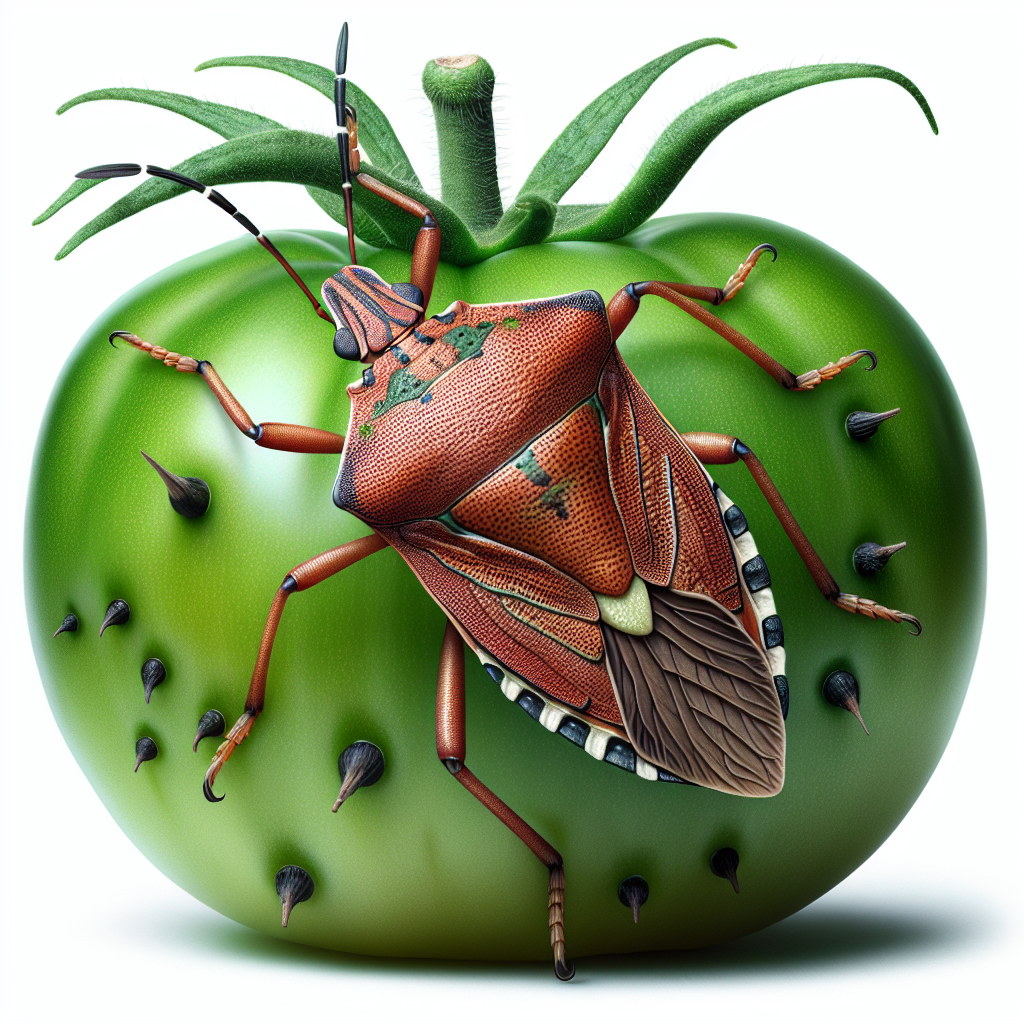
Leaf-footed bugs
Leaf-footed bugs are large, plant-sucking insects notorious for damaging fruits, nuts, and vegetables by injecting toxins that cause fruit deformation and drop. Native to the Americas, these pests thrive in warm climates and can devastate crops like tomatoes, citrus, and almonds. Effective management combines monitoring, organic controls, and cultural practices for sustainable control.
View Profile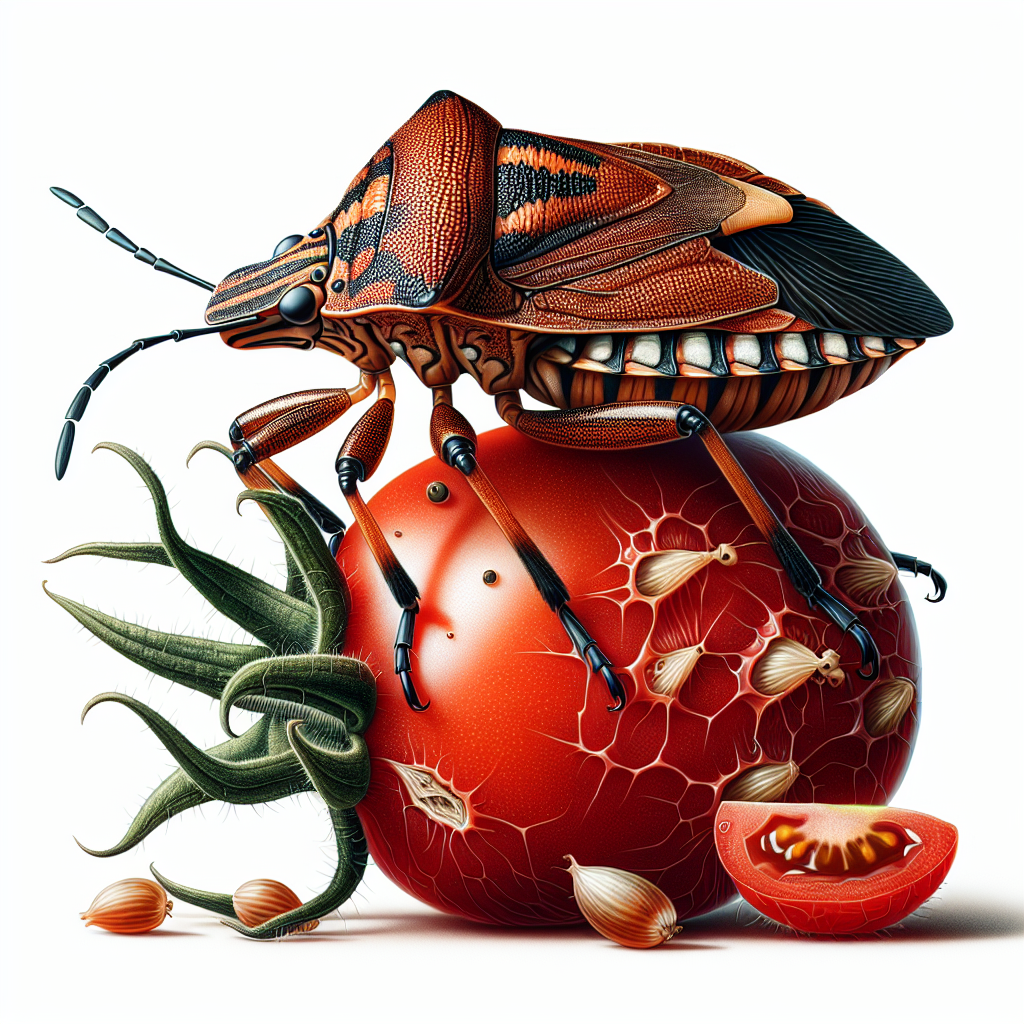
Leaffooted bugs
Leaffooted bugs are large, plant-sucking pests notorious for damaging fruits, nuts, and vegetables by injecting toxins that cause fruit deformation and drop. Native to the Americas, they thrive in warm climates and can devastate crops like tomatoes, citrus, and almonds. Effective management combines monitoring, organic controls, and cultural practices for sustainable control.
View Profile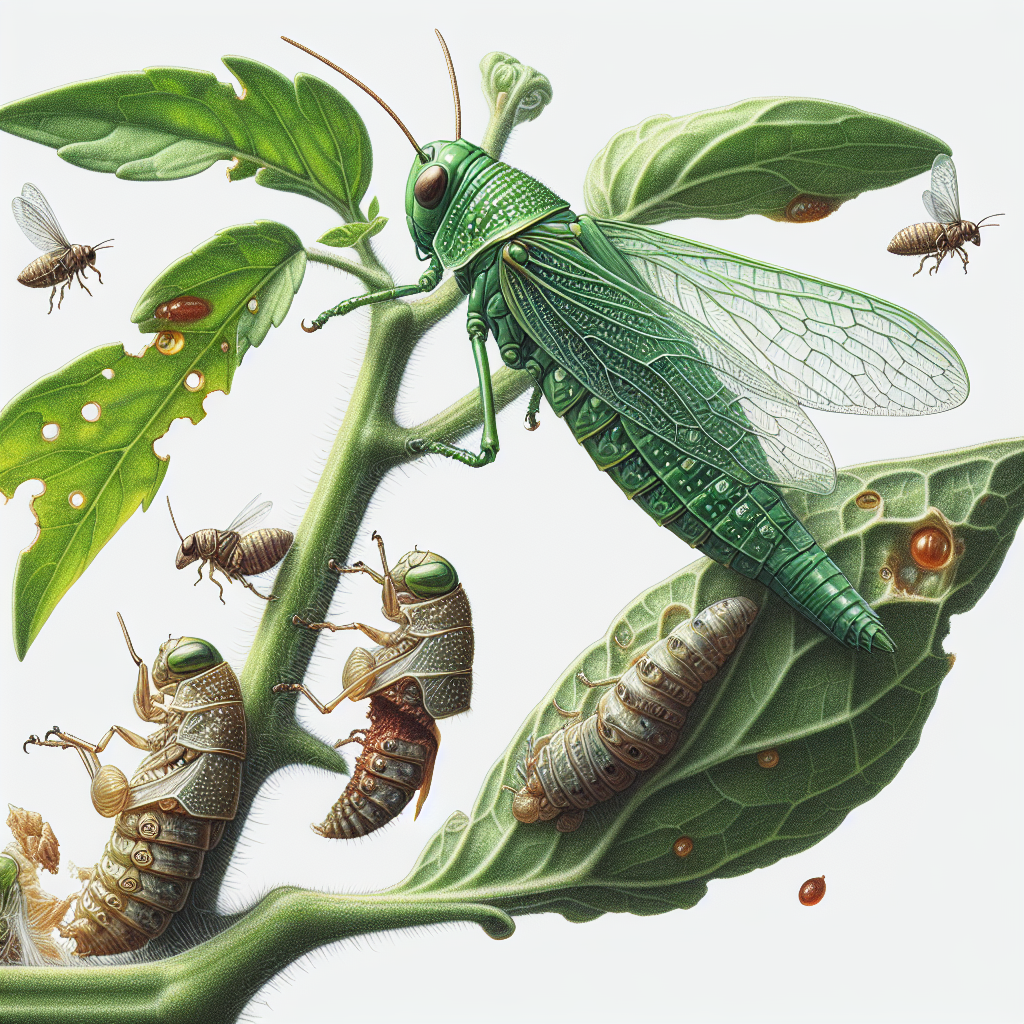
leafhoppers
Leafhoppers are small, wedge-shaped insects that suck plant sap, causing stippling, yellowing, and curling of leaves while transmitting viral diseases. They affect a wide range of crops including vegetables, grains, and ornamentals, thriving in warm, dry conditions. Effective management combines monitoring, cultural practices, and organic controls like insecticidal soaps and beneficial insects.
View Profile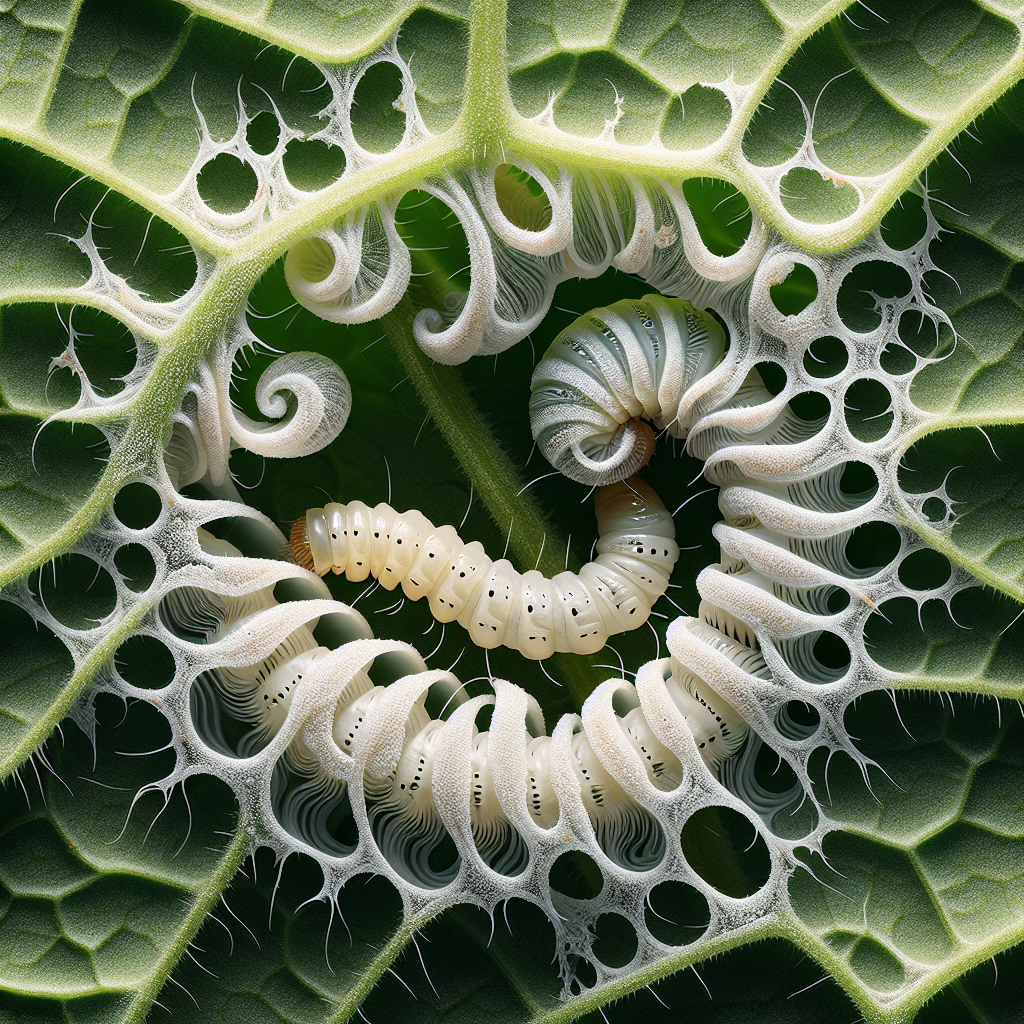
Leafminers
Leafminers are the larval stage of various small flies and moths that burrow into leaf tissues, creating distinctive winding trails and serpentine mines that reduce photosynthesis and weaken plants. Common in vegetables, ornamentals, and citrus, they thrive in warm conditions and can cause significant cosmetic and yield damage if unmanaged. Effective organic control combines monitoring, cultural practices, and biological agents for sustainable management.
View Profile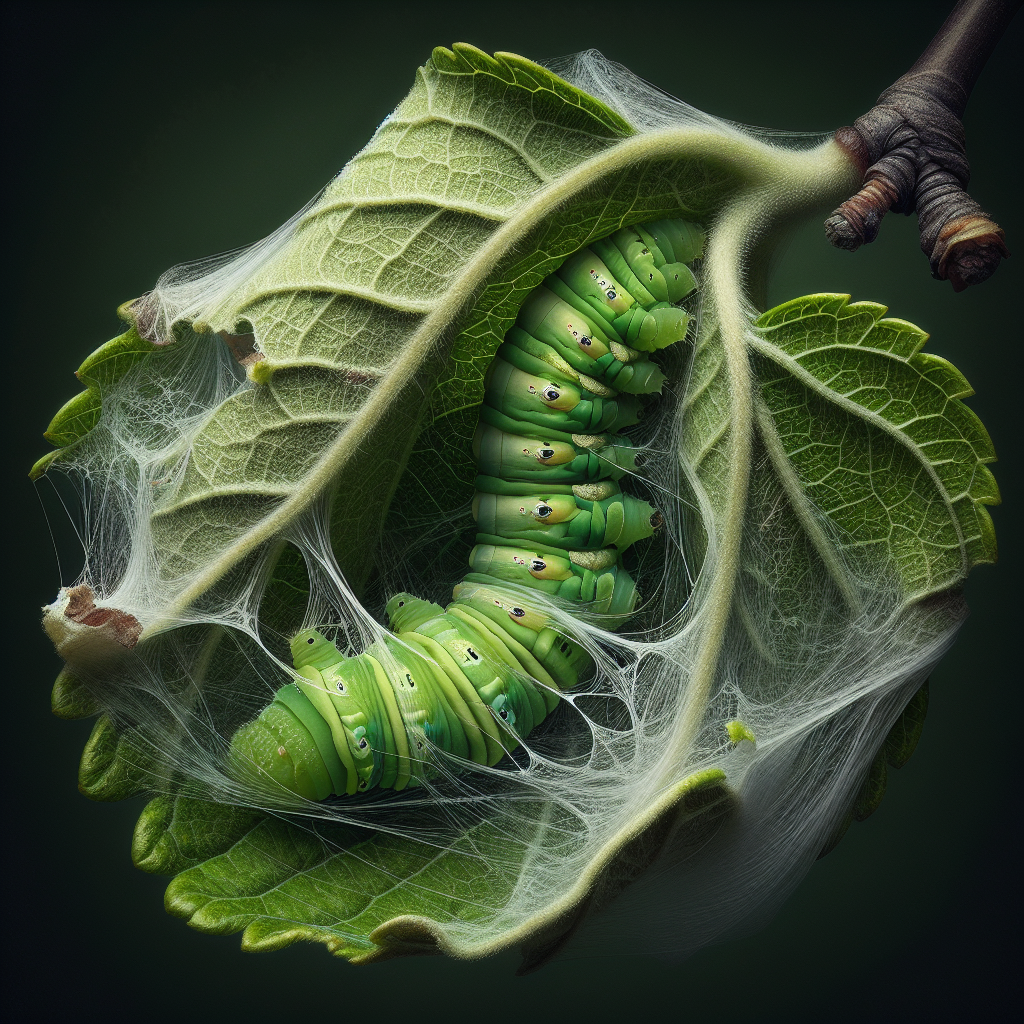
Leafrollers
Leafrollers are small moth larvae that roll and tie leaves together with silk to create protective shelters where they feed on foliage, buds, and fruits. Common in orchards and gardens, they cause significant defoliation and scarring on crops like apples, grapes, and citrus. Effective management combines monitoring, biological controls, and cultural practices for sustainable control.
View Profile
Leatherjackets
Leatherjackets are the soil-dwelling larvae of crane flies that feed voraciously on grass roots and crop seedlings, causing widespread damage in lawns, turf, and agricultural fields. This guide provides definitive diagnostics, lifecycle insights, organic management strategies, and prevention tactics for effective control. Farmers and gardeners can protect their yields with targeted, eco-friendly approaches.
View Profile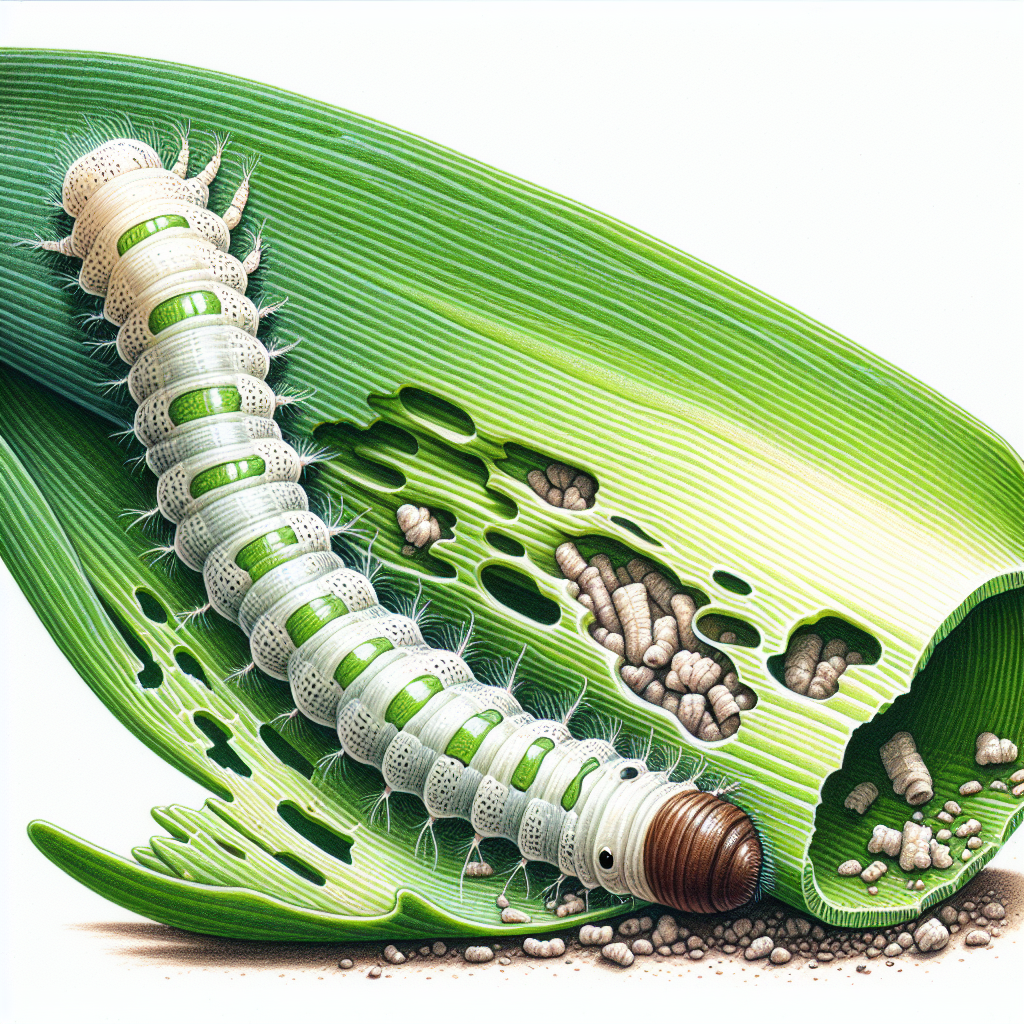
Leek Moth
The leek moth is a destructive pest targeting Allium crops, with larvae boring into leaves and stems causing severe damage. This guide provides comprehensive diagnostics, lifecycle details, organic management strategies, and prevention tactics for farmers. Effective control combines monitoring, biological agents, and cultural practices to protect yields.
View Profile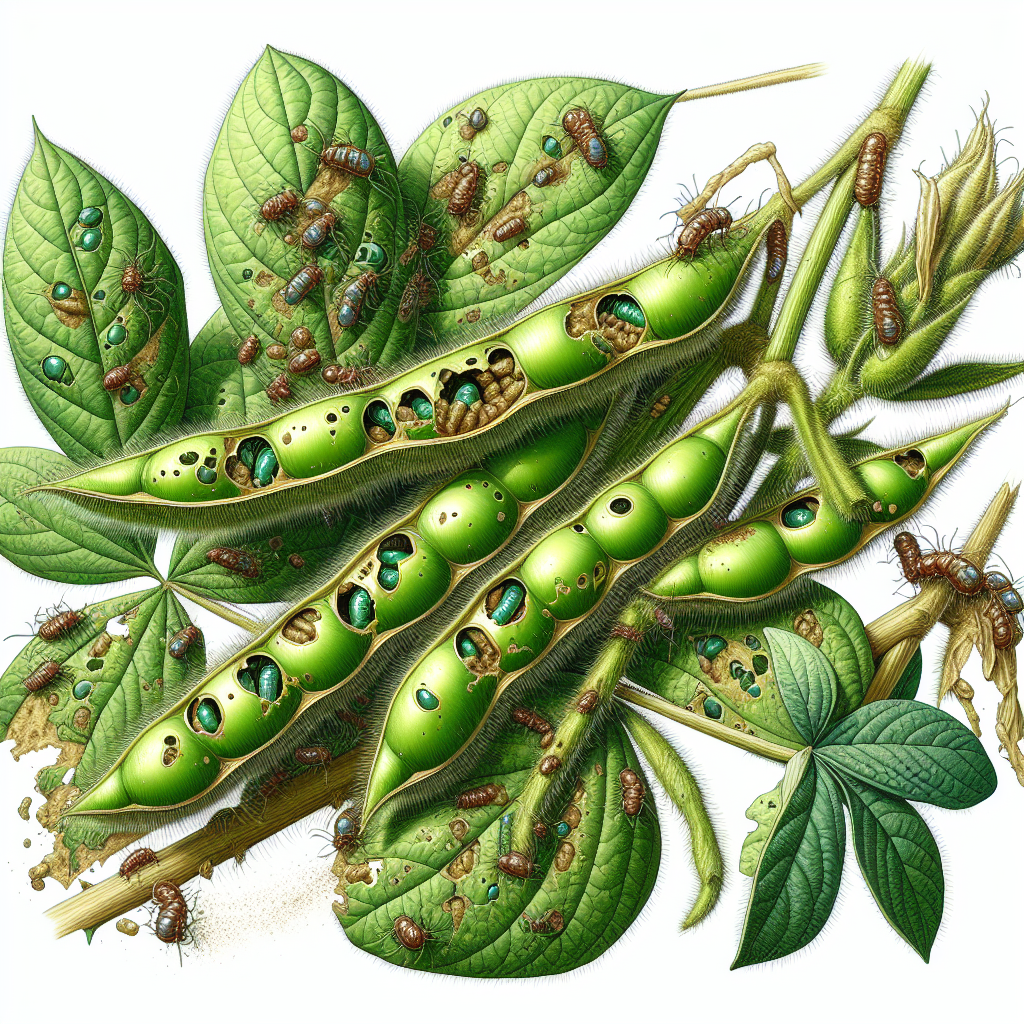
Legume Pests
Legume pests encompass a range of insects and pathogens that severely impact crops like beans, peas, and chickpeas by feeding on pods, leaves, and roots. This guide provides definitive diagnostics, lifecycle insights, organic management strategies, and prevention tactics for sustainable farming. Protect your yields with proven agricultural practices tailored for small farms.
View Profile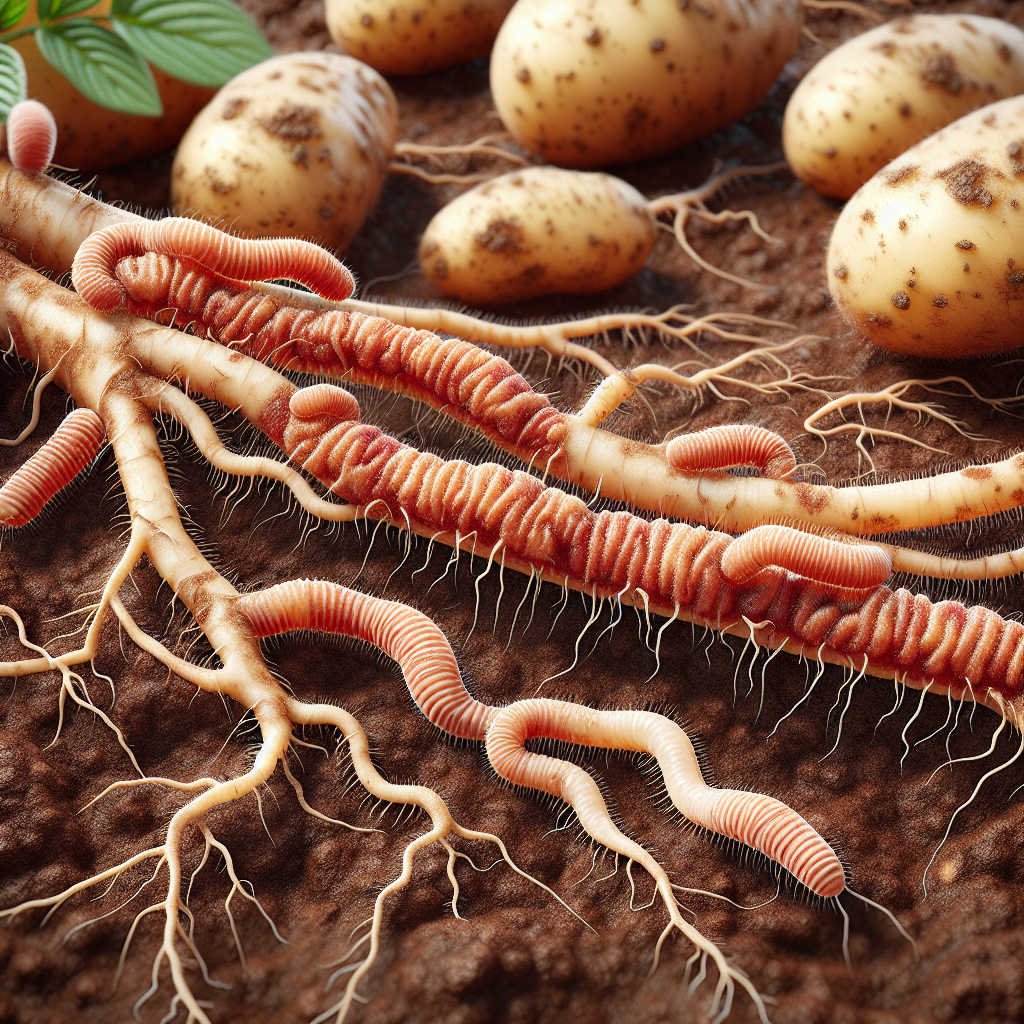
Lesion nematodes
Lesion nematodes (Pratylenchus spp.) are migratory endoparasitic nematodes that feed on plant roots, causing characteristic necrotic lesions and significant yield losses in many crops. This guide provides comprehensive diagnostics, lifecycle details, organic management strategies, and prevention tips for farmers battling these soilborne pests. Early identification and integrated approaches are key to minimizing damage.
View Profile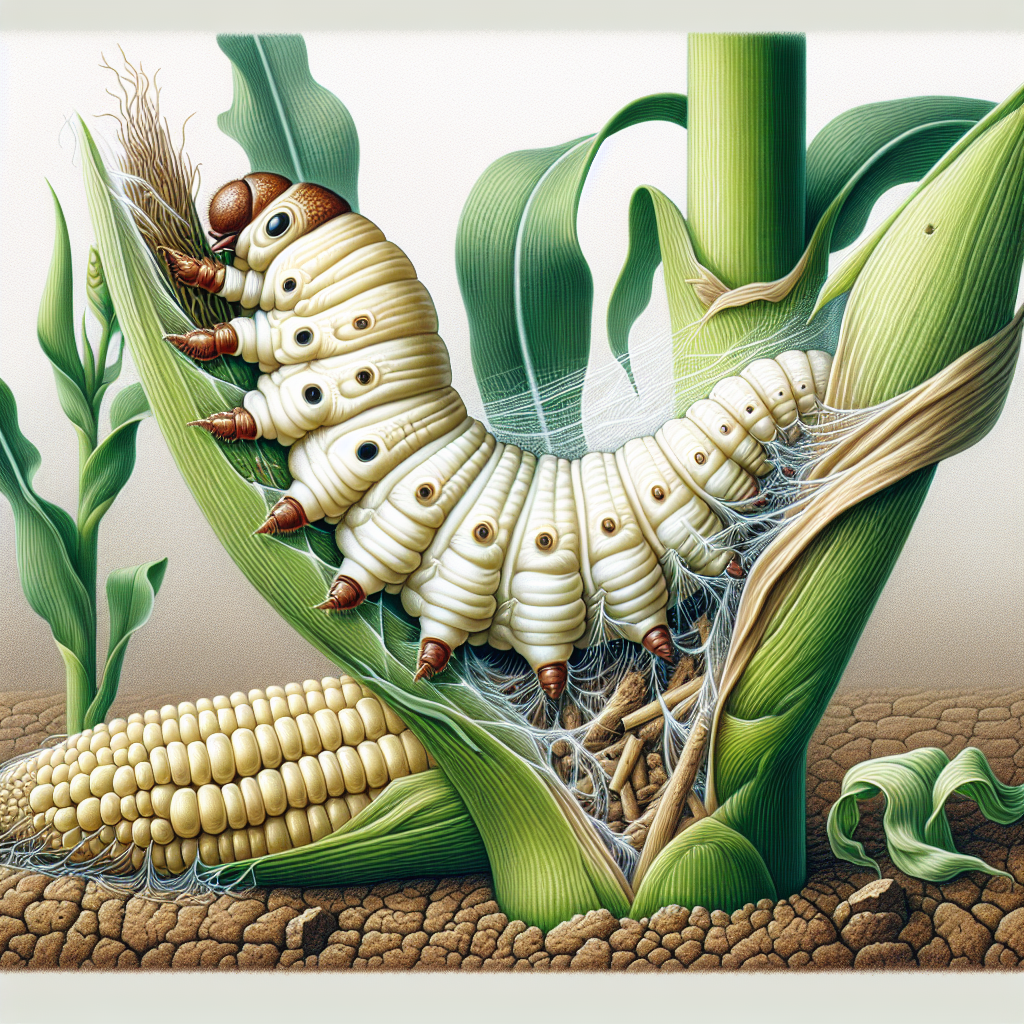
Lesser Cornstalk Borer
The lesser cornstalk borer (Elasmopalpus lignosellus) is a destructive soil-dwelling pest targeting corn seedlings and stressed crops in warm regions. Its larvae bore into plant bases, causing sudden wilting and stand losses up to 80% in severe outbreaks. Effective management relies on cultural practices, biological controls, and vigilant scouting in sandy soils.
View Profile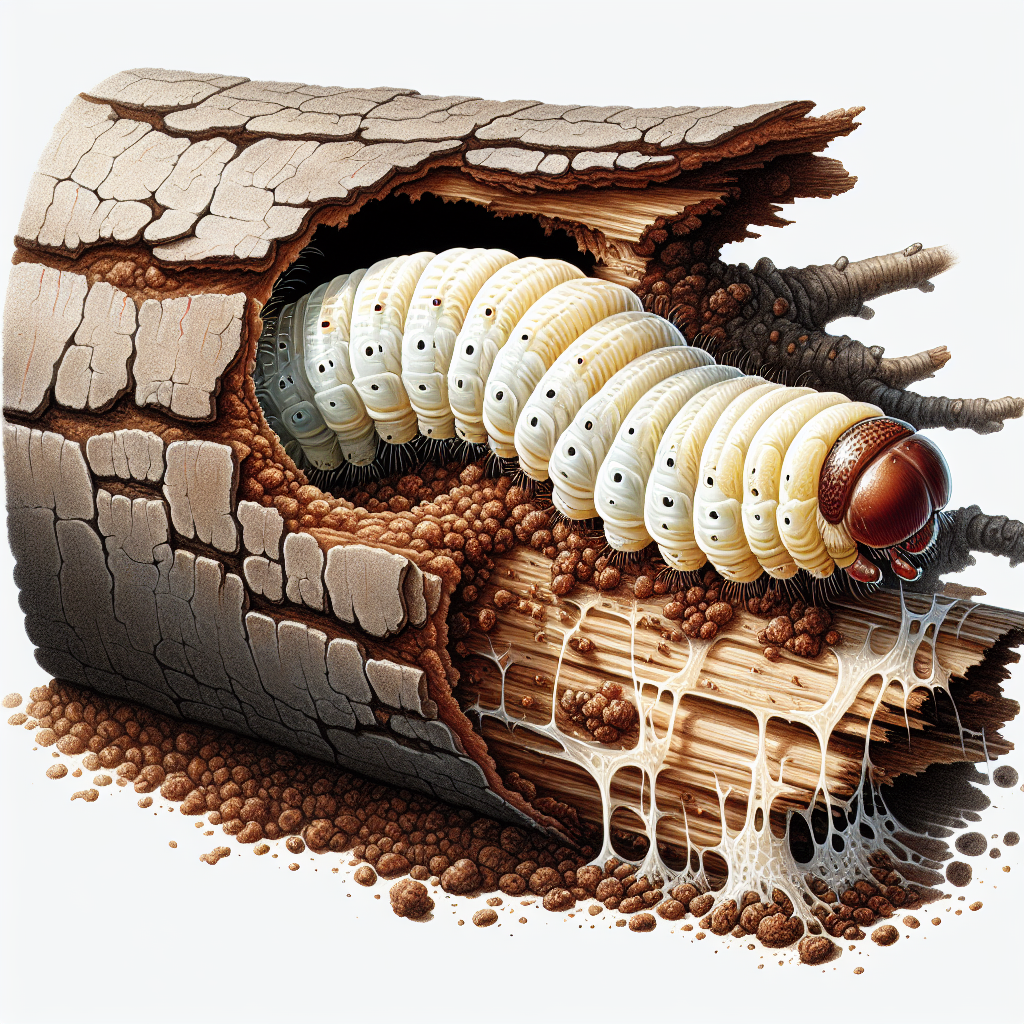
Lesser peach tree borer
The lesser peach tree borer (Synanthedon pictipes) is a destructive clearwing moth pest targeting stone fruit trees, particularly peaches, by boring into trunks and roots. Larvae cause extensive girdling damage, leading to tree decline and reduced yields. Effective management combines cultural practices, organic treatments, and vigilant monitoring for sustainable control.
View Profile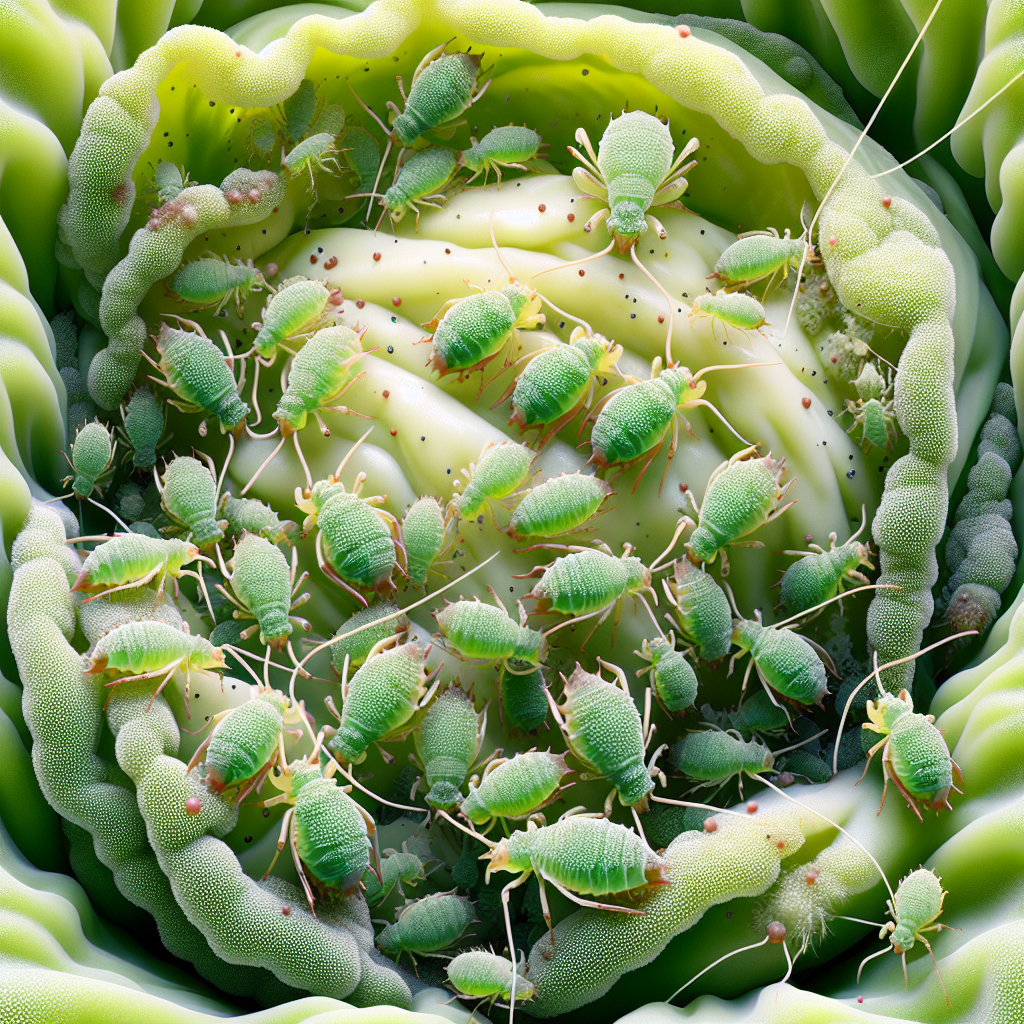
lettuce aphid
The lettuce aphid (Nasonovia ribisnigri) is a small, soft-bodied insect that infests lettuce and related crops, hiding primarily in the heart of plants and causing significant economic damage through direct feeding and honeydew production. This guide provides comprehensive diagnostics, lifecycle details, organic management strategies, and prevention tips for growers facing this persistent pest. Effective control requires integrated approaches combining monitoring, cultural practices, and biological agents.
View Profile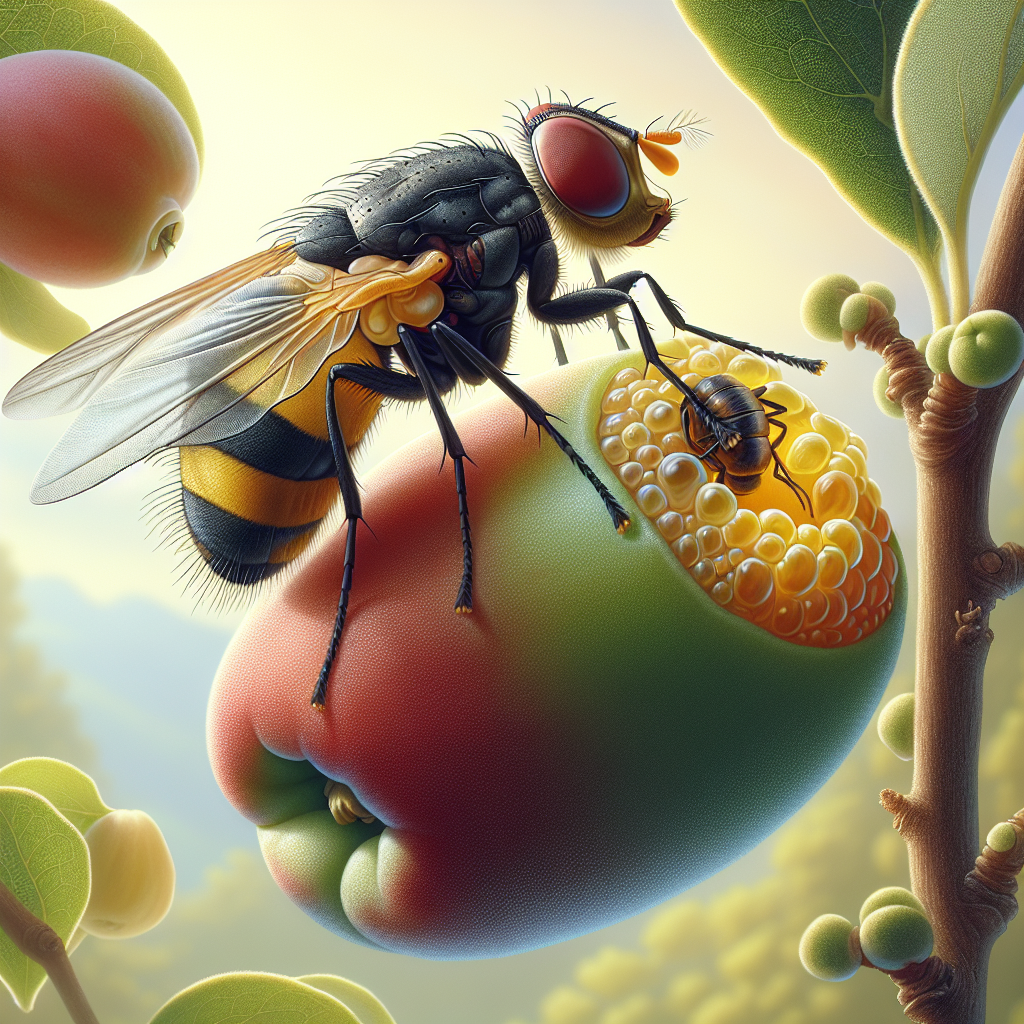
Li Jujube Fruit Fly
The Li Jujube fruit fly (Bactrocera li) is a highly destructive pest targeting jujube fruits, causing significant economic losses in orchards through larval feeding that leads to fruit rot and premature drop. Native to East Asia, it has spread to jujube-growing regions worldwide, thriving in warm, humid climates. Effective management combines vigilant monitoring, organic traps, and cultural practices to minimize infestations.
View Profile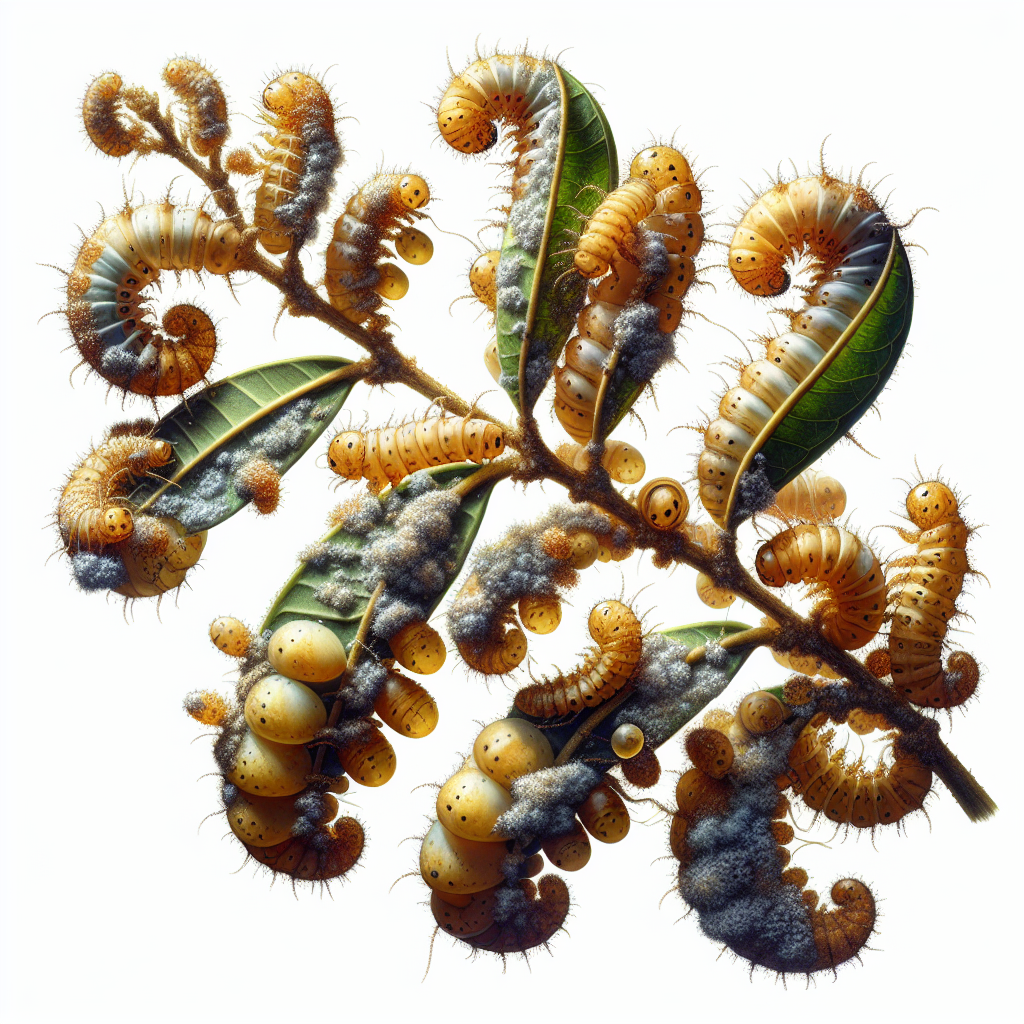
Longan Psyllid
The longan psyllid (Blastopsylla longanae) is a sap-sucking pest that severely impacts longan trees by causing leaf curl, honeydew production, and sooty mold. Native to Southeast Asia, it spreads rapidly in humid tropical climates, leading to defoliation and reduced fruit yields. Effective management combines organic controls like neem oil and biological agents with cultural practices for long-term prevention.
View Profile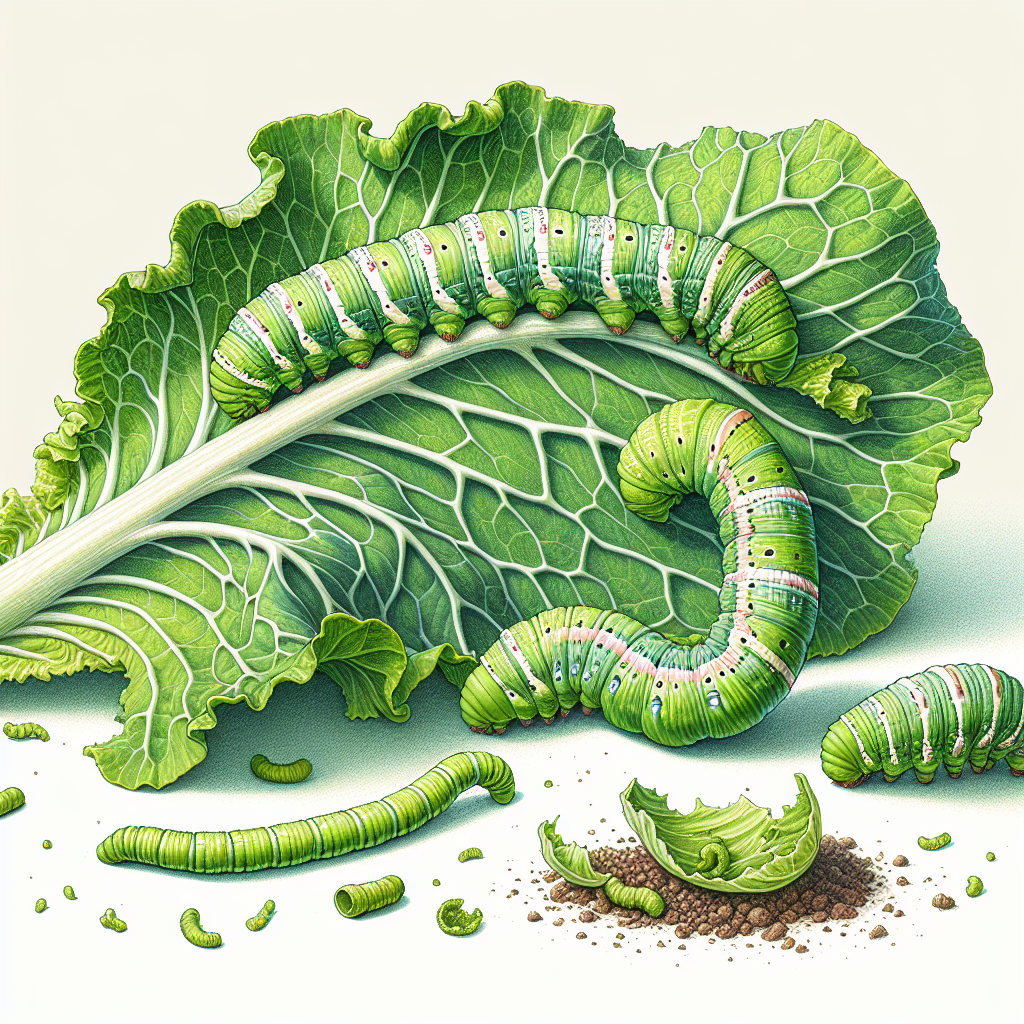
loopers
Loopers are inchworm-like caterpillars notorious for defoliating vegetables and field crops by chewing large holes in leaves. Belonging to the inchworm family, they 'loop' when moving due to lacking prolegs. Effective management combines monitoring, organic controls like BT, and cultural practices for sustainable control.
View Profile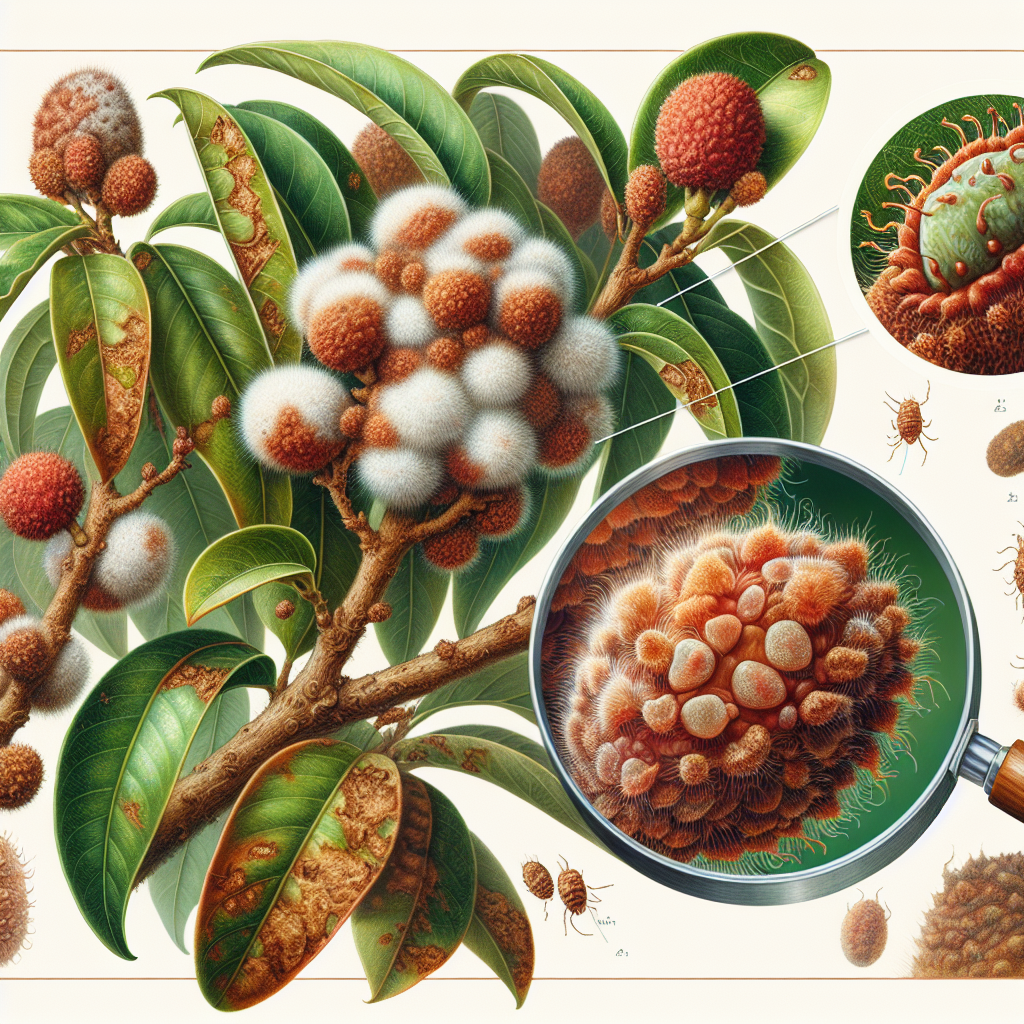
Lychee Erinose Mite
The lychee erinose mite (Aceria litchii) is a microscopic pest that causes severe deformation and defoliation on lychee trees, primarily through its feeding that induces abnormal hairy growths known as erinose. Native to Southeast Asia, it has spread globally to lychee-growing regions, posing a significant threat to fruit production. Effective management relies on early detection, cultural practices, and targeted organic treatments.
View Profile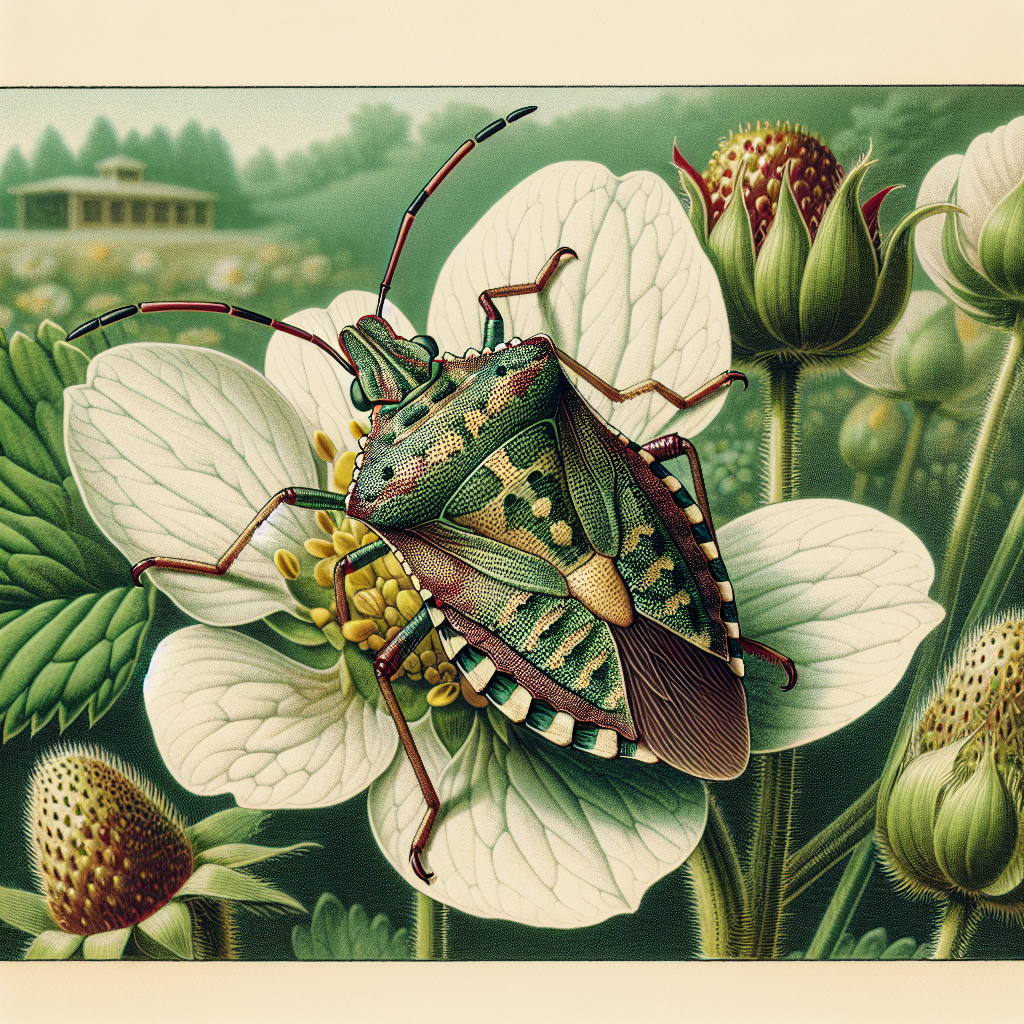
lygus bugs
Lygus bugs are highly destructive plant-feeding insects that target over 300 crop species, causing significant economic damage through direct feeding and transmission of plant pathogens. These small, green-to-brown mirids pierce plant tissues, leading to deformed buds, blasted blossoms, and cat-facing on fruits. Effective management combines monitoring, cultural practices, and targeted organic controls for sustainable agriculture.
View Profile