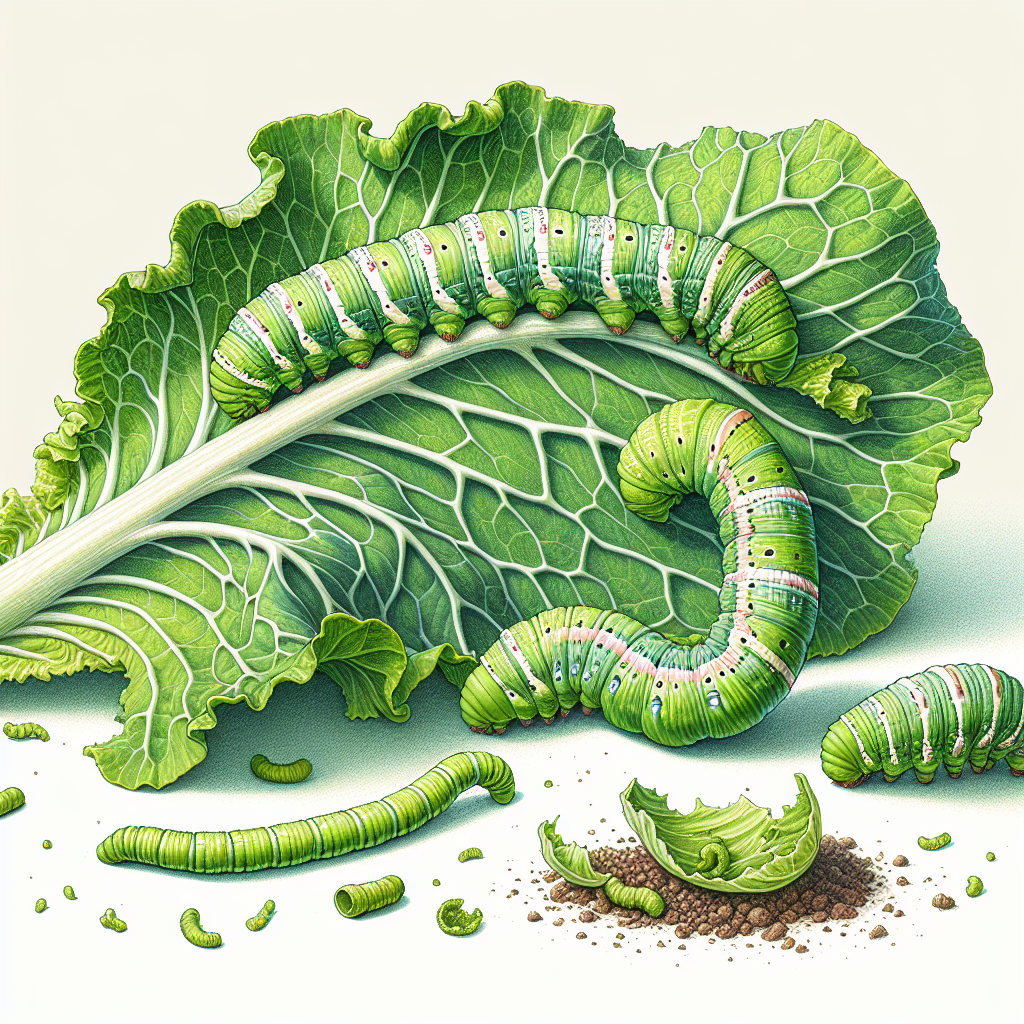
Introduction to loopers
Loopers, often called inchworms or measuring worms, are destructive caterpillar pests primarily from the family Noctuidae, with key species including the cabbage looper (Trichoplusia ni) and alfalfa looper (Autographa californica). These pests are major threats in vegetable production, capable of rapidly defoliating crops and reducing yields by up to 50% in severe infestations. Their name derives from the characteristic looping motion they make while crawling, arching their body into a loop due to the absence of prolegs on the middle segments.
As a professional agricultural expert, understanding loopers is crucial for growers of leafy greens, brassicas, and solanaceous crops. They thrive in warm climates and can complete multiple generations per season, making early detection and integrated pest management (IPM) essential. This guide provides definitive diagnostics, lifecycle insights, organic treatments, and prevention strategies to protect your crops effectively. Loopers often arrive via wind or nearby weeds, so field-wide scouting is key to preventing outbreaks.
Identifying Symptoms & Damage
Loopers cause distinctive damage patterns that set them apart from other caterpillars. Early infestations show small, irregular holes in leaves, progressing to complete skeletonization as larvae mature. Unlike chewing pests like cutworms, loopers feed exclusively on foliage, leaving veins intact while consuming leaf tissue between them.
Key Diagnostic Signs:
- Larval Presence: Green to brown caterpillars, 1-1.5 inches long, with pale stripes and a looping gait. They often hang from silk threads when disturbed.
- Frass (Droppings): Small, green-black pellets scattered on leaves and soil.
- Leaf Damage: Large, ragged holes; severe cases leave only leaf midribs. Young plants may be completely stripped.
- Silk Trails: Fine webbing on undersides of leaves where eggs or small larvae cluster.
To confirm, shake plants over white paper; loopers drop and loop away. Differentiate from armyworms by the lack of prolegs and presence of a pale 'silver Y' mark on adult moths. Damage is most evident on lower leaves first, spreading upward. In cabbage and lettuce, heads may be hollowed out, ruining marketability.
Lifecycle and Progression of loopers
Loopers complete 2-5 generations per year, depending on temperature, with a full cycle of 20-30 days in optimal conditions (75-85°F). Understanding this progression is vital for timing interventions.
- Egg Stage (2-5 days): Females lay 300-600 pale green eggs singly or in clusters on leaf undersides, often near veins.
- Larval Stage (10-15 days): Six instars; early larvae mine leaves, later ones chew openly. They grow from 0.01 to 1.3 inches.
- Pupal Stage (4-7 days): Larvae spin silken cocoons on leaves or drop to soil, forming gray-brown pupae.
- Adult Moth (7-10 days): Gray-green moths with silver spots on wings, active at night, drawn to lights.
Overwinter as pupae in soil. Peak activity aligns with crop vulnerability, so monitor during warm spells. In tomato fields, first generation hits seedlings, later ones mature plants.
Environmental Triggers & Risk Factors
Loopers proliferate in mild, humid conditions with temperatures above 70°F and adequate host plants. Key triggers include:
- Weed Hosts: Nearby clover or mustards serve as reservoirs.
- Wind Dispersal: Moths migrate long distances, infesting new fields.
- Poor Sanitation: Volunteer plants and crop residues harbor pupae.
- Nitrogen Excess: Lush growth attracts egg-laying.
- Monocultures: Large soybeans or cabbage blocks amplify outbreaks.
Risk spikes post-rainy periods favoring moth flight. Avoid planting near wild brassicas. Check Spring Pest Patrol: Organic AI Strategies to Shield Your Crops from Common Invaders for predictive tools.
Organic Control & Treatment Plans
Organic management emphasizes IPM: monitor, disrupt lifecycle, and apply targeted treatments.
Monitoring: Scout twice weekly using sticky traps for moths and beat sheets for larvae. Threshold: 1-2 larvae per 10 plants.
Cultural Controls:
- Handpick larvae early morning.
- Till soil post-harvest to expose pupae.
- Use row covers until flowering.
Biological Controls:
- Bacillus thuringiensis (BT): Spray kurstaki strain on young larvae (1st-3rd instar); reapply every 3-5 days. Highly effective, safe for pollinators.
- Predators: Encourage ladybugs (also control aphids), parasitic wasps via flowering borders.
- NPV Virus: Nuclear polyhedrosis virus sprays for heavy infestations.
Organic Sprays:
- Neem oil or spinosad (OMRI-listed) at dusk to avoid bees.
- Pyrethrin for knockdown, rotate to prevent resistance.
Treatment Plan: Week 1: Scout + BT if threshold met. Week 2: Reapply BT + release trichogramma wasps. Integrate with Soil Health Mastery: 5 Proven Strategies for Small Farms to Build Fertile Ground Without Breaking the Bank for resilient plants.
Preventing loopers in the Future
Prevention focuses on breaking the lifecycle and reducing attractants:
- Crop Rotation: Avoid brassicas in same spot for 2 years.
- Trap Crops: Plant perimeter collards to lure moths.
- Companion Planting: Interplant with thyme, nasturtium, or marigold as repellents.
- Sanitation: Destroy residues, weed hosts.
- Timing: Plant early-maturing varieties to miss peak generations.
- Mulching: Reflective mulches deter moths.
For cabbage loopers, yellow sticky traps reduce adults by 30%. Long-term, build soil health to produce tougher plants less appealing to pests.
Crops Most Affected by loopers
Loopers target over 100 hosts, preferring leafy crops:
- Brassicas: Cabbage, broccoli, kale – up to 80% defoliation.
- Leafy Greens: Lettuce, spinach.
- Solanaceae: Tomato, eggplant, peppers.
- Legumes: Soybeans, peas.
- Others: Corn, cotton, potato.
In commercial settings, cabbage losses exceed $100M annually. Home gardeners see issues in lettuce beds. Protect high-value crops like organic tomato first.