Introduction to leeks
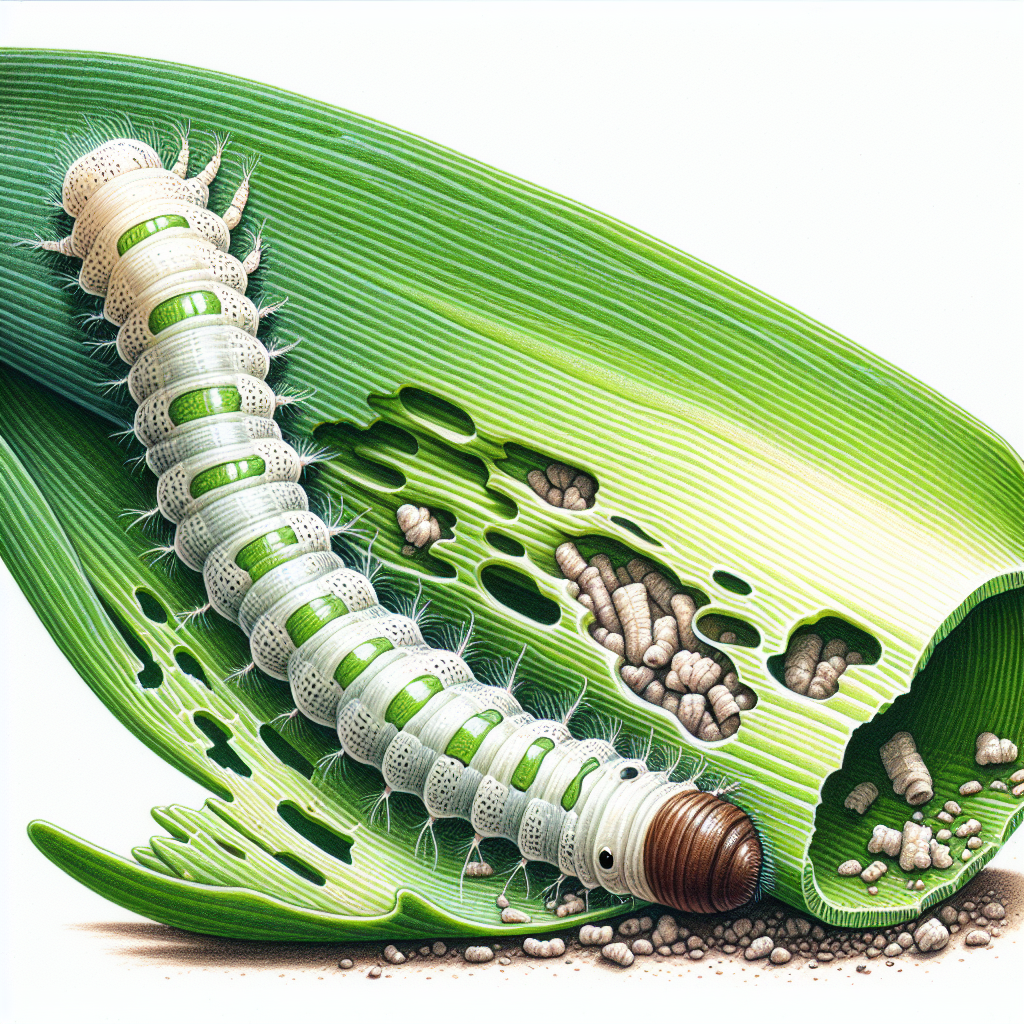
Leek moth (Acrolepiopsis assectella), often simply referred to in agricultural contexts as a key pest affecting leeks, is a small but highly destructive insect native to Europe and now widespread in North America and other regions. Adult moths are grayish-brown with a wingspan of about 12-14 mm, while their creamy-white larvae grow up to 12 mm long and are the primary damage agents. Leek moth infestations can devastate onion, garlic, and leek crops by feeding on foliage, creating mines and bore holes that lead to weakened plants, reduced bulb size, and secondary infections from leaf spot diseases. Early detection is crucial as unchecked populations can cause 50-100% yield losses in severe cases. This definitive guide equips growers with professional diagnostic tools, lifecycle insights, and proven organic management plans to safeguard harvests. Understanding leek moth biology allows for targeted interventions, minimizing chemical use and promoting sustainable farming. For small-scale operations, integrating these strategies with tools like AI-driven pest monitoring can enhance efficiency—check out Spring Pest Patrol: Organic AI Strategies to Shield Your Crops from Common Invaders for tech-enhanced tips.
Identifying Symptoms & Damage
Leek moth damage manifests in distinct ways, making diagnosis straightforward with close inspection. Initial signs include small, translucent windows or mines on young leaves, created by larvae scraping the epidermis. As feeding progresses, larvae bore into leaf centers and stems, leaving brown frass (excrement) trails and silken webbing. Affected leaves turn yellowish, wilt, and develop ragged holes, often mistaken for aphids or thrips damage. Severe infestations cause plants to yellow from the top down, with outer leaves dying prematurely and bulbs failing to develop properly. Inspect plants weekly from transplant by parting leaves at the base—look for small, greenish-white caterpillars up to 1 cm long with dark heads. Damage is often worse in dense plantings where humidity fosters larval survival. Differentiate from slugs by the absence of slime trails and presence of frass. In advanced stages, secondary pathogens like Botrytis invade damaged tissues, causing gray mold. Yield impacts include stunted growth, hollow stems, and unmarketable produce. Use a 10x hand lens to confirm larvae; adults are nocturnal and rarely seen during day scouting. Photograph suspicious damage for records and consult extension services if unsure.
Lifecycle and Progression of leeks
Leek moth completes 2-4 generations per year, depending on climate, with a lifecycle of 25-40 days. Adults emerge in spring (April-May in temperate zones), laying 50-100 pearly eggs singly on leaf undersides. Eggs hatch in 5-7 days into tiny larvae that mine leaves immediately. Larvae feed for 2-3 weeks, molting 4 times, then pupate in silken cocoons on leaves or debris, lasting 10-14 days. Peak damage occurs from larval stages in summer generations (June-August). Overwintering occurs as diapausing pupae in plant debris or soil. In warmer climates, continuous generations extend into fall. Monitor with pheromone traps starting early spring; 5-10 moths per trap indicate action thresholds. Lifecycle aligns with Allium growth, targeting seedlings to mature plants. Cold winters (< -10°C) reduce populations, but mild conditions favor outbreaks. Understanding progression enables timed interventions, such as egg parasitoid releases during adult flights.
Environmental Triggers & Risk Factors
Leek moth thrives in mild, humid conditions with temperatures of 15-25°C optimal for development. High humidity (>70%) and poor air circulation in dense plantings accelerate egg hatch and larval survival. Risk spikes after mild winters, allowing more overwintering pupae to survive. Over-fertilization with nitrogen promotes succulent growth attractive to oviposition. Weedy fields harboring wild Alliums serve as reservoirs. Crop rotation gaps exceeding 3 years reduce risks, but nearby infested fields amplify migration. Soil types matter—loamy, moist soils retain pupae better than sandy ones. Irrigation timing affects: overhead watering increases humidity, favoring pests over drip systems. Companion crops like carrot can deter via repellency, but monocultures heighten vulnerability. Climate change extends generations in northern areas. Scout high-risk zones: field edges near overwintering sites. For predictive insights, hyper-local weather data is invaluable.
Organic Control & Treatment Plans
Organic management emphasizes integrated pest management (IPM) with cultural, biological, and mechanical tactics. Cultural: Rotate crops with non-hosts like potato or corn for 3-4 years; destroy residues by tilling post-harvest to expose pupae. Use row covers (0.25 mm mesh) from transplant until flowering to block adults—remove for pollination if needed. Plant trap crops like nasturtiums at borders. Biological: Release Trichogramma wasps (1000-2000/ha weekly during flights) to parasitize eggs. Introduce Bacillus thuringiensis (Bt) kurstaki sprays (e.g., Dipel) at first larvae sighting, reapplying every 7 days, evenings to spare predators. Encourage natural enemies: lacewings, predatory wasps, birds via perches. Mechanical: Handpick larvae weekly; vacuum adults at dawn. Pheromone traps disrupt mating (20-30/ha). Approved sprays: Neem oil or spinosad (OMRI-listed) at larval thresholds (1-2 per plant), with adjuvants for coverage. Scout twice weekly; treat if >10% plants infested. Avoid broad-spectrum to preserve ladybugs and parasitoids. Monitor efficacy with sticky traps. Combine for 80-95% control; track in logs for refinement.
Preventing leeks in the Future
Prevention hinges on breaking the lifecycle proactively. Select resistant leek varieties like 'King Richard' with tighter leaf sheaths. Time plantings to avoid peak flights: late summer transplants miss first generations. Maintain 30-45 cm spacing for airflow, reducing humidity. Mulch with straw to suppress soil pupae. Sanitize tools and weeds to eliminate eggs. Border plantings of garlic or thyme repel moths naturally. Use reflective mulches to disorient adults. Annual soil solarization in high-risk areas kills pupae. Implement 4-year rotations incorporating brassicas or legumes. Pheromone-based monitoring forecasts outbreaks. Build biodiversity with flower strips for predators. Educate farmhands on scouting protocols. Long-term, select fields distant from wild Alliums. These steps can reduce incidence by 70-90%, ensuring sustainable yields.
Crops Most Affected by leeks
Leek moth primarily targets Allium genus: leeks (primary host), onions, garlic, shallots, chives, and elephant garlic. Damage severity scales with plant size—young transplants suffer most, up to 100% loss. Onion bulbs become soft and unmarketable; garlic scapes wither. Minor hosts include wild garlic and ornamental Alliums. Non-Alliums like celery or parsley rarely affected. In polycultures, proximity risks spillover to nearby crops. Commercial leek fields in Europe report 20-50% average losses without control.