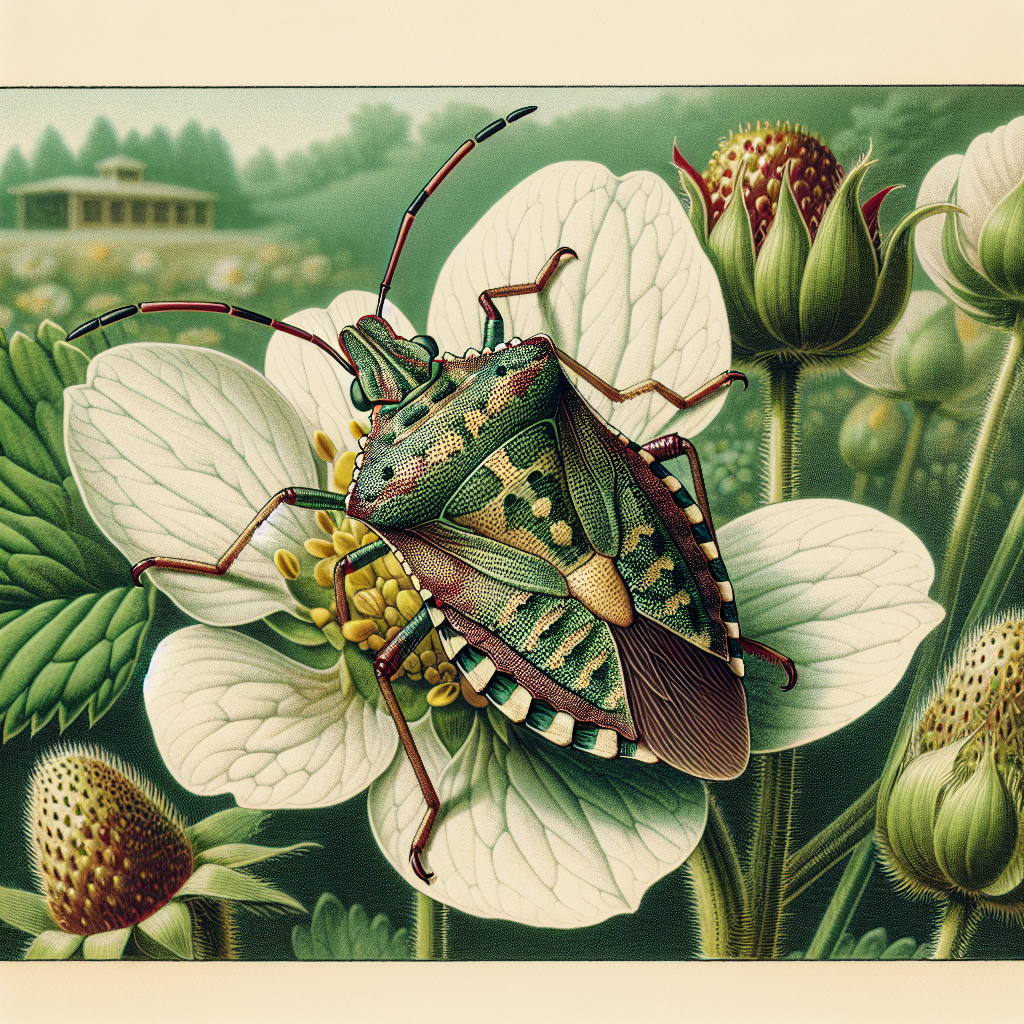
Introduction to lygus bugs
Lygus bugs, commonly known as tarnished plant bugs, are among the most notorious pests in agricultural systems worldwide. Belonging to the family Miridae, these insects (primarily Lygus hesperus in the western U.S. and Lygus lineolaris in the east) are polyphagous feeders, attacking a vast array of crops from fruits and vegetables to field crops. Their piercing-sucking mouthparts inject saliva that disrupts plant growth hormones, resulting in catastrophic yield losses—up to 50% in severe infestations on strawberries or cotton.
Farmers often underestimate lygus bugs due to their small size (3-6 mm long) and elusive behavior, but their impact is profound. They thrive in warm, dry conditions and migrate between host plants, making them a persistent threat in diverse cropping systems. This guide provides professional-grade diagnostics, lifecycle insights, and organic management strategies to protect your yields. Early detection is key, as populations can explode rapidly during flowering stages. For more on related pests like Tarnished plant bugs, check our detailed wiki.
Understanding lygus biology is crucial for integrated pest management (IPM). Adults are mottled green-brown with a distinctive white triangle on the wing base, while nymphs resemble tiny, wingless aphids. Both stages feed voraciously on tender meristems, injecting toxins that cause tissue necrosis. In commercial settings, lygus bugs cost U.S. growers over $100 million annually, particularly in California strawberry fields and cotton belts. Proactive scouting and thresholds—5-10 bugs per sweep net—can prevent outbreaks. Check out this insightful Spring Pest Patrol: Organic AI Strategies to Shield Your Crops from Common Invaders for complementary tactics.
Identifying Symptoms & Damage
Diagnosing lygus damage requires keen observation, as symptoms mimic nutrient deficiencies or diseases. Primary signs include 'blasted buds'—flower buds that turn brown, shrivel, and fail to open—and 'cat-facing' on fruits, characterized by scarred, deformed areas with puckered, necrotic spots. On leaves, look for angular yellowing or bronzing near veins, often with tiny puncture wounds visible under magnification.
Nymphal feeding produces 'pepper spots'—small black fecal specks surrounded by yellow halos—while adults cause larger lesions. Fruit damage manifests as dimpling or pitting, reducing marketability; in tomatoes, this leads to misshapen 'pockmarked' fruits. Differentiate from thrips by the irregular, sunken scars versus thrips' silvering. Severe infestations stunt terminals, causing bushy growth from lateral buds.
Use a hand lens to spot the bugs themselves: adults have long antennae and a 'tarnished' appearance from molted exoskeletons. Shake plants over white paper; nymphs drop and crawl quickly. Damage peaks during bloom, with thresholds varying by crop: 1 bug per 2 plants in strawberries, 10 per sweep in alfalfa. Secondary effects include pathogen entry points, exacerbating issues like Botrytis. Document patterns—lygus prefer sunny, exposed sites—for targeted response.
Lifecycle and Progression of lygus bugs
Lygus bugs complete 4-6 generations per year in warm climates, with lifecycle duration of 20-30 days. Eggs, tiny and banana-shaped, are inserted into tender stems or leaf petioles, hatching in 5-10 days into red-eyed nymphs. Nymphs (5 instars) molt over 10-15 days, transitioning from ant-like first instars to aphid-resembling later stages, feeding aggressively on meristems.
Pupation doesn't occur; nymphs become mobile adults, which overwinter in leaf litter or weeds. Spring adults lay eggs on blooming weeds like mustard, then invade crops. Peak activity aligns with bloom: monitor using yellow sticky traps (20-50 bugs/trap/week signals action). Dispersal flights occur on warm afternoons, aided by winds. In cooler areas, one generation overwinters as adults in diapause.
Understanding progression aids timing: eggs invisible, scout nymphs at vegetative stage, adults at bloom. Parasites like Anaphes iole attack eggs (up to 30% mortality), while predators like big-eyed bugs reduce nymphs. Lifecycle interruptions via host removal prevent buildup.
Environmental Triggers & Risk Factors
Lygus thrive above 21°C (70°F), with optimal feeding at 24-29°C and low humidity. Drought stress concentrates populations on irrigated crops, while excessive nitrogen promotes succulent growth, attracting bugs. Weedy field margins—mustard, clover, alfalfa—serve as reservoirs; bridge crops like cotton exacerbate migrations.
Risk spikes post-weedicide application (bugs flee to crops) or near alternate hosts like alfalfa haying. High plant density and prolonged bloom extend exposure. Climate change extends seasons, increasing generations. Soil types matter: sandy fields dry faster, stressing plants and inviting lygus. Monitor weather—warm spells >25°C boost flights. Poor sanitation, volunteer plants, and adjacent infested fields amplify risks.
Organic Control & Treatment Plans
Organic IPM emphasizes prevention, but acute infestations demand action. Monitoring: Sweep nets (38 strokes = 1 sample), sticky traps, or beat sheets weekly. Thresholds: 6-10% bloom damage or 1-2 bugs/sweep.
Cultural Controls: Destroy weeds, edge-vacuum margins, plant trap crops like alfalfa borders (mow frequently). Reflective mulches deter adults; overhead irrigation disrupts feeding.
Biological Controls: Release big-eyed bugs (Geocoris), minute pirate bugs (Orius), or damsel bugs. Conserve spiders via reduced tillage. Neem oil (azadirachtin) at 1-2% suppresses nymphs; apply evenings to avoid bees. Insecticidal soaps (potassium salts) smother at 2% weekly; insect growth regulators like pyriproxyfen target nymphs.
Treatment Plans:
- Mild (threshold met): Introduce predators, apply neem.
- Moderate: Soaps + borders, vacuuming.
- Severe: Rotate oils/soaps, flame-weeding edges. Avoid broad-spectrum sprays preserving predators. Track efficacy with pre/post counts. For strawberries, clip and remove infested runners.
Preventing lygus bugs in the Future
Long-term prevention integrates habitat management and varietal resistance. Plant resistant cultivars (e.g., short-season strawberries), time planting to miss peak flights. Maintain clean margins: disk weedy areas pre-planting. Use push-pull: interplant repellents like marigold, trap with mustard.
Cover crops like clover suppress weeds without hosting lygus. Rotate crops, avoiding consecutives like strawberries-cotton. Encourage natural enemies via flowering borders (yarrow, thyme). Monitor overwintering sites; fall tillage buries adults. Scout early: April traps predict summer pressure. Data logging refines annual plans, reducing inputs 30-50%.
Crops Most Affected by lygus bugs
Lygus target blossoms and fruits across families. Berries: Strawberries suffer cat-facing (20-50% loss); raspberry, blackberry double blossoms. Vegetables: Tomato fruits pockmarked; celery blasted hearts; cucumber deformed. Fruits: Apple, peach drop; cherry pit-set failure. Field Crops: Cotton squares shed; soybeans pods aborted; potato growth stunted. Others: hops, sugar beets, artichoke. Over 385 hosts, but blooming annuals/perennials hit hardest.