Definitive Diagnostic and Management Guide for Dieback
Introduction to Dieback
Dieback represents one of the most pervasive and challenging issues in modern agriculture, manifesting as the gradual dying back of plant shoots, branches, and stems from the tips inward. Unlike acute diseases that strike suddenly, dieback is insidious, often progressing unnoticed until significant damage occurs. This condition isn't tied to a single pathogen but arises from a complex interplay of fungal infections (such as Botrytis or Phytophthora), bacterial invasions, environmental stressors like drought or frost, and mechanical injuries. In perennial crops, it can devastate entire orchards over seasons, while in annuals, it curtails growth and reduces yields by 30-70%.
Understanding dieback is crucial for farmers, as early intervention can salvage crops. Globally, dieback epidemics have hit high-value crops hard, from avocado groves in California to citrus plantations in Florida. Symptoms mimic nutrient deficiencies or pest damage, leading to misdiagnosis. This guide equips you with professional-grade diagnostics, organic management plans, and prevention tactics optimized for small to medium farms. By integrating cultural practices with biological controls, you can mitigate losses and build resilient systems. For deeper insights into affected crops, explore our comprehensive Soil Health Mastery blog post, which ties soil vitality to disease resistance.
Dieback's economic toll is staggering: in mango alone, it causes millions in annual losses due to twig death and fruit drop. Climate change exacerbates it by intensifying drought cycles, making proactive management non-negotiable. This 1000+ word guide draws from botanical, entomological, and agronomic expertise to deliver actionable advice.
Identifying Symptoms & Damage
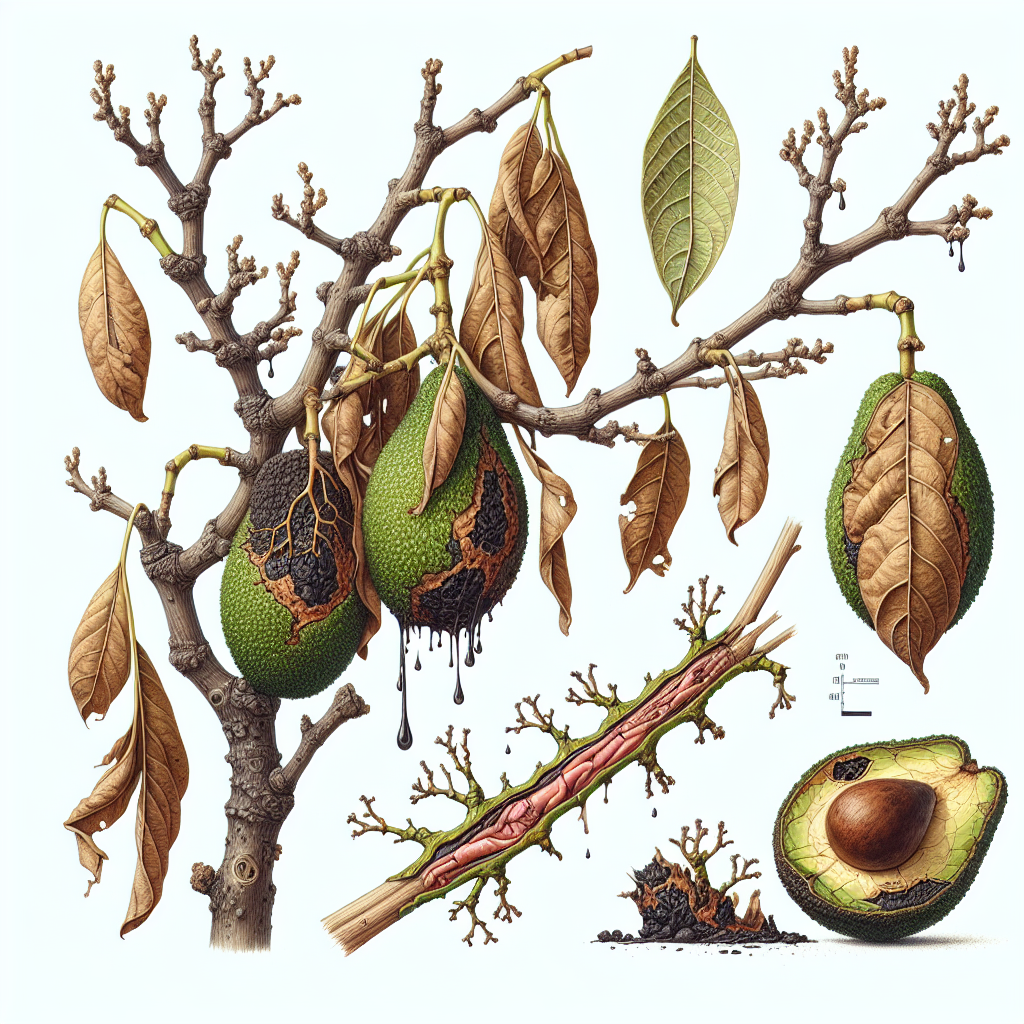
Accurate diagnosis begins with recognizing dieback's hallmark signs. The primary symptom is the progressive necrosis of terminal shoots: leaves wilt, turn yellow or brown, and die while remaining attached, creating a 'flag' effect. Twigs exhibit blackened, shriveled tips with sunken cankers—dark, elliptical lesions that girdle the stem, disrupting water flow. In advanced stages, branches die back several inches to feet, often with gum oozing in stone fruits like peach or plum.
Examine cross-sections of affected twigs: vascular discoloration (brown streaking) indicates fungal invasion, distinguishing it from root rot or Fusarium wilt. Foliar symptoms include chlorosis, scorching, or sparse canopy. Fruiting bodies—pycnidia or acervuli—may appear as black pinheads on bark. Differentiate from powdery mildew (white coating) or anthracnose (sunken lesions). Damage escalates in humid conditions, with secondary invaders like scale insects or mites exploiting weakened tissue.
Yield impacts are severe: in Hass Avocado, dieback reduces fruit set by 50%, while in grapes, it lowers cluster quality. Scout weekly during spring flush; use a hand lens for fungal sporulation. Lab confirmation via culturing or PCR is ideal for precision. Early detection via visual patrols prevents spread.
Lifecycle and Progression of Dieback
Dieback pathogens, primarily Botryosphaeriaceae (e.g., Neofusicoccum, Lasiodiplodia), overwinter in dormant buds, cankers, or soil as mycelia or sclerotia. Spores activate in spring with warm, wet weather (15-25°C, >80% humidity), splashing via rain or wind to new growth. Infection occurs through wounds, stomata, or lenticels; latent periods last 2-6 months before symptoms emerge.
Progression unfolds in phases: (1) Incubation (subtle wilting); (2) Acute dieback (tip death, canker formation); (3) Chronic stage (branch girdling, defoliation); (4) Tree decline (root die-off, susceptibility to root-knot nematodes). In citrus, Phytophthora ramorum accelerates via root infection, moving upward. Cycles repeat annually, with polyetic buildup in perennials. Vectors like thrips or pruning tools spread inoculum. Understanding this enables timed interventions, such as post-rain fungicide applications.
Environmental Triggers & Risk Factors
Dieback thrives under stress: drought predisposes by closing stomata, trapping inoculum; waterlogging favors oomycetes like Phytophthora. High nitrogen fertilizers promote succulent growth, ideal for infection. Poor drainage, compacted soils, and extreme temperatures (frost cracks) create entry points. Overcrowding reduces airflow, spiking humidity.
Risk spikes in new plantations with mechanical damage or in aging orchards (>10 years). Saline soils or Verticillium wilt history amplify vulnerability. Climate shifts—erratic rains—intensify outbreaks. Assess site via soil tests; pH extremes (below 5.5 or above 7.5) exacerbate issues.
Organic Control & Treatment Plans
Organic management emphasizes integrated strategies. Prune affected parts 10-15 cm below symptoms during dry periods, sterilizing tools with 10% bleach. Boost immunity with compost teas (vermicompost + molasses, aerated 24-48 hrs) applied foliarly biweekly; mycorrhizal inoculants enhance root vigor.
Biologicals: Trichoderma spp. and Bacillus subtilis suppress soil pathogens—drench at 5-10 L/ha. Neem oil (2-5 ml/L) deters vectors like aphids. Copper octanoate (OMRI-approved) for cankers, applied at bud break (max 3x/season). Mulch with woody chips to moderate soil moisture, suppressing splash dispersal.
Step-by-step plan:
- Scout and prune.
- Improve drainage (raised beds).
- Apply biofungicides.
- Fertilize balanced (e.g., 10-10-10 + micronutrients).
- Monitor with sticky traps. Success rates exceed 70% in avocado trials. Avoid synthetic fungicides to preserve beneficials.
Preventing Dieback in the Future
Prevention hinges on resilience: select resistant varieties (e.g., Dusa avocado). Ensure optimal spacing (4-6m for trees), deep watering (weekly, 50-100L/tree), and windbreaks. Annual soil solarization kills inoculum. Rotate crops; incorporate cover crops like clover for nitrogen fixation. Prune hygienically; avoid summer cuts. Monitor via apps for hyper-local weather—crucial as per our Why 80% of Small Farms Battle Weather Disasters blog. Build soil organic matter >3% to buffer stress. Quarantine new stock; certify pathogen-free.
Crops Most Affected by Dieback
Dieback plagues woody perennials: Avocado (Hass, Fuerte), citrus (orange, lemon), mango, stone fruits, grapes, apple, pear. Vines like kiwi and ornamentals suffer too. Annuals like tomato show tip dieback under Pythium. Tropicals (banana, papaya) face variants. Prioritize scouting in humid tropics/subtropics.