Encyclopedia
Definitive guides for crops, pests, and agricultural diseases.
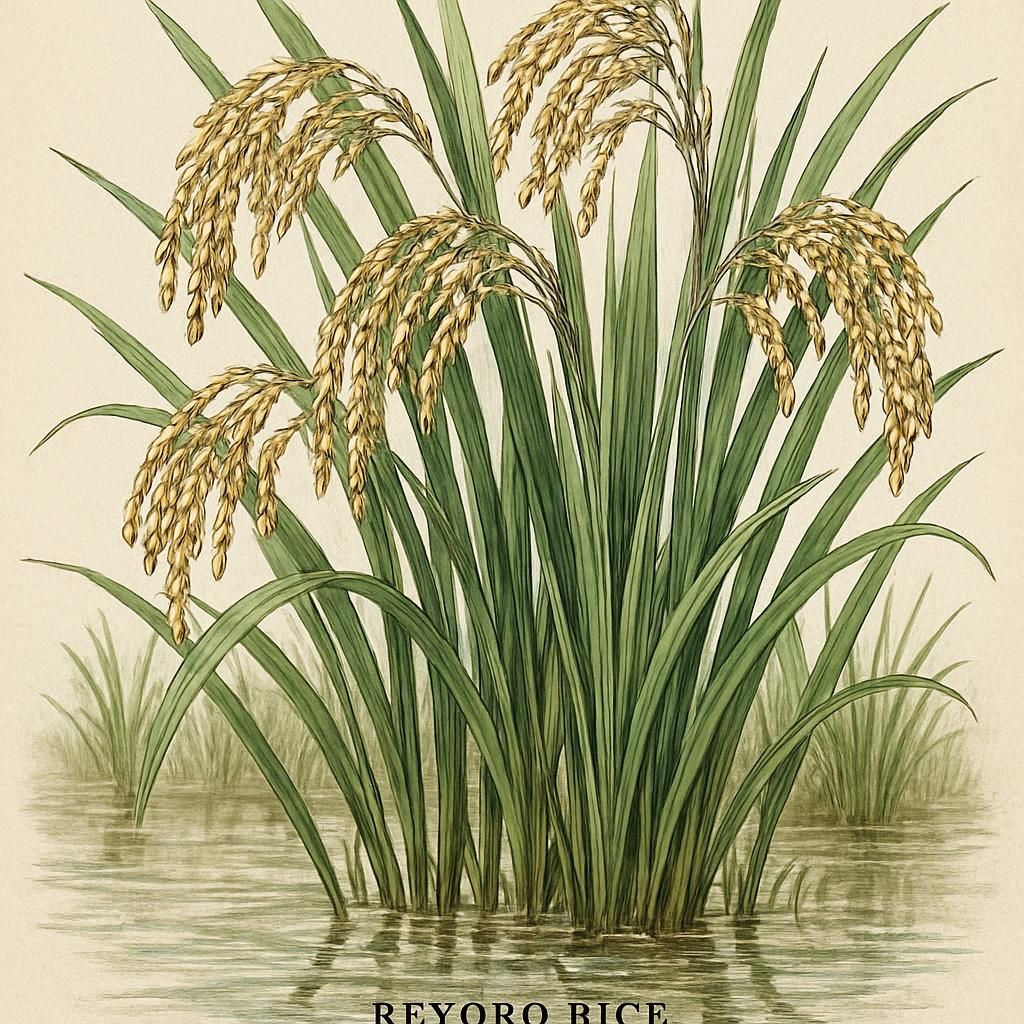
Rexoro Rice
Rexoro Rice is a high-yielding, medium-grain variety known for its adaptability and quality. Ideally grown in warm, humid climates, it requires specific soil and water management to maximize production.
View Guide
rhododendron
Rhododendron, often considered an invasive pest in agricultural settings, aggressively outcompetes crops for resources through rapid growth and allelopathic chemicals. This woody shrub invades orchards, forests, and fields, reducing yields in nearby [apple](/wiki/apple) and [blueberry](/wiki/blueberry) plantings. Effective management requires integrated cultural, organic, and mechanical strategies to eradicate infestations.
View Guide
rhododendrons
Rhododendrons are stunning evergreen shrubs prized for their vibrant spring blooms and year-round foliage, thriving in acidic soils and partial shade. This comprehensive guide covers everything from soil preparation and propagation to pest management and companion planting for successful cultivation. Ideal for gardeners seeking low-maintenance ornamental beauty with professional agricultural techniques.
View Guide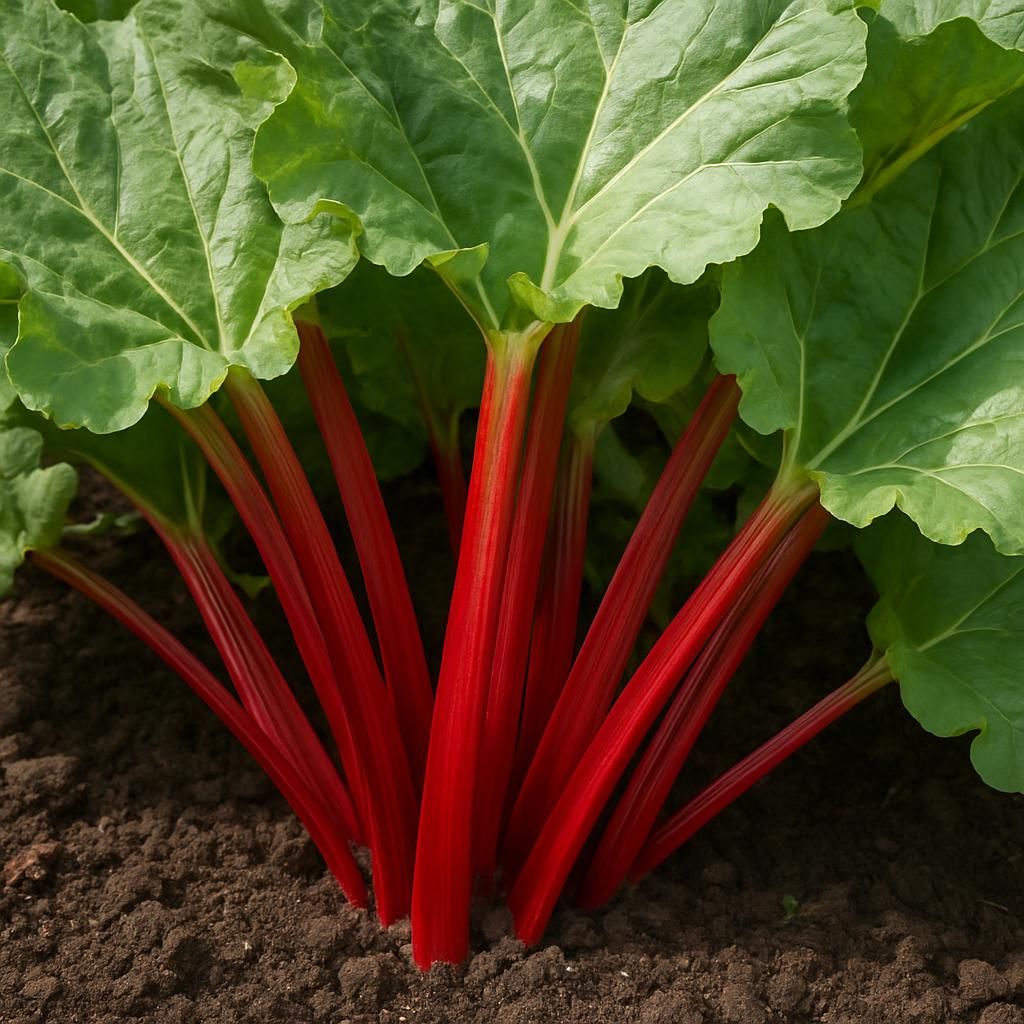
rhubarb
Rhubarb is a hardy, long-lived perennial vegetable grown primarily for its tart leaf stalks used in pies, sauces, and preserves. It thrives in cool climates and requires a dedicated, well-prepared bed that can produce for 8–15 years with proper care.
View Guide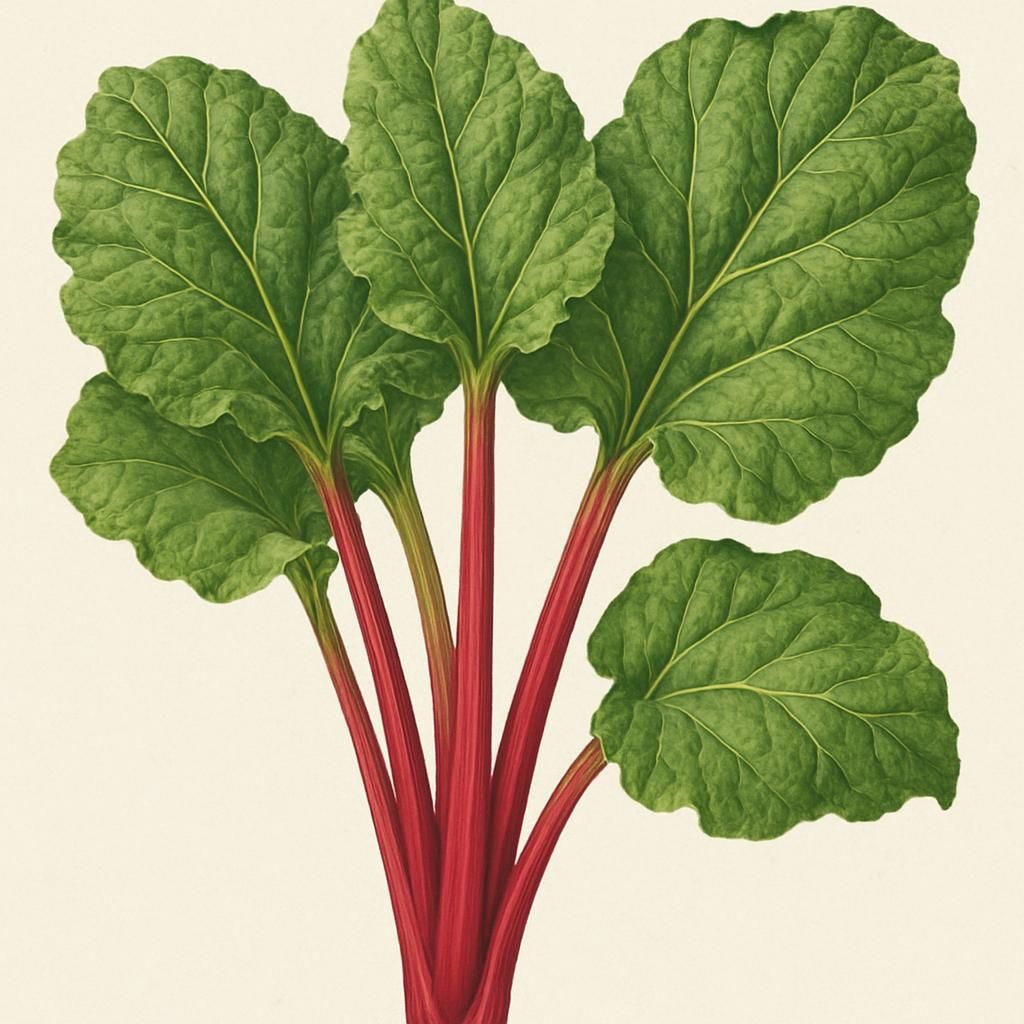
Rhubarb (Crimson Cherry)
Rhubarb (Crimson Cherry) is a perennial vegetable known for its vibrant red stalks and tart flavor, used primarily in desserts and jams. It thrives in cooler climates and requires minimal maintenance once established.
View Guide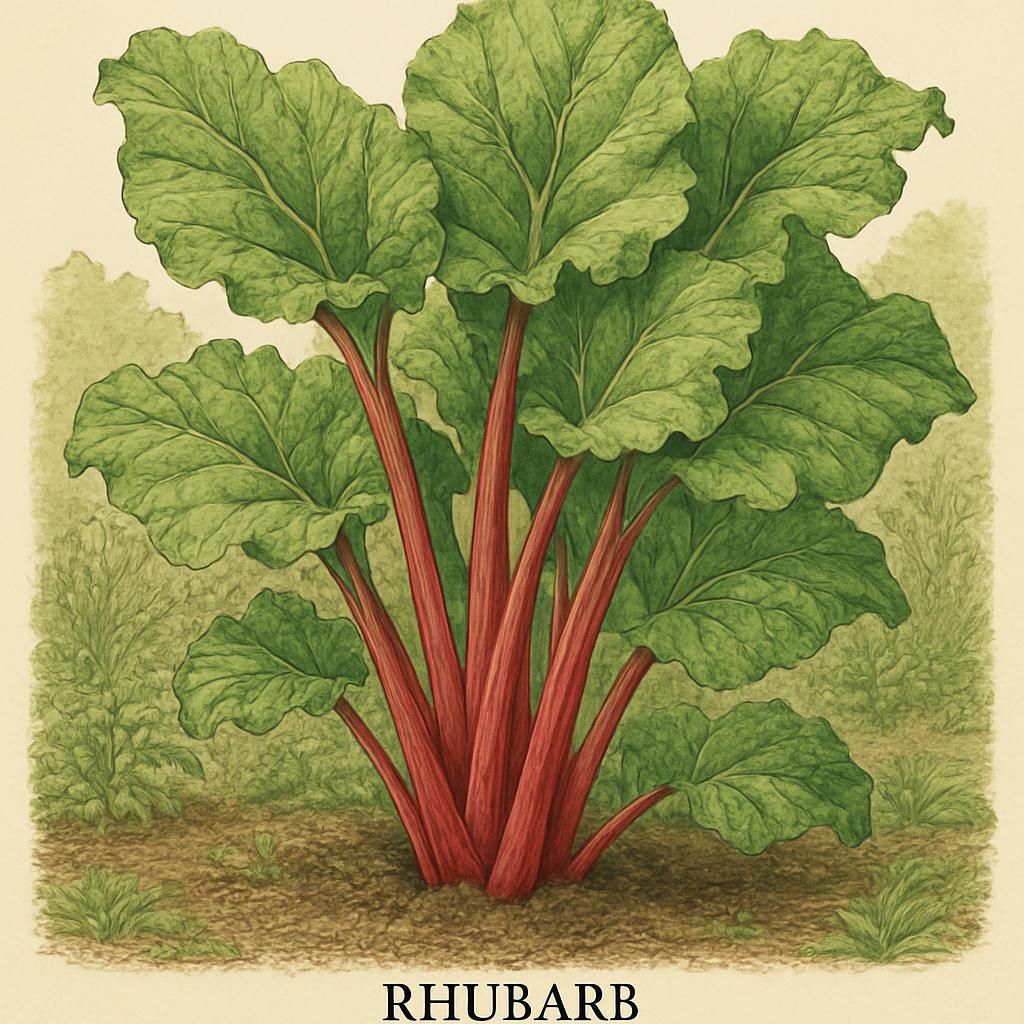
Rhubarb (Glaskin’s Perpetual)
Rhubarb (Glaskin’s Perpetual) is a versatile, perennial vegetable ideal for temperate regions. Known for its hearty stalks and tart flavor, it's perfect for pies and preserves.
View Guide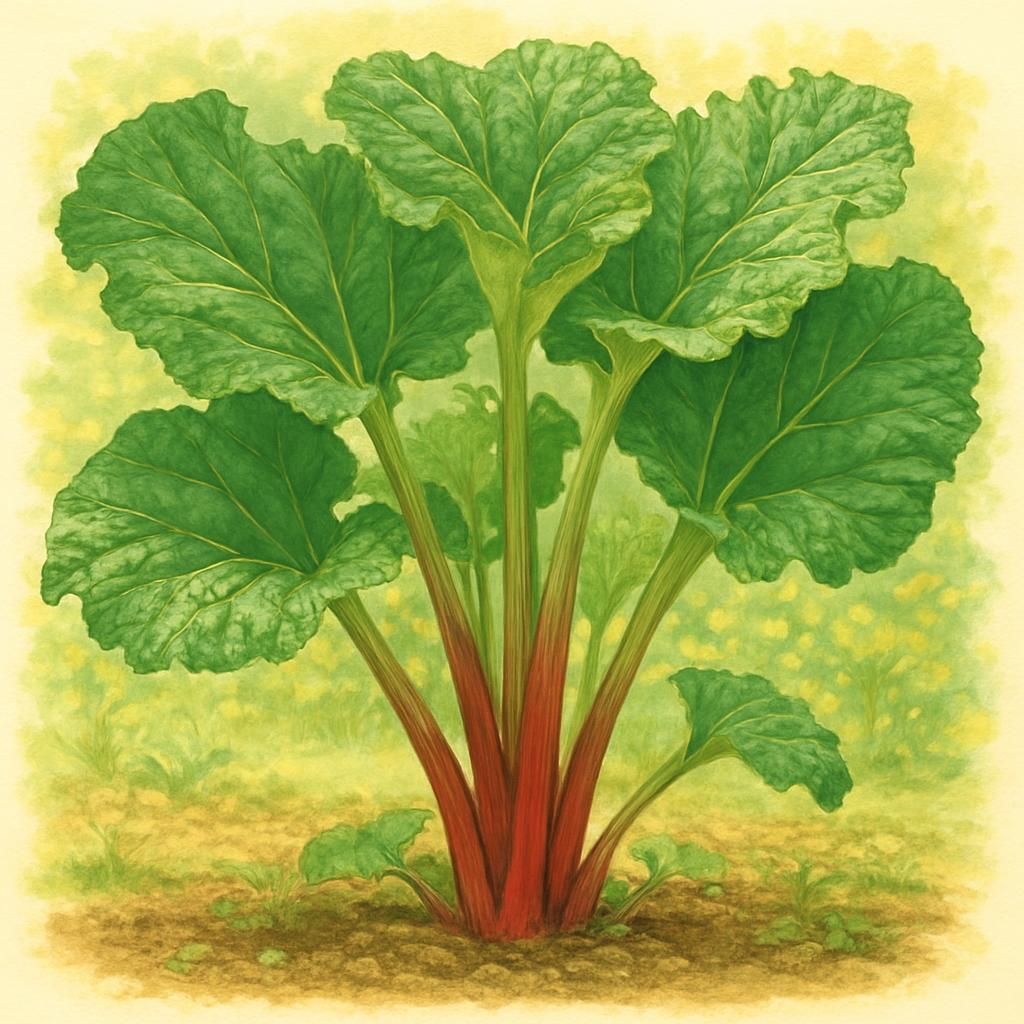
Rhubarb (Victoria)
Rhubarb (Victoria) is a popular crop known for its tart stalks used in various culinary applications. It thrives in cool climates and requires well-drained soil with good organic content.
View Guide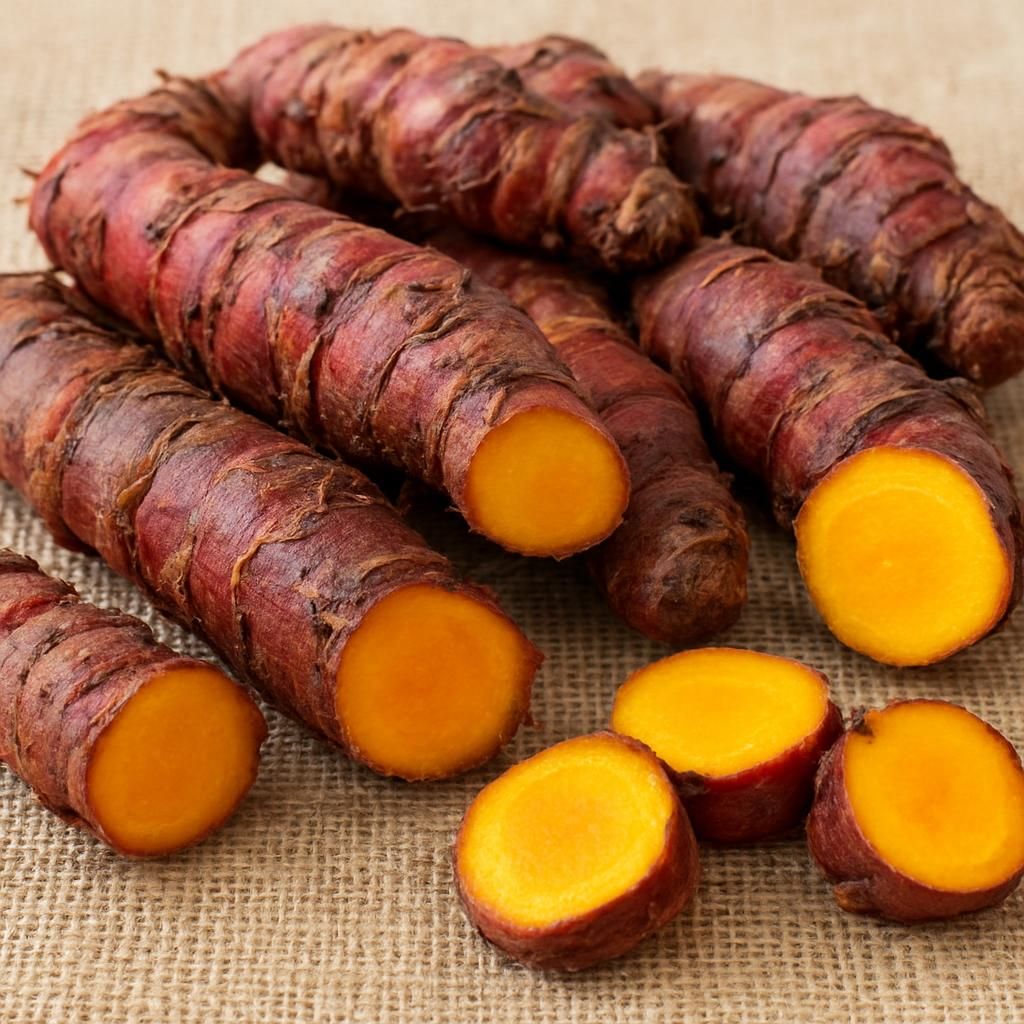
Rhubarb Root (Turkey)
Rhubarb Root (Turkey) is a high-value medicinal and culinary perennial grown primarily for its thick, reddish rhizomes used in traditional medicine and natural dye production. This guide provides professional-grade advice on soil preparation, propagation, seasonal care, pest management, and post-harvest handling for optimal yields.
View Guide
Rice
Rice is one of the world’s most important cereal crops, cultivated across tropical, subtropical, and warm temperate regions for grain, food security, and cultural heritage. Successful production depends on matching cultivar choice, water management, soil fertility, and pest control to the local environment, whether grown in flooded paddies, rainfed lowlands, uplands, or intensive small-scale systems.
View Guide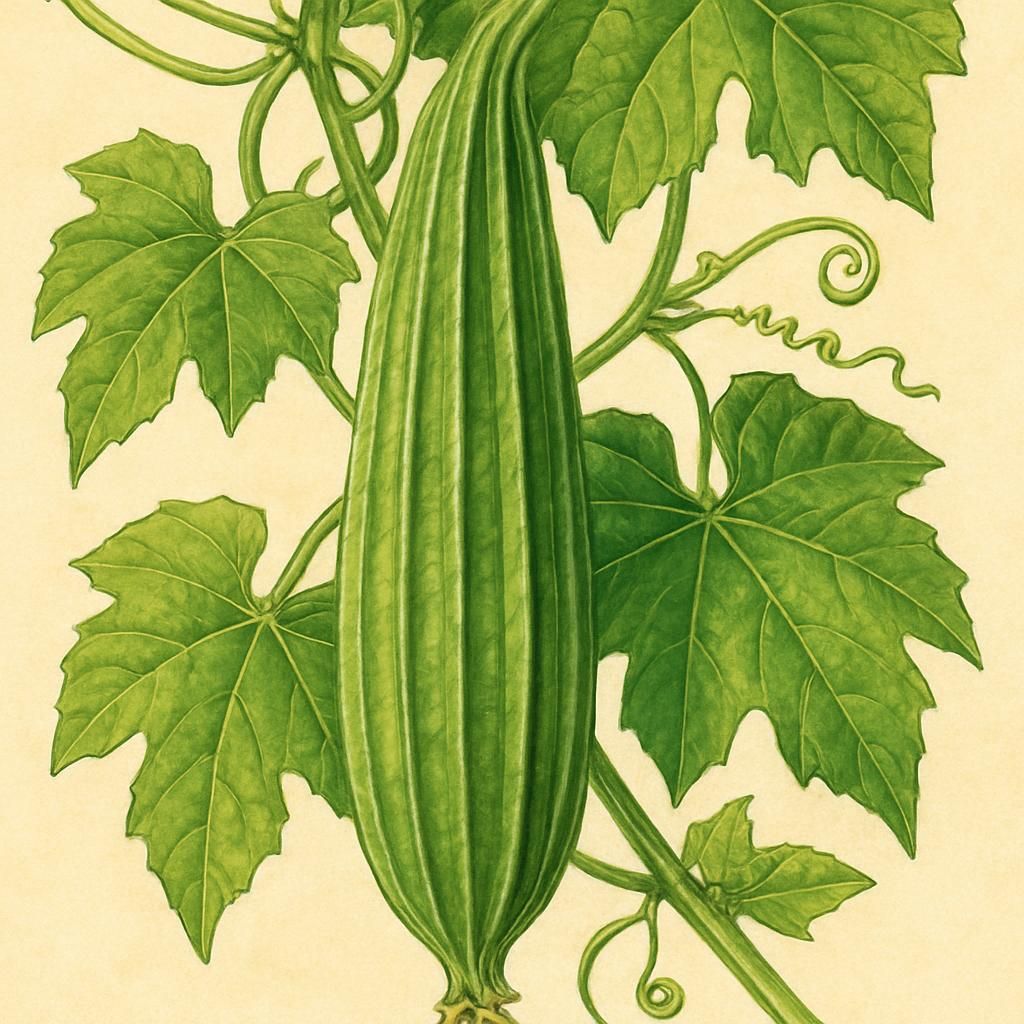
Ridge Gourd (Luffa acutangula)
Ridge gourd, also known as Luffa acutangula, is a versatile, nutritious vegetable, typically grown in tropical and subtropical regions. Known for its ribbed structure and fibrous texture, it requires warm temperatures and proper care to thrive.
View Guide
Robusta Coffee
Robusta coffee is a heat-tolerant, high-yielding coffee species valued for its strong growth, elevated caffeine content, and resilience in lowland tropical environments. It is widely cultivated for soluble coffee, espresso blends, and commercial production systems where disease pressure, humidity, and warmth challenge more delicate coffee types.
View Guide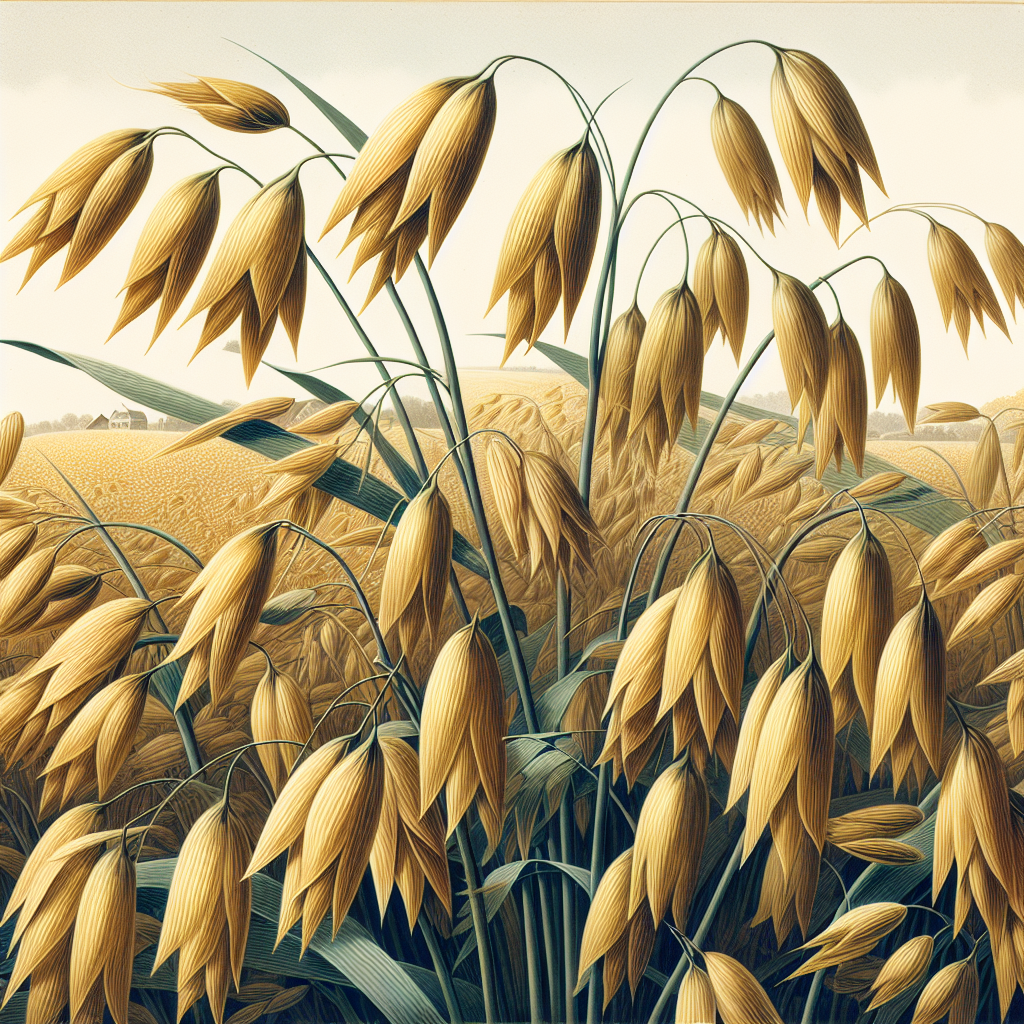
Rolled Oats
Rolled oats are a processed form of the oat grain, steamed and flattened for quick cooking, but growing the base crop oats (Avena sativa) provides fresh, nutrient-dense grains for milling into rolled oats at home. This cool-season cereal thrives in temperate climates with minimal inputs, offering high yields for small farms and homesteads. Ideal for beginners seeking sustainable, gluten-free grains with excellent soil-building properties.
View Guide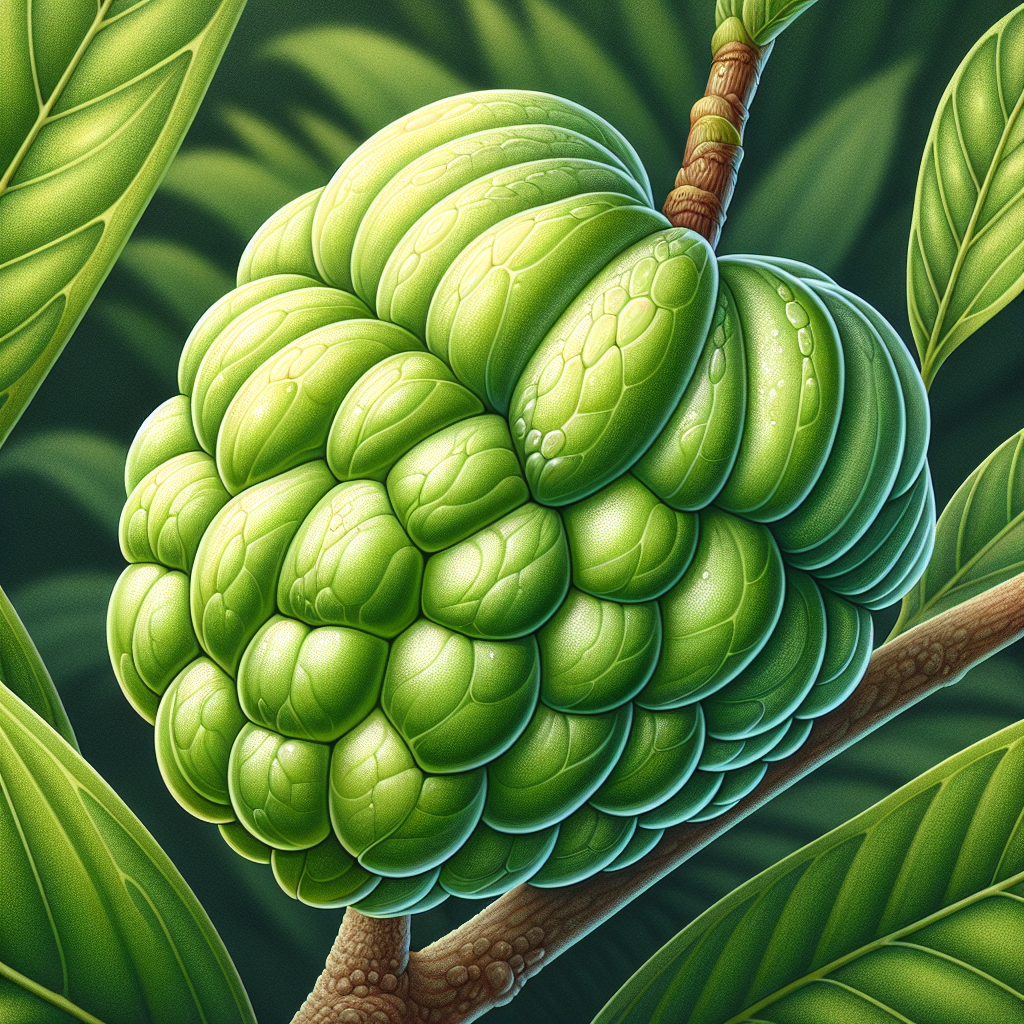
Rollinia (Biriba)
Rollinia, commonly known as Biriba, is a tropical evergreen tree prized for its creamy, custard-like fruit with a sweet pineapple-banana flavor. Native to South America, it thrives in humid subtropical to tropical climates and can produce abundant yields under optimal conditions. This guide provides professional agricultural insights for successful cultivation, from propagation to harvest.
View Guide
Roma Tomato
Roma tomato is a classic plum-type processing tomato valued for its dense flesh, low seed count, thick walls, and dependable productivity. Best known for sauces, canning, roasting, and paste-making, Roma performs exceptionally well when grown in warm, sunny conditions with steady moisture, fertile soil, and disciplined disease prevention.
View Guide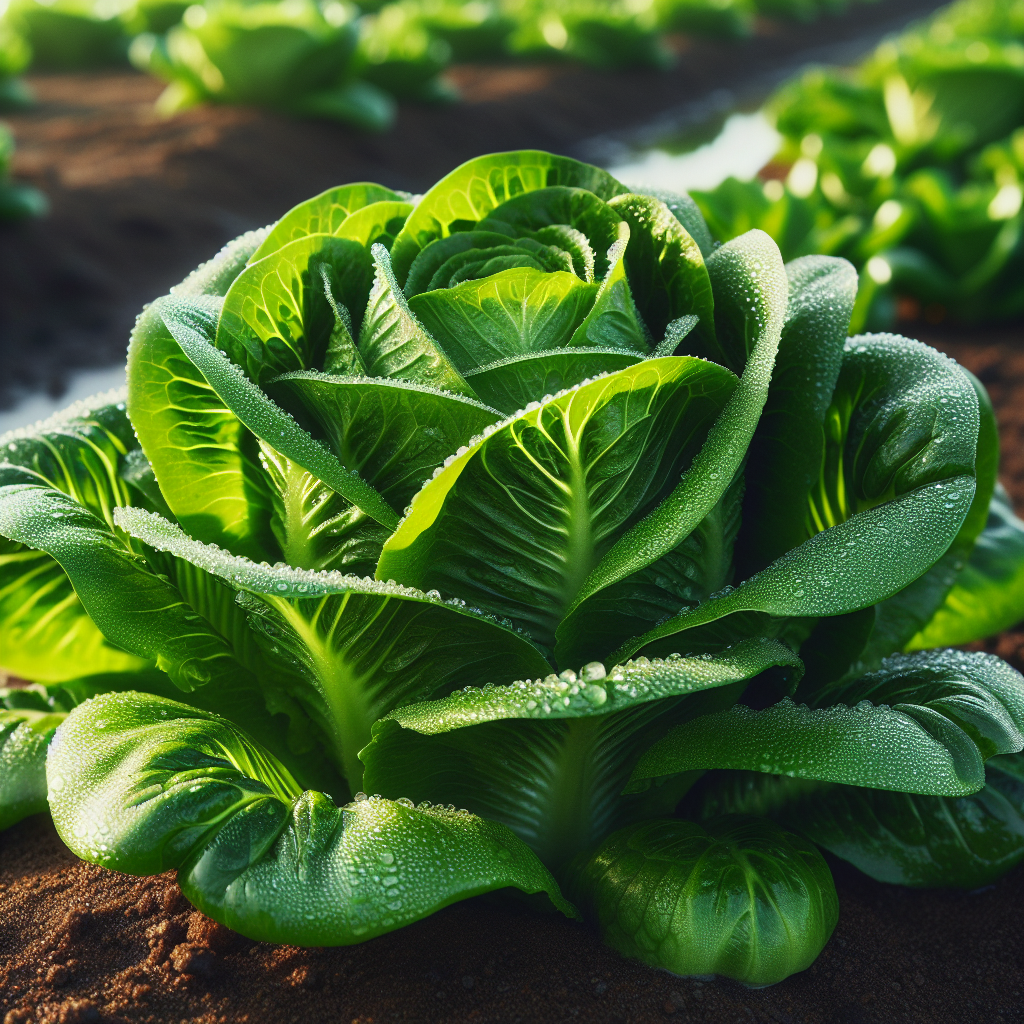
Romaine Lettuce (Parris Island)
Romaine Lettuce (Parris Island) is a robust, heat-tolerant heirloom variety prized for its upright growth, crisp leaves, and exceptional bolt resistance, making it ideal for home gardeners and small farms. Developed in the mid-20th century, this cultivar thrives in cool to moderate climates, delivering tall heads with dark green, savory-flavored leaves perfect for Caesar salads and fresh wraps. With proper care, it yields bountiful harvests in as little as 65-70 days.
View Guide
Romanesco Cauliflower
Romanesco cauliflower is a cool-season brassica prized for its vivid chartreuse heads formed by precise fractal spirals and its mild, nutty flavor. Although often grouped with cauliflower, it behaves like a highly quality-sensitive specialty crop that rewards careful control of temperature, fertility, moisture, and timing.
View Guide
Rome Beauty Apple
Rome Beauty Apple is a classic late-season apple cultivar prized for its large, round fruit, glossy red skin, and exceptional cooking quality. It is a vigorous, productive tree that performs best in temperate climates with adequate winter chill, full sun, and well-drained loamy soil. Though less celebrated as a modern dessert apple, it remains highly valued for baking, storage, and reliable orchard performance.
View Guide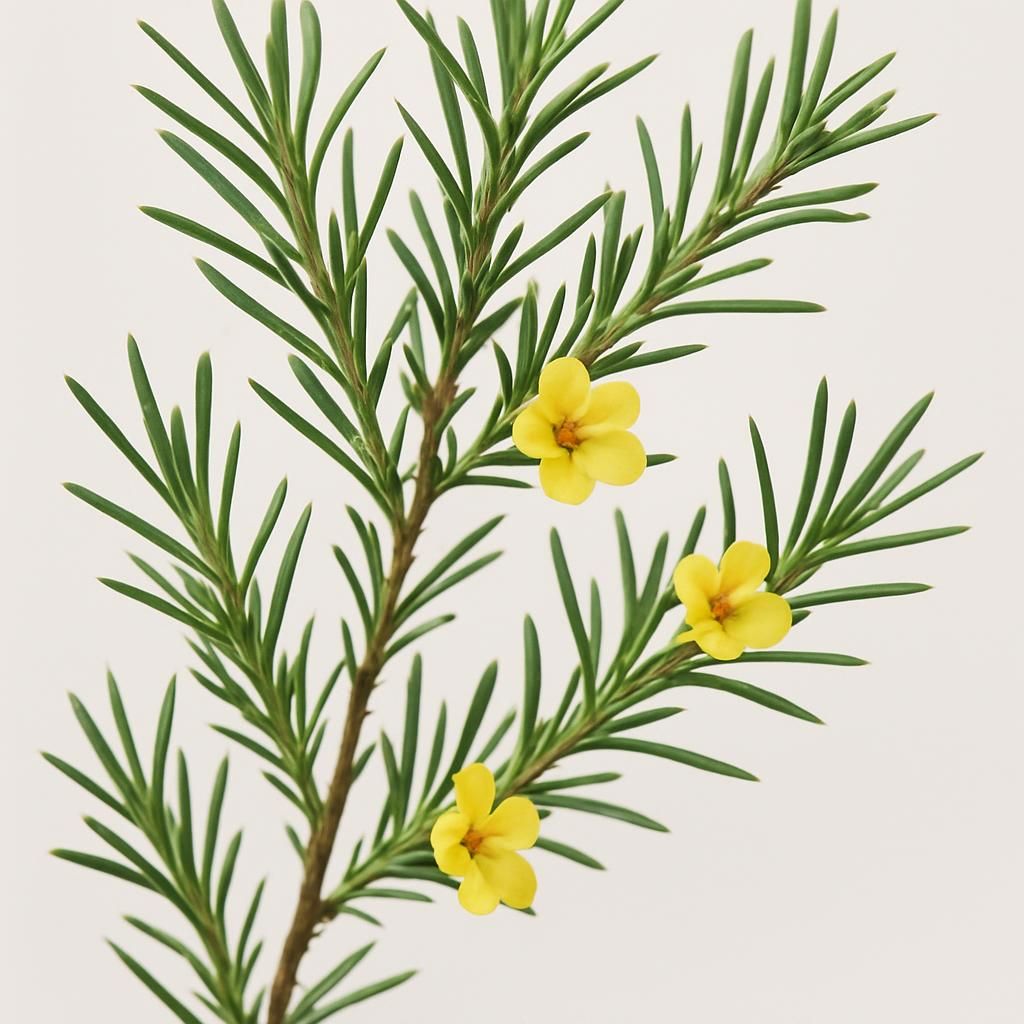
Rooibos
Rooibos is a nitrogen-fixing legume native to South Africa’s fynbos region, cultivated exclusively for its needle-like leaves that are harvested, oxidized, and dried to produce a naturally sweet, caffeine-free herbal tea with significant antioxidant value.
View Guide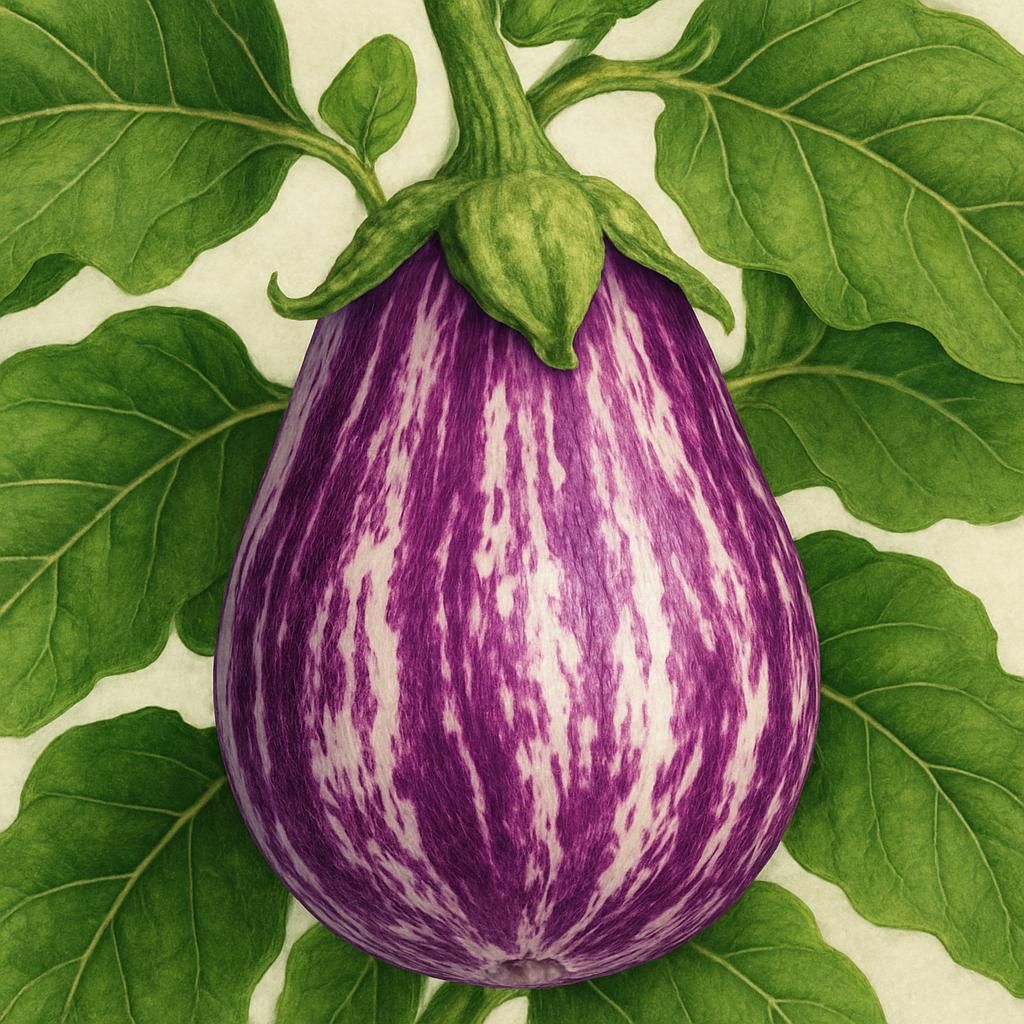
Rosa Bianca Eggplant
Rosa Bianca Eggplant, a visually striking heirloom variety, is known for its creamy texture and mild flavor. Its unique lavender and white exterior makes it a favorite among gardeners and chefs alike.
View Guide
Rose
Roses are among the most beloved ornamental plants worldwide, prized for their stunning blooms and fragrance, but they are highly susceptible to a range of pests and diseases that can devastate gardens. This guide provides definitive diagnostic tools, lifecycle insights, and organic management strategies to protect roses from common invaders like aphids, black spot, and spider mites. With proper prevention and treatment, growers can maintain healthy, vibrant rose bushes year-round.
View Guide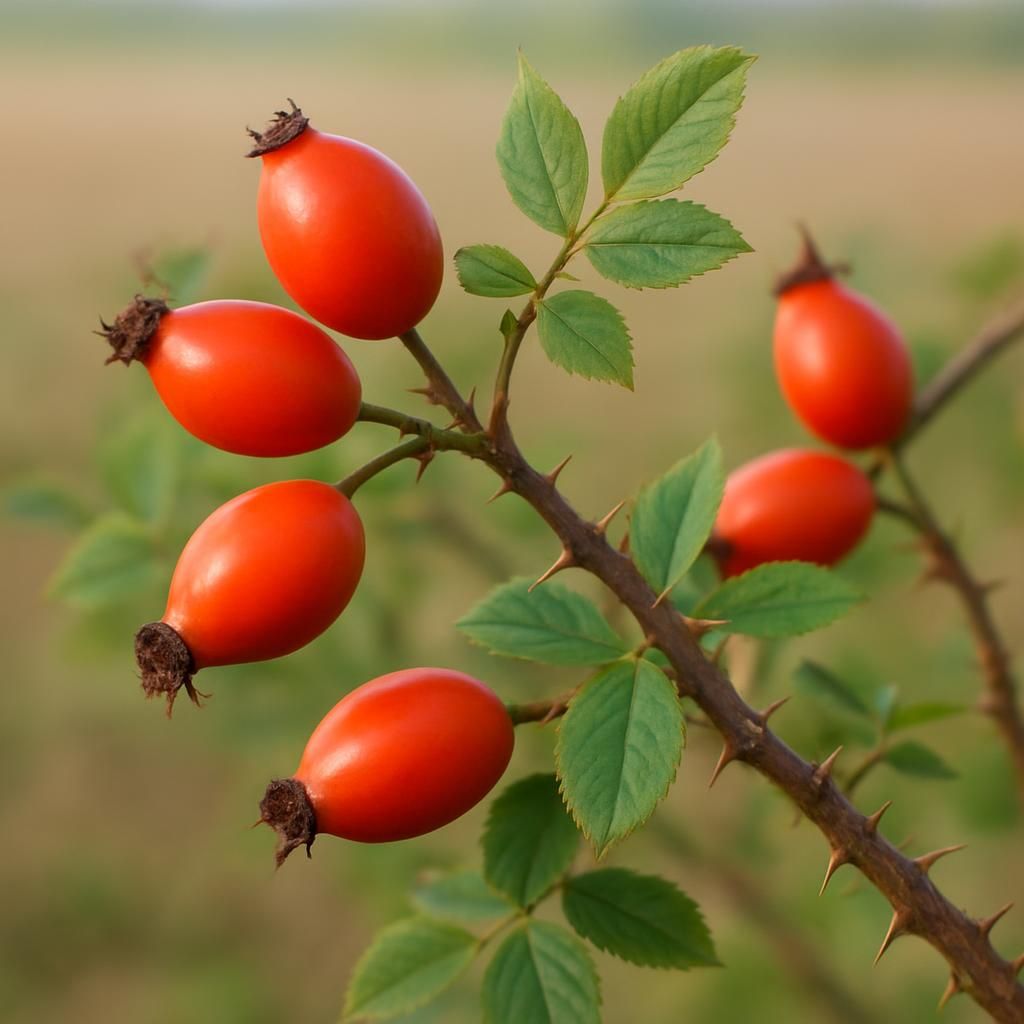
Rose Hips (Rosa canina)
Rosa canina, commonly known as the dog rose, produces vitamin-C-rich rose hips that are harvested for culinary, medicinal, and ornamental uses. This deciduous shrub thrives in temperate climates and can be grown successfully on small farms or in home gardens with proper soil and pruning management.
View Guide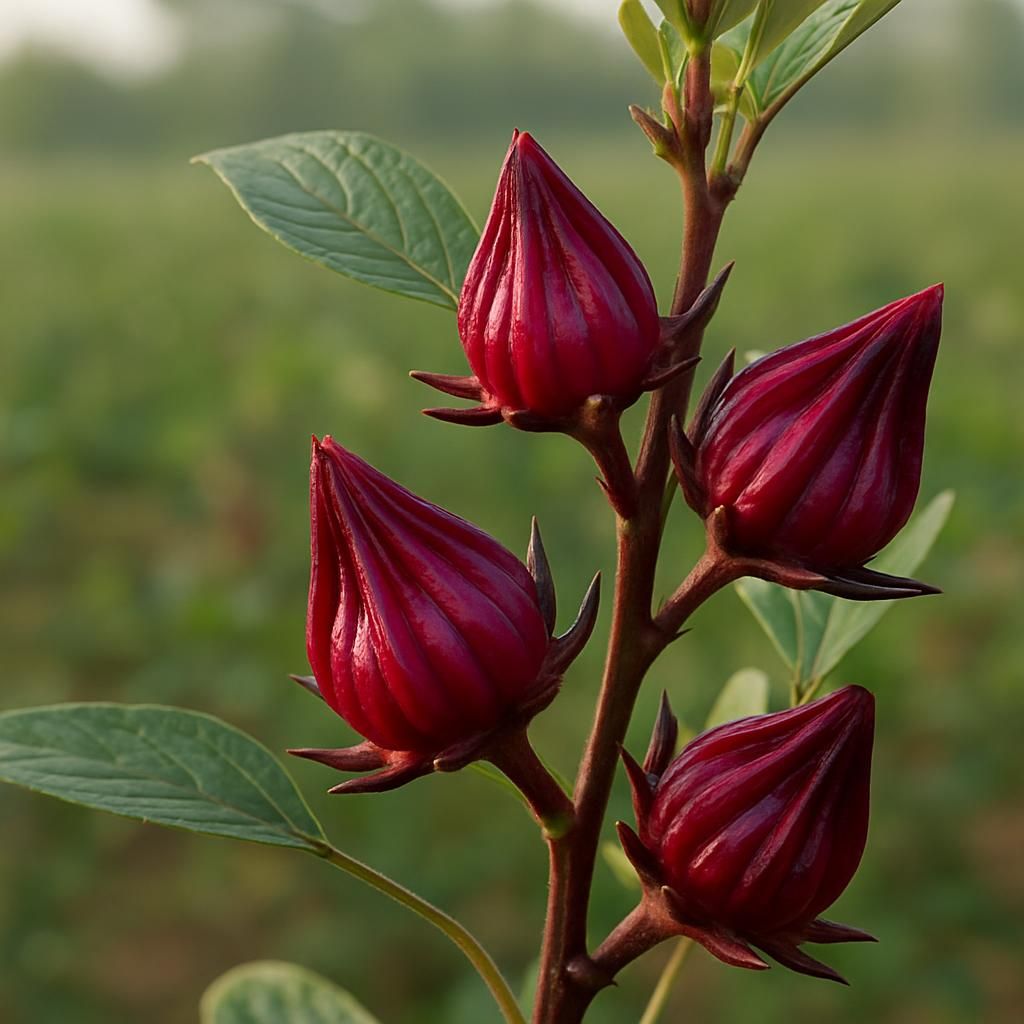
roselle
Roselle is a fast-growing annual hibiscus grown for its vibrant red calyces used in teas, beverages, and preserves. This heat-loving crop thrives in tropical and subtropical climates and is valued for its high vitamin C content and natural pectin. It offers farmers and gardeners a dual-purpose harvest of edible calyces and bast fiber.
View Guide
Rosemary
Rosemary is a woody, evergreen Mediterranean herb prized for its aromatic foliage, culinary value, and exceptional drought tolerance once established. Although often considered easy, it performs best when growers understand its strict requirement for sharp drainage, moderate fertility, strong light, and careful water management.
View Guide
roses
Roses, while prized ornamentals, can become aggressive invasive pests in agricultural settings by outcompeting crops for resources, spreading rapidly via seeds and roots, and harboring pests like aphids. This guide provides definitive diagnostics for rose infestations and proven organic management strategies to eradicate them from farms and gardens. Effective control requires understanding their lifecycle and implementing prevention to protect yields.
View Guide