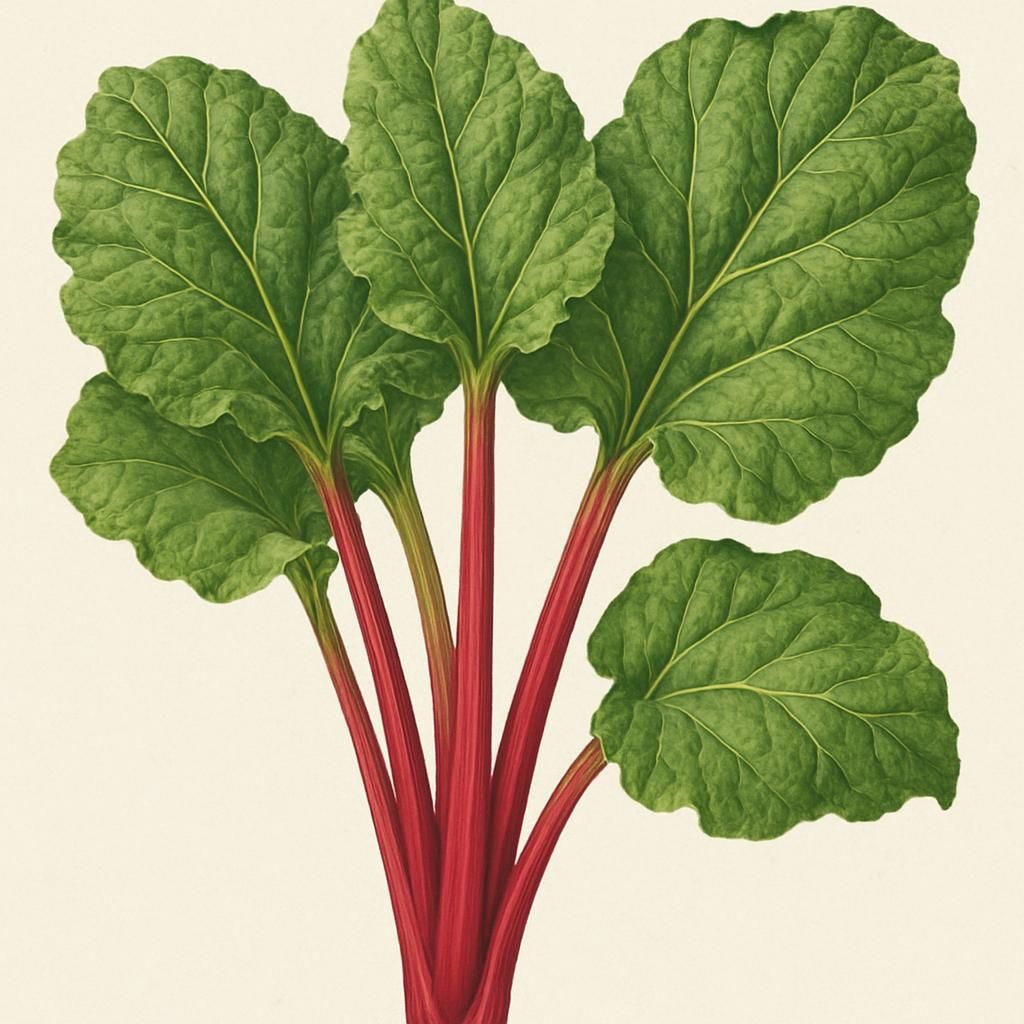
Introduction to Rhubarb (Crimson Cherry)
Rhubarb (Crimson Cherry) is a popular variety within the rhubarb family, prized for its bright crimson stalks and sweet-tart flavor. A staple in many gardens, this perennial vegetable is often mistaken for a fruit due to its common use in pies, sauces, and jams. Originating from Asia, rhubarb has become a favored plant worldwide, especially in temperate regions.
Botanical Profile of Rhubarb (Crimson Cherry)
Belonging to the family Polygonaceae, Rhubarb (Crimson Cherry) is a robust herbaceous perennial that thrives in cooler climates. It displays large, heart-shaped leaves and vibrant red stalks, which are the primary edible parts. The plant contains oxalic acid, mainly in the leaves, which are considered toxic and should not be consumed.
Soil, pH, and Climate Requirements for Rhubarb (Crimson Cherry)
Rhubarb requires specific conditions to grow optimally, as outlined in the table below:
| Requirement | Optimal Conditions |
|---|---|
| Soil Type | Well-drained, loamy, high organic matter |
| Soil pH | 5.5 to 7.0 |
| Temperature | 10-25°C (50-77°F) |
| Sunlight | Full sun to partial shade |
| Rainfall | 800-1000 mm annually |
Step-by-Step Planting & Propagation
- Site Selection and Preparation: Choose a location with well-drained soil and ample sunlight. Prepare the soil by adding organic compost to improve its nutrient content.
- Planting: Rhubarb is typically propagated from crowns (root segments) rather than seeds. Plant crowns in early spring as soon as the soil is workable, positioning them around 1-2 inches deep in the ground and 3 feet apart to allow for growth.
- Watering: Water the plants thoroughly after planting and continue to keep the soil moist but not waterlogged.
Care & Maintenance Regimes for Rhubarb (Crimson Cherry)
Caring for rhubarb involves regular watering, fertilizing, and minimal pruning, as detailed below:
| Task | Frequency | Details |
|---|---|---|
| Watering | Weekly | Ensure consistent moisture, especially in dry periods. |
| Fertilizing | Annually in spring | Apply a balanced fertilizer or well-rotted manure around each plant. |
| Pruning | Annually | Remove any flower stalks to direct energy to stalk growth. |
Pests, Diseases & Organic Management
Rhubarb is generally resilient, but can occasionally be affected by pests such as Slugs and Spider Mites. Diseases such as crown rot and root rot may also occur.
Organic Management
- Slugs: Use beer traps or copper barriers to reduce populations.
- Spider Mites: Introduce natural predators like ladybugs or use neem oil sprays.
- Regular inspection and maintaining healthy environmental conditions help prevent diseases.
Harvesting, Curing & Optimal Storage
Harvesting begins in the plant's second year. Here’s how to do it right:
- Harvest Timing: Pick stalks in spring when they are approximately 12-18 inches long.
- Method: Grasp the stalk near the base and twist gently to pull it from the plant.
- Storage: Freshly harvested rhubarb can be stored in the refrigerator for up to two weeks. For longer storage, cut the stalks into pieces and freeze them.
Companion Planting for Rhubarb (Crimson Cherry)
Good companions for rhubarb include Cabbage and Broccoli, which help deter pests. Avoid planting near legumes like Beans as they can hinder the rhubarb's growth.
For insights into enhancing farm resilience against climate vulnerabilities, explore The Truth About Weather Patterns and Small Farm Resilience.