Introduction to Rollinia (Biriba)
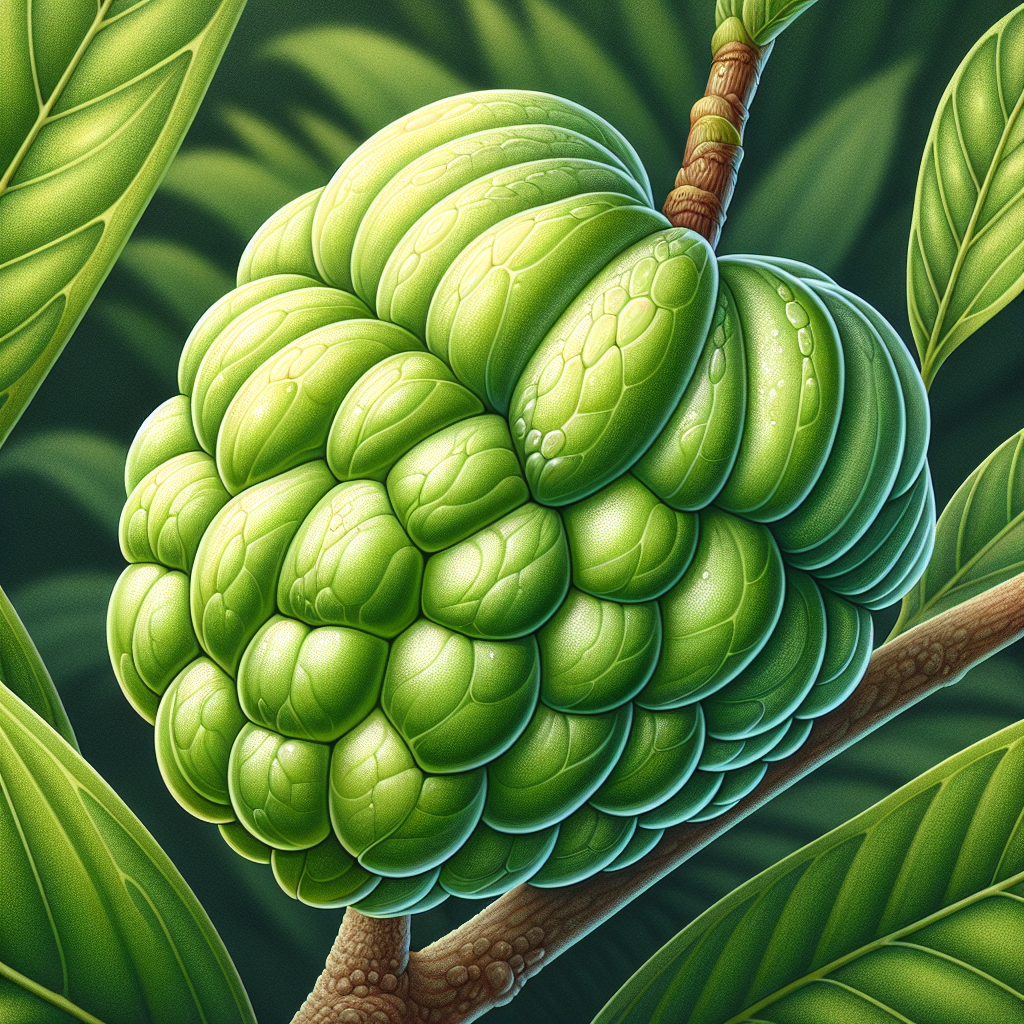
Rollinia deliciosa, widely known as Biriba, Biribá, or wild sweetsop, is an underutilized tropical fruit tree that offers growers a unique, high-value crop with exceptional flavor and market potential. The fruit features a thin, light green skin covered in sweet-smelling, fleshy scales, enclosing a creamy white pulp that melts in the mouth like custard, blending notes of pineapple, strawberry, banana, and lemon. Native to the Amazon basin and other regions of South America, Biriba has gained popularity among specialty fruit enthusiasts in Florida, Australia, Hawaii, and Southeast Asia due to its delicious taste and relative ease of growth in suitable climates.
This comprehensive growing guide is designed for professional farmers, horticulturists, and serious home growers seeking to cultivate Rollinia successfully. With proper site selection, soil preparation, and care, trees can reach 20-30 feet tall, producing 50-100 fruits per season after 3-5 years. Biriba's resilience to some common tropical pests and its potential for organic production make it an attractive addition to diversified farms. For more on tropical fruit cultivation, check out our detailed guide on companion planting to maximize yields.
Yields can exceed 50 pounds per mature tree annually, with fruits weighing 1-4 pounds each. Market prices often range from $5-10 per pound in niche markets, driven by its rarity and superior taste compared to common annonas like cherimoya or custard apple. Challenges include its sensitivity to frost and specific pollination needs, but rewards are substantial for those mastering its cultivation.
Botanical Profile of Rollinia (Biriba)
Rollinia deliciosa belongs to the Annonaceae family, closely related to soursop (Annona muricata), sugar apple (Annona squamosa), and atemoya. It is an evergreen tree growing 15-40 feet tall with a spreading canopy up to 20 feet wide. Leaves are large, glossy, dark green, obovate, 4-8 inches long, and emit a pleasant fragrance when crushed. The tree's growth habit is upright with low branching, making it suitable for hedging or windbreaks.
Flowers are pendulous, 1-1.5 inches across, with three fleshy, pale yellow outer petals and three smaller inner ones, blooming year-round in tropics but peaking in spring-summer. Biriba is partially self-incompatible, requiring cross-pollination for optimal fruit set—hand pollination or pollinator insects like nitidulid beetles are often necessary. Fruits develop in clusters of 2-10, ripening 2-3 months post-pollination.
The fruit is heart-shaped or round, 3-5 inches in diameter, with a reticulated skin of 20-30 curved scales that separate slightly when ripe, releasing a fruity aroma. Pulp is snow-white, translucent, and seedless in some cultivars, though most contain 20-50 large, black seeds. Seedlings exhibit variability; grafted trees like 'Brazilian' or 'Florida' produce superior, larger fruits. Biriba trees are long-lived, productive for 20+ years with minimal intervention.
Root system is shallow and wide-spreading, sensitive to waterlogging but drought-tolerant once established. For insights into similar tropicals, see papaya cultivation techniques.
Soil, pH, and Climate Requirements for Rollinia (Biriba)
Biriba demands well-drained, fertile soils rich in organic matter—sandy loams or volcanic soils are ideal, mimicking its Amazonian origins. Avoid heavy clays prone to water retention, as root rot is a primary killer. Optimal pH is 5.5-7.0; test soil and amend with lime for acidity below 5.5 or sulfur for alkalinity above 7.5. Incorporate 4-6 inches of compost or aged manure pre-planting to boost microbial activity and nutrient retention.
Climate-wise, Rollinia thrives in USDA zones 10b-12, requiring average temperatures of 70-85°F (21-29°C) and no frost. It tolerates brief dips to 28°F (-2°C) but suffers leaf drop and dieback below 32°F (0°C). High humidity (60-90%) and annual rainfall of 50-80 inches are essential; supplement with irrigation in dry periods. Full sun (6-8+ hours daily) promotes vigorous growth and fruiting; partial shade reduces yields by 30-50%.
Wind protection is critical—young trees snap in gusts over 30 mph. Mulch heavily (4-6 inches) with organic materials to conserve moisture, suppress weeds, and regulate soil temperature. In marginal climates like coastal Florida or southern California, use microclimates or frost blankets. Pair with heat-tolerant companions like guava for resilience. Soil salinity tolerance is low (EC <1.5 dS/m); flush with fresh water if irrigation water is brackish.
Step-by-Step Planting & Propagation
Propagation: Seeds germinate readily (70-90% rate) but result in variable offspring—sow fresh seeds 1 inch deep in 4-inch pots with 1:1:1 peat-perlite-vermiculite mix at 80-85°F. Germination takes 2-4 weeks; transplant at 6-8 inches. For uniformity, graft onto seedling rootstock using cleft or veneer methods in spring—success rate 80-90%. Air-layering branches also works well.
Site Preparation: Select a sunny, sheltered spot with 20x20 foot spacing for trees (15x15 for dwarfs). Dig 3x3x3 foot holes, filling with 50% native soil + 50% compost. Plant in early spring or rainy season, aligning graft union 4-6 inches above soil.
Planting Steps: 1. Water root ball thoroughly. 2. Place tree, backfill loosely. 3. Create a 4-foot berm for water retention. 4. Stake if windy. 5. Apply 4 inches mulch, keeping 6 inches from trunk. 6. Water deeply (10-20 gallons) weekly first year.
Transplant shock minimized by pruning top 1/3 at planting. Expect 2-3 feet annual growth first years.
Care & Maintenance regimes for Rollinia (Biriba)
Watering: Deep, infrequent irrigation—1-2 inches weekly, increasing to 3-5 gallons daily for fruiting trees. Taper in winter; overwatering causes yellowing and rot.
Fertilization: Young trees: 1 lb 10-10-10 NPK per month, split applications. Mature: 1-2 lbs per inch trunk diameter yearly, with micronutrients (Fe, Zn, Mn via foliar). Organic option: compost tea + fish emulsion monthly.
Pruning: Annual winter pruning removes deadwood, watersprouts, and maintains 12-15 foot height. Thin canopy for light penetration; train to central leader.
Pollination: Hand-pollinate evenings using soft brush—transfer pollen from male-phase (spread petals) to female-phase (closed petals) flowers. Attract beetles with decaying fruit piles.
Weed control via mulch; avoid tilling roots. Monitor for nutrient deficiencies: yellow veins indicate iron lack.
Pests, Diseases & Organic Management
Pests: Common foes include mealybugs, scale insects, aphids, and fruit flies. Organic controls: neem oil sprays (weekly), insecticidal soap, beneficial insects like ladybugs. Nitidulid beetles aid pollination but may vector diseases—monitor.
Diseases: Anthracnose causes fruit rot; phytophthora root rot from poor drainage. Prevent with copper fungicide pre-rainy season, ensure drainage. Powdery mildew treated with potassium bicarbonate. For advanced strategies, explore Why 90% of Small Farms Fail at Pest Management.
Cultural IPM: sanitation, resistant rootstocks, biodiversity. No major viruses reported.
Harvesting, Curing & Optimal Storage
Harvest when skin scales lift and fruit detaches easily with gentle twist—aroma intensifies. Fruits ripen off-tree in 3-7 days at room temp. Yield peaks July-Oct in Northern Hemisphere.
Cut clusters with shears, handle gently to avoid bruising. Store at 50-55°F (10-13°C), 85-90% humidity for 2-4 weeks; refrigerate ripe fruit up to 1 week. For market, pack in ventilated crates; freeze pulp for 6+ months.
Process into juices, ice creams, or sorbets—remove seeds post-thaw.
Companion Planting for Rollinia (Biriba)
Biriba pairs well with nitrogen-fixers like pigeon pea for soil enrichment, and pest-repellent herbs like lemongrass or basil. Underplant with pineapple for ground cover and weed suppression. Avoid water-hungry crops like corn near shallow roots. Marigold deters nematodes; thyme repels beetles. Intercrop with shade-tolerant ginger for microclimate benefits and diversified income. Space companions 5-10 feet from trunk to prevent competition.