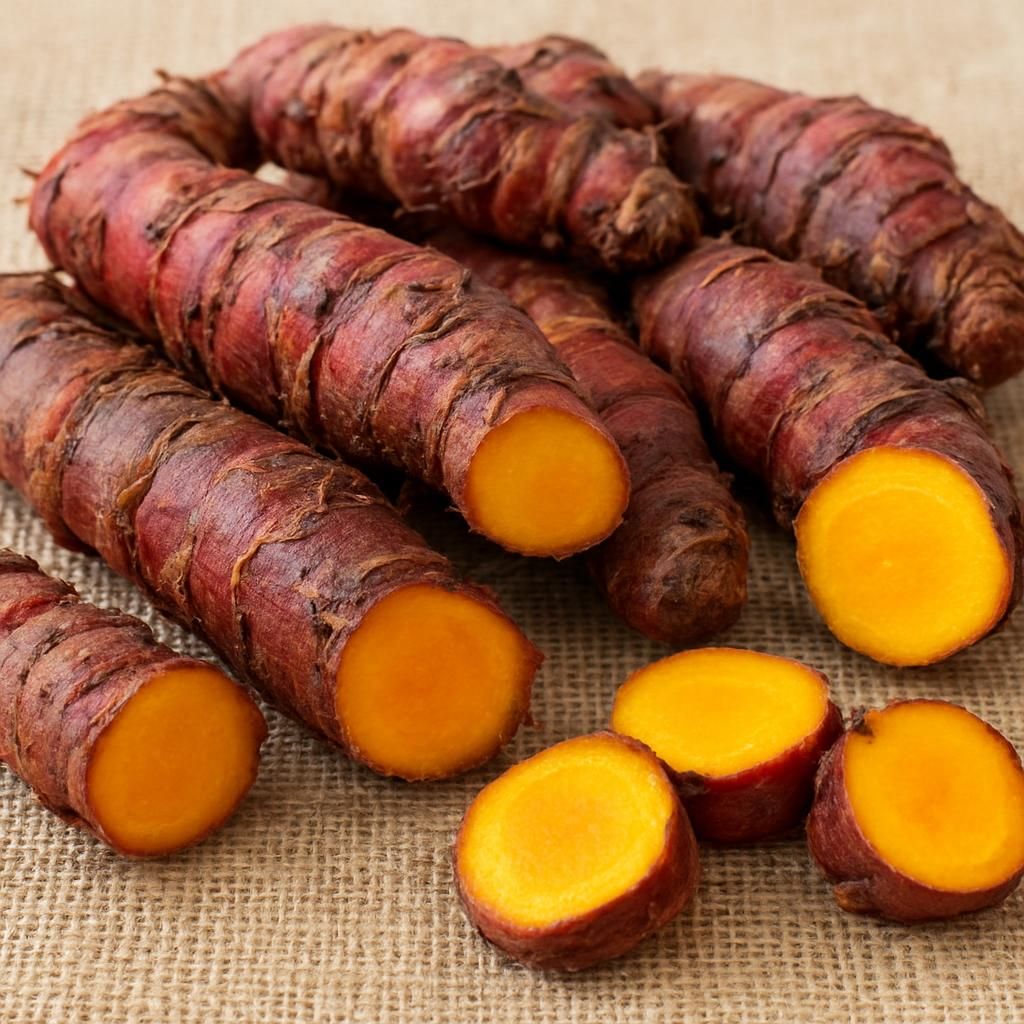
Introduction to Rhubarb Root (Turkey)
Rhubarb Root (Turkey) refers to the medicinal rhizome of Rheum palmatum var. tanguticum, a robust perennial native to the high plateaus of Central Asia. The plant has been cultivated for centuries in Turkey and surrounding regions for its anthraquinone-rich roots used in traditional pharmacology, natural pigments, and select culinary applications. Unlike common garden rhubarb, this variety produces larger, more potent rhizomes prized in export markets.
Commercial growers value Rhubarb Root (Turkey) for its relatively low input requirements once established and its ability to thrive in marginal soils. With proper site selection and management, a well-maintained planting can remain productive for 8–12 years. Demand continues to rise in herbal supplement and natural colorant industries, making it an attractive specialty crop for diversified farms.
This definitive guide delivers step-by-step protocols for soil preparation, planting density, irrigation scheduling, organic pest control, and curing methods to maximize both yield and bioactive compound concentration.
Botanical Profile of Rhubarb Root (Turkey)
Rheum palmatum var. tanguticum belongs to the Polygonaceae family. It develops large, palmate leaves up to 60 cm across on thick petioles that emerge from a central crown. The plant produces tall flower stalks reaching 1.5–2 m in the second or third year, though commercial growers often remove these to direct energy into rhizome expansion.
The underground portion consists of a thick, branched rhizome with reddish-brown exterior and bright yellow-orange interior when cut. Key bioactive constituents include emodin, rhein, and chrysophanol, which vary with soil mineral content and harvest timing. The root system is deep and fibrous, making the crop moderately drought-tolerant once established.
Soil, pH, and Climate Requirements for Rhubarb Root (Turkey)
Rhubarb Root (Turkey) performs best in deep, well-drained loamy soils with high organic matter. Heavy clay or waterlogged conditions quickly lead to crown rot. The plant prefers cool winters for dormancy and moderate summers; excessive heat above 30 °C reduces root quality.
| Parameter | Ideal Range | Notes |
|---|---|---|
| Soil Type | Loam to sandy loam | Deep profile (>60 cm) preferred |
| Soil pH | 6.0–7.0 | Slightly acidic to neutral |
| Organic Matter | 4–6 % | Incorporate well-rotted compost |
| Drainage | Excellent | Raised beds recommended on heavy soils |
| Temperature Range | 5–25 °C daytime | Requires winter chilling below 5 °C |
| Annual Rainfall | 500–800 mm | Supplemental irrigation in dry periods |
| Altitude | 800–2200 m | Performs well in upland regions |
Step-by-Step Planting & Propagation
Propagation is achieved through division of healthy rhizomes rather than seed due to genetic variability. Select vigorous mother plants in autumn after foliage senescence. Cut rhizomes into 150–200 g sections, each with at least two buds. Dust cuts with agricultural sulfur to prevent fungal entry.
Plant divisions in prepared beds from late autumn to early spring when soil temperature is 8–12 °C. Space plants 60 cm apart in rows 90 cm wide, setting crowns 5–8 cm below soil surface. Firm soil around each division and water thoroughly. Mulch immediately with 8–10 cm of straw or wood chips to moderate temperature and suppress weeds.
New shoots emerge in early spring. Protect young growth from late frosts with row cover if temperatures drop below –3 °C. First-year plants focus on root establishment; remove any flower stalks that form to conserve energy.
Care & Maintenance regimes for Rhubarb Root (Turkey)
Consistent moisture during active growth supports maximum rhizome expansion, while controlled stress in late summer can concentrate bioactive compounds. Fertilization should be moderate; excess nitrogen promotes foliage at the expense of root quality.
| Season | Water Schedule | Fertilizer Application | Pruning / Other Tasks |
|---|---|---|---|
| Spring | 25–30 mm/week until flowering | 40 kg N/ha as compost tea at bud break | Remove flower stalks; thin weak shoots |
| Summer | 20 mm/week; reduce after midsummer | 20 kg N/ha + 30 kg K2O/ha in June | Mulch maintenance; scout for pests |
| Autumn | Taper to 10 mm/week | 25 kg P2O5/ha incorporated before dormancy | Cut back foliage after first frost |
| Winter | None (dormant) | None | Apply 10 cm mulch for insulation |
Monitor leaf color for nutrient status. Pale foliage indicates nitrogen deficiency; marginal browning suggests potassium shortage. Avoid overhead irrigation to reduce foliar disease pressure.
Pests, Diseases & Organic Management
The most common threats include Aphids, Slugs, and Root rot. Aphid colonies on new growth can be managed with insecticidal soap or neem oil applied at 7–10 day intervals. Slugs are controlled with iron-phosphate baits and by maintaining clean field margins.
Crown and root rots caused by Phytophthora and Pythium species are prevented through proper drainage and avoidance of over-irrigation. Infected plants should be removed and destroyed; solarize soil in affected patches during summer. Crop rotation with Garlic or Onion every 4–5 years reduces pathogen buildup.
Harvesting, Curing & Optimal Storage
Rhizomes reach commercial size in the third or fourth year. Harvest in late autumn after foliage has died back naturally. Dig carefully with a fork to avoid damaging the crown. Wash roots gently with low-pressure water to remove soil.
Cure by spreading rhizomes in a shaded, well-ventilated area at 15–20 °C for 7–10 days until surface moisture evaporates. Slice larger roots lengthwise for faster drying. Dry at 35–40 °C in a dehydrator or solar dryer until brittle. Store in airtight containers in a cool, dark location; properly cured roots retain potency for 18–24 months.
Expected dry yield ranges from 1.5–2.5 kg per mature plant under optimal management.
Companion Planting for Rhubarb Root (Turkey)
Compatible companions include deep-rooted legumes such as Chickpeas and aromatic herbs like Thyme that deter soil pests. Avoid planting near shallow-rooted leafy greens that compete for surface moisture.
Interplanting with Garlic provides natural aphid suppression while improving soil structure. After final harvest, follow with a green manure of Clover to rebuild organic matter before replanting rhubarb divisions.