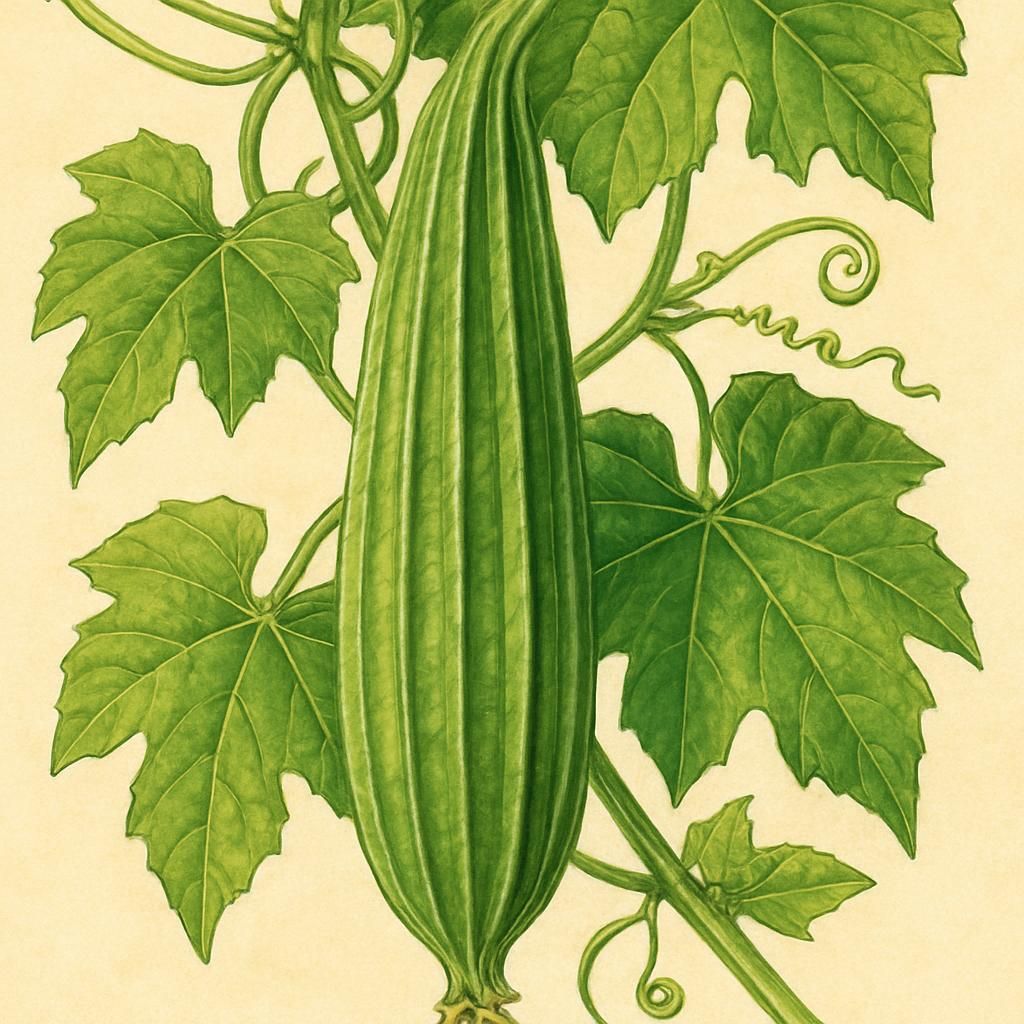
Introduction to Ridge Gourd (Luffa acutangula)
Ridge gourd, scientifically known as Luffa acutangula, is a popular vegetable crop in tropical and subtropical regions. Recognized by its ridged, elongated fruit, it is part of the cucurbit family, closely related to squash and cucumbers. Religiously consumed in Asian cuisines, ridge gourds are valued not only for their culinary versatility but also for their nutritional benefits, containing significant amounts of dietary fiber, vitamins, and minerals.
Botanical Profile of Ridge Gourd (Luffa acutangula)
The ridge gourd plant features vigorous vines and alternating leaves with a hairy texture. It produces both male and female yellow flowers that are vital for pollination. The fruit's elongated shape is marked by distinct ridges running along its length, and it can grow up to 30 cm long. Scientifically, the ridge gourd belongs to the Cucurbitaceae family, which includes other staple crops such as pumpkin, squash, and watermelon.
Soil, pH, and Climate Requirements for Ridge Gourd (Luffa acutangula)
Ridge gourd plants thrive in warm, humid climates and are best suited to regions experiencing consistent warm temperatures throughout the growing season. They prefer well-drained, fertile soils rich in organic matter. The plant demands specific pH and temperature conditions for optimal growth, as outlined below:
| Condition | Ideal Range |
|---|---|
| Soil Type | Sandy loam, loamy |
| Soil pH | 6.0 - 7.5 |
| Temperature | 20°C - 30°C |
| Humidity | Moderate to high |
Step-by-Step Planting & Propagation
- Seed Selection and Preparation: Choose high-quality ridge gourd seeds from a reputable source. Soak the seeds in water for 24 hours prior to planting to enhance germination.
- Site Preparation: Ridge gourds require full sun. Prepare the soil by incorporating well-decomposed compost or manure to enrich nutrient content.
- Sowing Seeds: Sow seeds directly in the field after the last frost in temperate zones, or in early summer for tropical regions. Space the seeds about 60 cm apart within the rows, and maintain a row-to-row distance of 90 cm.
- Watering: Ensure consistent moisture, especially during germination and flowering stages.
- Support and Training: Use trellises or stakes to support the vines, improving air circulation and fruit development.
Care & Maintenance Regimes for Ridge Gourd (Luffa acutangula)
Proper care and maintenance are crucial for a successful ridge gourd harvest. Below is a table detailing the recommended maintenance schedule:
| Maintenance Task | Schedule |
|---|---|
| Watering | Regular, deep watering twice a week |
| Fertilizing | Every 3-4 weeks with balanced NPK |
| Pruning | Remove old/diseased leaves weekly |
Pests, Diseases & Organic Management
Ridge gourds are susceptible to pests and diseases that can impede their growth. Common pests include Spider Mites and Aphids, which can cause leaf damage and stunted growth. For diseases, powdery mildew is a prevalent issue.
Organic Management:
- Utilize neem oil as a natural pesticide to fend off minor pest infestations.
- Employ crop rotation and companion planting to prevent disease spread.
- Maintain proper plant spacing for adequate air circulation, minimizing powdery mildew risks.
Harvesting, Curing & Optimal Storage
Ridge gourds are ready for harvest approximately 60-70 days after planting. Harvest them when they reach 15-20 cm in length with a tender but firm texture. Avoid waiting until they become too fibrous. Post-harvest, store ridge gourds in a cool, dry place and utilize within two weeks for optimal freshness.
Companion Planting for Ridge Gourd (Luffa acutangula)
Companion planting enhances the growth, flavor, and yield of ridge gourds. Suitable companion crops include marigold, which deters pests, and legumes like Soybeans, which enrich the soil with nitrogen. Effective companion planting is a strategic practice to maximize ridge gourd crop production.
Explore further companion planting strategies in our blog post on Summer Companion Planting: 10 Organic Pairings to Boost Small Farm Resilience for detailed insights.