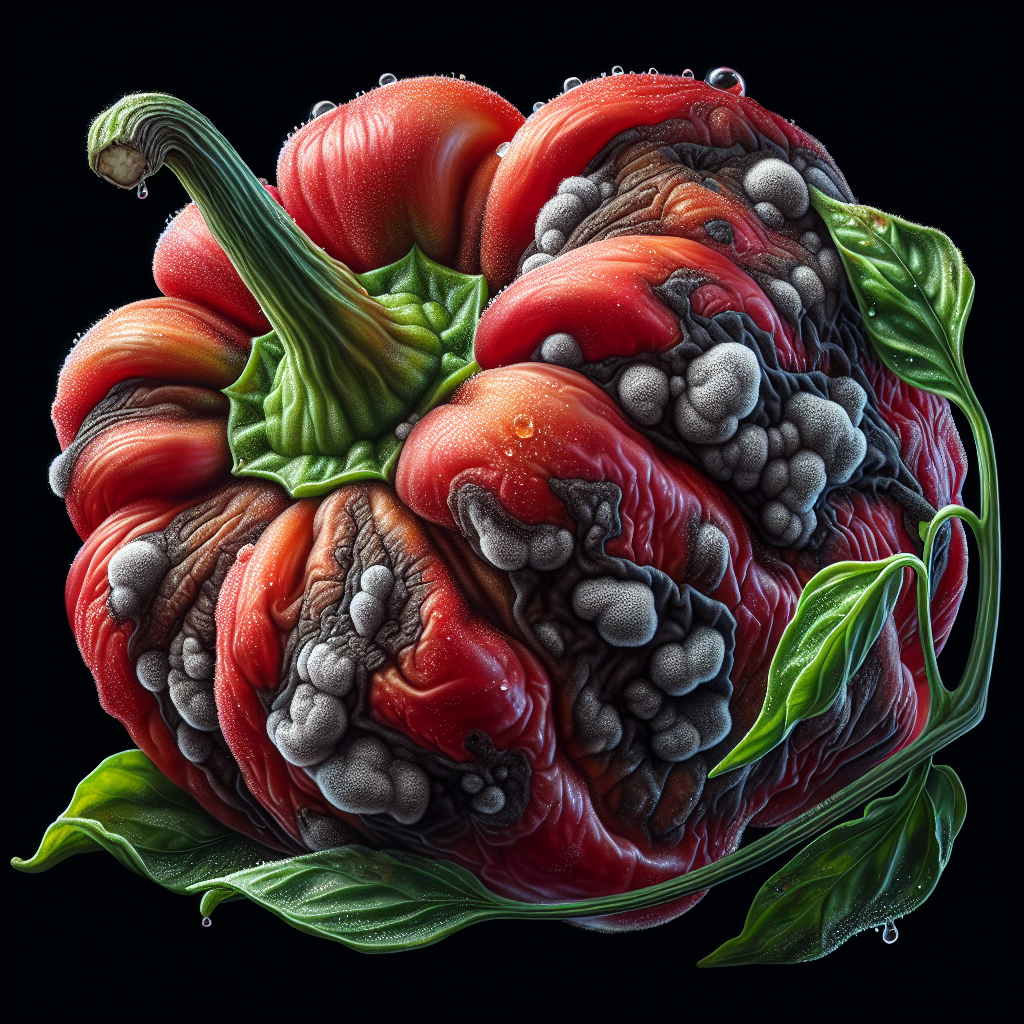
Introduction to Leather rot
Leather rot, scientifically linked to Phytophthora species such as Phytophthora capsici and Phytophthora palmivora, is a devastating soilborne and waterborne fungal disease that plagues agricultural systems worldwide. This pathogen attacks the fruits, stems, and roots of numerous crops, transforming healthy tissues into tough, leathery, darkened lesions that are inedible and unsellable. First identified in the early 20th century in pepper fields, leather rot has since spread to become a major concern in humid, tropical, and subtropical growing regions, causing yield reductions of up to 50-100% in severe outbreaks.
The disease's name derives from the characteristic 'leathery' texture of infected tissues, which become shriveled, sunken, and hardened, often accompanied by a foul odor from secondary bacterial invasion. Unlike foliar diseases, leather rot primarily targets mature fruits close to harvest, making it particularly economically damaging for commercial growers. Understanding its biology is crucial for farmers, as it spreads via splashing rain, irrigation water, and contaminated soil, persisting in fields for years through oospores—durable resting structures.
In modern agriculture, leather rot poses challenges in intensive production systems, especially under drip irrigation or flood-prone fields. Phytophthora infections often coincide with other issues like root rot, compounding losses. Early detection and integrated management are key to safeguarding crops, with organic approaches gaining traction amid consumer demand for residue-free produce. This guide provides comprehensive diagnostics, lifecycle insights, and actionable strategies to combat leather rot effectively.
Identifying Symptoms & Damage
Recognizing leather rot early is essential for limiting spread. Initial symptoms appear on fruits as small, water-soaked spots that rapidly expand into irregular, sunken lesions. The affected tissue turns dark brown to black, developing a tough, leathery texture that resists penetration by a knife—hence the name. In advanced stages, lesions cover large portions of the fruit, often girdling stems and causing wilting.
On peppers, lesions start at the blossom end, mimicking blossom end rot but distinguished by fungal sporulation under humid conditions: tiny white mycelial growth or lemon-shaped sporangia visible with a hand lens. Tomatoes show similar fruit rots, with internal browning and seed discoloration. Cucurbits like cucumbers and squash exhibit stem lesions leading to vine collapse, while avocado fruits develop firm, blackened areas.
Damage extends beyond aesthetics; infected fruits drop prematurely, inviting fruit rots from secondary pathogens. Yield losses average 30-70% in peppers, with quality downgrades affecting market value. Inspect lower fruits first during wet weather, as gravity aids spore dispersal. Differentiate from bacterial rots by the absence of slime and presence of mycelium. Regular scouting, especially post-rain, prevents epidemic spread.
Lifecycle and Progression of Leather rot
Phytophthora spp. follow a complex lifecycle favoring cool, moist environments (20-30°C optimal). The pathogen survives as oospores in soil or plant debris for 2-5 years. Wet conditions trigger zoospore release from sporangia, which swim to host tissues via water films.
Infection occurs through wounds or natural openings, with mycelium colonizing tissues within 24-48 hours. Under high humidity, sporangia form on lesion surfaces, releasing biflagellate zoospores that infect nearby plants. Sexual reproduction produces thick-walled oospores, ensuring long-term survival. Progression accelerates in saturated soils, with symptoms appearing 3-7 days post-infection.
Disease cycles multiple times per season in rainy climates, exacerbated by overhead irrigation. Oospores germinate in response to root exudates, linking to root rots. Understanding this polycyclic nature underscores prevention over cure, as fungicides merely suppress active phases.
Environmental Triggers & Risk Factors
Leather rot epidemics hinge on prolonged leaf wetness (>12 hours) and soil moisture >60%. Warm temperatures (25-32°C) optimize zoospore motility, while poor drainage traps inoculum. High clay soils retain water, increasing risk, as do compacted fields from heavy machinery.
Overhead watering splashes spores, while drip systems can spread via runoff. Crop rotation failures perpetuate oospores, and susceptible varieties like bell peppers amplify outbreaks. Weed hosts harbor the pathogen, and nearby Phytophthora palmivora infections in ornamentals bridge to crops. Acidic soils (pH <6) favor survival. Monitor weather forecasts; rain >25mm/week signals high risk. Why 80% of Small Farms Battle Weather Disasters - And How Hyper-Local AI Forecasts Can Save Your Harvest offers tools for prediction.
Organic Control & Treatment Plans
Organic management emphasizes cultural, biological, and approved biorational controls. Remove and destroy infected fruits promptly to reduce inoculum. Apply mulches (straw or plastic) to suppress soil splash. Use compost teas with Trichoderma spp. or Bacillus subtilis as biocontrols, applied preventively every 7-10 days.
Approved organic fungicides like copper hydroxide (e.g., Cueva) or phosphorous acid (e.g., Reliant) provide suppression; rotate to avoid resistance. Grafted plants on resistant rootstocks (e.g., for tomato) enhance tolerance. Introduce predatory nematodes (Steinernema spp.) against soil stages. Solarization—covering moist soil with plastic for 4-6 weeks in summer—kills oospores effectively.
Integrated plans: Scout weekly, maintain 50cm plant spacing for airflow, and fertigate with calcium to bolster cell walls. For outbreaks, rogue 20m buffers around foci. Biologicals like Gliocladium virens compete for space. Success rates exceed 70% with consistent application.
Preventing Leather rot in the Future
Prevention trumps treatment for this persistent pathogen. Select resistant varieties: 'King Arthur' peppers or 'Iron Lady' tomatoes show tolerance. Rotate with non-hosts like grains or brassicas for 3-4 years. Improve drainage via raised beds (30cm high) and tile systems.
Avoid overhead irrigation; use drip with filters. Sanitize tools and boots in 10% bleach. Soil-test and amend to pH 6.5-7.0 with lime. Cover crops like mustard biofumigate soil upon incorporation. Pre-plant fumigation with organic-approved materials (e.g., mustard seed meal) reduces inoculum by 90%.
Long-term: Monitor with bait tests (floating cucumber slices in soil extracts). Farm-wide IPM integrates these with weather-based alerts. Resistant rootstocks and certified clean transplants are non-negotiable.
Crops Most Affected by Leather rot
Leather rot strikes solanaceous and cucurbit crops hardest. Peppers (bell pepper, chilies) suffer most, with 80% losses in wet seasons. Tomatoes (Roma tomato, beefsteak) show fruit lesions mimicking physiological disorders. Cucumbers (Marketmore 76 cucumber) and squash (butternut squash) collapse from stem rots.
Avocados (Hass avocado) develop fruit rots in tropics. Eggplants, pumpkins, and watermelons are vulnerable. Tropicals like papaya and mango face stem girdling. Peppers top the list due to low natural resistance and dense planting. Diversify rotations to mitigate.