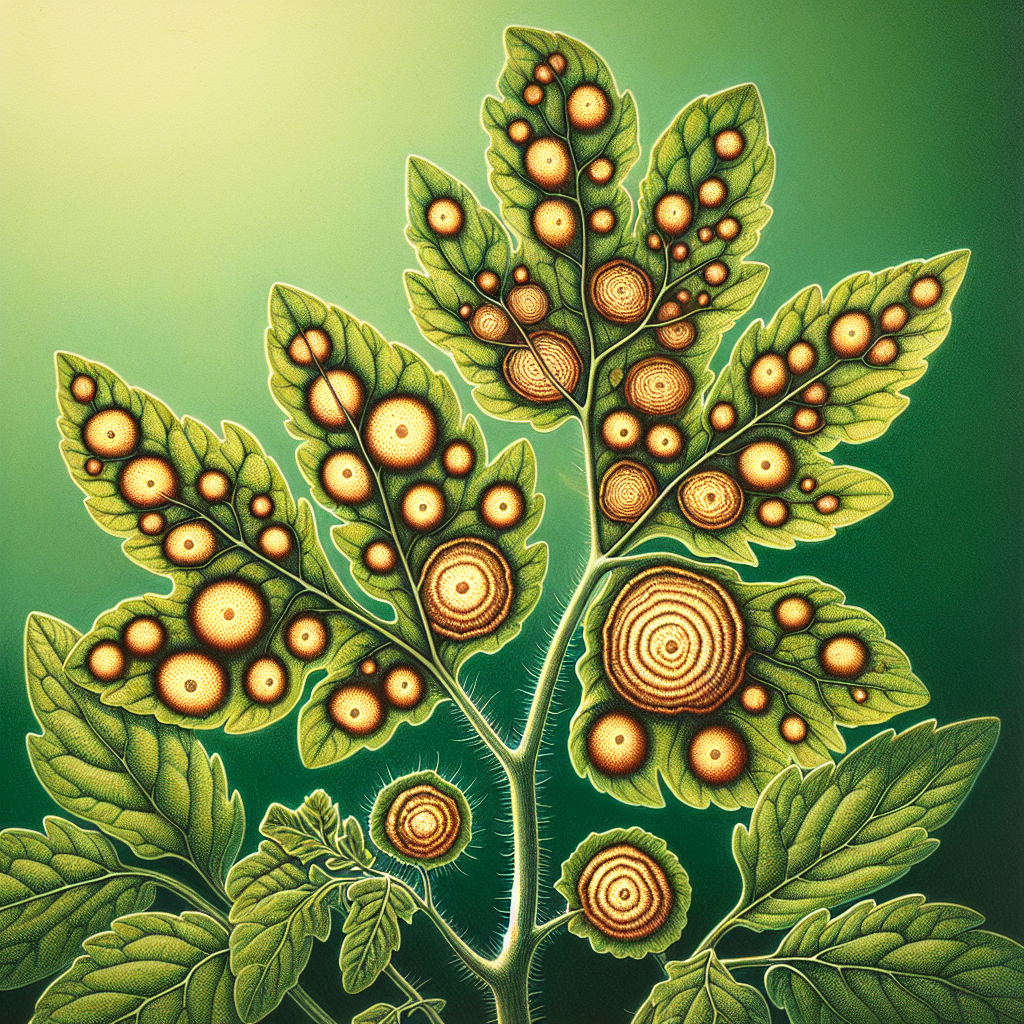
Introduction to leaf spot fungi
Leaf spot fungi represent one of the most ubiquitous and destructive groups of plant pathogens in agriculture, affecting a wide array of crops from vegetables to ornamentals. These fungi, belonging to genera such as Alternaria, Cercospora, Septoria, and others, produce distinctive spots on foliage that can coalesce, leading to premature defoliation, weakened plants, and significant yield reductions. Unlike systemic diseases, leaf spot fungi primarily target leaf tissues, making early detection and intervention critical for minimizing economic impact.
Understanding leaf spot fungi is essential for growers, as they can mimic other issues like powdery mildew or bacterial leaf spots. This guide provides a comprehensive diagnostic framework, lifecycle insights, and proven management strategies tailored for organic and conventional farming. By integrating cultural, biological, and chemical controls, farmers can protect high-value crops like tomato and potato, ensuring robust harvests even in challenging environments. For small farms struggling with disease identification, check out this insightful post on Why Misidentifying Plants Costs Small Farms Thousands - And How AI Camera Diagnosis Fixes It Fast.
Identifying Symptoms & Damage
Accurate diagnosis begins with recognizing the hallmark symptoms of leaf spot fungi. Initial signs include small, circular to irregular spots ranging from 1-10 mm in diameter, often with tan, brown, gray, or black centers surrounded by darker margins or yellow halos. As infection progresses, spots may develop concentric rings (target spot pattern, common in early blight) or shot-hole appearance where centers fall out.
Damage manifests as reduced photosynthetic area, stunted growth, and defoliation. On lower leaves first, lesions expand, merge into blotches, and lead to chlorosis or necrosis. Severe cases cause up to 50-80% yield loss in susceptible crops. Differentiate from bacterial spots by the absence of water-soaked margins and slower progression; fungal spots often sporulate under high humidity, producing fuzzy mycelium or spore masses.
Inspect undersides for acervuli or pycnidia—key diagnostic features. Use a 10x hand lens to spot conidia. On tomato, Septoria leaf spot shows small dark spots with fruiting bodies; Cercospora leaf spot on soybeans features grayish spots with reddish margins. Economic thresholds vary: act when 10-20% foliage is affected. Document symptoms with photos for tracking; misdiagnosis can exacerbate issues like confusing with aphids feeding damage.
Lifecycle and Progression of leaf spot fungi
Leaf spot fungi follow a polycyclic lifecycle, enabling multiple infection cycles per season. Primary inoculum overwinters as mycelium in plant debris, sclerotia, or seed. Spores (conidia) release in spring with warm temperatures (15-28°C) and free moisture >6-12 hours.
Splash dispersal via rain or overhead irrigation spreads spores short distances; wind carries them farther. Infection requires a wet leaf surface for germination (2-24 hours), penetrating via stomata or wounds. Incubation lasts 3-14 days, depending on species and conditions, producing secondary conidia for explosive epidemics.
Progression accelerates in dense canopies: early season infections on cotyledons lead to seedling blight; mid-season defoliation weakens fruit set. Late infections cause fruit rots via weakened plants. For instance, Alternaria completes 10-15 cycles in humid summers. Lifecycle interruption via debris removal breaks the cycle. Refer to leaf spot diseases for species-specific details.
Environmental Triggers & Risk Factors
Leaf spot fungi thrive under prolonged leaf wetness (8-48 hours), optimal temperatures (20-30°C), and high relative humidity (>85%). Overhead irrigation, poor air circulation, and dense planting exacerbate outbreaks. Nighttime temperatures >18°C prolong dew, favoring infection.
Risk factors include susceptible varieties, excessive nitrogen promoting succulent growth, and stressed plants from drought or nutrient imbalance. Crop rotation <2 years retains inoculum. Humid climates like tropics see year-round pressure; temperate zones peak in rainy seasons. Soil pH extremes (>7.5 or <5.5) weaken defenses. Companion pests like thrips create entry wounds. Monitor weather: leaf wetness duration >12 hours signals high risk.
Organic Control & Treatment Plans
Organic management emphasizes prevention but includes curative options. Cultural Controls: Remove and destroy infected debris post-harvest; rotate crops 2-3 years away from host families. Space plants for airflow (e.g., 45-60 cm for tomato). Avoid overhead watering; use drip irrigation.
Biological Agents: Apply Bacillus subtilis or Trichoderma spp. preventively; they outcompete pathogens. Neem oil (0.5-2%) or potassium bicarbonate sprays suppress spore germination. Baking soda (1 tbsp/gal + oil) raises leaf pH, inhibiting fungi.
Treatment Protocol:
- Scout weekly; prune infected leaves (sterilize tools).
- Apply copper-based fungicides (e.g., Bordeaux mix) at 7-14 day intervals during wet periods—OMRI-listed for organics.
- Integrate compost teas with beneficial microbes.
- Mulch to reduce splash.
For potato, combine with early blight strategies. Efficacy: 60-80% reduction with integrated approach. Test soil for deficiencies; balanced fertility bolsters resistance.
Preventing leaf spot fungi in the Future
Long-term prevention hinges on IPM. Select resistant varieties: 'Mountain Merit' tomato resists Septoria; 'Defiant' for Alternaria. Time planting to evade peak spore periods.
Sanitation is paramount: till under residue; hot compost at 60°C kills spores. Cover crops like mustard biofumigate soil. Foliar nutrition with silicon or potassium phosphite enhances cell walls.
Monitor with traps or apps tracking spore levels. Scout thresholds: 5% incidence triggers action. Rotate fungicides to prevent resistance. For small farms, explore Soil Health Mastery: 5 Proven Strategies for Small Farms to Build Fertile Ground Without Breaking the Bank to strengthen plant defenses naturally.
Crops Most Affected by leaf spot fungi
Leaf spot fungi plague diverse crops, with staples hit hardest. Vegetables: tomato (Septoria, Alternaria), potato (early blight), cucumber (Cercospora). Legumes: soybeans (Cercospora leaf blight), peas (Mycosphaerella). Cereals: wheat (Septoria tritici blotch), corn (gray leaf spot). Fruits: strawberry (Mycosphaerella), grapes (various). Others: onion, lettuce, bean. Global losses exceed $10B annually; tropics see chronic pressure on rice, cassava. Tailor strategies per crop.