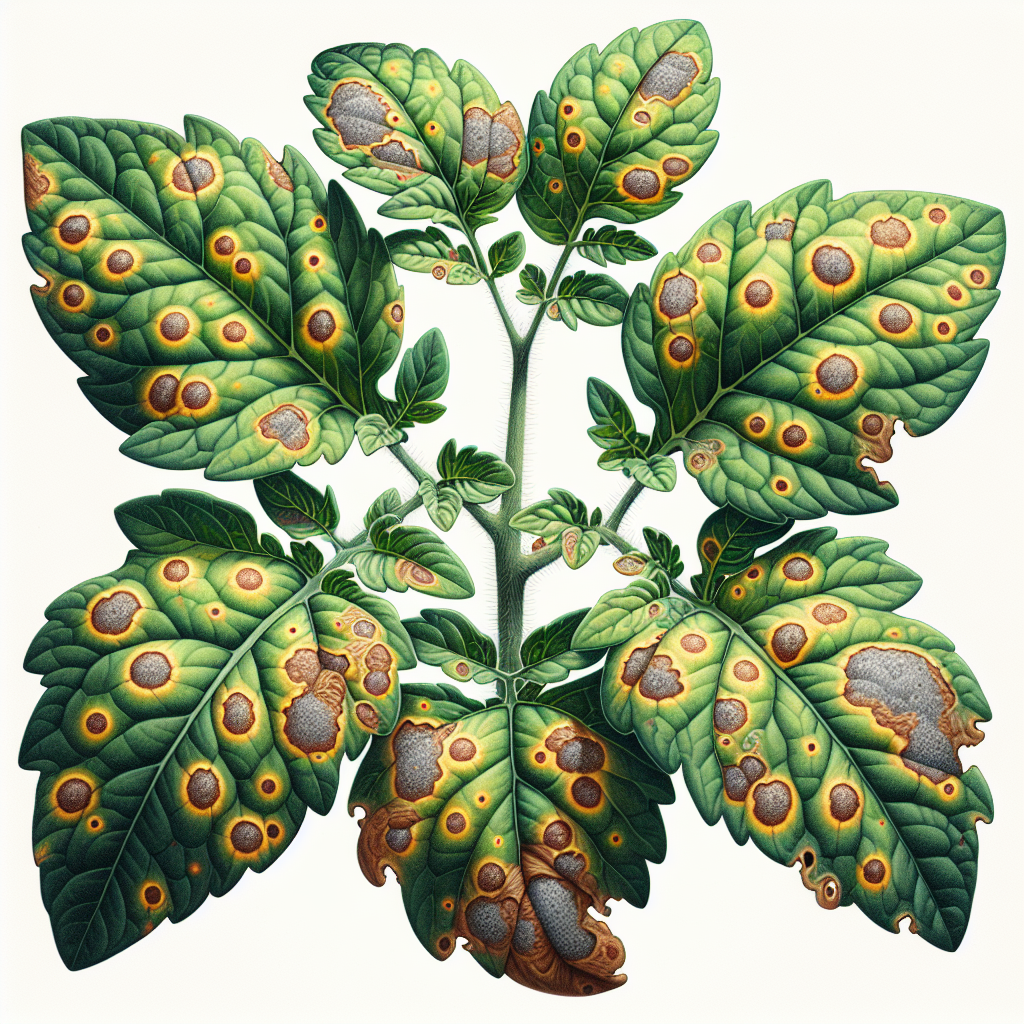
Definitive Diagnostic and Management Guide for Leaf Spot Complexes
Introduction to leaf spot complexes
Leaf spot complexes represent one of the most pervasive and challenging disease issues in modern agriculture, particularly for small-scale and organic farmers. Unlike single-pathogen infections, these complexes arise from synergistic interactions among multiple fungal genera—such as Alternaria, Cercospora, Septoria, and bacterial agents like Xanthomonas—creating a mosaic of symptoms that mimic individual leaf spot diseases. This diagnostic and management guide draws on decades of botanical and entomological research to provide practical, professional-grade advice for identifying, treating, and preventing these yield-robbing pathogens.
In humid, warm conditions, leaf spot complexes can defoliate entire fields, slashing photosynthesis by up to 50% and triggering secondary issues like fruit drop or sunscald. Crops like tomatoes, peppers, and beans are prime targets, but the impact extends to grains, vegetables, and ornamentals. Early detection is critical, as untreated complexes can persist in crop debris, soil, and weeds, perpetuating cycles of infection year after year. For small farms, mastering these complexes means adopting resilient practices that enhance soil health and plant vigor without synthetic chemicals. This guide equips you with actionable steps, from symptom scouting to organic IPM protocols, ensuring sustainable yields even in high-risk environments. Learn more about related issues in our comprehensive leaf spot diseases wiki page.
Identifying Symptoms & Damage
Diagnosing leaf spot complexes requires keen observation, as symptoms overlap with individual pathogens like Alternaria leaf spot or Septoria leaf spot. Initial signs appear as small, circular to irregular spots (1-10mm) on lower leaves, often water-soaked and darkening to tan, brown, or black centers with chlorotic (yellow) halos. Fungal complexes produce concentric rings or target-like patterns, while bacterial spots show angular margins confined by veins.
Progression leads to coalescing lesions, covering 20-50% of leaf surface, causing blighting and premature drop. Undersides may reveal fungal sporulation—powdery gray, olive, or black masses—confirming complexes like Cercospora-Alternaria. Damage extends beyond aesthetics: severe defoliation reduces carbohydrate production, stunting growth and yielding 30-70% losses in susceptible varieties. Secondary effects include increased pest pressure from aphids or mites, as weakened plants emit stress volatiles.
Scout weekly during wet periods, using a 10x hand lens to differentiate: Alternaria spots have dark margins and yellow halos; Cercospora features gray centers with reddish borders; Septoria shows tan spots with dark pycnidia. Lab confirmation via culturing or PCR is ideal for complexes, but field diagnosis hinges on multifocal spotting patterns. Yield impacts are profound—tomato plants may produce undersized, sun-scorched fruit, while soybeans suffer pod shatter. Check our blog on Why Misidentifying Plants Costs Small Farms Thousands - And How AI Camera Diagnosis Fixes It Fast for tech-aided ID tips.
Lifecycle and Progression of leaf spot complexes
Leaf spot complexes follow polycyclic lifecycles, with primary inoculum from overwintered debris, soil, or infected seeds, and secondary spread via rain splash, wind, and tools. Pathogens like Alternaria and Cercospora produce conidia in humid conditions (>90% RH, 20-28°C), germinating within 6-12 hours on wet foliage. Infection penetrates stomata or wounds, colonizing intercellular spaces over 3-7 days, then sporulating anew.
Progression accelerates in prolonged leaf wetness (>12 hours), forming lesion complexes where multiple pathogens co-infect, amplifying virulence. For instance, bacterial entry via fungal lesions creates hybrid symptoms. Latent periods vary: 5 days for aggressive strains, 14 for slower ones. Dispersal peaks during thunderstorms, with conidia viable for weeks in moist microclimates. Over seasons, complexes build via volunteer plants and alternate hosts like weeds.
Understanding this cycle informs timing: remove debris post-harvest to break primary inoculum. In potato fields, early-season complexes progress to canopy collapse by midsummer, underscoring sanitation's role.
Environmental Triggers & Risk Factors
Leaf spot complexes thrive in moderate temperatures (18-27°C) with high humidity and frequent leaf wetness from dew, irrigation, or rain. Poor air circulation in dense canopies traps moisture, while overhead watering simulates rain splash. Risk spikes with excessive nitrogen, promoting succulent growth, and stressed plants from drought or nutrient imbalance.
Soilborne survival in debris heightens recurrence; acidic soils (pH <6) favor fungal dominance. Monocropping exhausts resistance, inviting complexes. Regional factors—coastal fogs, tropical rains—amplify outbreaks. Powdery mildew often precedes, wounding leaves for spot entry. Mitigate by monitoring weather; thresholds include 10+ hours wetness at 20°C.
Organic Control & Treatment Plans
Organic management emphasizes cultural IPM over curative sprays. Immediate Actions: Prune infected lower leaves (sterilize tools), destroy debris via hot composting (>60°C). Improve spacing for 20-30% better airflow.
Biopesticides: Apply copper octanoate or Bacillus subtilis weekly during high risk, alternating with potassium bicarbonate. Neem oil disrupts sporulation. Biologicals: Trichoderma virens suppresses soil inoculum; apply as drench.
Treatment Protocol: Week 1: Copper spray + remove 50% infected foliage. Week 2-4: Biocontrol rotations + silicon foliar for resistance. Monitor with sticky traps for vectors. For peppers, integrate compost teas boosting beneficial microbes. Efficacy reaches 70-85% with vigilance, per field trials.
Preventing leaf spot complexes in the Future
Prevention builds resilient systems: Select resistant varieties like 'Mountain Merit' tomato or 'Defiance' bean. Rotate crops 2-3 years, avoiding hosts. Mulch suppresses splash; solarize soil pre-planting. Boost immunity with balanced fertility—add calcium, potassium. Scout early, act at 5% incidence. Cover crops like clover enhance microbiome antagonism. Long-term: diverse rotations cut inoculum 90%.
Crops Most Affected by leaf spot complexes
Leaf spot complexes plague solanaceous crops foremost: tomato, potato, eggplant, bell pepper. Legumes like soybeans, beans, peas suffer Cercospora-Alternaria blends. Grains including wheat, corn, rice face Septoria-tan spot mixes. Brassicas (cabbage), cucurbits (cucumber), and leafy greens (lettuce) are vulnerable. Tropicals like mango, banana report anthracnose-aiding spots. Yields drop 20-60% untreated.