Encyclopedia
Definitive guides for crops, pests, and agricultural diseases.
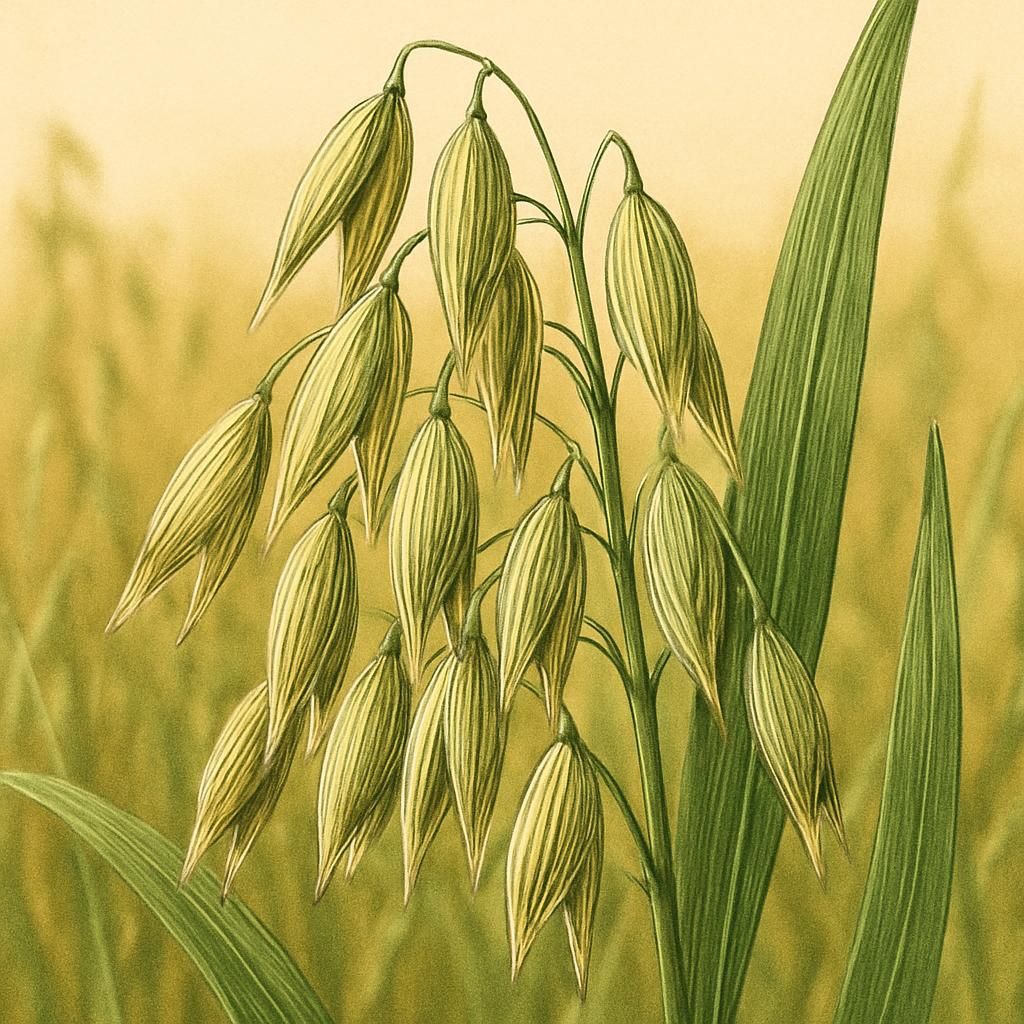
Oat (Victory)
The Victory oat is a versatile and robust cereal grain variety known for its high yield potential and adaptability to diverse growing conditions. It is popular among growers for its resistance to diseases and pests, offering both nutritional and economic value.
View Guide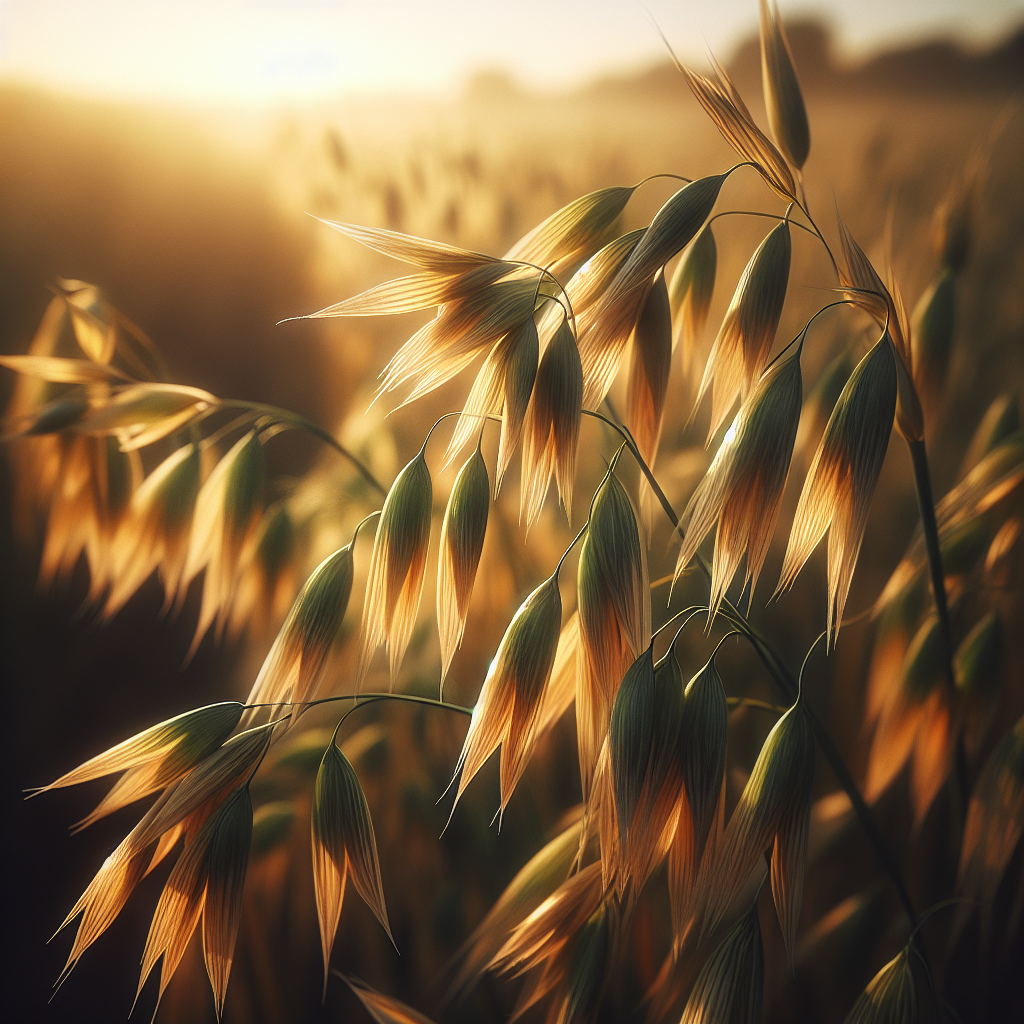
Oats
Oats are a cool-season cereal valued for grain, forage, straw, and cover-cropping benefits. They are relatively adaptable, perform well in temperate regions, and are especially prized for quick establishment, weed suppression, and reliable production in fertile, well-drained soils.
View Guide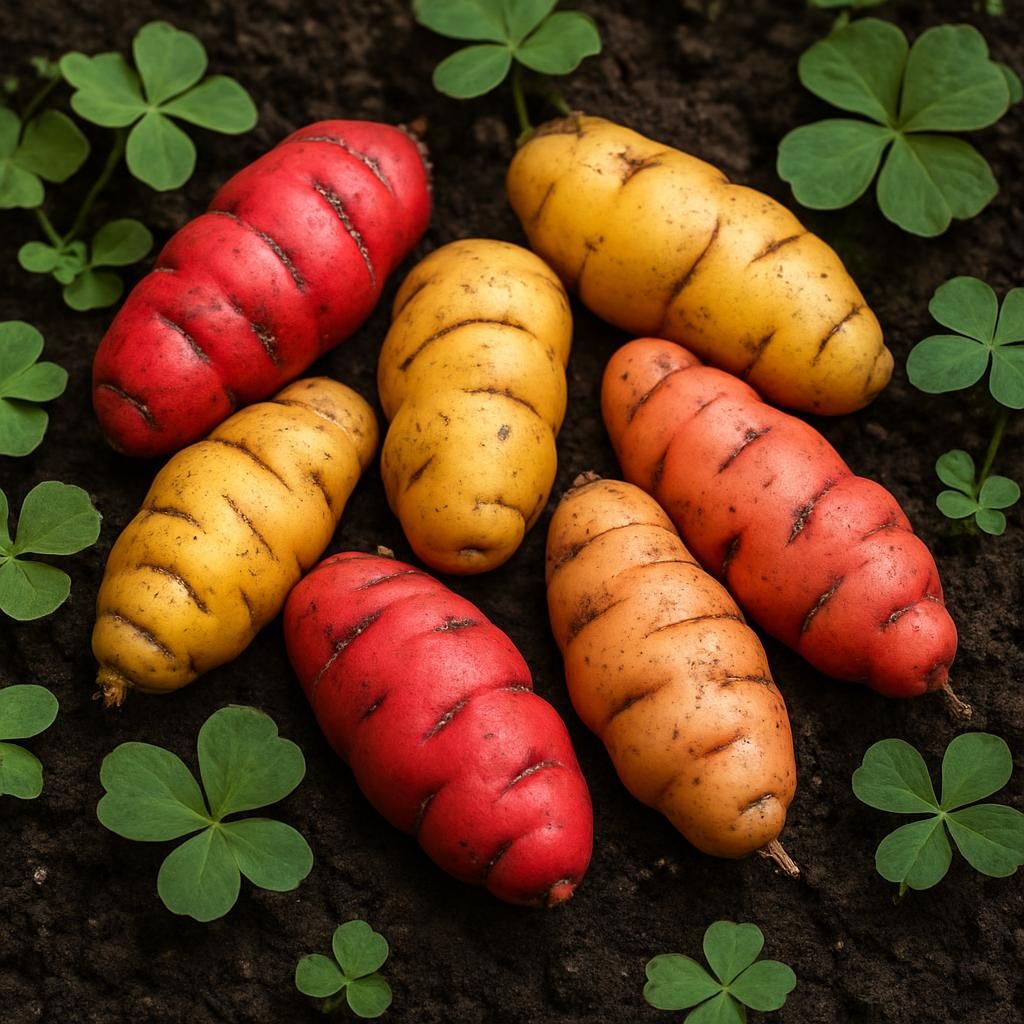
Oca
Oca is a high-yielding Andean tuber crop prized for its colorful, crisp tubers and resilience in cool climates. This definitive guide covers every stage of growing oca from soil prep through harvest and storage.
View Guide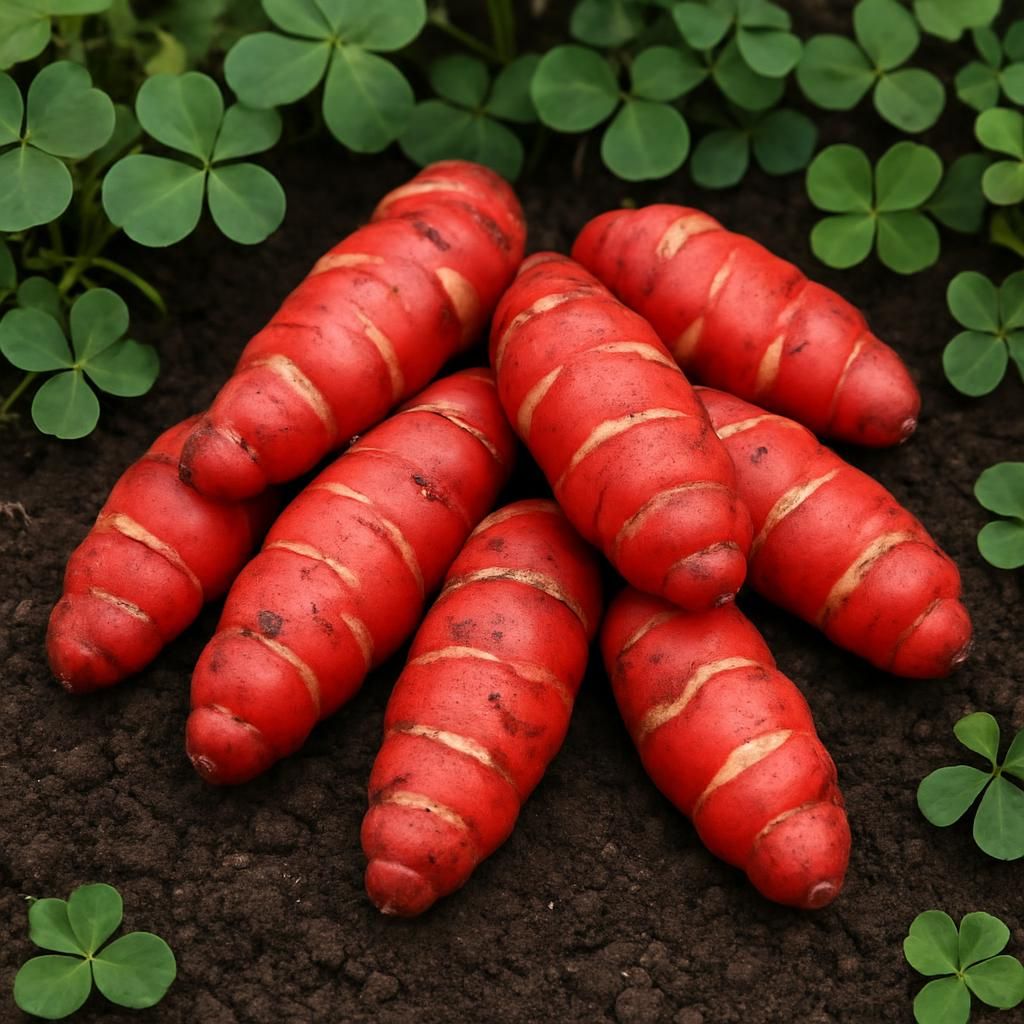
Oca (Oxalis tuberosa - Red)
Oca (Oxalis tuberosa - Red) is an Andean tuber crop prized for its crisp texture, nutty flavor, and striking red skin. This cool-season perennial produces edible tubers that are rich in carbohydrates and vitamin C while tolerating marginal soils and short-day conditions better than many other root crops.
View Guide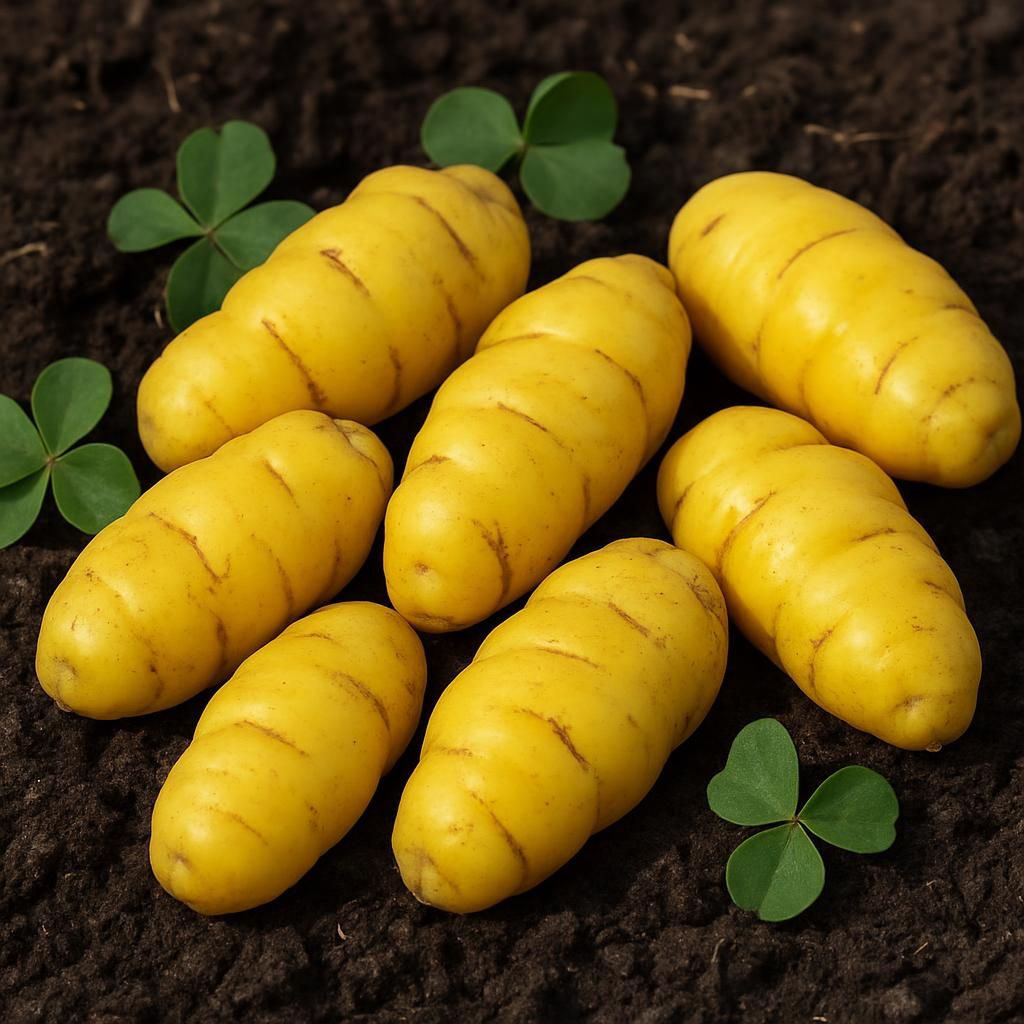
Oca (Oxalis tuberosa - Yellow)
Oca (Oxalis tuberosa - Yellow) is an Andean tuber crop prized for its crisp texture, tangy flavor, and high vitamin C content. It thrives in cool climates and poor soils where potatoes struggle, offering small farms a resilient, low-input alternative. This guide covers every stage from soil prep to storage for reliable harvests.
View Guide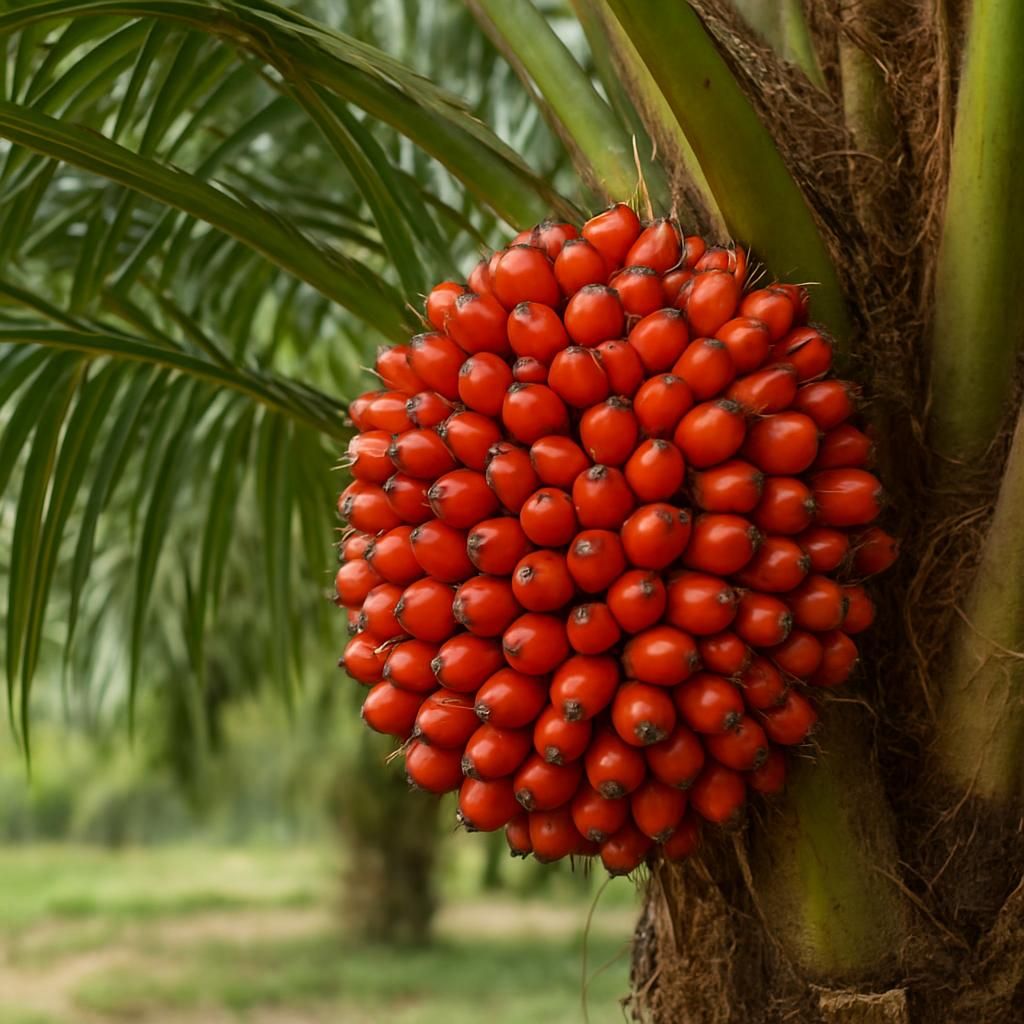
Oil Palm Fruit
Oil palm fruit is the source of the world’s most widely used vegetable oil, producing both crude palm oil and palm kernel oil from its mesocarp and kernel respectively. This perennial crop requires deep, well-drained soils and a consistently hot, humid tropical climate to deliver high yields over a 25–30 year commercial lifespan. Professional growers focus on precise nutrient management, integrated pest control, and timely harvesting to maintain both productivity and sustainability.
View Guide
Oilseed Soybean
Oilseed soybean is the primary commercial form of soybean grown for high oil and protein yield, making it one of the world’s most important field crops. Successful production depends on precise timing, warm soils, effective nodulation, balanced fertility, and careful management of moisture during flowering and pod fill.
View Guide
Okra
Okra is a warm-season vegetable prized for its tender edible pods, rapid summer growth, and excellent productivity under heat. With the right soil warmth, balanced fertility, and frequent harvesting, it can produce continuously for weeks or even months in home gardens and commercial plantings.
View Guide
Okra (Burgundy)
Okra (Burgundy) is a striking red-podded heirloom-type okra grown for both ornamental value and productive harvests of tender edible pods. It thrives in hot weather, fertile well-drained soil, and full sun, and rewards attentive picking with a long, steady harvest season. Compared with standard green okra, Burgundy stands out for its deep wine-red stems and pods, though the color softens during cooking.
View Guide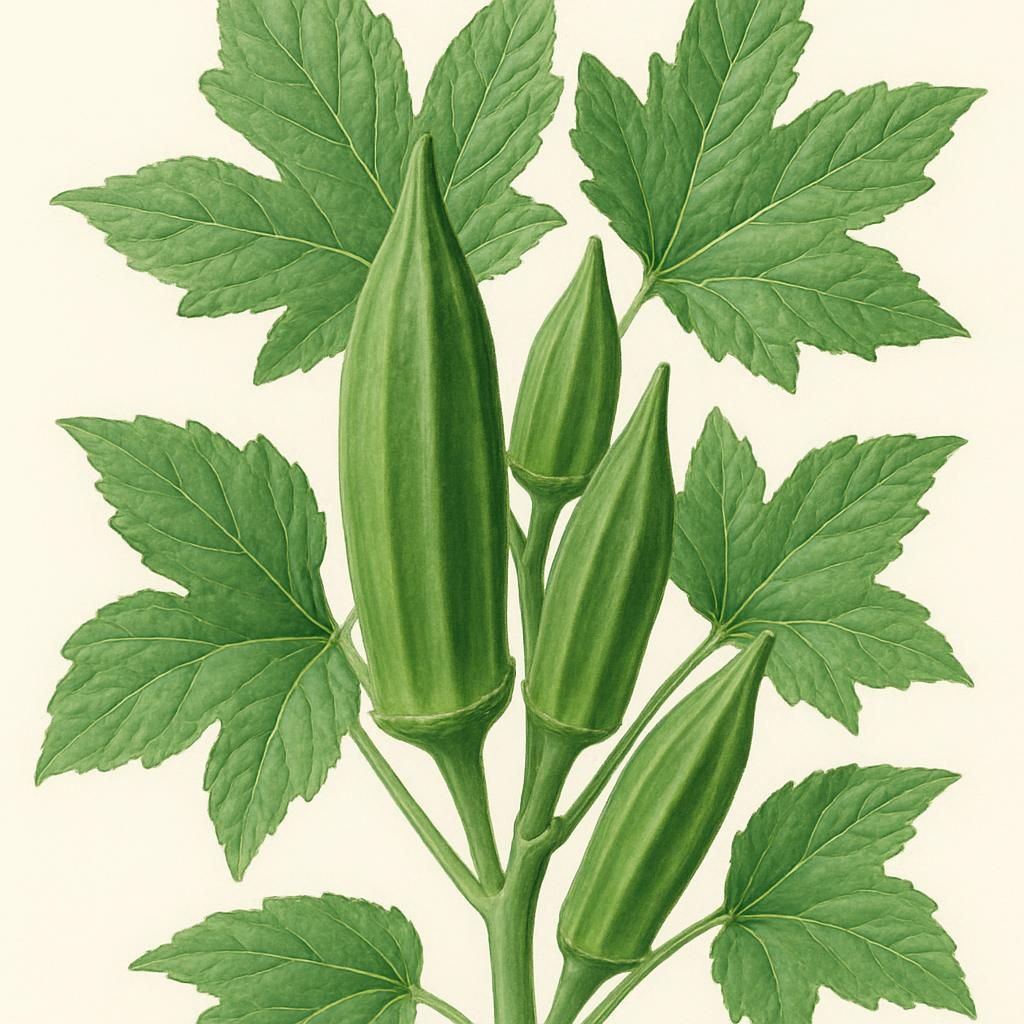
Okra (Clemson Spineless)
Clemson Spineless okra is a popular, spineless variety known for its tender texture and excellent productivity. Ideal for warm climates, it thrives in sunny conditions and well-drained soil, producing edible pods rich in fiber and vitamins.
View Guide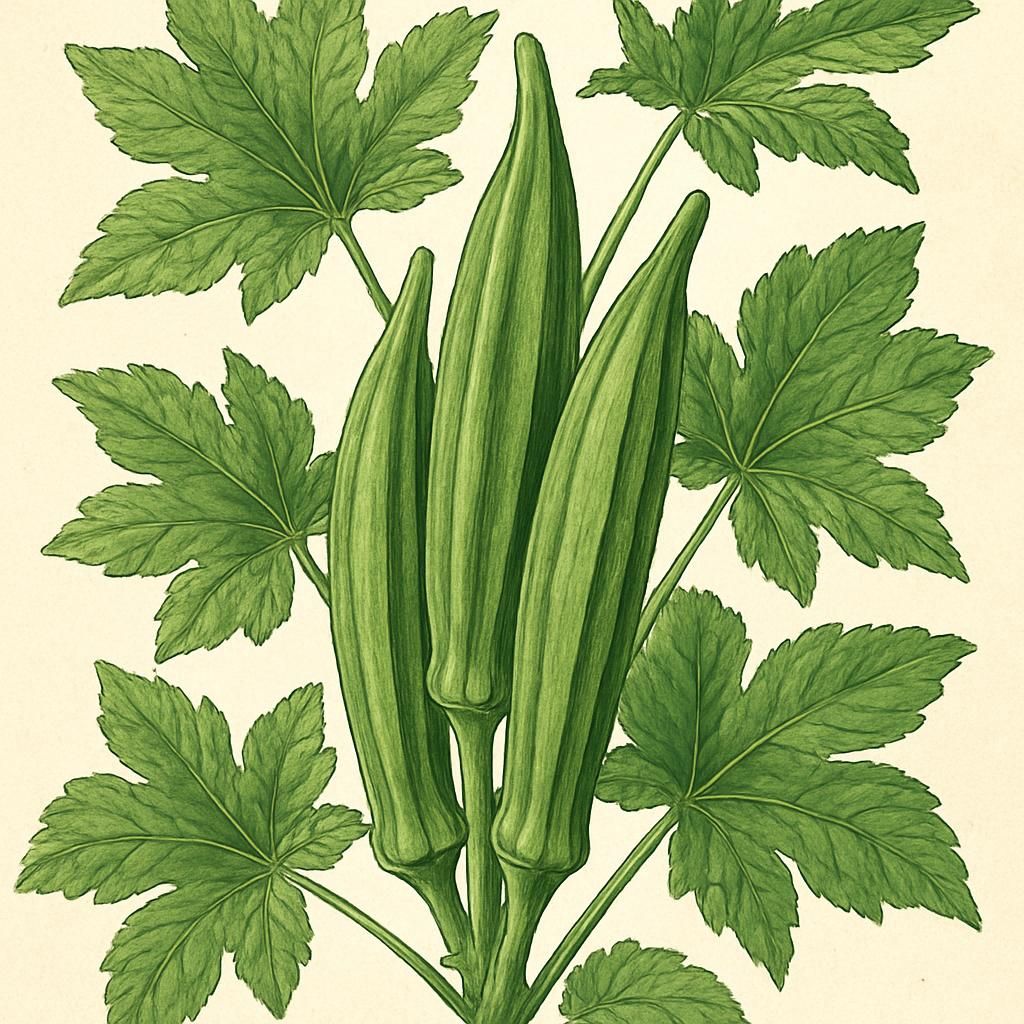
Okra (Cow Horn)
Okra (Cow Horn) is a unique variety of okra known for its long, slender pods that can grow up to 14 inches in length, offering a distinctive tender-crisp texture. Ideal for warm climates, it requires well-drained, fertile soil and full sunlight.
View Guide
Okra (Emerald)
Okra (Emerald) is a classic open-pollinated green okra variety valued for its deep emerald pods, vigorous warm-season growth, and dependable harvests over a long picking window. It performs best in heat, full sun, and fertile, well-drained soil, rewarding attentive growers with tender pods ideal for fresh cooking, pickling, and market production.
View Guide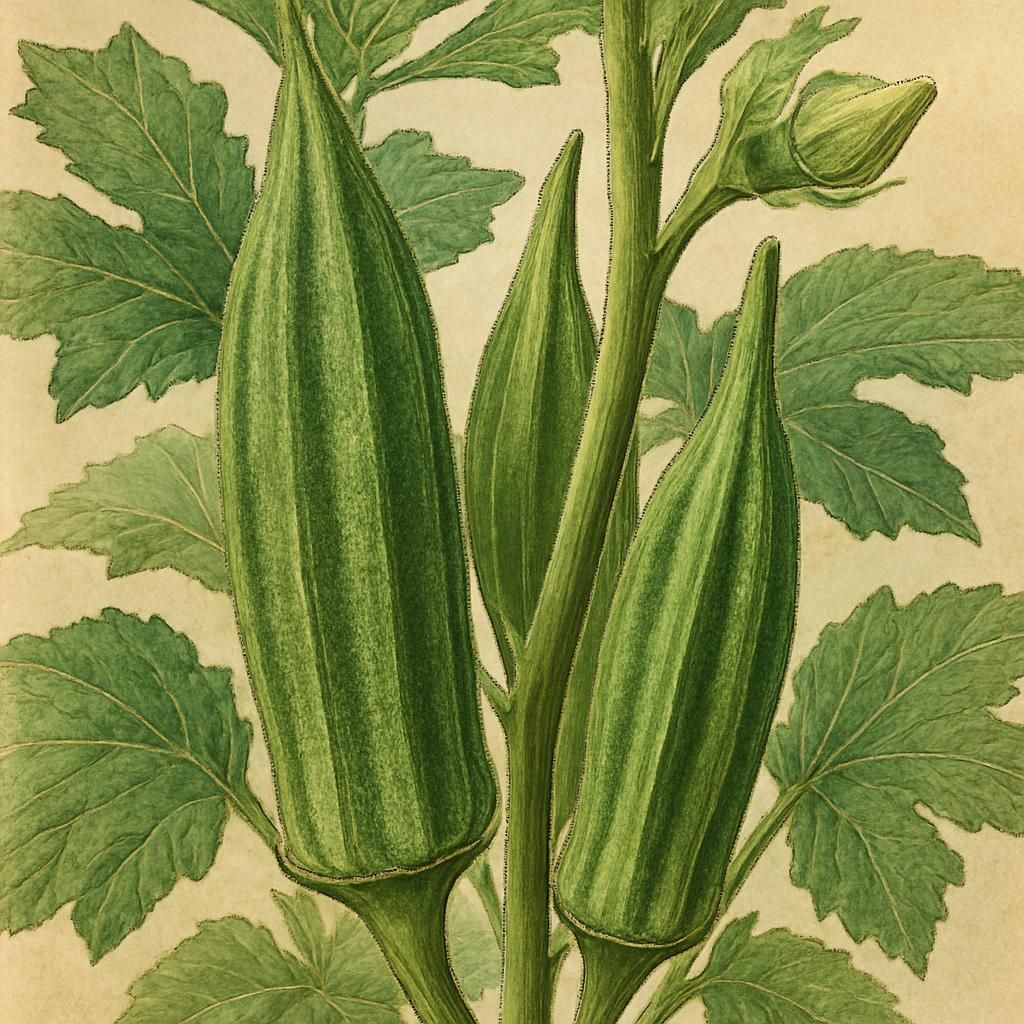
Okra (Hill Country Heirloom)
Hill Country Heirloom is a vigorous, open-pollinated variety of okra known for its resilience in warm climates and its bountiful production of tender, green pods.
View Guide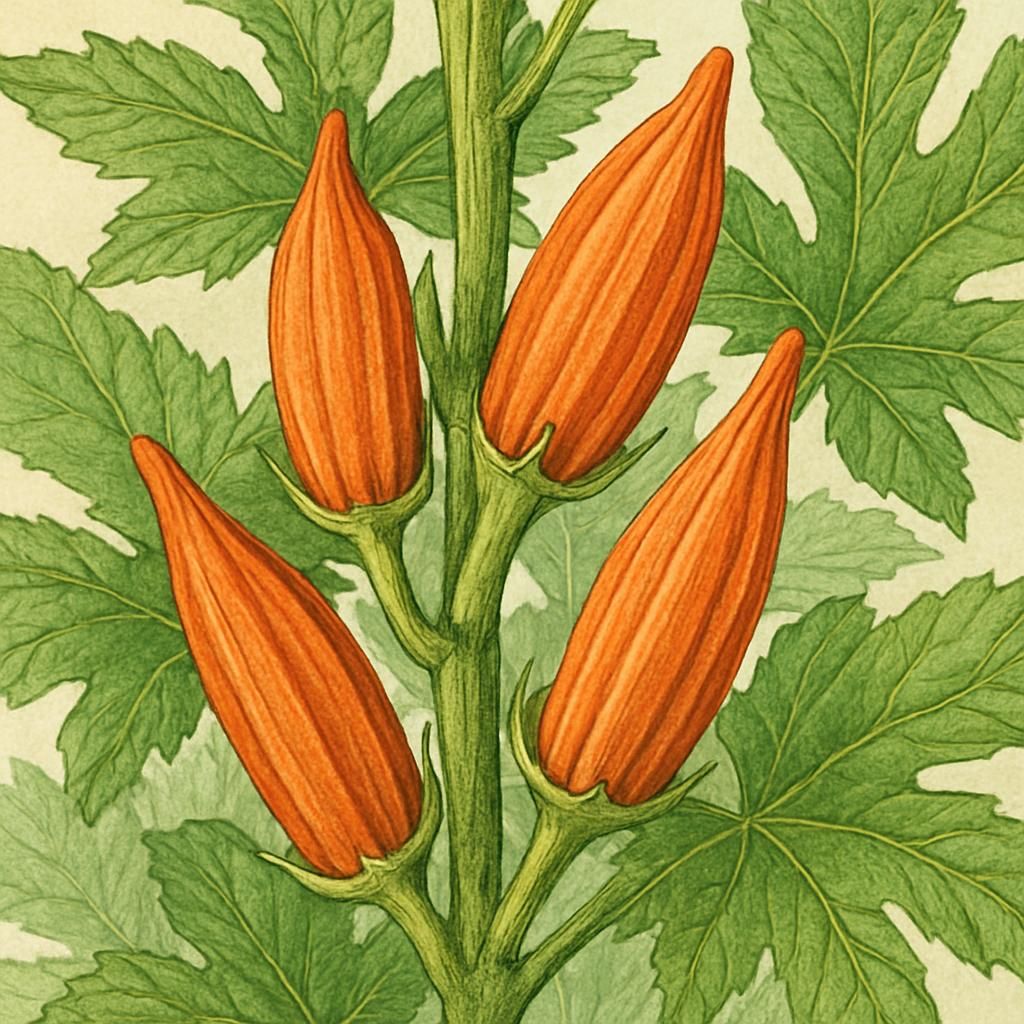
Okra (Jing Orange)
Jing Orange Okra is a unique and visually striking variety of okra known for its vibrant orange pods. It's a warm-season vegetable that thrives in tropical and subtropical climates, requiring minimal maintenance once established.
View Guide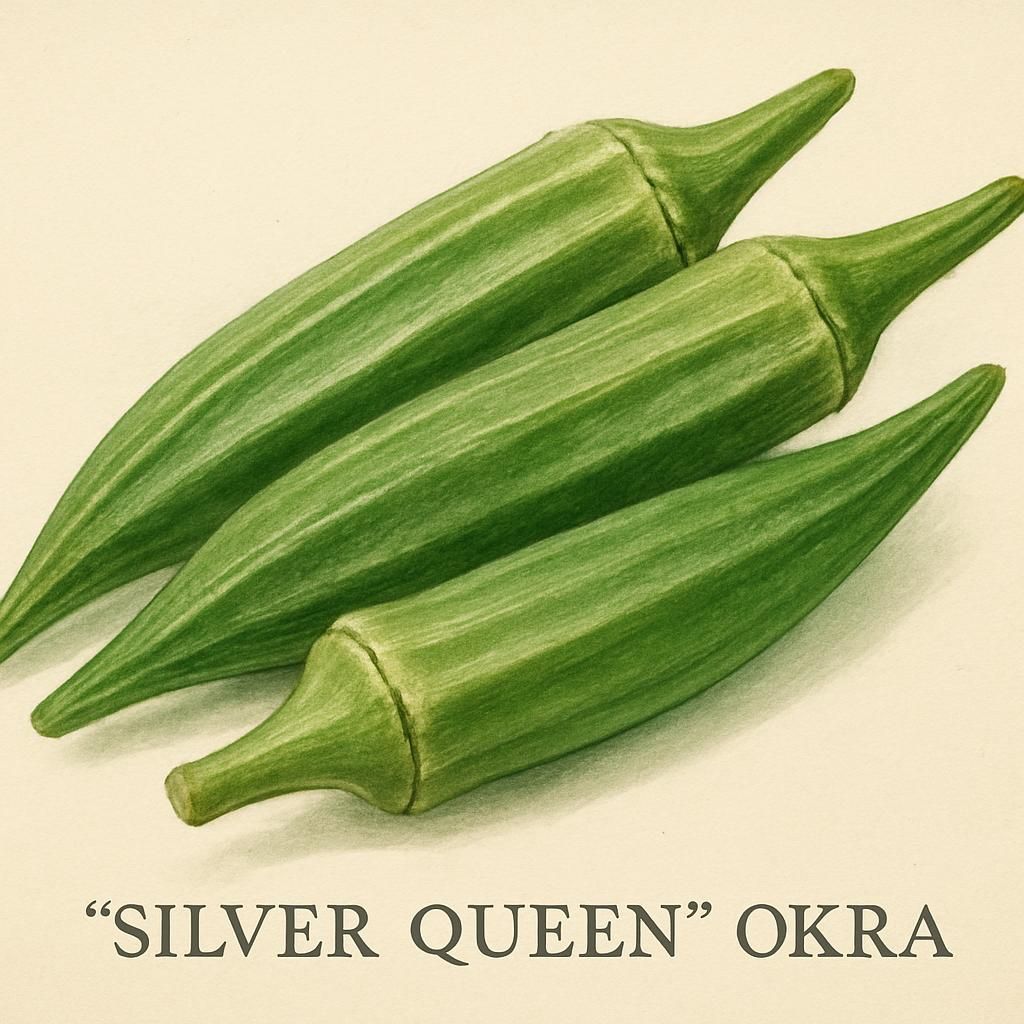
Okra (Silver Queen)
Okra 'Silver Queen' is a high-yielding, heat-loving cultivar known for its succulent, tender pods. It's ideal for summer planting and thrives in warm climates, providing nutritious harvests rich in fiber and vitamins.
View Guide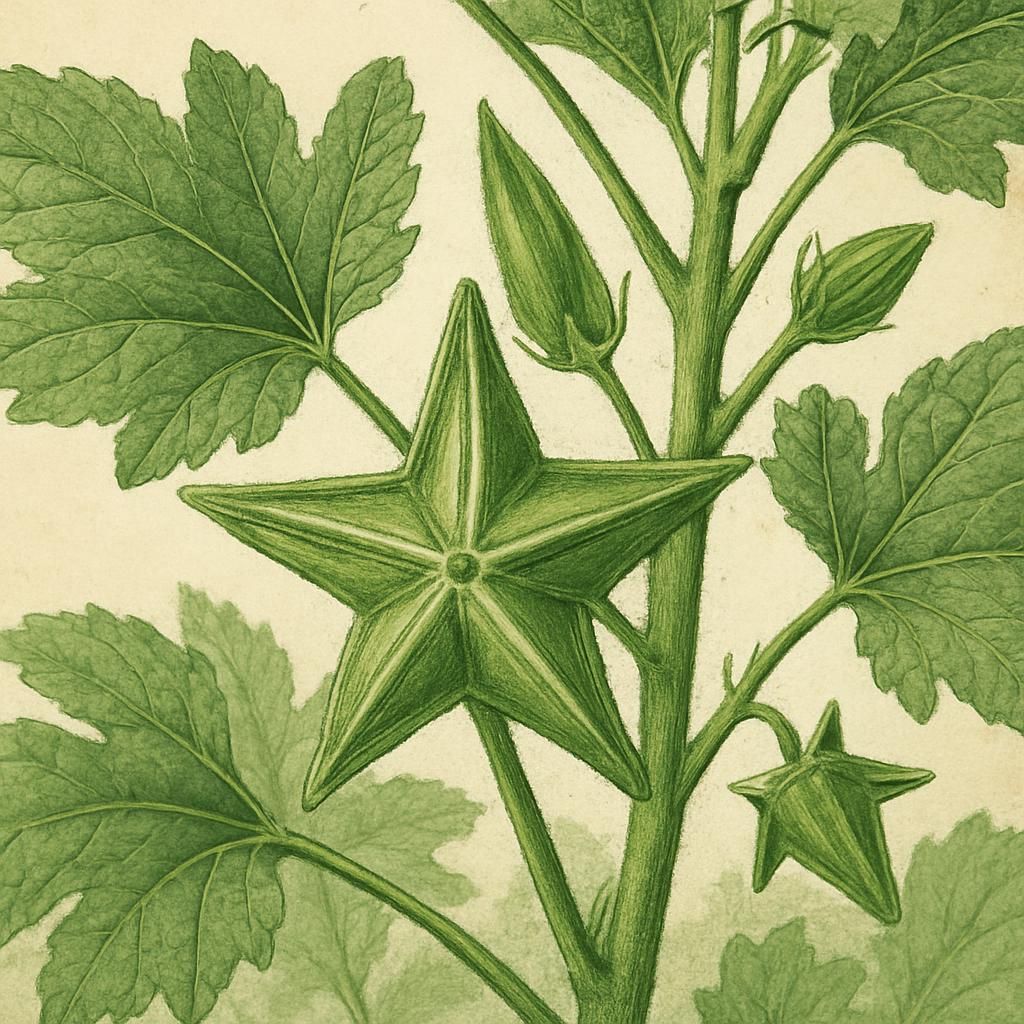
Okra (Star of David)
The Star of David okra is a unique cultivar known for its large, ribbed pods and strong heat tolerance, making it a favorite among gardeners in hot climates. Its pods are ideal for both fresh consumption and pickling.
View Guide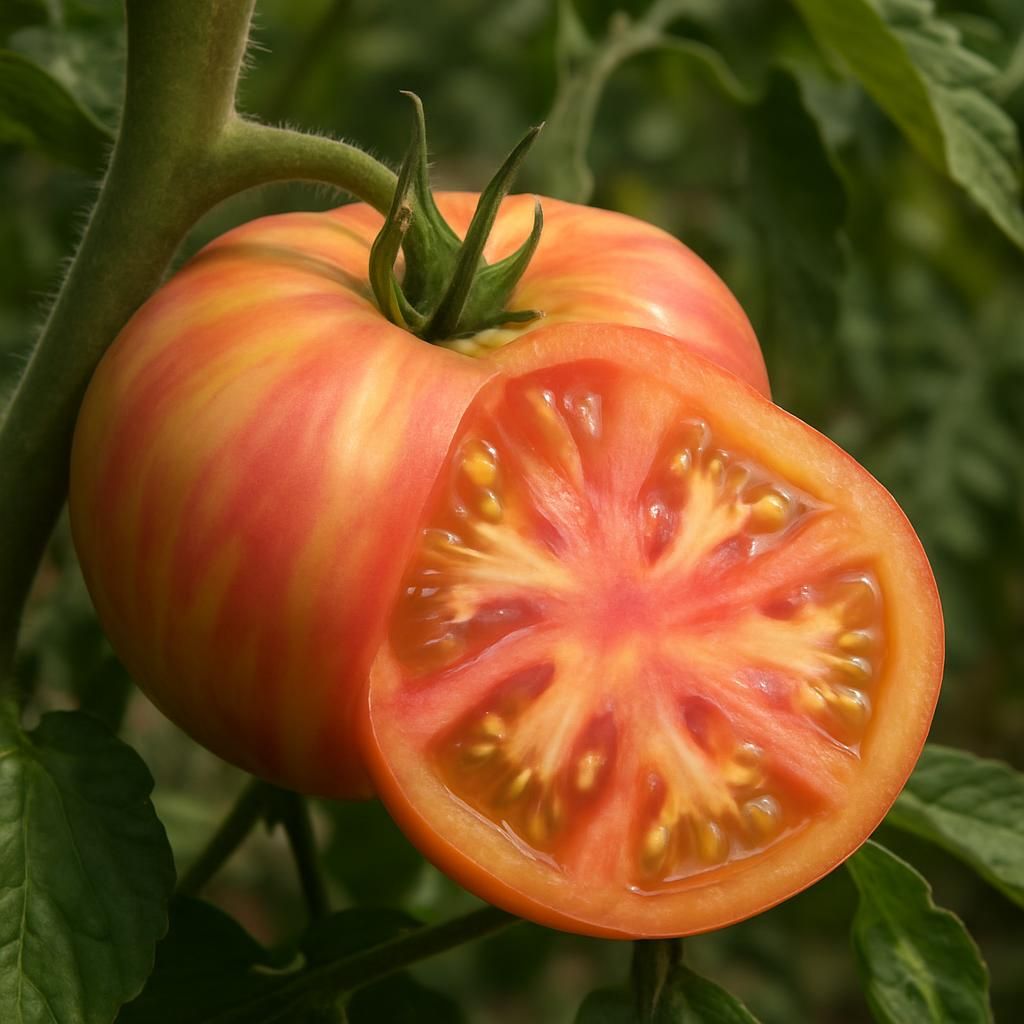
Old German Tomato
Old German Tomato is a rare, large, bi-colored heirloom variety prized for its exceptional flavor and striking pink-and-yellow marbled flesh. Originating from Amish communities in the United States, this indeterminate beefsteak-type tomato delivers sweet, low-acid fruit ideal for fresh eating, slicing, and gourmet markets. With proper care, it produces heavy yields on vigorous vines suited to home gardens and small-scale farms.
View Guide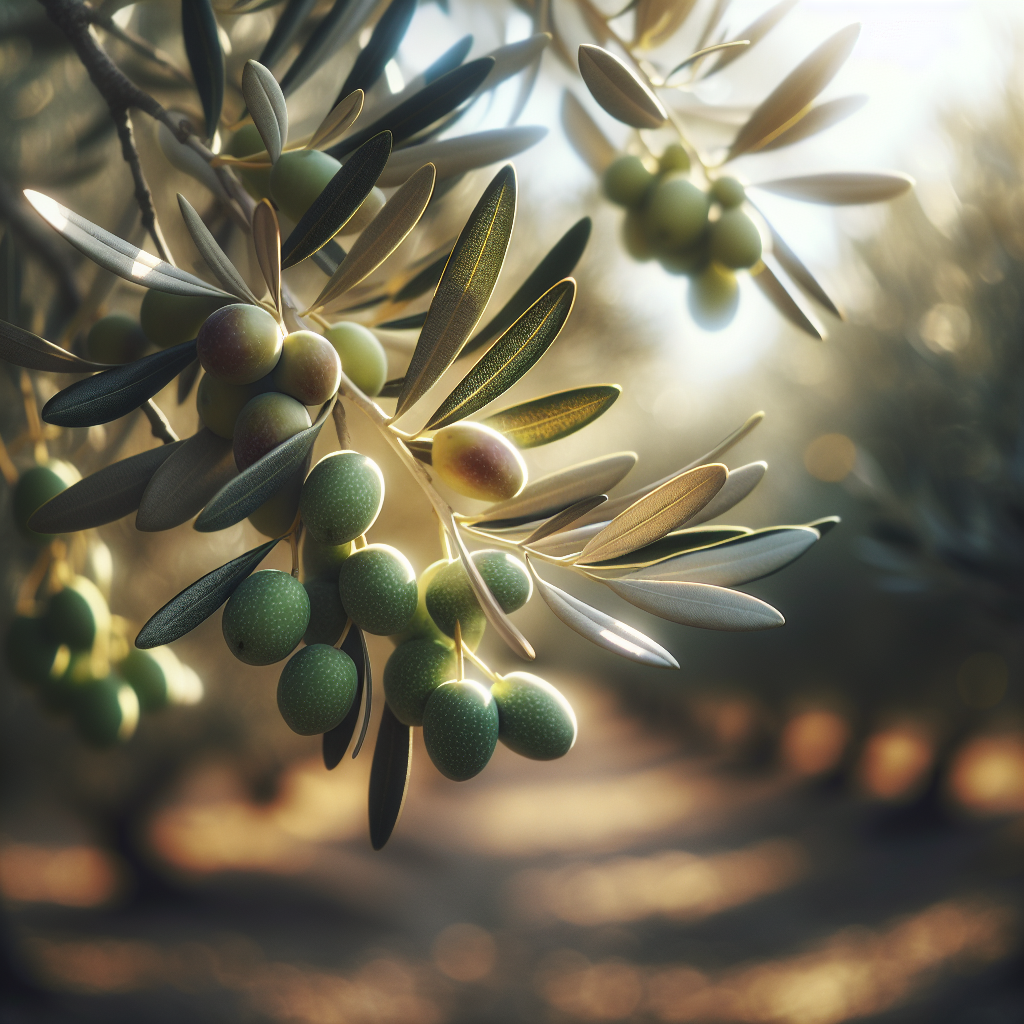
Olive
Olive is a long-lived Mediterranean fruit tree prized for both table olives and oil production, valued for its drought tolerance, silvery evergreen foliage, and exceptional adaptability to marginal soils when drainage is excellent. While mature trees are resilient, high yields and premium fruit quality depend on careful attention to cultivar choice, chill requirement, irrigation timing, pruning structure, and disease prevention.
View Guide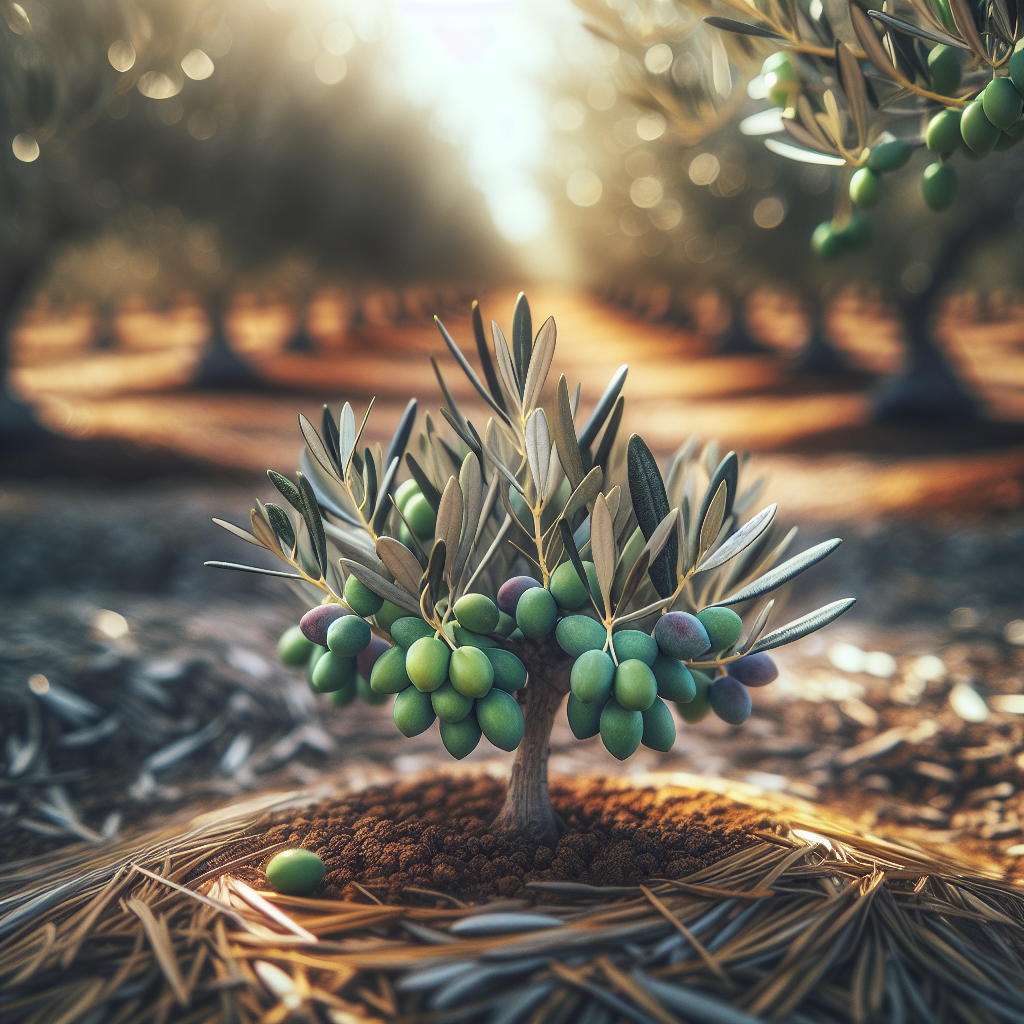
Olive (Arbequina)
Arbequina is a compact, highly productive olive cultivar prized for early bearing, adaptability, and excellent oil quality. Originating in northeastern Spain, it performs especially well in Mediterranean-type climates and is widely used in both traditional orchards and modern high-density systems. With proper drainage, disciplined irrigation, and careful canopy management, Arbequina can deliver reliable yields of small, aromatic fruit for oil and table use.
View Guide
Olive (Frantoio)
Olive (Frantoio) is a classic Tuscan olive cultivar prized worldwide for producing premium extra virgin olive oil with a balanced, fruity, peppery profile. It is vigorous, adaptable, and relatively productive, but it performs best when growers understand its Mediterranean climate needs, careful irrigation management, and disciplined pruning for light and airflow.
View Guide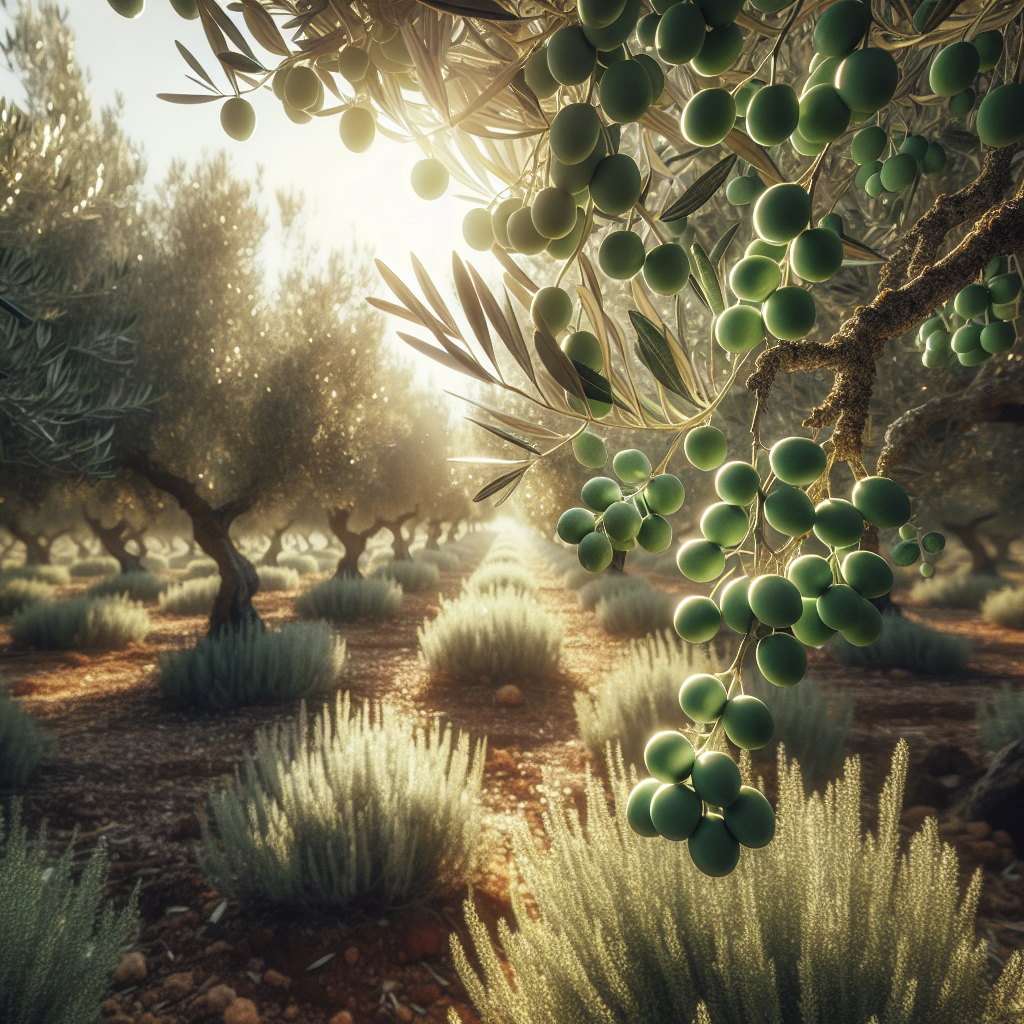
Olive (Manzanilla)
Olive (Manzanilla) is one of the world's classic Spanish table olive cultivars, prized for its medium size, rounded fruit shape, high flesh-to-pit ratio, and excellent brining quality. It is adaptable, productive under Mediterranean conditions, and also valued as a pollinizer, but it performs best when growers carefully manage drainage, pruning, irrigation timing, and harvest maturity.
View Guide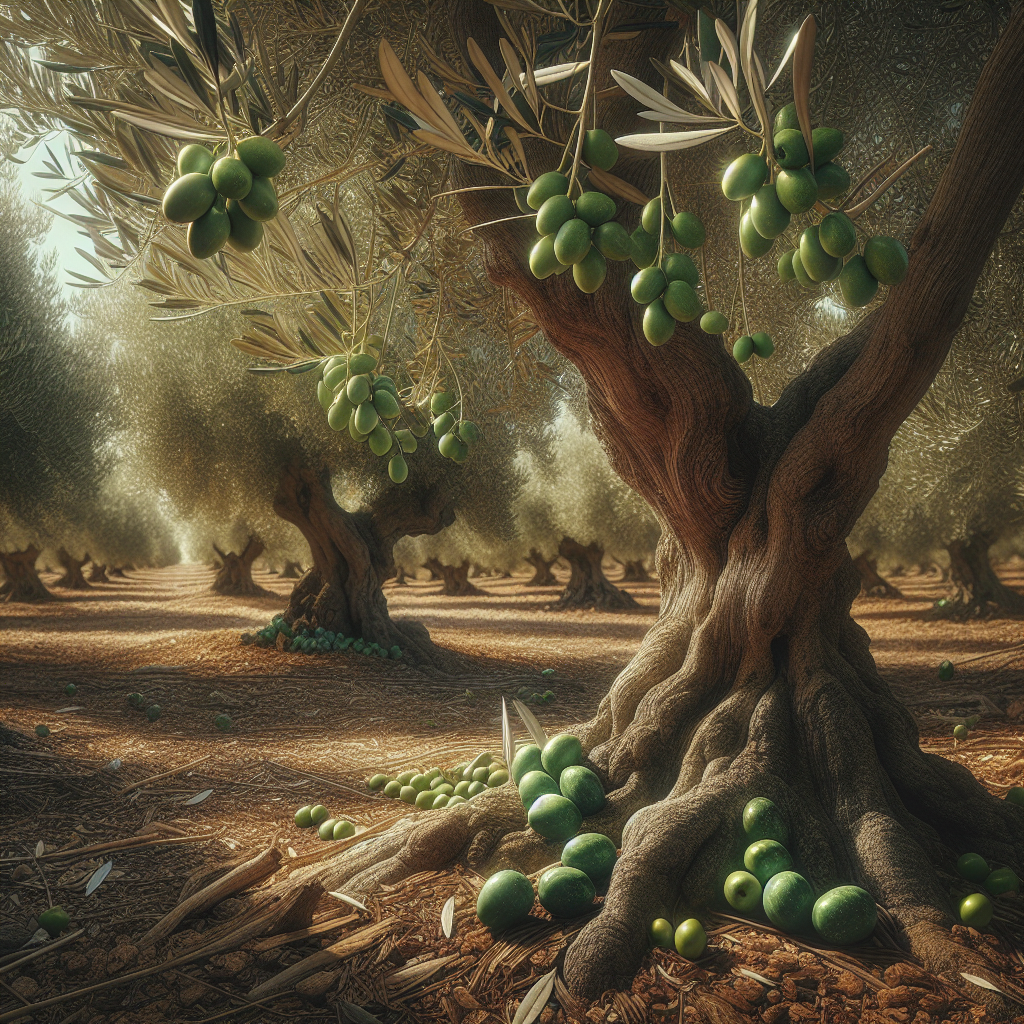
Olive (Sevillano)
Olive (Sevillano) is a classic large-fruited Spanish table olive valued for its size, mild flavor, and suitability for green processing. It performs best in Mediterranean-type climates with dry summers, excellent drainage, and disciplined irrigation, pruning, and disease management to maintain fruit size and tree longevity.
View Guide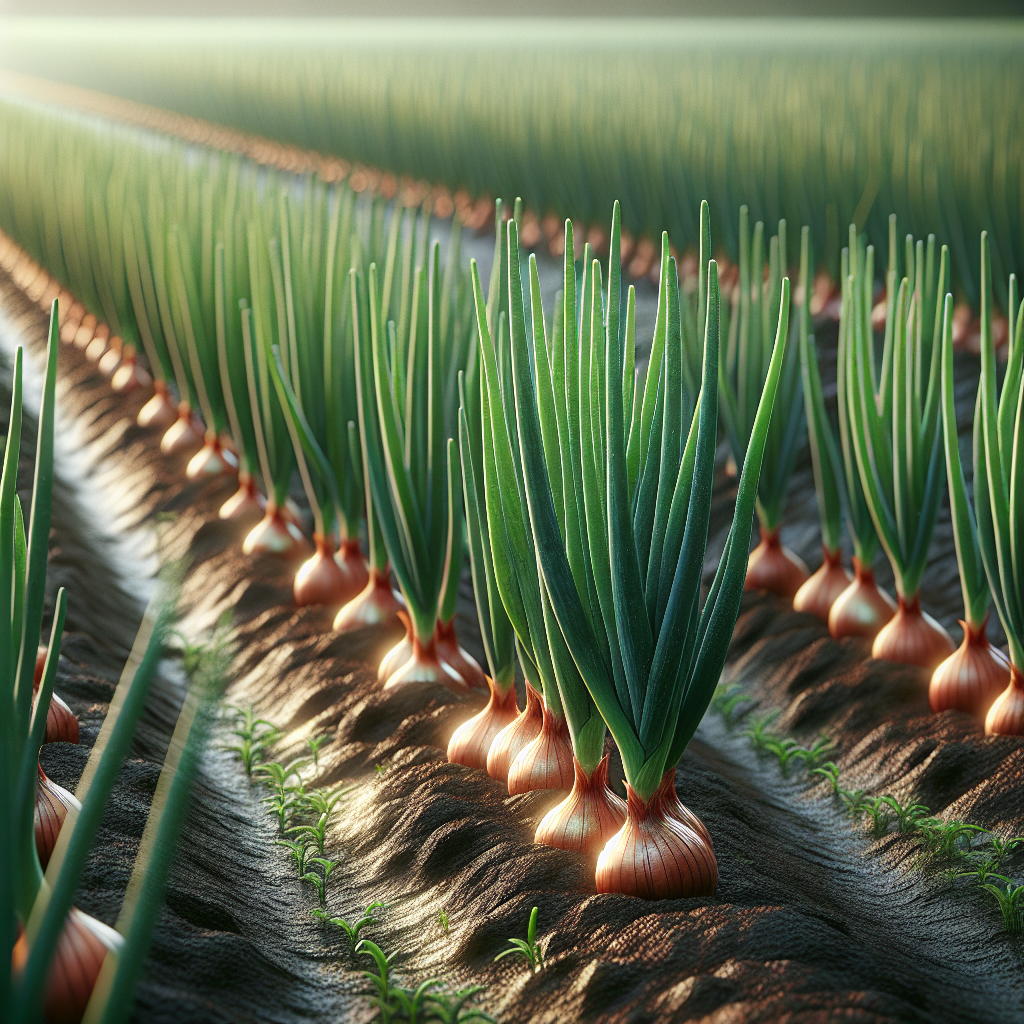
Onion
Onion is one of the world’s most important vegetable crops, valued for its culinary versatility, storage life, and market demand. Successful production depends on matching cultivar day-length response to local latitude, maintaining steady early-season moisture, and avoiding excess nitrogen late in bulb development.
View Guide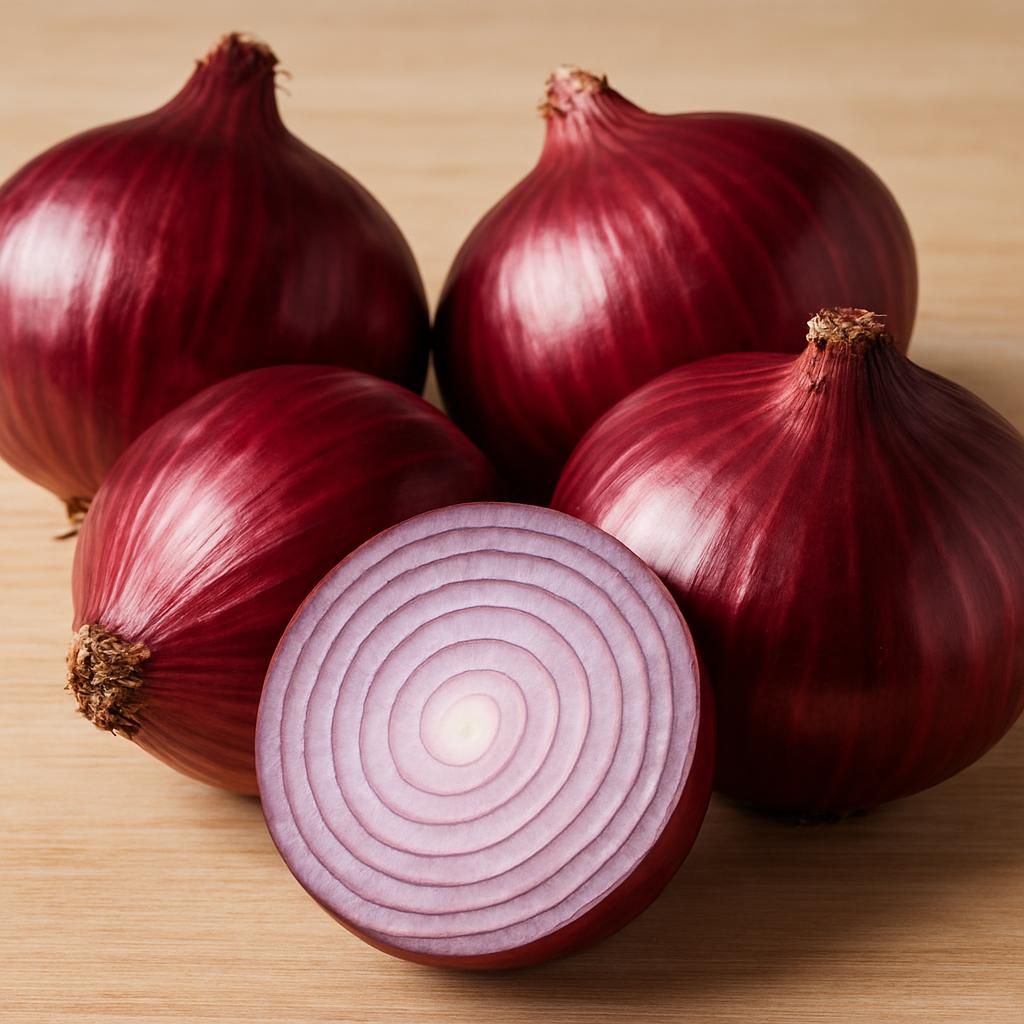
Onion (Red Wethersfield)
Red Wethersfield is a heritage long-day red onion prized for its deep burgundy skin, firm white flesh with pink rings, and exceptional storage life. This guide covers soil preparation, planting schedules, integrated pest management, and post-harvest curing for reliable commercial and home-garden yields.
View Guide