Encyclopedia
Definitive guides for crops, pests, and agricultural diseases.
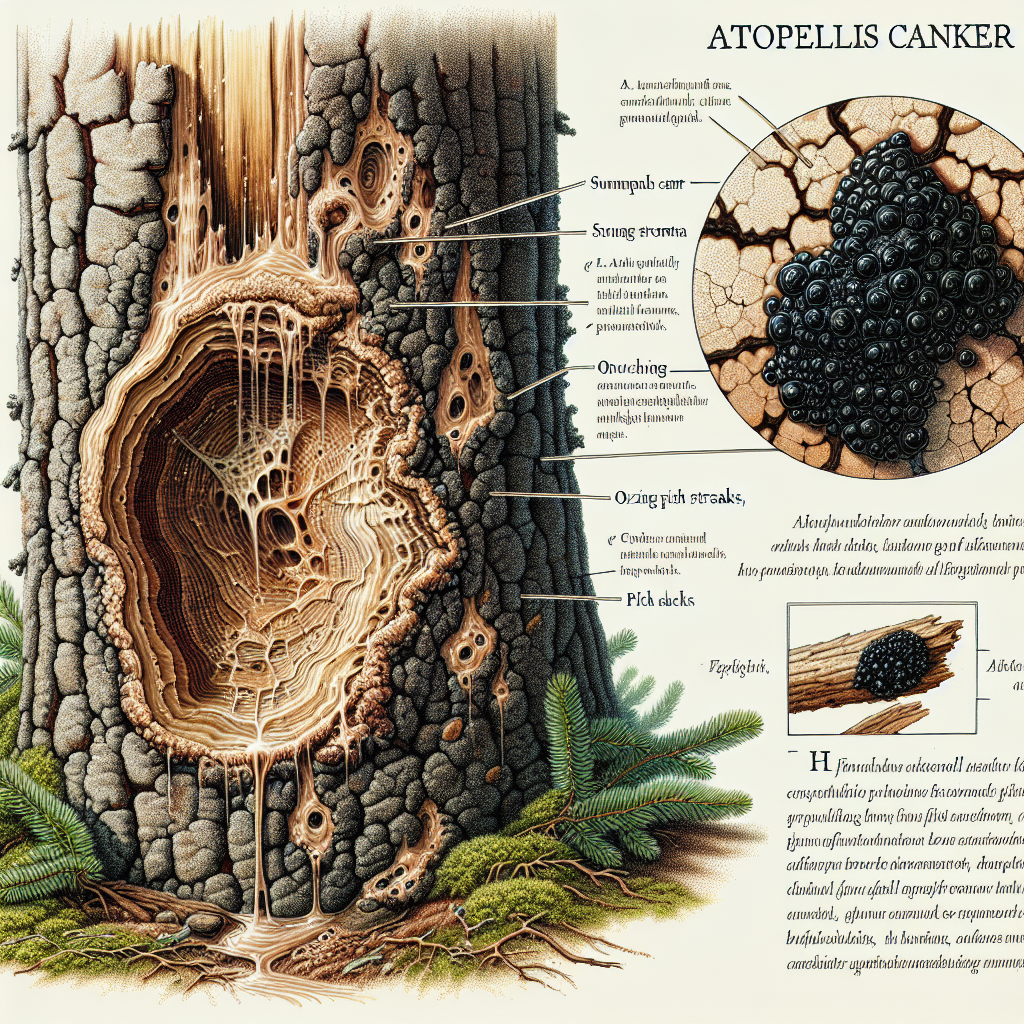
Atropellis canker
Atropellis canker is a destructive fungal disease primarily affecting conifers like true firs, caused by Atropellis pinastri, leading to stem cankers, resinous exudates, and tree mortality. This guide provides comprehensive diagnostics, organic management strategies, and prevention tactics for growers facing this challenging pathogen. Early identification and cultural controls are key to minimizing losses in susceptible plantations.
View Profile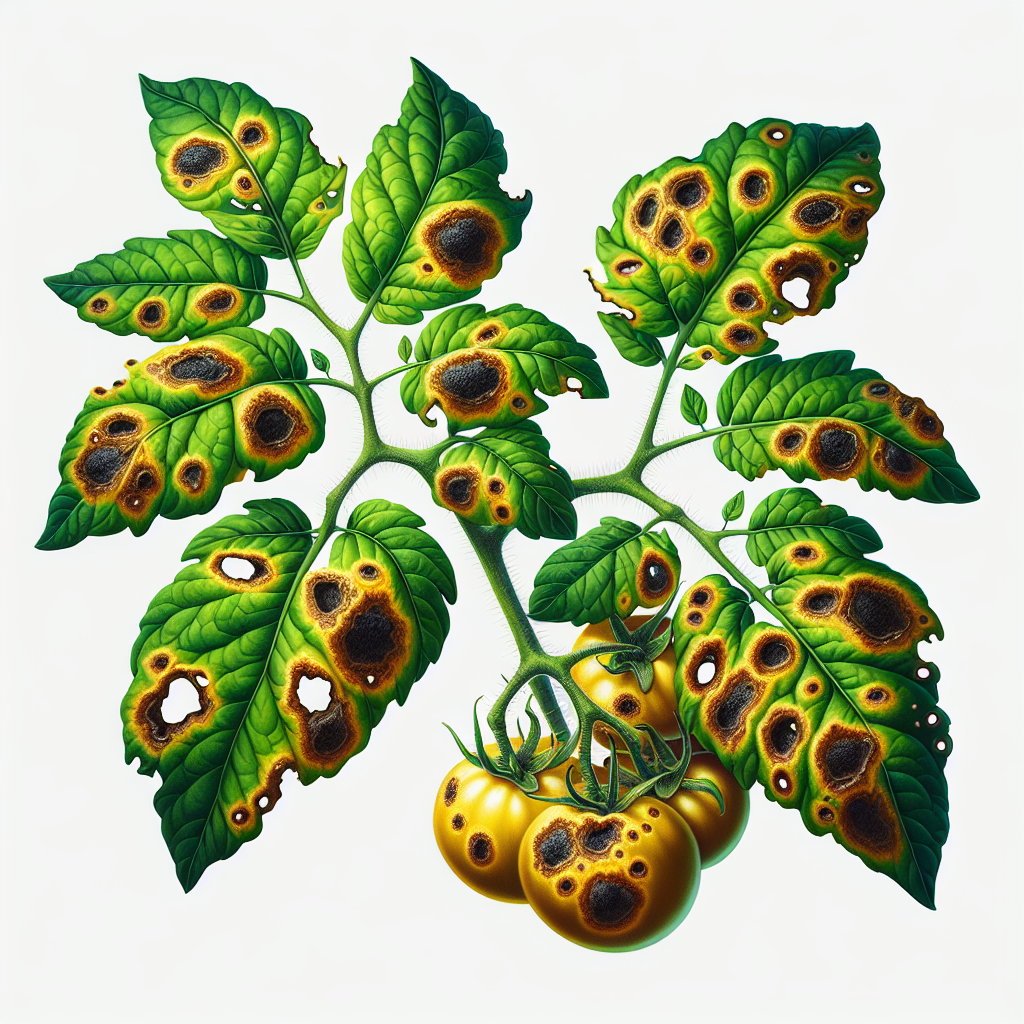
Bacterial black spot
Bacterial black spot is a destructive bacterial disease primarily affecting solanaceous crops like tomatoes and peppers, causing dark necrotic lesions on leaves, stems, and fruits that lead to significant yield losses. It spreads rapidly in warm, humid conditions via splashing water and contaminated tools. Effective management relies on cultural practices, resistant varieties, and organic bactericides for prevention and control.
View Profile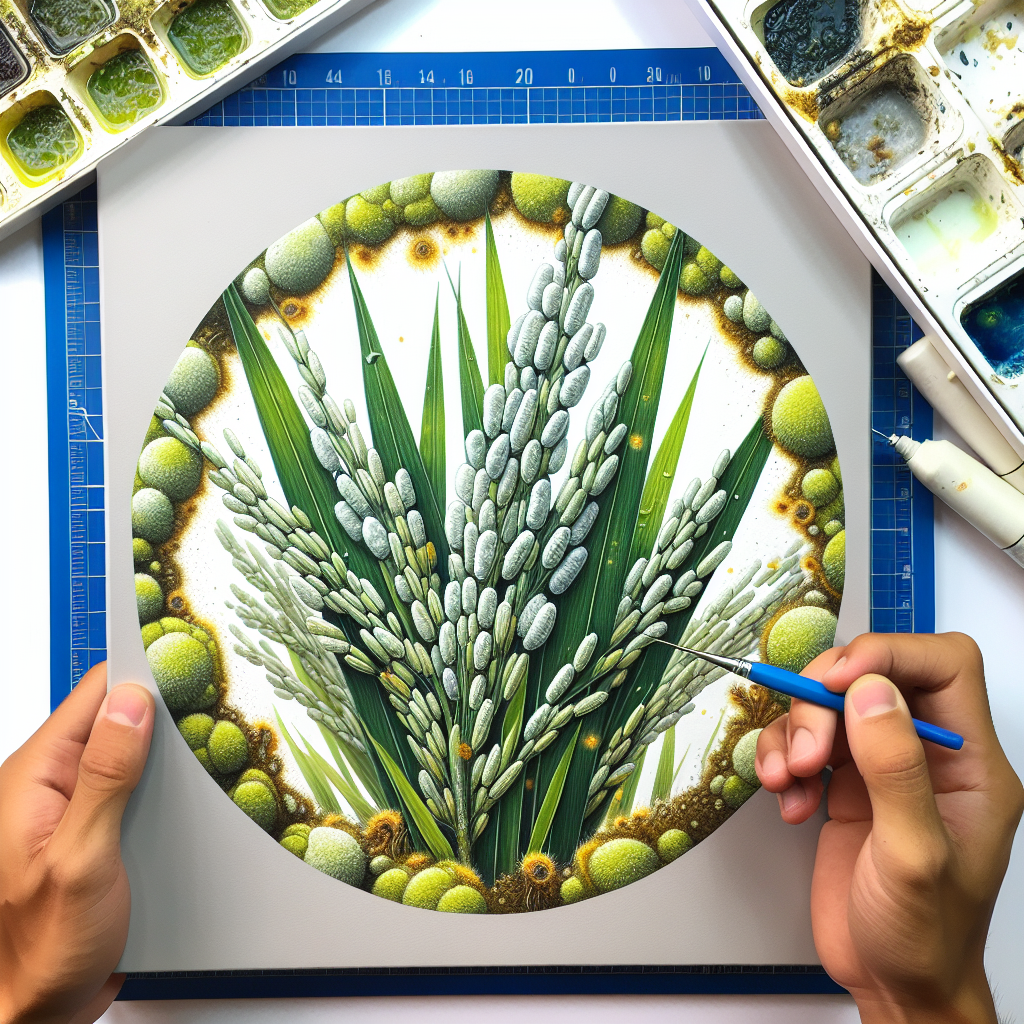
bacterial blight
Bacterial blight is a devastating disease caused by Xanthomonas bacteria, leading to water-soaked lesions, leaf wilting, and significant yield losses in major crops like rice and crucifers. Early identification through angular leaf spots and ooze is crucial for effective management. This guide provides organic control strategies, prevention tips, and insights into affected crops for sustainable farming.
View Profile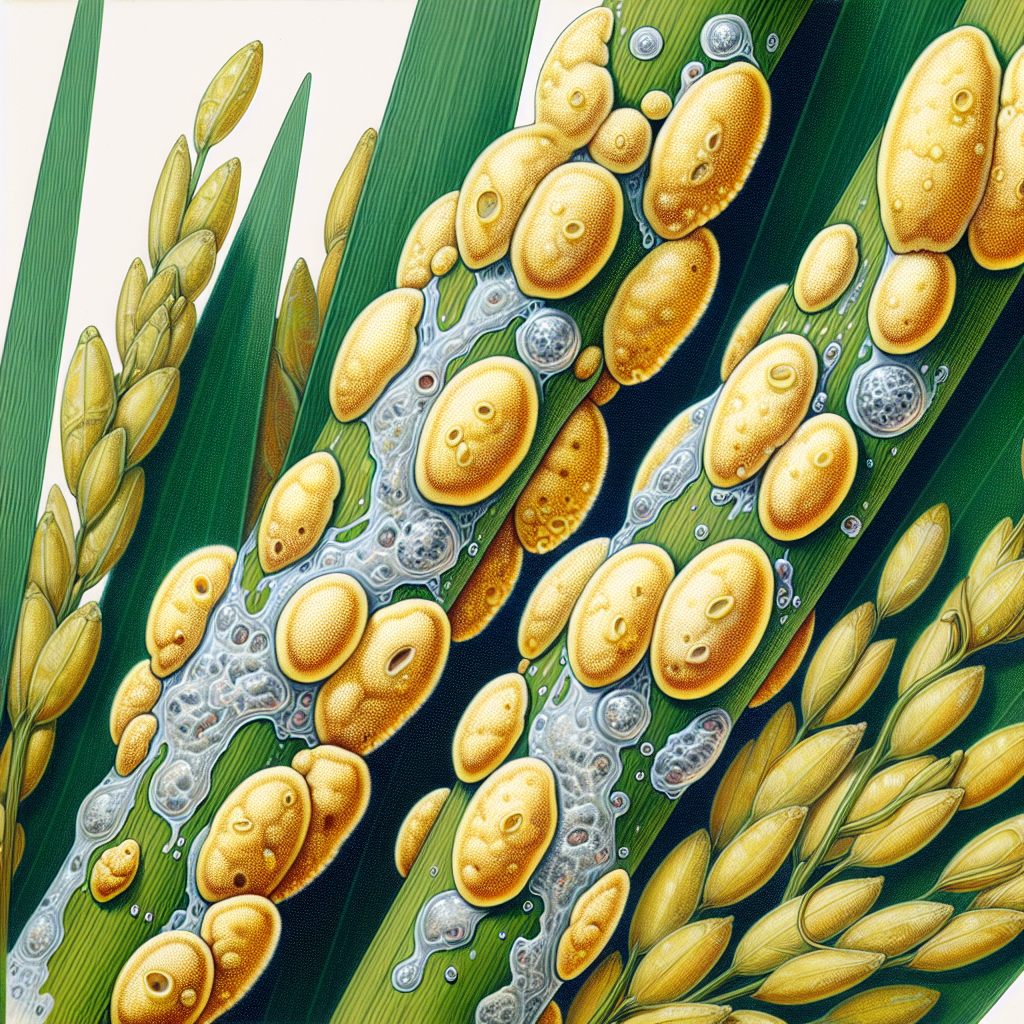
Bacterial blight (Xanthomonas)
Bacterial blight caused by Xanthomonas species is a devastating disease affecting numerous crops worldwide, characterized by water-soaked lesions, leaf spots, and vascular wilting that can lead to significant yield losses. This guide provides comprehensive diagnostic criteria, lifecycle insights, organic management strategies, and prevention tactics for farmers and growers. Early detection and cultural controls are key to minimizing damage in susceptible crops like rice and tomatoes.
View Profile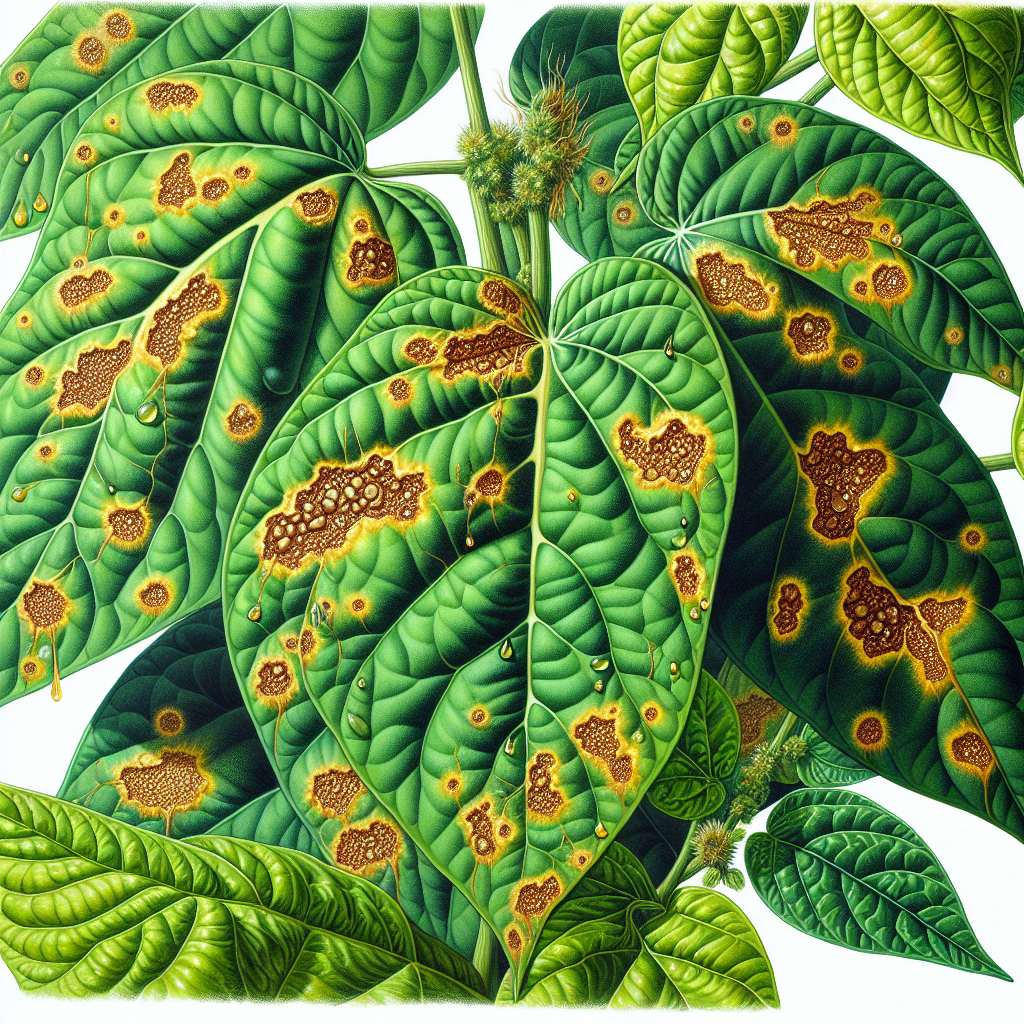
Bacterial brown spot
Bacterial brown spot is a destructive bacterial disease primarily affecting beans and legumes, caused by Pseudomonas syringae pathovars, leading to angular brown lesions on leaves that can cause significant yield loss. It thrives in cool, wet conditions and spreads rapidly via splashing water and contaminated tools. Effective management relies on cultural practices, resistant varieties, and prompt organic interventions to minimize crop damage.
View Profile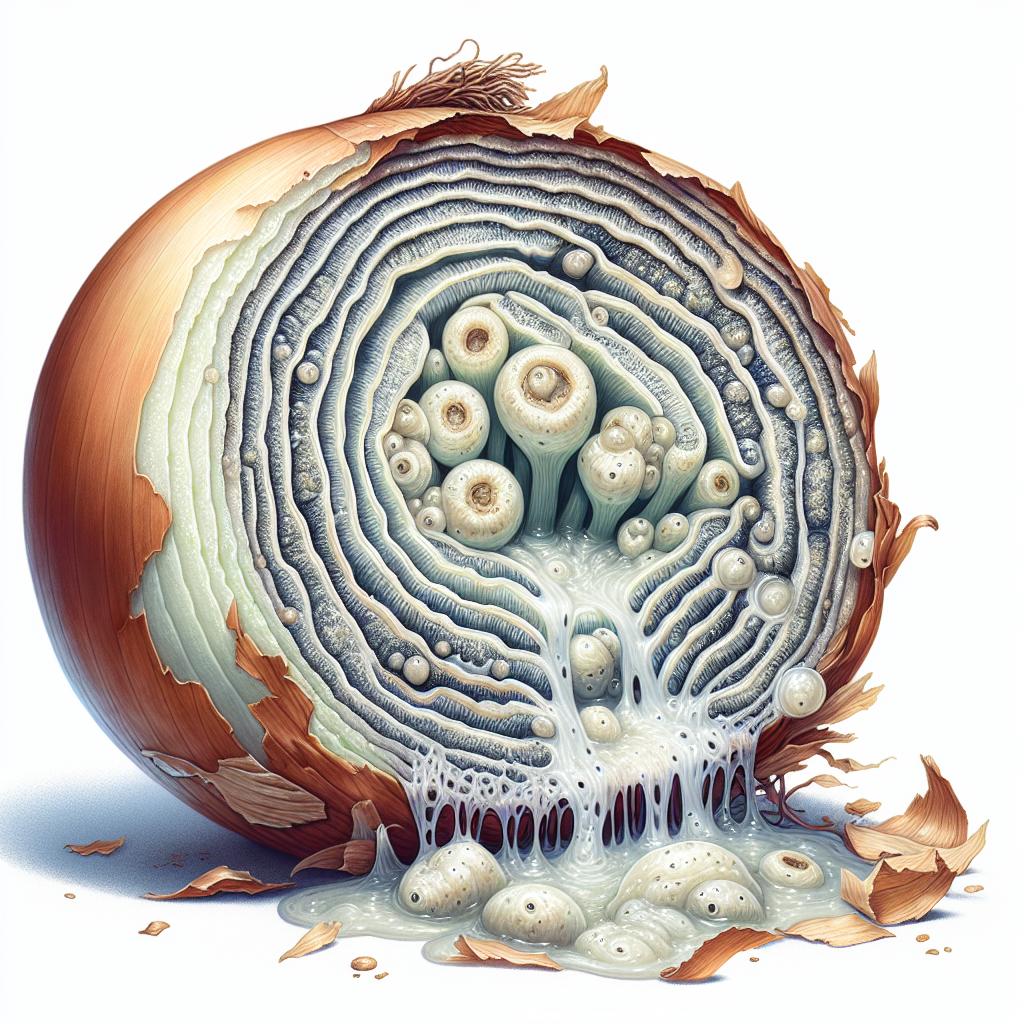
Bacterial bulb rots
Bacterial bulb rots are destructive diseases affecting underground storage organs of bulbous crops, caused by soilborne and waterborne bacteria that thrive in warm, wet conditions. They lead to rapid tissue breakdown, foul odors, and total crop loss if unchecked. Effective management relies on cultural practices, sanitation, and resistant varieties rather than chemical cures.
View Profile
Bacterial canker
Bacterial canker is a destructive disease affecting stone fruit trees and ornamentals, characterized by sunken cankers, gummosis, and dieback. It spreads via rain, tools, and insects, thriving in cool, wet conditions. Effective management relies on sanitation, resistant varieties, and cultural practices.
View Profile
bacterial diseases
Bacterial diseases are widespread plant pathogens causing devastating losses in agriculture through rapid tissue destruction and systemic infections. They thrive in warm, wet conditions, spreading via water splashes, tools, and insects. Effective management relies on prevention, sanitation, and resistant varieties rather than curative treatments.
View Profile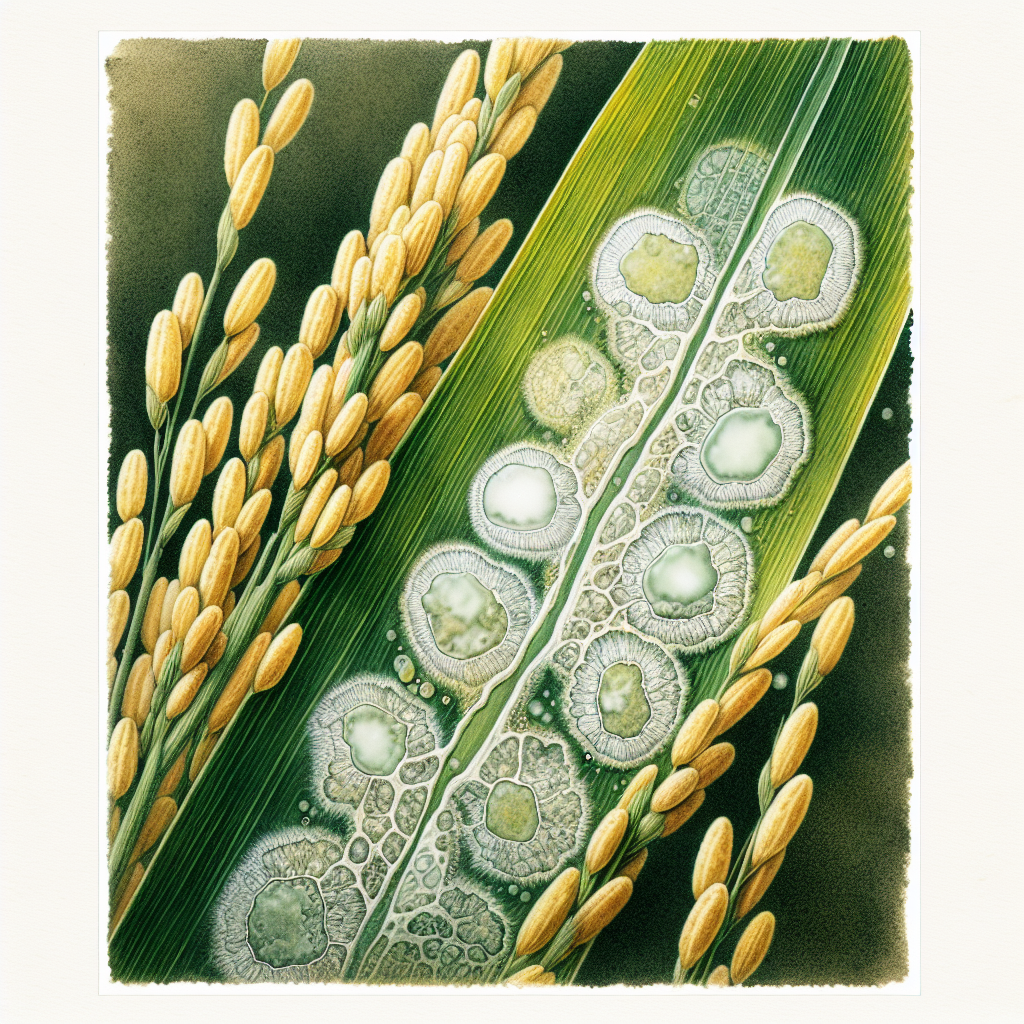
Bacterial Leaf Blight
Bacterial Leaf Blight (BLB) is a devastating bacterial disease primarily affecting rice and related crops, caused by Xanthomonas oryzae pv. oryzae, leading to significant yield losses through leaf wilting and necrosis. Early identification of water-soaked lesions and rapid progression under humid conditions is crucial for effective management. This guide provides comprehensive diagnostic symptoms, lifecycle insights, organic treatments, and prevention strategies for sustainable agriculture.
View Profile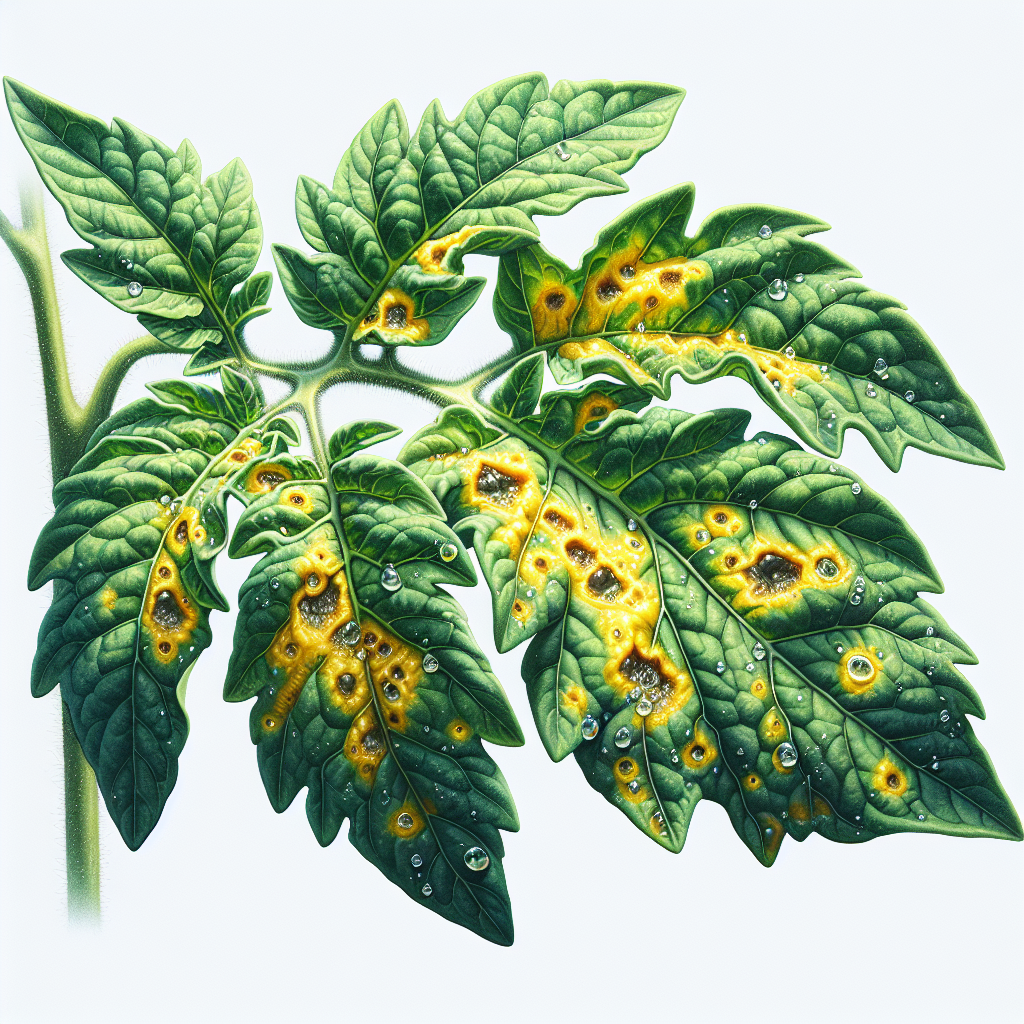
Bacterial leaf diseases
Bacterial leaf diseases are destructive plant pathologies caused by pathogenic bacteria that infect foliage, leading to spots, blights, and wilts that severely reduce crop yields. Common culprits include Xanthomonas and Pseudomonas species, thriving in warm, wet conditions and spreading via water splash or tools. Effective management relies on cultural practices, resistant varieties, and prompt sanitation to minimize outbreaks.
View Profile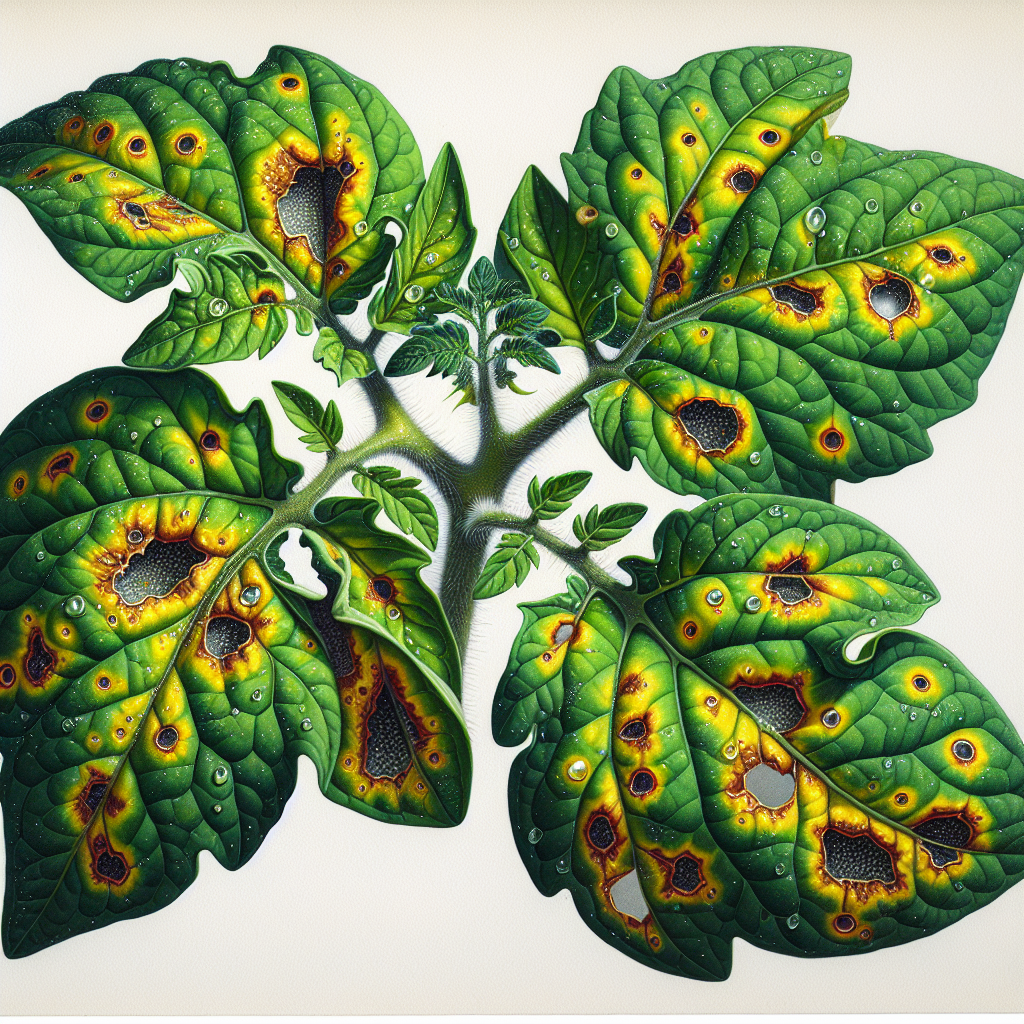
Bacterial leaf spots
Bacterial leaf spots are widespread plant diseases caused by pathogenic bacteria like Xanthomonas and Pseudomonas species, leading to necrotic lesions on foliage that reduce photosynthesis and yield. Early identification through water-soaked spots and yellow halos is crucial for effective management. Organic control relies on copper-based sprays, sanitation, and resistant varieties, while prevention focuses on avoiding overhead irrigation and promoting airflow.
View Profile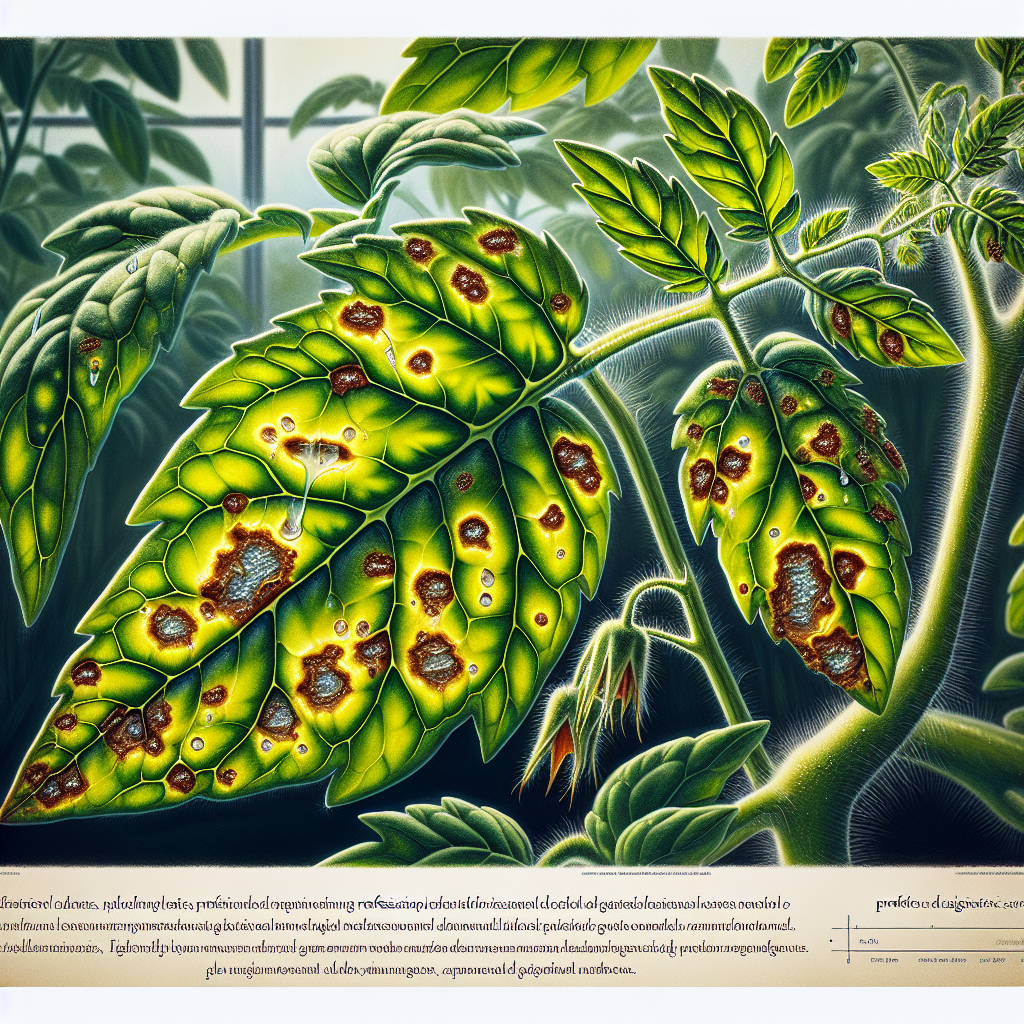
bacterial problems
Bacterial problems in crops encompass a range of devastating diseases caused by pathogenic bacteria that thrive in warm, moist conditions, leading to leaf spots, wilts, blights, and rots. These infections spread rapidly via water splash, tools, and insects, causing significant yield losses in vegetables, fruits, and field crops. Early diagnosis through symptom recognition and integrated management using sanitation, resistant varieties, and organic treatments is crucial for control.
View Profile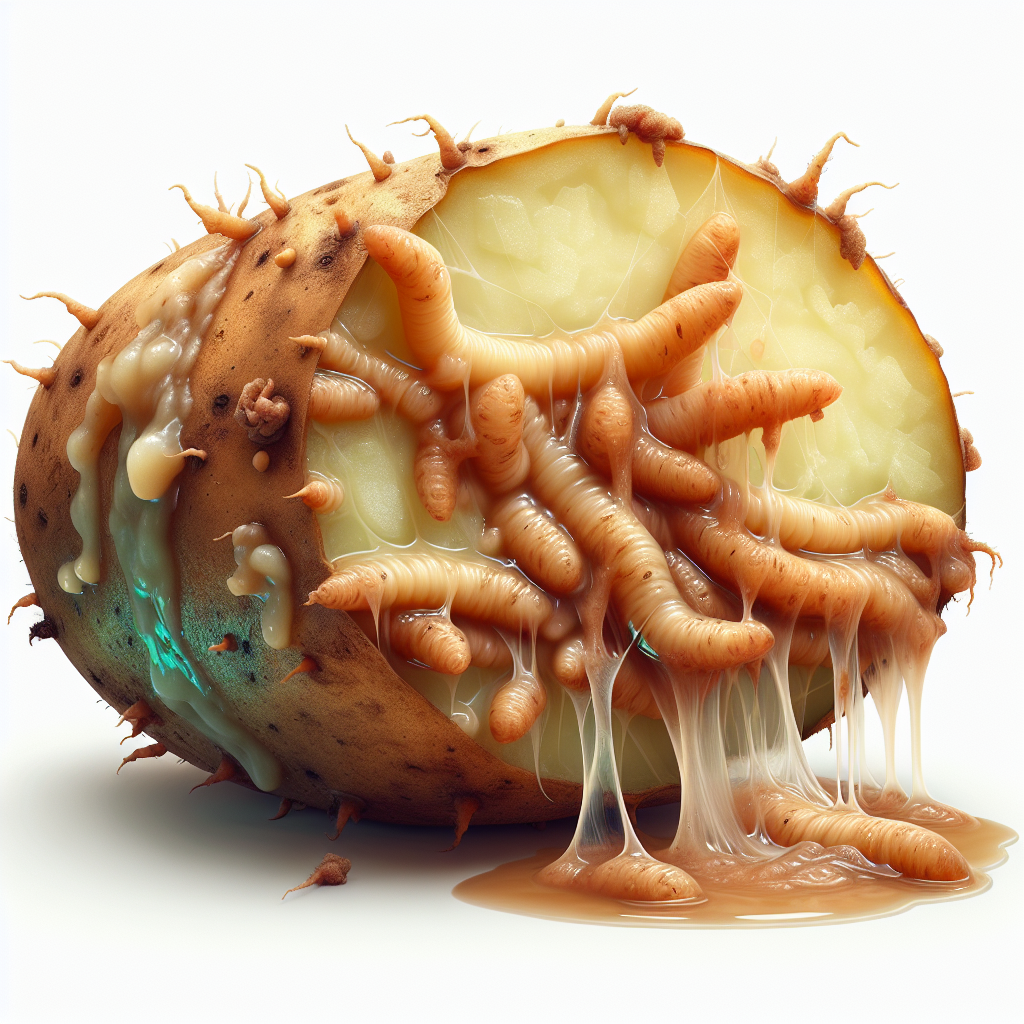
bacterial soft rots
Bacterial soft rots are devastating diseases caused by pectolytic bacteria that liquefy plant tissues, leading to rapid decay of roots, stems, tubers, and fruits. Highly contagious in warm, wet conditions, they affect numerous crops worldwide, causing significant post-harvest losses. Effective management relies on prevention, sanitation, and cultural practices rather than curative treatments.
View Profile
Bacterial sour rot
Bacterial sour rot is a destructive post-harvest disease affecting fruits and vegetables, caused by acid-producing bacteria that lead to rapid tissue breakdown and fermentation. It manifests as watery, foul-smelling lesions, often entering through wounds or insect damage. Effective management relies on sanitation, proper storage, and organic biocontrols to minimize losses in susceptible crops.
View Profile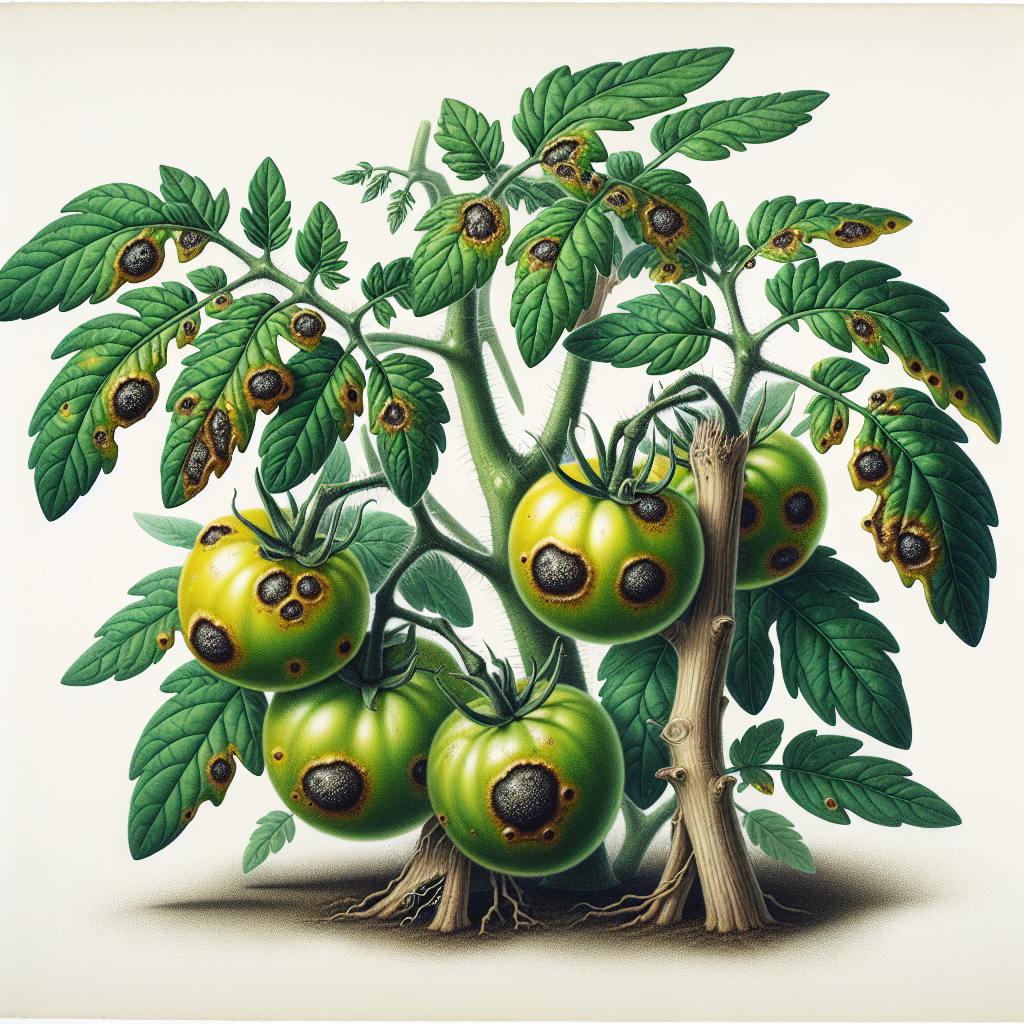
Bacterial speck
Bacterial speck is a widespread bacterial disease primarily affecting tomato crops, caused by Pseudomonas syringae pv. tomato, leading to dark lesions on leaves, stems, and fruit that reduce yield and marketability. It thrives in cool, wet conditions and spreads via splashing water or contaminated tools. Effective management relies on cultural practices, resistant varieties, and organic bactericides for prevention and control.
View Profile
Bacterial spot
Bacterial spot is a widespread bacterial disease affecting solanaceous crops like tomatoes and peppers, causing small, water-soaked lesions on leaves, stems, and fruits that lead to defoliation and reduced yields. It thrives in warm, humid conditions and spreads via splashing water and contaminated tools. Effective management relies on cultural practices, resistant varieties, and organic bactericides for sustainable control.
View Profile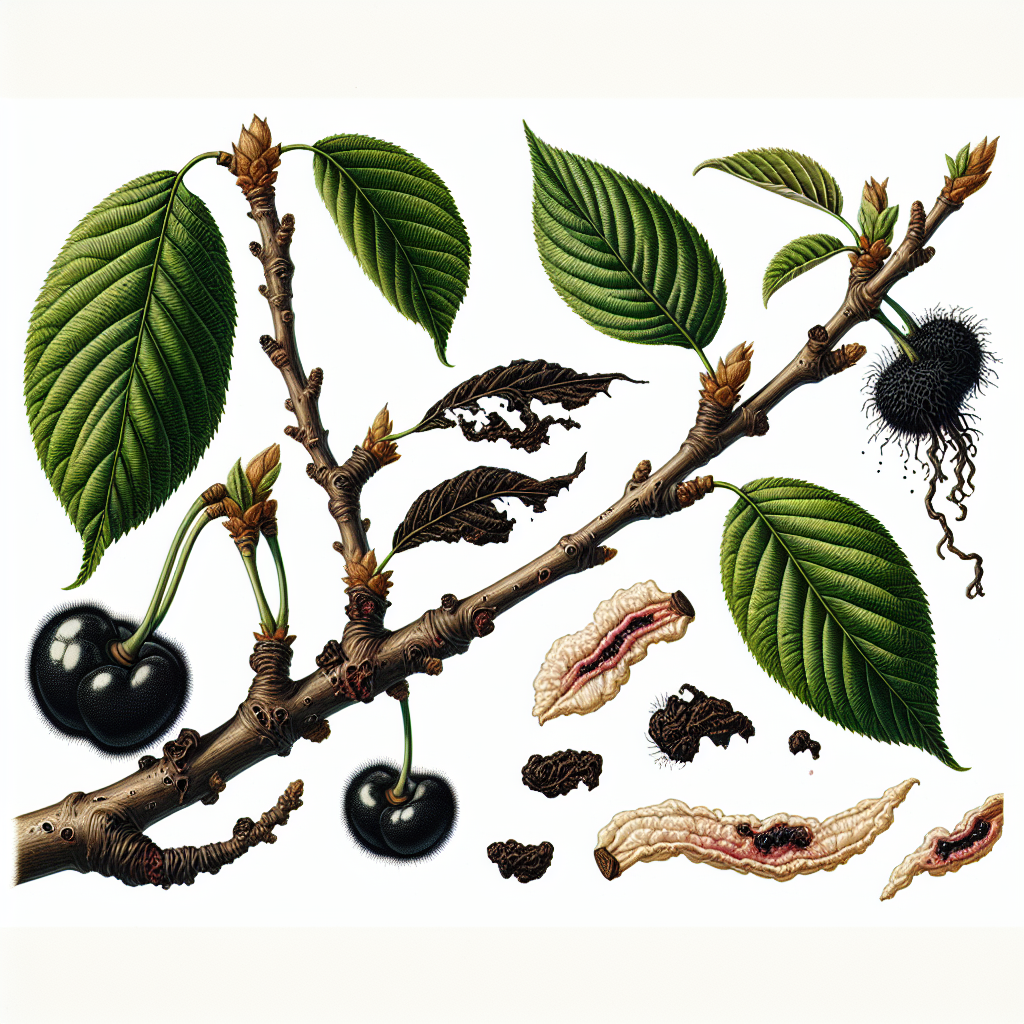
bacterial twig dieback
Bacterial twig dieback is a destructive disease caused by bacterial pathogens that infect woody plants, leading to wilting, blackening, and death of twigs and branches. It spreads rapidly in cool, wet conditions, causing significant crop losses in orchards and vineyards. Effective management relies on early detection, cultural practices, and organic treatments to limit spread and promote plant recovery.
View Profile
Bacterial Wilt
Bacterial wilt is a devastating soilborne disease caused by Ralstonia solanacearum, leading to rapid wilting and collapse of infected plants without yellowing. It affects numerous crops worldwide, thriving in warm, humid conditions and spreading through soil, water, and tools. Effective management relies on prevention, resistant varieties, and sanitation, as no cure exists once symptoms appear.
View Profile
banana bunchy top virus
Banana bunchy top virus (BBTV) is a devastating nanovirus transmitted by the banana aphid, causing stunted growth and bunchy tops in banana plants, leading to significant yield losses. This guide provides comprehensive diagnostics, organic management strategies, and prevention tactics for banana growers. Early detection and rogueing infected plants are critical to containing its spread in commercial and small-scale plantations.
View Profile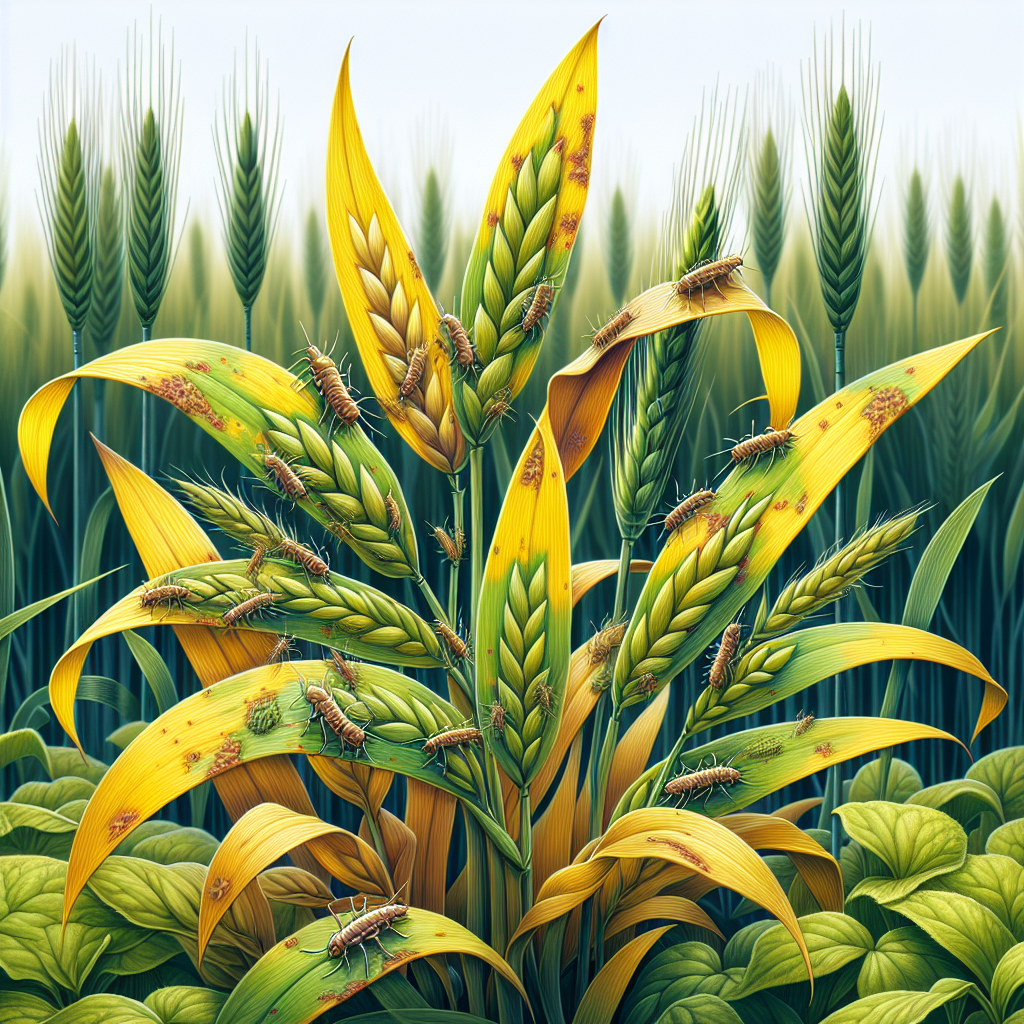
Barley yellow dwarf virus
Barley yellow dwarf virus (BYDV) is a widespread cereal virus transmitted by aphids, causing stunted growth, yellowing leaves, and reduced yields in barley and other grains. Effective management relies on aphid control, resistant varieties, and cultural practices. This guide provides diagnostic symptoms, lifecycle details, organic treatments, and prevention strategies for farmers.
View Profile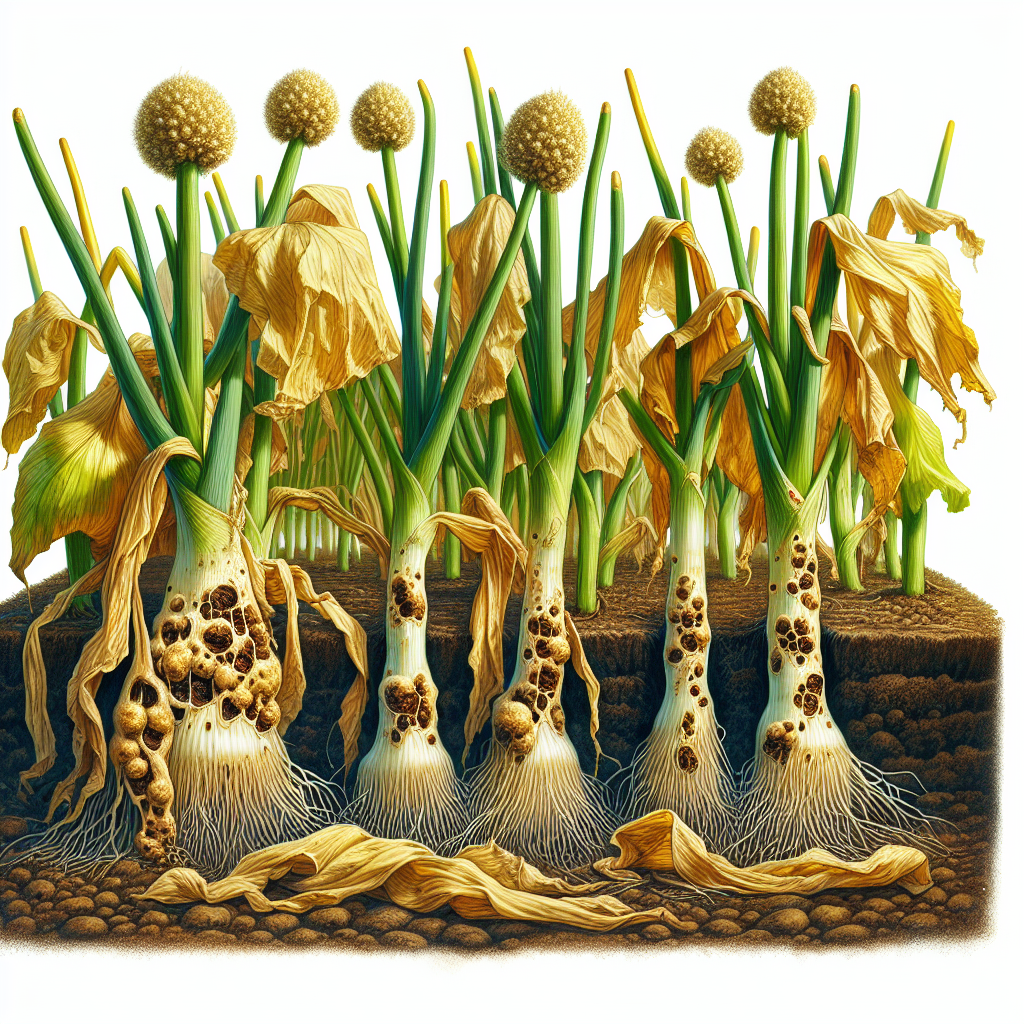
Basal rots
Basal rots are devastating soilborne fungal diseases that attack the base of plant stems, causing rapid wilting, rotting, and plant collapse. Commonly caused by pathogens like Sclerotium rolfsii and Rhizoctonia solani, they thrive in warm, wet conditions and can wipe out entire crops. Effective management relies on prevention, cultural practices, and organic biocontrols.
View Profile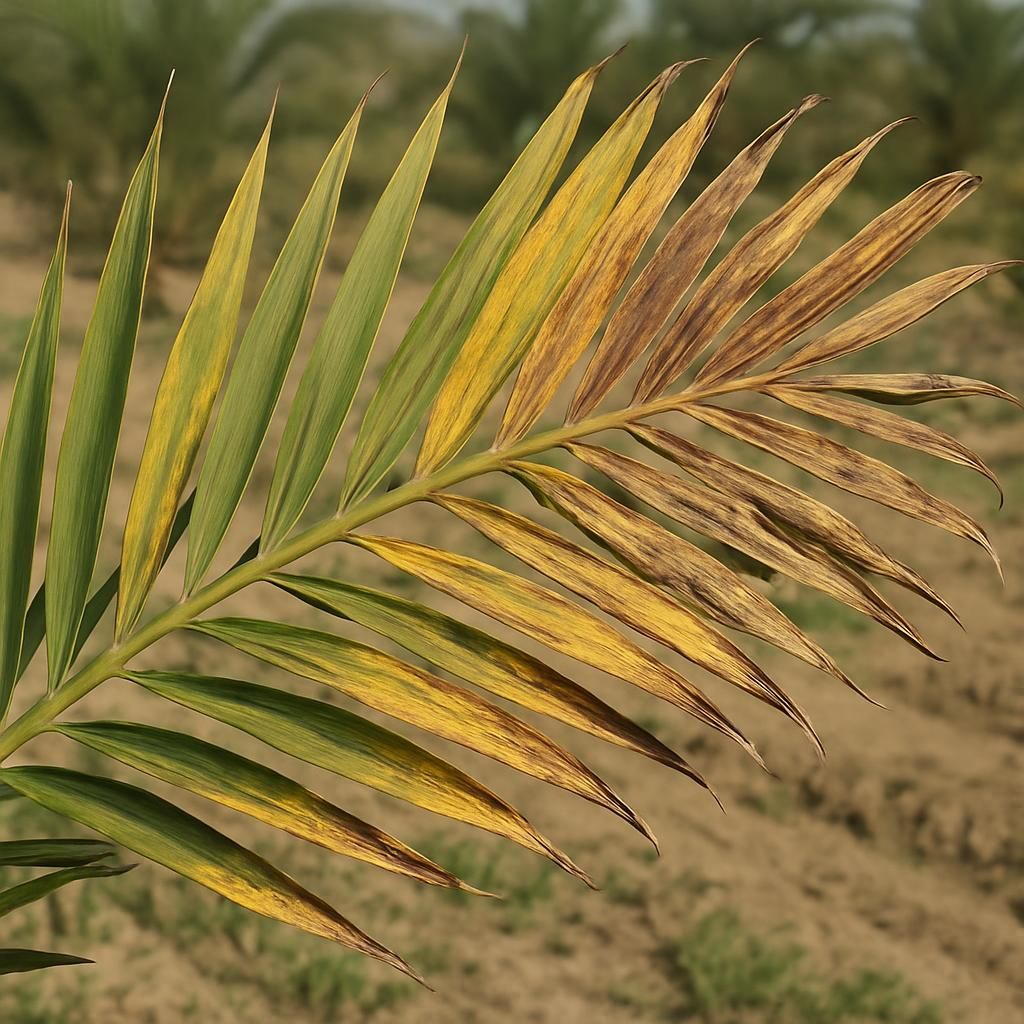
Bayoud disease
Bayoud disease is a lethal soil-borne fungal wilt that primarily attacks date palms, causing progressive yellowing, wilting, and eventual death of infected trees. The pathogen spreads through contaminated soil, irrigation water, and infected offshoots, making it one of the most destructive diseases in North African and Middle Eastern date-growing regions. Effective management relies on resistant varieties, strict sanitation, and long-term soil health practices.
View Profile
Bean common mosaic virus
Bean common mosaic virus (BCMV) is a widespread potyvirus that infects beans and legumes, causing mosaic patterns, leaf distortion, and yield losses up to 100% in severe cases. Transmitted primarily by aphids in a non-persistent manner and through infected seeds, it poses a significant threat to bean production worldwide. Effective management relies on virus-free seeds, resistant varieties, and vector control.
View Profile
Bean root rot
Bean root rot is a devastating soilborne fungal disease primarily caused by Pythium, Rhizoctonia, and Fusarium species that attacks bean roots, leading to wilting, stunting, and plant death. It thrives in poorly drained, waterlogged soils and can wipe out entire crops if not managed properly. This guide provides comprehensive diagnostics, organic treatments, and prevention strategies for bean growers.
View Profile