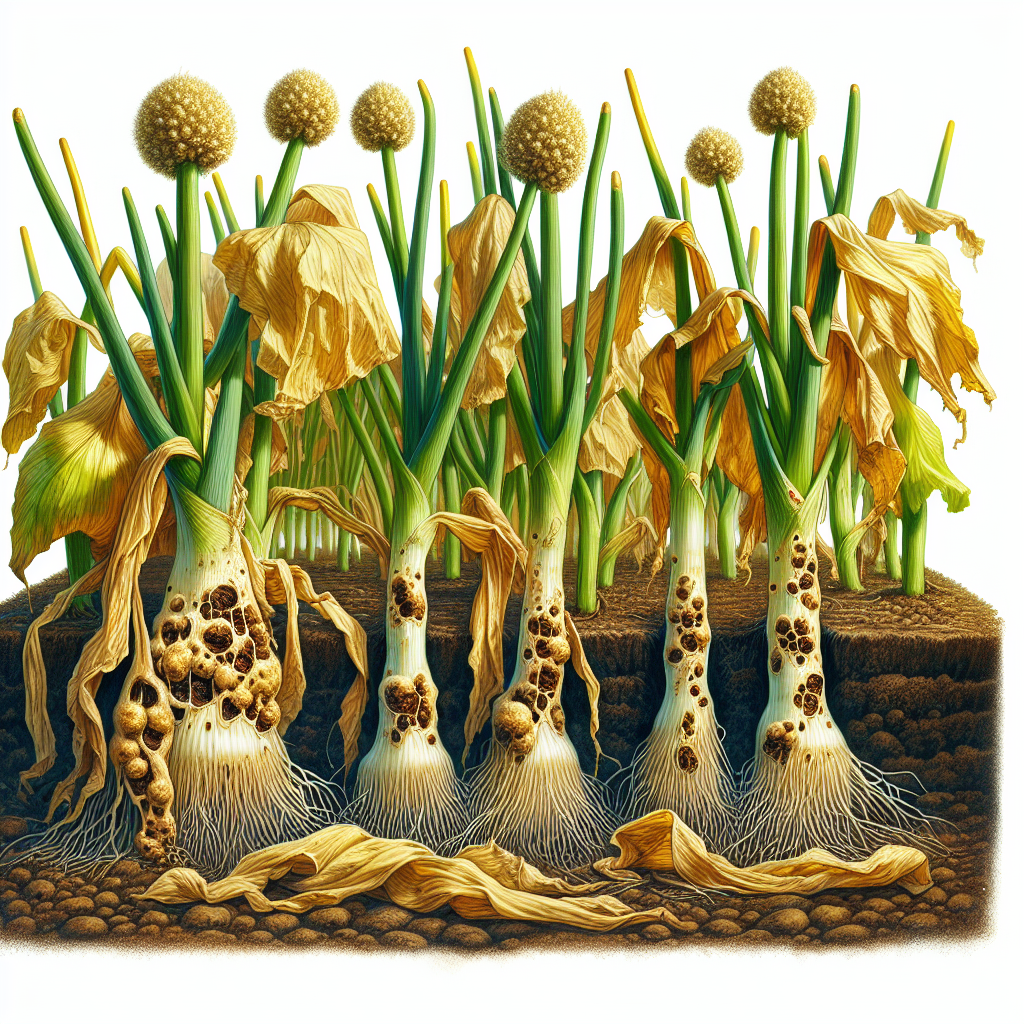
Introduction to Basal rots
Basal rots represent a critical threat to agricultural productivity worldwide, particularly in warm, humid climates where soilborne fungi flourish. These diseases target the basal region of plants—the critical junction between roots and stems—leading to girdling, tissue decay, and sudden plant death. Unlike foliar diseases, basal rots are insidious, often going unnoticed until advanced stages when entire stands collapse.
The primary culprits are fungi such as Sclerotium rolfsii (causing southern blight), Rhizoctonia solani Rhizoctonia, and various Phytophthora species Phytophthora. These pathogens produce hardy sclerotia or oospores that persist in soil for years, making eradication challenging. Annual global losses from basal rots exceed millions in staple crops, underscoring the need for vigilant diagnostics and integrated management.
This guide provides professional-grade, SEO-optimized advice for identifying, managing, and preventing basal rots. Drawing from botanical, entomological, and agronomic expertise, it equips farmers with practical strategies to safeguard yields. Whether you're growing onions, tomatoes, or peanuts, mastering basal rot control is essential for sustainable farming.
Identifying Symptoms & Damage
Early detection is paramount for basal rot management. Symptoms typically emerge during warm, wet periods, starting subtly at the soil line.
Initial Signs:
- Water-soaked, discolored lesions at the plant base, often light brown turning dark brown or black.
- Wilting of lower leaves despite adequate moisture, mimicking drought stress.
- Shredded or stringy stem tissue above the lesion, especially with Sclerotium rolfsii, accompanied by white mycelium and small, tan mustard-seed-sized sclerotia.
Progression:
- Girdling of the stem base, leading to toppling or lodging.
- Secondary invasion by insects like root mealybugs or slugs, exacerbating decay.
- Root systems appear healthy initially but become non-functional as rot ascends.
Damage Assessment: Basal rots cause 20-100% yield losses in susceptible crops. In onion fields, infected bulbs fail to bulb properly, resulting in undersized, unmarketable produce. Tomato plants (tomato) exhibit sudden collapse, with fruits rotting on vines. Differentiate from root rots by lesion location—basal rots primarily affect crowns and lower stems, not deep roots.
Use a knife to slice stems: healthy tissue is firm and white; infected is soft, necrotic, with fungal growth. Confirm via lab tests for precise pathogen ID, crucial for targeted treatments.
Lifecycle and Progression of Basal rots
Understanding the pathogen lifecycle is key to disruption. Sclerotium rolfsii produces sclerotia in soil, germinating in high moisture (>60% field capacity) and temperatures 25-35°C. Mycelium spreads via splashing water or tools, infecting wounds or natural openings.
Rhizoctonia solani persists as dormant mycelium or sclerotia, activating in warm, compacted soils. Phytophthora spp. form zoospores in saturated conditions, swimming to host tissues.
Progression Stages:
- Dormancy: Sclerotia/oospores viable 2-5 years.
- Germination: Triggered by moisture and warmth; infection within 48 hours.
- Colonization: Rapid tissue necrosis; sclerotia form in 5-7 days.
- Spread: Via irrigation, rain, or machinery; polycyclic within season.
In potato crops, progression from infection to death takes 7-14 days. Overwintering structures ensure recurrence without intervention.
Environmental Triggers & Risk Factors
Basal rots explode under specific conditions:
Key Triggers:
- Temperature: Optimal 28-35°C for S. rolfsii; Rhizoctonia at 20-30°C.
- Moisture: Prolonged soil wetness from over-irrigation, poor drainage, or heavy rains.
- Soil Factors: High organic matter, neutral-alkaline pH (6.5-7.5), compaction reducing aeration.
Risk Factors:
- Monocropping susceptible varieties like garlic or ginger.
- Mechanical injury from cultivation.
- Contaminated transplants or tools.
- Poor rotation; continuous host presence builds inoculum.
In tropical regions, rainy seasons amplify outbreaks. Acidic amendments (e.g., sulfur) suppress S. rolfsii, thriving in pH >7.
Organic Control & Treatment Plans
Organic management emphasizes cultural, biological, and minimal chemical interventions. No cure exists post-infection; focus on containment.
Immediate Actions:
- Remove and destroy infected plants, avoiding composting.
- Disinfect tools with 10% bleach.
Cultural Controls:
- Improve drainage with raised beds or trenches.
- Mulch with solarized plastic to heat-kill sclerotia (45°C+ for 4 weeks).
- Apply lime or gypsum to adjust pH below 6.5.
Biological Controls:
- Trichoderma spp. and Gliocladium virens as soil drenches (rates: 5-10g/kg seed).
- Bacillus subtilis for suppressive biofilms.
- Mustard biofumigation: Incorporate fresh mustard residues pre-planting.
Organic Treatments: For active infections, use hydrogen peroxide (3%) or potassium bicarbonate drenches. Companion plant with marigold to deter nematodes aiding spread.
Integrated Plan:
- Scout weekly.
- Apply biocontrols preventively.
- Rotate with non-hosts like grapes.
Soil Health Mastery: 5 Proven Strategies for Small Farms to Build Fertile Ground Without Breaking the Bank offers complementary tactics.
Preventing Basal rots in the Future
Prevention trumps cure. Implement these long-term strategies:
Crop Rotation: 3-4 years with grasses or brassicas; avoid solanaceous families. Resistant Varieties: Select hybrids with basal rot tolerance, e.g., in onion and peanuts. Soil Solarization: Cover moist soil 4-6 weeks summer; kills 80-90% sclerotia. Sanitation: Clean equipment, weed-free fields. Irrigation Management: Drip systems; avoid overhead. Biofumigants: Plant Brassica cover crops; incorporate green manure. Monitoring: Use soil tests for inoculum levels.
In high-risk areas, pre-plant Trichoderma seed treatments reduce incidence by 50-70%.
Crops Most Affected by Basal rots
Basal rots strike a wide range, especially warm-season crops:
High-Risk:
- Alliums: Onion, garlic, leeks.
- Legumes: Peanuts, soybeans, chickpeas.
- Solanaceae: Tomato, potato, peppers.
- Others: Ginger, turmeric, sweet potato, cassava.
Moderate Risk:
- Cucumber, beans, tobacco.
Low Risk: Cereals like corn or wheat, but seedlings vulnerable.
Susceptibility ties to shallow roots and warm climates. In onion production, basal rot accounts for 30% losses in humid tropics.