Introduction to sunscald
Sunscald is one of the most prevalent abiotic disorders in agriculture, striking crops when unprotected tissues are exposed to excessive direct sunlight and heat. Unlike biotic pests or diseases caused by living organisms, sunscald results from environmental stress where ultraviolet rays and high temperatures overwhelm plant cells, leading to tissue death. This guide provides professional-grade diagnostic tools, management strategies, and prevention tactics tailored for farmers growing high-value crops like tomato, pepper, and tree fruits such as apple and peach.
First recognized in the early 20th century in fruit orchards, sunscald can devastate yields by 20-50% in susceptible varieties during heatwaves. It primarily affects thin-skinned fruits and young transplants, turning vibrant produce into unsellable blemishes. Understanding its mechanics is crucial: plant tissues acclimated to shade suddenly exposed to full sun lose water faster than they can replace it, causing cellular breakdown. In commercial settings, sunscald accounts for significant post-harvest losses, especially in regions with Mediterranean climates or intense summer sun like California's Central Valley or Australia's sunbelt.
For small farms, early detection prevents secondary infections from Botrytis or bacteria entering damaged areas. This comprehensive resource draws from decades of extension service data, offering actionable steps to diagnose, treat, and prevent sunscald across diverse cropping systems. Whether managing row crops or orchards, implementing these strategies can safeguard profitability. For more on integrating tech for environmental monitoring, check this insightful blog post.
Identifying Symptoms & Damage
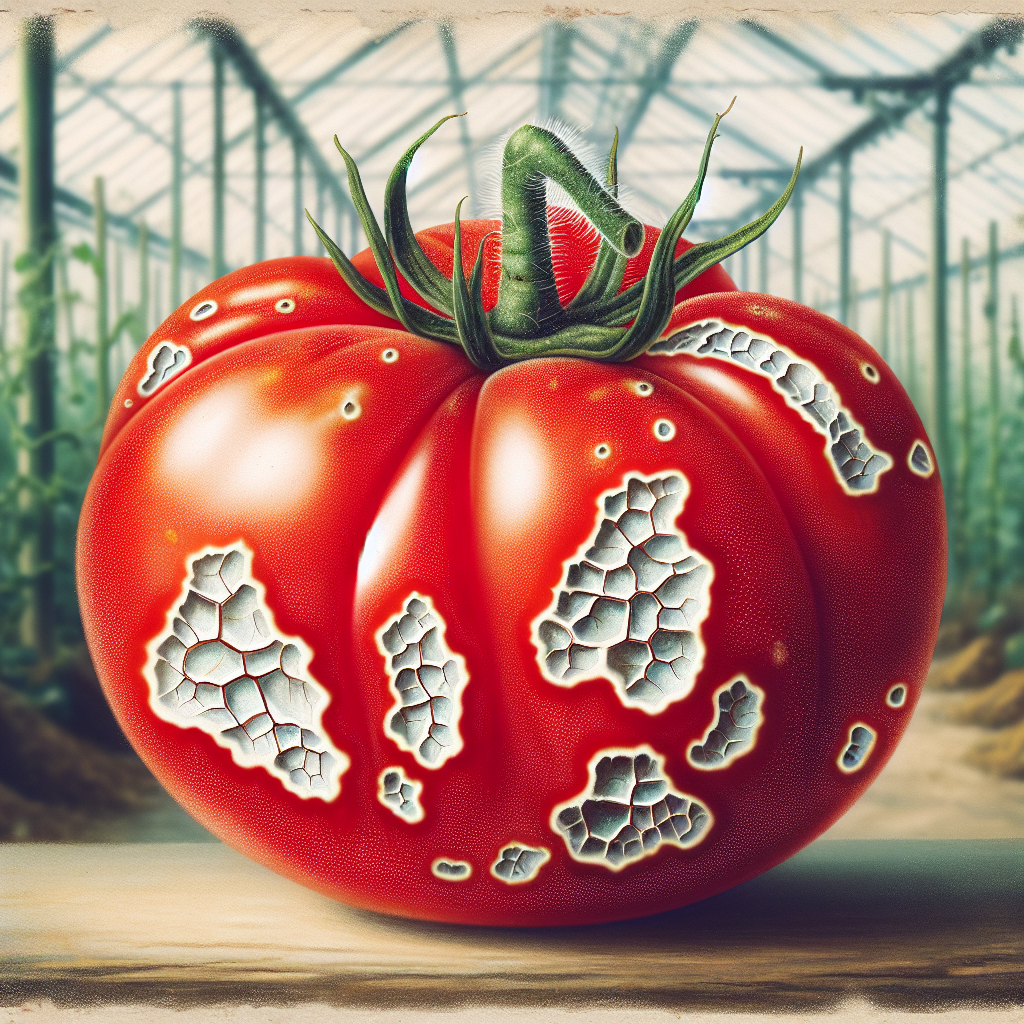
Accurate diagnosis begins with recognizing sunscald's hallmark signs, distinguishing it from pests like aphids or diseases such as early blight. On fruits like tomato and cucumber, initial symptoms appear as pale, yellowish-white patches on the sun-exposed side. These spots evolve into sunken, leathery, or brittle areas with a papery texture, often cracking open to reveal dry, necrotic tissue underneath.
In severe cases, the damage turns dark brown or black, mimicking rot but without the fuzzy mycelium of fungal pathogens. Leaves show scorching: edges brown and curl, while stems develop longitudinal cracks or bark splitting on trees like young avocado trunks. Damage is asymmetrical, always facing south or west in the Northern Hemisphere, confirming solar origin.
Economic impact is profound: affected squash fruits become unmarketable, dropping grade from premium to cull. Yield losses range from 10% in mild cases to total crop failure in transplants. Secondary invaders like fruit flies exploit cracks, amplifying losses. Use a hand lens to check for insect frass or mycelia—absence confirms sunscald. Monitor during peak sun hours (10 AM-4 PM) when symptoms intensify. For tree fruits, girdling lesions on trunks signal winter sunscald from freeze-thaw cycles combined with sun exposure.
Lifecycle and Progression of sunscald
Sunscald lacks a biological lifecycle, progressing instead through physiological stages triggered by cumulative heat units. Stage 1 (Acute Exposure): Within hours of intense sun (>90°F/32°C with low humidity), epidermal cells denature, forming white blisters. Stage 2 (Necrosis, 1-3 days): Affected areas dry out, shrinking as lignin forms a protective scab. Stage 3 (Chronic Damage, 1-2 weeks): Deep tissue death invites cracking; fruits abort or deform.
In perennials like grape vines, winter form emerges post-harvest: daytime sun warms bark, nighttime freezes split it, creating entry for canker. Progression accelerates with reflective mulches or bare soil amplifying radiation. Unlike cyclical pests, sunscald recurs annually under similar conditions, compounding over seasons in woody plants. Track degree-days above 85°F to predict outbreaks; apps logging solar radiation help forecast progression.
Healing is limited: new skin may cover minor spots, but deep lesions persist, weakening plants. In eggplant, progression from spot to full fruit ruin takes 48 hours during heat domes.
Environmental Triggers & Risk Factors
Sunscald thrives under specific abiotic stressors: direct solar irradiance >1000 µmol/m²/s, temperatures exceeding 95°F (35°C), and relative humidity below 50%. Low soil moisture exacerbates it, as transpiration fails to cool tissues. Risk spikes after pruning exposing inner canopy, or in varieties with thin cuticles like heirloom tomato cultivars.
Soil type matters: sandy fields heat faster, while compacted clay retains heat. High elevations amplify UV without temperature drop. Sudden canopy loss from hail or wind exposes fruits, a common trigger in squash. Reflective surfaces like white plastic mulch double radiation on undersides.
Climate change intensifies risks with more extreme heat events. Young transplants (<4 weeks) and stressed plants (drought, nutrient deficiency) succumb fastest. In orchards, south-facing trunks on cherry trees are hotspots. Monitor VPD (vapor pressure deficit) >2 kPa as a key predictor.
Organic Control & Treatment Plans
No curative organic treatments exist for established sunscald, emphasizing mitigation. Immediate action: apply kaolin clay sprays (e.g., Surround WP at 1/4 lb/gal) to create a reflective barrier, reducing surface temps by 5-10°F. Reapply post-rain. For fruits, white latex paint (1:1 water) on tree trunks prevents winter sunscald.
Mulch heavily with straw (4-6 inches) to cool soil and reduce splash-reflected light. Irrigate deeply pre-heatwave to boost turgor. Remove damaged fruits promptly to curb anthracnose spread. Foliar calcium (1% chelated) strengthens cell walls, applied weekly during risk periods.
Integrated plan: Scout daily, shade cloth (30-50% shade) over rows for pepper, companion planting tall corn for shade. Neem oil deters secondary pests without residue. For potato hills, bury stems deeply. Track efficacy via damage grids pre/post-intervention.
Preventing sunscald in the Future
Prevention hinges on cultural practices: select sun-tolerant varieties like heat-set tomato hybrids. Orient rows east-west for even shading. Maintain dense canopies via selective pruning, avoiding over-thinning. Install shade nets (20-40% density) during July-August peaks, retractable for flexibility.
Irrigation scheduling: drip systems maintaining 80% field capacity, avoiding wet foliage. Mulch with organic matter to suppress soil heat. Windbreaks reduce convective heat. Harden off transplants gradually under 50% shade. Monitor forecasts; preempt with anti-transpirants like Wilt-Pruf.
Long-term: interplant nasturtium for dappled shade, improve soil organic matter for better water retention. In orchards, paint trunks white annually. Rotate crops to avoid stressed fields. Annual audits of microclimates refine strategies, yielding 30% damage reduction.
Crops Most Affected by sunscald
Sunscald plagues thin-skinned solanaceae and cucurbits foremost. Top victims: tomato (30-50% loss in heatwaves), bell pepper (shoulders blister), eggplant. Cucurbits like cucumber, zucchini, squash show underside scorching. Tree fruits: apple, peach, cherry trunks split; avocado fruits bronze.
Brassicas (cabbage) heads crack, potato tubers scald underground from hot soils. Tropicals like mango, banana suffer lenticel breakdown. Vine crops (grapes, watermelon) berries shrivel. Susceptibility ranks: fruits > foliage > roots. Varieties matter—dark skins resist better than yellows.