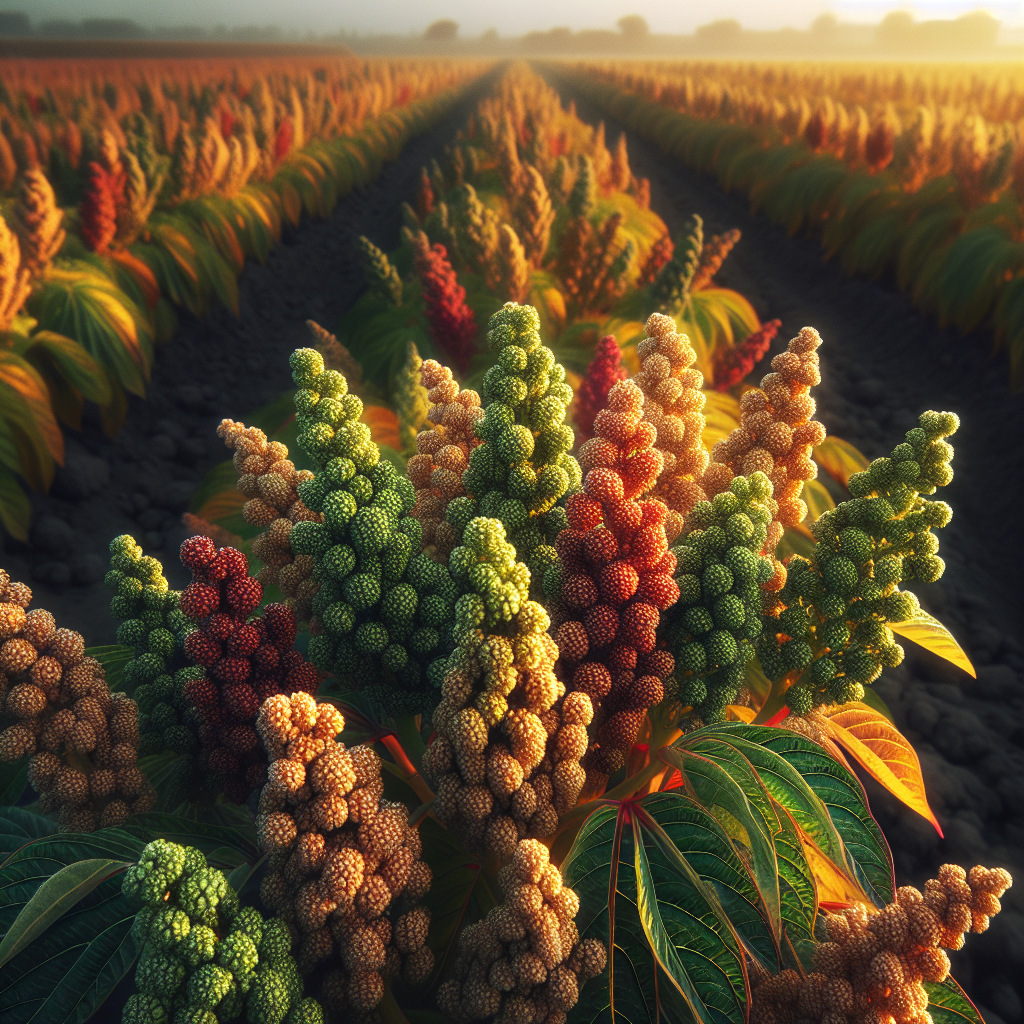
Introduction to Quinoa
Domesticated thousands of years ago in the Andean highlands of present-day Peru, Bolivia, Ecuador, and northern Chile, this crop has long been valued for its ability to produce reliable food under cold nights, intense sun, low humidity, and relatively poor soils. It is classified as a pseudocereal because the harvested product is a starchy seed used much like a cereal grain, even though the plant is not a true grass. That distinction matters agronomically: its nutrient uptake pattern, disease profile, canopy structure, and seed physiology differ significantly from true cereals such as wheat.
Modern quinoa production has expanded well beyond its center of origin into North America, Europe, India, and parts of Africa and Australia. Its popularity stems from its nutritional density, wide adaptation, and tolerance of salinity and drought compared with many conventional grain crops. However, quinoa is not a carefree plant. It can fail in hot, humid conditions, lodge under excess fertility, and suffer severe bird losses if unmanaged. The best growers treat it as a precision broadleaf grain crop: sow into a clean seedbed, avoid overfeeding nitrogen, keep early weeds in check, and finish the crop in dry weather.
One of quinoa's distinctive features is the saponin coating found on many varieties. Saponins are bitter compounds concentrated on the seed surface, thought to deter birds and pests. "Sweet" quinoa types have lower saponin content and are easier to process for food use, while bitter types can show better natural protection in the field. Color also varies widely, including white, cream, red, pink, purple, and black seeds, with corresponding differences in maturity, plant height, and market preference.
Botanical Profile of Quinoa
This species belongs to the family Amaranthaceae, the same broad family that includes beet, spinach, and amaranth. It is an annual dicotyledonous plant with a strong central stem, alternate leaves, and terminal inflorescences known as panicles. Depending on cultivar and environment, plants may range from 0.8 to over 2 meters tall. Shorter plants are often preferred in windy or fertile fields because they are less prone to lodging.
Leaves are highly variable in shape, often triangular to lanceolate, and may display green, red, or purple pigmentation. The leaf undersides in some lines have farinose, powdery coatings, a trait shared with related Chenopodium species. Young plants can resemble lambsquarters, which is both a weed concern and a useful botanical clue. As the crop matures, lower leaves senesce naturally, especially under dry finishing conditions.
The root system is fibrous with a modest taproot tendency, typically concentrated in the upper soil profile but capable of penetrating deeper where soil structure is loose and moisture gradients encourage exploration. This helps explain quinoa's tolerance of brief drought once established, though emergence and early vegetative growth are much less forgiving.
Flowering is usually triggered by a combination of genotype and daylength, with many cultivars responding sensitively to latitude. Panicles may be glomerulate and compact or more open and amaranth-like. Flowers are small, inconspicuous, and largely self-pollinating, though some outcrossing occurs. Seed set can be reduced by extreme heat during flowering, especially when daytime temperatures exceed about 32 to 35°C and nights remain warm.
Seeds are small, lens-shaped, and typically 1.5 to 2.5 mm across. Thousand-seed weight often ranges from 2 to 5 grams depending on cultivar. Because seed is small and seedlings are relatively delicate, planting depth and seedbed preparation are critical. Large clods, surface crusting, and waterlogging can sharply reduce stand establishment.
Soil, pH, and Climate Requirements for Quinoa
Quinoa performs best in well-drained loam, sandy loam, or light silt loam with a fine, firm seedbed. It can tolerate poorer soils better than many grain crops, but tolerance should not be confused with peak productivity. Commercially useful yields usually come from soils with moderate organic matter, good internal drainage, and minimal compaction in the top 20 to 30 cm. Heavy clay can work if structure is excellent and surface sealing is prevented, but poorly drained fields are risky because seedlings are especially sensitive to oxygen deficiency around the roots.
The ideal soil pH range is roughly 6.0 to 8.5, with best nutrient balance commonly seen between 6.5 and 7.8. It is notably more tolerant of alkaline and saline conditions than many cereals. Mild to moderate salinity may be tolerated, particularly by salt-adapted cultivars from coastal or altiplano breeding lines, but severe salinity still suppresses germination, reduces plant height, and lowers seed fill. If electrical conductivity is elevated, emergence becomes the most vulnerable stage; salts concentrated near the soil surface after evaporation can thin the stand dramatically.
Temperature is one of the major determinants of success. Cool to mild growing conditions are ideal. Germination can begin at soil temperatures around 5°C, but emergence is faster and more uniform near 10 to 20°C. Vegetative growth is generally strong at 15 to 25°C. Frost tolerance varies by stage: established plants often handle light frosts better than seedlings, while flowering and grain fill can be damaged by either hard frost or extreme heat. In many production regions, the sweet spot is a season with cool establishment, mild flowering weather, and a dry finish.
Rainfall requirements are modest compared with many staple grains. Quinoa can produce under 300 to 500 mm of seasonal water where evaporative demand is not excessive and soils store moisture well. For higher yields, 400 to 700 mm equivalent water from rainfall plus irrigation is often adequate. The distribution of that water matters more than the total. Soil should remain evenly moist through emergence and early canopy development, then moderately supplied through stem elongation and flowering, and finally drier as seed ripens. Constantly wet soil late in the season encourages lodging, delayed maturity, and panicle diseases.
Humidity is often more limiting than rainfall. Dry air and open canopies reduce mildew and seed mold pressure. Regions with persistent summer humidity, dew-heavy nights, and frequent rain during flowering are generally less suitable unless a locally adapted cultivar is used. Wind exposure is another consideration: moderate airflow helps dry foliage, but strong winds can cause lodging or shattering in tall, overfertilized stands.
If you are building long-term fertility before sowing, principles from soil health strategies are especially useful for maintaining structure without pushing the crop into excessive vegetative growth.
Step-by-Step Planting & Propagation
Quinoa is propagated by seed. Direct sowing is standard because transplanting is rarely economical and often disturbs the taproot tendency enough to delay establishment. Start with high-germination seed from a cultivar adapted to your latitude, season length, and disease pressure. This point is crucial: some Andean types flower too late or too early outside their native photoperiod range.
Prepare a fine, firm seedbed. The top 2 to 3 cm should be crumbly, level, and free of large clods. Quinoa seed is small, so rough seedbeds create erratic planting depth and patchy emergence.
Control perennial weeds before planting. Early competition is one of quinoa's weakest points. A stale seedbed approach works well: irrigate or wait for a flush of weeds, then lightly cultivate just before sowing.
Plant after the danger of severe frost but while temperatures are still relatively cool. In temperate regions, this is commonly early to mid-spring. In Mediterranean or subtropical highland climates, late winter to early spring or post-rainy-season windows may be better.
Sow shallowly. A target depth of 1 to 2 cm is usually ideal. In very light soils or dry conditions, 2.5 cm may work, but deeper planting often weakens emergence. If the soil crusts easily, err on the shallow side and irrigate lightly.
Space rows according to weed control method. For hand-weeded or market-garden systems, 25 to 45 cm rows allow cultivation access. In grain-drilled systems, narrower rows of 15 to 25 cm can help canopy closure and weed suppression. Within-row plant density should usually end up around 10 to 30 plants per square meter depending on cultivar vigor and rainfall. Lower density suits large-statured types and dryland production; higher density suits shorter types and fertile but not overly rich soils.
Seed rate commonly falls around 4 to 10 kg/ha for precision stands, though it may be higher in small-seeded lots or rougher field conditions. For small plots, the practical aim is a uniform stand rather than a fixed weight target.
Irrigate lightly after sowing if surface moisture is inadequate. The goal is to moisten the top few centimeters without saturating the bed. Seeds need oxygen as much as water.
Emergence usually occurs in 4 to 10 days under warm, favorable conditions, or up to two weeks in cool soils. Once seedlings reach 5 to 8 cm tall, thin overcrowded spots if necessary. Uniformity pays off later because uneven stands mature unevenly and complicate harvest timing.
Care & Maintenance regimes for Quinoa
Water management should shift by growth stage. During germination and emergence, keep the top 2 to 4 cm of soil consistently moist but never waterlogged. In practical terms, soil should feel damp and hold together lightly when squeezed, not smear or glisten with free water. Overwatering at this stage leads to Damping-off, oxygen stress, and crusting. If seedlings show purple stress coloration, stalled growth, or collapsing stems in wet soil, reduce irrigation frequency immediately.
From 4-leaf stage through branching and stem elongation, irrigate deeply but infrequently enough to encourage rooting. In medium-textured soils, that often means watering when the upper 4 to 6 cm have dried but deeper root-zone soil still retains moisture. Mild midday leaf droop in hot weather can be normal, but persistent morning wilting means the root zone is too dry. Conversely, yellow lower leaves combined with soft stems and a sour soil smell suggest excess moisture.
Flowering and early seed fill are the most moisture-sensitive periods. Severe water stress at this stage can reduce pollen viability, floret retention, and grain filling, producing small or uneven seed. Aim for moderate, even moisture in the top 20 to 40 cm of soil. However, avoid heavy irrigation that splashes soil into panicles or keeps the canopy humid for long periods. Once most seeds have formed and panicles begin changing color, reduce irrigation progressively. A relatively dry finish improves maturity and lowers disease risk.
Fertility management must be restrained. Quinoa needs enough nitrogen for canopy development and grain set, but excessive nitrogen causes lush growth, delayed maturity, lodging, and greater susceptibility to Aphids and foliar disease. In average soils, modest nitrogen rates are often sufficient; many growers succeed with total available nitrogen in the approximate range of 40 to 90 kg/ha depending on expected yield, residual fertility, and organic matter mineralization. If using compost or manure, ensure it is well matured and applied well before planting. Fresh or high-ammonium sources can burn seedlings and overstimulate vegetative growth.
Phosphorus is important for early rooting and seed formation, especially in cool soils. Potassium supports stem strength and stress tolerance, though many mineral soils already supply adequate amounts. Micronutrient issues are less common, but deficiencies of zinc, boron, or iron can occur in high-pH soils. Tissue testing is the best way to fine-tune inputs in commercial systems.
Weed control is most critical in the first 4 to 6 weeks. Once quinoa reaches 20 to 30 cm and begins shading the row, it becomes more competitive. Use shallow cultivation early to avoid root pruning. Hand hoeing is effective in small plantings, but avoid throwing wet soil into the crown. Mulch is less common in field-scale systems but can help in garden beds if applied after seedlings are established and soil has warmed.
Lodging prevention depends on cultivar choice, moderate nitrogen, balanced irrigation, and wind-aware site selection. If plants are becoming excessively tall and succulent, cut back irrigation intervals and avoid further feeding. In high-fertility soils, slightly wider row spacing and lower plant population can improve stem strength.
Pests, Diseases & Organic Management
Birds are often the most economically important pest. Finches, Sparrows, Blackbirds, and Doves may begin feeding at milk stage and can strip panicles before harvest. Netting is highly effective in small plantings. On larger acreage, reflective tape, predator kites, synchronized planting, and rapid harvest reduce losses, but bird pressure remains a major planning factor.
Aphids can colonize stems and panicles, especially in lush, nitrogen-rich stands. Light infestations may be tolerated, but heavy populations cause honeydew buildup, sooty mold, and weakened seed fill. Encourage natural enemies such as lady beetles, hoverflies, and lacewings by maintaining flowering borders nearby. Strong water sprays can suppress Aphids in garden settings. Organic soaps may help when coverage is thorough, but apply during cooler hours and test first to avoid phytotoxicity.
Leaf miners, Flea beetles, and Cutworms may occur regionally. Seedling protection is especially important because quinoa compensates poorly for severe stand loss after establishment. Clean field edges, crop rotation, and avoiding weedy Chenopodium hosts can lower pest carryover.
Downy mildew is the signature disease of quinoa in many humid environments. Symptoms include yellow angular lesions on upper leaf surfaces and grayish to violet sporulation beneath. It thrives under cool, moist, humid conditions with prolonged leaf wetness. Resistant cultivars are the first line of defense. Follow with wide-enough spacing for airflow, morning irrigation rather than evening watering, and crop rotation of at least 3 years away from related hosts where disease has been severe.
Damping-off and Seedling blights arise in cold, wet soils or crusted seedbeds where seedlings emerge slowly. Good drainage, shallow sowing, and avoiding overirrigation are the best preventives. Stem and root rots can also develop in compacted or saturated soils.
Panicle molds and seed discoloration increase when rain persists near maturity. Once the canopy begins to senesce, excessive irrigation should stop. If disease pressure is rising and seed moisture permits, harvest slightly earlier and finish drying under cover.
Organic disease management is mostly cultural: clean seed, adapted cultivars, rotation, drainage, balanced nutrition, and careful irrigation timing. Because quinoa belongs to the same broad family as beet and spinach, avoid repeating susceptible broadleaf crops too frequently in the same bed or field.
Harvesting, Curing & Optimal Storage
Harvest timing is determined by panicle maturity, seed hardness, and plant dryness rather than by a fixed number of days. Depending on cultivar and climate, quinoa reaches harvest in about 90 to 150 days from sowing. White-seeded lines are often earlier than darker, taller landraces, though this is not universal.
A mature crop typically shows these signs: leaves have dropped from most of the plant, stems have turned from green to yellow, red, or straw-colored depending on genotype, and seeds are firm enough that they cannot be dented easily with a fingernail. Panicles should feel dry on the outside, though inner portions may still hold moisture after humid nights.
For small-scale harvest, cut whole seed heads or entire plants when most seeds are mature but before significant shattering or bird loss occurs. Bundle and stand them upright or lay them on breathable tarps under cover with good air movement. Avoid thick piles, which trap heat and moisture and can cause molding. In dry climates, field curing for several days may be sufficient; in humid climates, protected drying is safer.
Thresh by rubbing panicles, trampling on a clean tarp, or using a small thresher once seed moisture has fallen enough for seeds to separate cleanly. Winnow repeatedly to remove chaff. Final seed moisture for safe storage should generally be around 10 to 12% or lower. If you do not have a moisture meter, a practical indicator is that seeds are hard, brittle under strong pressure, and no longer cool or leathery after being held in a closed container overnight.
Saponin removal is a postharvest processing step for culinary use in many cultivars, not a curing requirement for storage. Seeds are commonly washed or mechanically abraded before cooking or sale. If washing is done before storage, the seed must be redried thoroughly to safe moisture levels, or spoilage will follow quickly.
Store cleaned seed in airtight containers or well-sealed grain bags in a cool, dark, dry place. Temperatures below 15°C and low relative humidity preserve quality best. Under warm, humid conditions, monitor for condensation, caking, or insect activity. Seed intended for planting should be stored even more carefully, as high temperature and moisture reduce germination rapidly.
Companion Planting for Quinoa
In mixed gardens and small diversified farms, the best companions are those that either help suppress weeds, attract beneficial insects, or occupy a different canopy niche without overshading the crop. Because quinoa needs good airflow and moderate fertility, companions should be selected for restraint rather than aggressive spread.
Low-growing herbs and insectary plants such as sweet alyssum, dill, cilantro, and compact basil types can support hoverflies, lacewings, and parasitic wasps that help suppress Aphids. Keep these in border strips or every few beds rather than directly crowding the quinoa row. Shallow-rooted lettuces or quick spring greens may be grown nearby early in the season if they are harvested before quinoa stems elongate significantly.
Legumes can be useful in rotation more than in direct interplanting. A preceding pea or bean crop may improve soil tilth and add biological nitrogen, but avoid creating an overly rich seedbed. Quinoa generally performs better after modest fertility-building cover crops than after heavy manure or lush legume residue incorporated immediately before sowing.
Avoid dense companions that trap humidity around the stem base or compete strongly for light during the first month. Tall corn-like species are poor partners because they shade the crop and complicate harvest. Weedy chenopod relatives, especially lambsquarters, should never be tolerated as volunteer companions because they compete intensely and may harbor pests and diseases.
In home gardens, a practical layout is quinoa in north-south rows with beneficial-flower borders on the windward edge and low crops on the sunny side. This preserves light interception, maintains airflow through the canopy, and improves access for weeding and harvest. Where integrated biodiversity is a priority, see broader ideas in this companion planting guide.