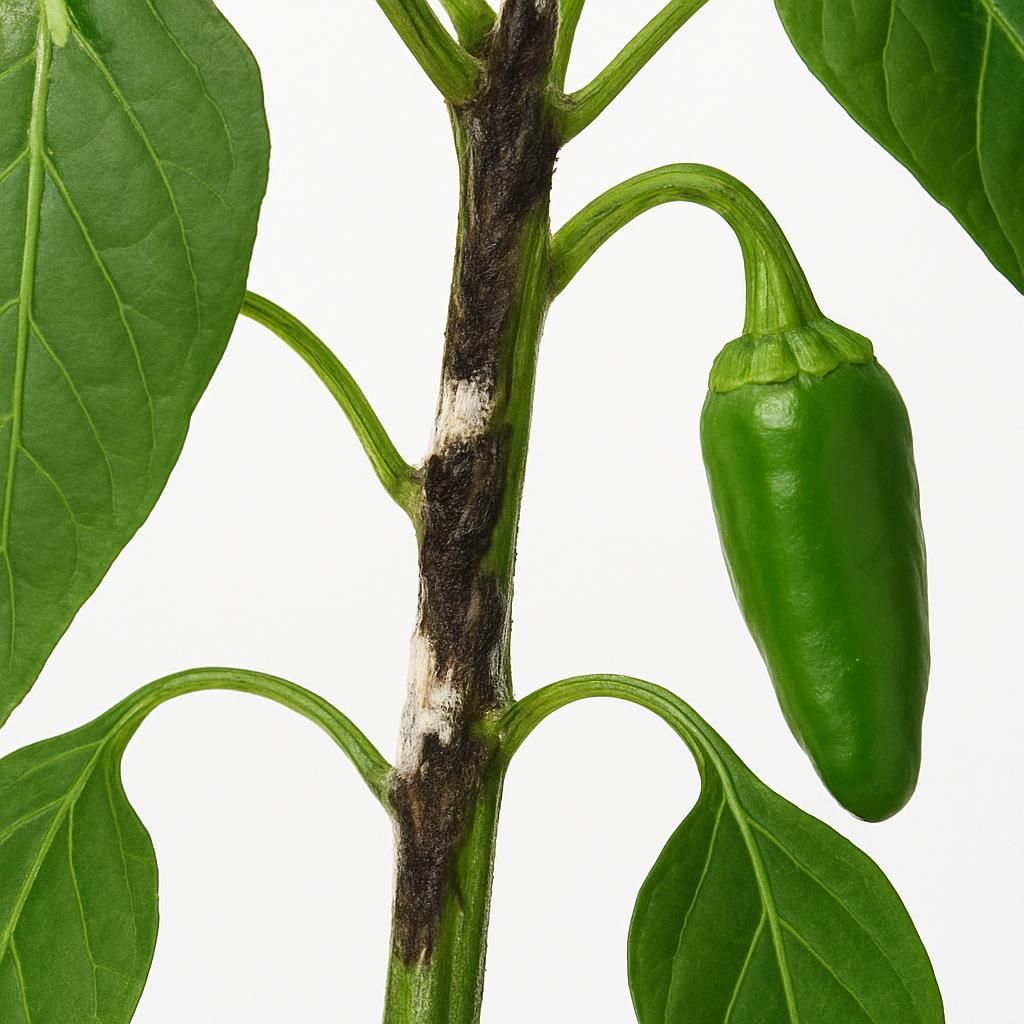
Introduction to Phytophthora blight (disease)
Phytophthora blight, caused primarily by the oomycete Phytophthora capsici, is one of the most aggressive soilborne pathogens affecting vegetable production worldwide. This disease impacts a wide range of economically important crops including Tomato, Bell Pepper, Chili Pepper, Eggplant, Cucumber, Squash, and Pumpkin. It can destroy entire fields within days under favorable conditions, making early diagnosis and integrated management essential for commercial and home growers alike.
The pathogen produces resilient oospores that survive in soil for years, allowing it to persist between crop cycles. Once established, it spreads rapidly via splashing water, irrigation, or contaminated equipment. Effective control requires combining cultural practices, resistant varieties, and targeted treatments rather than relying on any single method.
Identifying Symptoms & Damage
Early recognition of Phytophthora blight is critical because symptoms progress extremely fast. On stems and crowns, dark brown to black water-soaked lesions appear, often girdling the plant and causing sudden wilting. Leaves may show dark, irregular spots that expand rapidly during wet weather.
Fruit symptoms vary by crop: peppers develop soft, water-soaked lesions that become covered in white mold; tomatoes show concentric rings or leathery brown patches; cucurbits exhibit sunken, discolored areas that quickly rot. Root systems turn brown and mushy, reducing nutrient and water uptake. Distinguishing this disease from similar issues such as Pythium or Fusarium wilt requires laboratory confirmation in ambiguous cases.
Lifecycle and Progression of Phytophthora blight (disease)
The disease cycle begins with overwintering oospores in soil or plant debris. When soil temperatures reach 18–30 °C and moisture is abundant, oospores germinate to produce sporangia. These release motile zoospores that swim through water films to infect roots, crowns, or fruit. Within 3–5 days, new sporangia form on infected tissues, completing the cycle and allowing explosive spread during rain events.
| Lifecycle Stage | Description | Duration | Key Conditions |
|---|---|---|---|
| Overwintering | Oospores survive in soil and debris | Months–years | Cool, dry periods |
| Germination | Oospores produce sporangia | 1–3 days | Soil temp 18–30 °C, moisture |
| Zoospore Release | Sporangia release swimming zoospores | Hours | Free water films |
| Infection | Zoospores penetrate host tissues | 24–48 hours | Wounds, high humidity |
| Symptom Development | Lesions, wilting, fruit rot appear | 3–7 days | Warm, wet weather |
| Sporulation | New sporangia form on lesions | 2–4 days | High humidity, splashing water |
| Secondary Spread | Zoospores move via irrigation/rain | Ongoing | Wet foliage and soil |
Environmental Triggers & Risk Factors
Phytophthora blight thrives when daytime temperatures exceed 25 °C and nighttime temperatures remain above 18 °C, combined with prolonged leaf wetness or saturated soil. Heavy clay soils that drain poorly, overhead irrigation, and planting on low-lying areas increase risk dramatically. Fields with a history of the disease or poor crop rotation are especially vulnerable. Excessive nitrogen fertilization can promote lush growth that is more susceptible to infection.
| Factor | Optimal Range for Disease | Management Implication |
|---|---|---|
| Soil Temperature | 18–30 °C | Avoid planting in cool, wet soils |
| Soil Moisture | Saturated for >24 hours | Improve drainage and avoid overwatering |
| Air Temperature | Day >25 °C, Night >18 °C | Time planting to cooler periods |
| Leaf Wetness | >6 hours daily | Use drip irrigation, space plants |
| Soil Type | Heavy clay, poor drainage | Amend with organic matter |
| Previous Crops | Solanaceae or Cucurbitaceae | Rotate with non-hosts 3+ years |
Organic Control & Treatment Plans
Organic management focuses on breaking the disease cycle through sanitation, cultural practices, and approved biological or copper-based products. Begin with removal of all infected plants and debris, followed by solarization or biofumigation where feasible. Raised beds and drip irrigation reduce soil splash and maintain drier foliage. Apply approved products preventively rather than curatively.
| Treatment Option | Active Ingredient / Method | Application Frequency | Notes |
|---|---|---|---|
| Copper Hydroxide | Copper-based fungicide | Every 7–10 days during wet periods | Preventive only; follow label rates |
| Bacillus subtilis | Biological (Serenade, etc.) | Every 7–14 days starting at transplant | Tank-mix with copper for better results |
| Compost Tea / Aerated Extracts | Microbial diversity boost | Weekly soil drench | Improves soil suppressiveness |
| Raised Beds + Plastic Mulch | Cultural barrier | At planting | Reduces soil splash and crown infection |
| Crop Rotation (3–4 years) | Non-host crops (cereals, legumes) | Seasonal | Most effective long-term strategy |
| Solarization | Clear plastic cover 4–6 weeks | Pre-planting in summer | Kills oospores in top 15–20 cm soil |
Preventing Phytophthora blight (disease) in the Future
Long-term prevention centers on soil health and breaking pathogen continuity. Implement a minimum three-year rotation away from solanaceous and cucurbit hosts. Choose resistant or tolerant varieties when available, particularly for peppers and tomatoes. Improve field drainage with raised beds or tile systems and switch to drip irrigation to keep foliage dry. Mulch with organic materials to suppress soil splash and maintain consistent moisture without saturation. Sanitize tools, footwear, and equipment between fields. Monitor weather forecasts and apply protective treatments ahead of predicted rain events. Building soil organic matter through cover cropping and compost additions fosters microbial antagonists that suppress oomycete activity.
Crops Most Affected by Phytophthora blight (disease)
The disease is most severe on Tomato, Bell Pepper, Chili Pepper, Eggplant, Cucumber, Zucchini, Pumpkin, Squash, and Watermelon. Secondary hosts include Potato and some legumes. Resistant varieties exist for certain peppers and tomatoes; always verify current resistance ratings with seed suppliers.