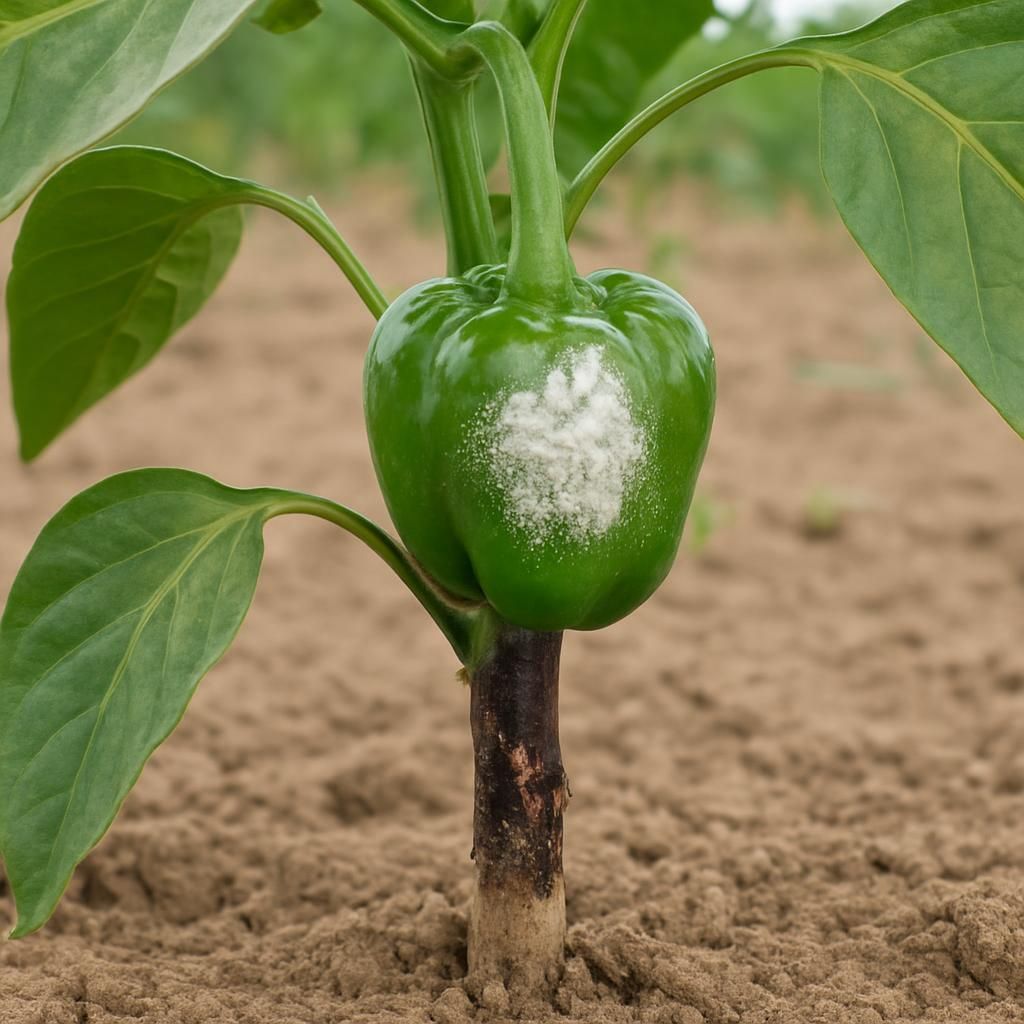
Introduction to Phytophthora blight
Phytophthora blight represents one of the most destructive diseases in modern agriculture, caused by oomycete pathogens in the genus Phytophthora. Unlike true fungi, these water molds require moist conditions to spread via sporangia and zoospores, making them particularly problematic in humid, poorly drained environments. First identified in the 19th century with P. infestans causing the Irish Potato Famine, Phytophthora species now threaten global food security by attacking over 200 plant species, including high-value crops like tomato, potato, peppers, cucurbits, and woody ornamentals.
The disease manifests as foliar blight, stem cankers, root rot, and fruit decay, often progressing from subtle leaf spots to complete plant death within days under favorable conditions. Economic impacts are severe: in peppers alone, P. capsici causes annual losses exceeding $100 million in the U.S. As a soilborne and airborne pathogen, it persists in infected debris, soil, and surface water for years, complicating eradication. This guide provides professional-grade diagnostics, lifecycle insights, organic management strategies, and prevention tactics tailored for small farms and commercial growers. Early detection through symptom scouting and integrated practices can reduce yield losses by up to 80%. For deeper reading on related pathogens, see our comprehensive Phytophthora wiki entry.
Identifying Symptoms & Damage
Accurate diagnosis begins with recognizing Phytophthora blight's hallmark symptoms, which vary by crop and infection stage. Foliar symptoms appear first as small, water-soaked lesions on lower leaves, often near the soil line. These dark green to black spots expand rapidly, developing white, fuzzy sporulation on the underside during humid nights— a key diagnostic feature distinguishing it from bacterial blights or Botrytis.
Stems exhibit irregular brown-to-black lesions or cankers at the base, leading to girdling and sudden wilting, mimicking lightning strike damage. Infected plants often collapse overnight, with roots showing black, mushy rot and a characteristic sour odor. Fruit infections produce firm, sunken lesions that turn leathery and moldy; in squash and pumpkins, 'squash pox'—small, dark spots—signals early fruit rot.
To confirm, slice affected stems: healthy tissue is white and firm, while Phytophthora reveals dark, watery rot extending into vascular tissue. Laboratory confirmation via PCR or culturing on selective media (e.g., PARPH-V8 agar) is ideal for species identification, as P. capsici dominates peppers and cucurbits, while P. infestans targets solanaceous crops like potato and tomato. Differentiate from Pythium root rot by Phytophthora's aerial sporangia and faster aboveground spread. Damage includes 50-100% yield loss in epidemics, stunted growth, and contaminated harvest bins spreading inoculum. Scout weekly during wet periods, using a 10x hand lens to spot sporangia.
Lifecycle and Progression of Phytophthora blight
Phytophthora's lifecycle is polycyclic, enabling explosive epidemics. Primary inoculum survives as oospores (thick-walled resting spores) in soil or plant debris for 1-5 years. Under warm (20-30°C), wet conditions, oospores germinate, producing sporangia that release biflagellate zoospores for soil/water splash dispersal or direct hyphal growth into roots.
Secondary spread occurs via wind-blown sporangia landing on wet foliage, germinating within 2-6 hours to infect stomata or wounds. Nighttime humidity >90% triggers sporulation, with each lesion producing millions of sporangia. Progression: Day 1-3: latent infection; Day 4-7: lesions expand; Week 2+: plant collapse and fruit rot. In pepper fields, a single rain event can initiate 10-20 infection cycles per season.
Temperature optima vary: P. infestans peaks at 15-20°C, P. capsici at 25-30°C. Oospores form in dying tissue via sexual recombination, increasing genetic diversity and fungicide resistance. Overwintering in volunteer plants, weeds, or rivers perpetuates outbreaks. Understanding this cycle informs timing: avoid overhead irrigation during sporulation windows.
Environmental Triggers & Risk Factors
Phytophthora thrives where water films persist on tissues. Key triggers include prolonged leaf wetness (>12 hours), soil saturation, and temperatures 18-28°C. High nitrogen fertility promotes lush growth susceptible to infection, while compacted, heavy soils retain moisture, favoring root infection.
Risk factors: overhead irrigation creating splash zones, dense canopies reducing airflow, and planting in low-lying fields prone to flooding. Infested soil or transplants introduce inoculum; surface water runoff from nurseries spreads zoospores miles downstream. Crop rotation failures exacerbate issues, as oospores survive 3+ years. In avocado groves, poor drainage doubles root rot incidence. Climate change intensifies risks with erratic rains. Mitigate by monitoring soil moisture (<20% volumetric water) and using weather-based alert systems.
Organic Control & Treatment Plans
Organic management integrates cultural, biological, and OMRI-approved treatments. Cultural: Remove and destroy infected plants immediately; avoid composting debris. Solarize soil pre-planting (clear plastic, 4-6 weeks summer heat >50°C kills 90% oospores). Use raised beds (12-18 inches) for improved drainage.
Biological: Apply Trichoderma harzianum or Bacillus subtilis drenches (e.g., RootShield, Serenade) at transplanting and monthly; these antagonize Phytophthora mycelium. Mycorrhizal fungi enhance root vigor against infection.
Organic Fungicides: Copper octanoate (Bonide Liquid Copper) or phosphorous acid (Reliant, 2-4 qts/A) as foliar/root drenches every 7-14 days during risk periods—up to 80% control in trials. Hydrogen peroxide (3%) or potassium bicarbonate sprays suppress sporulation. Rotate modes of action to prevent resistance.
Treatment Protocol: Week 1: Scout/cull; apply biofungicide drench. Week 2: Phosphite booster + copper foliar. Ongoing: Mulch with straw to reduce splash. In small farms, check our Spring Pest Patrol: Organic AI Strategies for integrated scouting tips. Expect 60-90% control with vigilance; no cure exists for advanced infections.
Preventing Phytophthora blight in the Future
Prevention outperforms cure. Select resistant varieties: 'Evergreen' pepper, 'Mountain Merit' tomato, or grafted cucurbits resist P. capsici. Sanitize tools/greenhouses with 10% bleach or quaternary ammonium. Site selection: well-drained slopes, pH 6.0-6.5; avoid low spots.
Crop rotation: 4-6 years away from host crops (solanaceae, cucurbits). Drip irrigation minimizes foliar wetness; time applications for midday drying. Cover crops like mustard biofumigate soil upon incorporation. Pre-plant soil tests for Phytophthora via bioassays; fumigate if positive (organic-approved metam sodium). Quarantine transplants; hot water treat seed (50°C, 25 min). Annual scouting grids track incidence. Long-term: breed for polygenic resistance and diversify fields.
Crops Most Affected by Phytophthora blight
Phytophthora blight strikes a wide host range, prioritizing wet-loving crops. Solanaceae dominate: potato (P. infestans late blight), tomato, bell pepper (P. capsici). Cucurbits like squash, pumpkin, cucumber suffer fruit/ crown rot. Woody perennials include avocado root rot (P. cinnamomi), citrus gummosis. Others: eggplant, strawberry, [rhododendron](/wiki/rhododendron—wait, not listed, skip), and ornamentals. In tropics, cacao black pod; in fields, soybeans stem rot. Global hotspots: U.S. Southeast peppers, Irish potatoes, Peruvian potato. Tailor strategies per crop.