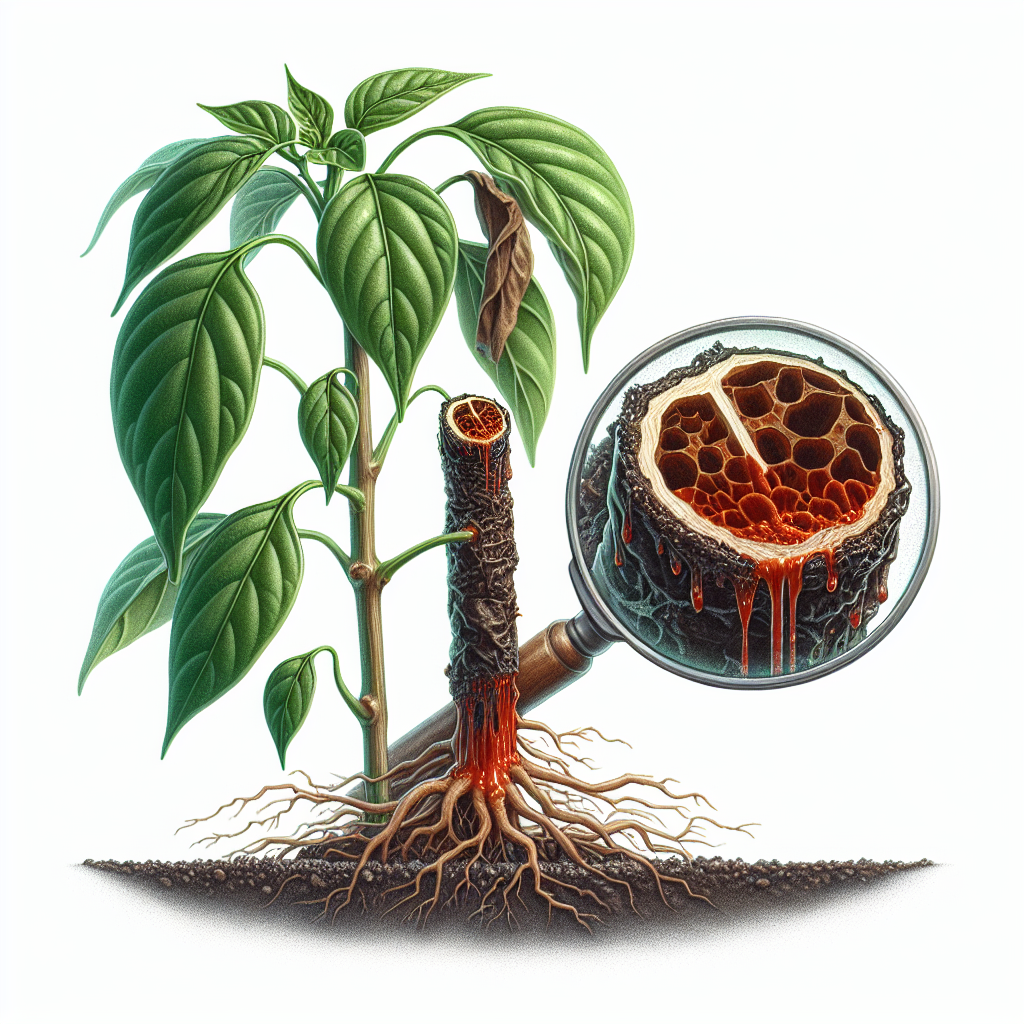
Introduction to Phytophthora capsici
Phytophthora capsici is one of the most devastating soilborne pathogens affecting vegetable production worldwide, particularly in warm, humid regions. This oomycete, often mistaken for a true fungus, causes Phytophthora blight, root and crown rot, stem lesions, and fruit rot, leading to significant economic losses. First identified on peppers in New Mexico in 1918, it has since spread globally, impacting over 50 crop species but posing the greatest threat to solanaceous and cucurbit crops.
The pathogen's ability to survive in soil for years as oospores makes it notoriously difficult to eradicate. Infected fields can remain unproductive for seasons without intervention. Symptoms often appear suddenly after heavy rains or over-irrigation, with plants collapsing overnight. Early detection and integrated management are crucial for minimizing damage. This guide provides professional-grade diagnostic tools, lifecycle insights, and organic strategies tailored for small farms and commercial growers battling root rot.
Understanding Phytophthora capsici's biology is key to control. It spreads via splashing rain, contaminated water, tools, and soil movement. In high-risk areas like the southeastern U.S., Mexico, and parts of Asia, it causes annual losses exceeding millions in peppers alone. Resistant varieties and soil health practices offer the best long-term defense. For more on small farm optimization, check this Soil Health Mastery guide.
Identifying Symptoms & Damage
Accurate diagnosis starts with recognizing distinct symptoms across plant parts. On peppers and tomato plants, the most common sign is dark, water-soaked lesions at the soil line, progressing to girdling crown rot. Leaves wilt during the day but may recover at night initially, mimicking drought stress. Stems develop brown to black cankers with a reddish ooze when cut, especially near the base.
Root systems show sparse, dark, rotten roots with little feeder root development. In cucurbits like squash and cucumber, symptoms include sudden vine collapse, with dark lesions expanding rapidly along stems. Fruit rot appears as firm, dark brown spots that become sunken and covered in white mycelium under humid conditions. Infected fruits often drop prematurely.
Advanced infection leads to plant death within days. Differentiate from Fusarium wilt by the lack of vascular discoloration and presence of oomycete sporangia under microscopy. Field diagnosis: Dig up suspect plants and check for oospores in roots using selective media. Yield losses range from 30-100%, with peppers most severely affected. Secondary invaders like Pythium often complicate symptoms.
Lifecycle and Progression of Phytophthora capsici
Phytophthora capsici's lifecycle is adapted for wet environments, producing multiple survival structures. Primary inoculum consists of thick-walled oospores in soil or infected plant debris, viable for 1-5 years. Under favorable conditions (20-30°C, saturated soil), oospores germinate to form sporangia, releasing zoospores that swim to roots.
Zoospores encyst and penetrate roots directly or via wounds, colonizing vascular tissue. Within 24-48 hours, lesions form. Asexual sporangia form on infected tissues above ground, splashing to new hosts during rain. Sexual reproduction occurs between A1 and A2 mating types, producing oospores for long-term survival.
Disease progression accelerates in summer with alternating wet-dry cycles: wet for infection, dry for symptom expression. Overwintering in roots or soil perpetuates cycles. In greenhouses, contaminated pots spread it rapidly. Understanding this polycyclic nature explains explosive epidemics. For visual confirmation, lab isolation on PARPH-V8 agar reveals characteristic coralloid hyphae.
Environmental Triggers & Risk Factors
Phytophthora capsici thrives at 25-32°C soil temperatures with excessive moisture. Compacted, poorly drained soils retain water, favoring zoospore activity. High nitrogen fertilizers promote lush growth susceptible to infection. Continuous cropping of host plants builds inoculum.
Risk spikes after heavy rains, furrow irrigation, or overhead watering that splashes soil. Acidic soils (pH <6) enhance survival. Crop rotation less than 3 years fails to dilute oospores. Weed hosts like pigweed harbor the pathogen. In bell pepper fields, incidence jumps 50% post-flooding. Climate change may expand its range northward. Monitor soil moisture and avoid working wet fields to reduce spread.
Organic Control & Treatment Plans
Organic management emphasizes prevention but includes curative options. Remove and destroy infected plants immediately to limit inoculum. Apply biocontrols like Trichoderma harzianum or Bacillus subtilis drenches at 10^9 CFU/ml weekly. Gypsum (2-4 tons/acre) improves drainage in sodic soils.
Mustard biofumigation with seed meals releases isothiocyanates suppressing oospores. Solarization with clear plastic for 4-6 weeks in summer kills soil inoculum. Organic phosphonates like potassium phosphite (3-5 qt/acre) boost plant defenses via SAR. Foliar applications every 14 days during wet periods.
Companion planting with marigold or mustard suppresses via allelopathy. Mulch with straw to reduce soil splash. For chili pepper, dip transplants in compost teas. Integrated plans reduce incidence 70%. Avoid copper-based products in organic systems due to soil accumulation; use OMRI-listed alternatives.
Preventing Phytophthora capsici in the Future
Long-term prevention hinges on cultural practices. Plant resistant varieties like 'Reyo' peppers or 'Conqueror' squash. Rotate with non-hosts like wheat or corn for 4+ years. Improve drainage with raised beds (12-18 inches high) and tile systems.
Use drip irrigation, avoiding overhead. Sanitize tools with 10% bleach. Soil test and amend to pH 6.5-7.0. Pre-plant fumigation with organic options like allyl isothiocyanate where allowed. Scout weekly, using bait tests for early detection. Cover crops like sudangrass enhance soil suppressiveness.
Grafted plants on resistant rootstocks (e.g., 'Elsanta' for tomato) evade soilborne phases. Monitor weather for rain events >1 inch. These strategies sustain yields in infested fields. For broader soil strategies, explore Soil Health Mastery.
Crops Most Affected by Phytophthora capsici
Peppers (Capsicum spp.), especially bell and chili varieties, suffer most, with 80-100% losses possible. Tomato ranks second, prone to crown and fruit rot. Cucurbits like squash, pumpkin, cucumber, and watermelon collapse via vine blight.
Eggplant, okra, and lima beans also susceptible. Emerging threats to avocado rootstocks and some legumes. Susceptibility varies: jalapenos highly vulnerable, habaneros more tolerant. Peppers show Phytophthora root rot symptoms earliest. In mixed rotations, isolate solanaceous crops.